Photo credit: The Avid Outdoorsman
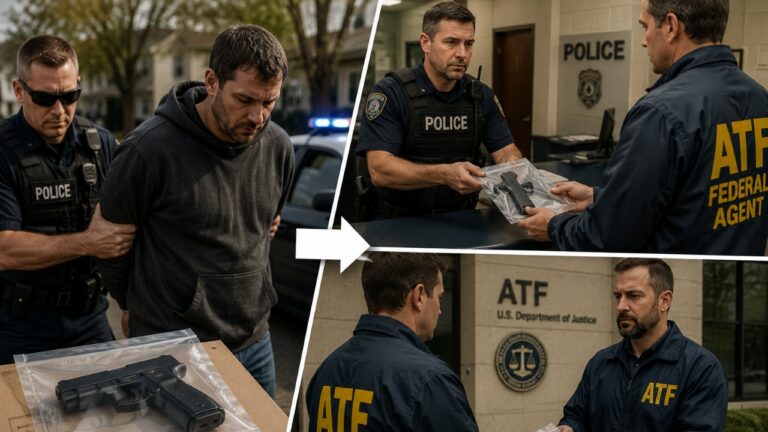
The gun owner said he was trying to figure out how to get his firearm back without making the situation worse. According to the Reddit post, someone else had possession of his gun, and he wanted to know whether he could contact police to help retrieve it.
The original Reddit post can be found here: https://www.reddit.com/r/legaladvice/comments/k3gxkg/can_i_contact_the_cops_to_get_my_gun_back/
That kind of situation can get messy fast because the firearm did not simply disappear from a car or get stolen out of a house by an unknown person. The owner appeared to know who had it. That can make people hesitate. They start thinking it is a private dispute, a misunderstanding, or something they can solve with one more conversation.
But when the item is a gun, waiting around can create risk. If the person holding it refuses to return it, loses it, sells it, or gets stopped with it, the recorded owner may still have to explain how it left his control. That is why commenters treated the question seriously. It was not just about recovering property. It was about creating a record before something else happened.
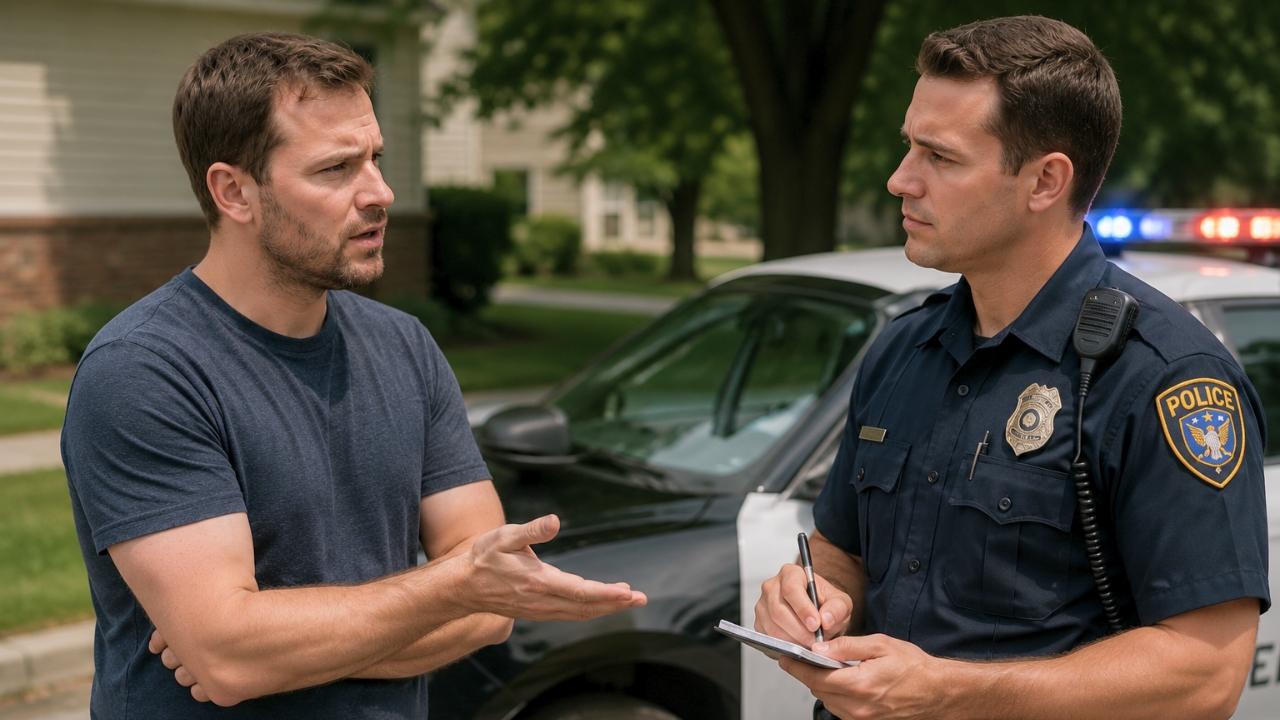
The owner’s instinct to involve police made sense. Showing up personally to take back a firearm can be dangerous, especially if emotions are already high. Even if the other person does not intend violence, a disagreement over a gun can escalate quickly. Police may be able to keep the contact calm, document the issue, or advise whether the matter needs to be handled as stolen property or a civil dispute.
The difficult part is that police may not always treat it the same way. If the gun was clearly stolen or unlawfully kept, they may take a report. If the owner voluntarily handed it over and now there is a disagreement about returning it, officers might say it is civil unless there are threats, clear refusal, or other facts. That does not mean the owner has no options. It means the facts and paperwork matter.
The post captured the uncomfortable lesson a lot of gun owners learn too late: do not casually let someone else keep your firearm unless the legal transfer, possession rules, and return expectations are crystal clear. A handshake arrangement may feel fine at the time. Later, when the person does not hand it back, the owner is stuck trying to prove what the deal actually was.
Commenters told the owner to gather proof before doing anything else. That included purchase records, serial number, messages showing ownership, and any communication where the other person acknowledged having the gun.
Several people said he could call the non-emergency police line and explain the situation calmly. The advice was not to storm into the other person’s home or threaten them. It was to ask how the department handles recovery of a firearm being held by someone else.
Others warned that if the person refused to return the gun, the owner may need to make a formal report. If police considered it a civil matter, he might need to speak with an attorney or pursue the return through court. But commenters still believed it was wise to create a record that the gun was no longer under his control.
A few people emphasized not retrieving it alone. Even if the owner believed the gun was his, going to someone’s house to take it back could create a confrontation. With a firearm involved, that is exactly what responsible people should avoid.
The post ended with the owner trying to do the safest version of a difficult thing. He wanted his gun back, but he also needed to make sure the recovery did not turn into another problem. Police may or may not have been able to retrieve it immediately, but asking for help was safer than turning a firearm dispute into a personal showdown.
Like The Avid Outdoorsman’s content? Subscribe to our newsletter so you never miss an article.
Here’s more from us: