Photo credit: The Avid Outdoorsman
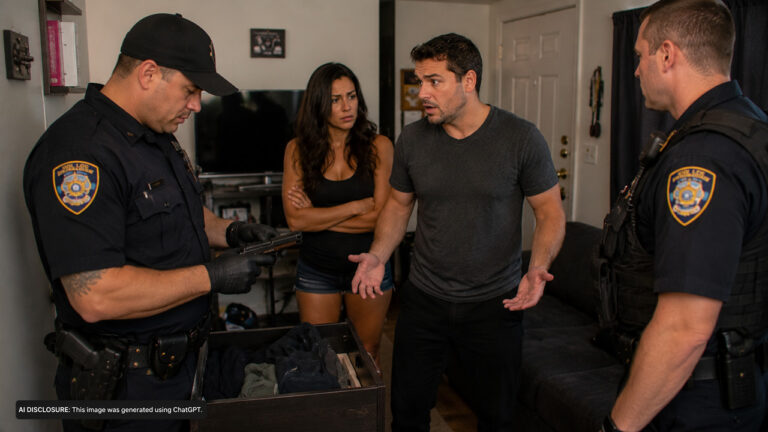
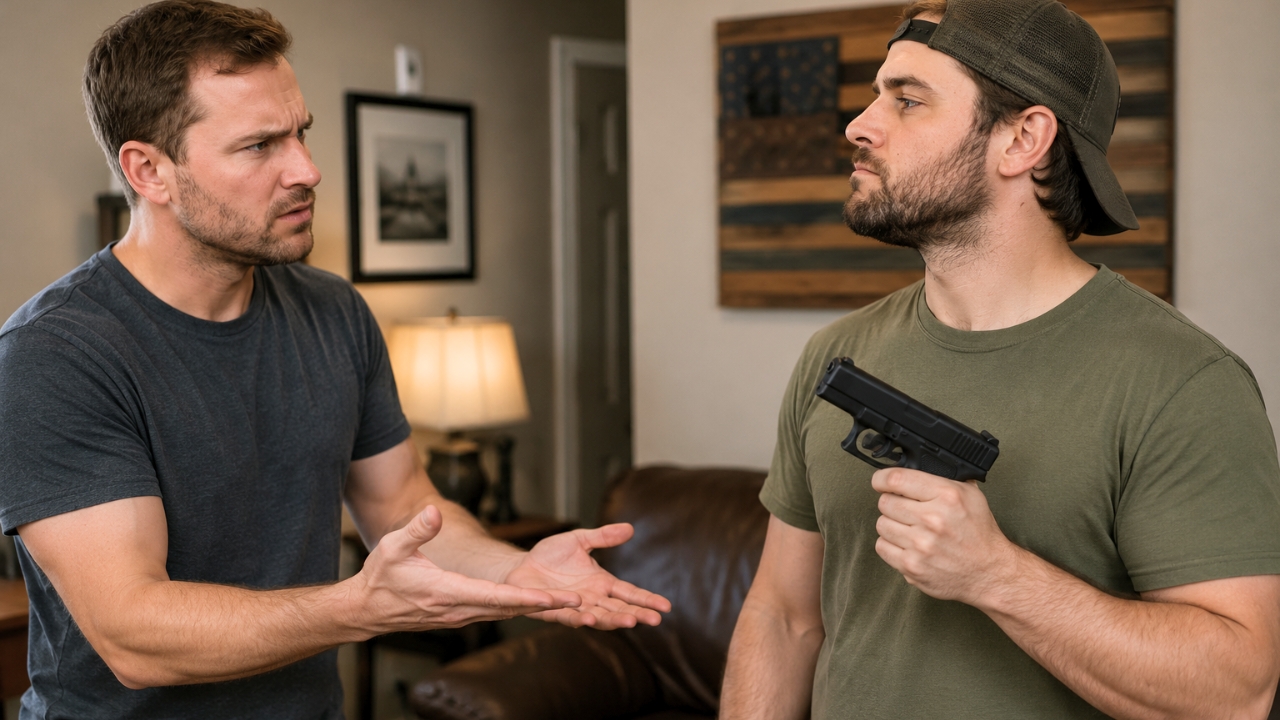
The man said he loaned the pistol out for what sounded like a serious reason at the time. According to the Reddit post, his friend had been dealing with a stalker who had come onto their property more than once. They lived far out in the woods in Idaho, where police response could take an hour, so the poster let the friend borrow a pistol for self-protection.
The original Reddit post can be found here: https://www.reddit.com/r/legaladvice/comments/11zrqgh/i_lent_a_friend_a_pistol_for_self_protection/
At the time, it may have felt like helping someone who was scared and isolated. But nearly a year later, the poster wanted the firearm back. That was when the situation changed. He said the friend blocked his phone number, Facebook, and Instagram, cutting off contact instead of returning the pistol.
That put him in a difficult position. He had bought the firearm through an FFL, had the paperwork, had the serial number, and had photos of it. In other words, there was a clear record tying the gun back to him. If that pistol later turned up in a crime, a theft, or some other police matter, he knew it could trace back to him first.
The poster seemed torn. He knew where the person lived and wondered if he should confront them directly. But he also knew walking up to someone who had cut off contact and still had his gun could be a bad idea. He did not want to “ruin their life” by going to police first, but he also did not want to be left responsible for a firearm he no longer controlled.
That is the part that makes loaning a gun different from loaning almost anything else. If someone refuses to return a borrowed tool, there may be a civil argument. If someone refuses to return a borrowed firearm, the owner has to worry about safety, liability, records, and whether the gun is even still in that person’s possession.
The friend’s silence made the situation feel worse. Blocking someone after they ask for their pistol back does not look like a misunderstanding. It makes the owner wonder whether the gun was lost, sold, damaged, stolen again, or deliberately kept.
Commenters overwhelmingly told him to stop hesitating and report the firearm. Several said that once the friend refused to return it and blocked contact, the issue had moved beyond a casual loan.
Many focused on protecting the owner. If the pistol were used in a crime, commenters warned that it could trace back to the last documented purchaser. Without a report showing it was no longer in his possession, he could have a much harder time explaining what happened.
Others told him not to confront the friend in person. Even without a gun involved, showing up angry at someone’s home can escalate. With a pistol in the middle of the dispute, commenters said it was smarter to let law enforcement handle recovery.
A few suggested documenting all communication, including the request for return and the fact that the friend blocked him afterward. Some also mentioned sending a registered letter or speaking with an attorney, but the dominant advice was simple: create an official record now.
The post ended with the owner facing the consequence of a decision that once felt helpful. He loaned a friend a pistol during a scary time. A year later, the friend had cut him off, the gun was still gone, and the safest next step was no longer a favor between friends. It was a stolen-firearm report.
Like The Avid Outdoorsman’s content? Subscribe to our newsletter so you never miss an article.
Here’s more from us: