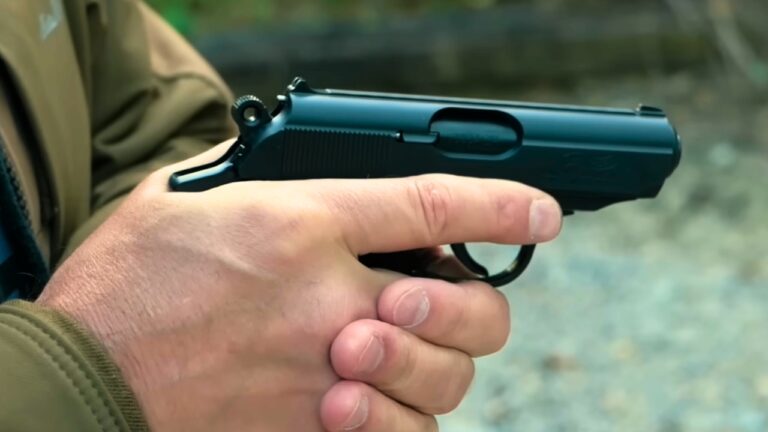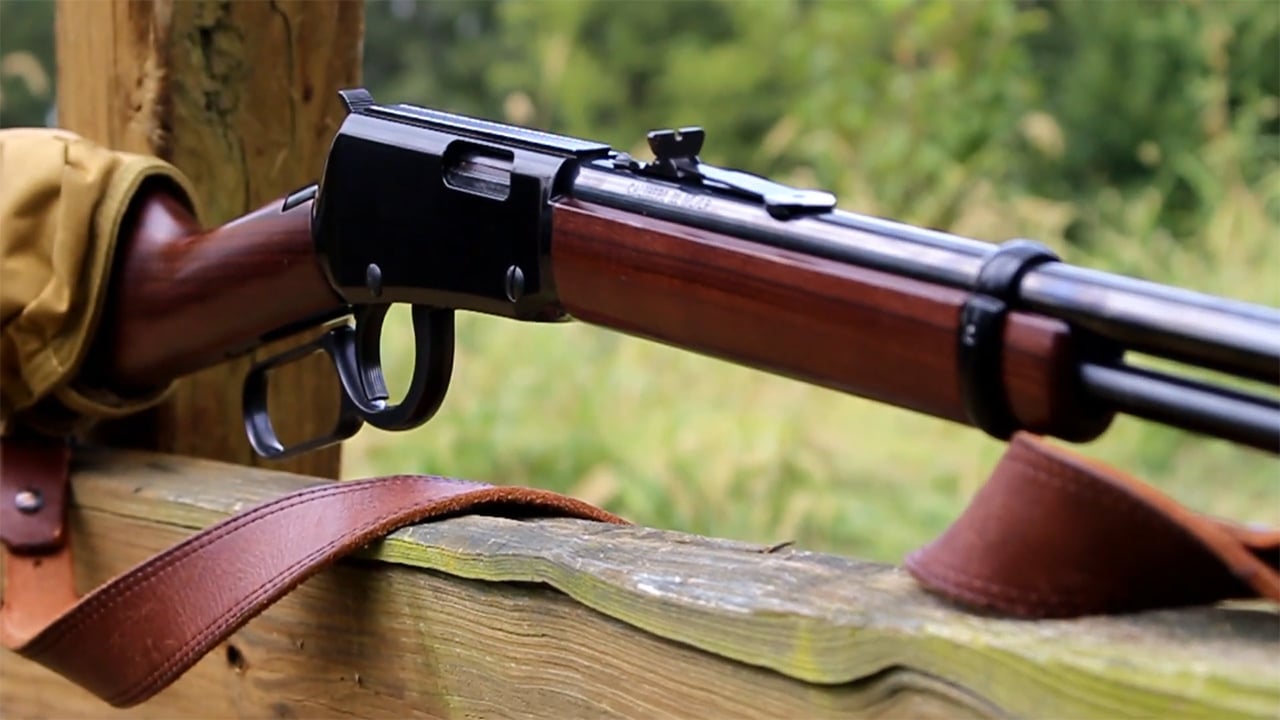
Photo credit: ZRUS Outdoors Channel/Youtube
Some guns get doubted for reasons that seem fair at the time. Maybe the brand is not known for that type of firearm. Maybe the design looks odd. Maybe the price seems too low, the caliber seems outdated, or the gun arrives while everyone is chasing something flashier. Doubt comes easy when buyers already think they know what works.
Then the gun proves itself. It shoots better than expected, runs longer than people predicted, holds value, or keeps earning respect after the loud opinions fade. These firearms made plenty of skeptics wish they had judged a little slower.
Ruger American Pistol
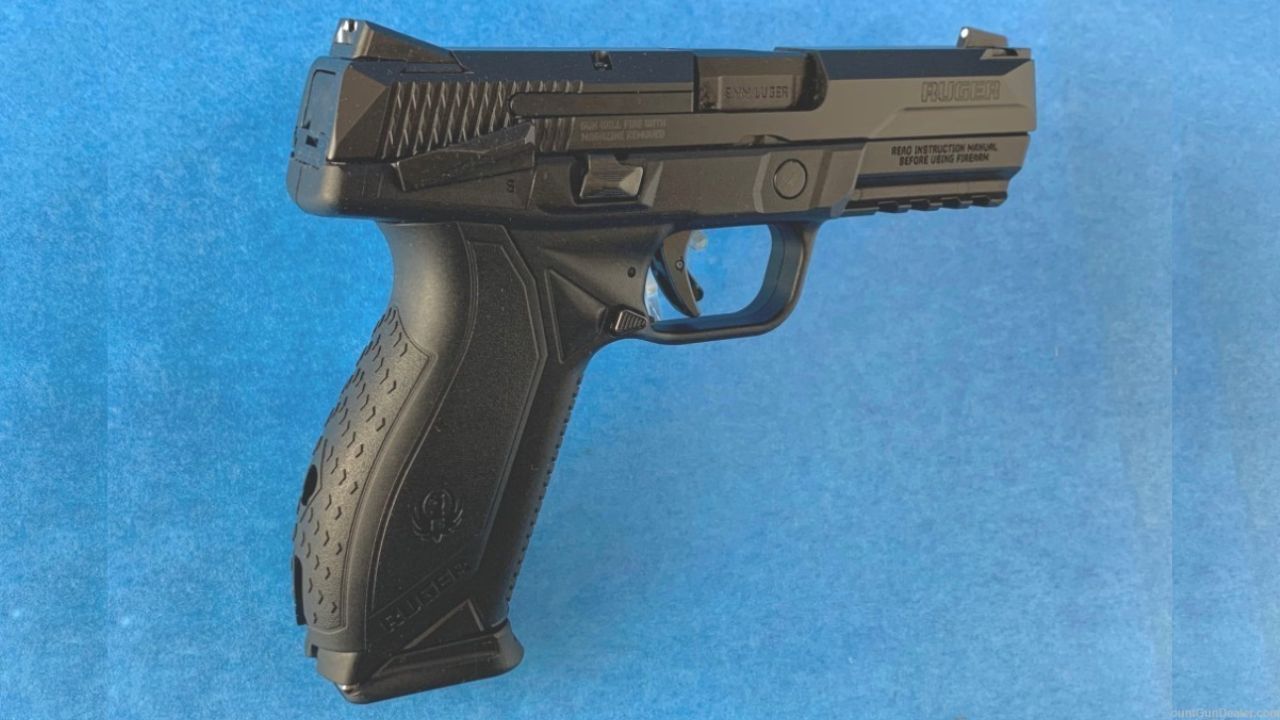
The Ruger American Pistol got doubted because it entered a crowded striker-fired market without much visual excitement. It looked chunky, plain, and late to a party already dominated by Glock, Smith & Wesson, and SIG.
But owners who actually spent time with it often found a tougher pistol than expected. It handled recoil well, felt durable, and offered practical reliability at a fair price. It was never the coolest gun in the case, but it did not need to be. People who dismissed it too quickly missed a solid working pistol.
Winchester Model 100

The Winchester Model 100 carried enough mixed opinions that many buyers doubted it before giving it a fair look. Semi-auto hunting rifles from that era can make people cautious, especially when parts and maintenance become part of the conversation.
A good Model 100 still has a lot going for it. It is handsome, quick-handling, and chambered in practical deer cartridges. It was not built for mag dumps or benchrest bragging. It was built for hunters who wanted a fast second shot in the woods. People who doubted every one of them missed the appeal of a clean, properly sorted rifle.
Smith & Wesson CS45
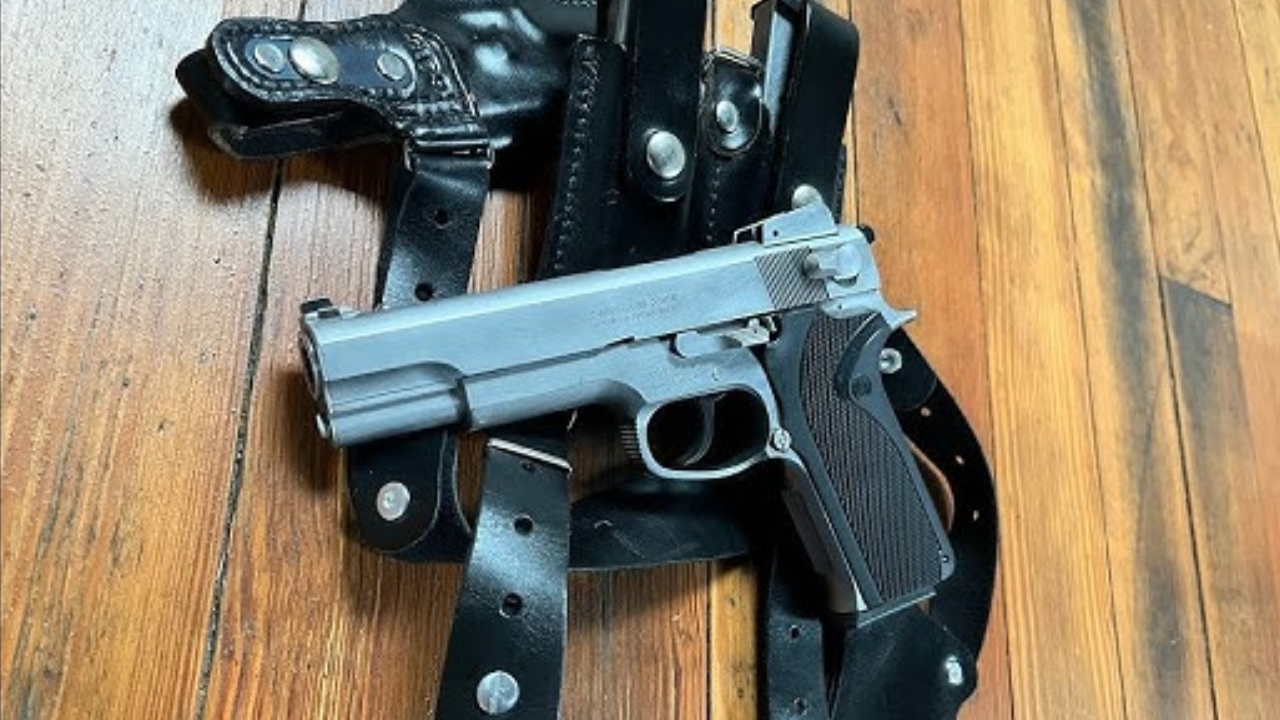
The Smith & Wesson CS45 was easy to doubt once compact 9mms started owning the carry market. A chunky little .45 with old-school controls did not seem like the future.
That was not the whole story. The CS45 gave shooters a compact metal-frame pistol with real .45 ACP character and third-generation Smith durability. It was not high capacity, and it was not featherlight, but it carried better than its shape suggested and shot with confidence. Shooters who wrote it off as outdated often regret not appreciating how uncommon that kind of compact .45 has become.
Browning Buck Mark Plus
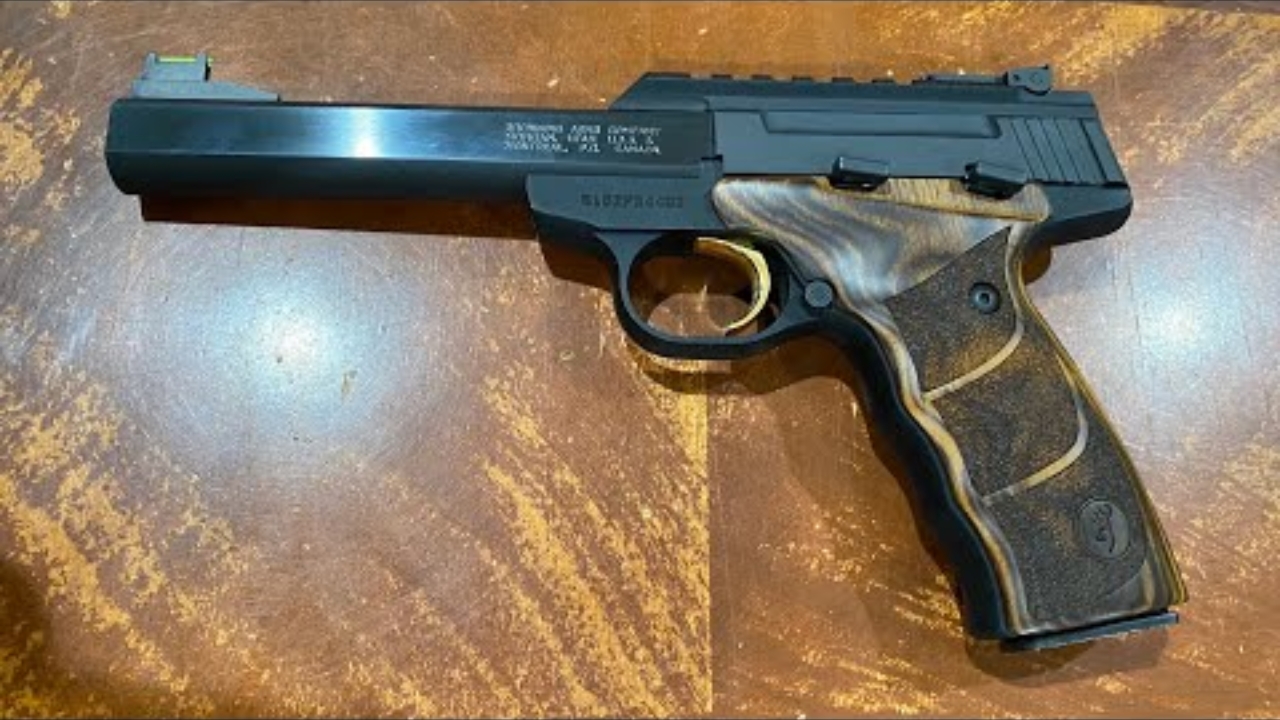
The Browning Buck Mark Plus was sometimes doubted because people automatically compared every rimfire pistol to the Ruger Mark series. That made the Browning feel like the second choice before some buyers even shot it.
That doubt did not hold up well. The Buck Mark Plus has a good trigger, comfortable grip, and enough accuracy to satisfy serious rimfire shooters. It is also easy to enjoy without turning every range session into a project. Owners who gave it a chance usually understood fast. It was never a consolation prize. It was a genuinely good .22 pistol.
Marlin XS7

The Marlin XS7 got doubted because Marlin was not the first name many hunters thought of for modern bolt-action rifles. A budget-friendly short-action rifle from a lever-gun company sounded easy to overlook.
Then people started shooting them. Many examples grouped well, carried easily, and gave hunters a practical rifle for far less money than bigger-name options. The XS7 was not fancy, but it had a good trigger system, simple handling, and honest accuracy. Hunters who ignored it because of the badge often missed one of the better sleeper budget rifles of its time.
Beretta 9000S
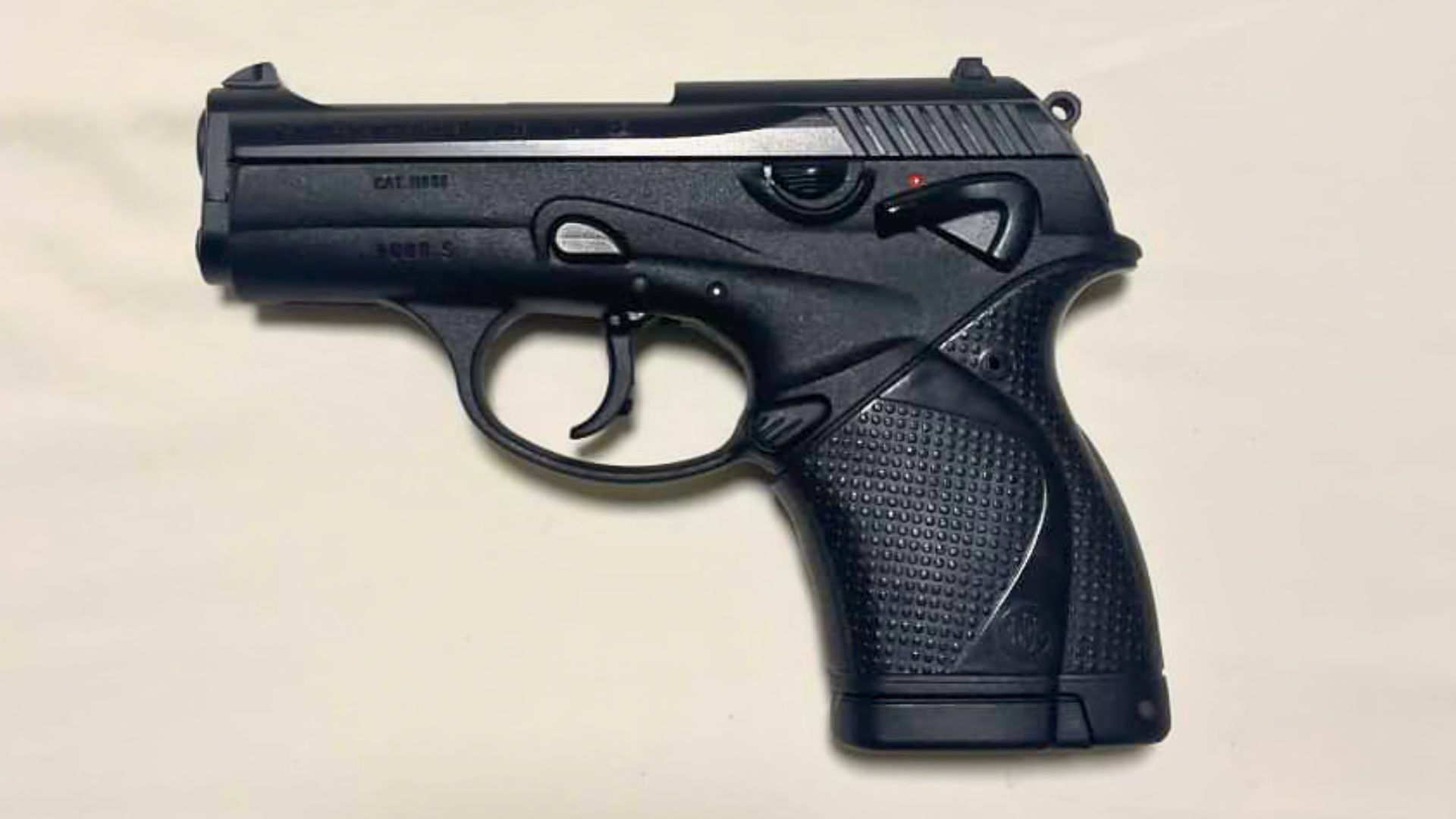
The Beretta 9000S was doubted almost immediately because of its looks. It was rounded, odd, and very different from the pistols buyers expected from Beretta. Many people judged it before they understood what it was trying to be.
It was not perfect, but it was more interesting than the jokes suggested. The 9000S gave shooters a compact double-action/single-action pistol with Beretta character in a carry-friendly package. It never became a classic mainstream choice, but clean examples now have curiosity and collector appeal. People who laughed at it too quickly may wish they had grabbed one when nobody cared.
Ruger M77 Frontier
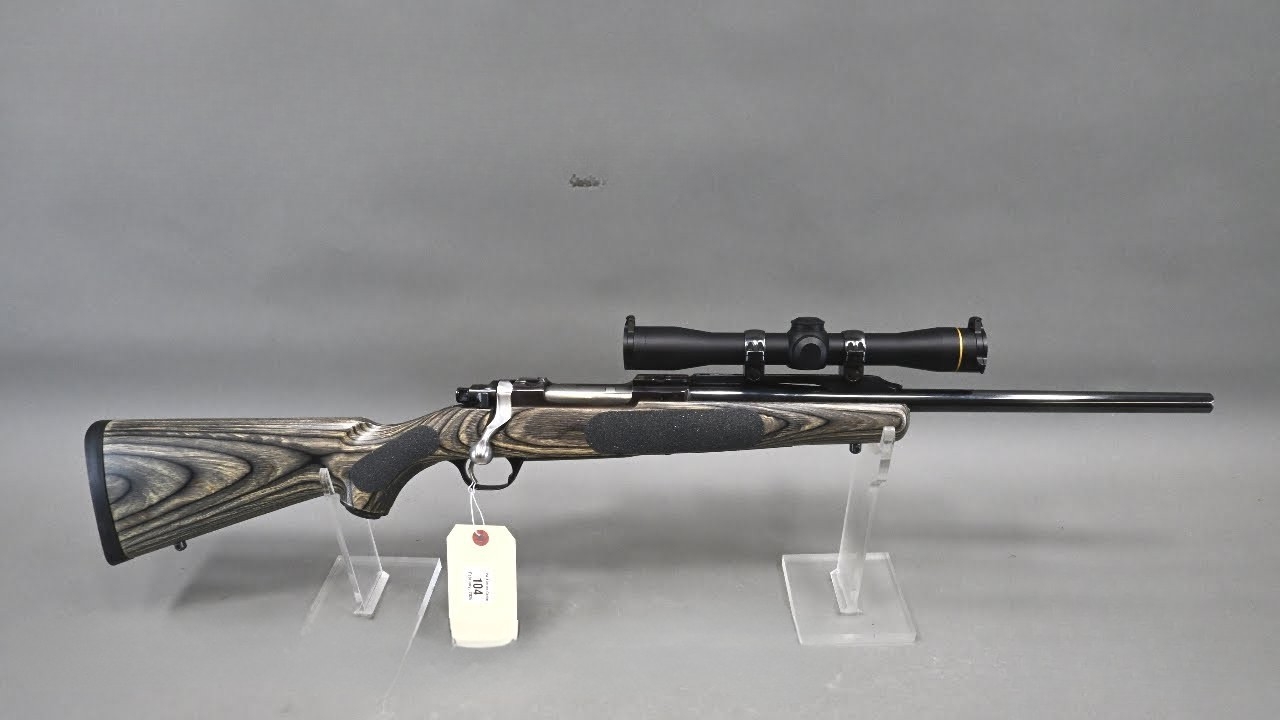
The Ruger M77 Frontier drew doubt because the scout-style concept was never universally loved. A compact bolt gun with a forward optic rail looked strange to hunters used to normal scope placement and longer barrels.
But the rifle made sense for people who liked handy, fast-pointing hunting guns. It was short, sturdy, and easy to carry in brush or tight country. The forward rail was optional in spirit, because the rifle could still serve as a compact utility bolt gun. Doubters focused on the concept and missed the fact that the Frontier was simply a useful little rifle.
Colt 1908 Hammerless
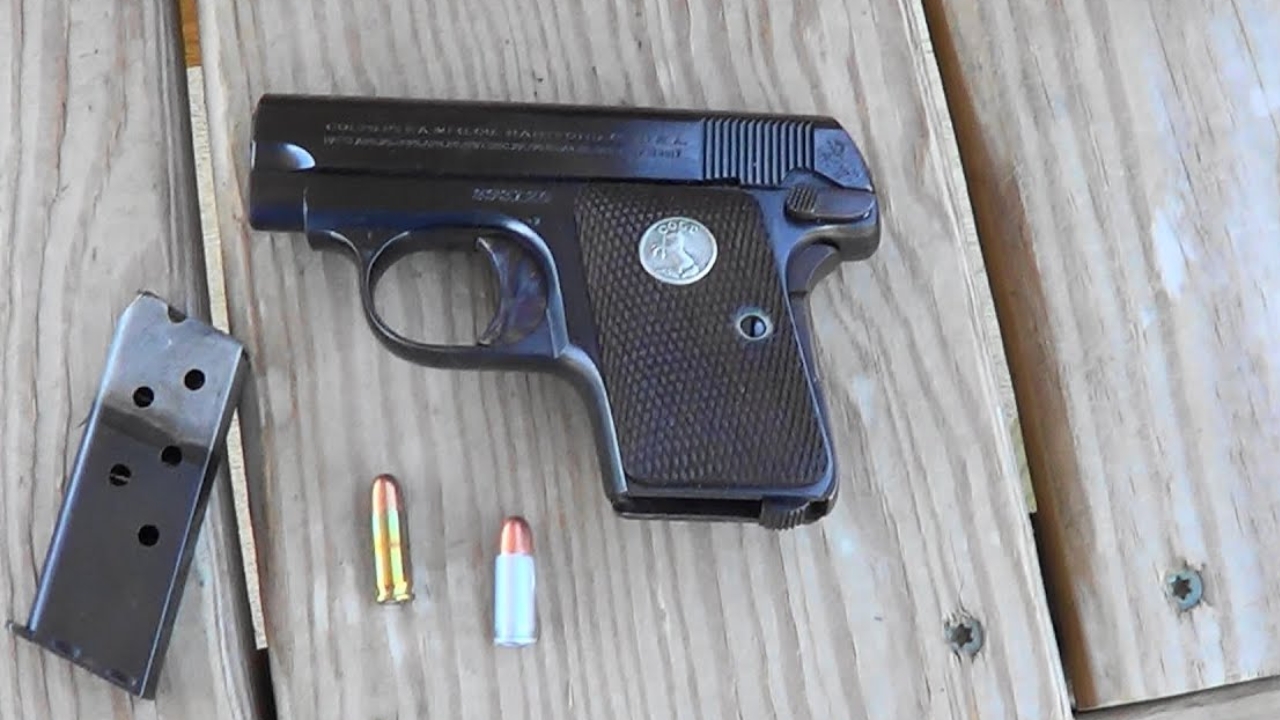
The Colt 1908 Hammerless was easy for modern shooters to doubt because of its mild chamberings and old age. Compared with modern 9mms, it looks underpowered and limited.
That kind of comparison misses why people appreciate it now. The 1908 is slim, elegant, beautifully made, and historically important. It points naturally and carries a level of craftsmanship most modern pocket pistols cannot touch. Nobody needs to pretend it is a modern defensive powerhouse. It proved itself as a design worth respecting, and doubters who ignored old Colts often regret it now.
Mossberg 500 Bantam
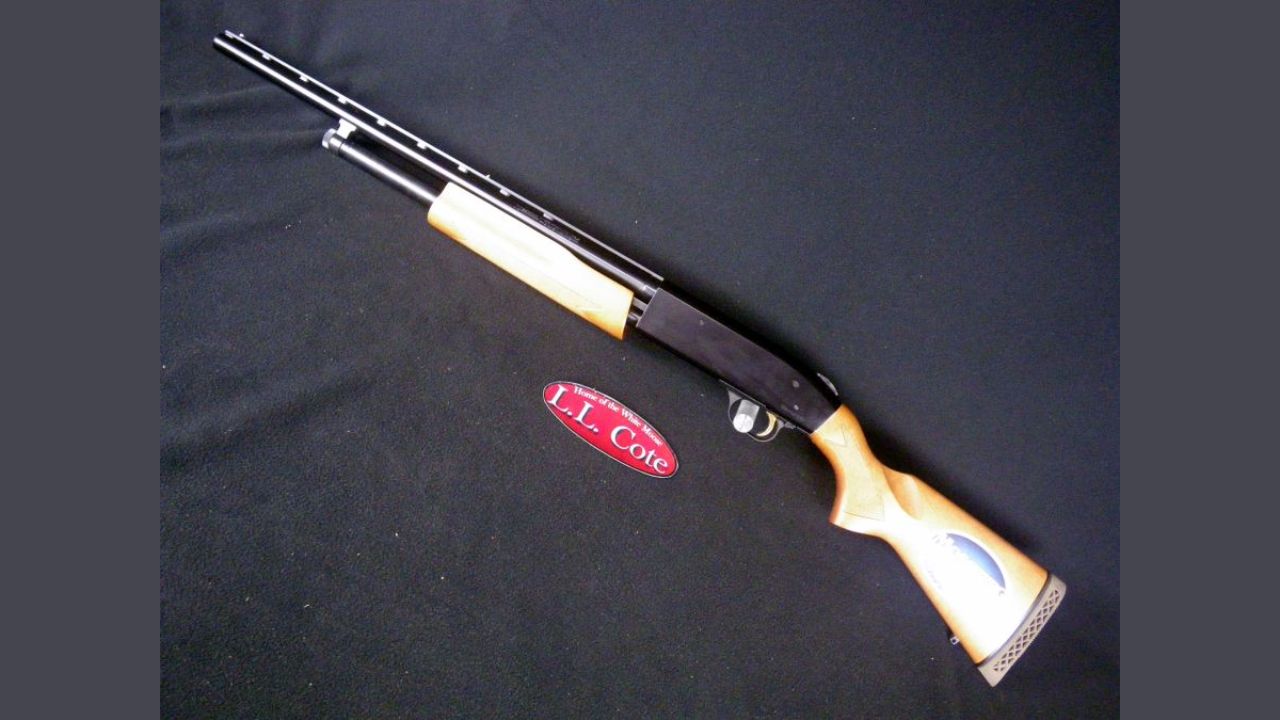
The Mossberg 500 Bantam was easy to dismiss as a youth shotgun or starter gun. Some buyers saw the shorter stock and smaller fit and assumed it was only useful for beginners.
That was too narrow. The Bantam setup can be excellent for smaller-framed hunters, compact defensive use, turkey setups, and anyone who wants a shorter length of pull with pump-gun reliability. A shotgun that fits correctly is easier to run well. People who doubted the Bantam because of its size missed how practical a compact pump can be.
CZ 97BD
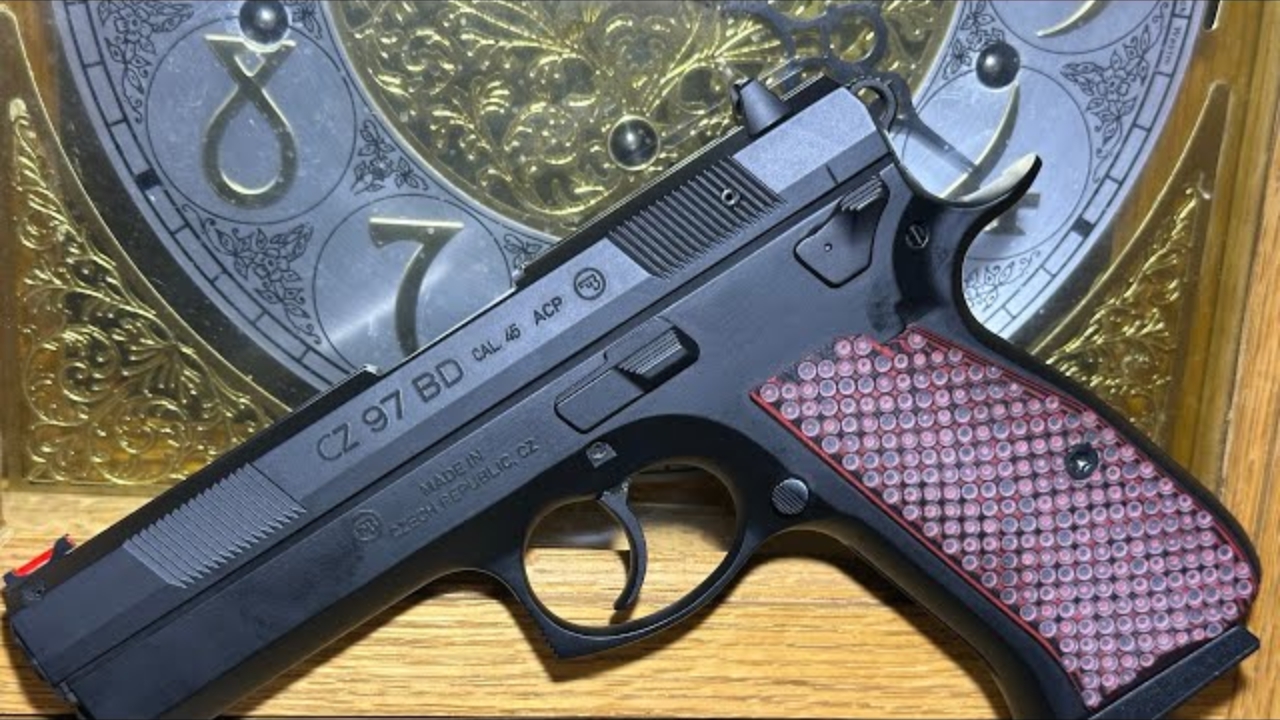
The CZ 97BD was doubted because it was big, heavy, and chambered in .45 ACP at a time when lighter polymer pistols were becoming the obvious choice. It looked like a pistol from a different era.
Then shooters discovered how well it handled. The weight softened recoil, the grip worked better for many hands than expected, and the accuracy could be excellent. It was not a carry pistol for most people, but as a range or home-defense .45, it had real appeal. People who doubted it because it was large often regret not buying before discontinuation pushed interest higher.
Remington 870 Express Magnum

The Remington 870 Express Magnum caught plenty of doubt because it lived below the Wingmaster and Police models. Rougher finish, cheaper furniture, and later production complaints made people quick to criticize it.
Still, many owners had Express Magnums that ran for years through ducks, doves, deer, turkey, and home-defense duty. A pump shotgun does not need to be pretty to be useful. Good examples did exactly what owners needed at a price regular hunters could afford. People who doubted every Express missed the fact that plenty of them earned honest field trust.
SIG Sauer P250

The SIG Sauer P250 was doubted hard because of its long double-action-only trigger. In a market moving toward striker-fired pistols with shorter pulls, the P250 felt out of step.
That doubt was understandable, but not always fair. The pistol’s modular fire-control system was ahead of its time, and the smooth DAO trigger rewarded steady practice. It was not for shooters who wanted a crisp striker break, but it had a clear purpose and influenced what came later. People who dismissed it completely missed how important the idea behind it really was.
Henry H001

The Henry H001 was doubted by some shooters because it was affordable, simple, and not built like an expensive vintage lever gun. A basic .22 lever action did not seem like something to take seriously.
Then owners kept shooting them. The action was smooth, the rifle was fun, and it became one of those guns people used constantly with kids, friends, and new shooters. It did not need collector prestige to matter. It made rimfire shooting enjoyable and approachable. Anyone who doubted it because it was inexpensive missed the whole point.
Taurus Tracker .44
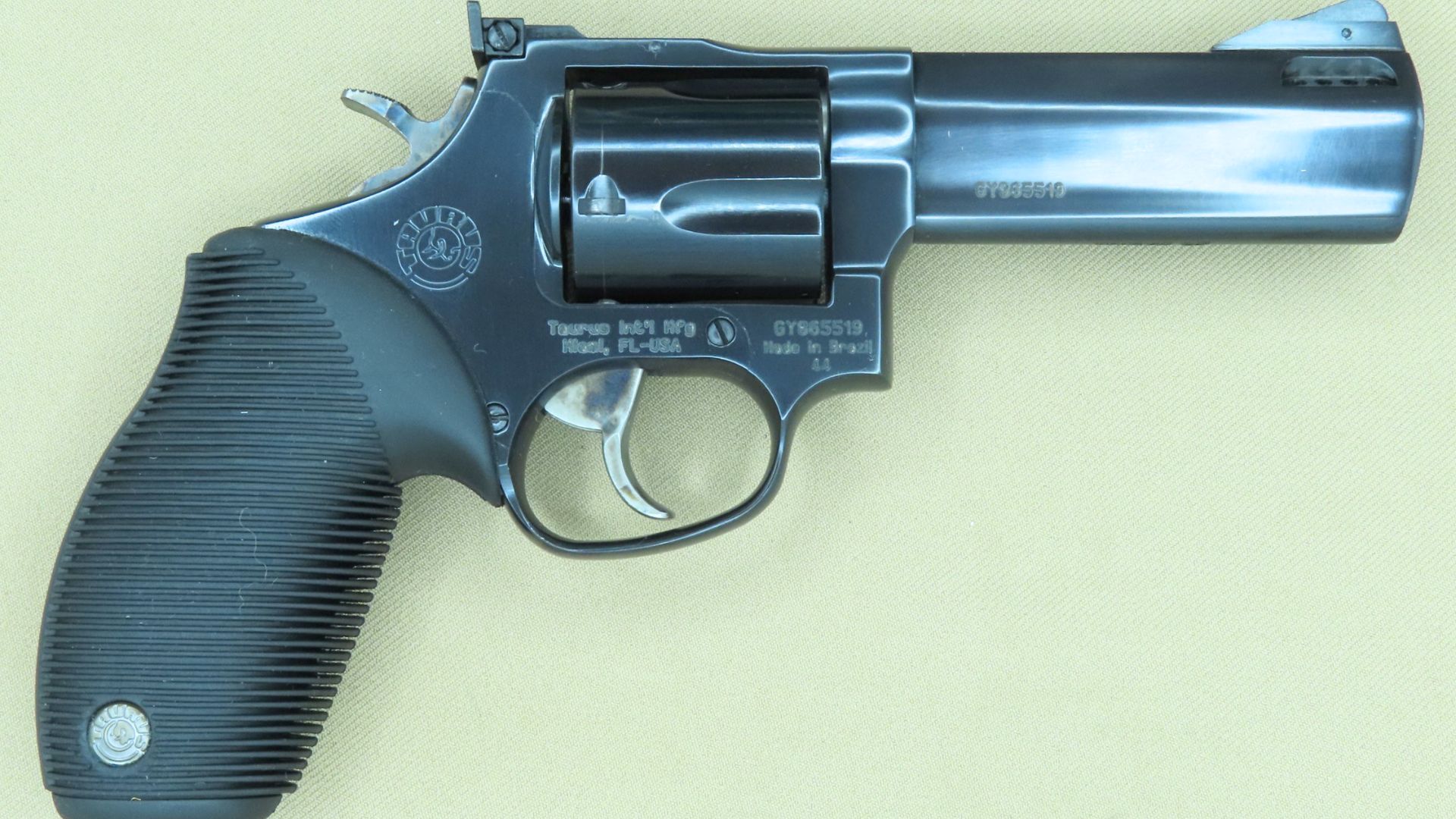
The Taurus Tracker .44 was easy to doubt because compact big-bore revolvers from Taurus do not always get much grace from serious wheelgun fans. People expected rough edges before they ever fired one.
Some owners found a surprisingly useful field revolver. The ported barrel, manageable size, and .44 Magnum chambering gave hikers, hunters, and property owners a lot of power in a packable gun. It was not as refined as pricier revolvers, but it filled its role better than doubters expected. For the money, it made a stronger case than many critics admitted.
Savage Model 12FV
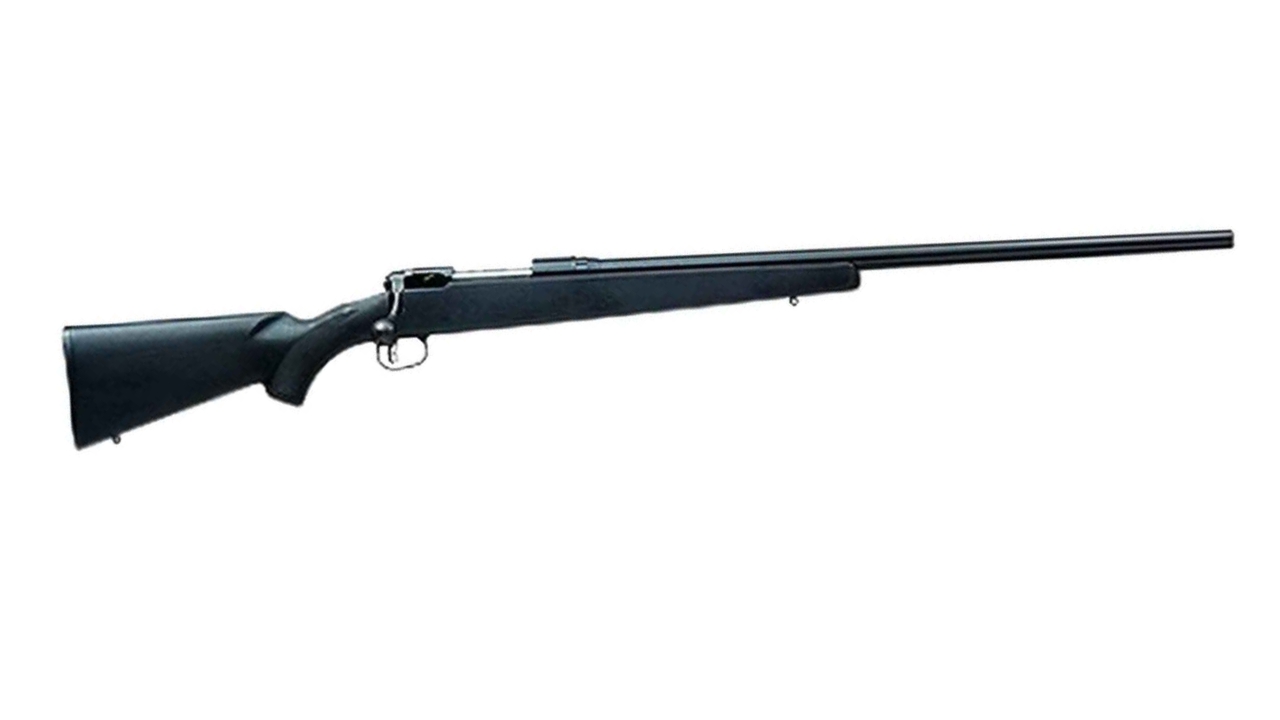
The Savage Model 12FV was doubted because it was plain, heavy, and often sold at prices that made people wonder how good it could really be. It did not look like a premium varmint or target rifle.
Then shooters started printing groups with it. The heavy barrel, AccuTrigger, and simple stock gave budget-minded riflemen a platform that could shoot far beyond its price. It was not elegant, and many owners upgraded stocks later, but the core accuracy was real. People who doubted it because it looked cheap missed one of the better low-cost accuracy buys around.
Like The Avid Outdoorsman’s content? Subscribe to our newsletter so you never miss an article.
Here’s more from us: