Photo credit: Tactical Considerations/YouTube
When pressure hits, your shooting changes. Your grip gets tighter, your vision narrows, and your trigger finger wants to move faster than your sights. That’s why the “best” handgun for calm range time isn’t always the best handgun when your heart rate jumps. You want a pistol that points naturally, runs clean when you’re less than perfect, and has controls you can work without thinking. You also want magazines, holsters, and replacement parts that are easy to find, because the gun you can actually train with is the one you’ll handle well.
The good news is you don’t have to spend premium money to get a pistol that behaves under stress. These are budget-friendly handguns with track records, practical size, and shootability that helps you stay in control when it matters.
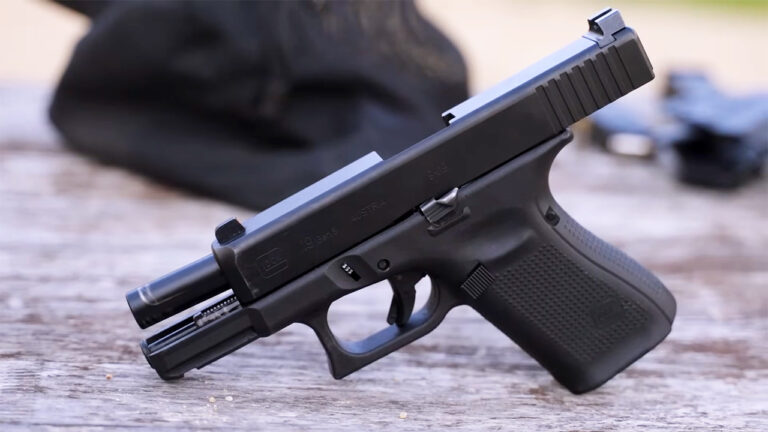
Glock 19

The Glock 19 keeps showing up in stressful training for a reason: it’s boringly consistent. The grip is big enough to clamp down on, the sight radius is usable, and the gun doesn’t get temperamental when your grip isn’t perfect. Under pressure, that predictability matters more than fancy features.
The other advantage is support. You can find mags, holsters, and spare parts everywhere, and most instructors know the platform inside and out. That means you spend less time solving weird problems and more time shooting. If you want a handgun that will forgive some ugly trigger presses while you learn to run it fast, the 19 is still hard to beat.
Glock 17

If you shoot better with a full grip and a little more weight out front, the Glock 17 can feel calmer when you start pushing speed. The longer slide and sight radius give you more feedback, and that helps when you’re trying to call your shots instead of guessing. It’s also easier to manage recoil because the gun has a bit more mass to soak it up.
It’s a practical pick when you want a duty-size pistol without duty-size pricing. You still get the huge ecosystem of mags, holsters, and sights, plus the same reliability reputation the platform is known for. When you’re shooting under stress, a gun that cycles the same way every time and stays easy to track in recoil is worth real money.
Smith & Wesson M&P9 M2.0 Compact

The M&P9 M2.0 Compact earns its place because it fits a lot of hands and stays controllable when you start running drills hard. The grip texture and shape help you lock the pistol in, and that can be the difference between fast follow-up shots and chasing the front sight around. It also has a modern, usable trigger that doesn’t require immediate upgrades for most shooters.
Budget-wise, these often land in a sweet spot for value. You get a proven service pistol design in a size that works for concealed carry and range work. Under pressure, you want a gun that returns to the sights naturally, and the M&P’s ergonomics do that for many shooters without forcing a grip you have to fight.
CZ P-10 C

The CZ P-10 C is a striker-fired compact that often surprises people who assume “budget” means rough trigger and sloppy feel. The trigger is commonly praised for a clean break and short reset, which helps when you’re trying to shoot fast without yanking shots low. The grip angle also works well for a lot of shooters, especially if you like how CZs point.
Under pressure, the P-10 C rewards good fundamentals but doesn’t punish you for being human. It tracks flatter than many compacts and feeds a wide range of ammo well in most examples. You also get solid sight options and decent holster support. If you want a pistol that feels more refined than its price suggests, this one belongs on your short list.
Canik TP9SF Elite

Canik built a reputation by giving shooters a lot of performance per dollar, and the TP9SF Elite is a strong example. The trigger is often the first thing you notice—crisp and easy to run fast—which matters when your hands are moving quicker than your brain. The gun also tends to sit flat in recoil, helping you stay on the sights instead of fighting muzzle rise.
It’s a practical size, too: big enough for control, compact enough to carry for many people. You’ll want to confirm your preferred defensive ammo runs well, as you should with any handgun, but the platform has been widely adopted by budget-minded shooters who train hard. When you’re trying to build confidence under stress, a predictable trigger and stable recoil impulse help a lot.
Canik METE SF

The METE SF takes what people liked about earlier Caniks and adds a more modern feel in the hands. The ergonomics are friendly, the controls are easy to reach, and the gun’s balance makes it quick to drive between targets. That kind of handling matters when you’re working from the draw, moving, or trying to stay accurate on tight par times.
It also keeps the brand’s value advantage. You’re getting a pistol that often feels “ready to train” out of the box, without needing a pile of upgrades. Under pressure, you want repeatable indexing and a trigger you can manage without overthinking. The METE SF tends to deliver both. If you’re trying to stretch your budget while still getting a gun that feels capable, it’s worth a hard look.
Beretta APX A1

The APX A1 is one of those pistols that doesn’t get talked about enough, but it checks a lot of boxes for stress shooting. The slide is easy to rack, the grip is secure, and the gun tends to run reliably with typical range and defensive loads. Beretta also has a long history of service pistol designs, and that shows in the APX’s straightforward layout.
Where it helps under pressure is controllability. The APX A1’s shape and weight distribution make it easier to keep the gun tracking straight back, especially for newer shooters. It’s also commonly priced in a way that leaves room in the budget for ammo and practice. A “cheaper” gun that you actually train with will beat an expensive safe queen every time.
IWI Masada

The IWI Masada is built around practical reliability and a simple manual of arms, which is what you want when your brain is busy. The grip shape works for many hands, the recoil impulse is manageable, and the pistol generally runs well without being picky. It also has a clean layout that makes it easy to build habits—draw, present, press, reset, repeat.
For the money, it offers a lot of modern features and a solid feel. Under pressure, you don’t want sharp edges or awkward controls slowing you down. The Masada tends to stay comfortable through long practice sessions, which matters because stress performance comes from repetition. If you’re after a straightforward 9mm that doesn’t cost premium dollars, this one is a strong value play.
Ruger Security-9
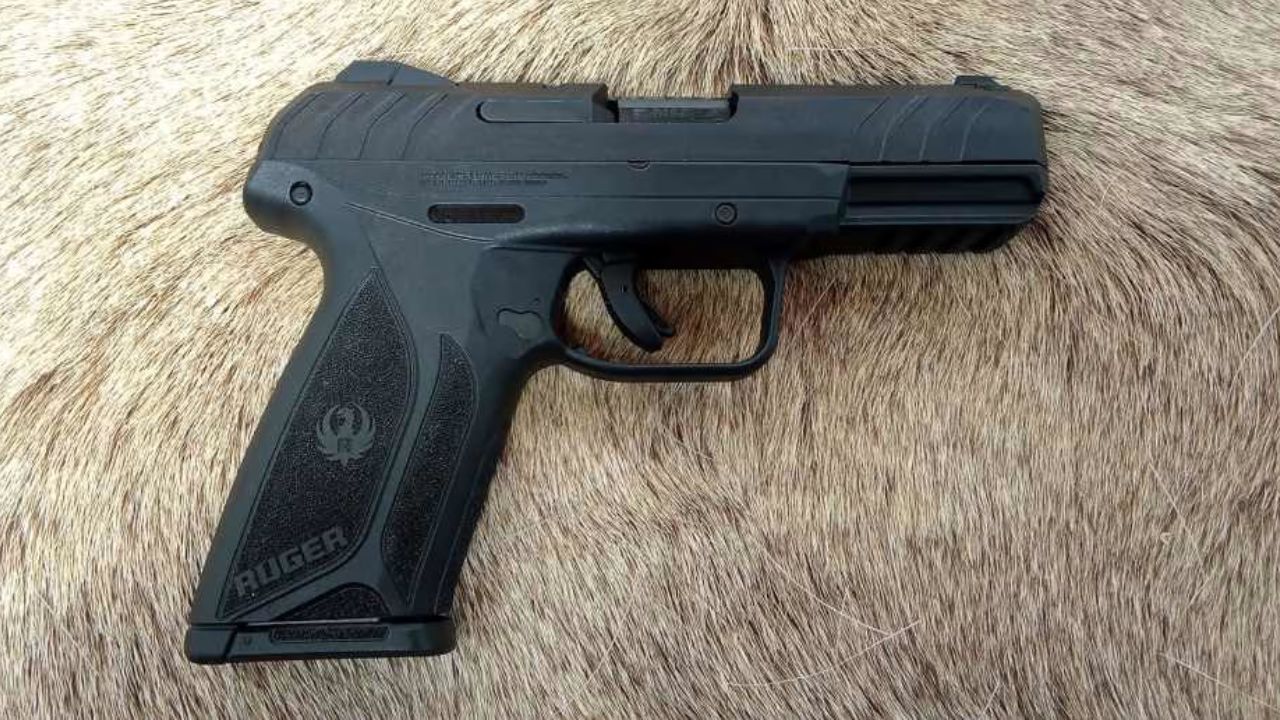
The Ruger Security-9 is aimed at people who want a practical 9mm without paying extra for a brand name tax. The pistol is lightweight, easy to carry, and generally easy to run. The trigger and recoil feel aren’t “match” territory, but they’re workable, and many shooters learn to shoot it well with a little time behind it.
Under pressure, what matters is that the gun cycles reliably and points naturally for you. The Security-9’s size helps with control more than tiny micro-compacts, and it gives you a full enough grip to clamp down on. It’s also widely available, and parts and magazines aren’t hard to source. If you’re building a budget defensive setup, it leaves room for a quality belt, holster, and training ammo.
Taurus G3

Taurus has improved a lot over the years, and the G3 is one of the models that helped change minds. It’s a full-size-ish 9mm that’s easy to grip, and that extra real estate helps when you’re shooting faster than you’re comfortable with. The recoil is manageable, and the gun gives you enough sight radius to make precise shots without feeling twitchy.
The smart way to treat a budget pistol is to vet it. Put a couple hundred rounds through it, confirm your defensive load, and make sure your magazines behave. Do that, and the G3 can be a very workable tool for someone who needs a capable handgun on a tight budget. Under pressure, a larger grip and controllable recoil often matter more than brand prestige.
Taurus G3c
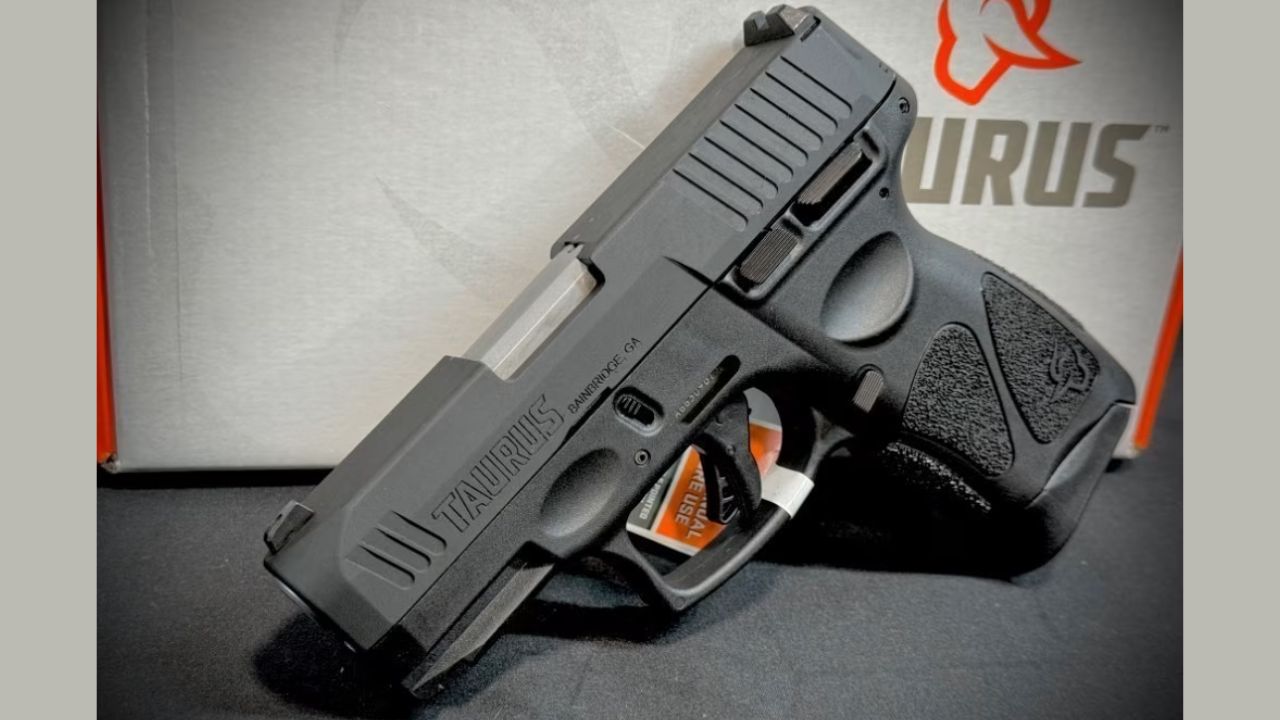
If you need something more carry-friendly but still want control, the G3c is a common budget pick. It’s compact, but it isn’t so tiny that it becomes a handful. With a solid grip and a good stance, you can run it at speed without feeling like the gun is trying to jump out of your hands. That helps a lot when stress makes you clamp down unevenly.
Like any defensive handgun, it deserves a reliability check with your chosen ammo and mags. Once you’ve proven your specific gun, the G3c can be a practical carry option that doesn’t punish your wallet. The advantage of saving money on the gun is that you can spend it on practice—draw strokes, reloads, and realistic drills. That’s what actually builds performance under pressure.
PSA Dagger Compact

The PSA Dagger Compact is popular because it gives you a Glock 19-style footprint at a price many shooters can swallow. That means holster compatibility is often easier, magazines are easy to find, and the size is proven for fast, controlled shooting. The grip and controls feel familiar to anyone who’s spent time around striker-fired compacts.
Under pressure, familiarity matters. If you can borrow training knowledge from the massive Glock world—grip tricks, sight options, maintenance habits—you get up to speed faster. As with any value-priced pistol, you want to run it hard and confirm reliability with your carry ammo. But if your goal is a practical, trainable handgun that doesn’t drain your budget, the Dagger can be a smart way to get there.
Stoeger STR-9

The STR-9 flies under the radar, but it’s aimed at the same practical problem: give you a reliable striker-fired 9mm without premium pricing. The grip is straightforward, the controls are uncomplicated, and the pistol can be easy to shoot well once you find your rhythm. It’s not trying to impress you with gimmicks; it’s trying to run.
For pressure shooting, that’s a good mindset. You want something that feeds, fires, and resets without drama. The STR-9 also tends to be sized in a way that helps control recoil better than the smallest carry guns. Put in the work on a clean trigger press and good support-hand pressure, and you can move quickly without spraying rounds. If you’re stretching dollars, it’s a legitimate contender.
Springfield Armory XD Mod.2 (Service or Compact)

The XD Mod.2 line has been around long enough to earn a user base, and the pistols are generally known for being reliable workhorses. The grip safety is a love-it-or-hate-it feature, but for some shooters it adds peace of mind during holstering and reholstering. In terms of shooting, the grip shape can feel natural, and that helps you present the gun consistently under stress.
Where it fits the “budget under pressure” theme is availability. Used and new examples are often priced in reach, and magazines and holsters are common. The gun’s bore axis is a bit higher than some competitors, so you’ll want to build a strong support-hand grip to control muzzle rise. Do that, and the XD can run drills clean and fast without costing you premium money.
SIG Sauer P365 XMacro (used market)

If you can find one at a fair used price, the P365 XMacro gives you a rare combo: high capacity, slim carry profile, and shootability that feels closer to a compact than a micro. The grip is long enough for real control, and the gun tends to track well for its size. Under pressure, that controllability keeps your sights from turning into a blur.
It’s not always the cheapest option new, which is why the used market matters here. When you score one at the right price, you get a carry-friendly pistol that’s still comfortable for long practice sessions. The big takeaway is that it doesn’t force you into the “tiny gun, snappy recoil” trap. If you want something you can carry daily and still shoot confidently on the clock, it can make a lot of sense.
Like The Avid Outdoorsman’s content? Subscribe to our newsletter so you never miss an article.
Here’s more from us: