Photo credit: MontanaMountainMen/YouTube
Some pistols are fine when they live in the safe, untouched and clean. But take them to the range and put a few hundred rounds through them—now you’re talking heat, grime, fouling, and function tests. And this is when certain handguns start falling apart. You’re clearing stovepipes every magazine. You’re tap-racking more than shooting. You’re losing parts on the bench.
If you’re training for defensive use or carrying serious round counts through courses, you need a pistol that keeps up. Some of these are fun on day one but break down fast under pressure. Others were never meant for this kind of work. Either way, here are the handguns that turn your training sessions into repair sessions.
Kimber Micro 9

You might like how it carries, but the Kimber Micro 9 has a habit of chewing up your training time. The slide is tight and tends to choke on hollow points. It’s also picky about magazines—one bad follower and it’s stovepipe city. Once it gets dirty, things go downhill fast.
The recoil spring is light, and the slide doesn’t always return to battery cleanly, especially when hot. If you’re running a hundred rounds or more, you’ll feel that gritty hesitation. Add in a high price tag and you expect more reliability, but in a training scenario, this gun often demands cleaning and tweaking mid-session.
Taurus PT709 Slim
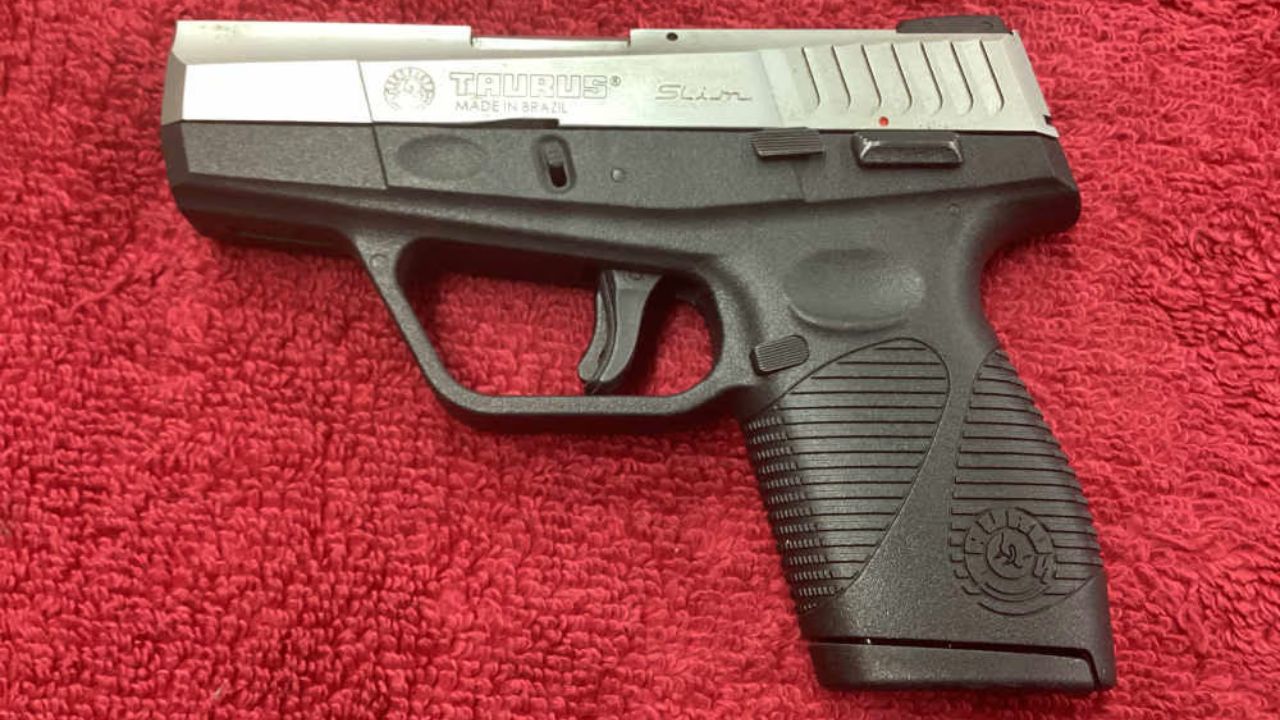
The PT709 Slim looks great on paper—lightweight, affordable, easy to conceal. But when it’s time to actually shoot it hard, it starts giving you trouble. The extractor is known to fail under high round counts, and the trigger reset feels inconsistent once the gun heats up.
It also doesn’t love mixed ammo types. One mag might run fine, the next gets stuck feeding halfway. The polymer rails can wear quicker than you expect, especially if you’re shooting more than most casual users. For a few rounds at a time, it works. But extended sessions? That’s when the wheels come off.
SCCY CPX-2

The SCCY CPX-2 is often pitched as an affordable option, but you pay for that in frustration later. The long, heavy trigger wears you out fast in training. More importantly, it starts showing its flaws after a few magazines. Failure to feed and light primer strikes are common complaints.
The recoil spring setup doesn’t always hold up well to high-volume shooting, either. A lot of owners report needing replacement parts before they hit 1,000 rounds. And since it lacks a manual safety, you don’t get much control to offset the poor handling during malfunctions. If you’re planning a serious training day, this one will slow you down.
Remington R51

The Remington R51 was supposed to be something new. What it ended up being was a pistol with cycling issues, awkward ergonomics, and a slide that bites. Its delayed-blowback action works fine in theory, but the real-world performance doesn’t inspire confidence. Once fouled, it struggles to eject cleanly.
The recoil spring wears fast and becomes unreliable if you’re doing a lot of shooting. Even worse, field-stripping the thing is a nightmare—so you’re losing time at the bench just trying to get it apart to clean. If you’re putting rounds downrange to build skill, you don’t want a gun that breaks your rhythm every 50 shots.
KelTec P11
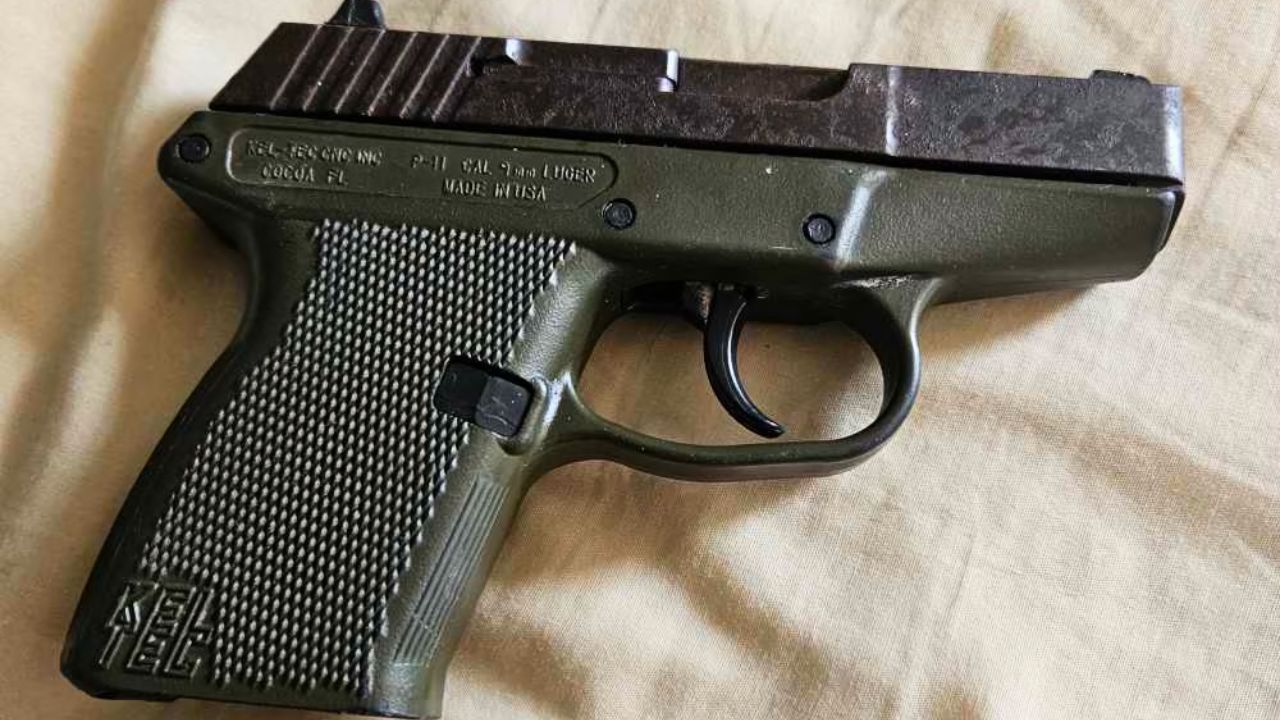
The P11 has been around for years and sold well, but take it to a proper training day and you’ll see its limits. The double-action trigger is heavy and gritty, which makes accurate follow-up shots harder than they need to be. And when you’re running drills, that matters.
The slide and frame fit isn’t tight, and that becomes a problem with repeated firing. Failure to feed and stovepipes become more common once the gun starts heating up. And if you’ve got larger hands, slide bite is a real concern. It may function for low-stress carry, but under real use, it falls behind fast.
Walther CCP M2

The CCP M2 uses a gas-delayed blowback system that’s supposed to reduce recoil. But in training, it brings other issues to the surface. The gas system doesn’t like dirty ammo, and it clogs fast after a few boxes. That leads to sluggish cycling and delayed ejection.
Take it apart, and now you’re dealing with extra cleaning steps compared to traditional pistols. Add in a trigger that starts to feel sticky when warm, and you’re wasting time trying to get it back to running shape instead of getting reps in. For a gun that’s marketed as user-friendly, it brings too much baggage to training.
Beretta APX Carry
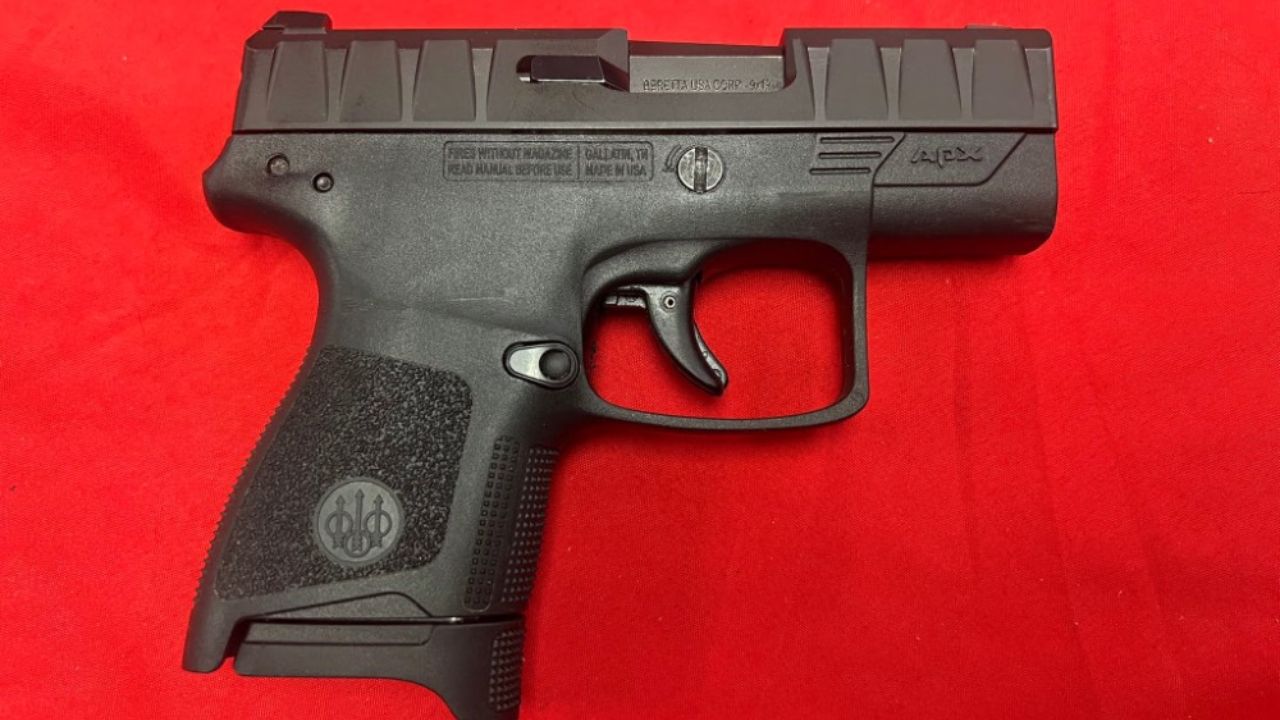
The Beretta name usually means quality, but the APX Carry missed the mark for high-volume use. The trigger is mushy, the reset feels vague, and after a couple hundred rounds, many users report light strikes or feeding issues. The mag release also wears fast and can become unreliable.
Its recoil spring assembly doesn’t hold up well to repeated cycling, and the single-stack design makes reload drills a pain. Add in a frame that feels slippery under sweat or gloves, and it turns into a chore to run it through long sessions. It might work fine in short bursts, but it fights you the longer the session runs.
SIG Sauer P238

The P238 is sleek, well-machined, and easy to carry. But it’s a finicky range companion. It’s got tight tolerances and a short cycle that doesn’t always agree with bulk ammo. Hollow points or flat-nosed rounds can cause feeding issues if your mags aren’t perfect.
It also starts to slow down when dirty, especially around the extractor and ejector. And since it’s a .380 built to tight specs, it isn’t forgiving when something’s off. Training with it means spending half your time clearing stoppages or chasing weird ejection angles. If you’re looking to sharpen skills, this one slows everything down.
Kahr CW380
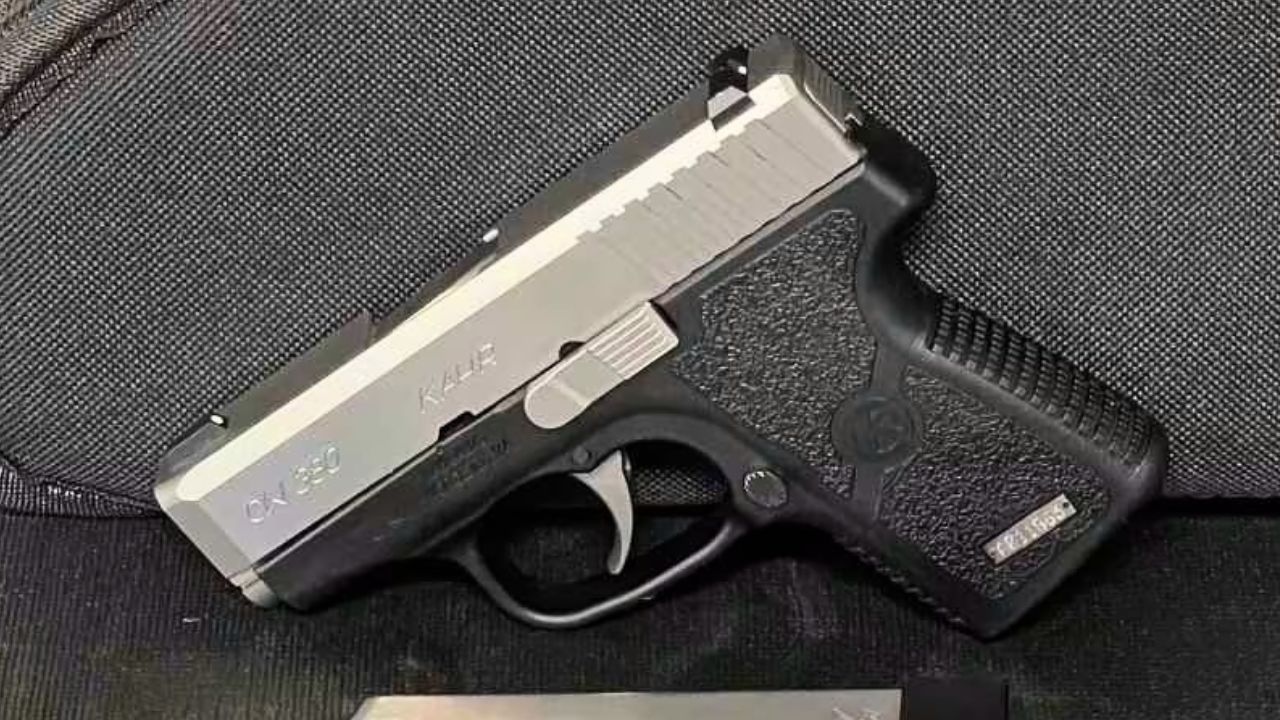
The Kahr CW380 is small, affordable, and concealable. But if you’re putting it through its paces at the range, it starts breaking down early. The break-in period is real, and even after that, it doesn’t handle high round counts well. Feeding issues show up once the chamber gets fouled.
The tiny slide and tight spring make it hard to clear malfunctions quickly. The trigger, while smooth, has a long pull that slows things down during fast-paced drills. For something that’s supposed to be carry-ready, it doesn’t give you much confidence after 200 rounds. You spend more time fixing it than learning from it.
Zastava EZ9
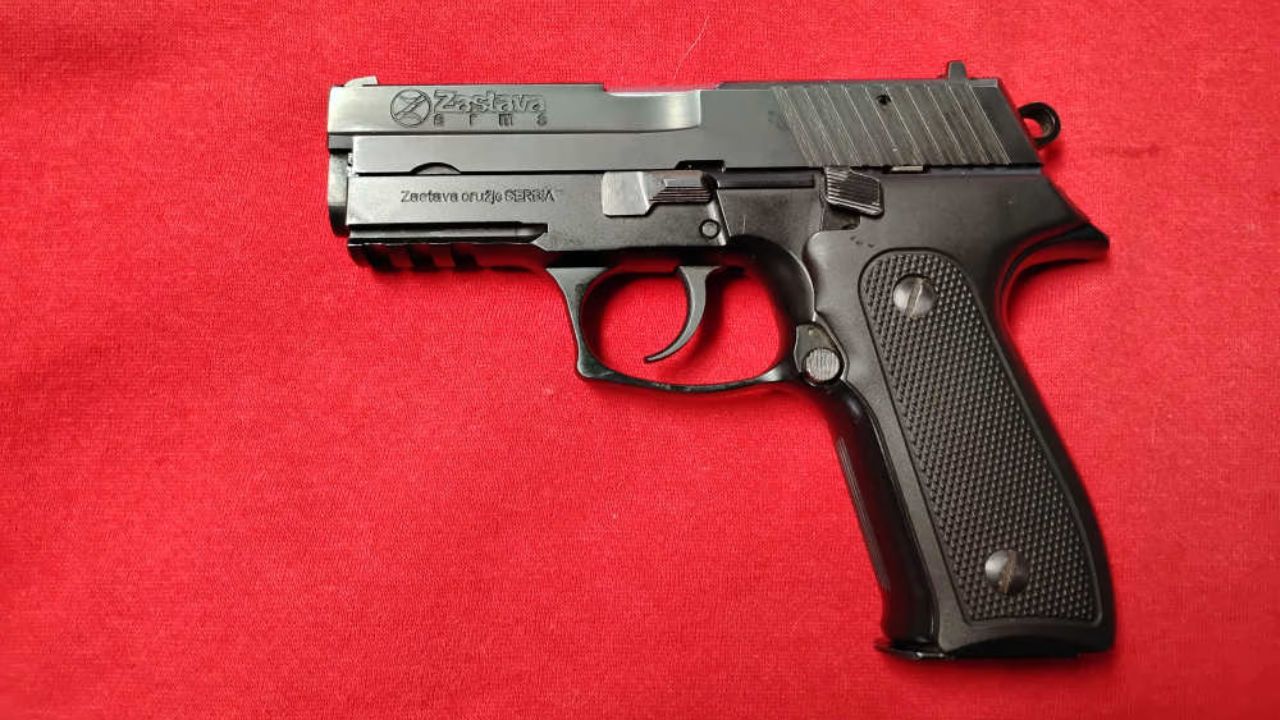
The EZ9 has old-school styling and feels solid at first glance. But shoot it long enough and problems start to stack up. The DA/SA trigger can get inconsistent as carbon builds up. And the heavy slide slows down your rhythm, especially during reloads and malfunction drills.
It also tends to eject brass at weird angles—sometimes right back at your face. Not great when you’re on the clock or trying to focus on mechanics. Parts availability can also be a pain, so if something breaks mid-session, you’re sitting out for a while. It might feel durable, but it’s not made for long-range days.
Rock Island Armory M206
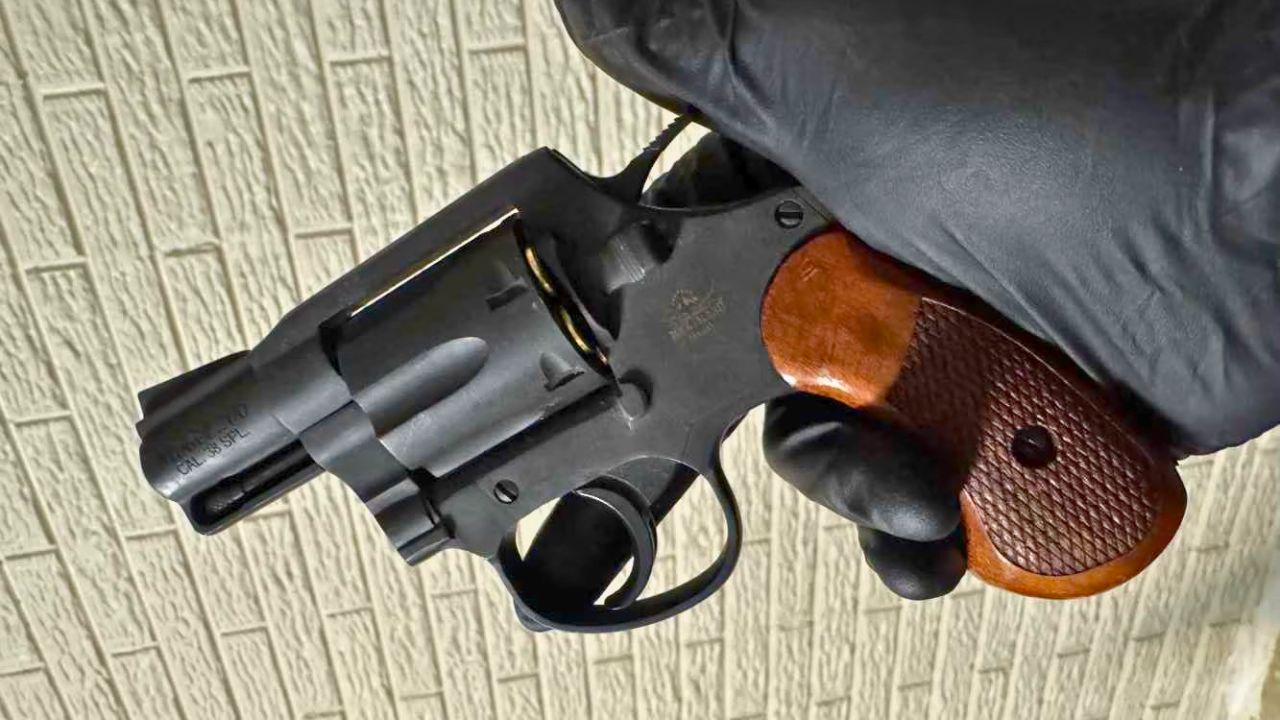
This budget .38 Special snub-nose gets attention for being cheap and old-school. But it’s not built for high-volume work. The timing can go out of whack after a few boxes of ammo. The cylinder can start dragging, and in hot conditions, the trigger feels gummy and heavy.
You might get a hundred rounds through without trouble, but go beyond that and you’re likely to start noticing small failures—misfires, light strikes, or binding. The screws also tend to loosen with repeated firing. This isn’t a revolver made for range marathons. You’ll spend your day fixing timing or chasing parts, not building consistency.
Jimenez JA 9
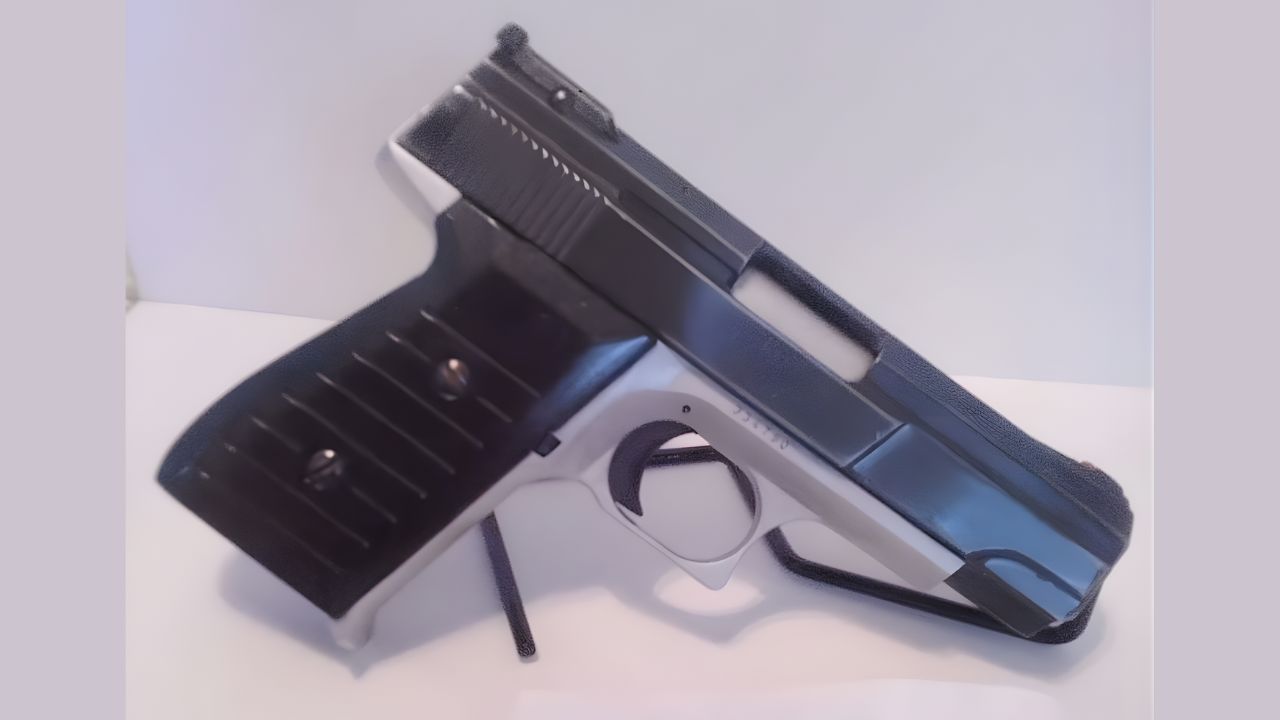
The Jimenez JA 9 is one of those pistols people buy when money’s tight, but few trust it beyond the first range trip. The zinc alloy frame and slide aren’t made for repeated use, and you’ll see cracks or peening start early if you run it hard.
It’s also notorious for failures to feed and fire, especially when it starts getting dirty. Add in a rough trigger and questionable magazine fit, and you’re left with a gun that’s frustrating even on a calm day. Training with this thing isn’t training—it’s troubleshooting. If you’re serious about skill-building, leave this one home.
Like The Avid Outdoorsman’s content? Be sure to follow us.
Here’s more from us:
The worst deer rifles money can buy
Sidearms That Belong in the Safe — Not Your Belt
*This article was developed with AI-powered tools and has been carefully reviewed by our editors.