Photo credit: sootch00/YouTube
Firearms earn reputations the hard way: thousands of rounds, bad weather, dirty hands, cheap ammo, and rushed reloads. That’s why it stings when a gun that “should” be dependable turns into the one you’re constantly diagnosing. Most of the time, it isn’t one big catastrophic flaw. It’s small stuff stacking up—tight chambers, picky mags, weak springs, marginal extractors, rough feed ramps, or a design that’s fine on paper but less forgiving when you run it fast.
A lot of these problems show up in platforms you’d expect to be boringly dependable. The design may be sound, but execution varies from gun to gun, and the real world doesn’t care about your brand loyalty. If a firearm requires perfect ammo, perfect lubrication, and perfect technique to keep it running, it’s not actually dependable—at least not for how most people shoot.
Kimber Ultra Carry II

A short Kimber 1911 feels like a smart carry move: familiar controls, good trigger, slim profile. The problem is that 3-inch 1911 timing is tight, and these little guns don’t have much slide travel to spare. When everything is clean and sprung right, they can run. When anything is slightly off, they start reminding you that compacting a 1911 isn’t free.
You’ll most often see it as failures to return to battery, short-stroking with certain ammo, or finicky feeding when mags get tired. The fix isn’t magic—fresh springs on a schedule, proven mags, and not running them bone-dry. But you end up maintaining them like a tuned machine instead of a carry gun you can ignore.
Springfield Armory EMP

The EMP is a purpose-built, compact 9mm 1911-style pistol, and it’s one of the better attempts at making the platform smaller without going completely off the rails. Still, compact 1911-style guns tend to demand more from magazines, springs, and ammo shape than most shooters expect. They “should” run because they’re a refined concept, and many do—until you start mixing ammo profiles and running it fast.
The usual complaints are nose-dives, occasional three-point jams, and being picky about certain hollow points or short overall-length loads. If you keep the recoil spring fresh and feed it ammo it likes, it can be solid. But the EMP can still teach you the same lesson as other small 1911s: compact size shrinks your margin for error.
Kimber Camp Guard 10

A 10mm 1911 sounds perfect: a real trigger with real horsepower. In practice, 10mm asks more from the entire system—extractor tension, recoil spring rate, magazine timing, and slide velocity. A lot of 10mm 1911s run great with “medium” 10mm loads, then start acting up when you jump between soft range ammo and full-power hunting loads.
When one is off, the symptoms look random: erratic ejection, occasional stovepipes, or failures to return to battery after the gun starts getting dirty. You can tune around it, and plenty of shooters do. But the reason these “should” be reliable and sometimes aren’t is simple: the platform forgives small mistakes in 9mm. It’s less forgiving in 10mm.
SIG Sauer P365

The P365 changed the carry market because it delivers real capacity in a tiny footprint. But micro 9s live on the edge: short slides, stiff springs, small extractors, and tiny timing windows. Early production P365s also went through the normal growing pains you see when a design is pushed hard out of the gate.
The practical issue is that a micro 9 can feel “fine” until you run mixed ammo, limp your grip a little, or let it get dry and dirty. Then you might see failures to return to battery, weak ejection, or occasional feeding issues that vanish when you change mags. The modern P365 lineup is far more mature, but the lesson holds: the smaller the gun, the more it can punish weak mags, marginal ammo, and inconsistent technique.
Springfield Hellcat

The Hellcat earned its following because it’s compact, easy to carry, and plenty shootable for its size. But like other micro and slimline pistols, it can show sensitivity that surprises people who expect full-size forgiveness. When it’s running well, it runs. When it’s not, the pattern is usually tied to magazines, spring life, and ammo profile.
You’ll see it as a gun that behaves with one brand of ammo and starts hiccuping with another, especially if the pistol is dry or the shooter is rushing the grip. Some owners also notice the gun feels snappier than expected, which can amplify user-induced issues under speed. None of that means it’s unreliable by design—it means the platform size is unforgiving. Keep mags healthy, don’t neglect lube, and it usually settles down.
Ruger LCP Max (.380)

A tiny .380 “should” be dead reliable because it’s a simple, proven concept. The reality is that ultra-light .380s are highly ammo dependent, and small changes in power, bullet shape, or case rim can make a big difference. The LCP Max can be excellent, but it’s also the kind of gun that will instantly expose weak ammo, weak mags, and a dirty feed path.
The most common real-world issues are failures to feed with certain hollow points and the occasional stoppage when the gun is bone-dry or pocket-lint filthy. People buy these to carry a lot and shoot a little, which is exactly how problems stay hidden. If you want it to “always work,” you have to do the boring part: test your carry load, rotate mags, and clean the lint out like it matters—because it does.
FN 509 Tactical

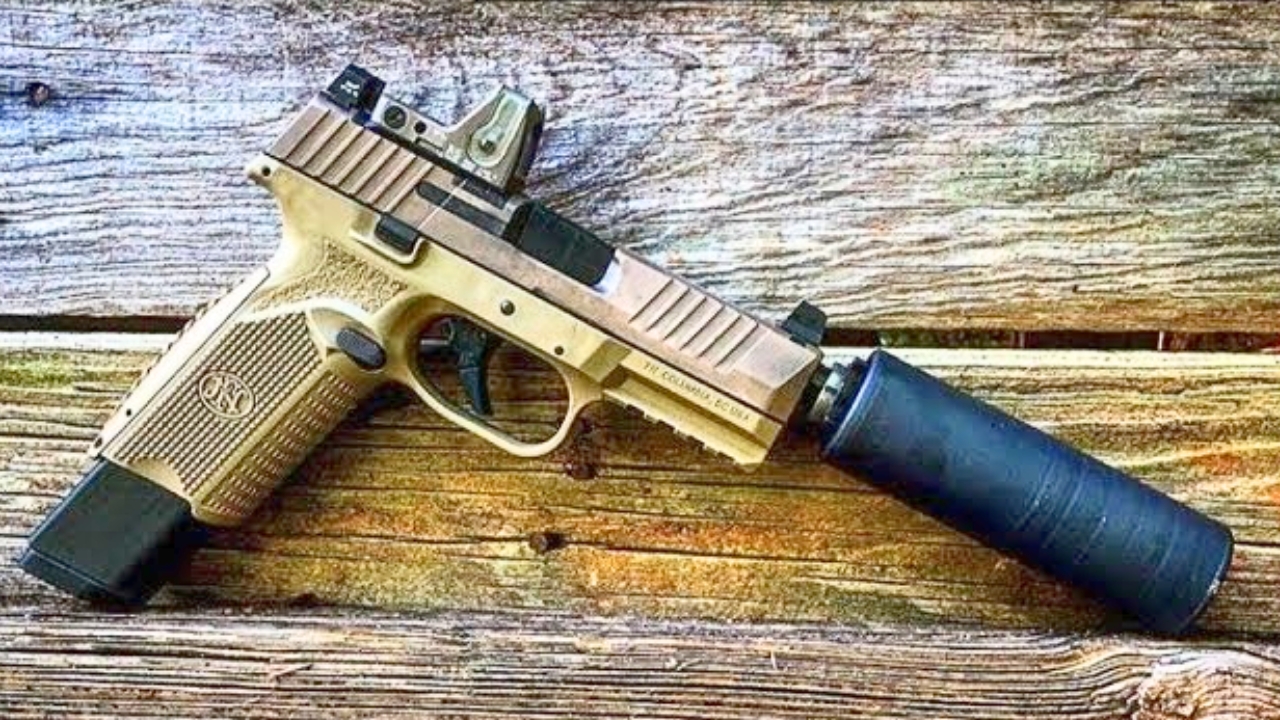
A full-size, duty-grade 9mm with a threaded barrel “should” be a boringly reliable suppressor host. Then you screw on a can and discover how much suppressor backpressure changes the game. The FN 509 Tactical can run well suppressed, but it can also get gassy, dirty, and sluggish faster than people expect—especially as carbon builds.
The stoppages usually show up as failures to return to battery or occasional feeding weirdness once the pistol is filthy and hot. A lot of shooters blame the gun when the real culprit is the suppressor/ammo/spring combination. Some setups want a different recoil spring weight, some want hotter ammo, and most want more cleaning than you’d think is “reasonable.” It’s a great example of a gun that’s reliable… until the suppressor turns it into a different system.
Walther PDP Pro SD
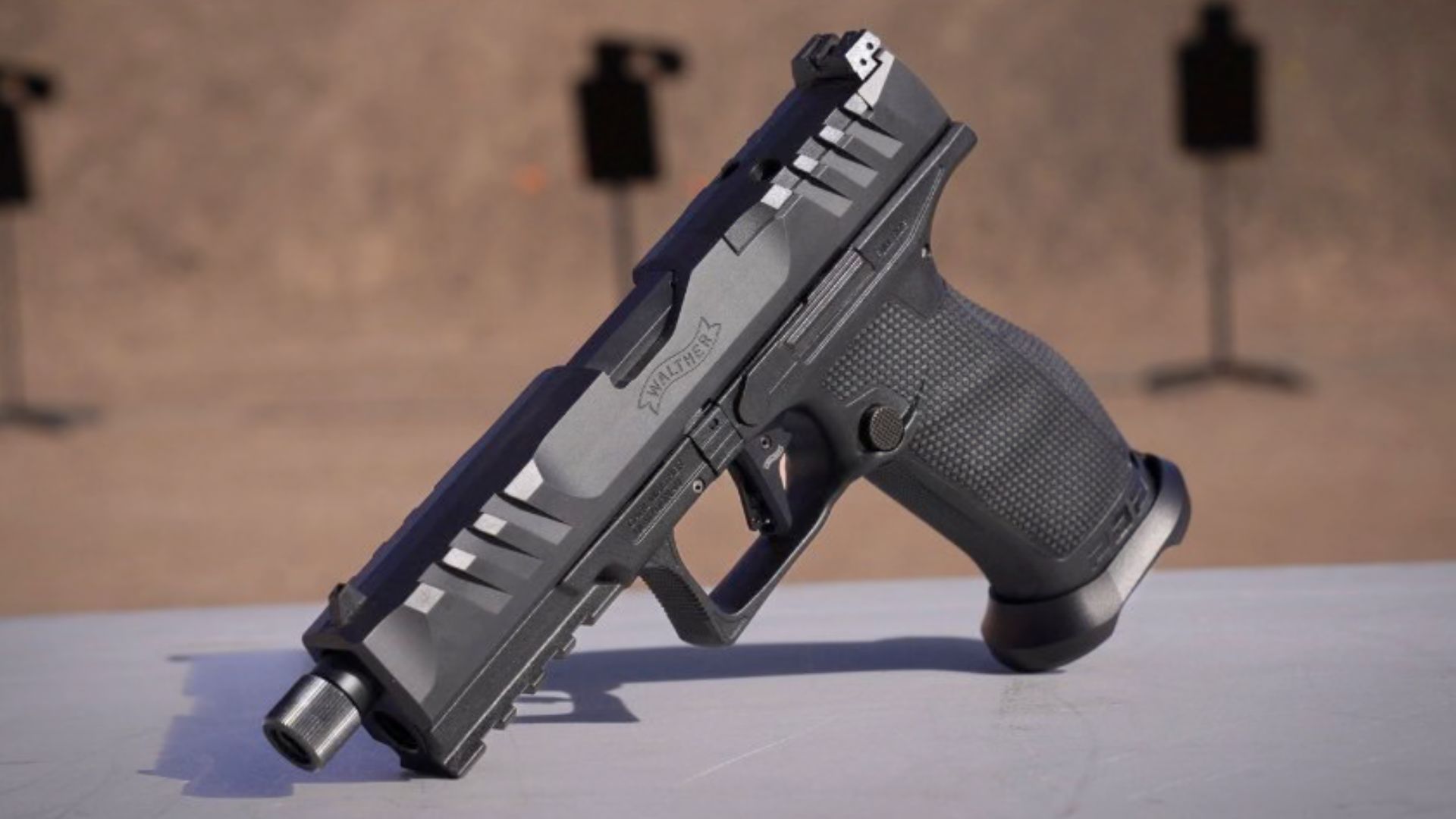
The PDP Pro SD looks like it was made for modern use: optics-ready, threaded, full-size control. It’s also a pistol that can run incredibly flat and fast. But once you add a suppressor, you’re living in the same world as every other tilting-barrel 9mm: booster function, recoil spring rate, and ammo power start calling the shots.
If you run it suppressed and dirty, you may see occasional return-to-battery issues or a pistol that feels “slower” cycling with softer loads. None of that is unique to Walther. What’s unique is how many people assume “threaded + premium” equals “zero tuning required.” If you want suppressed reliability, you treat the pistol like a system: pick a load, test it, and don’t pretend carbon buildup is cosmetic.
Ruger Mark IV Tactical

A Mark IV “should” be a reliability cheat code. Unsuppressed, it often is. Suppressed, it becomes a rimfire soot machine. The suppressor increases backpressure, rimfire ammo is filthy to begin with, and the gun starts accumulating grime in places you don’t usually think about until it’s too late.
The problems show up as failures to feed and extract after the gun gets hot and dirty, especially with bulk ammo. You can run it reliably suppressed, but you have to accept the trade: more cleaning, more attention to ammo, and occasionally a different load that cycles with more authority. A Mark IV isn’t “unreliable.” Suppressed rimfire just has a way of making even great pistols feel like they’re on a short leash.
Ruger 10/22 with BX-25 magazines

The 10/22 is legendary because it runs—and because it’s easy to make it run. Then you add high-capacity mags and discover that a lot of rimfire reliability is about mag geometry and spring consistency, not magic. A 10/22 with a factory rotary mag often hums. A 10/22 with BX-25s can be perfect… or annoyingly inconsistent.
The usual real-world issues are nose-dives, rim lock style hang-ups, and occasional failures to strip a round when the mag gets dirty or the spring starts weakening. That’s why some shooters swear their BX-25s are flawless and others swear they’re cursed. If you keep the mags clean, don’t mix battered bulk ammo, and rotate springs, the system improves fast. Ignore the mags and blame the rifle, and you chase ghosts.
Aero Precision EPC-9

A 9mm AR “should” be easy: straight blowback, simple operation, cheap ammo. The EPC-9 is a good example of how blowback ARs can still get fussy—especially in early configurations where feed geometry wasn’t as forgiving as it needed to be. Blowback guns also run hard: heavy bolts, fast cycling, and a lot of energy moving through the system.
When they misbehave, you’ll often see feeding issues that look like the cartridge is hitting the wrong part of the ramp or chamber mouth, plus occasional extraction weirdness as parts wear. The fix usually isn’t one part—it’s the combo: buffer weight, bolt mass, extractor setup, and magazine choice. A well-sorted EPC-9 can be great. A half-sorted one becomes a constant tinkering project.
PSA PA-10

The AR-10 world “should” work like the AR-15 world, but it doesn’t. Standards are looser, parts compatibility varies, and gas/buffer setups can be all over the map. The PSA PA-10 can be a solid rifle, but it’s also a common example of a platform that may need real tuning to get consistent reliability across loads.
You’ll see issues like short-stroking with one ammo type, harsh ejection with another, or a rifle that runs slow-fire fine but chokes when you speed up. A lot of that comes down to gas port sizing, buffer weight, and magazine fit. The frustrating part is that people buy an AR-10 expecting plug-and-play dependability. Sometimes you get it. Sometimes you inherit a tuning project.
Ruger American Ranch in 7.62×39

A bolt gun “should” be the simple answer—especially in a cartridge as common as 7.62×39. The Ruger American Ranch is a handy rifle, but 7.62×39 bolt guns can be more magazine-sensitive than people expect. Feeding angle and cartridge taper matter, and if the mag presents rounds a little wrong, you’ll feel it.
The typical complaints are rough feeding, rounds nosing into the front of the mag, or inconsistent pickup when you run the bolt hard and fast. Some rifles are perfect with the right mags and ammo. Some take a little sorting. It’s not that the gun is fragile—it’s that the cartridge and magazine geometry have less tolerance than a standard .308-family bolt gun setup.
Remington 870 Express

An 870 “should” be one of the most dependable shotguns ever made. That’s the reputation. The snag is that some later Express-era guns developed a reputation for rough chambers and rough internal finish, and that can show up as sticky extraction—especially with cheaper shells that expand and grab the chamber walls.
What you see in the field is a gun that’s fine for a box of shells, then suddenly you’re pounding the fore-end to get a hull out. People blame the ammo, and sometimes it is the ammo, but the chamber finish is often the real story. Many of these guns can be made right with polishing and maintenance. But it’s a perfect example of a platform that “should” be bulletproof—yet still surprises owners who expected old-school dependability out of the box.
Stoeger M3000

Inertia-driven semi-autos “should” be reliable because the system is mechanically straightforward and proven. The Stoeger M3000 can run very well, but inertia guns can be picky about light loads and how firmly the gun is mounted. If you shoot it softly, shoulder it loosely, or try to run very light shells, the gun may not cycle with the authority you expect.
In the real world, that becomes a shotgun that runs great on heavier field loads but chokes on bargain light target loads—especially when it’s new and tight. Some shooters call it break-in, and break-in can be real. The bigger point is that reliability here depends on matching the gun to the load and the way you shoot it. It’s not a “set it and forget it” semi-auto for every shell.
Panzer Arms M4

A Benelli M4-style shotgun “should” be a reliability monster. That’s why the clones sell. The issue is that with budget clones, small manufacturing differences can turn a proven design into a gun that’s picky about ammo, needs break-in, or has parts that don’t hold up under high round counts.
The most common real-world problems are inconsistent cycling with lighter loads, occasional feeding hiccups, and small parts that feel a little rough until you put time into the gun. Some examples run great and stay great. Others feel like you’re always trying to get them to behave like the real thing. If you buy one expecting true M4 reliability for bargain money, you might get lucky—or you might get a project.
Kel-Tec KSG

A pump shotgun “should” be nearly foolproof. The KSG proves that manual action doesn’t automatically equal reliability when the controls and feeding system are more complex. The KSG can run, but it demands a firm, consistent stroke. Short-stroking it can create jams that feel worse than what you’d see in a conventional pump.
In real use, you’ll see the occasional shell hang-up or feeding confusion if you’re rushing manipulations, switching tubes under stress, or running odd-length shells. Clearing problems can also be slower because the layout is different than a traditional pump. If you train with it and run it hard on purpose, it can be dependable. If you treat it like “any other pump,” it can prove you wrong fast.
Remington 700

A Remington 700 “should” be the safest bet in the bolt-gun world because the platform is everywhere. But some X-Mark Pro trigger era rifles created enough concern that many hunters stopped assuming “700” automatically means worry-free. That’s not about normal feeding reliability—it’s about confidence in the system as a whole.
For a hunter, reliability isn’t only “does it fire.” It’s also “does it behave predictably, every time.” The reason the 700 shows up in this conversation is because people bought it expecting the default choice—then learned they needed to pay attention to a component they never wanted to think about. Plenty of 700s are excellent rifles. The point is that even the most established name can still create doubt when execution slips.
Like The Avid Outdoorsman’s content? Be sure to follow us.
Here’s more from us: