Photo credit: PRO Visual Solutions/Shutterstock.com
Some firearms matter because they sold well. Others matter because they changed what shooters expected, shaped whole categories, or became part of the country’s hunting and shooting culture in a way that never really faded. When you talk about a firearm “belonging in the hall of fame,” you are really talking about influence. You are talking about guns that left tracks. The ones people still compare new rifles, shotguns, and handguns against years later. That kind of staying power is hard to fake. A lot of guns had a moment. Fewer became reference points. These are the firearms that keep showing up in camp conversations, gun safes, and arguments over what deserves to be called truly iconic.
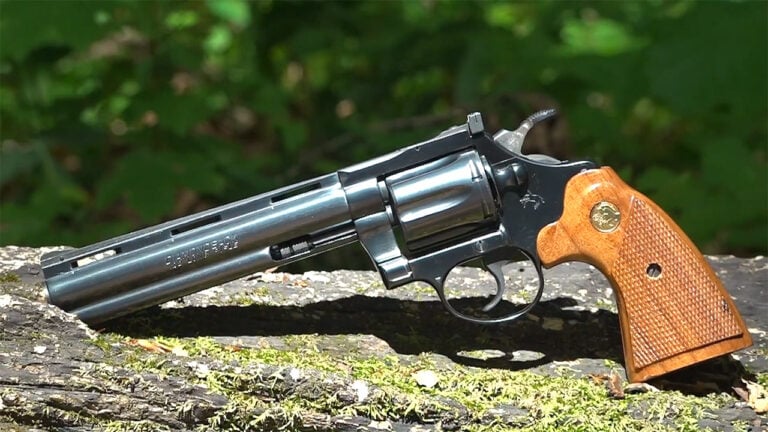
Colt Single Action Army
If you are talking about iconic American handguns, the Colt Single Action Army has to be near the front of the line. Colt’s own timeline notes that it was introduced in 1873, became the standard U.S. military service revolver, and earned names like the Peacemaker and the “gun that won the West.” Whether you are looking at frontier history, early lawmen, or the way the Old West still gets pictured in American culture, this revolver is tied to all of it.
What keeps it on a hall-of-fame list is not nostalgia alone. The SAA set the visual standard for the single-action revolver in a way that still holds. Even people who have never fired one usually recognize the shape. It is one of those guns that crossed over from working tool to cultural landmark, and very few firearms can claim that kind of reach without stretching the truth.
Colt 1911
The 1911 has been around so long that it is easy to forget how major its arrival really was. Colt’s timeline notes that the Model 1911, designed by John Browning, was officially adopted by the U.S. Armed Forces in 1911 after years of testing and competition. That kind of adoption gave it a serious start, but military use alone is not why it stayed relevant. It stayed because shooters kept trusting it.
More than a century later, people are still arguing about trigger feel, carry options, and whether anything points as naturally as a good 1911. That tells you everything you need to know about its place in firearm history. It became the benchmark for single-action semi-auto pistols, and the platform still shapes custom work, competition guns, duty pistols, and everyday carry conversations. Not many designs stay that alive for that long.
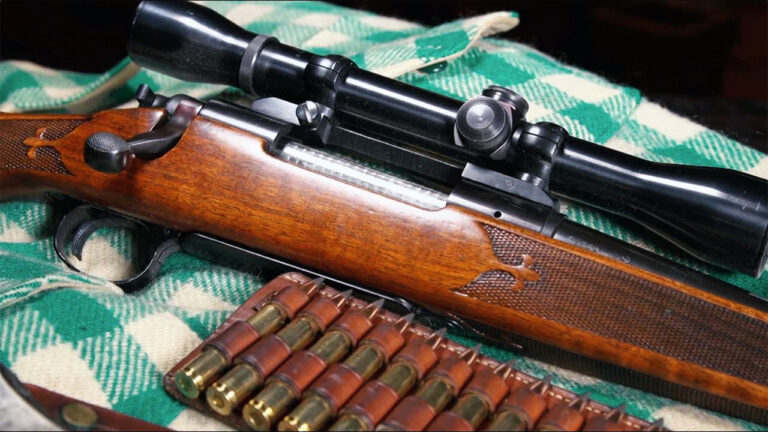
Winchester Model 70
The Winchester Model 70 earned its reputation the hard way: by becoming the rifle a lot of serious shooters measured other bolt guns against. The Model 70 was introduced in 1936, and it became widely known as the “Rifleman’s Rifle,” a nickname that stuck because it was not empty praise. Hunters, guides, and rifle cranks kept coming back to it because the action, handling, and overall feel hit a sweet spot that lasted through generations.
What makes the Model 70 hall-of-fame material is that it did more than sell. It helped define what an American sporting bolt gun was supposed to feel like. Even now, when people talk about controlled-round-feed rifles, pre-64 guns, or classic walnut-and-blue-steel hunting rifles, the Model 70 stays part of the conversation. That is not an accident. That is the mark of a rifle that became a standard instead of a passing favorite.
Remington 870
The Remington 870 belongs on this kind of list because it did something rare: it became massively common without ever feeling disposable. RemArms’ own history page calls it the best-selling pump-action shotgun in firearms history, notes that it was introduced in 1950, and says total production has topped 10 million. Those numbers matter because they show how deeply the gun worked its way into American hunting, home-defense, and law-enforcement use.
But numbers only tell part of it. The 870 became iconic because it earned a reputation for reliability, easy handling, and broad usefulness. Bird hunters, deer hunters, police departments, and first-time shotgun owners could all end up with the same platform and still make sense of that choice. When one design can cover that much ground and remain familiar across decades, it has earned more than popularity. It has earned status.
Marlin 336
The Marlin 336 is one of those rifles that feels tied to real hunting country. Marlin’s current brand site notes that Ruger reintroduced the Model 336 Classic in March 2023, which tells you the design still matters enough to bring back in a serious way. The older 336 built its reputation as a practical lever gun that everyday hunters actually used, especially in .30-30, where short-range deer woods performance mattered more than flash.
Its place on a hall-of-fame list comes from how well it represented the working lever-action rifle for generations of hunters. The side-eject design, easy carry, and familiar handling made it a rifle people kept close and passed down. It may not carry the same frontier myth as older lever guns, but in terms of actual deer-camp history and blue-collar usefulness, the 336 earned its name the honest way.
Browning Auto-5
The Browning Auto-5 deserves real respect because it was a genuine step forward, not a cosmetic update. Browning states that production began in 1902, and the company’s firearm history identifies it as the famous A-5 that ran until the end of the twentieth century. It was the first successful semi-automatic shotgun design, and that alone would put it in serious company. A gun does not need to look modern to have changed the game.
The Auto-5 became iconic because it proved a semi-auto shotgun could be dependable, practical, and worth trusting in the field. That famous humpback profile is still instantly recognizable, which says a lot after more than a hundred years of shotgun evolution. When a design becomes both historically important and visually unmistakable, it stops being another old gun and starts being part of the backbone of shotgun history.
AR-15
No matter where you stand on the politics around it, the AR-15 is one of the most influential rifle platforms of the modern era. The National Shooting Sports Foundation notes that the AR in AR-15 stands for ArmaLite, the company that developed it in the 1950s, and describes AR-15-platform rifles as among the most popular firearms being sold today. That kind of reach alone puts it in the conversation when you are talking about iconic modern firearms.
Its real hall-of-fame argument comes from how much it changed expectations. Light weight, modularity, easy optics mounting, and the sheer amount of aftermarket support turned it into a platform rather than a single fixed rifle. Whether you think of it as a modern sporting rifle, a defensive rifle, or a do-all range gun, the AR-15 reshaped the civilian rifle market in a way few designs ever have. That level of influence is hard to argue with.
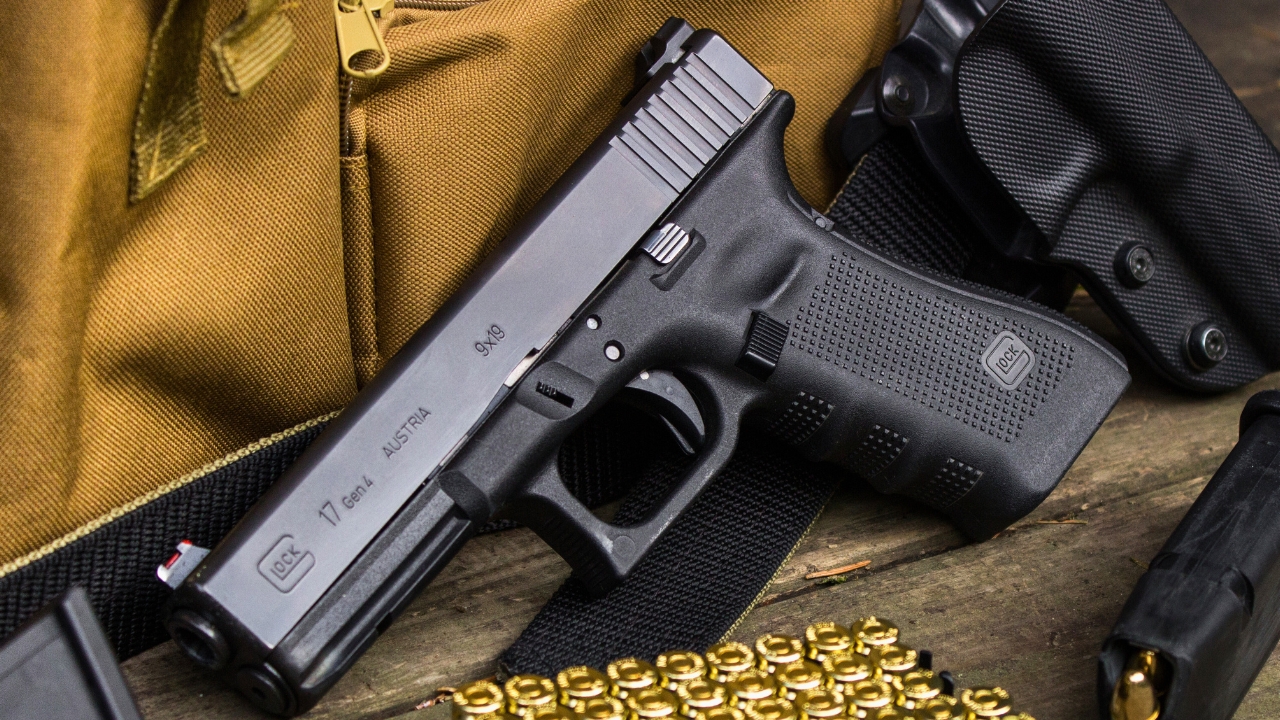
Glock 17
The Glock 17 earned its place by changing the handgun market even when plenty of shooters did not want it to. Glock’s official history says the pistol was accepted by the Austrian Army in 1983, and that it passed NATO durability testing in 1984. That gave the design credibility fast, but the bigger story was what came next: a polymer-framed striker-fired pistol that pushed past skepticism and reset what many shooters expected from a service handgun.
You can like steel-frame classics more and still admit the Glock 17 changed the landscape. It pushed simplicity, durability, magazine capacity, and easy maintenance into the center of the handgun market. Once it proved itself, the rest of the industry had to answer it. That is the clearest sign a firearm belongs on a list like this. It did not merely succeed. It forced everybody else to react.
Like The Avid Outdoorsman’s content? Subscribe to our newsletter so you never miss an article.
Here’s more from us: