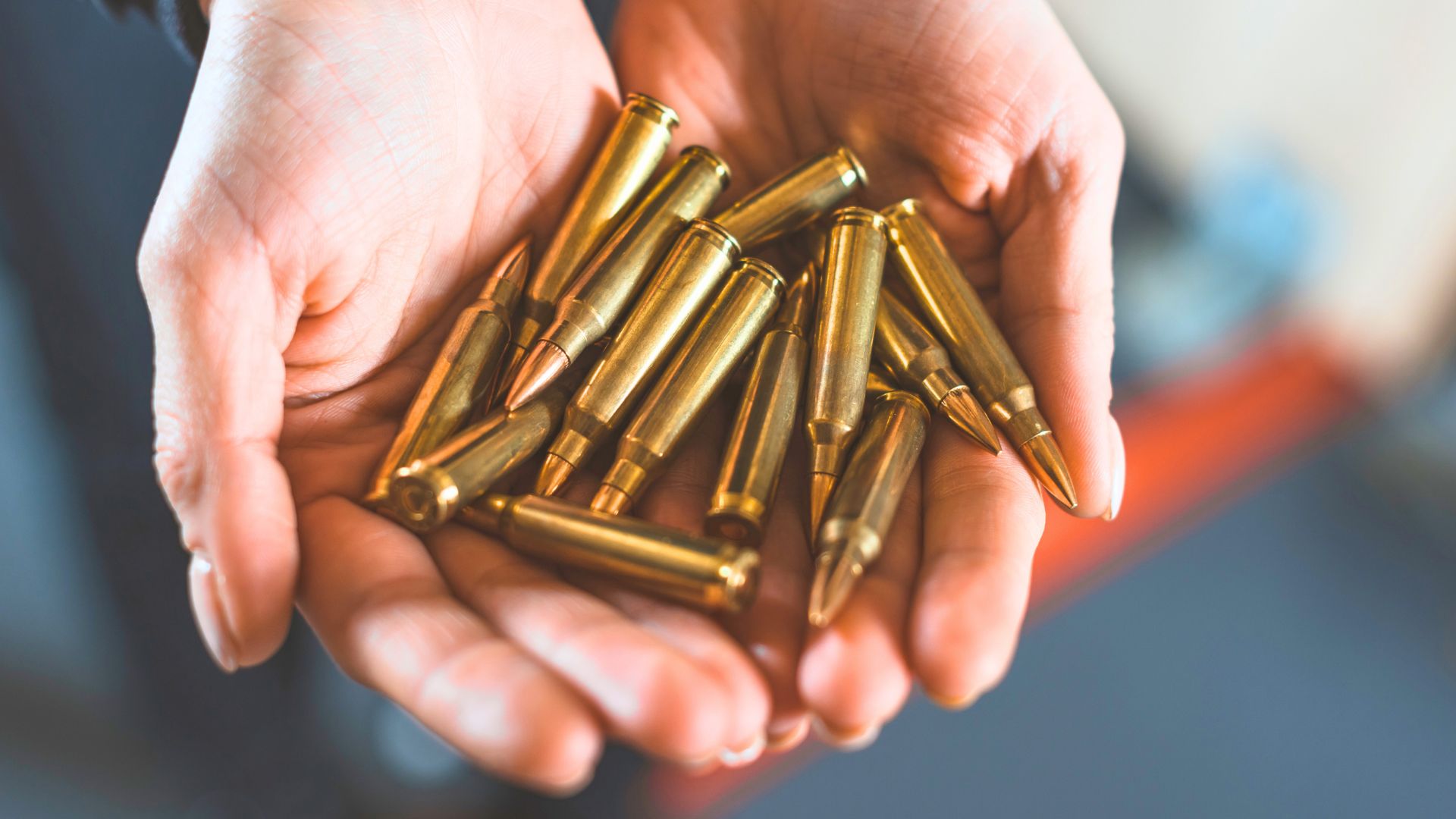
Photo credit: LightField Studios/Shutterstock.com
Some calibers have earned a reputation for being underpowered, outdated, or flat-out strange. Bring them up at deer camp or on the range and you’ll probably get some chuckles. But once they’re put to real use, these same cartridges prove they still have a place. Whether it’s accuracy, clean kills in the right context, or plain practicality, these loads have shown they’re tougher than critics give them credit for. Here are the ones that might surprise you when it matters.
.22 Long Rifle
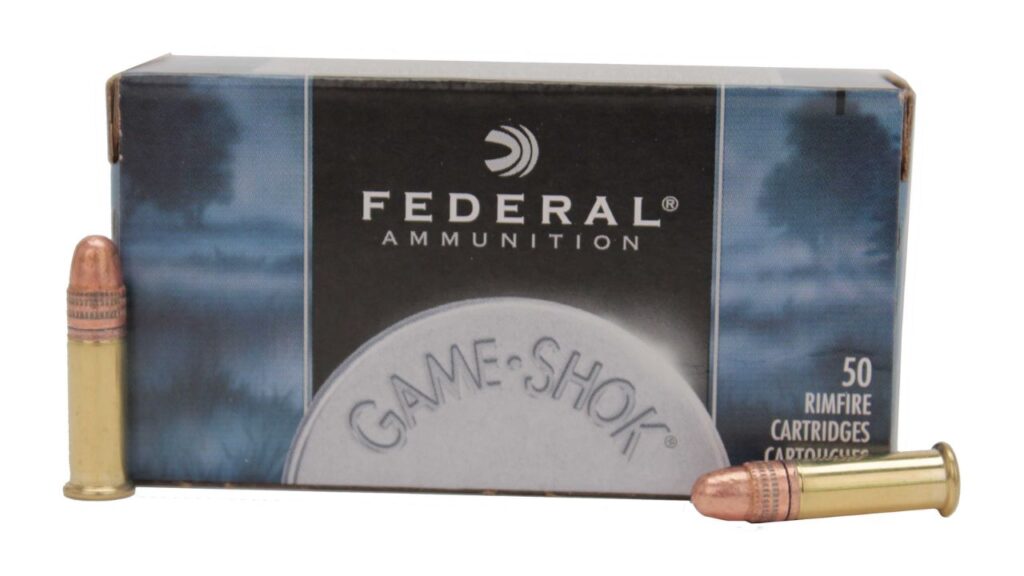
You’ll hear plenty of folks dismiss the .22 LR as “just a plinker,” but it’s put more game in the pot than most other calibers combined. Its low recoil, affordability, and availability make it the go-to for small game hunters and farmers who need a tool that always works.
No one’s recommending it for elk or bear, but when you’re talking squirrels, rabbits, or dispatching varmints, the .22 still gets the job done. Anyone who doubts it usually changes their tune after seeing how much it actually accomplishes.
.410 Bore
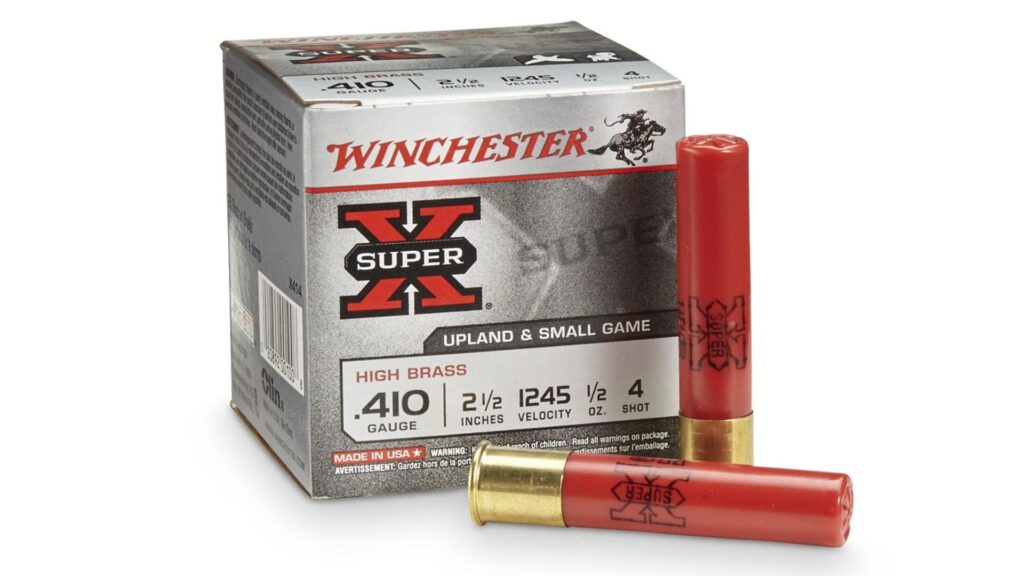
Plenty of hunters roll their eyes at the .410, calling it a “kid’s shotgun.” But in the hands of someone who knows how to shoot, it can be deadly on upland birds, small game, and even turkeys with the right loads. Its light recoil also makes it easier to shoot well.
With modern ammo like TSS (Tungsten Super Shot), the .410 has been proving skeptics wrong. It may not be a 12-gauge, but it’s more effective than its reputation suggests when you use it within its limits.
.30 Carbine
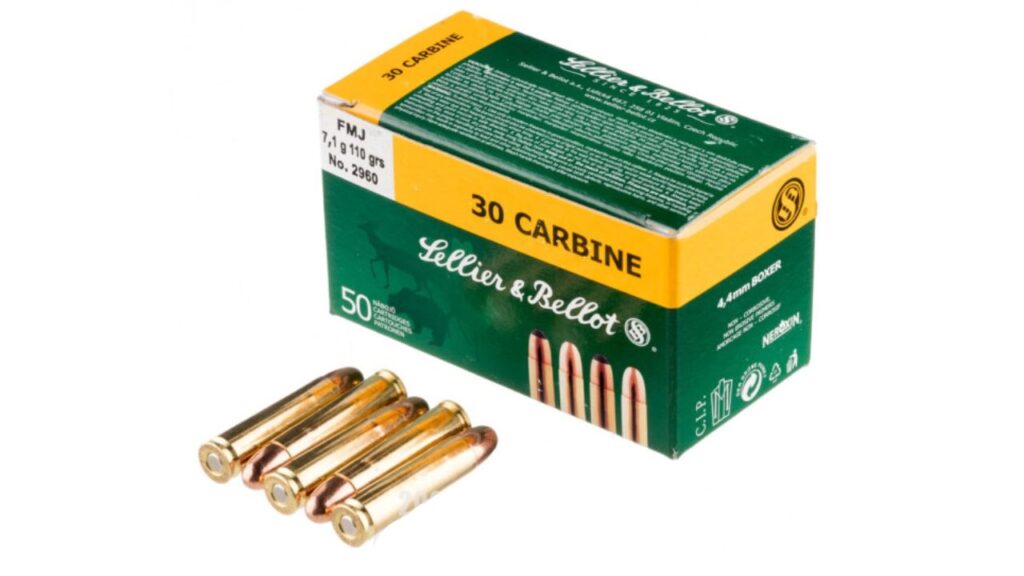
The .30 Carbine often gets written off as underpowered, but it’s served in war, defense, and hunting. Out of the M1 Carbine, it delivers more punch than many give it credit for, especially with modern soft-point ammunition.
While it isn’t the best option for big game, it shines in home defense roles and can handle varmints or medium game up close. Those who scoff at it usually change their minds after seeing how effective it really can be in the right scenarios.
7.62x39mm
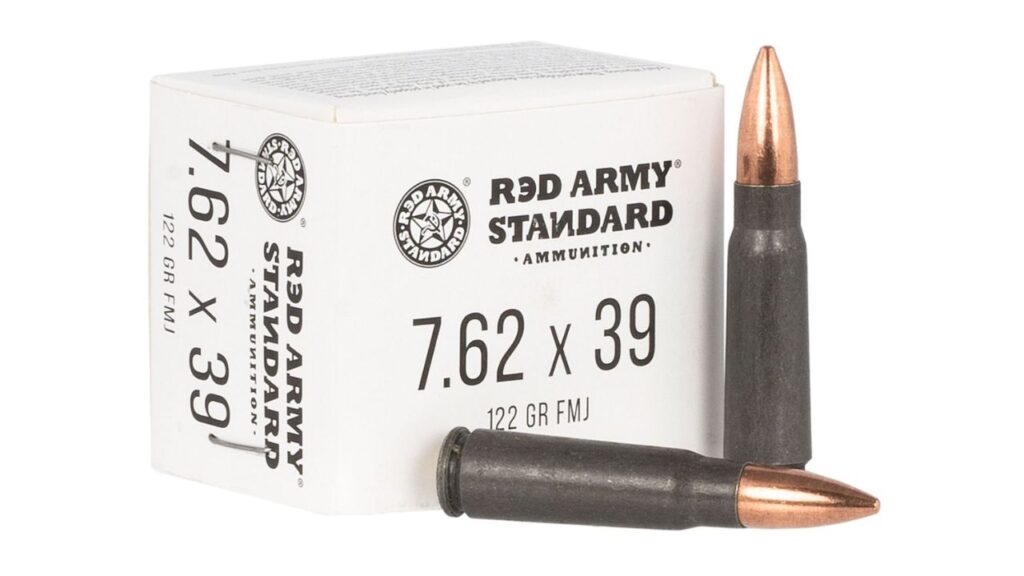
Plenty of hunters dismiss the 7.62×39 as “AK ammo” with poor accuracy. While it’s true that cheap surplus ammo won’t win any long-range matches, good rifles and quality hunting loads tell a different story.
Inside 200 yards, it’s comparable to the .30-30 for deer-sized game. With soft-point or expanding bullets, it’s a reliable hunting round in thick woods. Critics might laugh at the steel-case stuff, but in real-world hunting, it holds its own.
.32 ACP

The .32 ACP gets plenty of jokes for being outdated and weak, but it’s still a common defensive round in parts of the world. More importantly, it’s controllable, easy to shoot, and when paired with modern expanding ammo, it can perform better than expected.
It won’t replace 9mm or .45 ACP, but in small, concealable pistols, it’s far more capable than its reputation suggests. Shooters who’ve used it for backup or as a deep concealment option know it still works.
.44-40 Winchester
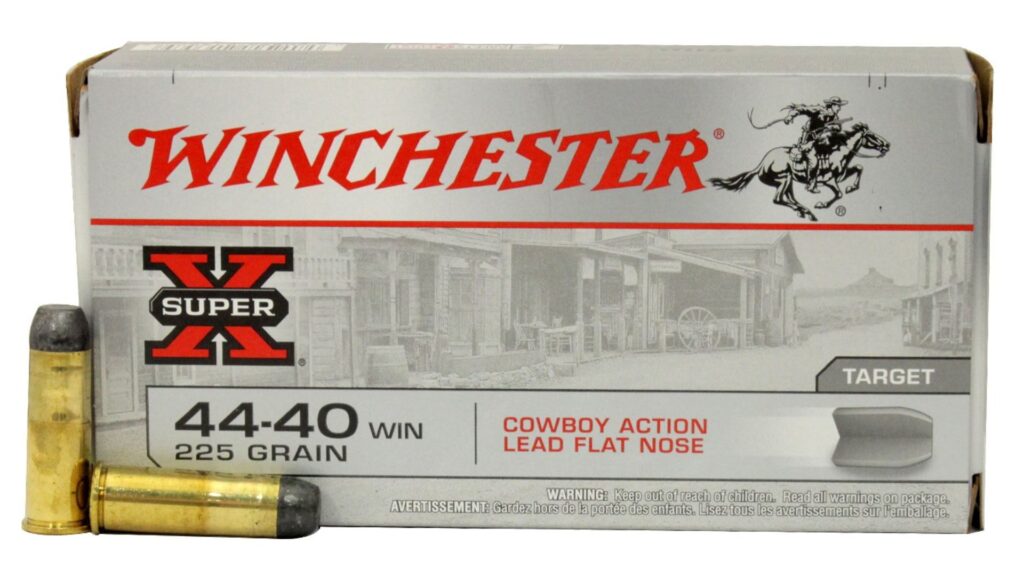
Old-timers know the .44-40 was once the frontier’s workhorse, but modern shooters sometimes laugh it off as outdated. In reality, it’s still effective on deer-sized game and delivers plenty of punch when loaded right.
With mild recoil and proven field performance, it keeps showing why it stayed popular for so long. Those who dismiss it as a relic usually come around after seeing how it performs in lever-action rifles during real hunts.
.25-20 Winchester

The .25-20 is often overlooked, with many hunters writing it off as too small. But for varmints, small predators, and even deer in the hands of careful marksmen, it’s been proving its worth for over a century.
It’s quiet, accurate, and easy to shoot well, which is why it still has fans today. While it isn’t a powerhouse, it doesn’t need to be when matched to the right target. It’s one of those rounds that delivers more than critics expect.
.38 Special
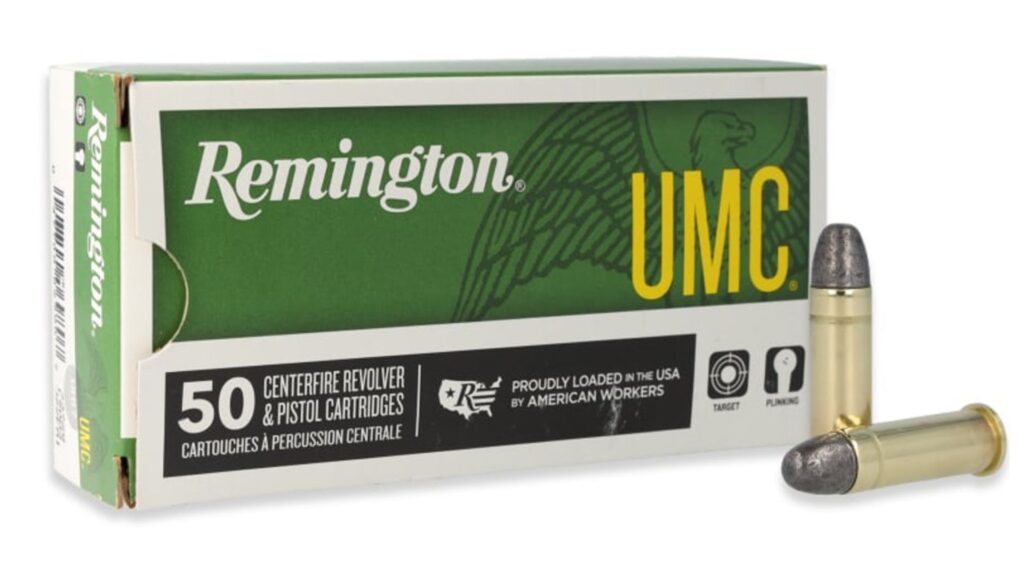
Plenty of shooters scoff at the .38 Special in today’s world of 9mm dominance, but it’s still a reliable defensive round. Out of a good revolver, it’s accurate, controllable, and effective with modern defensive loads.
Law enforcement carried it for decades for good reason—it works. Those who laugh at its “low power” often quiet down when they see tight groups and dependable performance, especially for concealed carry or practice.
16 Gauge
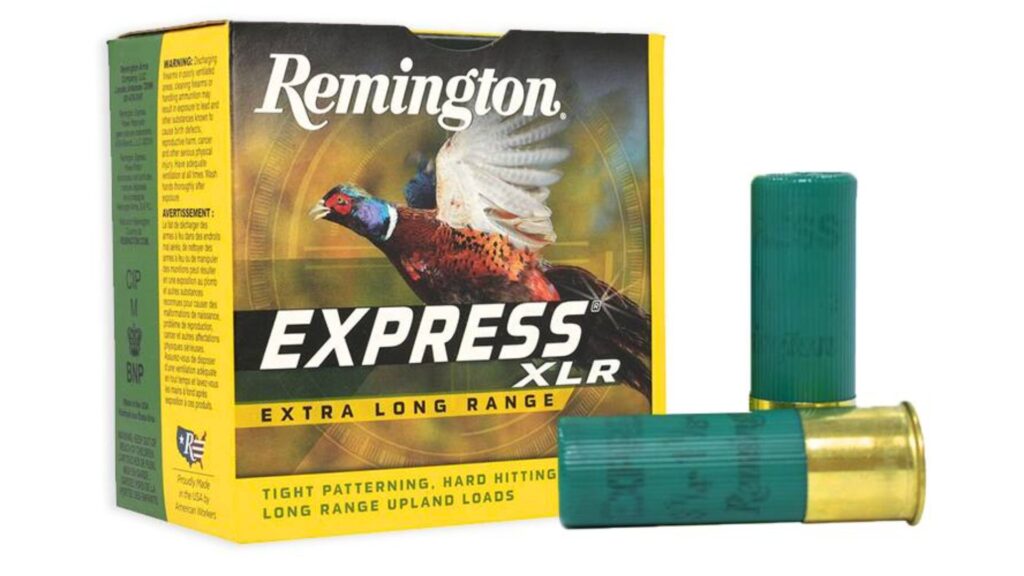
The 16 gauge doesn’t get the attention it used to, and some hunters consider it the oddball between 12 and 20 gauge. But those who’ve actually hunted with it know how effective it can be.
It offers a great balance—lighter to carry than a 12, but hitting harder than a 20. For upland hunting especially, it’s a sleeper choice. The laughs usually stop when hunters see how cleanly it drops birds and game in the field.
.327 Federal Magnum
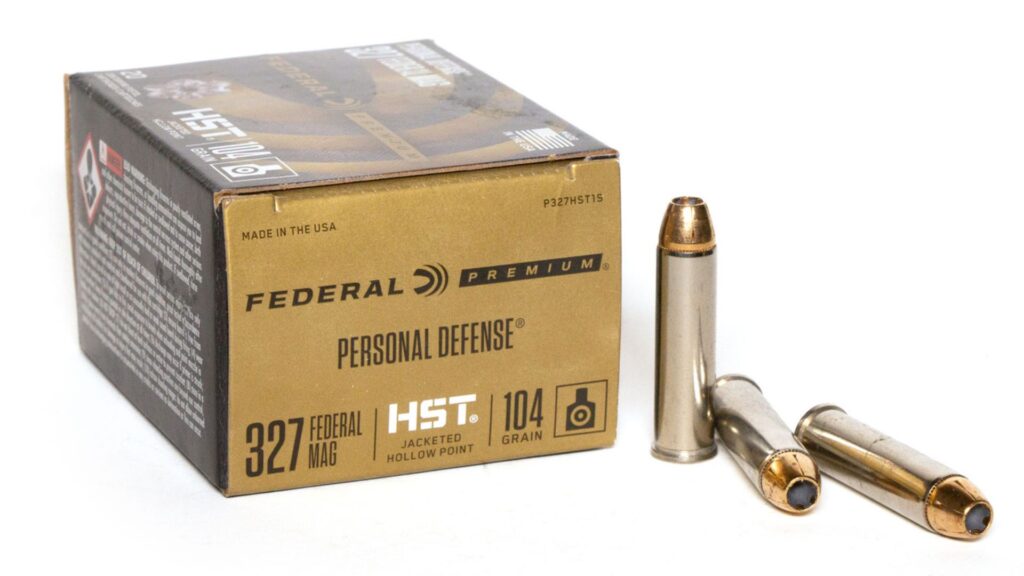
The .327 Federal Magnum raised eyebrows when it came out, with many calling it unnecessary. But it offers power close to .357 Magnum while giving you an extra round in most revolvers and lighter recoil.
It’s versatile, handling everything from mild .32 H&R loads to full-power .327. For small game, defense, or even deer in the right setups, it works far better than its reputation suggests. It may look like an oddball at first, but it’s proven itself time and again.
*This article was developed with AI-powered tools and has been carefully reviewed by our editors.