Image Credit: WeStarMoney Rec from Pexels/ Canva Pro.
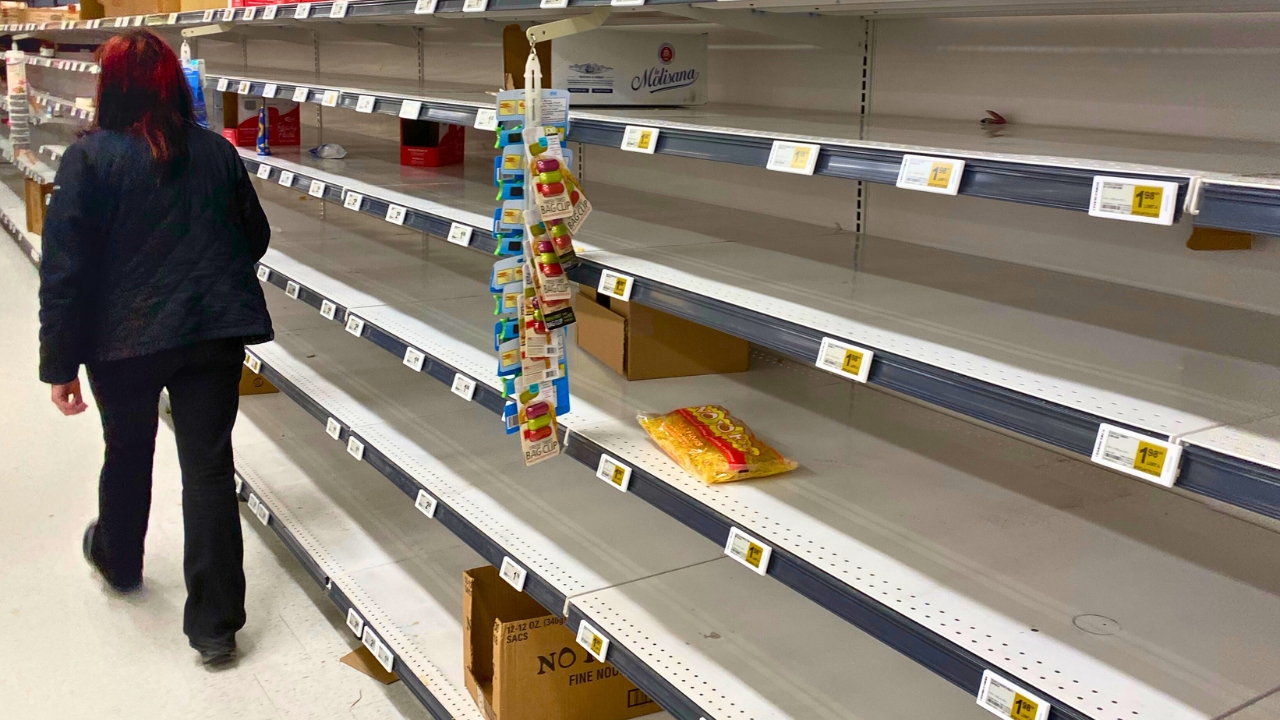
When disaster strikes, whether it’s a natural disaster, economic collapse, or major supply chain disruption, certain essential items disappear from store shelves almost instantly. If you wait until panic sets in, you’ll be left scrambling. The best way to avoid that chaos? Be prepared ahead of time. Here are 15 must-have items that will be the first to vanish when a crisis hits.
Bottled Water
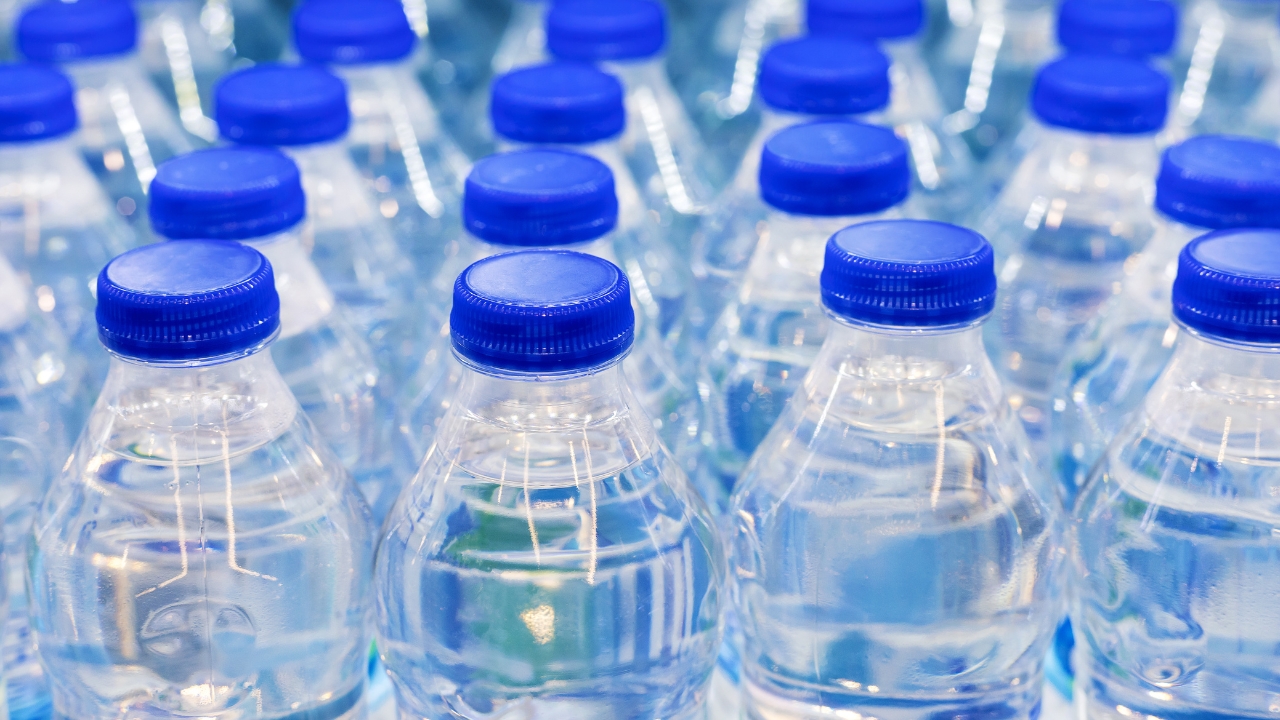
Clean water is the number one survival necessity, and when a crisis hits, stores run out fast. A few cases of bottled water won’t cut it for long, so having a backup plan like water filtration systems or purification tablets is smart.
Don’t wait for a shortage to stock up—store extra now and learn how to purify water from natural sources. If supply chains break down, tap water could become unsafe, leaving you without a reliable way to stay hydrated.
Non-Perishable Food

Canned goods, dried beans, rice, and freeze-dried meals fly off the shelves in an emergency. People rush to buy whatever they can, leaving latecomers with empty aisles and slim pickings.
Having at least a few weeks’ worth of shelf-stable food gives you time to figure things out without relying on stores. Bonus tip: don’t forget a manual can opener. Those electric ones won’t do much good if the power goes out.
Toilet Paper
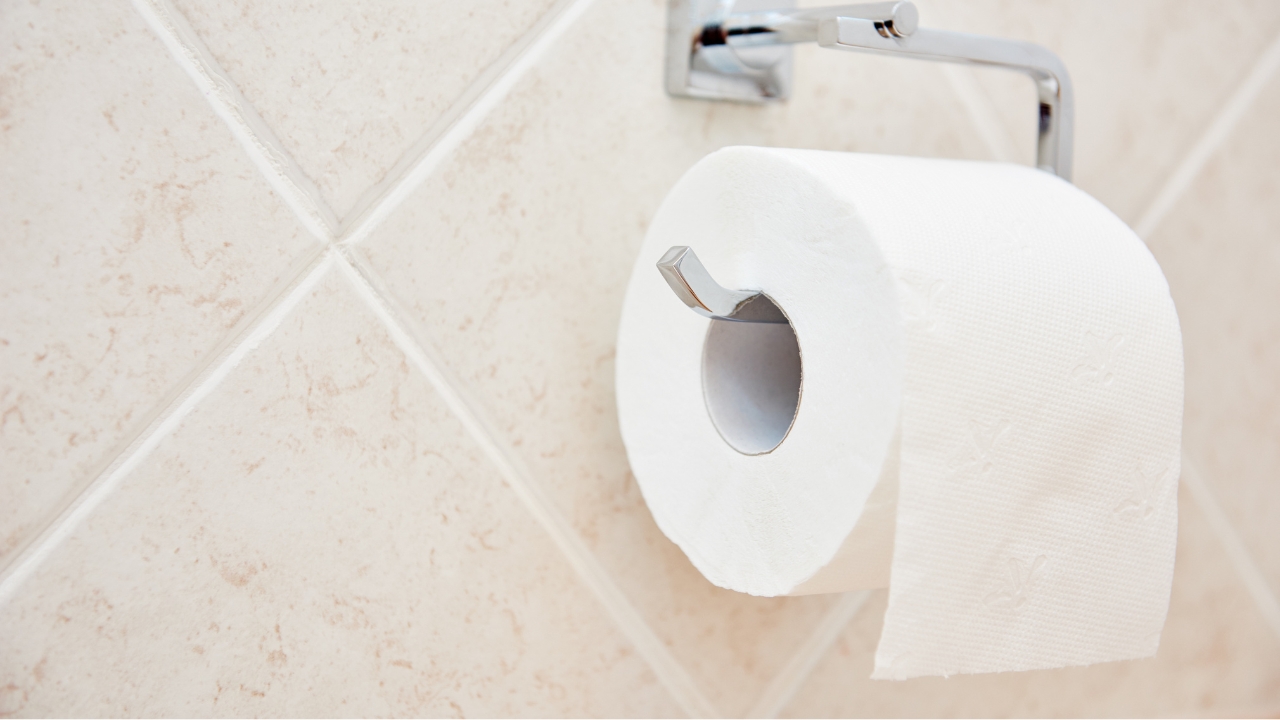
We all saw what happened in 2020—when panic sets in, toilet paper becomes a hot commodity. It’s not just about comfort; in a crisis, supply chains can break down, making everyday hygiene a challenge.
Stocking up before things go sideways means you won’t have to barter with your neighbors over the last roll. Consider alternatives like baby wipes, bidets, or even reusable cloths as a backup.
Medications (Prescription and OTC)

Pharmacies are among the first places to see shortages when disaster strikes. If you rely on daily medication, missing even a few days could be serious.
Over-the-counter meds like pain relievers, antihistamines, and cold medicine also disappear quickly. Keeping a stockpile of essential medications can make all the difference when supplies run low.
First Aid Supplies

Bandages, antiseptics, gauze, and medical gloves become invaluable when hospitals are overwhelmed or inaccessible. Minor injuries can turn into major problems without the right care.
A well-stocked first aid kit isn’t just useful in a major disaster—it comes in handy for everyday mishaps, too. If you don’t already have one, now’s the time to build it up.
Fuel (Gasoline and Propane)

Gas stations empty out fast when people realize they need to evacuate or power generators. And once fuel is gone, resupply can take a while—if it happens at all.
Keeping extra gas on hand for your car, generator, or emergency heating source can keep you ahead of the chaos. Just make sure you store it safely and rotate it out before it goes bad.
Batteries

Flashlights, radios, and other essential devices need power, and batteries always disappear fast in a crisis. Rechargeable options are great, but if there’s no electricity, you’ll need regular backups.
Stocking up on AA, AAA, and D batteries (plus a solar charger if possible) ensures you can keep critical devices running when the grid goes down.
Flashlights and Lanterns

When the power goes out, light sources are a must. Candles and oil lamps work in a pinch, but flashlights and LED lanterns are safer and more effective.
A good headlamp is also a smart addition—freeing up your hands for other tasks. Just make sure you have extra batteries or a way to recharge them.
Fire Starters

Without electricity, you’ll need a way to cook, stay warm, and boil water. Lighters and matches disappear from store shelves quickly, leaving those without scrambling.
Stocking up on waterproof matches, butane lighters, and even a ferro rod ensures you can start a fire no matter the conditions.
Cooking Fuel (Charcoal and Propane)

If the power grid fails, your stove and oven won’t be much help. That’s why propane and charcoal vanish so quickly when a crisis hits.
Having extra fuel on hand means you can still cook meals and boil water. If you don’t already have a backup stove or grill, now’s the time to think about it.
Hygiene Products
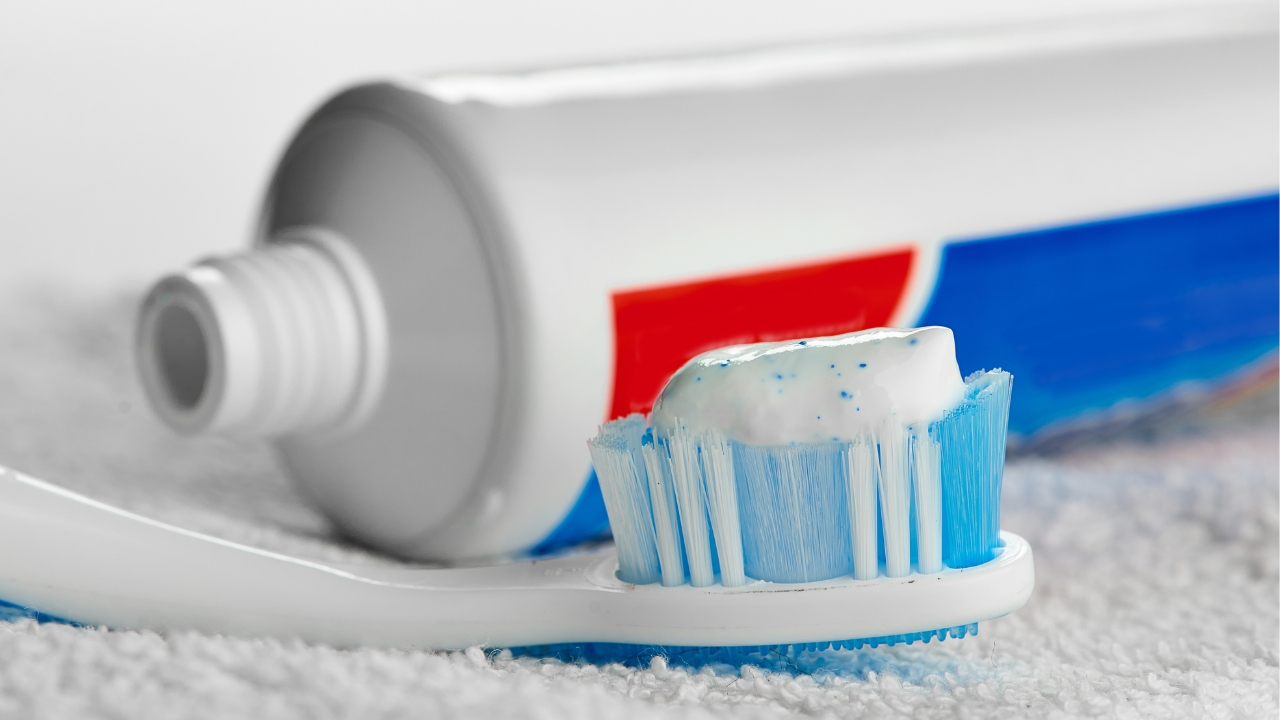
Soap, shampoo, toothpaste, and feminine hygiene products fly off shelves in an emergency. While people often remember food and water, hygiene tends to be overlooked—until it’s too late.
Keeping extras on hand ensures you can maintain basic cleanliness, which is crucial for staying healthy. In a long-term crisis, homemade alternatives may become necessary, so learning a few DIY tricks isn’t a bad idea.
Ammo and Firearms

In uncertain times, personal protection and hunting supplies become high-demand items. Once people start panicking, gun shops clear out fast, and restocking can take months.
If you already own firearms, having extra ammunition means you won’t be caught off guard. If you’re considering buying, don’t wait until shelves are empty to make a decision.
Portable Power Banks and Solar Chargers
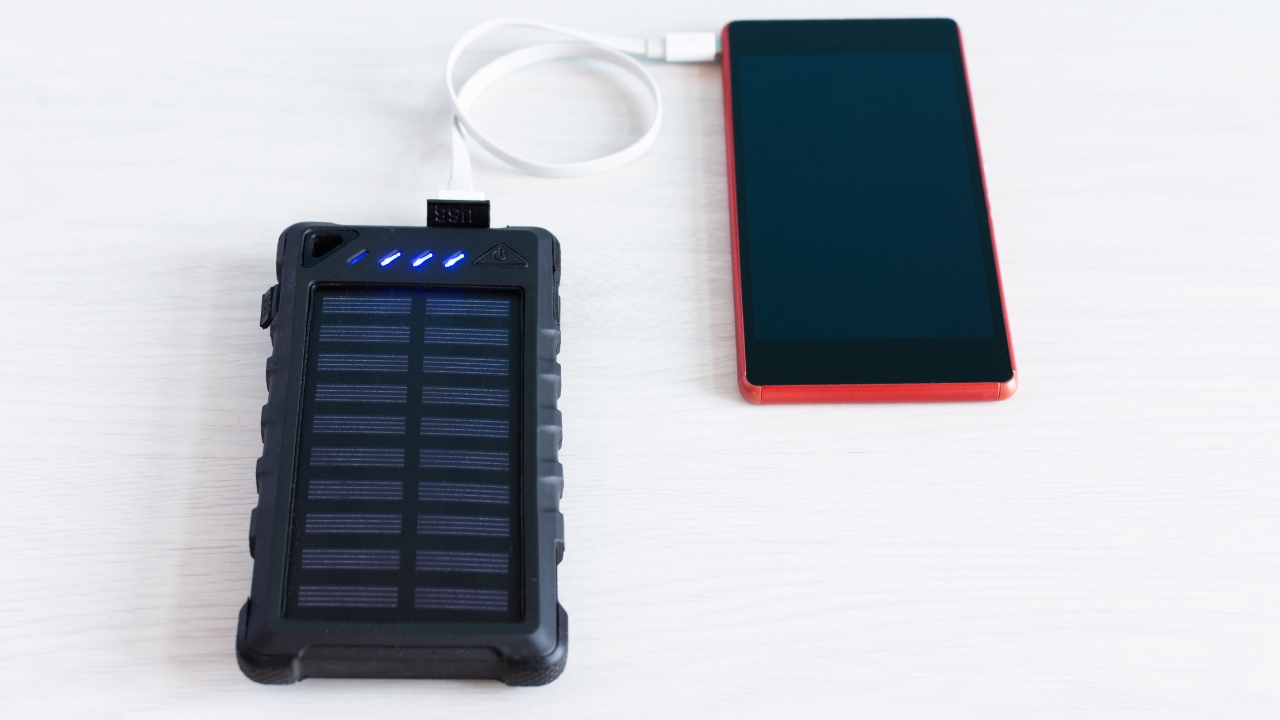
Phones, radios, and rechargeable flashlights need power, but when the grid goes down, charging becomes an issue.
A fully charged power bank or a solar charger can keep your essential devices running. In a long-term crisis, solar is your best bet, so consider investing in one while they’re still easy to get.
Baby Supplies (Diapers, Formula, and Wipes)

If you have a baby (or know someone who does), running out of supplies isn’t an option. Parents tend to panic-buy these essentials, leaving shelves empty in no time.
Stocking up on diapers, wipes, and formula can save a lot of stress. Reusable cloth diapers and homemade baby food can also serve as backups if store supplies dry up.
Seeds and Gardening Supplies

In a long-term crisis, fresh food becomes harder to find. Seeds for vegetables, fruits, and herbs become incredibly valuable when supply chains fail.
Having a stash of heirloom seeds and knowing how to grow your own food can mean the difference between struggling and thriving. It’s never too late to start learning—even if it’s just a small backyard or balcony garden.
*This article was developed with AI-powered tools and has been carefully reviewed by our editors.