Photo credit: Sako rifles
Light rifles sound great in theory. Then you touch one off from a field position and learn the tradeoff. When a rifle is too light for the cartridge, recoil starts moving the gun more than you expect. That movement can steer the muzzle, break your cheek weld, and make follow-up shots slower and sloppier. It also makes flinching more likely, which is the quiet killer of accuracy.
Kimber Mountain Ascent

The Mountain Ascent carries like a dream, but that light weight can turn recoil into a real factor fast, especially in harder-kicking calibers. The rifle can jump, your sight picture can disappear, and it can feel like the gun is steering you instead of you steering the gun. In the field, that shows up as rushed follow-ups or a shooter who starts bracing for the shot.
The fix is usually setup and cartridge choice. If you’re set on a light magnum, you need a recoil pad that actually works, solid technique, and enough practice to stay honest. Many hunters end up happier running a more moderate cartridge in the same rifle, then they shoot it better and still kill deer cleanly.
Browning X-Bolt Hell’s Canyon Speed
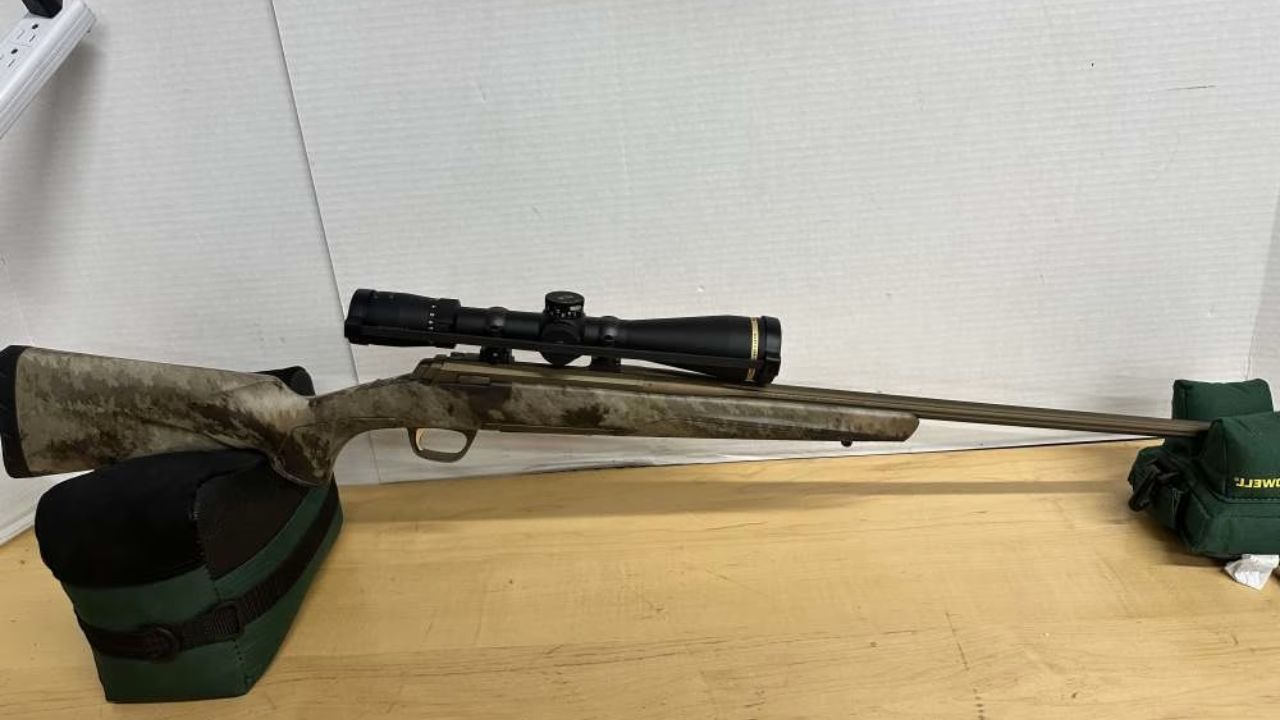
The Hell’s Canyon Speed feels great in the hands, but once recoil hits, you learn quickly that “light” comes with a price. In fast shots from standing, kneeling, or leaning on a tree, the rifle can hop and twist more than people expect. That twist is what makes it feel like recoil is steering the muzzle, especially if your grip isn’t locked in.
A muzzle brake helps, but it adds blast and changes the whole experience. Adding a little weight through the scope, rings, or even a stock setup can help too. The main thing is not pretending it’ll behave like a heavier rifle. It’s built to carry. To shoot it well, you need solid fundamentals and a recoil plan.
Tikka T3x Lite

The T3x Lite is one of the best “carry rifles” out there, but recoil can get spicy in common deer cartridges once you move past mild loads. The rifle is so easy to tote that people forget how much lighter it is than the rifles they grew up with. Then they shoot it off a pack or a hard rest and the gun jumps, the stock shifts, and their groups start wandering.
Tikkas usually shoot, so when results go downhill it’s often shooter recoil management, not mechanical accuracy. A quality recoil pad can change the whole feel. Many hunters also do better by choosing cartridges that match the rifle’s weight. When you shoot it comfortably, you shoot it better, and that’s what matters.
Savage 110 Ultralite

The 110 Ultralite is built to be carried a long way, and it does that job well. The downside is recoil can feel sharp and quick, and that fast movement is what throws people off. It’s not always “painful.” It’s that the rifle doesn’t settle as easily between shots. The muzzle lifts, the rifle shifts in the shoulder, and your sight picture takes longer to recover.
A brake can help if you can tolerate the noise. A suppressor (where legal) can help even more while keeping the rifle pleasant to practice with. The real win is getting the rifle to a point where you enjoy training with it, because recoil steering is a training problem as much as a gear problem.
Weatherby Mark V Backcountry
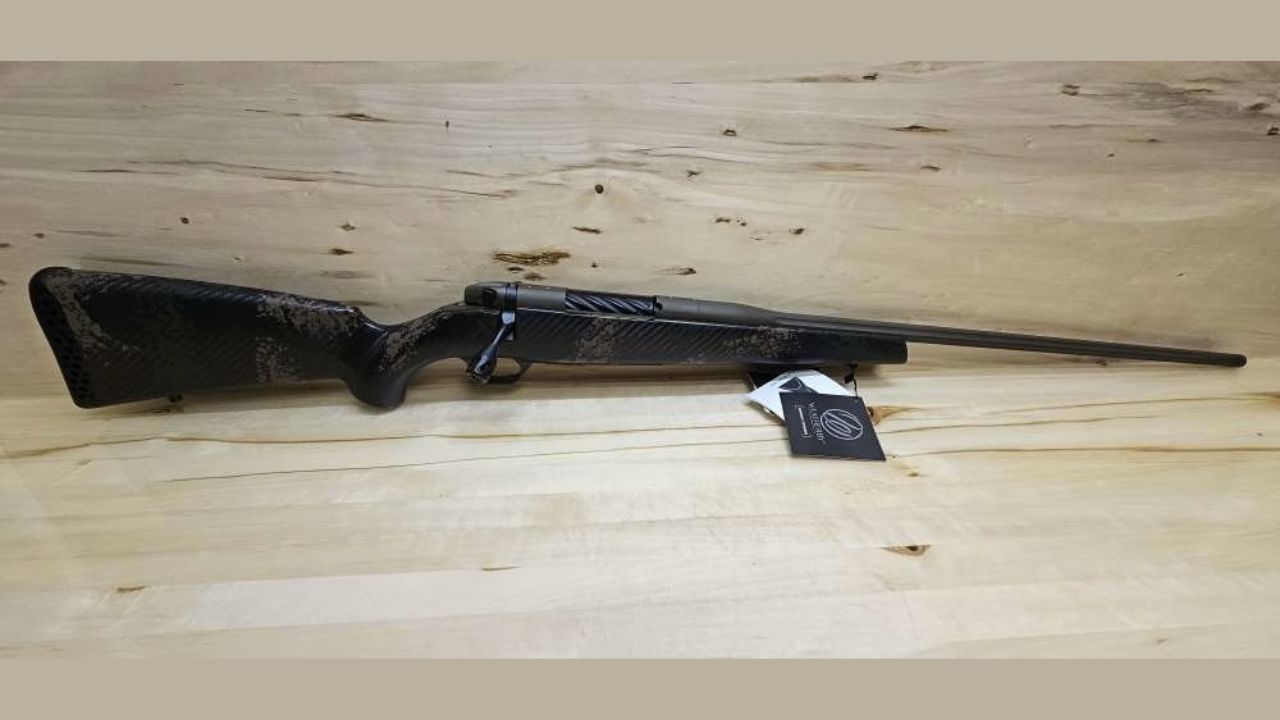
Backcountry rifles are meant to be light, and the Mark V Backcountry is a great example of how that can surprise people. In a magnum, recoil can feel like it’s snapping the rifle out of position. You fire, the gun lifts, and you lose the animal in the scope. That’s where follow-up shots get slower and confidence takes a hit.
A lot of hunters solve this by dialing the cartridge back one notch or adding recoil management—brake, suppressor, better pad, and more practice from real positions. The rifle itself can shoot extremely well. The question is whether you can shoot it well when you’re tired and breathing hard. That’s the standard a hunting rifle has to meet.
Winchester Model 70 Featherweight

The Featherweight carries beautifully, but the lighter build can make recoil feel livelier than many hunters expect, especially in classic cartridges like .30-06. It’s not that the rifle is uncontrollable. It’s that recoil can move the muzzle enough to steer your follow-through and make you rush the shot process.
The Featherweight shines when you treat it like a hunting rifle and practice accordingly. A good recoil pad helps a lot, and so does shooting from field positions instead of only off a bench. If you can keep your cheek weld and stay behind the rifle, it’s a fantastic woods gun. If recoil makes you pop your head up, it’ll start steering everything.
Remington 700 Mountain Rifle

The Mountain Rifle is another “easy to carry” setup that can turn into a different animal once recoil gets involved. Thin barrel, light stock, and a hunting-weight build mean the rifle moves more. Many hunters notice it most when shooting downhill or from a kneeling position, where body support isn’t as solid. The rifle jumps, the scope comes off target, and you lose feedback on where the shot went.
It’s still a great concept if you keep expectations straight. Confirm cold-bore accuracy, practice from realistic positions, and don’t judge it like a range rifle. If you want it calmer, add weight and improve recoil padding. If you don’t, pick a cartridge that doesn’t make you fight the rifle.
Christensen Arms Ridgeline

The Ridgeline is popular because it’s light and accurate on paper, but recoil can get sharp fast, especially with heavier hunting loads. The rifle doesn’t always “push” like a heavier gun. It snaps. That snap is what makes people feel like recoil is steering the muzzle and pulling their hits around when they speed up.
The best fix is to make it a rifle you actually want to practice with. Many owners benefit from a suppressor or brake and a truly good recoil pad. Also, don’t over-scope it with a heavy optic and then complain about balance. Light rifles need balanced setups. If the balance is off, recoil feels worse and control gets harder.
Springfield 2020 Waypoint

The Waypoint is a slick hunting rifle, but it’s still a lightweight tool. In cartridges with real recoil, the rifle can move enough to break your position. That’s where people start describing it as “steering.” It’s not that the gun is inaccurate. It’s that the shooter loses control of the system under recoil and starts changing their hold to protect themselves.
A lot of hunters fix this by practicing from field positions and building a consistent recoil routine—same shoulder pressure, same cheek weld, same grip. Gear can help too. A suppressor can calm these rifles down a lot while keeping them pleasant to shoot. The goal is staying behind the gun and seeing the shot happen.
Ruger American Go Wild
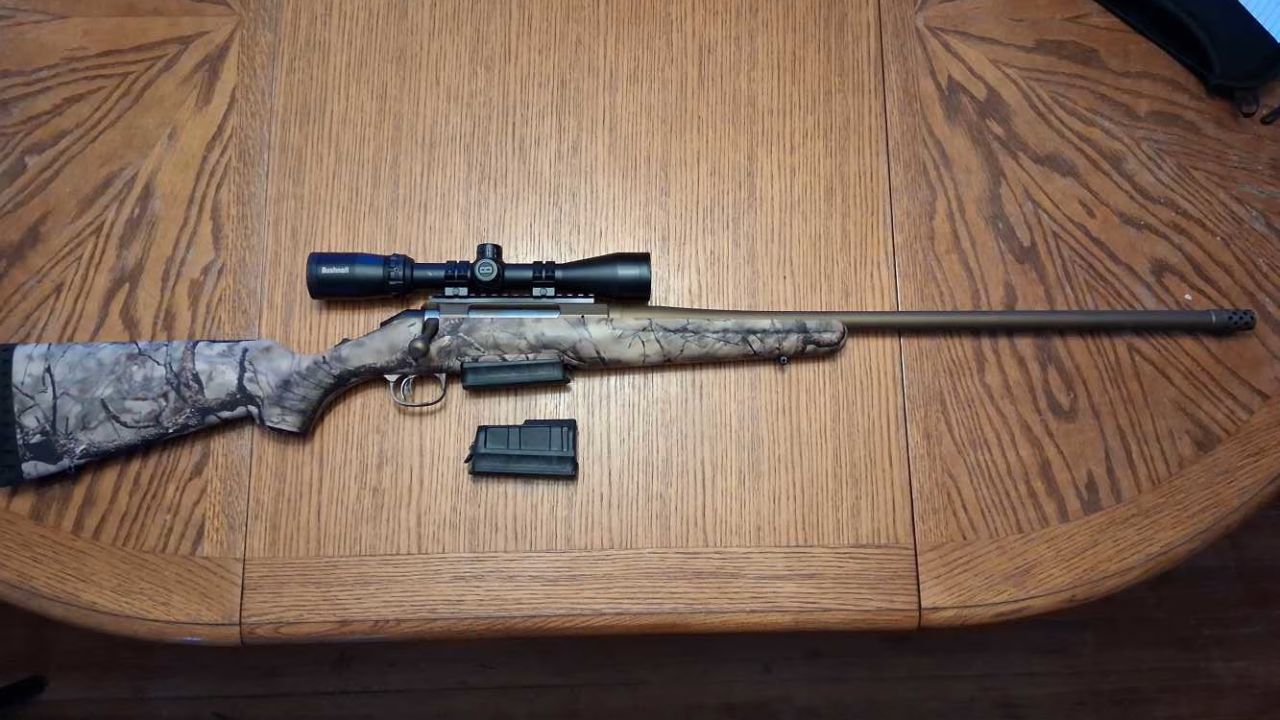
The Go Wild models are easy to carry, but in heavier calibers they can feel jumpy. The stock is functional, not fancy, and recoil can cause the rifle to shift in ways that mess with consistency. Off a bench, people often blame the rifle. In the field, the bigger issue is that the rifle doesn’t settle easily unless your fundamentals are solid.
If you want to keep this rifle in a heavier cartridge, spend time on recoil management and consider a better pad. Keep your scope mounting solid and don’t crank your rings like a gorilla. A light rifle that’s slightly loose in setup will feel worse and shoot worse. When it’s set up correctly, it can still be a practical deer rifle.
Mossberg Patriot (lightweight setups in larger cartridges)

The Patriot can be fine, but in lighter configurations and bigger cartridges, recoil can feel abrupt. That abrupt recoil can steer the muzzle, and if the stock flexes even a little, your point of impact can start feeling inconsistent across different shooting positions. That’s what makes people say, “It shoots great one day and not the next.”
If you’re running one, be strict about setup: torque screws, mount the optic correctly, and test your ammo. Then work on body position so recoil comes straight back instead of up and sideways. If you’re constantly getting knocked out of your sight picture, you’re not getting clean feedback—and that’s where accuracy starts falling apart.
Bergara Premier Mountain (and other lightweight Bergara hunting builds)

Bergaras are known for accuracy, but the lighter hunting builds can still recoil in a way that surprises people. When the rifle is light enough, recoil can move it off target quickly, especially in cartridges with real punch. That creates the “steering” feeling: you press the shot and the rifle jumps off line before you can track the result.
The solution is not blaming the barrel. It’s building a repeatable shooting position and setting up recoil management. Many hunters do better with a slightly heavier optic and a suppressor to calm the system down. If you can keep your cheek weld and watch the shot break, your practical accuracy goes way up with these rifles.
Thompson/Center Compass (magnum chamberings)
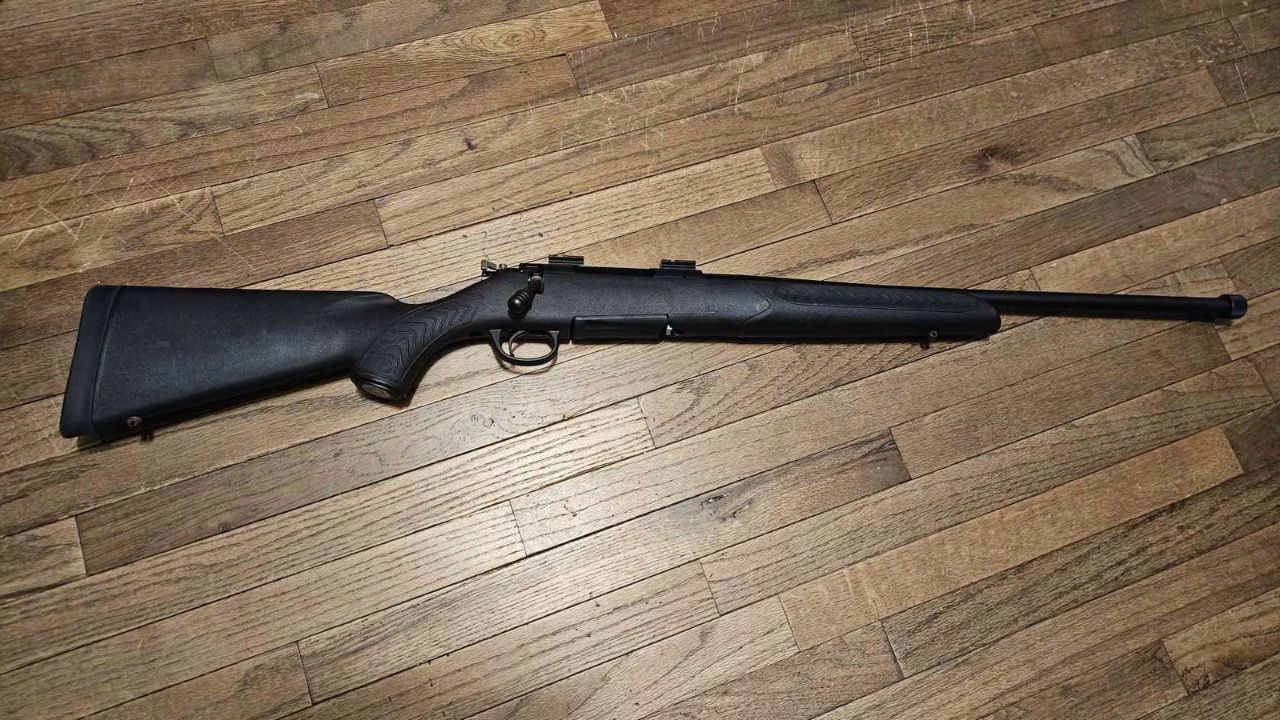
The Compass in a standard deer cartridge can be fine. In a magnum, it can feel like the rifle is trying to get away from you. Light rifle + stout load means recoil gets sharp, and that sharp movement starts steering your muzzle and your body position. People end up flinching or lifting their head to escape the hit, and the rifle “suddenly” isn’t accurate anymore.
If you’re set on a Compass, keep it realistic: pick a cartridge you can shoot well and practice with often. Add a quality recoil pad and make sure your scope mounting is solid. The best deer rifle is the one you can shoot cleanly from field positions without dread. Magnums in very light budget rifles rarely help most hunters.
Winchester XPR (light sporter builds in big cartridges)

A light XPR can feel great on the shoulder in the store. Then you shoot it in a heavier chambering and recoil starts slapping the rifle off target. That’s where the “steering” complaint comes from—muzzle lift, cheek weld breaking, and the shooter trying to control recoil by tightening up at the wrong time.
The XPR can still be an effective deer rifle. The trick is matching the cartridge to the rifle’s weight and your tolerance. If recoil is steering the gun, you won’t shoot it well under pressure. A better pad, a calmer cartridge, and more reps from real hunting positions usually solve more than any accessory swap.
Ruger Hawkeye Compact (short, handy rifles in punchy chamberings)

Compact rifles are built for tight woods and quick handling, but when you pair short, handy rifles with punchy cartridges, recoil can feel like it’s redirecting the muzzle. The shorter length and lighter weight make the recoil impulse feel faster, and that can throw off follow-through. It’s common for shooters to start “peeking” right as the shot breaks, and then hits go off.
The fix is boring but effective: build a repeatable mount and shoulder pressure, and practice with the rifle the way you’ll actually hunt. If the cartridge is too much for that rifle in your hands, stepping down in recoil often makes you deadlier in the woods. Control beats horsepower when you’ve got one shot and limited time.
Like The Avid Outdoorsman’s content? Subscribe to our newsletter so you never miss an article.
Here’s more from us: