Photo credit: Scott E Read/Shutterstock.com
A lot of “bear defense” talk is really “caliber flex.” People pick a cartridge that sounds serious, then load it with bullets designed for soft tissue and fast expansion, and they assume they’re good to go. Penetration is a bullet job first and a caliber job second. If the bullet is a light-for-caliber hollow point that mushrooms instantly, you can end up with shallow wounds and a bear that’s still very much a problem. Heavy bone, thick muscle, steep angles, and bad shot placement all punish light, fast expanding loads. So this list isn’t “these calibers are useless.” It’s “these calibers often get loaded wrong, and that creates a false sense of security.” For bear defense, bullet construction matters—hardcast, bonded, controlled expansion, heavy-for-caliber—those choices change the outcome more than internet energy charts.
10mm Auto (with typical JHP defense loads)

10mm gets marketed like it’s a mini rifle round, and with the right load it can be excellent. The issue is a lot of 10mm “defense” ammo is built like personal-defense 9mm: lighter hollow points meant to expand fast in human-sized targets. On a bear, especially at an angle, those bullets can open too quickly, shed energy early, and fail to reach what you need to reach. People also buy “10mm” that’s really watered-down range velocity, then think they’re carrying a hammer because the box says 10mm. If you carry 10mm for bears, you want deeper-penetrating loads—often heavy-for-caliber hardcast or controlled-expansion bullets that don’t grenade on impact. The caliber can work, but the common off-the-shelf hollow point choices can underperform on penetration. The cartridge isn’t the lie. The typical loading choice is.
.45 ACP (especially standard-pressure hollow points)

.45 ACP has a big reputation, and it does work well for what it was built around—close-range defensive use against people with bullets designed for that job. For bears, the common .45 ACP load is a hollow point that expands wide and slows down early. That can mean shallow penetration when you hit thick shoulder structure or need to drive through heavy muscle. Standard-pressure loads also don’t have the velocity cushion to carry a bullet deep once it starts expanding aggressively. People hear “big bullet” and assume it equals deep penetration, but expansion can steal penetration quickly. If you’re stuck with .45 ACP for bear country, you want tough bullets and more penetration-focused designs, not wide-opening hollow points. Also—shot placement and follow-up speed matter more than caliber pride. .45 ACP can be carried, but it’s not magic bear medicine in typical defensive load form.
.40 S&W (loaded like a people-stopper)

.40 has the “law enforcement” vibe, and some folks treat that like it automatically transfers to bear defense. It doesn’t. Most .40 S&W hollow points are tuned for reliable expansion in soft tissue with moderate barriers. They aren’t built for deep, straight-line penetration through big bone and heavy muscle. The cartridge also doesn’t have a ton of velocity room, so once expansion happens, the bullet can run out of steam. You’ll hear guys say “it’s basically 10mm,” but it’s not, especially not in pressure and typical loading. In bear country, .40 can be carried if it’s what you’ve got, but the common JHP choices are not what you want if penetration is the priority. If you’re trying to punch through shoulder and reach the vitals from imperfect angles, .40 with typical self-defense loads is a gamble.
.357 Magnum (with light 125gr-style screamers)

.357 Magnum has a legendary street reputation, and a lot of that comes from fast, light loads that expand violently. That’s exactly the wrong personality for bear penetration. Those 125gr “screamers” can expand hard and fast, and they can fragment or lose momentum quickly when they meet thick tissue and bone. On bears, you generally want heavier bullets that stay together—think 158gr and up, with construction that favors penetration. The caliber itself is capable, and with the right bullets it’s been used effectively on big animals for a long time. But the mistake is loading it like it’s 1995 and you’re chasing “energy dump.” Bears don’t care about energy dump. They care about whether the bullet gets to the important parts. Light .357 loads can look impressive on paper and underdeliver on penetration.
.44 Magnum (with rapid-expanding JHP “defense” loads)

.44 Magnum is the one everyone points at and says “bear gun,” and that reputation is mostly earned. But even .44 can be loaded in ways that sabotage penetration. Big, soft hollow points that expand like crazy can create a big shallow wound track and not drive deep enough—especially on hard angles or if you hit shoulder. People buy a fancy self-defense style .44 JHP and assume it’s unstoppable. Then they’re surprised when expansion turns the bullet into a blunt mushroom too early. The better .44 bear loads often use hardcast, bonded, or controlled-expansion bullets that keep shape and keep driving. A .44 with the right load is serious medicine. A .44 with the wrong load can behave more like a loud, expensive way to make surface trauma. The caliber is not the issue. The “big hollow point solves everything” assumption is.
.45 Colt (especially traditional soft lead hollow points)

.45 Colt has two personalities: classic, lower-pressure loads and modern heavy loads in strong guns. People often carry .45 Colt with traditional-style loads that are soft lead or hollow points meant for moderate velocities. Those can expand quickly and not penetrate as well as expected when you’re dealing with thick bone and heavy muscle. The name “.45” makes people think it automatically equals deep penetration. Again—bullet construction matters more than diameter. If you run .45 Colt for bear defense, you want to know exactly what load you’re carrying and whether it’s built for deep penetration or just for traditional performance on lighter targets. Some .45 Colt loads are excellent. Many “cowboy-ish” or traditional soft loads are not built for the job people imagine. The caliber can do it, but the common shelf options can mislead you.
.454 Casull (with lighter, aggressive expanding bullets)
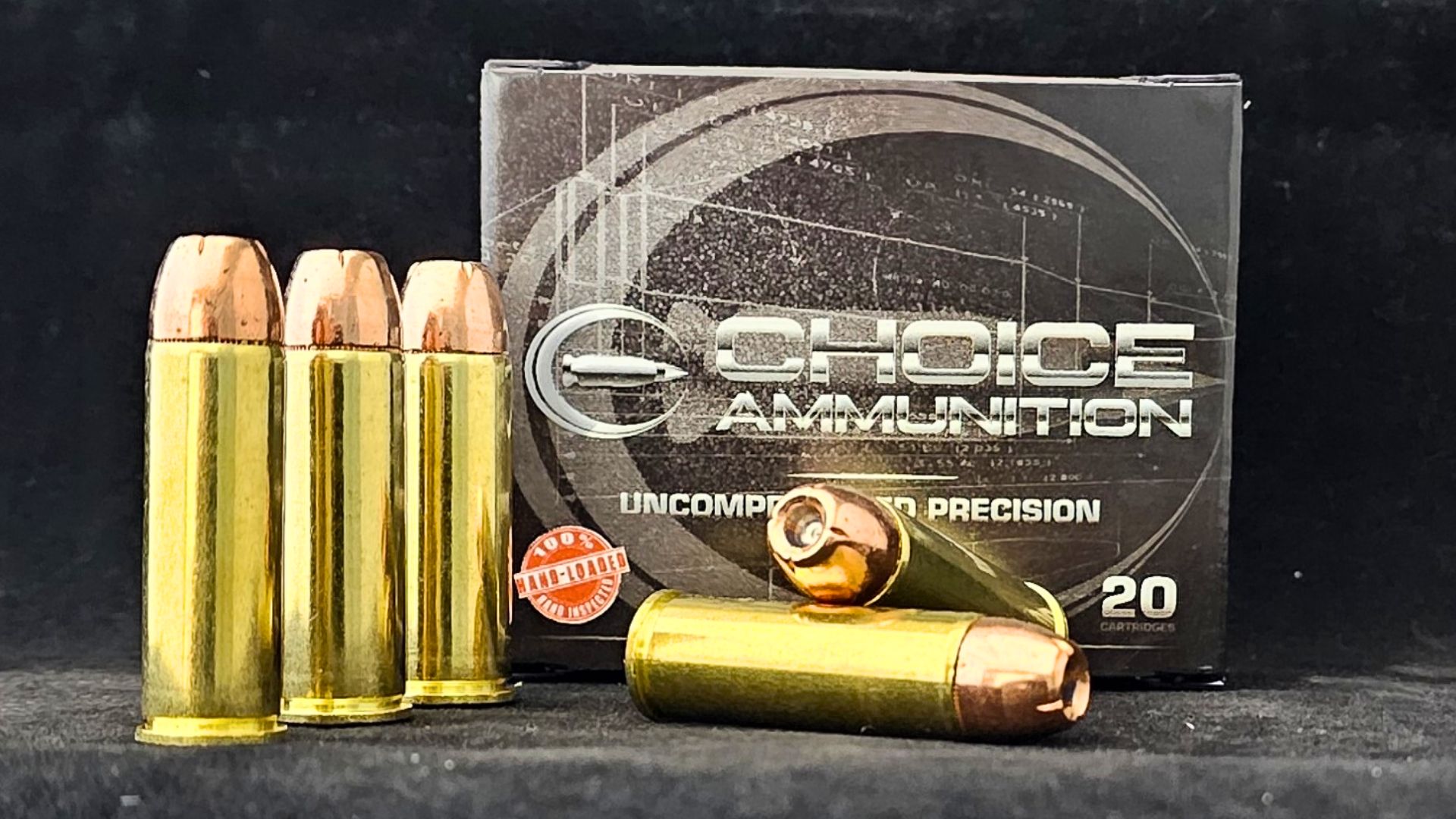
.454 Casull sounds like the answer to everything, and it can be—if the bullet stays together and drives. But when guys load it with lighter bullets designed to expand aggressively, you can still run into penetration issues because the bullet opens too fast at very high velocity. That can cause rapid energy loss, big surface damage, and less straight-line drive than you’d expect from a cartridge with that reputation. Another real-world issue is recoil management: if you can’t shoot it fast and accurately, the caliber advantage doesn’t matter. People buy .454, shoot it twice, and then carry it with minimal practice. Under stress, that can be ugly. The cartridge has power, no question. But a lighter expanding load plus poor controllability can produce a “looks like bear medicine” setup that’s not as effective as a more controllable gun with a penetration-focused load you can actually place.
.500 S&W Magnum (with soft, wide-opening hunting hollow points)

The .500 is the big dog on the spec sheet, and it’s easy to assume “more is always better.” The catch is bullet design and recoil reality. Some .500 hunting hollow points are built to open wide on big game at certain velocities, and they can create massive trauma—but if the bullet is too soft and expands too quickly, penetration can still be less impressive than people assume for a cartridge that loud. Plus, a lot of shooters can’t run a .500 quickly or accurately under stress. If you flinch, miss, or place hits poorly, the caliber doesn’t rescue you. If you do carry a .500, a heavy hardcast or solid designed for deep penetration is usually a smarter defensive choice than a super soft mushroom-maker. This is the extreme example of the rule: huge caliber doesn’t guarantee deep penetration if the bullet’s job is expansion first and drive second.
9mm (with lightweight, fast-opening hollow points)

This one “looks like bear medicine” only because people talk themselves into it. A full-size 9mm with a good shooter behind it can deliver fast hits, and speed matters. But penetration on bears with typical 9mm hollow points is not something I’d bet my life on. Many 9mm JHPs are designed to expand reliably in human tissue and meet certain penetration standards there—not to punch deep through heavy bone at odd angles. On a bear, those bullets can expand quickly and lose drive. If you’re carrying 9mm in bear country because it’s what you shoot best, the honest move is choosing deeper-penetrating loads and accepting the limitations. You’re leaning on shot placement and speed, not raw cartridge performance. The caliber can still stop problems with good hits, but the common “carry ammo” mindset can make penetration worse than people think.
.380 ACP (the “it’s all I can carry” setup)

.380 gets carried because it’s easy, not because it’s ideal. And the common .380 hollow points often expand too early and don’t penetrate deeply—especially out of short barrels. On bears, that’s a bad equation. Even if you don’t get expansion, you still don’t have much momentum to drive through heavy structure. If .380 is truly the only thing you’ll carry, your best bet is choosing loads that prioritize penetration and practicing enough to put rounds where they matter. But you need to be honest: “easy to carry” doesn’t equal “good bear defense.” People sometimes talk themselves into .380 as “better than nothing,” which is true, but it’s not bear medicine. If you’re stepping into real bear country, upgrade to a platform you can shoot well that can push a tougher bullet deeper. Convenience is not a strategy.
.38 Special +P (with modern defense hollow points)

.38 +P is a common carry choice in snub revolvers, and it’s easy to assume “revolver equals outdoors reliable.” Revolvers can be reliable, sure, but .38 +P hollow points are still built around human defense priorities. Out of a short barrel, expansion can be inconsistent, and when it does expand, penetration can be limited. On a bear, you’re asking a small cartridge to do a big job, and bullet performance becomes critical. A lot of shooters carry snubs because they’re simple and light, but they don’t train enough with them to place fast, accurate hits. That combination—marginal penetration loads + low practice—creates a setup that feels “outdoors tough” but doesn’t deliver deep drive. If you’re carrying .38 in bear country, penetration-focused bullets and disciplined shot placement are the only way it makes sense.
.327 Federal Magnum (with light defensive bullets)

.327 Federal is a cool cartridge and can be effective, but it gets weird when people treat it like a “mini magnum bear round” and then load it with bullets built for small defensive targets. Light bullets moving fast can expand early and shed speed, and you can end up with less penetration than you expected from the “magnum” label. The cartridge’s strength is that it can be shot accurately and quickly in some small revolvers, and capacity can be better than .38/.357 in similar frames. But if the bullet construction isn’t built for deep penetration, you’re still playing games on a large animal. The “bear medicine” vibe comes from the magnum name and the velocity numbers. Penetration comes from bullet integrity and momentum through resistance. If you pick .327 for outdoors carry, pick loads that drive, not loads that bloom.
.41 Magnum (when paired with soft expanding designs)

.41 Magnum has a strong reputation and can absolutely penetrate well—especially with the right bullet. The problem shows up when people choose soft expanding bullets that open too quickly and don’t keep driving, especially at closer distances where velocity is high. A big part of .41’s appeal is it can hit hard while being a little more manageable than .44 for some shooters. But that advantage disappears if you load it with bullets that prioritize expansion over deep straight-line drive. If you’re carrying .41 for bear defense, you want bullets that stay together—hardcast or tough controlled-expansion—so you’re getting the penetration that cartridge is capable of. Otherwise you end up with the same issue as other “big bore” setups: impressive blast, impressive recoil, and penetration that doesn’t match the reputation because the bullet gave up early.
.357 SIG (the “flat shooter” trap)

.357 SIG sounds aggressive and it shoots flat for a handgun cartridge, which makes people assume it penetrates like crazy. In reality, many .357 SIG loads are tuned for reliable expansion and barrier performance on human-sized threats, not deep penetration on large animals. The bullet weights are often lighter, and when those bullets expand, they can slow quickly. It can penetrate decently with the right bullet, but most people carry the common duty-style hollow points and assume the caliber name guarantees deep drive. It doesn’t. Also, .357 SIG tends to be loud and snappy, and that can affect follow-up speed for some shooters. If you’re choosing it for bear defense, don’t assume the name “357” makes it equivalent to .357 Magnum hardcast performance. Bullet design and real-world penetration are what matter, not the marketing vibe.
Like The Avid Outdoorsman’s content? Subscribe to our newsletter so you never miss an article.
Here’s more from us: