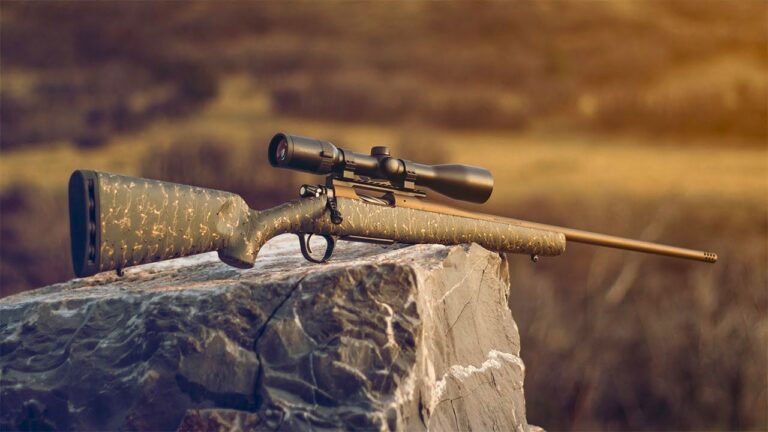
Photo credit: William T Smith/Shutterstock.com
Meat loss usually isn’t “bad shooting.” It’s speed + bullet choice + where that bullet meets bone. You can make a clean double-lung hit, watch the deer tip over fast, then walk up and find the off-side shoulder looks like it got hit with a hammer. That’s not mysterious. High impact velocity and thin-jacketed bullets dump a ton of energy fast, and if that happens close to the shoulder, ribs, or heavy tissue, you get bloodshot meat that spreads way farther than the actual wound channel. The cartridge matters because it sets the velocity ceiling, especially inside 150 yards. Here are 15 cartridges that commonly get paired with fast-expanding bullets—and that combo is what turns “good shot” into “there goes a bunch of burger.”
.22-250 Remington

Yes, it’ll kill deer. And yes, it’s also one of the easiest ways to blow up meat if you’re using the wrong bullet. The .22-250 runs light bullets fast, and a lot of what’s on the shelf is varmint-style stuff designed to fragment violently. Put that through ribs on a close shot and you can get a grenade effect: huge surface trauma, shredded tissue, and a bloodshot mess that creeps into the shoulder. Even with a “good” behind-the-shoulder hit, the damage can look way worse than you expect because those bullets don’t hold together. If you insist on .22-250 for deer, you need a tough bullet built for controlled expansion and you need to keep it off the shoulder. Done right, it works. Done like most people do it—fast, light, and explosive—it ruins meat way more than it needs to.
.220 Swift
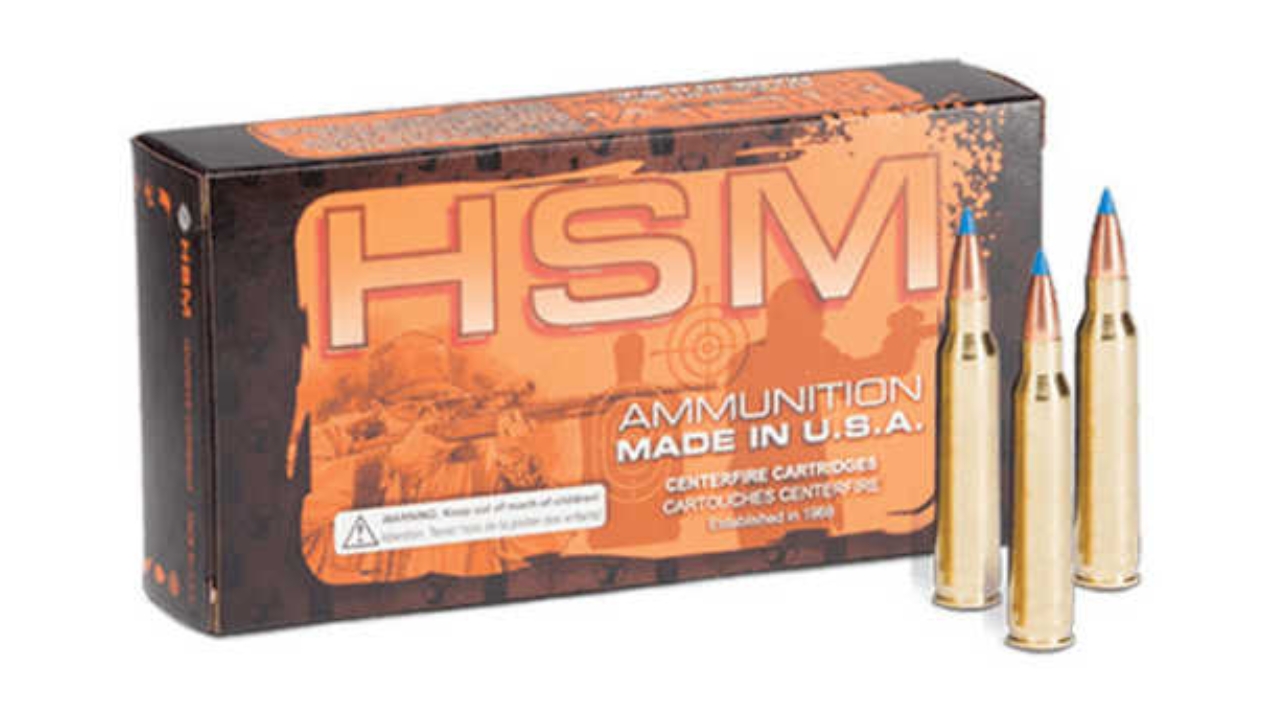
The Swift has the same problem as the .22-250, only it leans even harder into velocity. It’s a flat shooter and it hits hard for a .22, but that speed makes bullet construction matter a ton. If you’re running light soft points or anything marketed for varmints, you’re basically asking for massive bloodshot areas, especially at close range where impact speed is still screaming. A “good” lung hit that clips a rib can turn into fragmentation, and that fragments-and-splash effect can bruise meat around the wound channel far more than a slower cartridge would. The Swift can be ethical with the right setup, but it’s not forgiving. It’s a cartridge where the wrong bullet turns deer into a cleanup project.
.243 Winchester
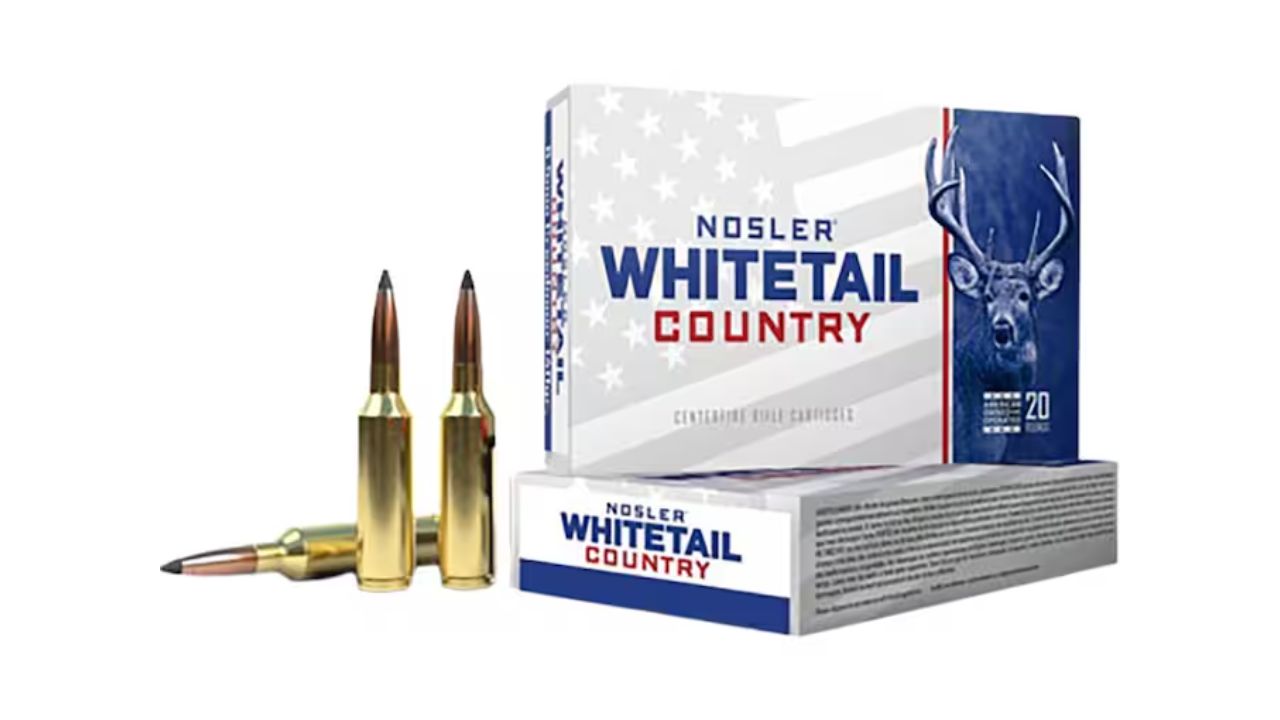
The .243 is a classic deer round, but it’s also one of the most common “why is my shoulder ruined?” stories when guys run light bullets built for quick expansion. Lots of .243 ammo is 80–100 grain, and plenty of it is designed to open fast because the cartridge is often used on smaller game and coyotes too. At typical woods distances, a light, fast .243 bullet that hits ribs near the shoulder can create a wide bruised zone that spreads into the front quarter. Even when the shot is placed correctly, if the bullet dumps energy hard and fast, you can lose meat around the entrance and along the rib cage. The fix isn’t ditching .243. It’s choosing a tougher deer bullet, often a little heavier, and keeping impact off the shoulder when possible.
6mm Creedmoor

The 6mm Creedmoor shoots great and it’s easy to hit with, but it lives in that same “small bore + high speed” zone that can tear up meat with the wrong bullet. A lot of 6mm loads are built to be accurate and expand reliably—sometimes too reliably—especially if you’re using match-style or thin-jacketed hunting bullets at high impact velocity. If the shot is a clean lung hit but the bullet clips the near-side shoulder blade edge or heavy rib, it can create a big bloodshot pocket that spreads. The deer dies fast, and you still end up trimming like crazy. If you’re hunting inside 200, pick a bullet that holds together and don’t chase the lightest option just because it’s fast. Speed is great for hits. It can be rough on meat.
.25-06 Remington
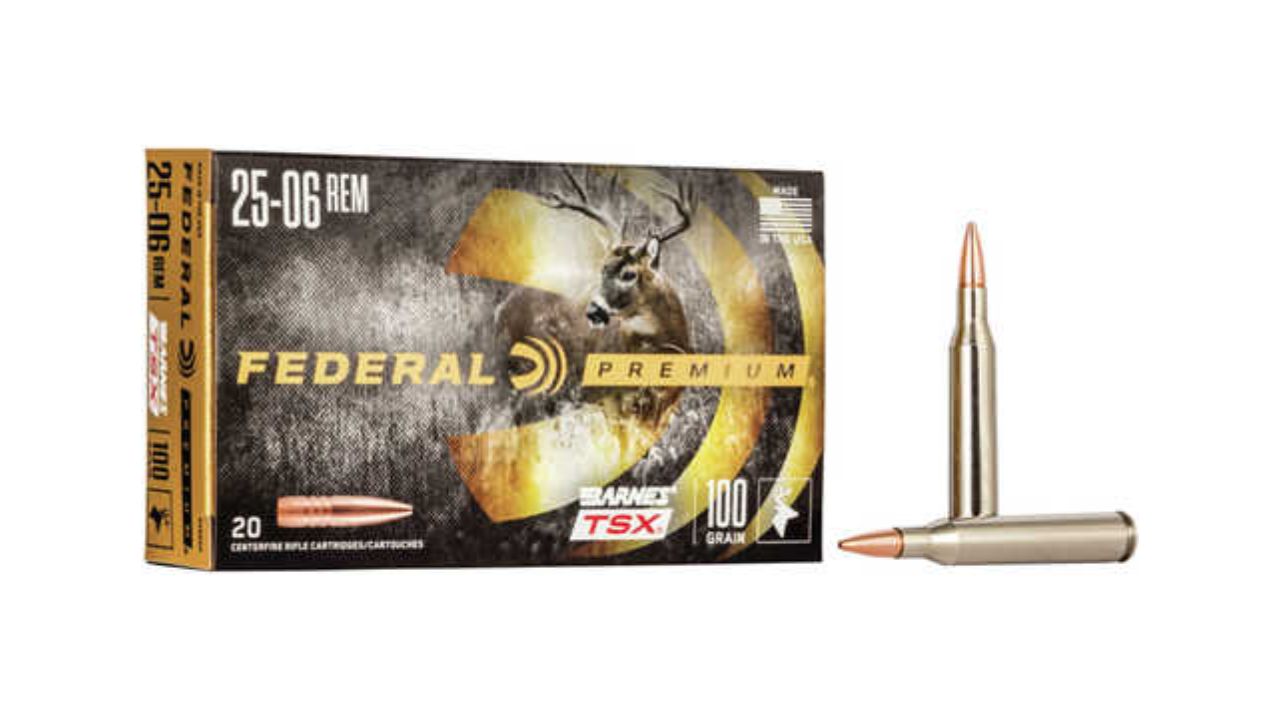
.25-06 is a deer hammer, but it’s basically a fast .25 caliber laser, and that speed is the reason it can be messy up close. A lot of .25-06 ammo is 100–120 grain, and many of those bullets are designed to expand big and quick. Inside 150 yards, impact velocity is high enough that you can get dramatic tissue disruption even on a “good” behind-the-shoulder hit. If you tag a rib hard, you might see bruising spread into the shoulder and down the ribs. Guys love .25-06 because it drops deer and it shoots flat—and it does. But if you want to keep more meat, you need a tougher bullet that doesn’t come apart when it meets bone at high speed.
.257 Weatherby Magnum

This one is famous for being fast, flat, and violent. It can be incredible on deer, and it can also be a meat grinder if you run bullets that aren’t built to handle its velocity. A lot of the classic .257 Weatherby hype is built on speed. Speed plus rapid expansion can equal a big wound cavity and a lot of bloodshot meat, even when the placement is solid. If you hit tight behind the shoulder and the bullet still catches heavy rib or near-side shoulder structure, the bruising can be impressive. This is a cartridge where the right bullet matters more than almost anything—bonded or controlled expansion, heavier-for-caliber options, and not treating it like a varmint blaster. Deer will die fast. The question is how much trimming you want to do afterward.
.270 Winchester (especially light, fast loads)
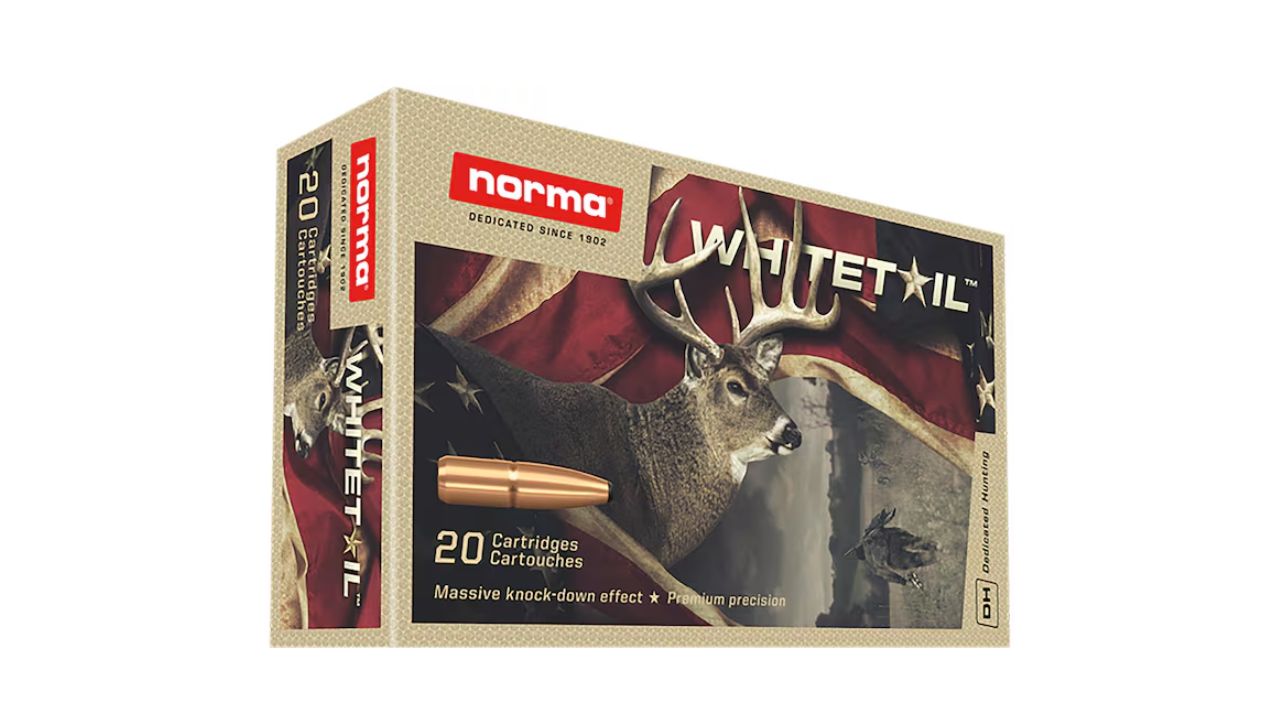
.270 Win is one of the best deer cartridges ever made, but it gets people in trouble when they run light bullets or very “soft” designs at close range. A 130 grain soft point that opens aggressively can make a bigger mess than you expect if the shot is inside 100–150 and you clip bone. The .270 carries speed well, and at those distances it’s still moving fast enough to cause big bruising around the wound channel. You can do everything right—hit lungs, deer drops—and still find the near shoulder bloodshot if you were a little forward. The fix is simple: don’t aim for the shoulder with a fast-expanding bullet, and consider a tougher bullet design if you hunt thick woods where shots are close and angles aren’t perfect.
.270 WSM
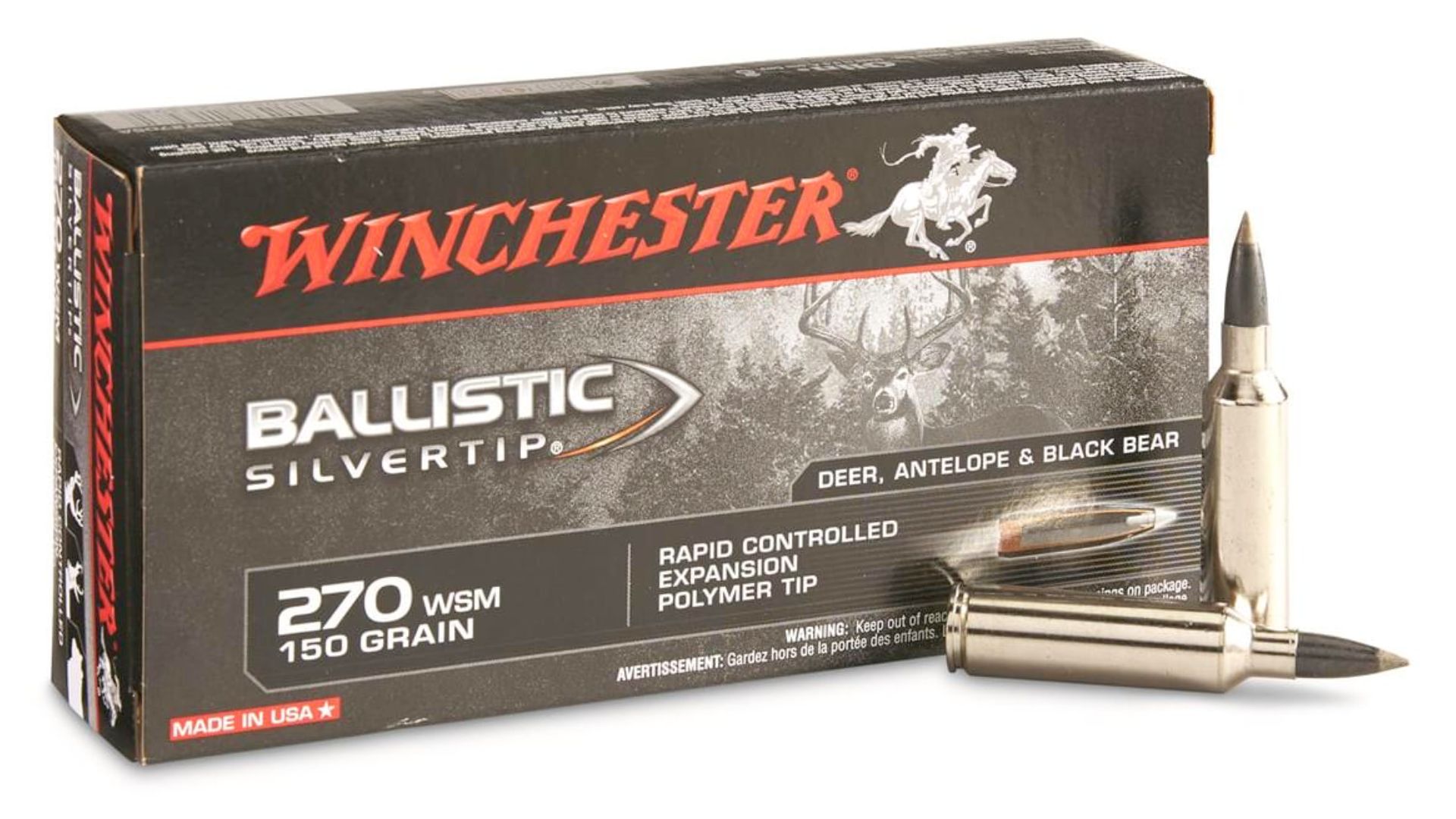
The .270 WSM basically takes the .270 idea and turns the dial up. More velocity and more energy at close range can mean more tissue damage if the bullet is built to expand quickly. That’s where guys get surprised: they shoot a deer at 75 yards, hit what looks like a perfect spot, and then they’re trimming a big section of front quarter because the impact was violent. It’s not that the WSM is “too much.” It’s that a lot of factory hunting ammo is designed to expand reliably across distances, and at WSM speeds, close-range hits can be brutal. If you hunt with a WSM in tighter terrain, pick a bullet that holds together on close hits. You’ll still get fast kills, but you won’t be throwing away as much good meat.
7mm Remington Magnum

7mm Rem Mag is another one that kills deer dead and can still punish your meat if you use a thin-jacketed bullet up close. The 7mm tends to shoot high-BC bullets that people love, and many of those designs expand wide and quick because they’re built for deer-sized game at longer ranges too. The problem is when you hit close: impact velocity is still high, and a fast-opening bullet that hits a rib can create a lot of bruising along the ribs and into the shoulder. You’ll see it most when guys hit slightly forward—still in the lungs, still “good,” but close enough to bone that the energy dump ruins a bunch of front quarter. The Rem Mag isn’t wrong. The wrong bullet for your distance is what hurts you.
7mm PRC

7mm PRC is built to run modern long bullets well, and it’s a great cartridge, but it can be meat-heavy on close shots if you’re running bullets that expand fast. A lot of PRC users are chasing long-range performance, which means sleek bullets and good terminal behavior at lower impact speeds. Those same bullets at 80 yards can open violently, especially if they hit bone. That’s how you get huge bloodshot zones even with a clean lung shot. If your hunting is mostly inside 200, don’t pretend you need the most aggressive expansion you can buy. Choose a bullet that stays together through ribs and keeps driving. The cartridge has plenty of horsepower. You don’t need a bullet that acts like a frag grenade at close range to kill deer fast.
.28 Nosler

.28 Nosler is a rocket. It’s impressive, it’s flat, and it absolutely can wreck meat when impact velocity is high. Even with a “good” shot, a high-speed hit that’s anywhere near the shoulder can turn into major bruising. A lot of guys buy this cartridge for reach, then they end up shooting a deer at 120 yards because that’s what happens in real life. At that distance, your bullet is still cooking, and many hunting bullets will expand extremely aggressively. If you’re using something that’s designed to open wide at long range, it can still open wide at short range—sometimes too wide. If you love the cartridge, the solution is bullet selection and shot placement discipline. Keep it behind the shoulder, pick a tougher bullet, and accept that “laser fast” comes with tradeoffs.
6.5 PRC
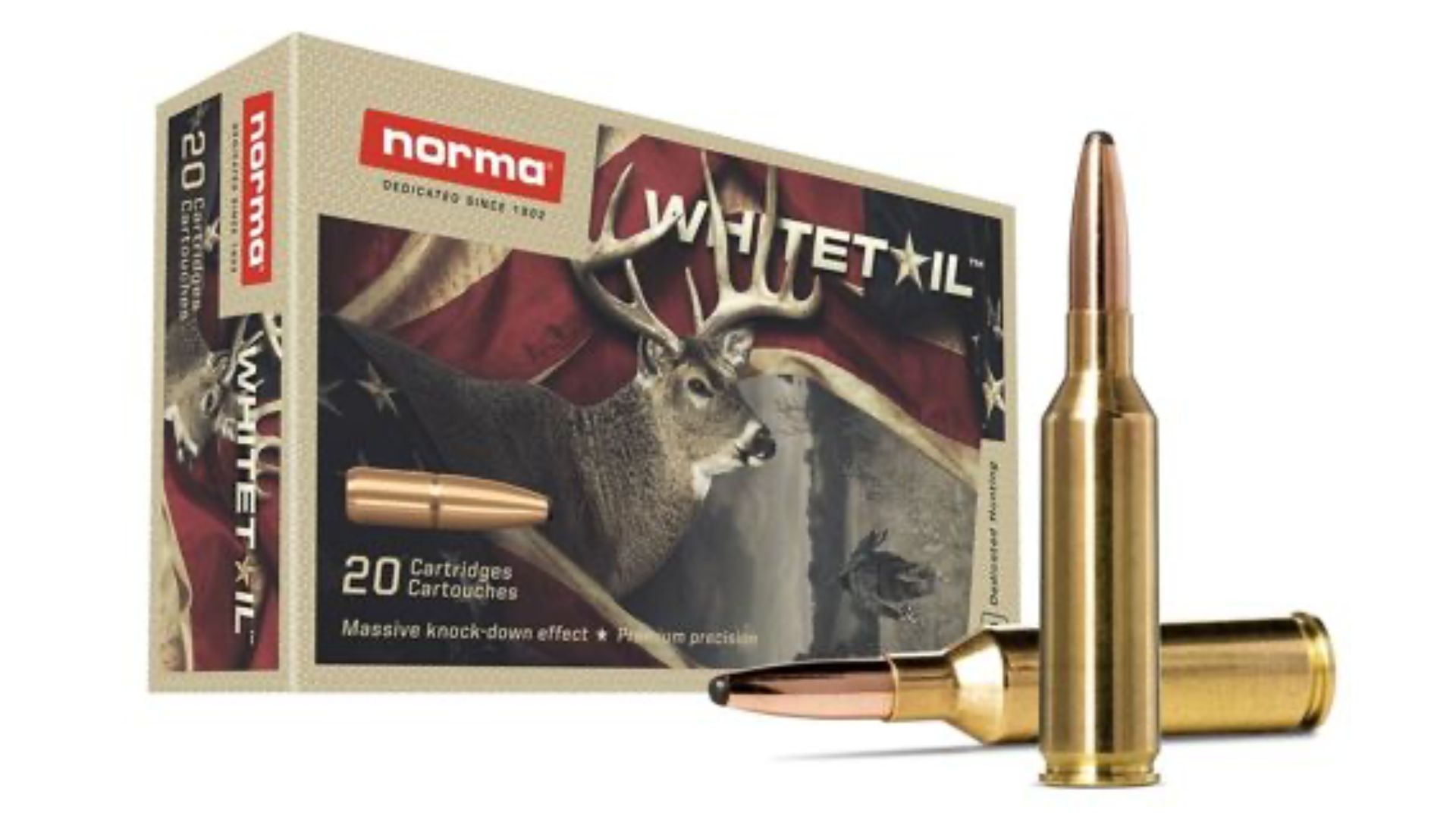
6.5 PRC sits in a sweet spot for a lot of hunters, but it still runs fast enough to cause bruising when you pair it with rapid-expanding bullets. The 6.5 crowd often leans toward modern, sleek bullet designs, and many of those bullets are great—until you hit close-range bone. A clean lung shot that tags rib can create a wide bruised area, and if you’re slightly forward you can lose a good chunk of shoulder meat even though the deer dies quickly. The PRC’s whole point is speed and performance. That’s fine. Just don’t treat it like it has no cost. If your normal shots are inside 200, pick a controlled expansion bullet that holds together. You’ll still get the performance you want without turning every close-range deer into a trimming marathon.
.300 Winchester Magnum
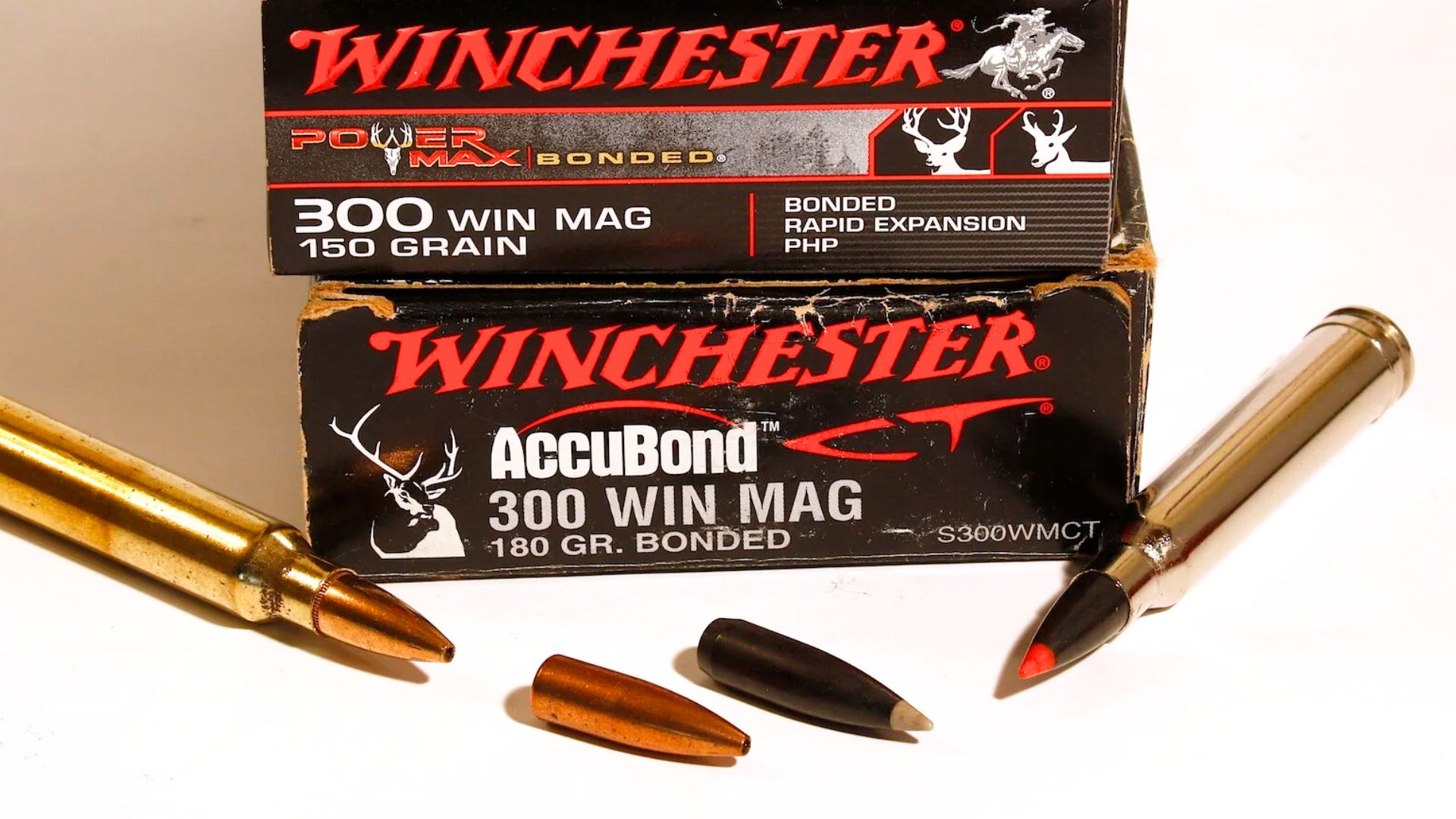
.300 Win Mag gets carried for elk, big deer, and “I want one rifle for everything.” It works. But if you run light-for-caliber bullets or soft designs and hit a deer at close range, it can absolutely hammer meat. A .300 with a fast-opening bullet can cause a lot of bruising around the wound channel, and if the shot is a little forward—even if it’s still lungs—you can lose most of the front quarter on that side. The energy is real, and deer aren’t armored. If you’re going to use .300 Win Mag for deer in normal distances, lean heavier, tougher bullets and keep shots behind the shoulder. The cartridge isn’t “too much.” It’s just unforgiving when your bullet is built to expand aggressively and your distance is short.
.300 PRC

.300 PRC is another long-range focused cartridge that often gets paired with bullets meant to perform at lower impact speeds. That’s great if you’re shooting far. Real life still includes close shots. When a PRC hits at high speed up close, those bullets can expand big and fast and you get meat loss that feels unnecessary for deer. A “good” shot that clips bone becomes a large bloodshot zone, and you’ll be trimming deep into the shoulder and ribs. Another thing that happens is people get confident with a PRC and start taking slightly more forward shots because they assume the cartridge will “anchor” the deer. It will. And you’ll pay for it in meat. If you hunt mostly normal ranges, pick a bullet with controlled expansion and don’t chase the fastest thing you can load.
.338 Winchester Magnum

.338 Win Mag is legit big game power, and it can absolutely be rough on deer meat even with a good hit. Bigger diameter and heavier bullets can be gentler if the bullet is tough and just punches through. But plenty of .338 loads are designed to expand hard on big animals, and on a deer that can mean a big wound cavity and bruising that spreads. The other issue is that people tend to shoot deer with .338 the same way they shoot elk—more forward, tighter to the shoulder—because they’re thinking “put it down now.” That’s where you lose meat. A clean behind-the-shoulder lung shot with a tough bullet can actually be fine. The “ruined meat” stories usually show up when guys choose aggressive expansion bullets and aim like they’re trying to break both shoulders.
12 gauge sabot slugs (especially high-velocity loads)
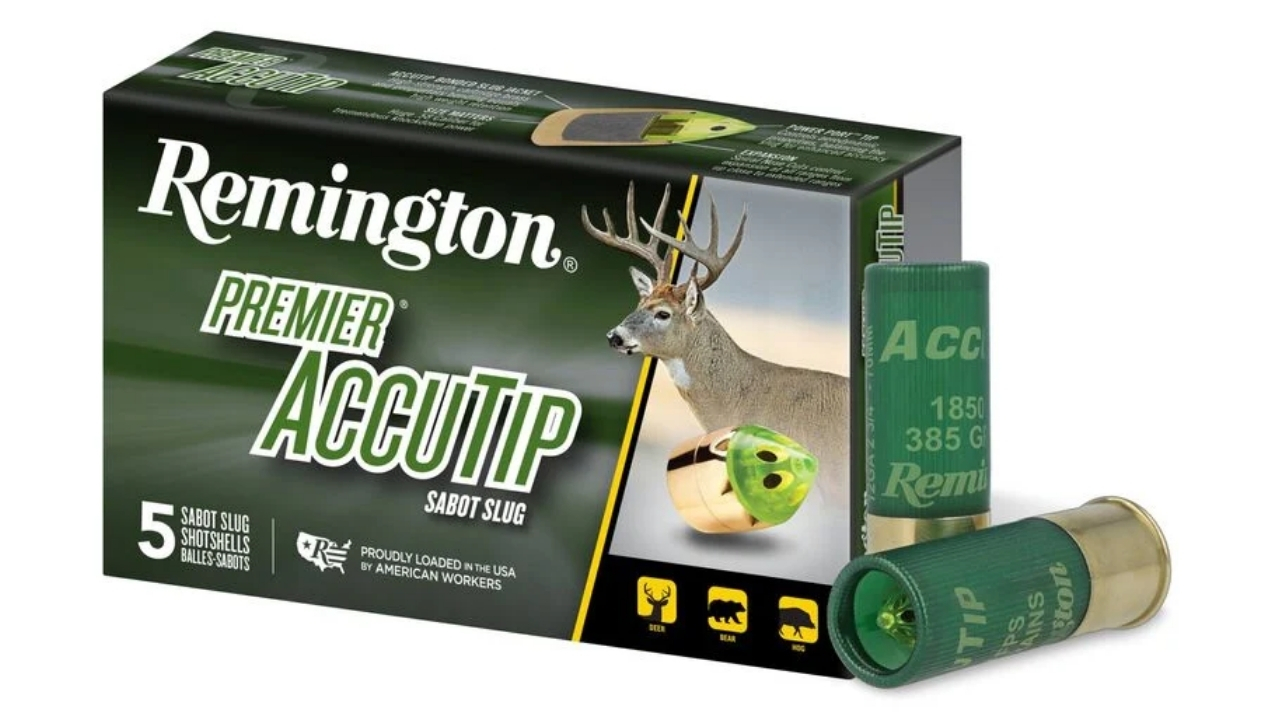
Slugs don’t get talked about in “cartridge” lists enough, but if you want to see meat loss, watch what a fast sabot slug does when it clips shoulder or heavy rib. Even with a good hit, that big hunk of lead (or copper) can create a massive bruised zone, and slug impacts tend to do a lot of tissue disruption. On close shots, it can look like the front quarter got hit with a sledgehammer. You can absolutely kill deer clean with slugs, and plenty of guys do it every year. The meat loss usually happens when you take the “anchor shot” into the shoulder because you’re hunting thick cover and you want the deer down right now. That works… and it costs meat. If you want cleaner meat with slugs, stay behind the shoulder and use a slug that holds together instead of one designed to expand violently.
Like The Avid Outdoorsman’s content? Be sure to follow us.
Here’s more from us: