Photo credit: Ash Farz/Unsplash.com
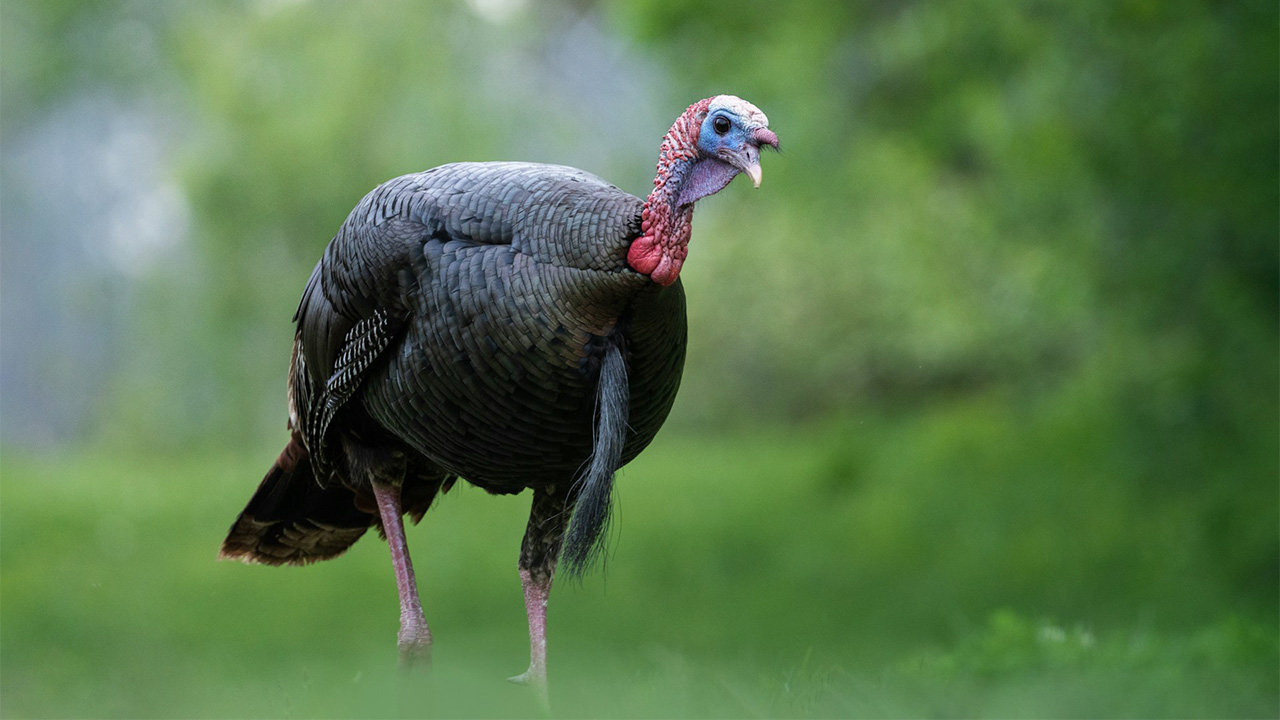
“Brutal” doesn’t always mean “no turkeys.” Most of the time it means lots of hunters, easy access, and public land that gets hit hard, especially early season and weekends. Some of these states still have solid birds, but the competition is real, and the birds get educated fast.
Pennsylvania

Pennsylvania is one of the clearest “pressure states” in the country because the participation numbers are flat-out massive. Spring 2024 participation was estimated at 161,666 hunters, which is a pile of boots in the woods, even spread across big habitat. When you’ve got that many callers, decoys, and guys running ridges at daylight, birds don’t stay talkative for long.
The other piece is how much of the hunting is public-land driven. Pennsylvania has plenty of ground, but the good access areas get hammered, especially anywhere within reasonable driving distance of population centers. If you’re hunting PA, the play is usually: go earlier than most, go farther than most, or hunt mid-week when the woods finally settle down.
Tennessee

Tennessee’s spring turkey scene is a pressure cooker because participation is huge and the culture is serious. TWRA estimated 126,032 hunters participated in spring 2024. That’s why the “good spots” fill up fast, and why birds can go from fired up to tight-lipped in a hurry once the first wave rolls through.
It’s also a state where a lot of guys put real time in—multiple mornings, multiple properties, lots of calling. That constant contact changes how gobblers behave. The hunters who do best usually treat it like chess: less running-and-gunning through crowded ground, more setting up where birds want to travel and letting the woods come to them.
Missouri

Missouri is turkey country, and the numbers prove it. Missouri reported 127,371 unique spring turkey hunters in 2024. That kind of participation means pressure isn’t just a weekend issue—it’s a season-long reality, especially in well-known public areas and the counties everybody talks about.
The tough part is that Missouri birds see a lot of the same tricks early. Guys show up with confidence, they call hard, and gobblers get conditioned fast. If you want to beat pressure there, you usually have to do something slightly different: quieter calling, better setup discipline, or slipping into overlooked ground that doesn’t “look perfect” on a map but holds birds.
Wisconsin

Wisconsin consistently lands on “best turkey state” lists, which is a blessing and a curse. When a state gets that reputation, it attracts both residents and travelers who want an accessible spring hunt. More hunters doesn’t automatically ruin hunting, but it does mean early-season gobblers get worked over quickly, especially close to parking areas and easy walk-ins.
The pressure pattern is predictable: opener energy, weekend crowds, and heavy calling in obvious roost/field edges. If you’ve ever watched birds shut down after three different groups yelped at them at daylight, you get it. The fix is usually distance and timing—get away from the easy spots, hunt the “in-between” woods, and don’t be scared of late-morning moves once the crowds thin.
Alabama

Alabama has a deep turkey culture and a long tradition of spring hunting, which tends to bring big participation and aggressive early-season effort. It’s also commonly listed among top turkey states, which pulls extra attention. When pressure is high, the first thing to go is the “storybook” gobbling that people expect. Birds get bumped off roosts, hens get called at, and gobblers learn quickly what a human setup looks like.
On pressured ground, Alabama hunting often turns into a discipline test: tight setups, minimal movement, and being ready for quiet birds that slip in without sounding off. The guys who consistently kill birds there usually aren’t the loudest callers—they’re the guys who understand terrain, travel routes, and how to be patient when the woods are noisy with other hunters.
Mississippi

Mississippi is another state where the spring turkey crowd can be thick—partly because it’s a traditional turkey state and partly because public land access concentrates hunters. Mississippi has also been part of the broader conversation about turkey declines and management changes in parts of the region, which can push pressure even higher on the areas people still trust.
When turkey talk gets heated—“numbers are down,” “regulations changed,” “it’s tougher than it used to be”—you often see the same result: more hunters pile into the few places with a reputation. That makes birds even more cautious. If you’re hunting Mississippi in a high-pressure year, it pays to avoid the famous spots and hunt the overlooked pockets where you can sit longer and let a bird make a mistake.
Kentucky

Kentucky’s spring pressure gets underestimated by out-of-staters until they actually hunt it. It has plenty of turkey hunters, good habitat, and enough public options that people feel like they can “just go.” That convenience concentrates effort, especially in the first chunk of the season. Add in weekend traffic and you get birds that start behaving like they’ve got a PhD by mid-season.
Kentucky gobblers under pressure tend to do two annoying things: go quiet on the limb and walk off with hens, or gobble plenty but refuse to close the last 100 yards. That’s usually other hunters teaching them to hang up. The better move is to hunt travel corridors and terrain features where a bird has to commit—tight ridges, saddles, creek crossings, and edges that force movement.
Georgia

Georgia can feel wide open on a map, but pressure stacks up fast because a lot of people can hunt before work, after work, or make quick weekend runs. When access is easy, effort goes up. Birds that live close to roads and parking areas learn the routine quickly, and they start avoiding the obvious setups.
Georgia’s pressure also has a “mobile hunter” vibe: lots of guys covering ground, calling loud, and trying to strike a bird. That works early, then it gets tougher once gobblers have heard it all. If you’re trying to beat pressure there, slow down. Call less, set up smarter, and hunt the spots that require a little inconvenience—gates, elevation, longer walks, and places where the average guy doesn’t feel like dragging decoys.
South Carolina

South Carolina is a straight-up pressure state by the numbers. The state has reported roughly 50,000 turkey hunters in past seasons, which is heavy effort for a relatively small state. And when that many hunters are chasing spring birds, the public land gets loud fast.
The other thing with pressured SC turkeys is how quickly they shift patterns. A gobbler that was hammering on Monday can be silent by Friday if he’s been bumped, called at, or shot at. Your best advantage there is usually being early, being disciplined, and being willing to sit longer than the guy who’s about to start walking and yelping. A pressured gobbler often comes in quiet—and if you’re fidgeting, you’ll never know he was there.
North Carolina

North Carolina has a strong turkey hunting crowd and a long history of solid spring harvest, which tends to keep participation high year after year. When you combine that with a lot of accessible country and plenty of hunters who treat spring turkey like a seasonal priority, you get quick bird education.
Pressure in NC shows up as “call-shy” birds and crowded access points. The biggest mistake is hunting it like a low-pressure state—running ridges, calling hard, and expecting gobblers to charge in. A more realistic plan is to treat it like a chess match: hunt likely travel lines, call soft, and be ready for birds that want to circle, stall, or show up late.
Arkansas

Arkansas tends to get heavy spring pressure because it has a lot of turkey hunters, a lot of public land opportunity, and a reputation that draws people in. Public-land turkey hunting is awesome, but it also concentrates effort. Once the season opens, the “easy” spots get checked constantly, and gobblers figure out pretty quick that every yelp near a road might come with a person attached.
Arkansas pressured birds often end up using thick cover and rougher terrain to avoid contact. That means the guy who wins isn’t always the one who calls best—it’s the one who understands terrain, keeps setups tight, and doesn’t blow birds off the roost. If you can keep the woods calm early, you’ll usually hunt better all season.
Oklahoma

Oklahoma is a magnet for spring hunters because it offers real turkey opportunity and a mix of habitat types. It also sits in a region where turkey conversations (numbers, regs, quality) have been front and center in recent years. That can push pressure higher, especially on the areas people still trust.
On pressured ground, Oklahoma birds can get weird: lots of gobbling with no commitment, or sudden silence after the first week. The adjustment is usually simple but hard to do: call less, set up where a bird wants to go anyway, and quit trying to “win” with volume. Pressure punishes ego fast in turkey woods.
Texas

Texas has huge turkey country, but pressure can still be brutal because access funnels hunters into the same reachable areas. Texas also moved into statewide mandatory harvest reporting recently, which shows how serious the state is getting about tracking and managing turkey trends.
Pressure in Texas also varies by region—some places feel wide open, others feel like every gate has a truck at it. Where it’s crowded, turkeys react like you’d expect: less gobbling, more slipping off, and more birds hanging up out of sight. Your best play is usually finding private access, hunting odd hours, or keying on travel routes between roosts and feeding rather than trying to call birds across open country.
South Dakota

South Dakota draws a lot of attention as a DIY destination, and destination states almost always come with pressure in the “known” places. When nonresidents show up with limited days and high expectations, they hunt hard—early, late, and aggressively. That stacks up fast on public ground.
The other thing about pressure in travel states is that it’s concentrated around access, campgrounds, and the spots everybody marks on apps. If you can separate yourself from that—longer walks, weirder habitat edges, places that don’t look “Instagram perfect”—you’ll find birds that act more natural. A little inconvenience is usually the best turkey pressure filter.
Florida

Florida can be brutal for pressure in a different way: lots of hunters, early seasons, and birds that get hammered quickly in accessible areas. NWTF’s state-by-state guides show Florida harvest figures and how structured the seasons can be, which is a clue that it’s a heavily participated-in hunt.
In pressured parts of Florida, birds don’t tolerate mistakes. Get too close to a roost, slam a truck door, or call too aggressively in a spot that’s been hunted all week, and that gobbler may be done talking. The guys who do well there tend to keep it simple: good scouting, clean setups, quiet calling, and a plan for birds that move fast once the woods wakes up.
Like The Avid Outdoorsman’s content? Subscribe to our newsletter so you never miss an article.
Here’s more from us: