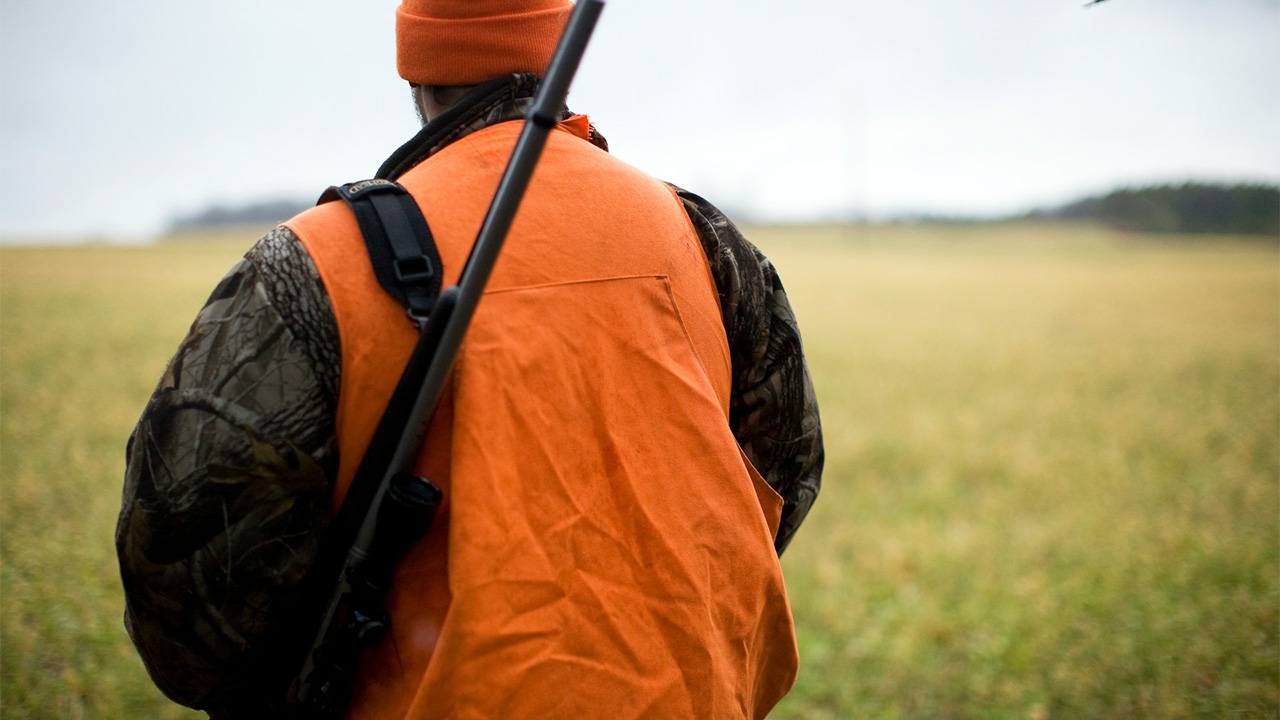
Photo credit: Matthew Maaskant/Unsplash.com
New hunters don’t quit because they “don’t like hunting.” Most quit because the on-ramp is rough: no place to go, no one to show them the basics without judgment, confusing regs, and a whole lot of expensive guessing. When a state actually improves opportunity, it usually looks like one of three things: more access you can legally use, mentored programs that get you real reps in the field, or license/tag changes that remove a big barrier for beginners. The states below are good examples of that trend—places where the system is getting a little more beginner-friendly in a way that can actually help someone get their first season off the ground instead of stalling out at the planning stage.
Texas
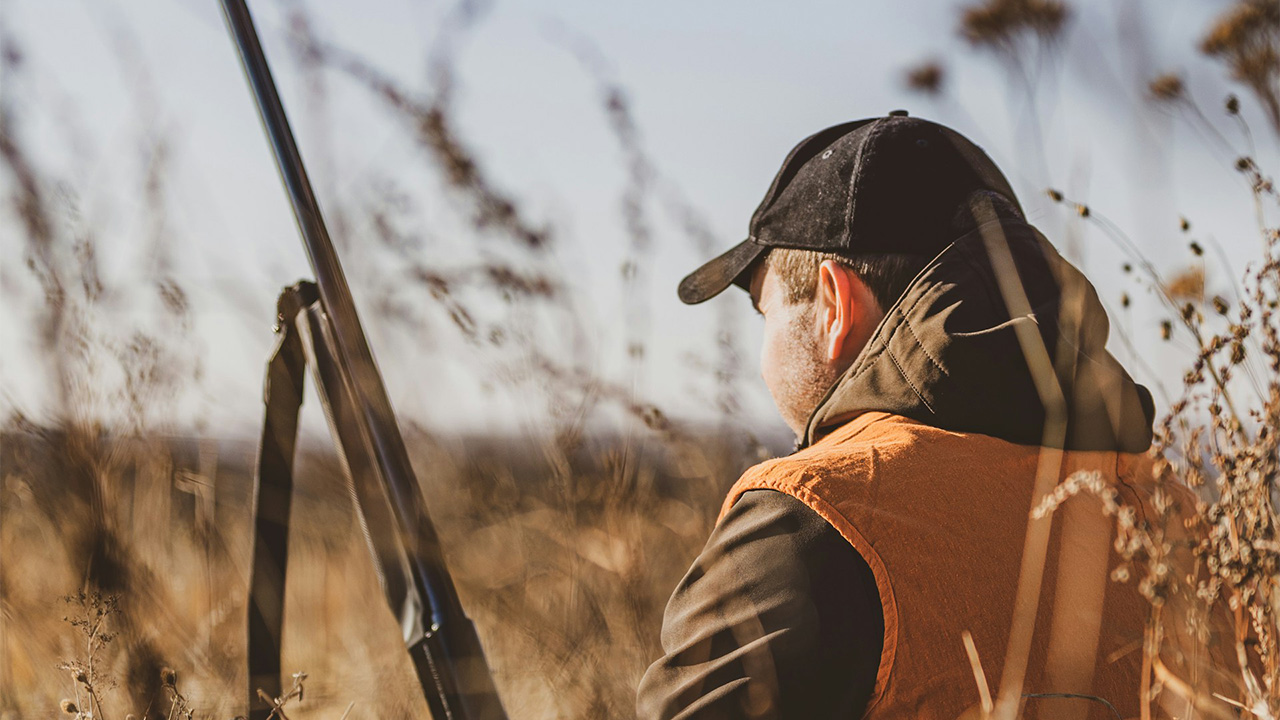
Texas has quietly gotten better for beginners because it’s getting easier to actually get out there without already knowing a landowner. TPWD keeps expanding public hunting inside the state park system and the broader public hunting program, adding new properties and acres for the 2025–26 season. That matters for new hunters because access is usually the wall you hit first.
On top of that, Texas has real “hands-on” on-ramps: TPWD mentored hunting workshops and the Texas Wildlife Association’s adult learn-to-hunt track help adults get guided reps, not just classroom talk. And the expanded digital license/tag options reduce some of the paperwork friction that slows new folks down.
Michigan
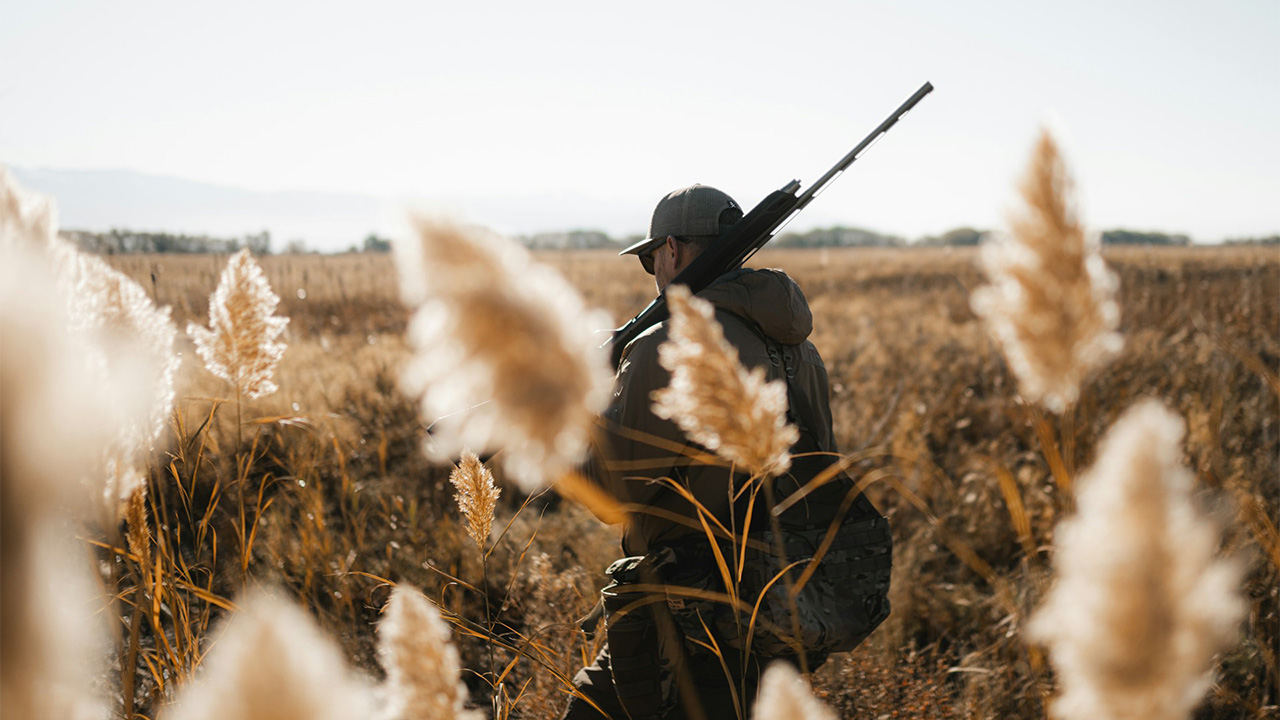
Michigan made one of the biggest “new hunter friendly” moves you can make: it removed a gate. Starting fall 2025, Michigan shifted fall turkey licenses away from the application/lottery model to over-the-counter, first-come-first-served sales. That’s a big deal for new hunters because systems that require advance applications (and knowing dates, units, and process) are where beginners bounce.
Is OTC perfect? No — it can sell out fast in popular areas. But it’s simpler, and simplicity is underrated. When someone is learning how seasons, tags, and access all work, removing one extra hoop can be the difference between “I’ll try next year” and actually getting their first season under their belt.
Illinois

Illinois has been building more “go with a mentor and learn” options that don’t require you to already have a full crew of hunting buddies. The state has been promoting mentored archery deer hunts at state sites aimed at making access easier for new hunters, which is exactly the kind of structured entry point beginners need.
And for youth, Illinois continues to open specific public sites for youth-only opportunities and provides clear participation rules and site lists—again, structured access beats “good luck, figure it out.” The big win here is that Illinois isn’t pretending new hunters magically have land access and mentors—more programs are trying to solve that problem directly.
Maryland

Maryland’s mentored hunt program is basically built for the person who wants to hunt but doesn’t have the background, the gear knowledge, or the network. The state frames it as a way to teach first-time and lapsed hunters specific skills through mentored experiences (including species-focused mentored hunts). That’s a real “bridge” instead of a vague “watch YouTube and hope it goes well.”
For beginners, this kind of program matters because it’s not just about getting a license—it’s about not making preventable mistakes your first year that sour you on hunting. Having a structured, state-run entry point also makes it easier to bring in adults who didn’t grow up hunting and don’t want to feel like they’re trespassing into a tight-knit culture.
Kansas
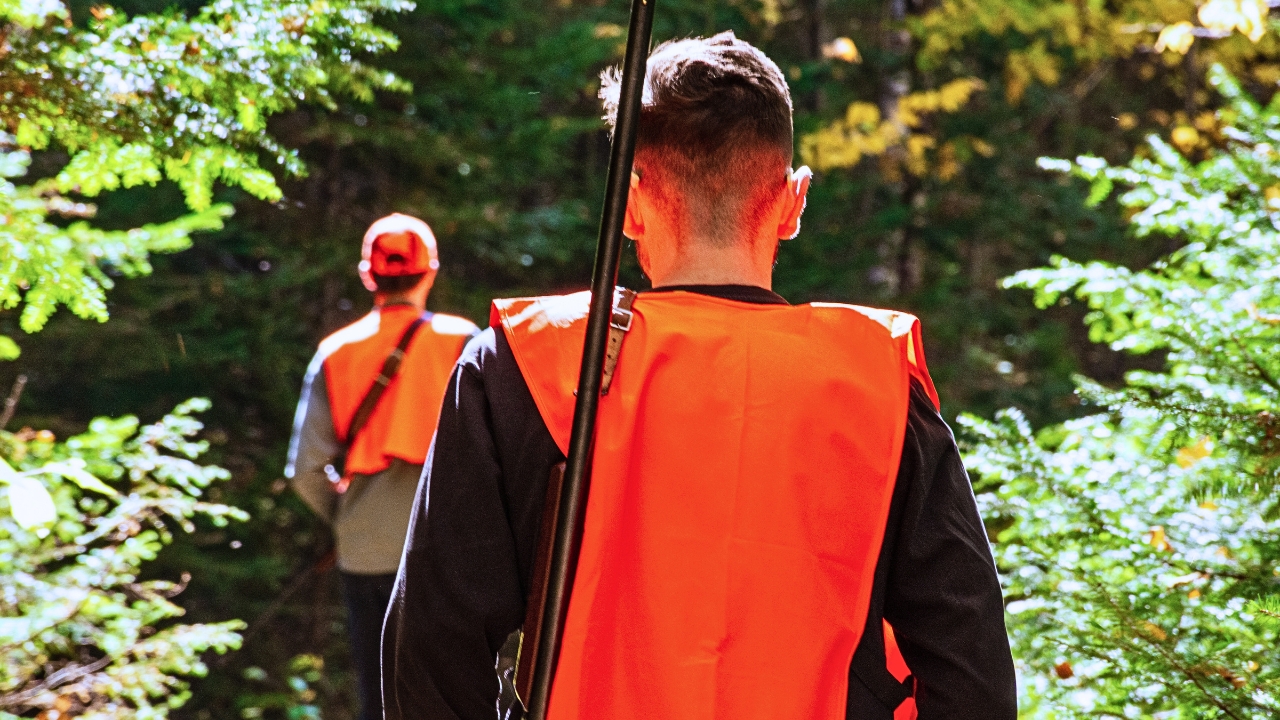
Kansas is one of those states that keeps proving access programs aren’t just “nice” — they’re a pipeline for participation. The Walk-In Hunting Access (WIHA) program leases private land for public hunting, and it’s specifically designed so the average hunter can actually use it without knowing a landowner. For new hunters, that’s huge, because “where can I go?” is usually the first brick wall.
WIHA also helps beginners learn without pressure. You can scout, make short sits, and learn how to move through cover without paying a guide or begging permission. The best part is it’s repeatable: once a new hunter gets confidence on accessible land, they stick with it. Programs like WIHA are how states keep the door open for people who didn’t inherit a hunting spot.
Nebraska
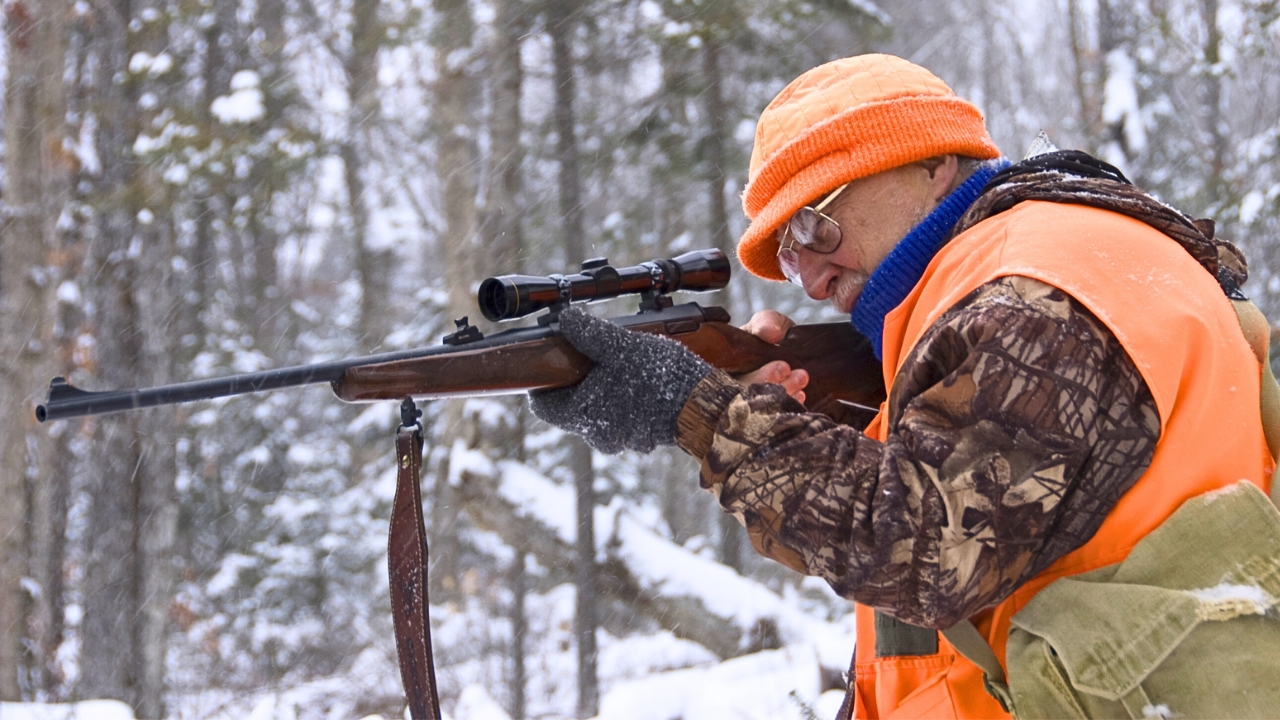
Nebraska has leaned hard into making access easier to understand and actually find. Their Public Access Atlas consolidates publicly accessible lands statewide and includes private lands enrolled in Open Fields and Waters (OFW). That seems like a “small” thing until you remember how many beginners quit at the planning stage because access info is scattered and confusing.
OFW matters because it turns willing private ground into walk-in opportunity, which is exactly how you build new hunters who don’t have family land. And Nebraska is also part of broader efforts to expand walk-in access incentives tied to habitat work, which is the kind of practical partnership that creates more places to hunt instead of just talking about recruitment.
South Dakota
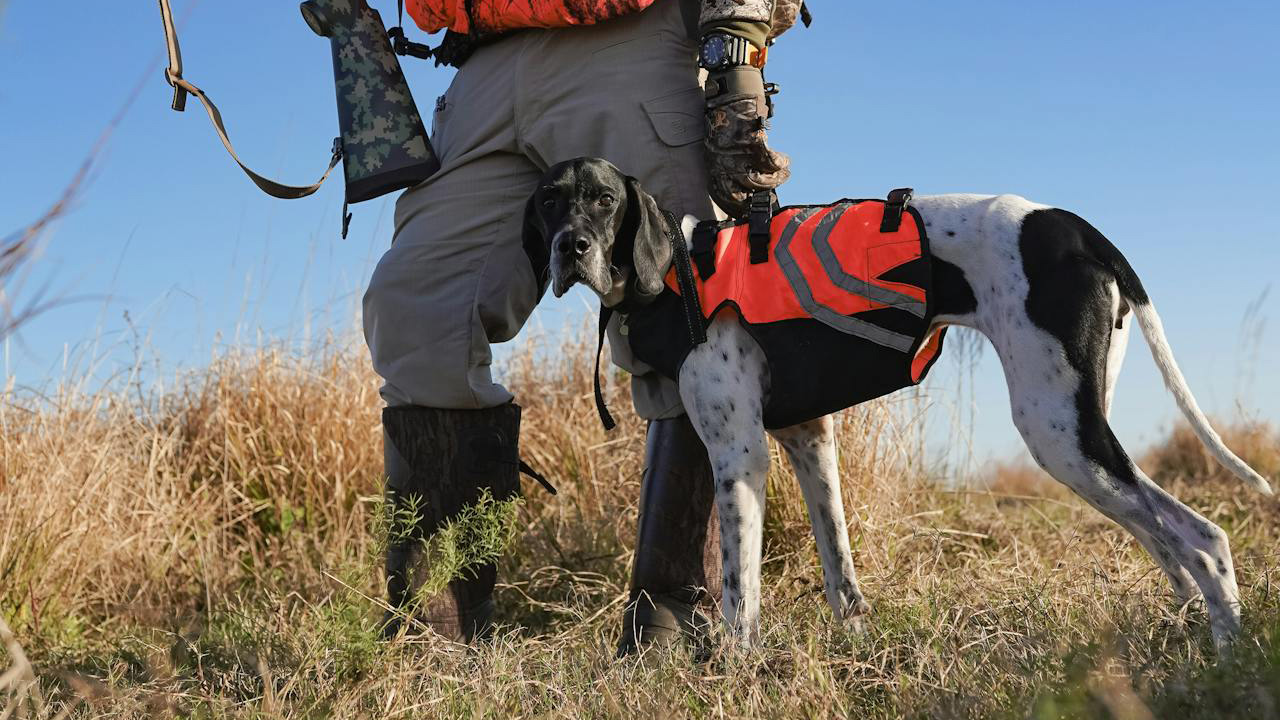
South Dakota’s access picture has been getting more attention because acres are being added through public access initiatives tied to private land enrollment. Reporting in mid-2025 highlighted a sizeable jump in acres opened to public access through new sign-ups. That’s the kind of “real world” improvement that changes whether a brand-new hunter can find a spot close to home.
South Dakota also has long-running access partnerships with landowners (with seven-figure acre totals) that keep a lot of the state huntable for regular folks—not just people with big ranch connections. If you’re brand new, access programs are the difference between “I bought a license” and “I hunted.” South Dakota is one of the states still investing in that basic reality.
North Dakota
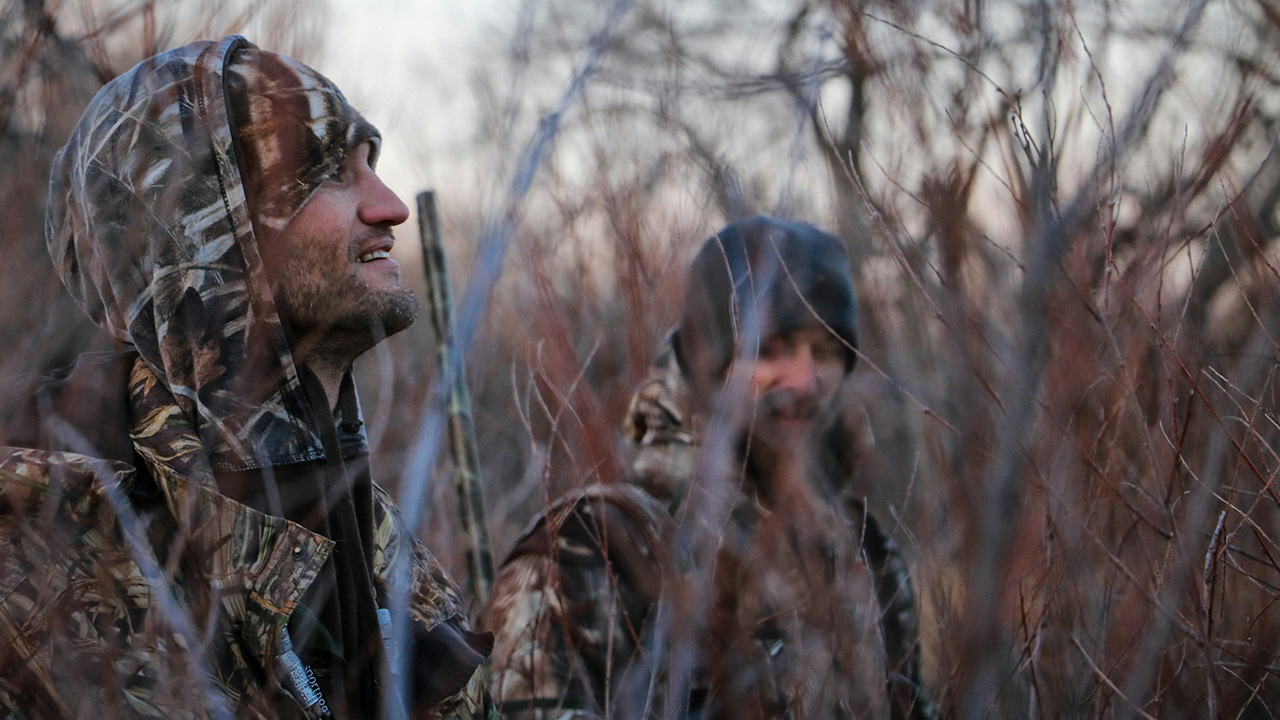
North Dakota is one of the best examples of “access = opportunity.” The PLOTS program (Private Land Open To Sportsmen) is sitting around 880,000 acres for the 2025 season, which is a meaningful increase from the prior year levels discussed by the agency. That’s not fluff—those acres are where a lot of new hunters get their first “real” reps.
For beginners, PLOTS is also easier to use now because the state pushes mapping and mobile app tools and updates. If you’re new, you don’t want a scavenger hunt just to find legal ground. North Dakota is basically saying: here’s the access, here’s how to find it, go hunt. That’s how you grow participation without pretending everyone has a family lease.
Colorado
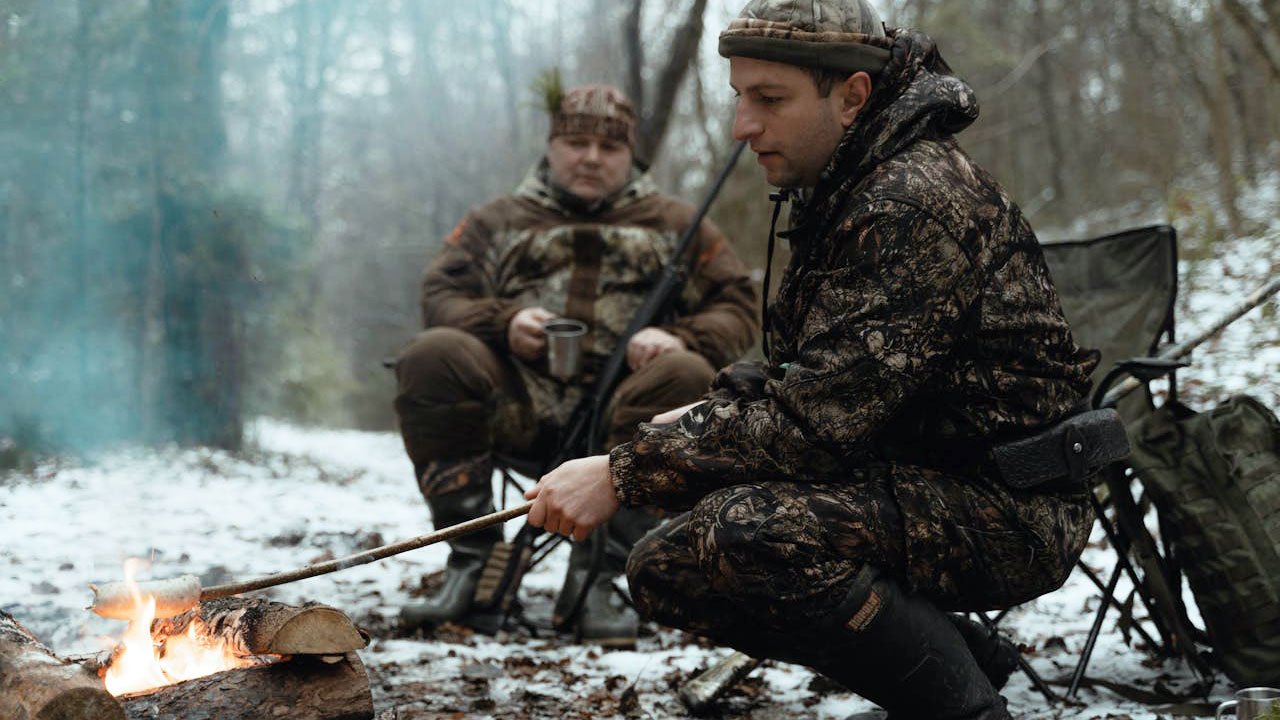
Colorado is doing something that should be more common: free mentored hunts for novice adults. That’s a big deal because adult beginners are usually the ones with the least support network but the most ability to stick with it once they get a clean start. Colorado’s approach is straightforward—field-focused education, not just “read the regs.”
Colorado also has an apprentice-style option (certificate) that lets beginners get started with a mentor under specific rules, which removes one of the biggest early barriers while still keeping things controlled. If you’re trying to turn “interested” into “actually hunts,” programs like this are how you do it—give people a safe first season with structure and reps.
Minnesota
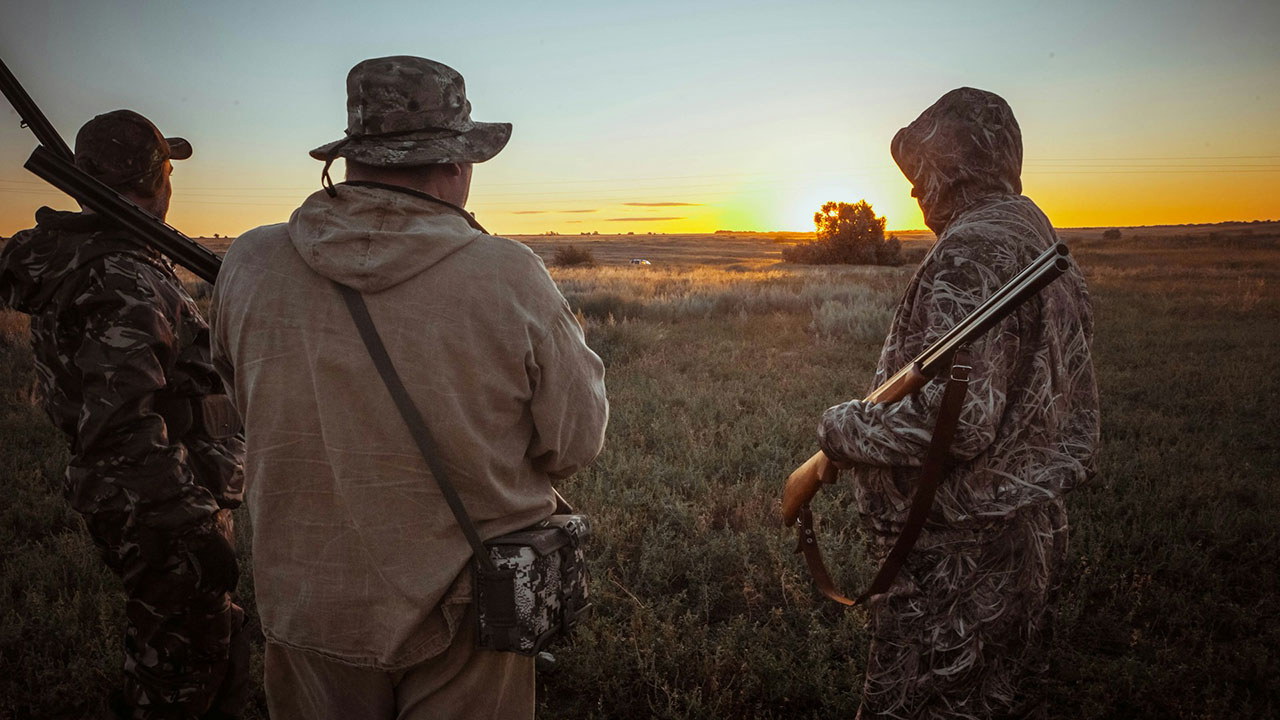
Minnesota has a legit adult on-ramp that goes beyond the basics. Their learn-to-hunt opportunities for adults cover regs, equipment, scouting, processing, range days, and then culminate in a mentored hunt. That’s the full chain most new hunters struggle to piece together on their own.
Minnesota also has a newer mentorship push in partnership with LearnHunting.org aimed at pairing experienced hunters with new adult participants. That matters because the missing piece for most adult beginners isn’t motivation—it’s access to someone who will answer the “dumb questions” and keep you from learning everything the hard way. Minnesota is addressing that problem directly, which is why it belongs on this list.
New York
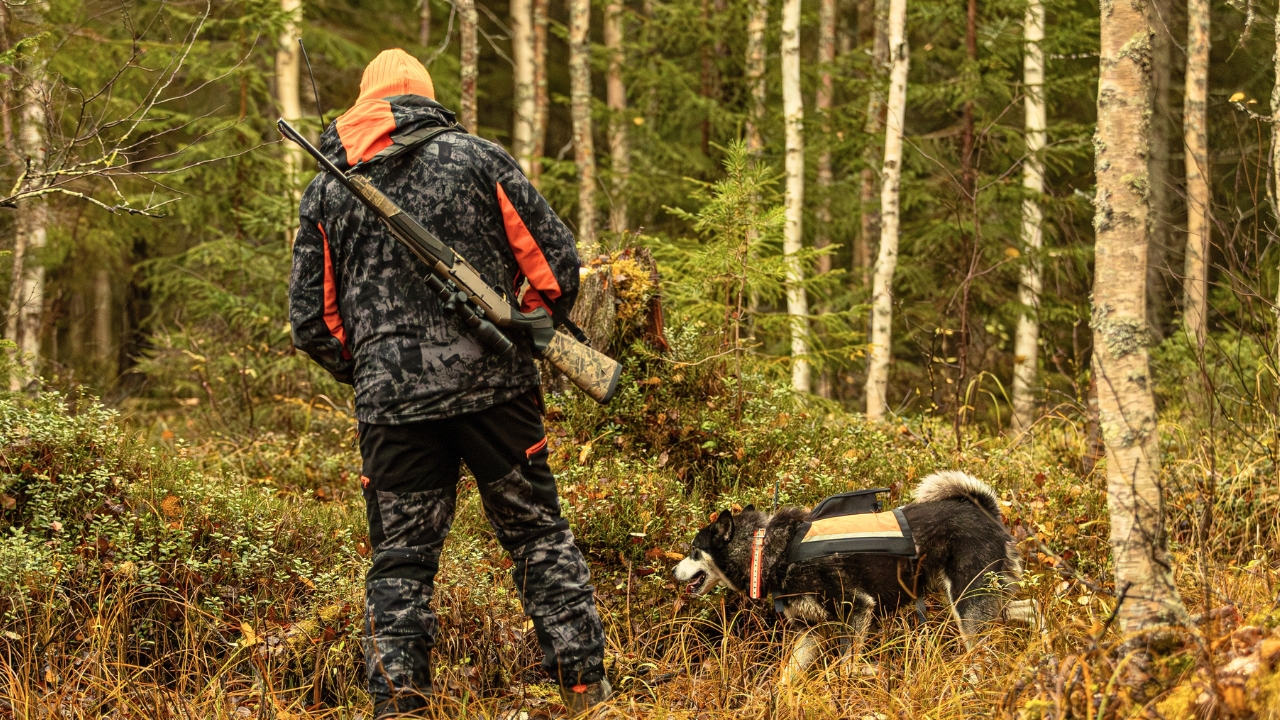
New York’s DEC spells out learn-to-hunt opportunities that include mentored hunts and sponsored programs designed to give novice hunters supervised field experience. And that’s the key phrase: supervised field experience. In a state where land access and social networks can be a challenge, a structured mentored entry point matters.
There’s also active legislative interest in formalizing mentorship pathways (bills proposing hunting mentorship structures), which signals that “how do we bring in new hunters safely?” is on the radar in a serious way. The big picture: New York is trying to create lanes for beginners who don’t have a built-in mentor, which is the problem most states ignore.
Oklahoma

Oklahoma is quietly beginner-friendly because it treats “apprentice” like a learner’s permit. The state has clearly been messaging the apprentice designation as a way to hunt with a qualified mentor until hunter ed is completed. That’s huge for new hunters because hunter ed scheduling and life timing can slow people down for a whole season.
Oklahoma also lays out requirements and age-related rules plainly, which matters more than people admit—confusing rules are participation killers. If you’re trying to get a kid started or bring an adult buddy into hunting, a usable apprentice structure is one of the simplest ways to turn curiosity into an actual season.
Pennsylvania
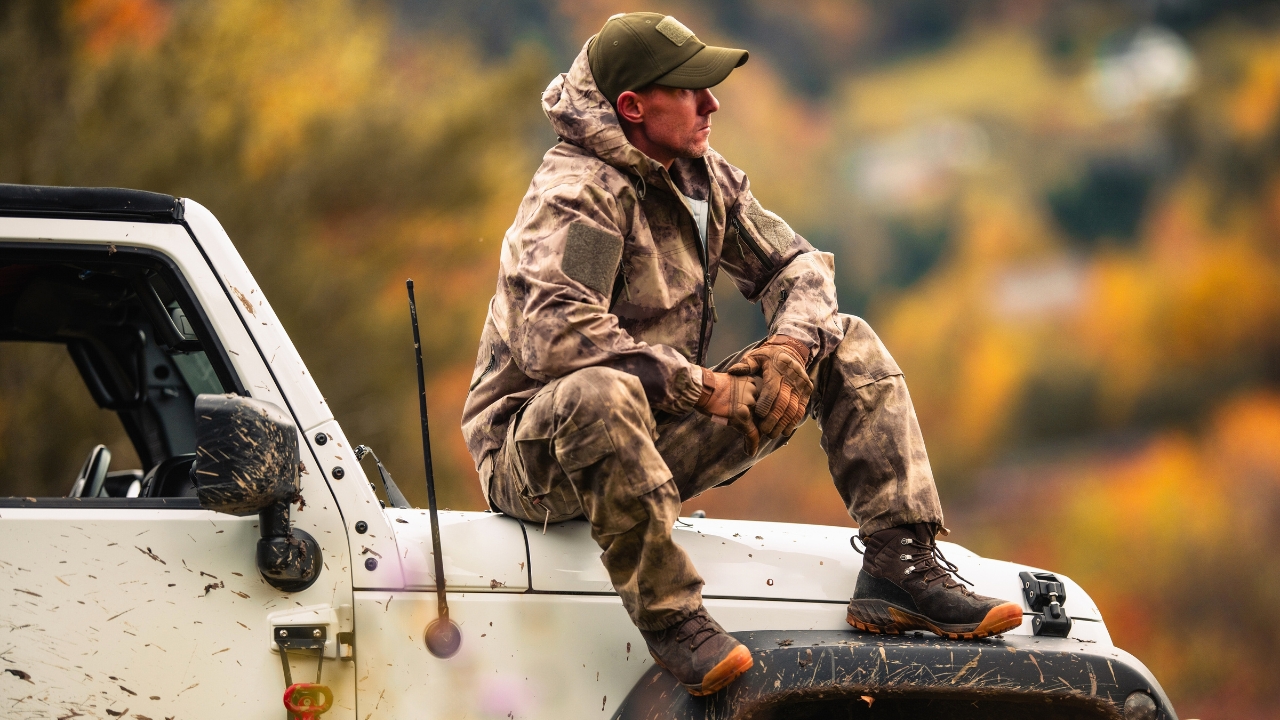
Pennsylvania’s Game Commission is running a straightforward “Learn to Hunt” setup with both in-person and virtual options, and it’s tied to mentored hunt dates (archery and rifle). That’s not just content—it’s scheduled, real hunts where beginners can apply and show up with a plan.
Pennsylvania also has a broad mentored hunting program framework that has expanded over time to include unlicensed hunters of various ages under rules and time limits. The point is: PA isn’t leaving beginners to guess at the entire process. They’re giving a ladder—learn, apply, hunt, build competence—so new hunters don’t wash out after one bad, confusing season.
Virginia

Virginia is doing one of the most useful things a state can do for adult beginners: a hunting mentor program meant to pair new hunters with experienced ones and give guidance, skills, and “how to actually do this” support. It’s built for the reality that most adults who want to hunt don’t have a built-in mentor.
What I like about Virginia’s approach is it’s not pretending the internet replaces a real person in the field. New hunters need feedback on safety, access, ethics, and decision-making in real time. A mentor program gives them a chance to learn without feeling clueless or unsafe. That’s how you keep new hunters coming back instead of burning out after two frustrating weekends.
Wisconsin
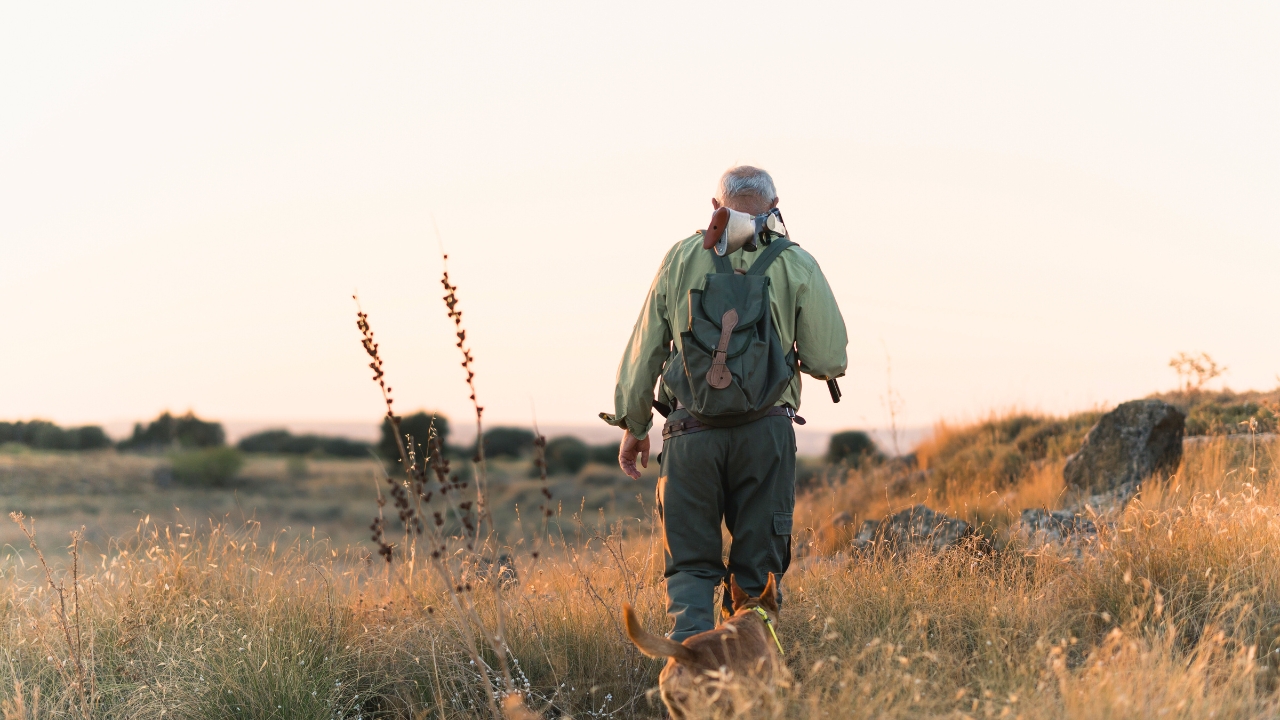
Wisconsin has one of the clearest “remove the barrier, keep it controlled” systems out there: a mentored-only hunting license that lets someone hunt without completing hunter education first, as long as they’re accompanied by a qualified mentor and follow close-supervision rules. That’s exactly the kind of practical entry point that gets new people in the field safely.
They also run “Learn to Hunt” programs that combine instruction and a mentored hunt for people who don’t already have a mentor network. Wisconsin is basically doing both sides: a simple mentored license path and structured programs for beginners who need the whole start-to-finish setup. That’s why it makes this list.
Like The Avid Outdoorsman’s content? Subscribe to our newsletter so you never miss an article.
Here’s more from us: