Photo credit: X-Werks
Canik had to fight uphill in the American pistol market. It was not Glock, Smith & Wesson, SIG, Beretta, CZ, or Springfield. It did not have decades of American police holster history behind it. It came into a crowded striker-fired market where a lot of shooters already had strong opinions and very little patience for unknown imports.
Then people started shooting them.
That is where Canik changed the conversation. The brand did not win over serious pistol buyers by being cheap alone. Plenty of cheap pistols come and go. Canik got attention because the guns usually offered a strong trigger, solid reliability, good ergonomics, generous extras, and real shootability for less money than buyers expected. That is why the jokes faded. Shooters may still argue about Canik, but they do not dismiss it the way they once did.
Canik Gave Buyers More Gun for the Money

The first thing Canik did right was obvious: it gave buyers a lot for the price. A shooter shopping for a striker-fired 9mm could pick up a Canik and often get features that cost more from better-known brands. The trigger felt better than expected. The sights were usually usable. The grip felt decent. The magazines held a practical number of rounds. The box often came with extras that other companies treated like add-ons.
That value mattered because budget buyers are not always beginners. Plenty of experienced shooters still care about price. They may want a second pistol, a range gun, a truck gun, a competition starter, or a home-defense pistol without dropping premium money. Canik found that lane and stayed there. It did not ask shooters to respect it based on name alone. It put a surprisingly complete package in their hands and let them compare it to guns that cost more.
Canik Made the Trigger the First Thing People Noticed

A lot of striker-fired pistols have acceptable triggers. Canik made the trigger one of the main selling points. That was smart because trigger feel is one of the quickest ways a pistol wins or loses a shooter at the counter. Canik pistols developed a reputation for having clean, light, predictable triggers compared with many other guns in the same price range. That made people stop treating them like bargain-bin imports.
The trigger advantage mattered even more once people shot them side by side with more established pistols. A good trigger does not replace training, but it does make a pistol easier to enjoy and easier to shoot well. Canik understood that. Instead of forcing buyers to budget for an aftermarket trigger immediately, the company gave them something usable from the start. That one decision did a lot to change the brand’s image.
The TP9 Series Got American Shooters Paying Attention
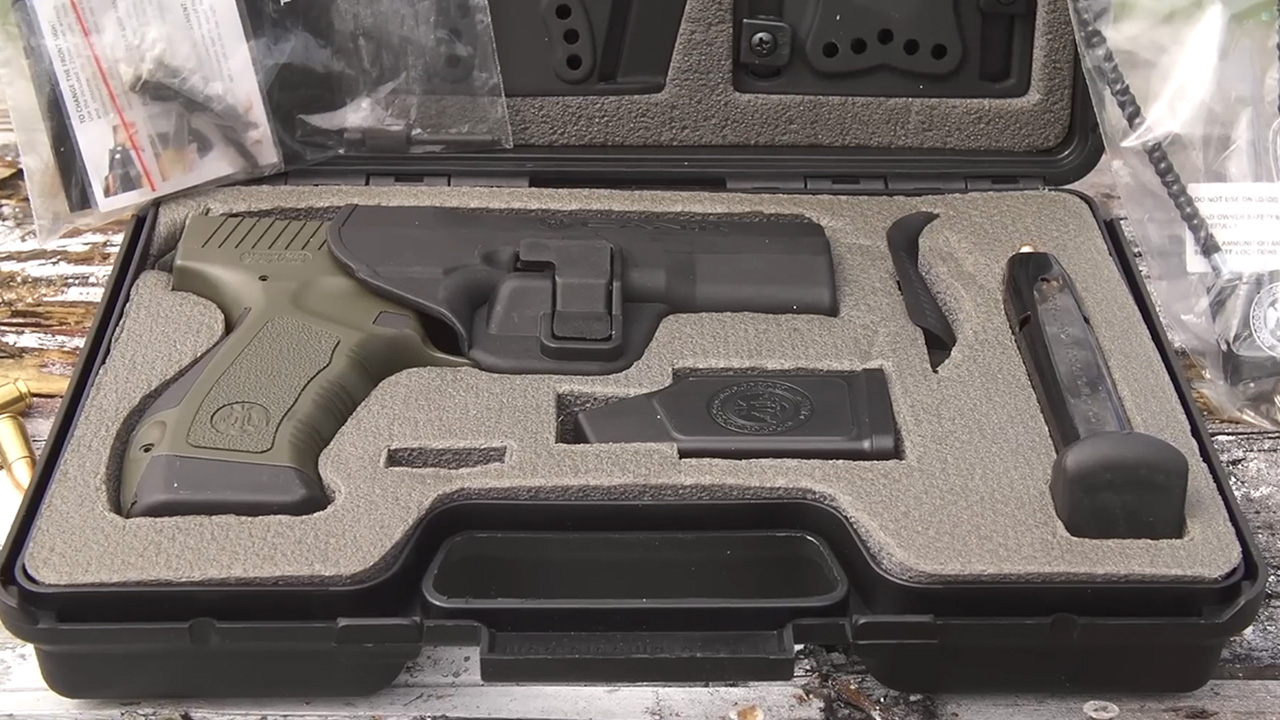
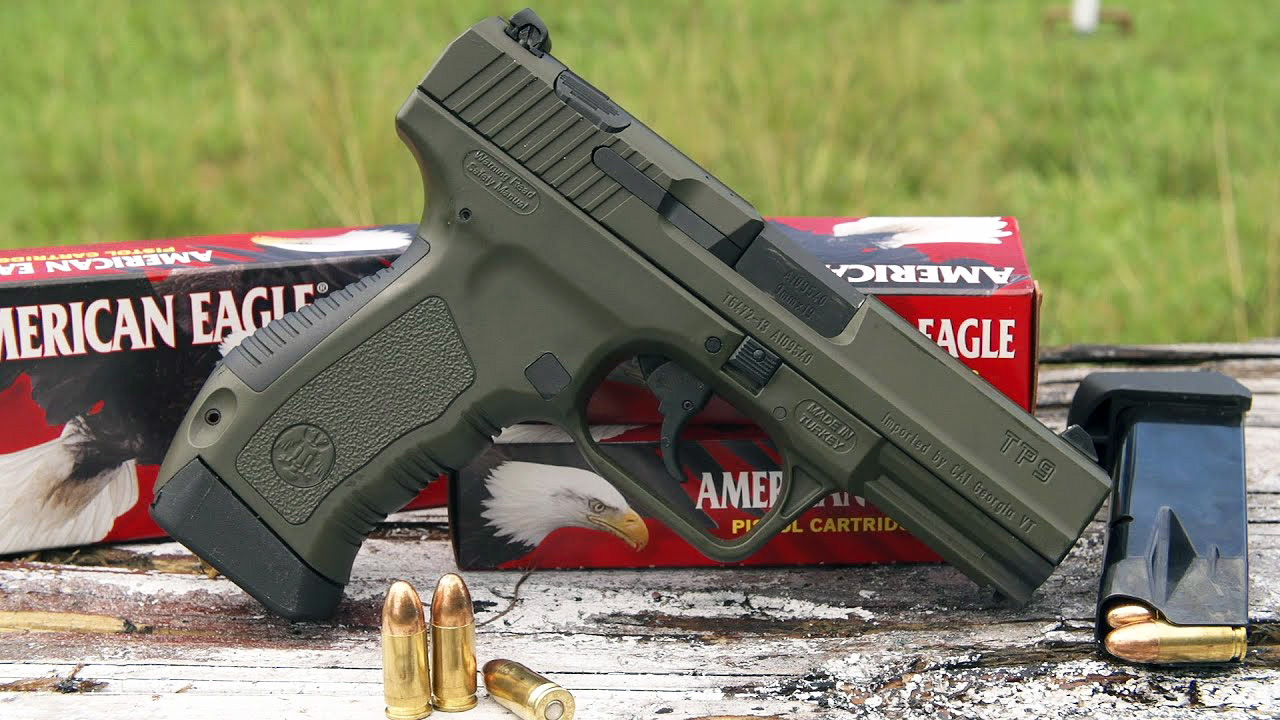
The TP9 series is where Canik really started building its U.S. reputation. Canik partnered with Century Arms in 2012 to bring the TP series more seriously into the American market, and that helped put the pistols in front of buyers who were looking for affordable striker-fired options. The early guns were not perfect, and some of the first designs felt more unusual than later models, but they gave shooters a reason to look twice.
That mattered because the TP9 line kept improving. Canik did not stay frozen with one oddball pistol and hope the market adjusted. The company expanded into models that made more sense for American buyers: full-size guns, compact options, competition-style pistols, optics-ready versions, and carry-focused models. The TP9 name became familiar because the guns kept showing up in conversations where value and shootability mattered.
Canik Learned From the Market Fast
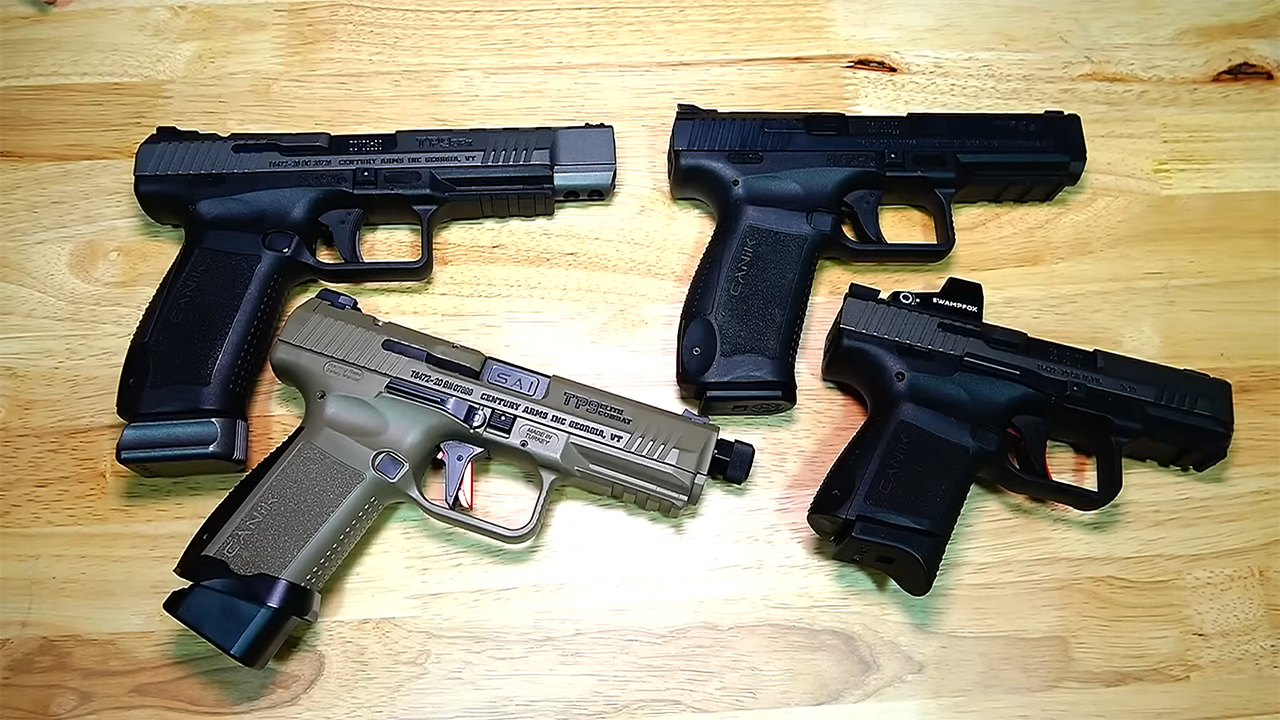
One reason Canik stopped being a punchline is that the pistols improved quickly. Early TP9 models had features some shooters found strange, including decocker setups that did not fit what many American striker-fired pistol buyers expected. Later models moved toward more familiar controls, better triggers, improved ergonomics, and configurations that lined up with how people actually used the guns.
That kind of adjustment matters. Some companies stubbornly keep building what they want to sell, even when buyers are telling them what does not work. Canik seemed to listen. The brand moved into compact pistols, optics-ready slides, competition models, threaded-barrel options, and improved frame designs. That made it feel less like a one-off import brand and more like a company paying attention to shooters on the ground.
Canik Put Useful Extras in the Box

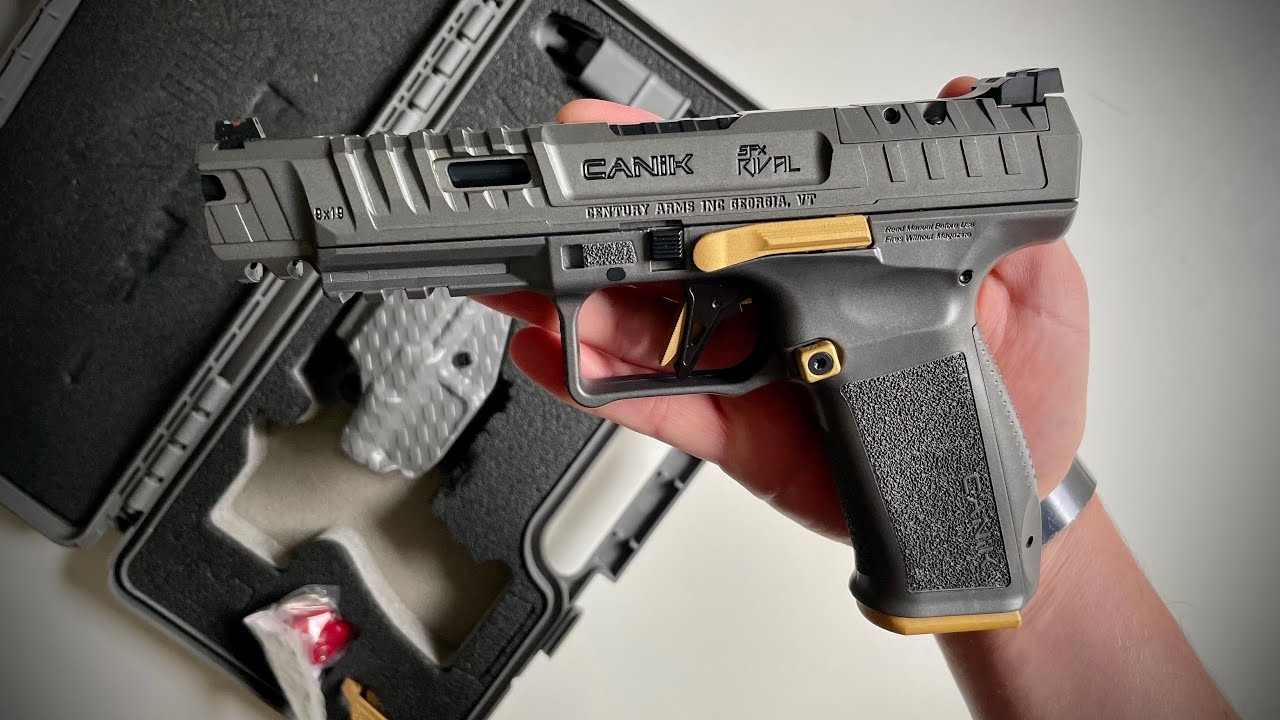
Canik became known for shipping pistols with a stronger package than many competitors. Depending on the model, buyers often found holsters, magazine loaders, extra backstraps, optics plates, cleaning tools, extra magazines, magwells, base pads, or other accessories included. The SFx Rival, for example, is listed with an optic plate system, adjustable sights, interchangeable compatibility details, an 18+1 capacity, and competition-ready parts right from the factory.
That made buyers feel like they were getting a finished setup instead of a stripped-down pistol. Not every included holster or accessory is going to be someone’s long-term favorite, but the value was hard to ignore. A shooter could open the box and have enough gear to start training or competing without immediately ordering a pile of parts. That helped Canik stand apart in a market where some companies barely include the basics.
The SFx Gave Budget Competition Shooters a Real Option

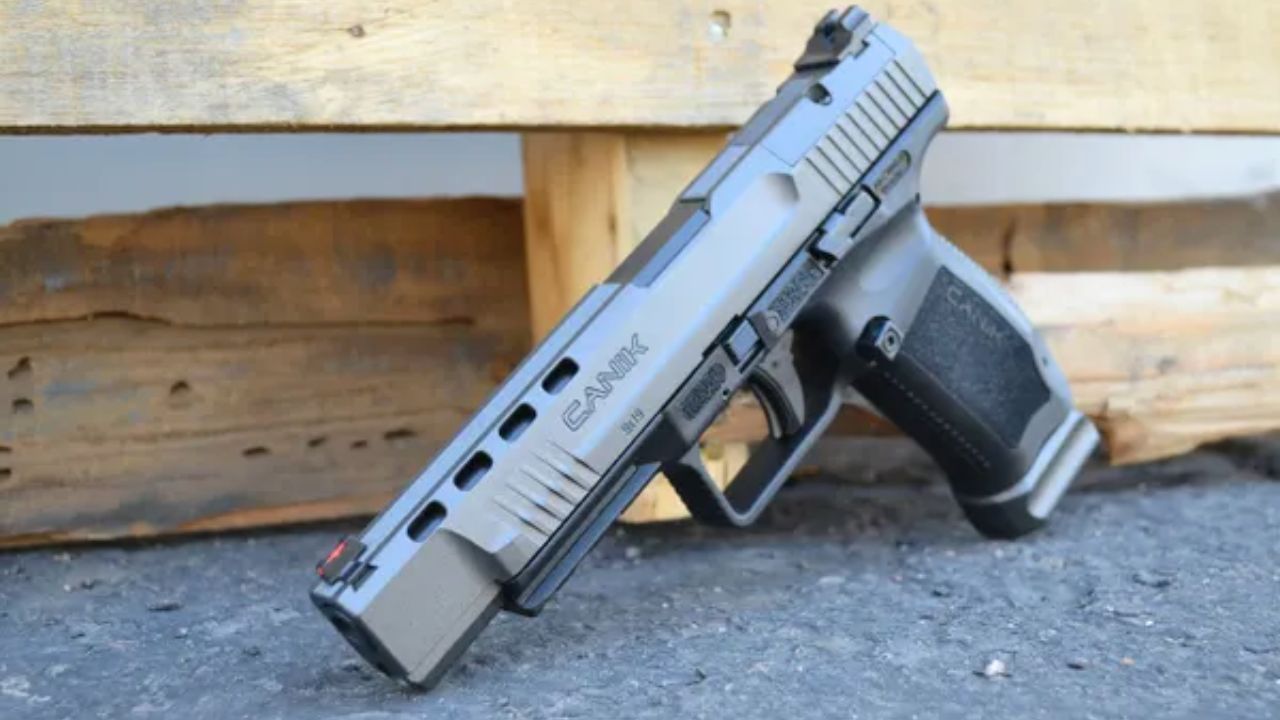
The Canik TP9 SFx helped change the way people saw the brand because it leaned into competition-style features at a price many regular shooters could manage. A longer slide, longer sight radius, optics-ready setup, good trigger, and higher capacity made it appealing to people who wanted to try matches without buying a high-dollar race gun. That was a smart lane for Canik.
Competition shooters are picky, but they also burn through money fast. Match fees, ammo, belts, holsters, magazines, optics, and travel all add up. A lower-cost pistol that can still perform has real appeal. The SFx gave newer competitors and budget-minded shooters a way into the game. Once those shooters started showing up with Caniks and performing well, the brand gained credibility that marketing alone could not buy.
The Rival Made People Take Canik More Seriously
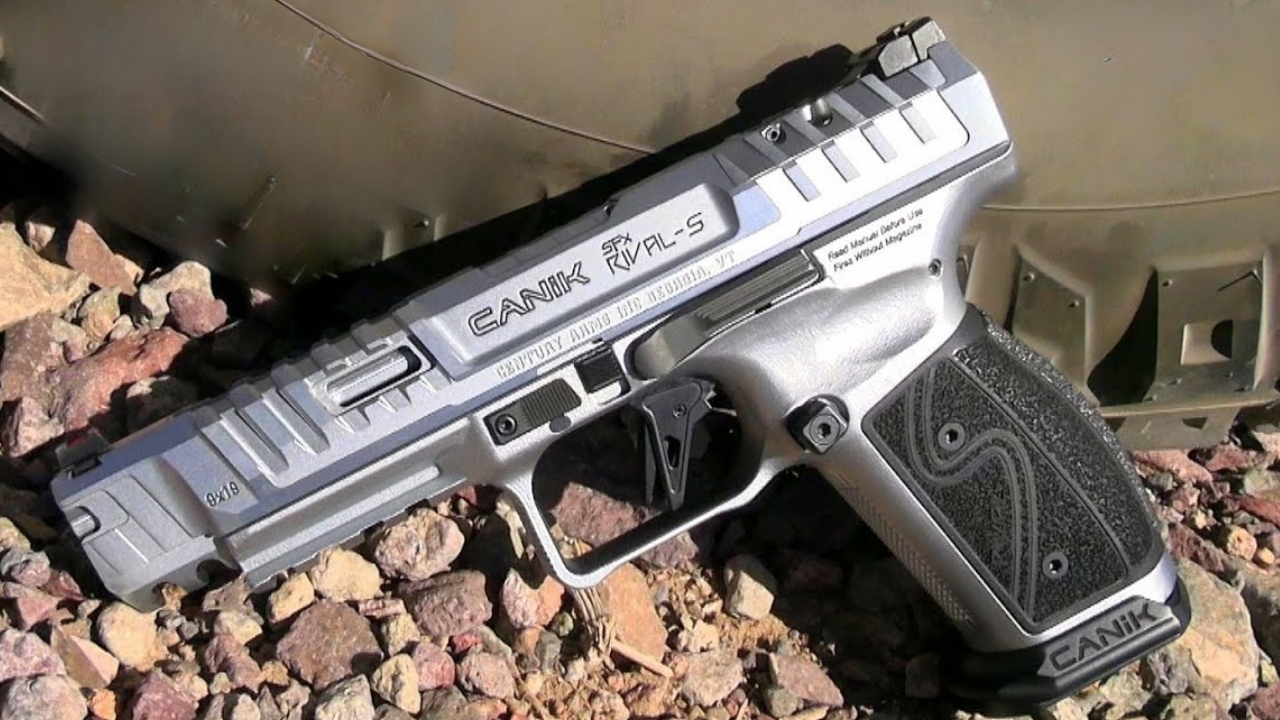
The SFx Rival pushed Canik deeper into serious pistol territory. Canik lists the Rival as a competition-ready full-size 9mm with a 5-inch barrel, 18+1 capacity, adjustable fiber-optic front sight, adjustable rear sight, lightened 90-degree flat-face aluminum trigger, optic plate system, ported slide, reversible magazine release, and ambidextrous slide release. That is a lot of purpose-built equipment for a factory pistol.
That package helped the Rival get attention from shooters who might have ignored earlier Caniks. It looked like Canik was no longer just trying to be the affordable alternative. It was trying to build guns for people who cared about speed, control, and match use. The Rival did not make Canik a luxury brand, and it did not need to. It proved the company could build a pistol that serious shooters would actually discuss on performance.
Canik Made Optics-Ready Pistols Easier to Afford

The optics-ready pistol market grew fast, and Canik was smart enough to get aggressive there. Red dots went from a niche competition and tactical feature to something everyday carry and range shooters were seriously considering. Canik helped make that transition easier for budget buyers by offering optics-ready models at prices that did not feel outrageous.
That mattered because optic cuts can add real cost. For years, shooters had to buy a pistol and then pay for slide milling, plates, sights, and installation. Factory optics-ready guns changed that, but some brands charged hard for the privilege. Canik gave buyers a cheaper entry point. That helped the brand stay relevant as pistol optics became normal instead of exotic.
Canik Gave Shooters Ergonomics That Did Not Feel Like an Afterthought
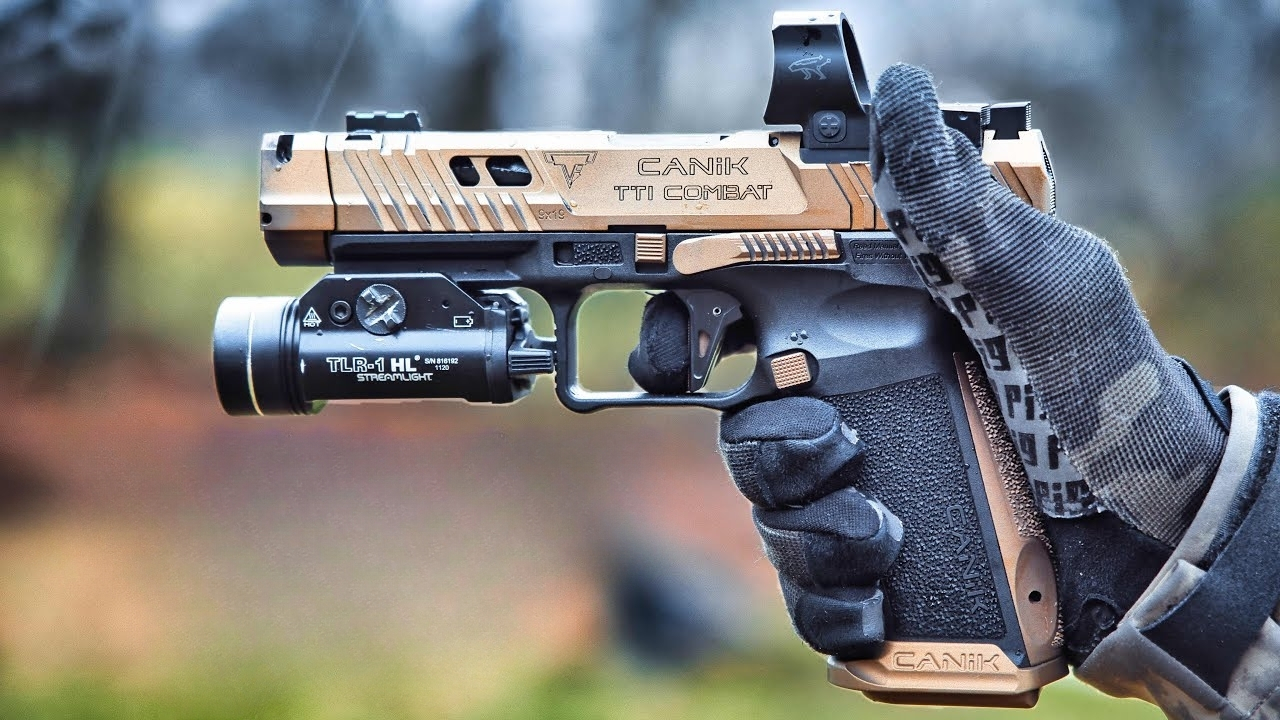
A budget pistol can fall apart fast if it feels awkward in the hand. Canik avoided a lot of that by giving shooters grips, backstraps, beavertails, and control layouts that usually felt more thoughtful than the price suggested. Models like the SFx Rival include features such as interchangeable backstraps, an ergonomic beavertail, an undercut trigger guard, reversible magazine release, and ambidextrous slide release.
That kind of detail matters. Ergonomics affect recoil control, trigger reach, reloads, and how naturally the sights return. Canik pistols did not feel like someone built a low-cost frame and called it good. They felt like the company was trying to make the gun shootable. For many buyers, that was enough to get past the old import-gun skepticism.
Canik Built Pistols That Were Fun to Shoot
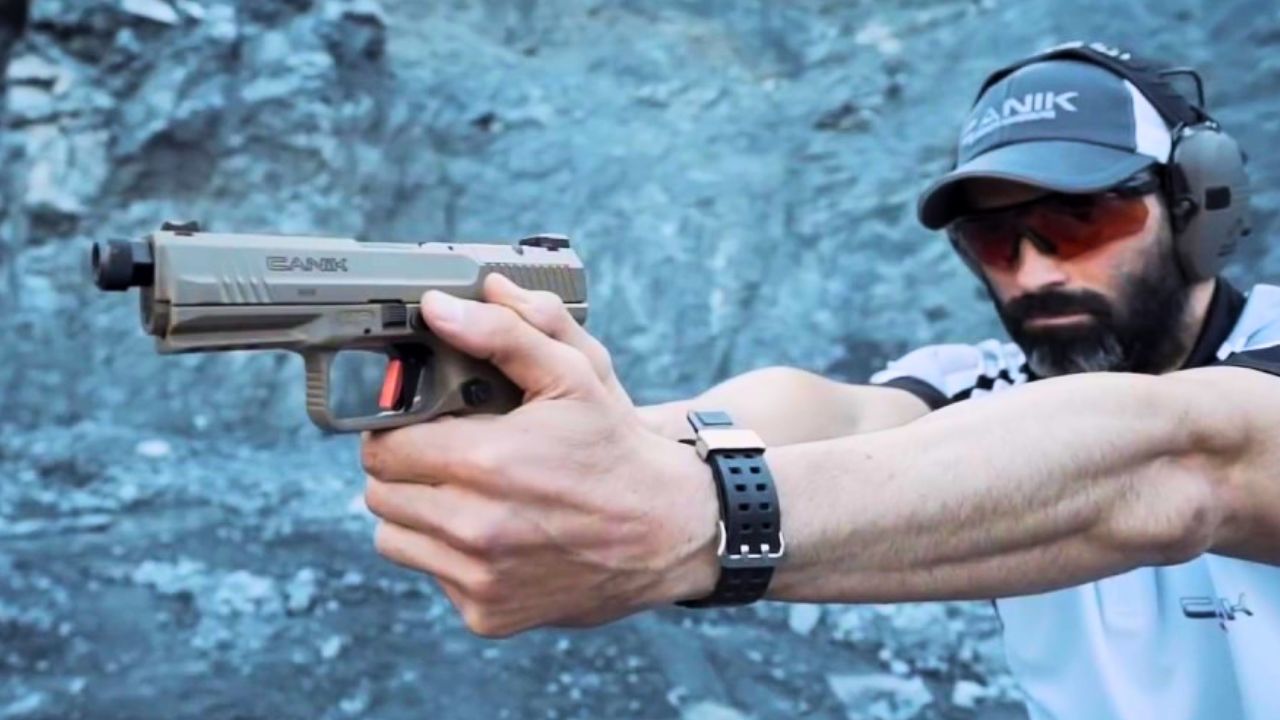
This sounds basic, but it is one of the biggest reasons Canik gained ground. People enjoyed shooting the guns. They liked the triggers, the grip shape, the balance, the capacity, and the way the pistols performed for the money. A gun can have all the right features and still feel dull or unpleasant. Canik avoided that with many of its popular models.
That helped the brand spread through word of mouth. A shooter buys one because it is affordable, brings it to the range, lets a friend try it, and suddenly the friend is asking what it costs. That is how budget brands become respected. Not through one big ad campaign, but through a lot of people having the same experience: “I expected less, and this actually shoots well.”
Canik Became a Legitimate Range and Training Gun
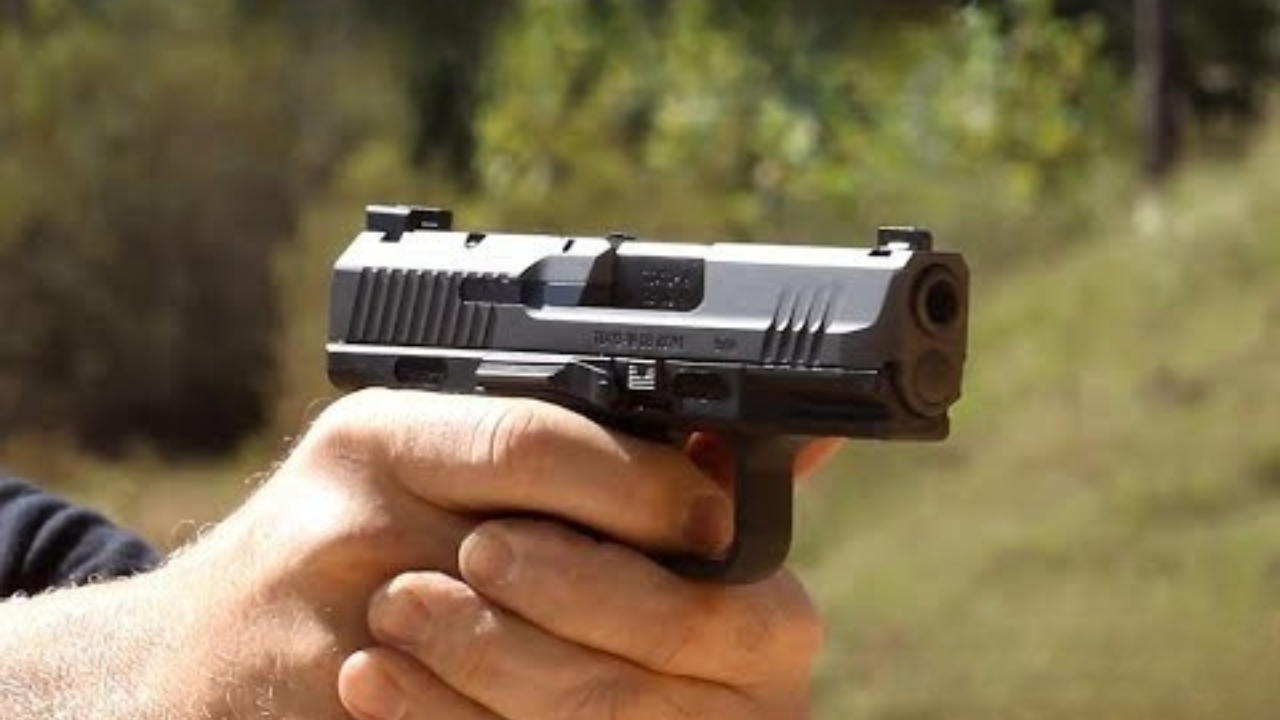
Canik pistols became popular as range guns because they offered a lot of shooting value. A full-size or competition-style Canik gives the owner enough grip, barrel length, capacity, and trigger quality to make regular practice enjoyable. For a shooter trying to build skill, that matters. Nobody wants to train with a pistol that feels miserable after a few magazines.
That role helped Canik earn a different kind of credibility. A pistol that gets shot often has to hold up better than a pistol that only sits in a nightstand. Owners who ran Caniks through classes, matches, and regular range sessions helped prove the guns were more than cheap counter bait. The more rounds people put through them without drama, the harder it became to laugh at the brand.
Canik Made a Carry-Sized Pistol People Actually Wanted to Shoot
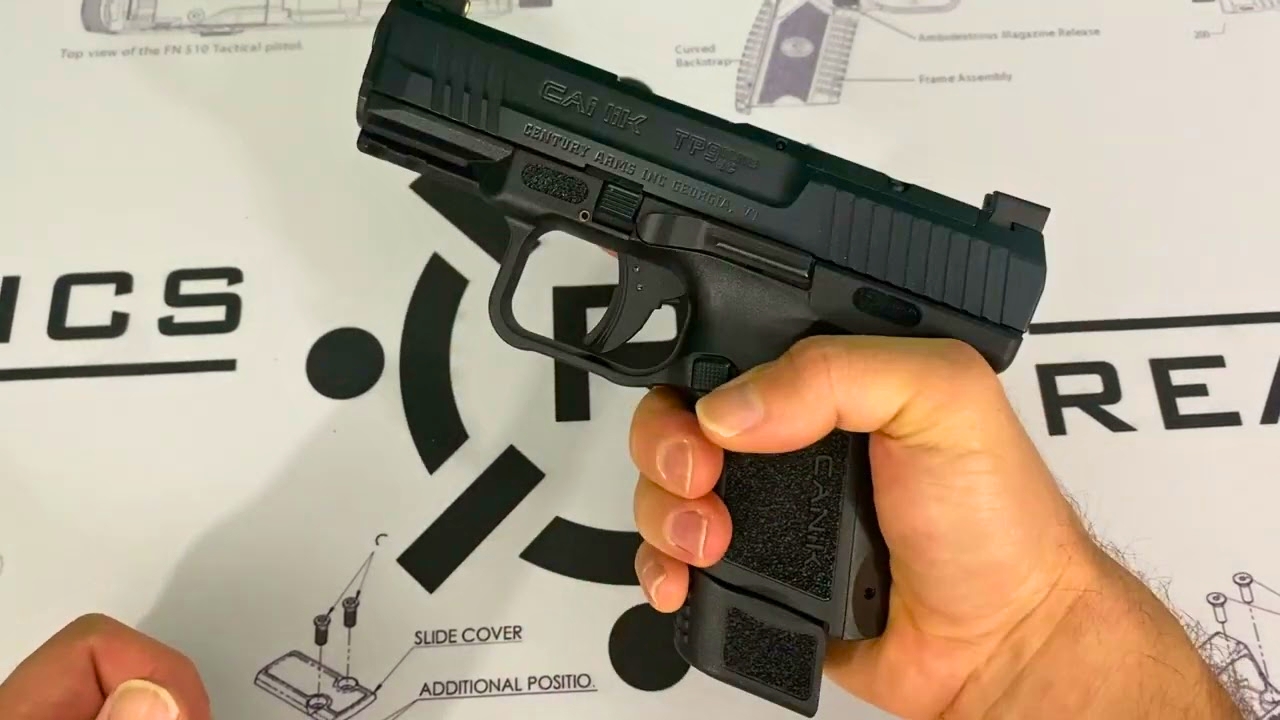
Smaller carry guns can be unpleasant, especially when they are too thin, too snappy, or too cramped. Canik’s compact and subcompact options, including the TP9 Elite SC and later METE MC9-style pistols, helped the brand move into the carry market while keeping some of the shootability people liked from the larger guns. That was important because concealed carry buyers want small, but they still need controllable.
Canik’s carry guns have had plenty of debate around them, and not every shooter loves every model. But the brand understood that the carry market was too big to ignore. It worked to offer compact pistols with optics-ready options, practical capacity, and familiar controls. That helped Canik avoid being seen only as a range or competition brand. It gave buyers a reason to consider the name for everyday use too.
The METE Line Showed Canik Could Modernize the Platform

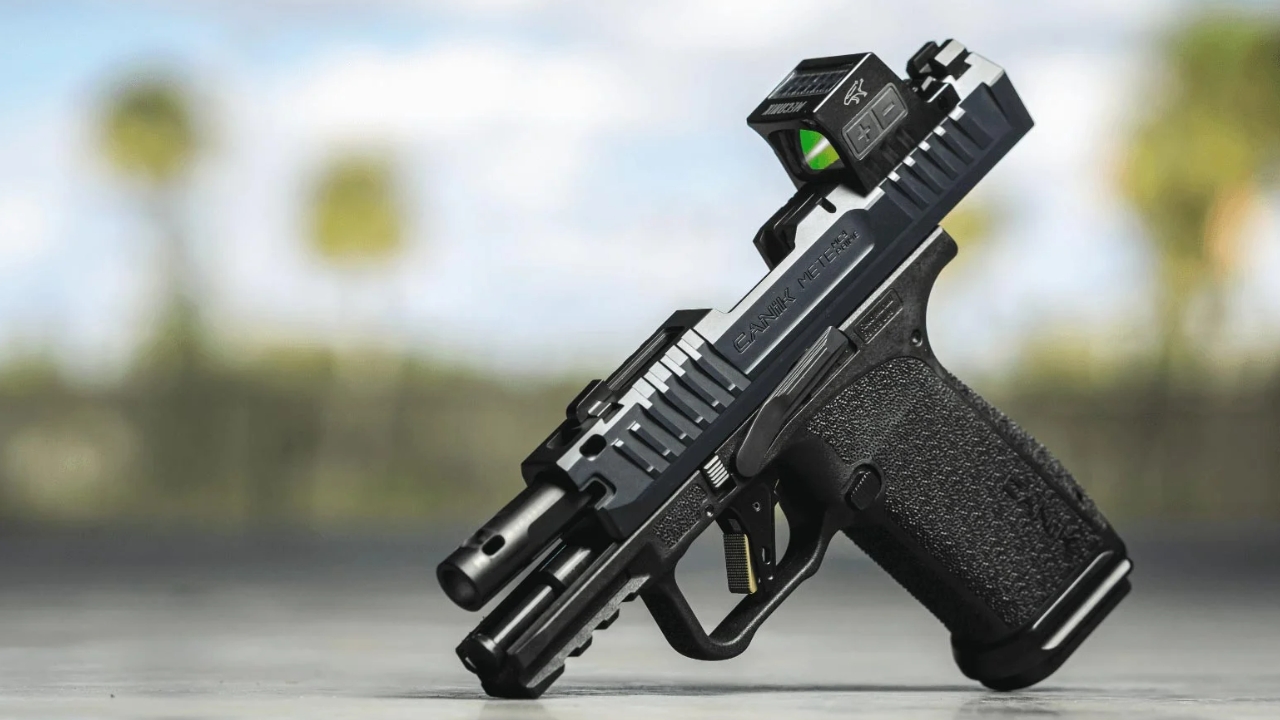
The METE line helped Canik feel more mature. Instead of relying only on the TP9 reputation, Canik updated the platform with better ergonomics, improved frame design, optics-ready options, and more current styling. The company’s product lineup now includes METE pistols alongside TP9 and Rival models, showing how the catalog moved beyond one early family of guns.
That mattered because gun buyers want to see progress. A brand can get attention with one value pistol, but staying power requires evolution. The METE series showed that Canik was still developing its handgun line rather than coasting. For shooters who were already curious about the brand, that made it easier to take the company seriously as a long-term player.
Canik Got Holster and Aftermarket Support
A pistol brand becomes much easier to trust when buyers can actually find holsters, magazines, sights, parts, and accessories. Canik had to build that ecosystem because without it, even a good pistol can feel risky. Over time, support improved. More holster companies started covering popular Canik models. More shooters started modifying triggers, sights, magwells, base pads, and optics setups.
That support helped the brand escape the “cheap import” category. A pistol with no aftermarket feels temporary. A pistol with holsters, competition parts, spare magazines, and online owner communities feels like a real platform. Canik’s growing support network made buyers more comfortable. They were not just buying a gun. They were buying into a pistol line they could actually live with.
Canik Took Advantage of Glock Fatigue
Canik’s rise also came at a time when many shooters respected Glock but were bored with it. Glock pistols work, but they are not exciting, and plenty of buyers wanted a striker-fired pistol with a better trigger, more features, and more value out of the box. Canik gave them that without asking them to pay premium money.
That does not mean Canik replaced Glock. It did not. Glock still owns a level of institutional trust and parts support that is hard to match. But Canik gave regular shooters another option that felt less bare-bones. For buyers who wanted something different but still practical, Canik became easy to recommend. It was not trying to beat Glock at being Glock. It was offering a feature-heavy alternative at a friendlier price.
Canik Turned Skepticism Into Curiosity
The biggest thing Canik did was turn skepticism into curiosity. At first, many shooters looked at the brand and assumed it was another cheap import that would disappear. Then the triggers got attention. Then the SFx showed up in competition conversations. Then the Rival made people look again. Then the METE line gave the catalog a more modern feel. Slowly, the tone changed.
That is why people stopped laughing. Canik did not become respected because every pistol was perfect or because the brand suddenly had the history of Beretta or Smith & Wesson. It became respected because the guns kept giving buyers more than expected. In the budget pistol world, that is everything. A cheap gun only gets one sale. A good-value gun gets recommended. Canik became the second kind.
Like The Avid Outdoorsman’s content? Subscribe to our newsletter so you never miss an article.
Here’s more from us: