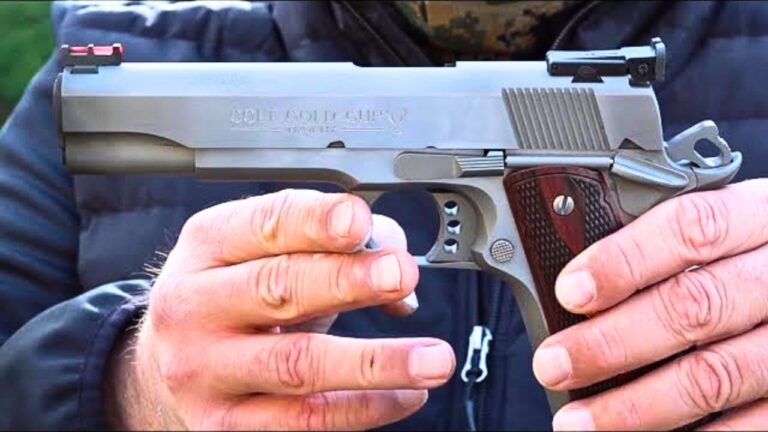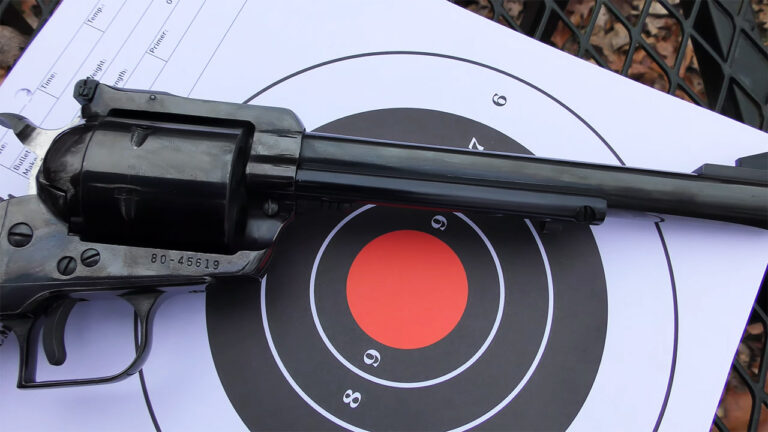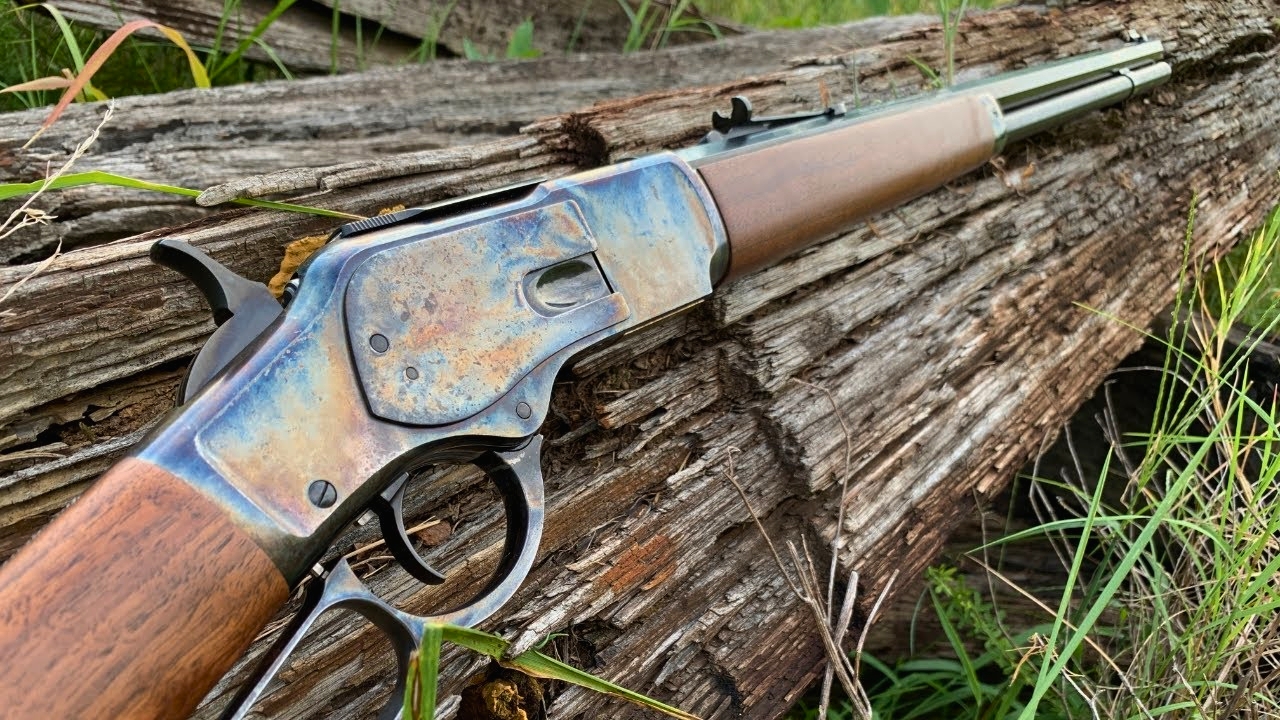
Photo credit: Reloader Joe/YouTube
Not every rifle caliber is made for stretching things out. Some are perfect for brush hunting, pest control, or plinking at short range—but ask them to perform past 100 yards and they come up short. Whether it’s due to low velocity, terrible drop, or poor energy retention, these calibers just don’t belong in the long-range conversation. Here are the ones that lose their edge fast once the distance opens up.
.22 LR (Standard Velocity)

Standard .22 LR is fine for short-range work, but past 100 yards, the bullet drops like a rock. Wind drift gets ugly too, especially if you’re not shooting in perfect conditions.
It’s still great for training or small game inside 50 yards, but expecting precise, consistent performance at 100 yards is wishful thinking—especially with bulk ammo.
.22 WMR from a Rifle

While .22 Magnum carries more punch than .22 LR, it’s still limited when it comes to range. Past 100 yards, energy drops off hard, and wind can start pushing it around.
It has a flatter trajectory than its little sibling but still lacks the ballistic efficiency needed for ethical shots on anything bigger than a squirrel past that mark.
.30 Carbine

Originally built for the M1 Carbine, this round wasn’t made for long shots. It’s zippy at short range but bleeds velocity fast and doesn’t carry much energy downrange.
At 100 yards, it’s already struggling. Past that, it’s ineffective for anything tougher than a paper target. There’s a reason you don’t see it in hunting rifles.
.32-20 Winchester

This old-school round was meant for short-range hunting and cowboy-style shooting. It’s got charm, but that won’t help once you’re past 100 yards.
It drops fast and doesn’t hit hard. It works fine on small game at close range, but past that, it just doesn’t have enough gas to matter.
.25-20 Winchester

Similar to the .32-20, the .25-20 was designed for light rifles and short distances. It’s mild, quiet, and soft-shooting—but not much of a performer downrange.
At 100 yards, it’s already running out of steam. Accuracy gets shaky, and terminal performance is weak. It’s a short-range tool and not much more.
.44-40 Winchester

The .44-40 started as a black powder round, and even in modern loadings, it’s not built for distance. It drops fast and hits soft once you get out past 75 or 80 yards.
It works fine for plinking or cowboy action stuff, but it’s not something you’d trust for serious shooting at 100 yards or more.
.45 Colt from a Lever Rifle

Out of a lever gun, the .45 Colt hits harder than it does from a revolver, but it’s still not going far. It’s a slow-moving chunk of lead that drops and drifts quick.
It’s great for close-up work—especially in brush or timber—but if your target is past 100 yards, it’s not the round to bet on.
.357 Magnum from a Rifle

Even in a carbine, the .357 Magnum starts to lose accuracy and energy once you pass 100 yards. It performs better than a revolver, but it still isn’t a long-range round.
Some folks use it for deer in thick woods, but beyond that, you’re stretching it. It’s great up close, but past 100, it’s just not built for the job.
.44 Magnum from a Rifle

The .44 Mag gets a decent boost in a long barrel, but it still doesn’t carry flat or hit hard at distance. It’s a heavy, slow bullet with major drop past 100 yards.
It can work on deer-sized game if you’re close, but once you get past that point, energy and accuracy start to suffer. It’s a woods round—not a field round.
7.62×39mm (Cheap Steel Case)

With quality ammo, 7.62×39 can stretch a little further, but with the bulk steel-case stuff most people shoot, accuracy falls apart past 100 yards.
It’s built for close to mid-range work, and while it’s popular for its price and availability, don’t expect it to group well or hit hard past that 100-yard line.
.35 Remington

The .35 Remington is a brush-busting round meant for thick cover and close encounters. It’s slow and heavy, and while it hits hard up close, it doesn’t carry well at range.
You’ll see major drop by 150 yards, and accuracy isn’t exactly match-grade. It shines inside 100, but outside of that, it’s just not its element.
.45-70 Government (Trapdoor Loads)

Modern .45-70 loads can stretch out, but the original black powder-style “trapdoor” loads are slow, heavy, and drop fast. They’re fun to shoot but not made for distance.
If you’re shooting those classic soft loads, don’t expect any kind of precision or power past 100 yards. They’re more about history than reach.
Like The Avid Outdoorsman’s content? Subscribe to our newsletter so you never miss an article.
Here’s more from us: