Photo credit: topseller/ShutterStock.com
Not every cartridge holds up when the weather turns bad or when conditions move outside of the range bench. Some calibers are fine for paper or small game but come apart quickly when asked to do more. They either lack power, lose accuracy in the wind, or fall short in penetration when you need reliability most. Knowing which ones underperform in the field saves you from wasted shots and wasted time. These are calibers that simply don’t handle basic conditions well.
.25 ACP
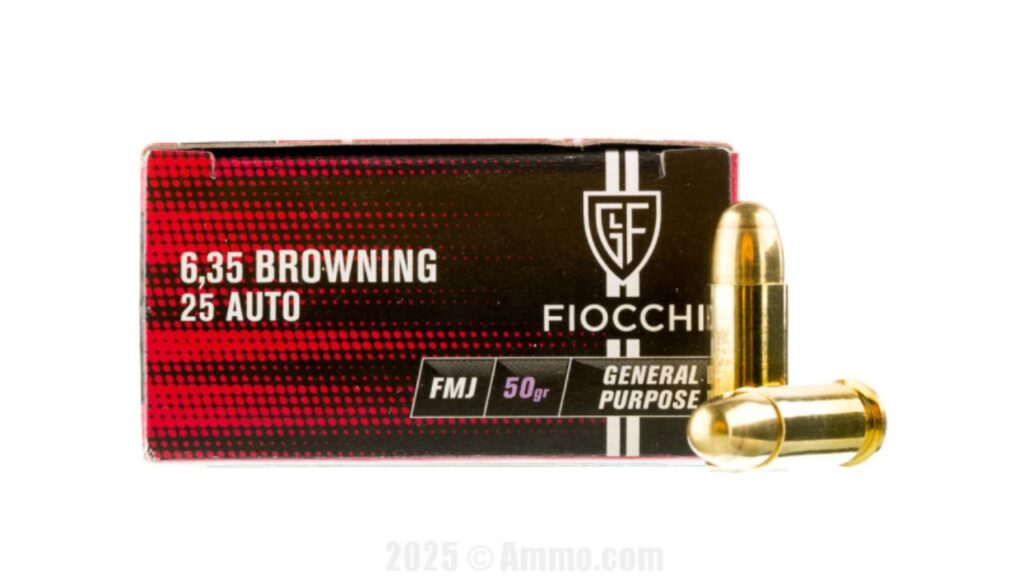
The .25 ACP has always been more of a novelty than a reliable caliber. Its low velocity and limited energy mean it struggles with even basic penetration through clothing or light cover. While it’s small enough to carry in tiny pocket pistols, the trade-off in performance is steep.
Accuracy also suffers, especially past a few yards. Combine that with the expense of ammunition for what you get, and it’s hard to justify. In any real-world condition outside of point-blank use, the .25 ACP falls short.
.22 Short
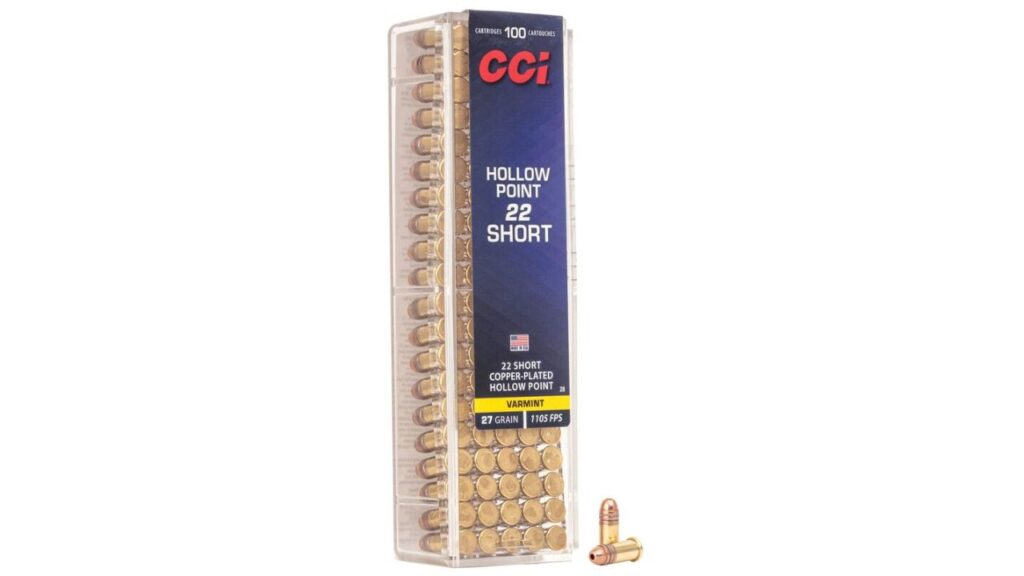
The .22 Short was never meant for serious field use, and it shows. Originally designed for small revolvers, it lacks velocity, range, and stopping power. Even in calm conditions, it drops quickly and loses energy fast.
In the field, it’s unreliable against anything beyond small pests. Wind, brush, or even light barriers make it almost ineffective. While it’s fun for plinking or historical interest, it can’t handle the demands of hunting or defense. It’s a caliber that’s more outdated than useful today.
5.7×28mm
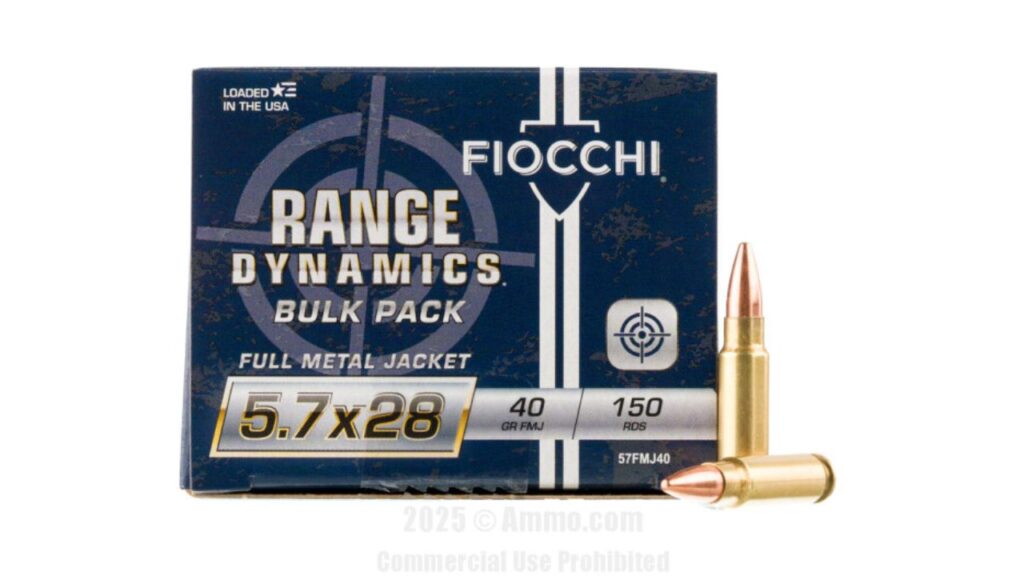
The 5.7×28mm gets attention for its speed, but it’s notorious for underperforming outside of controlled environments. It’s lightweight and fast, but the small bullet struggles with penetration and terminal performance on anything tougher than thin material.
In windy conditions, the light projectile drifts more than many shooters expect. Ammunition is also expensive and not always consistent across loads. For all the marketing behind it, many find it can’t deliver reliable results when conditions aren’t perfect, especially compared to more proven handgun calibers.
.410 Bore (in handguns)
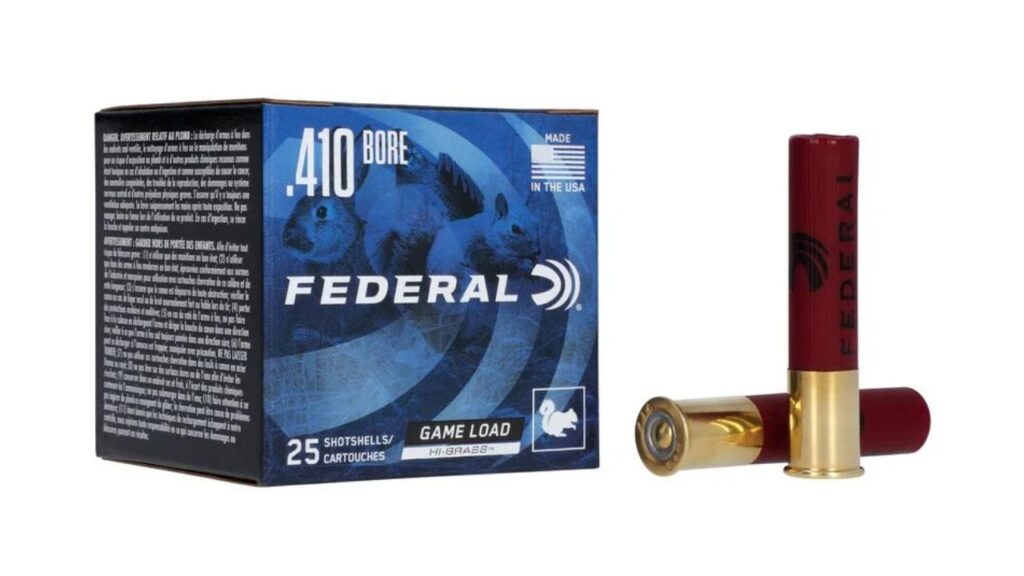
While .410 works decently in a shotgun for certain small game, chambering it in handguns like derringers or revolvers exposes its weaknesses. The short barrel robs velocity, and the spread of pellets at close range becomes inconsistent fast.
Patterning is unpredictable, and penetration is minimal compared to standard handgun rounds. In practical terms, it fails under even basic conditions where consistency is needed. It’s often sold as versatile, but in reality, it leaves shooters frustrated with its lack of reliable performance.
7.62×25mm Tokarev
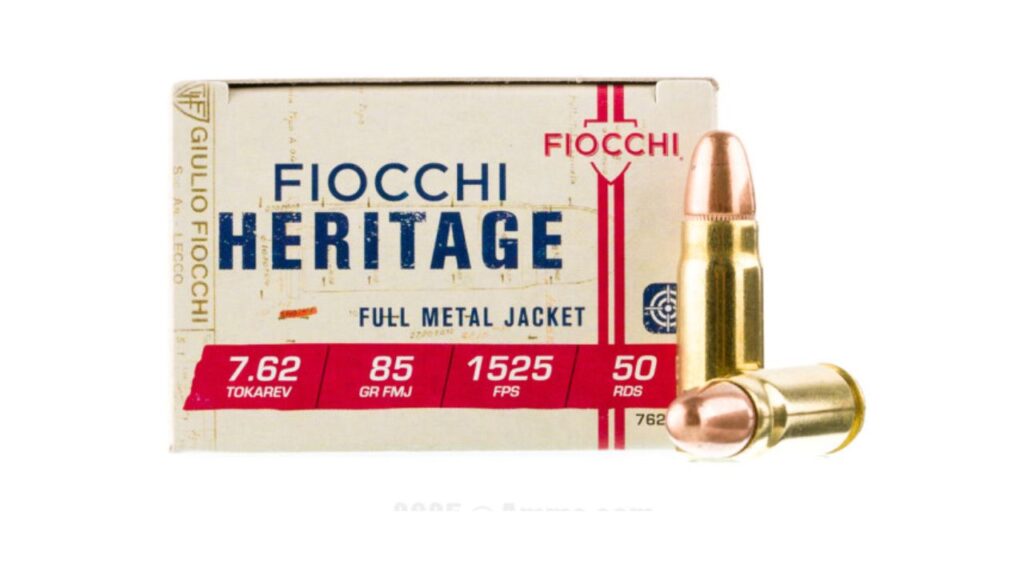
The 7.62×25mm was once considered fast and powerful, but modern standards show its limitations. The lightweight bullet shoots flat but lacks reliable stopping power, especially against anything heavier than light clothing.
It’s also known for overpenetration, which can be dangerous in real-world settings. Ammunition availability is another issue, with surplus rounds often inconsistent. In tough weather or uneven terrain, its performance feels dated. While it had its place decades ago, it doesn’t hold up as a caliber that handles modern conditions well.
.32 ACP
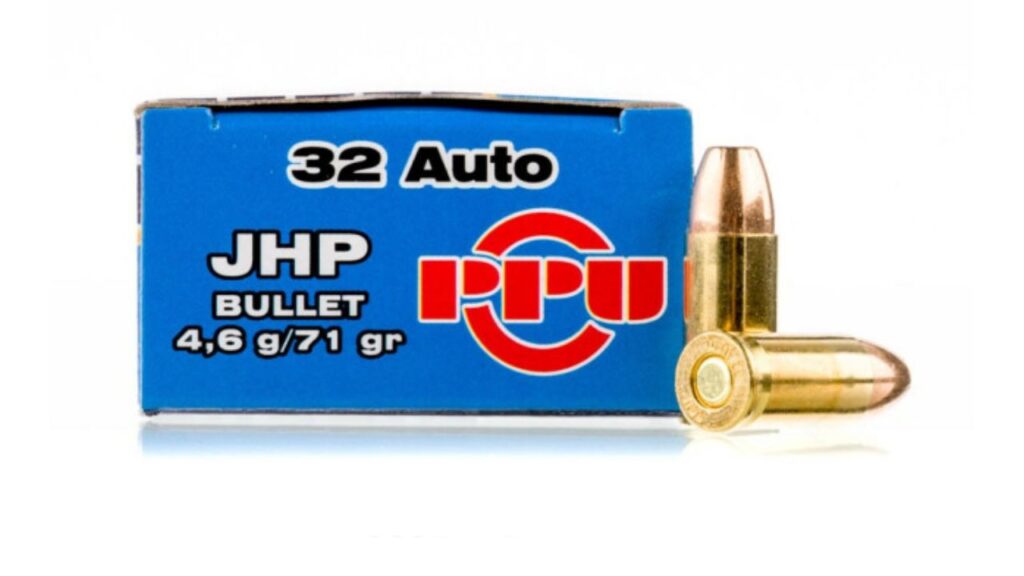
The .32 ACP has been around for over a century, but it’s no longer practical when you consider modern options. It’s weak in terms of energy and unreliable in stopping threats beyond very close range. Even basic barriers like heavy clothing challenge its performance.
Accuracy is fine in pocket pistols at short distances, but the trade-offs outweigh the convenience. In terms of handling real-world conditions, it lags far behind. For hunting, defense, or any serious field use, the .32 ACP fails to measure up.
.22 LR in Semi-Auto Pistols
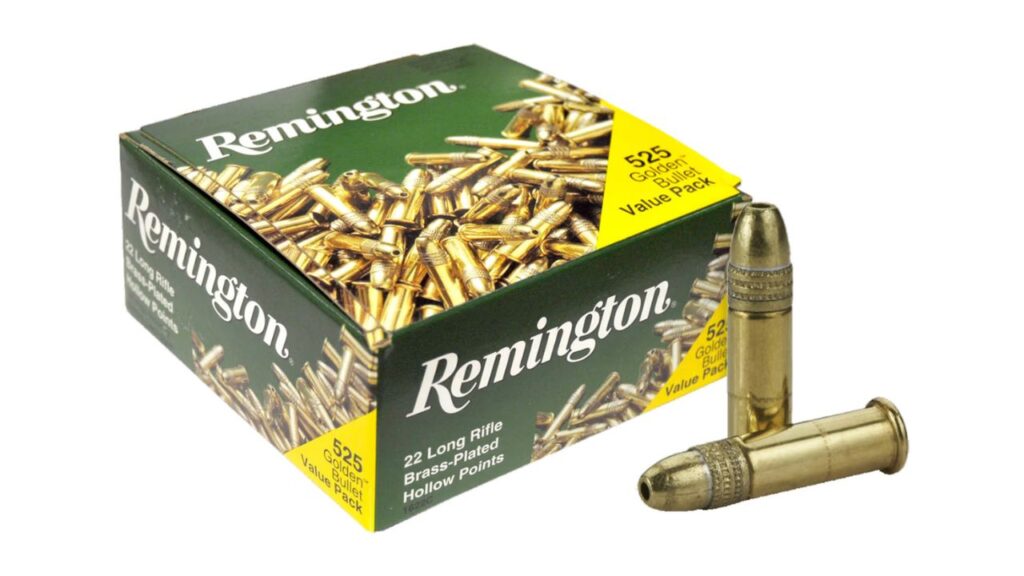
While .22 LR is a versatile round in rifles, it loses reliability in semi-auto pistols. Misfires and failures to feed are common, especially with bulk ammo. That kind of inconsistency makes it unreliable in basic defensive or field scenarios.
Wind and weather also affect the round quickly because of its light weight. It’s fine for plinking or small game under calm conditions, but when you add stress or poor weather, it falls apart. It’s a great training caliber but not one that holds up under pressure.
.38 S&W
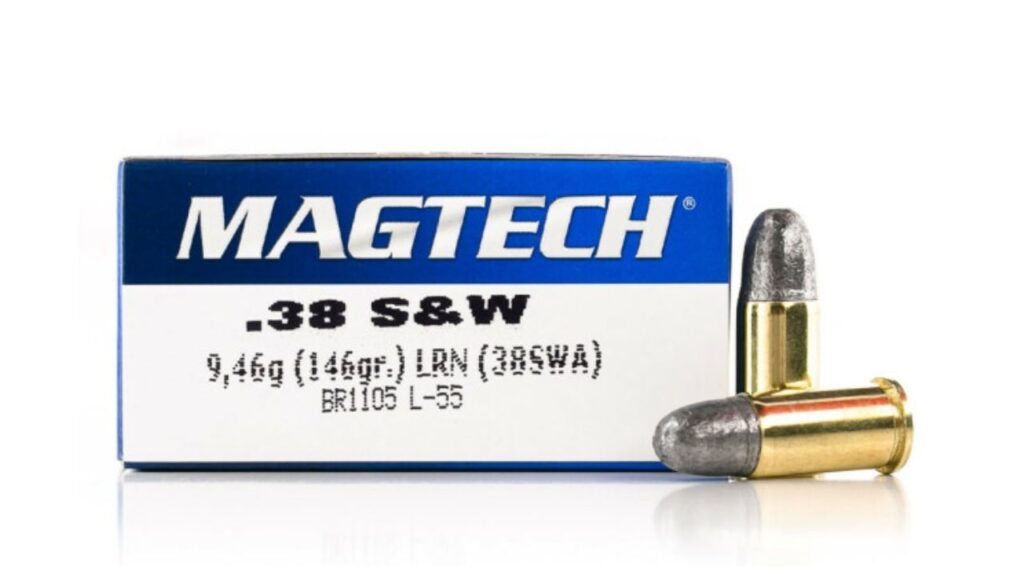
The .38 S&W was common in older revolvers, but compared to modern calibers, it’s underpowered and inconsistent. It doesn’t deliver the velocity or penetration needed for reliable use outside controlled conditions.
It’s also harder to find quality ammunition today, and many loads are weak to account for aging firearms. That limits its usefulness in the field. While it has historical interest, it simply doesn’t provide the performance hunters or shooters need in real-world situations anymore.
8mm Lebel Revolver
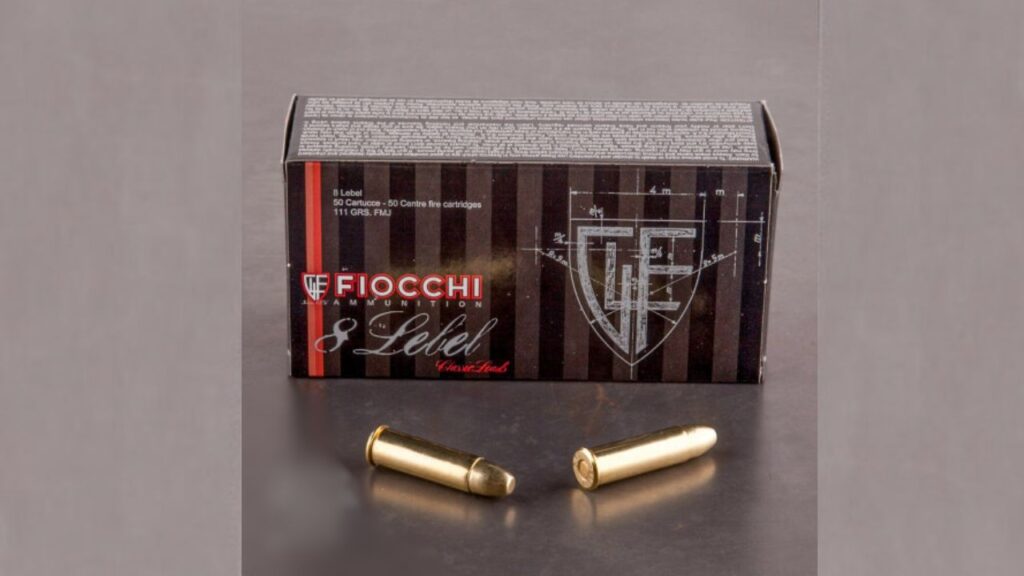
The 8mm Lebel revolver cartridge is more a relic than a practical round today. It lacks the velocity and energy to be effective in most conditions, and ammunition availability is poor. Shooters often struggle to find loads that perform consistently.
Accuracy and terminal performance are both unimpressive. In windy or cold weather, it becomes even less reliable. While collectors might enjoy it, using it for any serious purpose shows its weaknesses quickly. It’s a caliber that hasn’t aged well and can’t handle the basics anymore.
9mm Federal
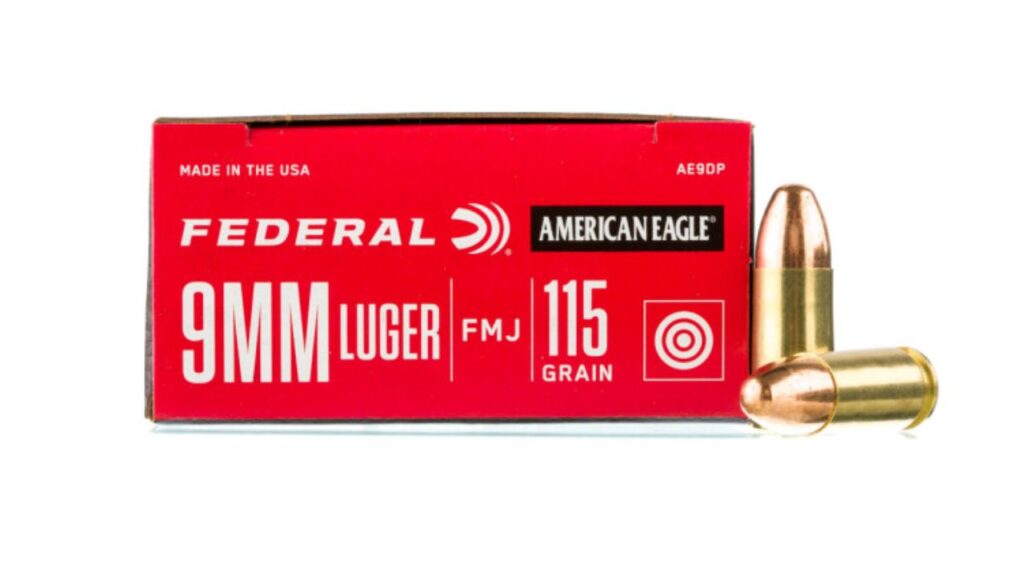
The 9mm Federal was an attempt to create a rimmed 9mm round for revolvers, but it faded quickly because of its shortcomings. It offered little improvement over existing calibers and came with safety concerns, since it could chamber in guns not built for it.
Ammo support disappeared fast, making it unreliable to source. Even when it was available, its ballistics weren’t impressive. Compared to other revolver or semi-auto options, it lacked staying power. It’s a caliber that struggled to meet even basic expectations and quickly became obsolete.
*This article was developed with AI-powered tools and has been carefully reviewed by our editors.