Photo credit: Lucky Gunner Ammo/YouTube
A “trusted” rifle isn’t the one that looks best on a rack or wins the internet that week. It’s the rifle that keeps getting dragged into bad weather, leaned in corners, bounced in trucks, and still shows up ready when you need a clean first shot. Over the last century, a handful of models earned that kind of confidence the slow way—by working for hunters, ranchers, and regular shooters who don’t have time for drama.
What’s funny is how many of these rifles still matter right now. Some are still in production. Some live on through copies and modern updates. But all of them taught the same lesson: a rifle you trust changes how you hunt. You move more. You take better positions. You shoot when the window is right, not when the gear feels perfect.
Winchester Model 70
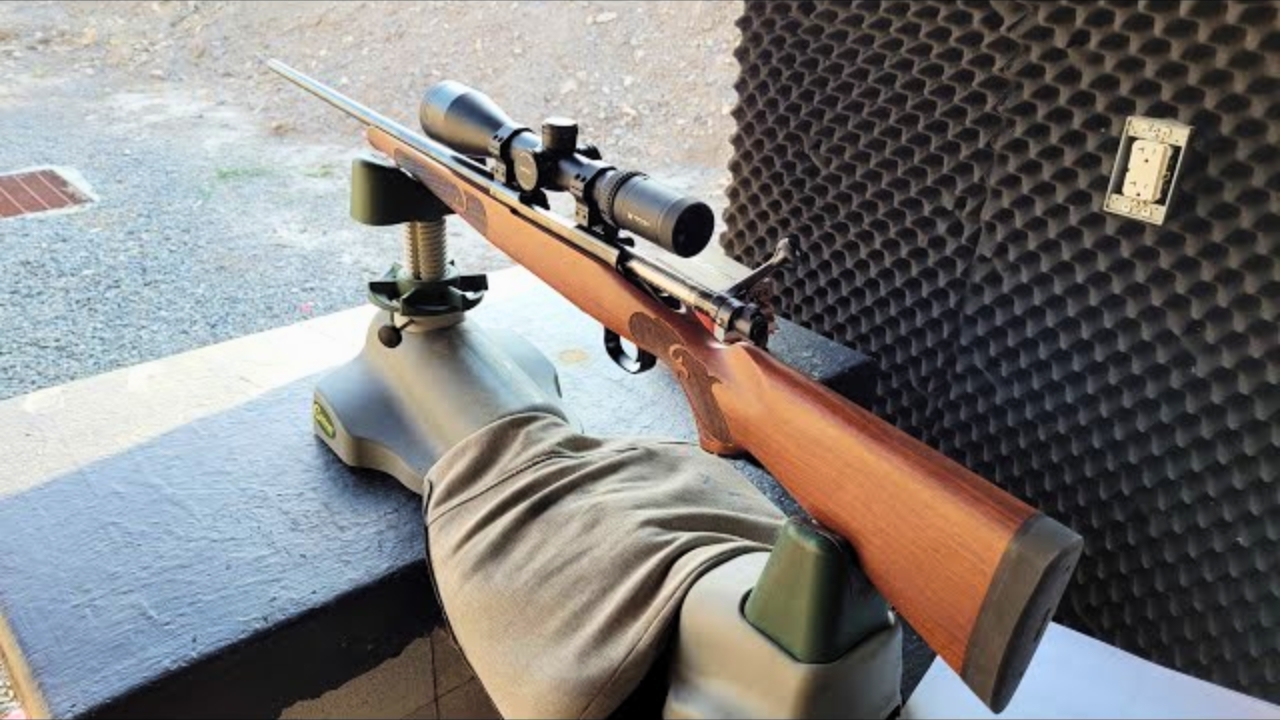
If you’ve spent any time around old deer camps, you’ve seen a Model 70 that looks like it’s lived a full life—and still gets carried. The controlled-round-feed versions earned their reputation because they feed with authority and don’t get weird when you run the bolt hard. When you’re working a rifle in the cold, or with gloves, that matters more than people admit.
The other reason it still matters is how it set the standard for what a hunting bolt gun should feel like. The safety is intuitive, the action is strong, and the whole rifle balances like it was meant to be shouldered quickly. Even with today’s options, a good Model 70 still feels like a serious hunting tool, not a project.
Remington Model 700 BDL

The Model 700 BDL became a default choice for a reason. Hunters trusted it because it was accurate, simple to live with, and easy to mount a scope on without fighting the rifle. In a world where a lot of rifles were still wearing oddball mounts and clunky triggers, the 700 made “set it up and hunt” realistic for regular folks.
It still matters because so many rifles today borrow from the same basic idea: a strong action, consistent lockup, and a layout that works with common optics and parts. A clean, well-kept 700 BDL is still a rifle you can hand to someone and say, “You’ll be fine.” It’s not flashy. It just does the work.
Winchester Model 94

The Model 94 didn’t become a legend because it was trendy. It became a legend because it was carried—everywhere. For a lot of hunters, it was the first “real” rifle in the family, and it kept riding along season after season. It points fast, carries light, and makes sense in thick woods where shots happen quick.
It still matters because it shaped how generations hunted whitetails. The way you move through cover with a slim lever gun, the way you pick a lane, and the way you commit to a close shot—those habits came from rifles like the 94. Even now, when people talk about a “woods rifle,” they’re usually describing the job this rifle already did for decades.
Marlin Model 336

A Marlin 336 is the lever gun a lot of hunters end up trusting when they get tired of fuss. The side-eject design made it practical with a scope, and the rifle has a solid feel that holds up to real use. It’s the kind of gun that rides in a truck, gets bumped around, and still cycles when you shoulder it fast.
It still matters because it’s one of the best bridges between old-school handling and modern practicality. You can mount glass, you can run iron sights, and you can carry it all day without feeling like you brought a fence post. In deer woods, especially in places where shots are inside 150, a 336 is still a smart, confident choice.
Ruger M77 (M77 Mark II)

The Ruger M77 Mark II earned trust by being tough in the ways hunters actually notice. It’s the kind of rifle you can carry in rain, snow, and dust without babying it. The controlled-round-feed action on the Mark II versions is a big reason it gained a loyal following, especially among hunters who want their rifle to feed cleanly no matter how awkward the position is.
It still matters because it represents a time when rifles were built to take a beating and keep hunting. The safety is positive, the action is stout, and the overall feel is “field first.” Plenty of modern rifles are accurate, but not all of them feel like they’ll shrug off a decade of hard seasons the way a good M77 can.
Springfield Model 1903

The 1903 Springfield is one of those rifles that earned trust in a harsh way—by being depended on when failure wasn’t an option. Even outside military history, hunters respected it because it’s strong, it feeds reliably, and it shoots well with good barrels. A sporterized 1903 has filled a lot of freezers over the years.
It still matters because it helped define what a serious bolt action is supposed to be. The action design influenced later rifles, and the rifle’s reputation for strength and accuracy never really went away. When you pick one up, you can feel the old-school solidity—steel, wood, and a straightforward purpose. It’s a reminder that “reliable” is a design choice, not a marketing line.
Lee–Enfield No. 4 Mk I
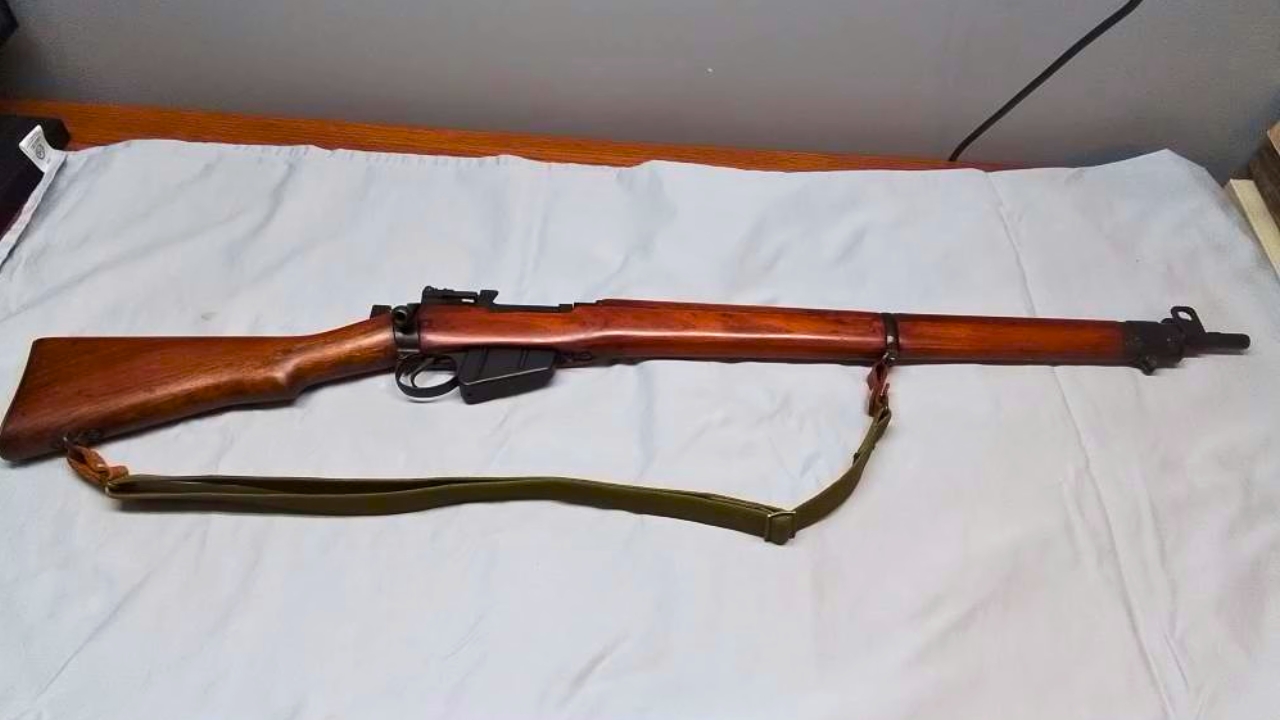
The No. 4 Mk I is famous for one thing most hunters respect immediately: it runs fast and keeps running. The Enfield action cycles smoothly, and the magazine-fed setup makes it easy to stay in the gun without breaking position. In rough conditions, that kind of forgiving reliability builds real confidence.
It still matters because it shows what practical accuracy looks like. You’re not buying an Enfield to win tiny-group contests. You’re buying a rifle that hits where it should, cycles without drama, and keeps doing it when the weather turns ugly. A lot of people who shoot one for the first time are surprised by how natural it feels. That’s not nostalgia—that’s good design.
Mauser 98 (K98 pattern)
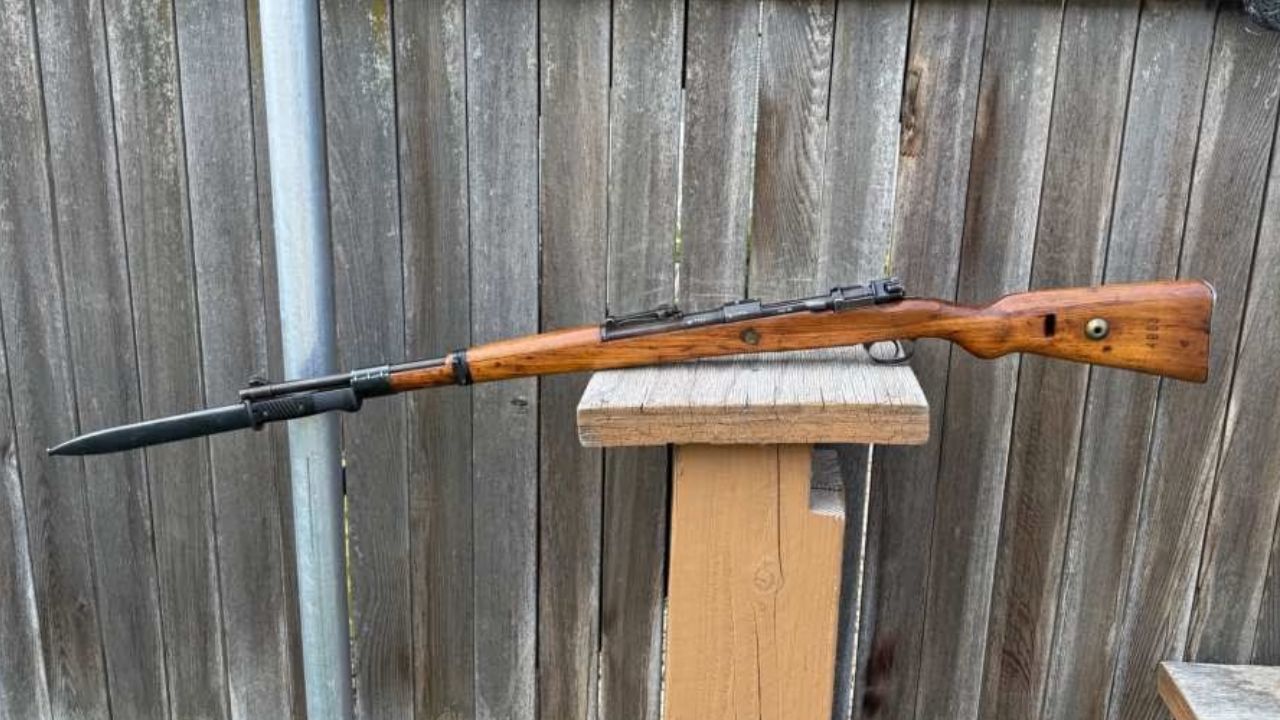
The Mauser 98 is the backbone behind an enormous number of “trustworthy” rifles that came later. The controlled-round-feed system, strong extractor, and overall action strength made it a standard for reliability. Hunters leaned on sporterized 98s for decades because they simply worked, even when conditions weren’t friendly.
It still matters because so many modern bolt guns borrowed the lessons—whether they admit it or not. The 98 showed how to make a bolt action feed and extract with real authority. If you’ve ever run a rifle that feels like it will not fail to pull a case, that’s the Mauser influence showing up. It’s not about romance. It’s about mechanical confidence.
Savage Model 99

The Savage 99 is one of those rifles people trust because it solved problems early. It gave hunters a lever-action that could handle modern, higher-pressure cartridges and still carry like a woods gun. The rifle has a reputation for being accurate enough to surprise people, and it balances in a way that makes you want to carry it all day.
It still matters because it proved you could have speed, handling, and real rifle capability in one package. A clean 99 still feels like a hunter’s rifle, not a museum piece. It’s also a reminder that “classic” doesn’t have to mean outdated. When you shoulder one, you understand why people held onto them, even when newer rifles showed up.
Browning BAR (hunting model)

The Browning BAR hunting rifle earned trust because it brought semi-auto convenience without feeling flimsy. In places where quick follow-up shots matter—thick timber, hog country, or deer moving through lanes—the BAR gave hunters speed without turning the rifle into a finicky range toy. When they run right, they run right for a long time.
It still matters because it showed that a hunting semi-auto can be a legitimate, dependable tool. Plenty of modern rifles promise fast shots, but not all of them are built around hunting reliability. The BAR’s reputation wasn’t built on hype. It was built on hunters quietly using them for years and realizing the rifle kept doing what it was supposed to do.
Ruger 10/22
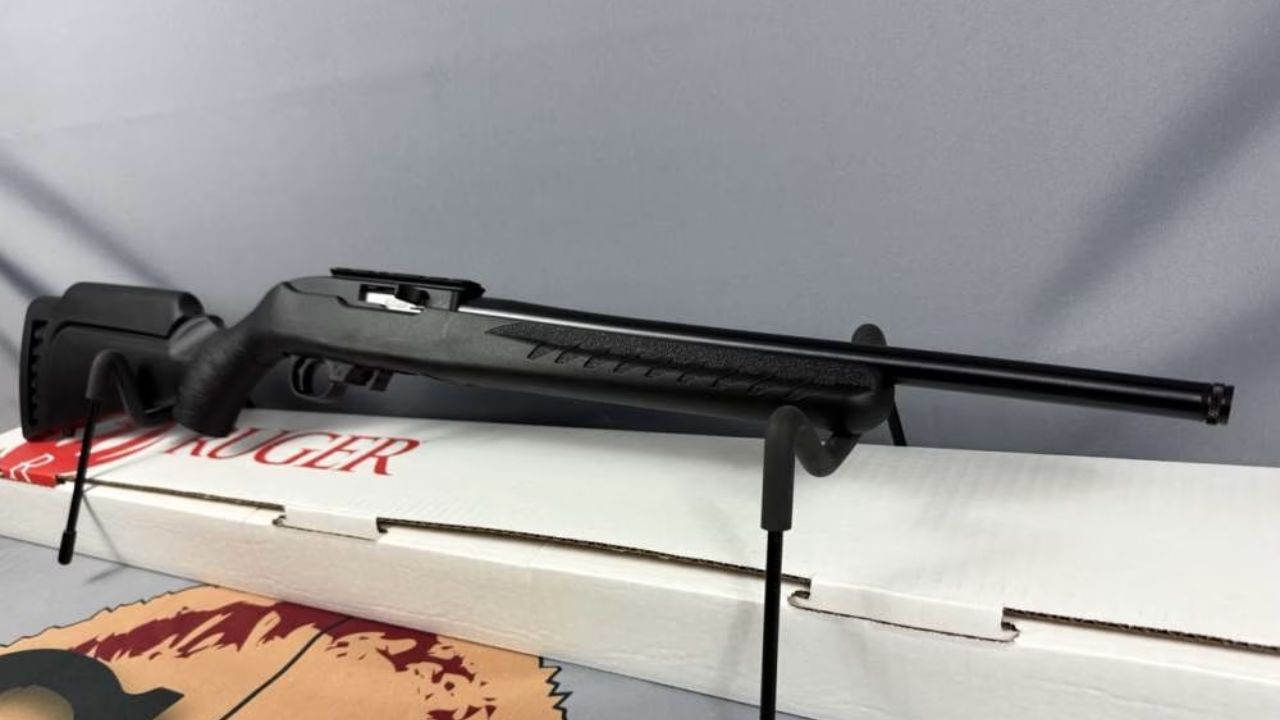
The 10/22 is trusted because it lives where most rifles earn their real reputation: practice. People shoot them constantly. They get loaned out, tossed in trucks, and used by kids learning the basics. A rifle that survives that kind of use and still functions builds trust in a way no marketing campaign can.
It still matters because it’s one of the best training platforms ever made. The skills you build with a 10/22—trigger control, follow-through, calling shots—carry straight into your hunting rifles. And because it’s so common, it keeps more people shooting than almost anything else. A rifle that keeps people practicing keeps them competent. That’s real value.
Marlin Model 39A

The 39A has a reputation as a “nice .22,” but what made it trusted was how well it held up over time. It’s accurate, smooth, and built like a real rifle instead of a toy. Hunters and trappers carried them because they were dependable for small game, and they stayed dependable for decades.
It still matters because it represents quality that you can feel the second you handle it. A good 39A cycles clean, shoots straight, and doesn’t need excuses. It’s also a reminder that rimfires aren’t just for plinking. A trusted .22 is a working rifle in a lot of lives—meat in the pot, pests handled, and skills sharpened without burning up centerfire ammo.
CZ 527

The CZ 527 built trust with people who actually spend time behind a rifle. It’s a small-action bolt gun that feels lively and precise, and it’s the kind of rifle you end up carrying more because it’s pleasant to shoot well. In cartridges like .223 Rem or 7.62×39, it made a practical field rifle that didn’t feel cheap or oversized.
It still matters because it showed that a “small” rifle can still be a serious rifle. The 527 is handy, accurate enough to reward good shooting, and built with the kind of fit that makes you want to keep it. Even with newer rifles on the market, the 527 has that rare quality: it makes you shoot better without you fighting the gun.
Tikka T3x

The Tikka T3x earned trust fast because it removed a lot of the usual bolt-gun annoyances. The action is smooth, the barrels tend to shoot, and the rifles generally behave predictably across different ammo. That predictability is what hunters really want. You don’t want a rifle that needs a perfect day to act right.
It still matters because it’s a modern example of what “trusted” looks like now. You can set one up with a decent scope, confirm your zero, and focus on hunting instead of troubleshooting. The T3x also holds up to real carrying—rain, dust, and the normal abuse of a season. When a rifle earns a reputation for being boring in the best way, hunters remember.
Sako 85

The Sako 85 is trusted because it feels like it was built by people who hunt, not just people who sell rifles. The action is refined, the feeding is controlled and confident, and the whole rifle has a calm, composed way of shooting that makes you feel steady. It’s the kind of rifle you can carry on a serious hunt and not worry about.
It still matters because it represents the high end of “do it right the first time.” A rifle like this doesn’t ask you to replace parts to make it feel complete. It asks you to shoot it well and take care of it. In a market full of rifles that are meant to be upgraded, the Sako 85 stands out as a rifle that already feels finished.
Weatherby Mark V

The Weatherby Mark V earned trust by being built around strength and consistency. The action design is famous for handling high-pressure cartridges, and the rifles developed a reputation for being accurate enough to justify their place in serious hunting camps. People carried them for everything from elk to sheep because they trusted the rifle to hold together and hold zero.
It still matters because it’s a reminder that confidence is part of performance. When you trust your rifle, you shoot with less hesitation. The Mark V also represents an era where a rifle was a long-term purchase—something you bought, learned, and kept. Even today, plenty of hunters still reach for a Mark V when they want a rifle that feels solid and settled.
Like The Avid Outdoorsman’s content? Be sure to follow us.
Here’s more from us: