Photo credit: Bane762/YouTube
You can make a caliber look “can’t miss” on paper fast: flat trajectory, big energy numbers, and a couple clean kills that get repeated until they sound like gospel. Real hunting and real range time have a way of breaking that spell. The animal moves, the wind shows up, your heart rate climbs, and suddenly that miracle cartridge feels a lot more human.
Most “can’t miss” rounds miss the mark because they get used outside their comfort zone. Some punish you with recoil so you stop practicing. Some burn barrels, turn ammo shopping into a scavenger hunt, or tempt you into stretching shots you haven’t earned. Others are solid—right up until you pick the wrong bullet, push distance too far, or hunt animals they were never meant for. These are the calibers that often get oversold, and the real-world reasons they sometimes disappoint.
.300 Winchester Magnum

You’ve heard it a thousand times: “If you want elk insurance, grab a .300 Win Mag.” The problem is the insurance premium is recoil, blast, and a rifle that can make you shoot worse the moment you try to run it hard. On a bench, you can grit through it. In the field, a flinch you didn’t know you had shows up right when the shot matters.
It also gets treated like a cure-all for bad angles and long shots. Past 300, wind and shooter error still exist, and heavy magnum recoil doesn’t make you steadier. If you’re disciplined, it’s excellent. But when a “can’t miss” round makes you practice less and rush the trigger more, it misses the mark in the only place that counts.
7mm Remington Magnum

The 7mm Rem Mag gets sold as the perfect blend: flatter than .30-caliber, enough juice for elk, and “easy” to shoot. In real life, it’s easy to shoot well only if the rifle fits you and you actually put rounds downrange. In light hunting rifles, it can be snappy enough to build anticipation fast, especially when you’re shooting off bags.
Another real-world issue is bullet choice. It’s common to grab a fast, soft 140-grain load and expect it to behave the same on close shots and longer shots. At close range, some bullets can open aggressively and damage meat. At longer range, some lighter bullets can lose steam sooner than you expect. The cartridge is solid, but the sales pitch makes people skip the details that matter.
6.5 PRC
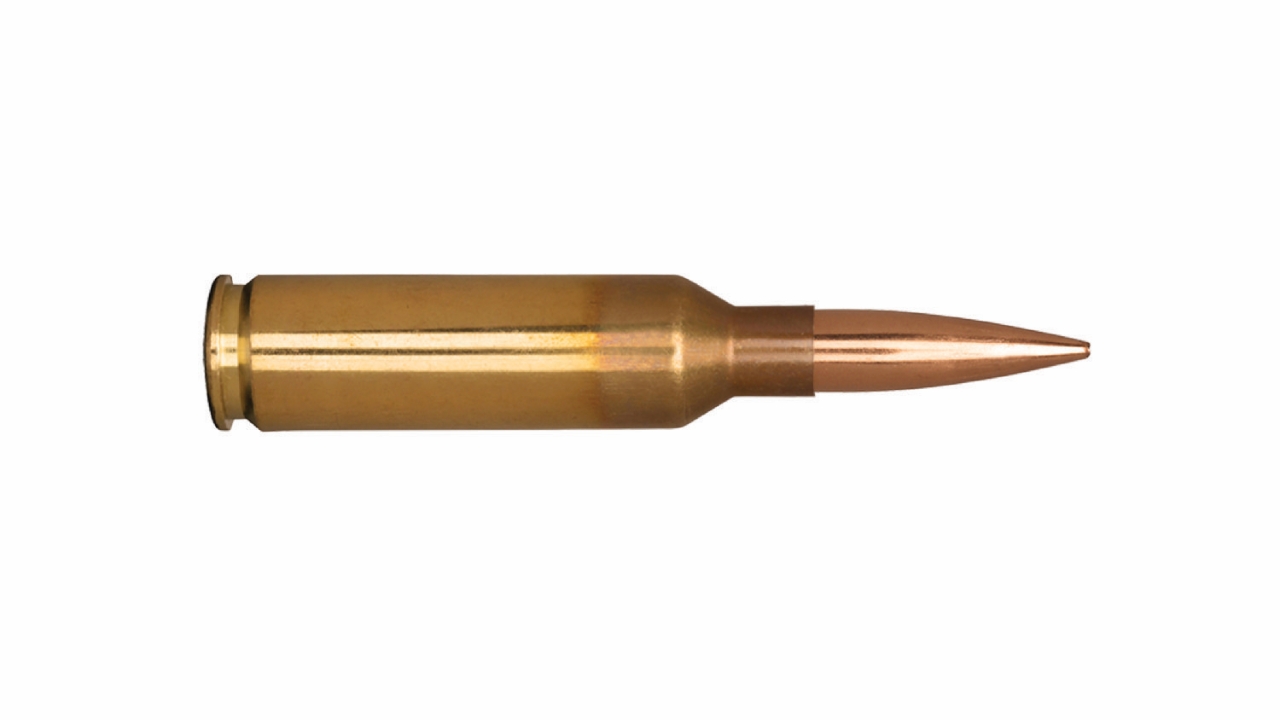
The 6.5 PRC often gets pitched as “Creedmoor, but better in every way.” It is faster, and it does carry energy well. What gets lost is the cost of that speed: more muzzle blast, more recoil, and usually more heat in a hunting-weight barrel. If you like to practice with long strings, the groups can start wandering when the barrel gets hot.
Ammo and rifle preferences can bite you too. It’s not as universally stocked as 6.5 Creedmoor, and some rifles are pickier about what they like. None of that makes it a bad cartridge. It makes it a cartridge that isn’t magic. If you bought it to erase wind, erase drop, and erase your own mistakes, you’re going to have a humbling season.
.28 Nosler
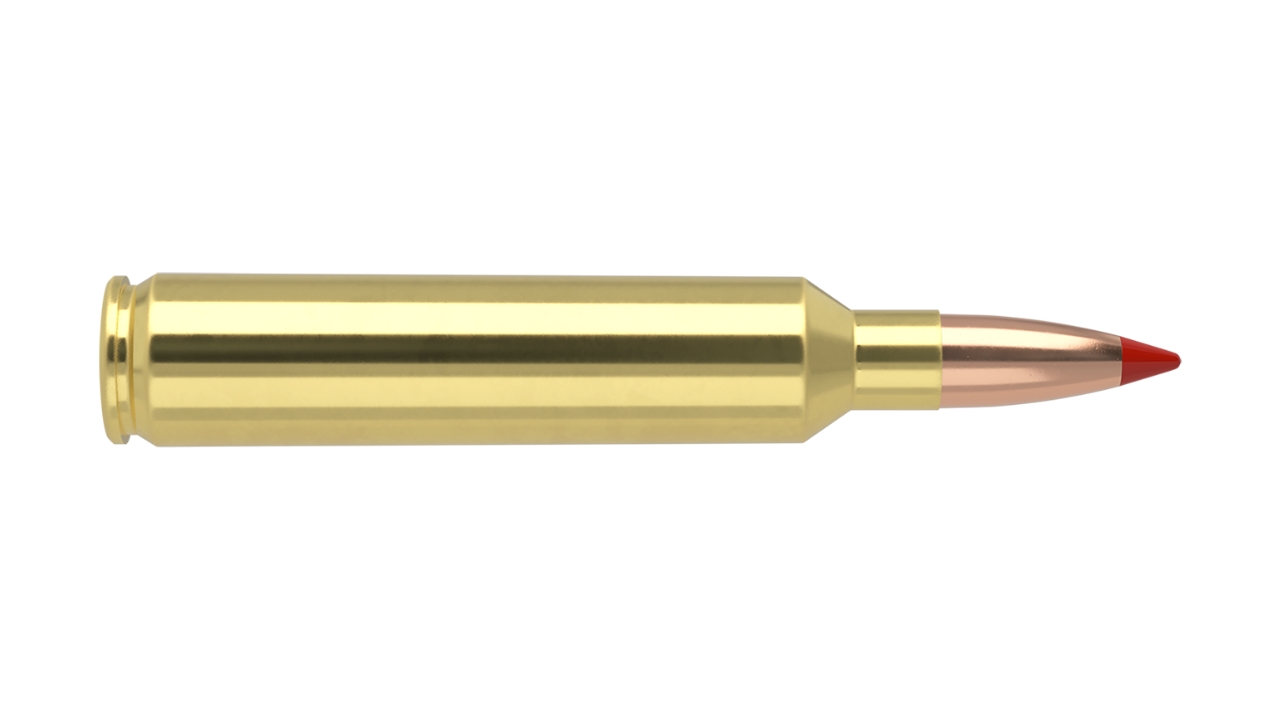
.28 Nosler gets sold like it’s cheating: flat trajectory, high-BC bullets, elk authority, and long-range confidence. The real-world tradeoff is that it’s a lot of cartridge for most hunters, which shows up in recoil, muzzle blast, and fast heating in many rifles. When you start dreading sight-in day, your “can’t miss” round is already losing.
The other issue is practicality. Factory ammo is expensive and not always sitting on shelves, and barrel life can be shorter than what many hunters expect if they shoot it a lot. It absolutely performs, but it asks you to pay attention to your rifle, your load, and your shooting habits. If you wanted a set-it-and-forget-it elk round, .28 Nosler can feel like more work than the promise suggests.
.300 PRC

.300 PRC gets talked about like the grown-up magnum that fixes everything “wrong” with older .300s. It’s a strong performer, especially with heavier bullets, and it’s capable at distance. But in real life, it still recoils like a .30-caliber magnum, and that reality doesn’t care about case design or internet charts.
It also tempts people into stretching shots because the numbers look good. Past 300 yards, your ability to read wind and build a stable position matters more than the stamp on the case head. The cartridge can also be harder to feed with in a pinch, depending on where you hunt and shop. If you’re committed, it’s great. If you bought it expecting “can’t miss,” it can turn into a very loud reminder that fundamentals aren’t optional.
.338 Winchester Magnum
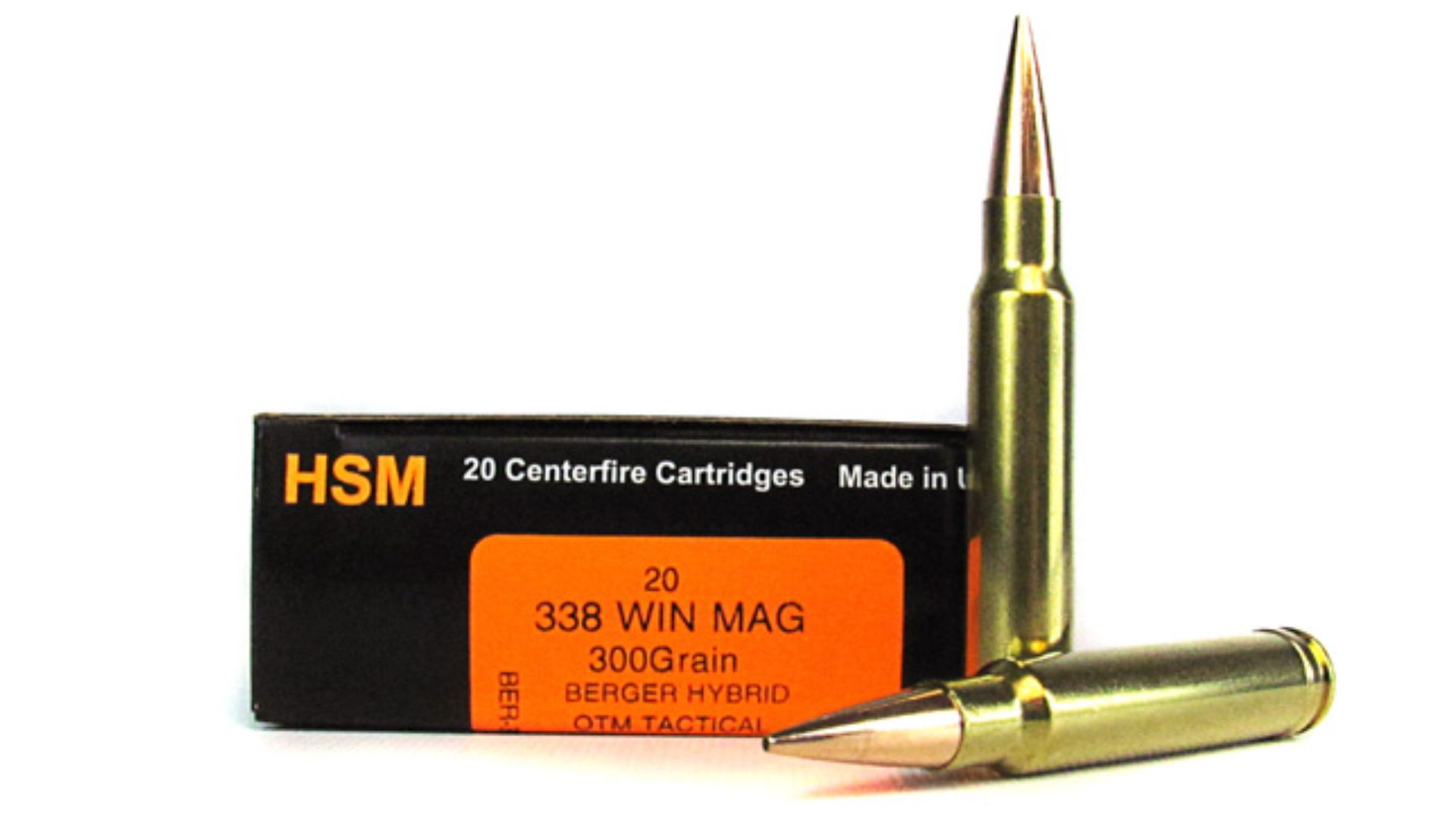
.338 Win Mag has a reputation as the hammer for big animals and bad weather. The part people leave out is how much it can punish you in a hunting rifle. Recoil isn’t only about pain—it’s about what it does to your timing, your follow-through, and your willingness to practice. If you start blinking and yanking, you’ll miss with any caliber.
It also gets oversold as the answer to poor shot selection. Bigger bullets don’t fix hits that are too far back or too high, and they don’t fix shots taken from wobbly positions. On top of that, many .338 rifles are heavier, which can be a real burden in steep country. It’s a capable round, but when you buy it for confidence instead of need, it can make you less effective.
.340 Weatherby Magnum

.340 Weatherby Magnum gets treated like a shortcut to dropping elk and moose “right now.” It is powerful, and it carries energy well. What you feel first, though, is recoil and blast that can be harsh in real hunting rifles. That’s where the “can’t miss” label falls apart: the cartridge can make you rush shots and cut practice short.
There’s also a logistics reality. Ammo is pricey, not always easy to find locally, and you don’t get endless cheap options to test what your rifle likes. That pushes a lot of hunters into settling for whatever they can find, then blaming the cartridge when groups aren’t great. It’s a serious tool for serious work. But if you’re buying it to cover for shaky fundamentals, it tends to expose those fundamentals instead.
.450 Bushmaster
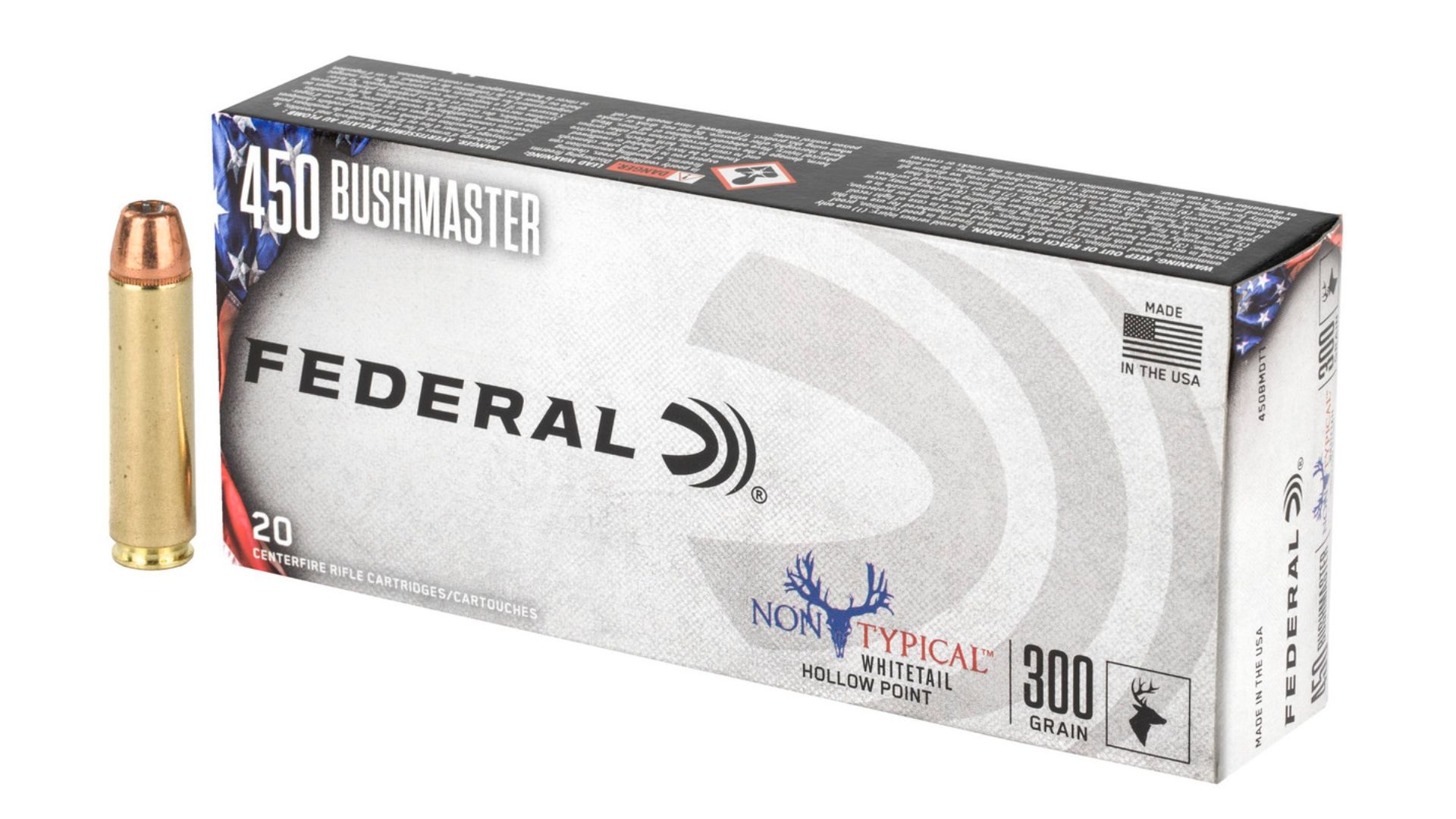
.450 Bushmaster is often marketed as the easy button for deer: big bullet, straight-wall legal in many places, and decisive hits. Inside its comfort zone, it can be very effective. Where it misses the mark is when people expect it to shoot like a flat rifle cartridge past 200. Drop is real, and wind can move that big, blunt bullet more than you’d guess.
Recoil can also surprise you in lighter rifles. It’s a shove that adds up over a long day, and some shooters start flinching without realizing it. Ammo variety can be limited, and bullet construction matters a lot for consistent penetration. It’s not a bad round. It’s a round that gets oversold as a do-everything deer solution, then disappoints the first time you stretch it or pick a poor load.
.350 Legend
.350 Legend gets called the mild, modern straight-wall that “does it all.” Inside typical deer ranges, it can do very well, especially when you pick a solid hunting load. The trouble starts when the talk convinces you it’s a 300-yard cartridge in every setup. At longer distances, drop and wind demand more respect than most people give it.
It can also be picky about bullets and barrels. Some rifles shoot certain loads great and scatter others, and if you don’t test, you’ll blame the caliber instead of the pairing. Terminal performance is also load-dependent, especially if velocity drops off at distance. The cartridge is practical, but it isn’t a miracle. If you treat it like one, you’ll end up questioning your zero, your hold, and your assumptions all season.
.300 AAC Blackout
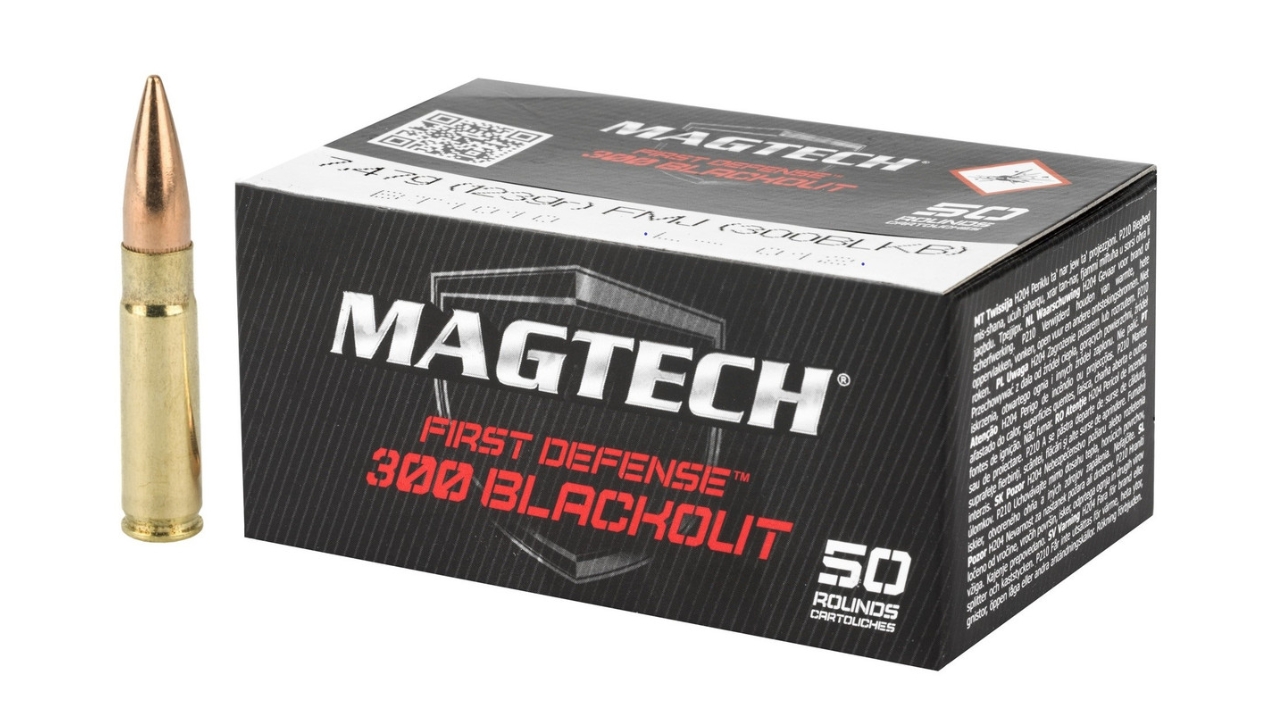
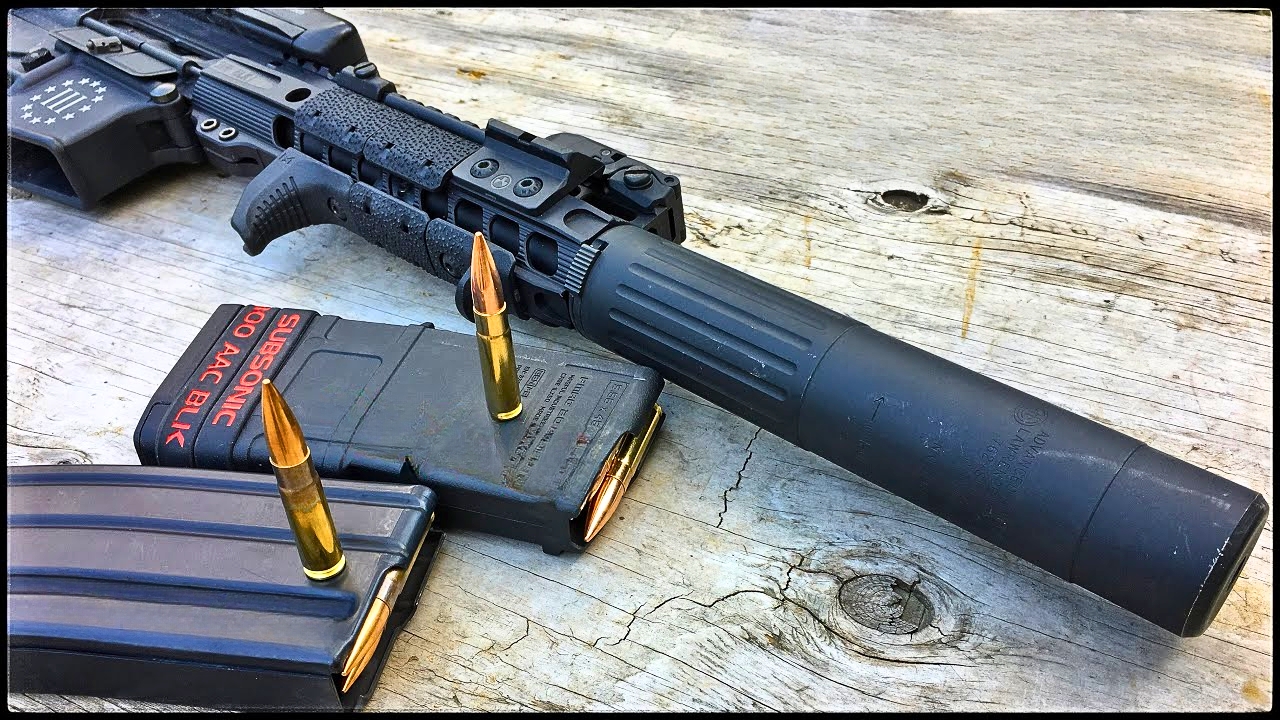
.300 Blackout has a reputation for being versatile: quiet with a suppressor, handy in short barrels, and “good enough” for deer. It can be effective at close range with the right bullets. The miss happens when people treat it like a normal rifle cartridge and expect reliable performance as distance stretches or when they grab any random load off the shelf.
Energy drops quickly compared to traditional deer cartridges, and expansion can get iffy if velocity is low. Bullet choice is everything, and not all loads are built for hunting. It’s also easy to get seduced by subsonic options and forget that they’re a very specific tool with very specific limitations. If you keep it inside its lane, it works. If you bought it as a can’t-miss deer round, it can turn into a tracking job you didn’t plan for.
.22-250 Remington

.22-250 is legendary on coyotes, and that reputation leads some people to push it into jobs it wasn’t built for. On paper it’s flat and fast, so it looks like a deer cartridge to folks who equate speed with effectiveness. In real life, the small bullet diameter and common varmint-style loads can make terminal performance unpredictable on larger animals.
It can also be a barrel-heater in lightweight rifles, especially if you shoot long strings while practicing. Accuracy can fall off as the barrel warms, and wind still moves light bullets around more than most people admit. None of that makes it a bad round for predators. It makes it a round that gets oversold as a universal “flat shooter,” then surprises you when reality doesn’t match the promise.
.204 Ruger

.204 Ruger gets sold as a laser for varmints—flat, fast, and easy to shoot. The real world introduces wind, and wind is where a lot of “can’t miss” stories die. Light .20-caliber bullets can drift enough that your hold becomes a guess past moderate ranges, especially if you’re not reading mirage and grass.
It also tempts you into taking shots you shouldn’t, because recoil is low and the rifle stays on target. That can be a trap: you see the hit or miss clearly, but you’re still guessing in gusts. Terminal performance on larger predators can be load-dependent too, and it’s not the right tool for every job. If you buy the story, you’ll wonder why your “laser” keeps missing on breezy days.
.17 HMR
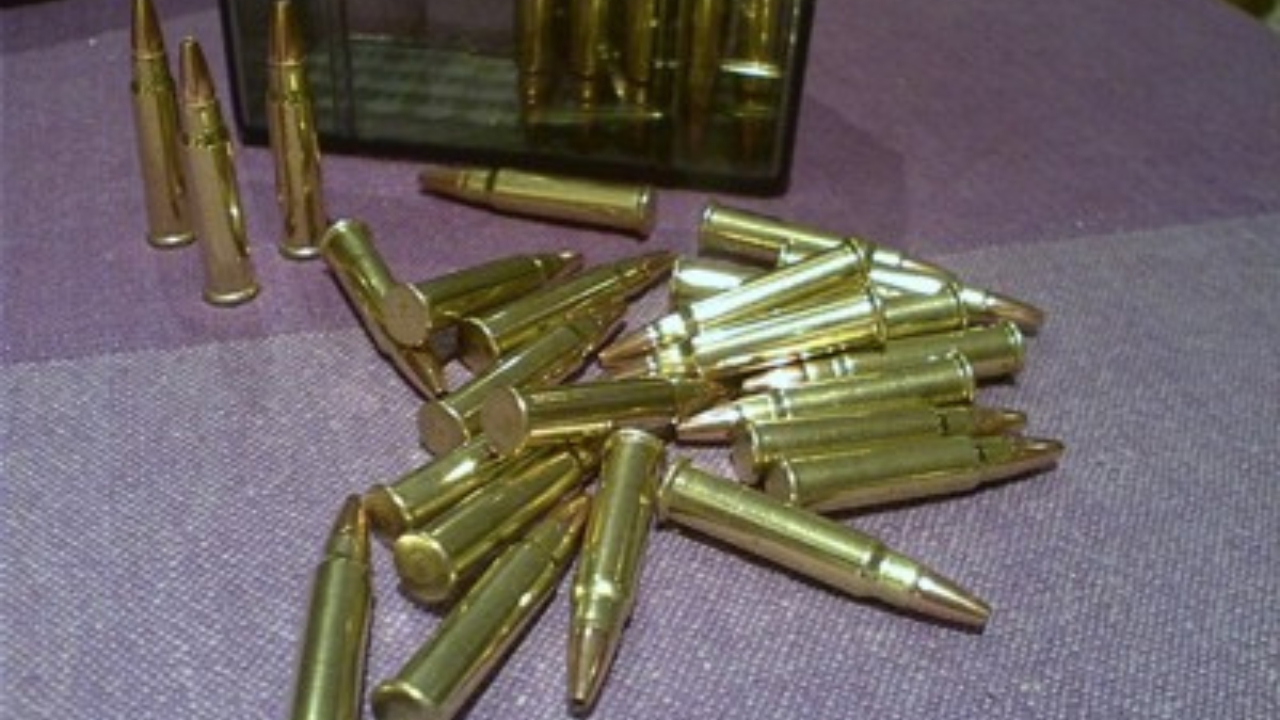
.17 HMR has probably ended more “can’t miss” arguments at the range than any rimfire. It shoots flatter than .22 LR and it can be very accurate, which makes people act like it’s a tiny centerfire. Then the wind shows up, or range stretches, and the little bullet gets pushed around enough to turn hits into maybes, even off a steady rest.
The other reality is terminal performance. On small game and pests, it can be impressive, but it’s not a reliable answer for tougher critters or bad angles. It’s also not immune to ammo variation; some lots shoot better than others, and that surprises people who expect rimfire to be plug-and-play. Used correctly, it’s excellent. Oversold as a guaranteed hit-maker, it’s a quick lesson in limits.
.224 Valkyrie

.224 Valkyrie was pitched as the flat, high-BC .22 that would change everything. It can shoot well, but in real life it’s been inconsistent across rifles, loads, and expectations. Some shooters get great results. Others chase groups, swap barrels, and burn money trying to find the “one” load that behaves.
It also gets oversold as a wind-cheater. A good bullet helps, but wind still moves a .224 projectile, and your read still matters. Availability can be another pain point depending on where you live, which makes last-minute ammo runs stressful. The cartridge isn’t a scam, but the promise was bigger than the practical reality for a lot of shooters. If you bought it expecting automatic performance, it’s the kind of caliber that can make you rethink every chart you trusted.
6.8 Western

6.8 Western came in hot with big claims: heavy bullets, good BC, and real hunting authority. It can do those things, but “new and different” doesn’t automatically mean “better for you.” In real rifles, recoil can be enough to cut practice short, and that defeats the whole reason you bought a modern do-it-all round.
Another issue is ecosystem. Ammo and rifle options aren’t as wide as the classics, and that means fewer chances to find an affordable load your gun truly likes. When availability is spotty, people settle, then blame accuracy on the caliber. It can be a strong choice for certain hunters, especially those who commit to it. But if you expected it to erase wind, erase drop, and erase shooter error, it can feel like a lot of effort for returns that look awfully similar to older, easier cartridges.
Like The Avid Outdoorsman’s content? Be sure to follow us.
Here’s more from us: