Photo credit: Dave “DirtyDave” Maximillion/Youtube
Some guns are bought with big emotion attached. A first deer rifle. A carry pistol after months of research. A shotgun passed down from family. Those are expected to stay forever.
But other guns become permanent keepers almost by accident. They start as ordinary purchases — a sensible rifle, a basic pistol, a used shotgun, a rimfire bought on a whim. Then years pass, and the owner realizes the gun has earned a place that newer, flashier firearms never managed to take. These are the guns that did not seem special at first, but slowly became impossible to let go.
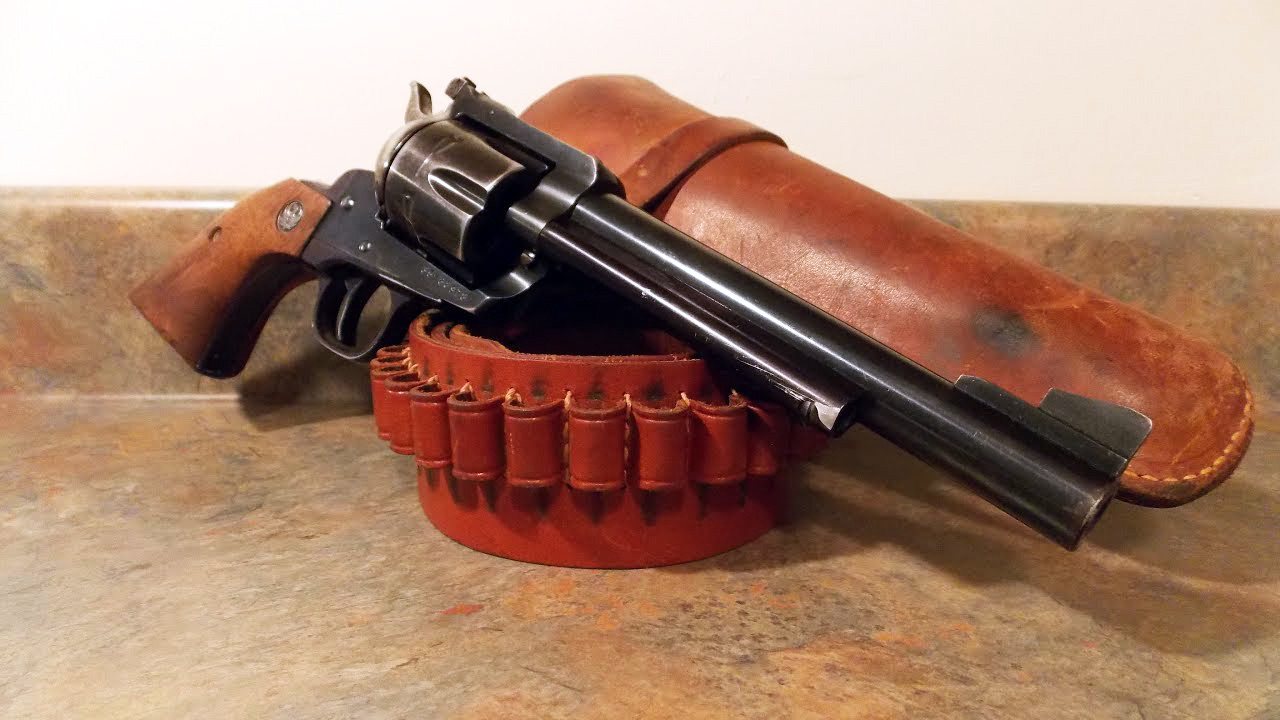
Ruger Blackhawk .357 Magnum
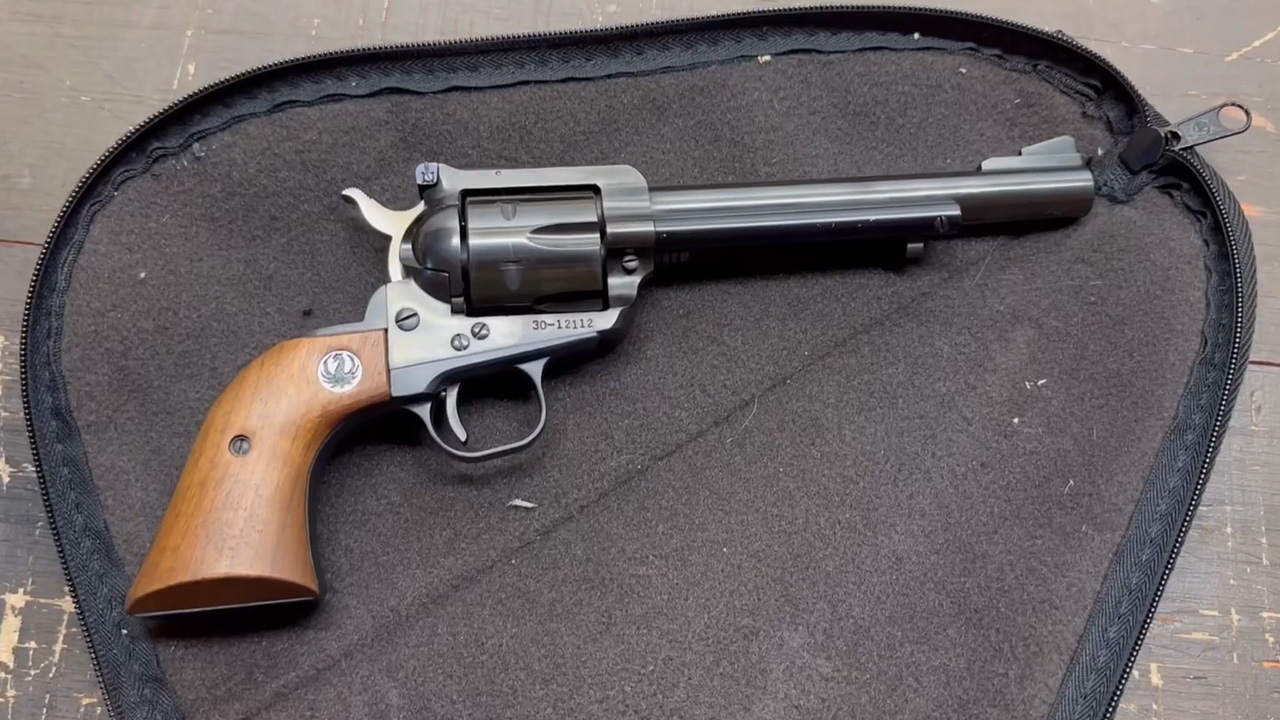
The Ruger Blackhawk in .357 Magnum often starts as a straightforward single-action revolver purchase. It is not rare, not delicate, and not especially mysterious. Someone wants a strong revolver for the range, woods, or general use, and the Blackhawk makes sense.
Then it stays forever. The reason is flexibility. It can handle .38 Special for relaxed practice and .357 Magnum for more serious field use. The single-action design encourages slower, more deliberate shooting, which makes it enjoyable in a way modern defensive pistols rarely are. It is also rugged enough that owners do not feel nervous about using it. A Blackhawk may not seem emotional at the counter, but after enough range trips and trail miles, it becomes the revolver nobody wants to sell.
Remington 870 Express
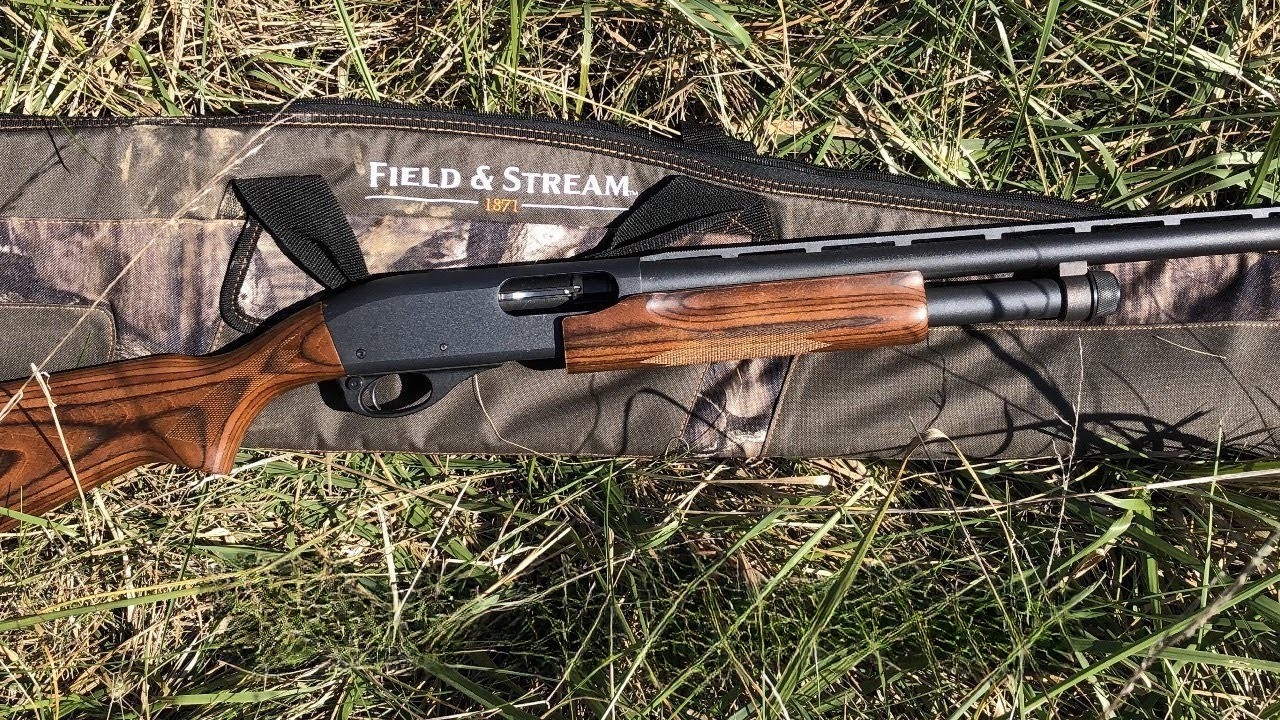
The Remington 870 Express was not usually bought as a luxury shotgun. It was the working version, the practical pump that hunters, homeowners, and regular shooters could afford. Because of that, a lot of people treated it like a tool from day one.
That is exactly why so many became permanent keepers. An 870 Express can hunt birds, deer with the right barrel, turkey, clays, and handle defensive or rural property roles depending on setup. It may not have the polish of a Wingmaster or the heavier-duty appeal of a Police model, but it works. Owners often keep them because the shotgun has already proven itself through years of use. It might be scratched, worn, and ugly in places. That only makes it harder to replace emotionally.
Glock 26
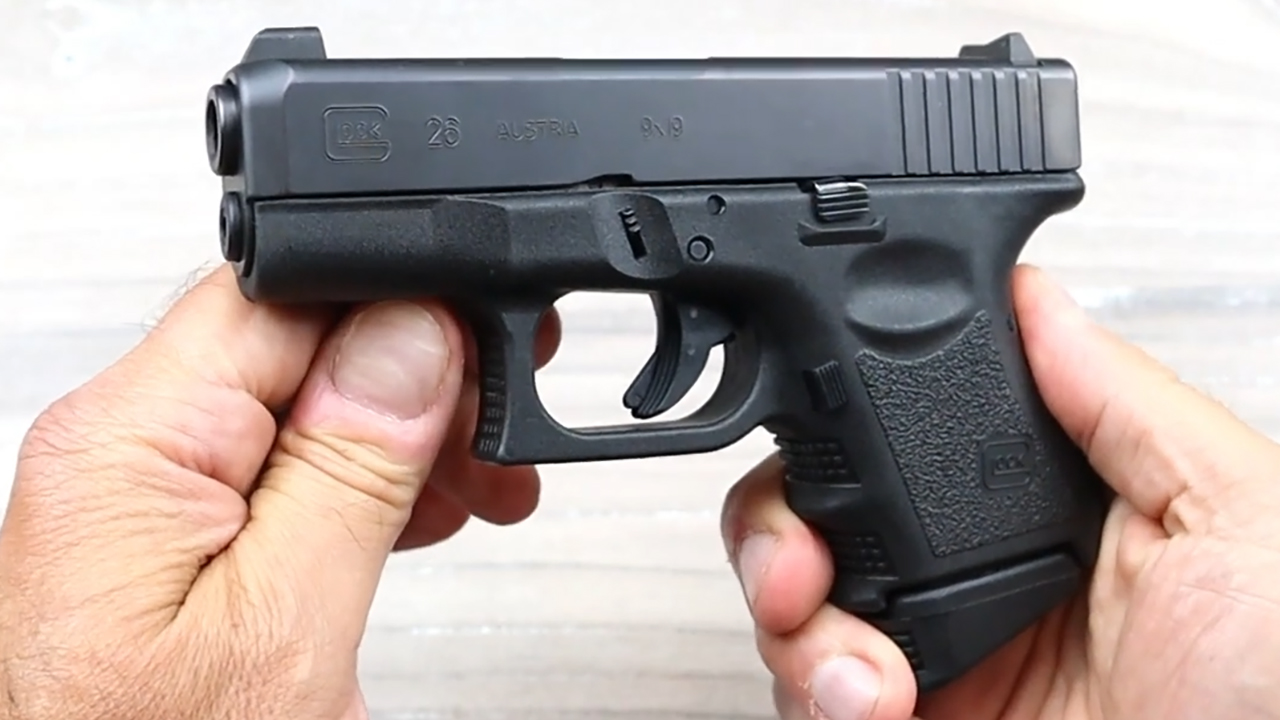
The Glock 26 is the kind of pistol that can seem awkward at first. It is chunky for its size, short in the grip, and not as sleek as newer micro-compacts. Many buyers probably picked one up because it was practical, not because it looked exciting.
Over time, though, the little Glock earns loyalty. It shoots better than many tiny pistols because the thicker frame gives the hand more to work with. It also accepts larger Glock magazines, which makes range practice and backup-magazine options easy. Holsters, sights, and parts are everywhere. A newer pistol may be thinner or hold a similar number of rounds in a smaller package, but the Glock 26 keeps proving itself. Ordinary turns permanent when a carry gun keeps inspiring confidence.
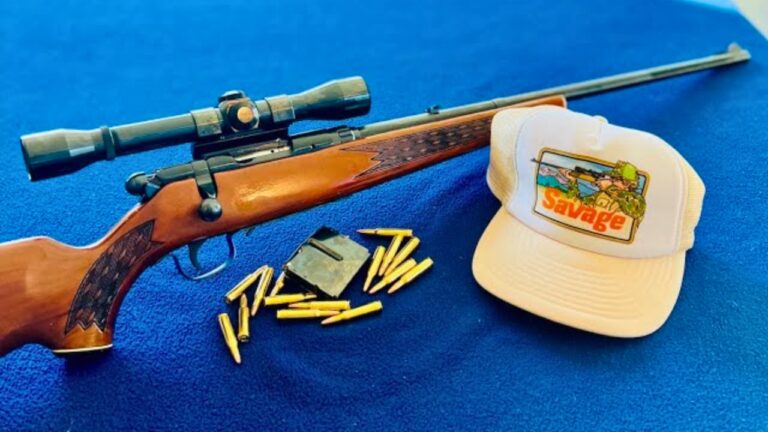
Savage 110
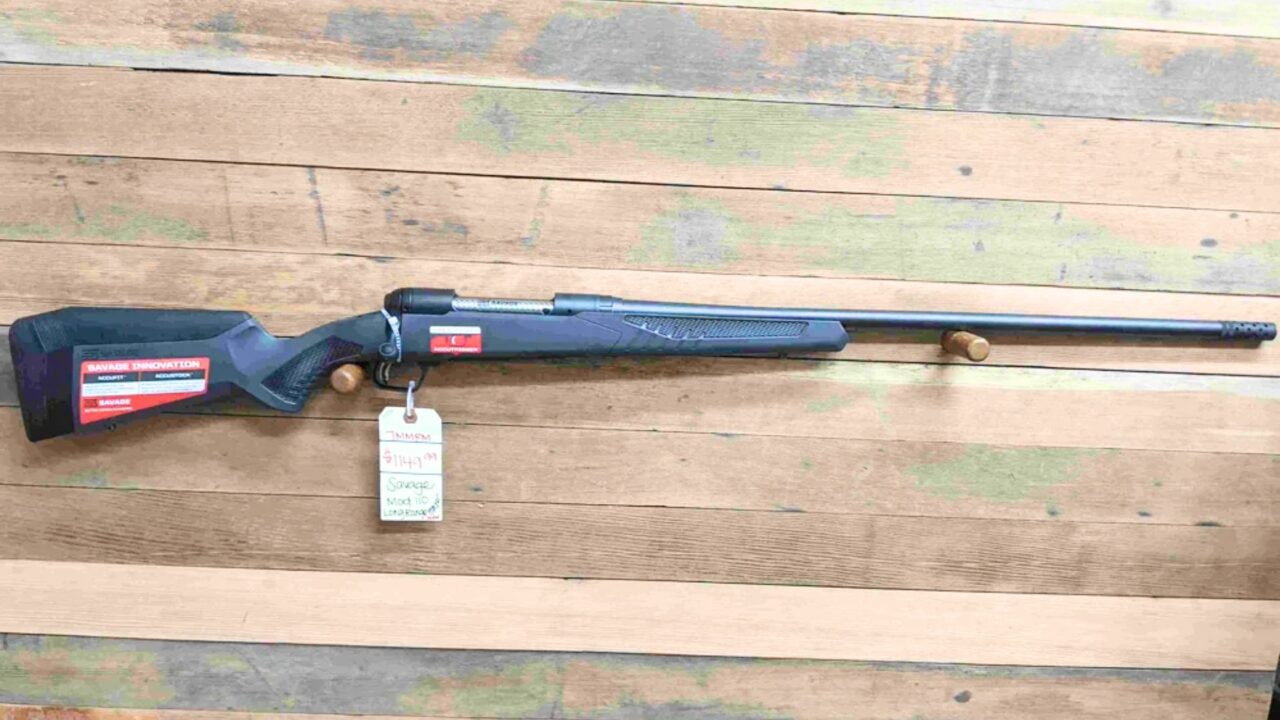
The Savage 110 has spent decades being the rifle people buy because they need a hunting rifle that works. It does not always have the prestige of older Winchesters, Remingtons, or Brownings. It has often been seen as a practical choice, especially by hunters who care more about accuracy than glossy finish.
That practical reputation is why so many stay. The 110 has been chambered in nearly everything, and many examples shoot very well. The AccuTrigger made later rifles even more appealing, but older rifles earned trust too. It is also a platform owners can rebarrel, restock, or tune over time. A Savage 110 may start as “just my deer rifle.” After enough seasons, it becomes the rifle that has been there for every important hunt. That is keeper territory.
Smith & Wesson Model 60
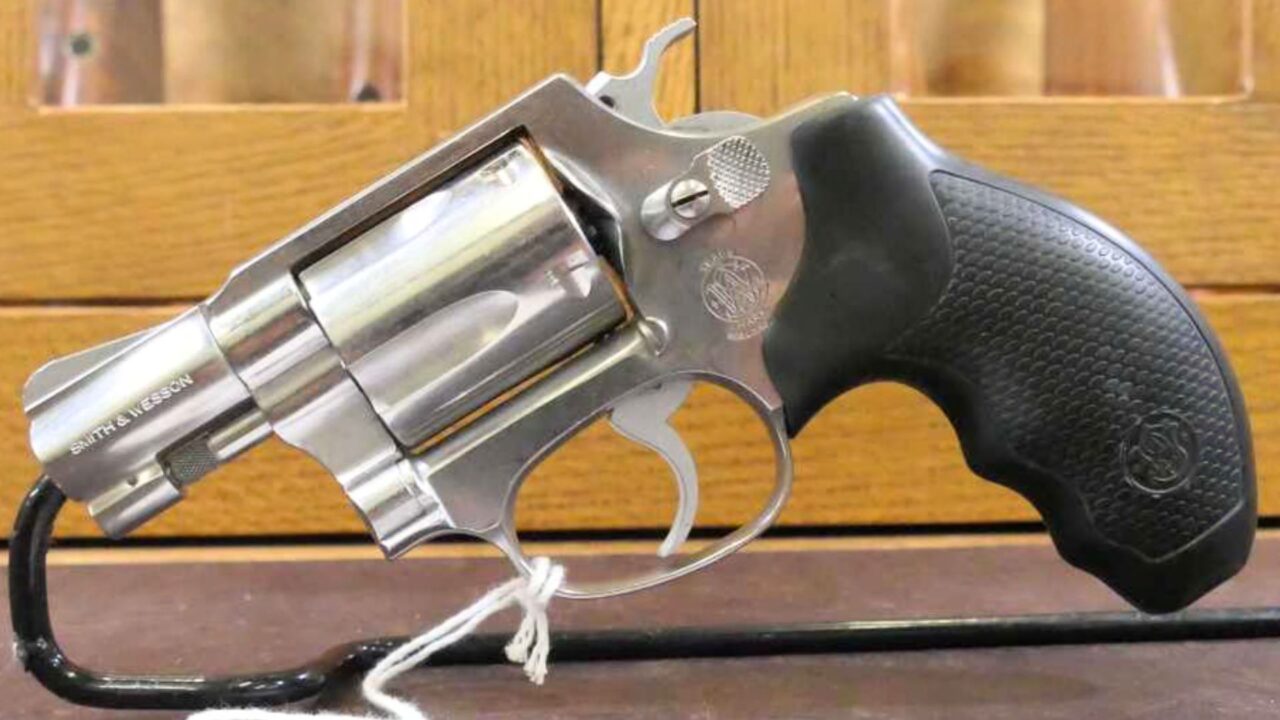
The Smith & Wesson Model 60 often starts as a simple stainless snubnose revolver purchase. It is small, practical, and easy to understand. For many owners, it may have been bought as a carry gun, backup gun, tackle-box gun, or nightstand revolver.
Then it becomes much more than that. The Model 60 has classic J-frame handling with the durability of stainless steel. In .38 Special, it is straightforward and useful. In .357 Magnum versions, recoil can be sharp, but the added chambering gives owners options. It is not the easiest handgun to master, but a small revolver that can be carried, stored, and trusted for years tends to become personal. Owners may buy newer carry pistols later, but the Model 60 often remains.
Browning Buck Mark
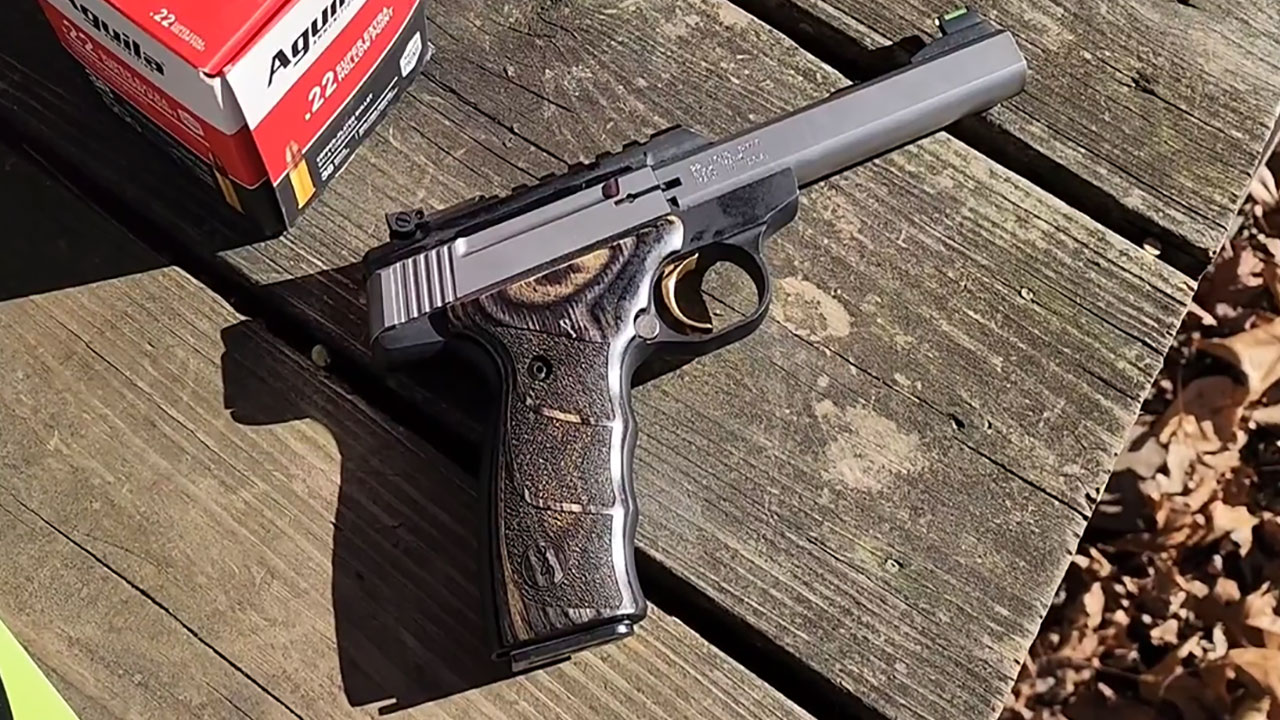
The Browning Buck Mark often becomes a permanent keeper because it quietly becomes one of the most-shot handguns in the safe. A lot of owners buy it as a simple .22 pistol for plinking or teaching new shooters. It may not feel like a major purchase at the time.
Then it starts getting used constantly. The grip is comfortable, the trigger is good, and the pistol is accurate enough to make practice rewarding. It is useful for new shooters, experienced shooters, fundamentals, small-game use where legal, and relaxed range days. A centerfire handgun may be more powerful, but the Buck Mark often gets more actual trigger time. Guns that get used that much become hard to part with. It is not flashy. It is just always worth bringing.
Marlin Model 60
The Marlin Model 60 is one of the most ordinary rifles that ever became a permanent keeper. For many people, it was a first .22, a cheap plinker, or a rifle that lived behind a closet door for years. It was affordable enough that owners did not always think of it as special.
But a good Model 60 has a way of sticking around. The tubular magazine, simple semi-auto action, and surprising accuracy made it a favorite for plinking, small game, and teaching kids. It does not have the endless aftermarket of the Ruger 10/22, but it does not need to become a project to be useful. It just keeps working with ammunition it likes. Ordinary rimfires become permanent when they attach themselves to family memories and easy afternoons.
CZ 75B

The CZ 75B may start as a curious range purchase for shooters who want something different from the usual polymer 9mm. It is heavier than modern carry pistols, all-steel, DA/SA, and old-school in its general feel. On paper, plenty of newer pistols are more convenient.
Then the owner shoots it enough. The grip shape, low bore axis, and recoil control make the CZ 75B extremely pleasant on the range. It points naturally for many shooters and rewards careful practice. It may not be the best choice for concealed carry, but as a range pistol, home-defense handgun, or classic service-style shooter, it earns loyalty quickly. A gun that makes owners enjoy practice has a habit of becoming permanent.
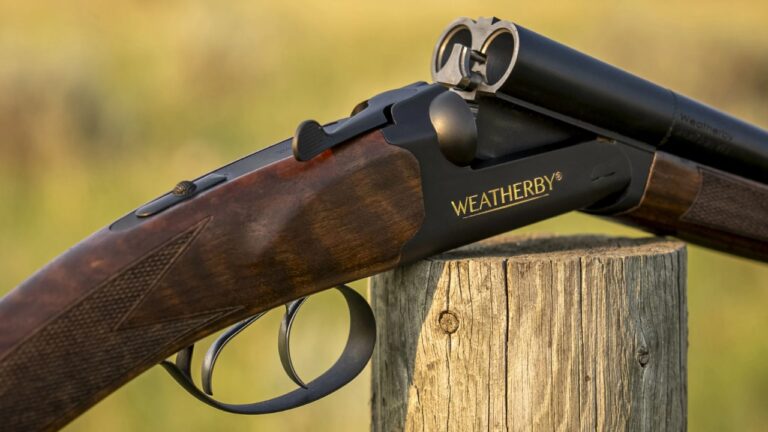
Weatherby Vanguard
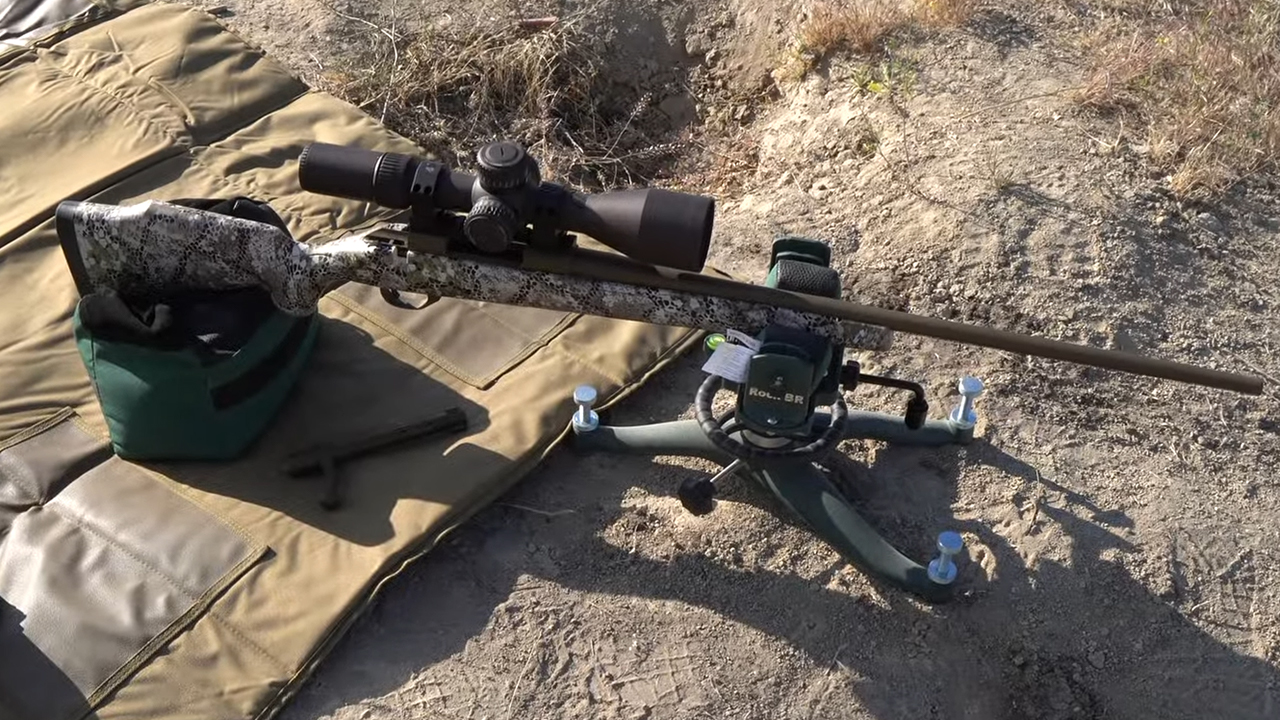
The Weatherby Vanguard is often bought as the sensible rifle, not the dream rifle. It lacks the Mark V’s prestige, and in basic trim, it can look like a plain hunting tool. But sensible rifles have a way of becoming keepers when they shoot well.
The Vanguard’s Howa-built action, solid feel, and strong accuracy reputation make it easy to trust. It is not the lightest rifle, but that weight can help with steadiness and recoil. In useful chamberings, it can handle deer, hogs, and bigger game depending on load and distance. Owners who bought one because it was practical often realize years later that practical was exactly what they needed. A rifle that keeps putting bullets where they belong is not easy to replace.
Beretta 3901

The Beretta 3901 does not always get the same affection as the older 390 or the more polished Beretta semi-autos, but that is part of why it makes this list. Many buyers picked one up as a practical gas-operated shotgun at a more approachable price. It was a shooter, not a showpiece.
That is why it stayed. The 3901 carries Beretta semi-auto DNA in a simpler, working package. It can be soft-shooting, reliable when maintained, and useful for clays, dove, upland birds, and general shotgun work depending on configuration. It may not have the highest-end fit or finish, but if it fits the owner and cycles well, it becomes hard to justify replacing. Shotguns become permanent when they feel natural, and the 3901 has done that for plenty of owners.
Springfield Armory XD Service Model
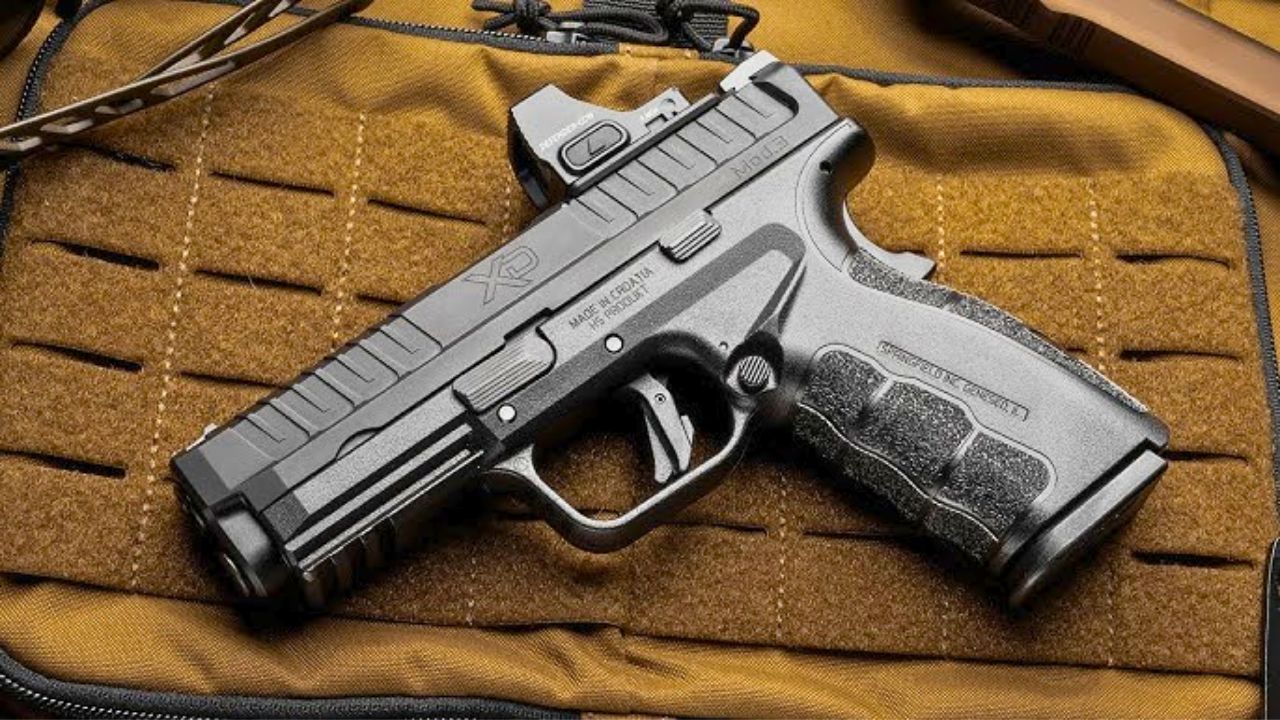
The Springfield XD Service Model was not always the trendy choice, especially once the striker-fired market became packed with newer designs. Some buyers picked one up because it was available, affordable, and came with features they liked. It may not have felt like a forever gun at the time.
For many owners, it became one anyway. The grip angle works well for some shooters, the controls are simple, and the pistol earned trust through regular use. The grip safety is polarizing, but people who like it often feel comfortable with the system. It may not have the aftermarket dominance of Glock or the current buzz of newer pistols, but a reliable XD that fits the hand can become the pistol an owner keeps out of habit and trust. That counts.
Winchester SXP
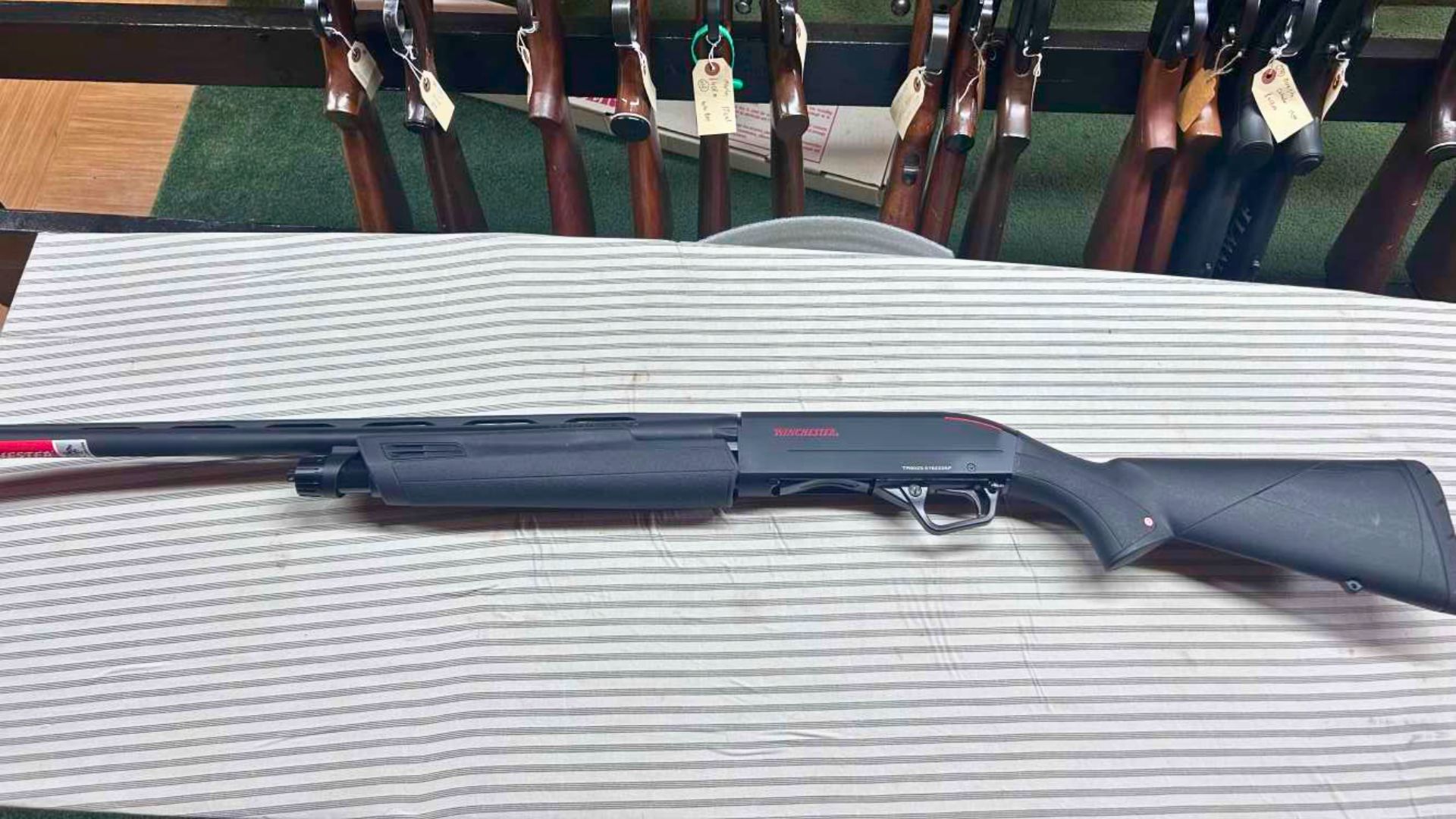
The Winchester SXP is a pump shotgun many people buy because it is practical and affordable. It does not have the nostalgic pull of a Model 12 or the heavy-duty reputation of a Mossberg 590A1. It simply gives shooters a modern pump gun that can handle hunting, clays, and general use depending on setup.
Its inertia-assisted action feel can make it surprisingly quick to run, and the price keeps it accessible. Owners who put it through seasons of dove hunting, turkey hunting, waterfowl, or range use may find that it has quietly become the shotgun they trust. It may not become a high-dollar collectible, but that is not the point. Some guns stay because they have already proven they can handle normal life without complaint.
Ruger SR1911

The Ruger SR1911 often begins as a practical way into the 1911 world. It does not have Colt history, custom-shop mystique, or high-end hand fitting. It is a production 1911 from Ruger, and that straightforward identity is what makes it appealing.
Then owners realize it scratches the 1911 itch without requiring them to baby it. The stainless construction, familiar controls, good value, and solid shooting feel make it easy to keep. It still requires normal 1911 awareness: good magazines, maintenance, and testing. But for many shooters, the SR1911 delivers the classic single-action experience in a package they are not afraid to use. A 1911 that gets shot instead of admired tends to earn a permanent spot.
Thompson/Center Encore
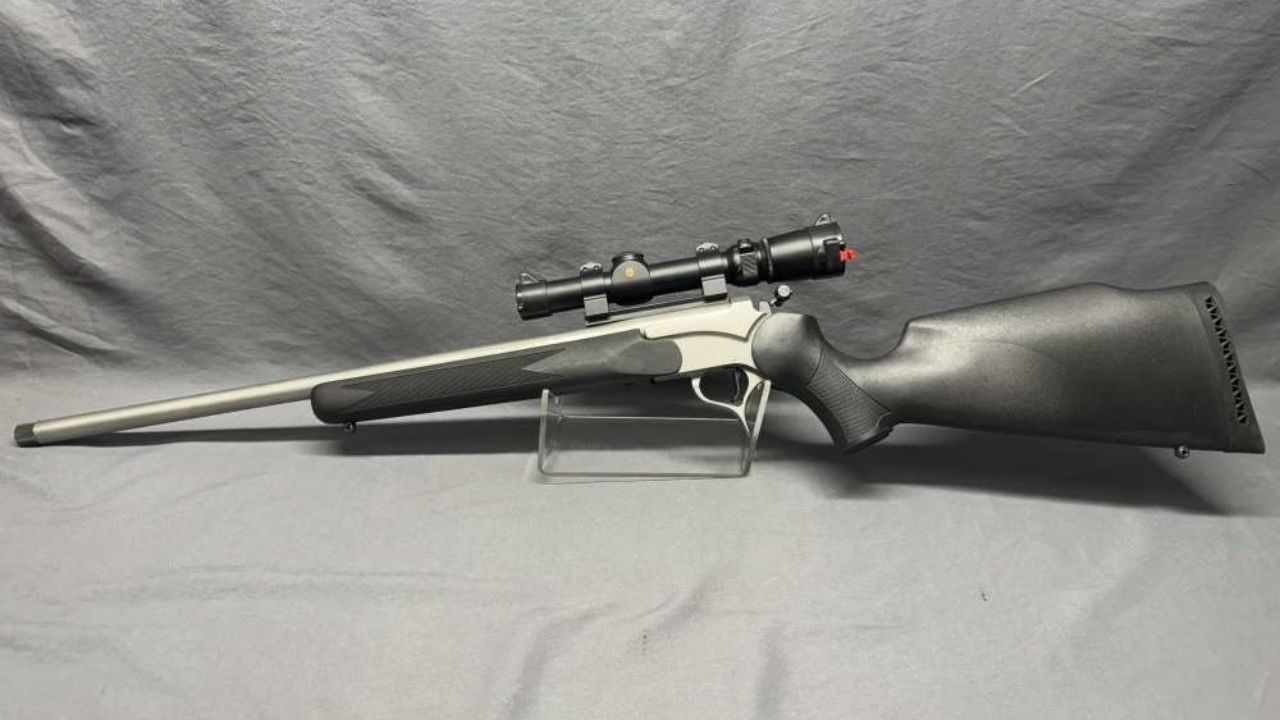
The Thompson/Center Encore is one of those firearms that becomes permanent because it is more of a system than a single gun. Some buyers start with one barrel for hunting, then add another, then another. Before long, the Encore has become part rifle, part muzzleloader, part handgun platform, and part project.
That flexibility is the hook. A single receiver can support different chamberings and roles, depending on barrels and setup. It appeals to hunters who like experimenting, handloaders who enjoy odd cartridges, and people who appreciate single-shot accuracy. It is not for everyone, and swapping barrels is not the same as owning a dedicated rifle for every job. But for the right owner, the Encore becomes too useful and too personal to sell. It is not ordinary anymore once it grows around the shooter.
Benelli Nova
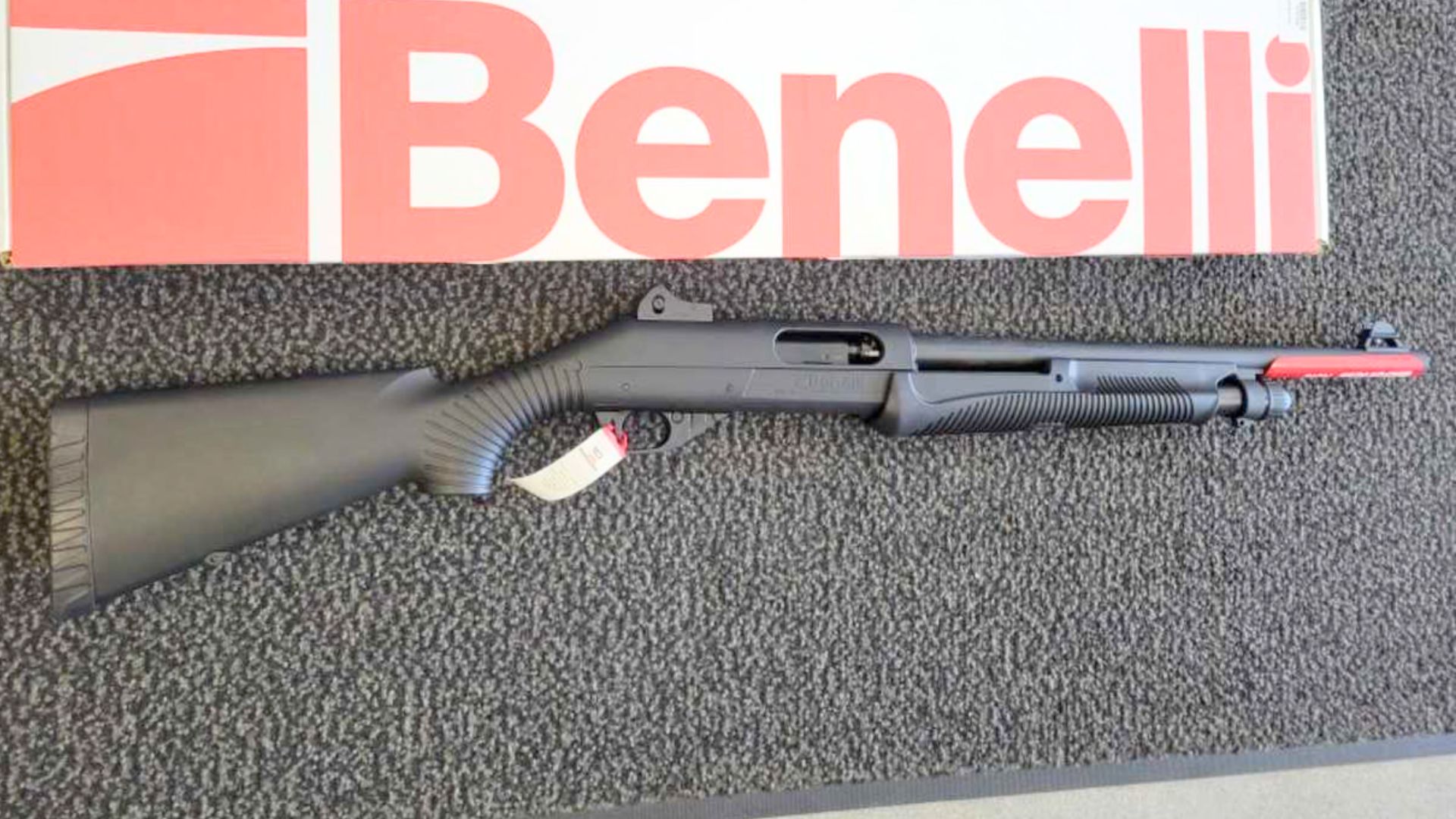
The Benelli Nova often starts as a practical, rugged pump shotgun purchase. It looks unusual, especially with its one-piece receiver and stock design, and it does not have classic walnut-and-steel charm. Many buyers choose it because they want something that can take bad weather and rough use.
That is exactly why it becomes a keeper. The Nova is tough, simple, and built for hunters who are not gentle on gear. It can handle waterfowl, turkey, upland use, and general shotgun roles depending on barrel and configuration. It may not be the smoothest or prettiest pump, but it gives owners confidence when conditions are ugly. A gun that survives rain, mud, cold, and neglect has a way of becoming permanent. Practical toughness ages well.
Like The Avid Outdoorsman’s content? Be sure to follow us.
Here’s more from us: