Photo credit: Big Game Hunting Blog/Youtube
Some cartridges do not look exciting in a catalog. They don’t have wild velocity claims, giant cases, intimidating recoil, or the kind of reputation that makes people at the range stop and ask questions. They look normal, familiar, and sometimes downright dull.
Then they hit something.
That’s where boring cartridges start earning respect. On paper, they may seem mild, outdated, or too practical to be interesting. But with the right bullet, the right distance, and the right shooter, they can deliver the kind of real-world performance that makes all the hype feel unnecessary.
.30-30 Winchester
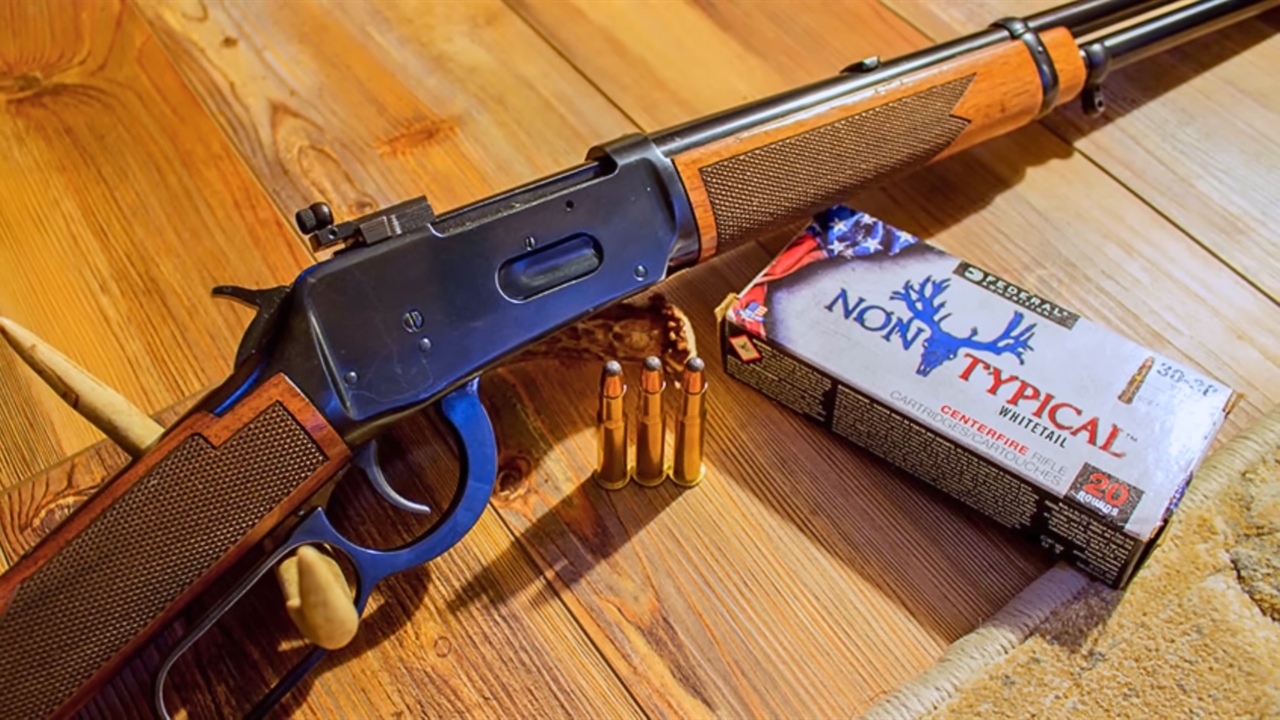
The .30-30 Winchester is probably the king of “boring until it works.” It has been around so long that some shooters talk about it like it belongs in a museum. It doesn’t shoot flat by modern standards, and it doesn’t make sense for long-range hunting. That makes it easy for newer hunters to underestimate.
Then a deer steps out at woods distance, and the .30-30 does what it has always done. Inside its realistic range, it hits with more authority than its paper ballistics suggest. In a handy lever-action, it comes to the shoulder quickly and works beautifully in timber, brush, and creek bottoms. It is not trying to be a 400-yard cartridge. It is trying to be a practical deer-woods round, and it still does that job extremely well.
.308 Winchester
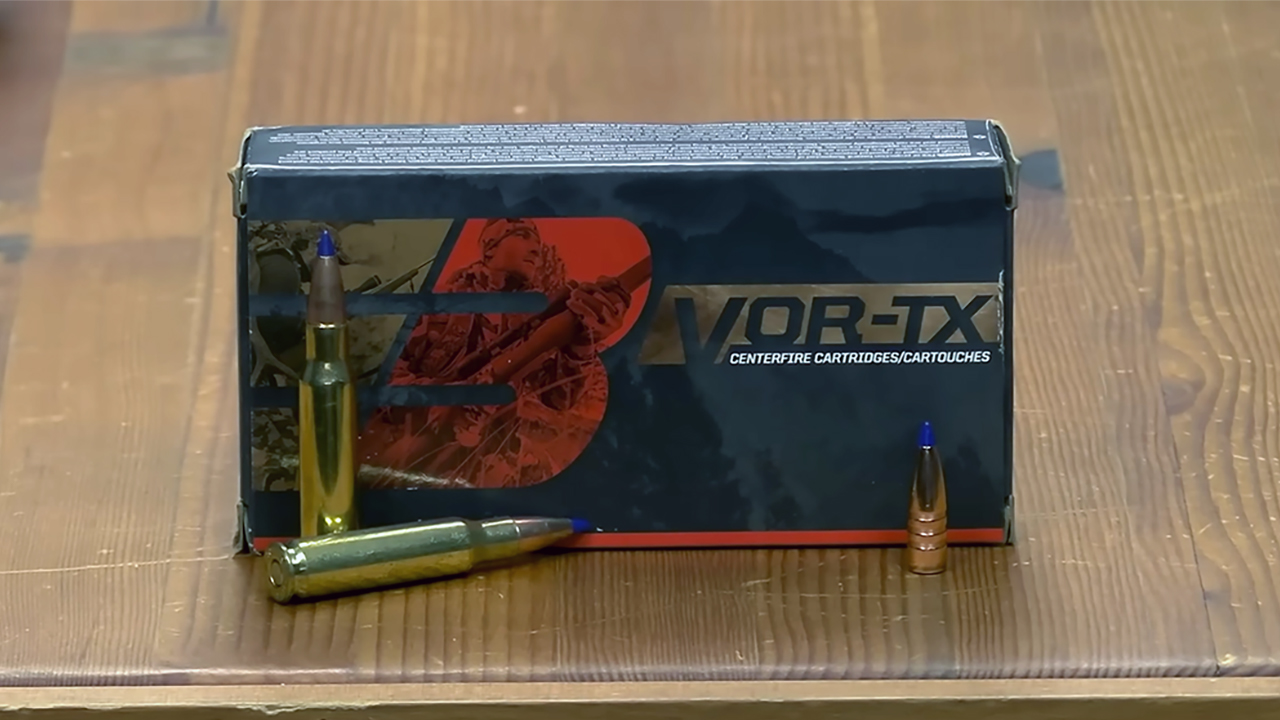
The .308 Winchester is so common that it almost feels invisible. Everyone knows it. Everyone has an opinion on it. It isn’t as trendy as newer long-range rounds, and it doesn’t have the raw power of a magnum. That makes some shooters treat it like the plain middle option.
The target usually disagrees. The .308 hits with real authority on deer, hogs, black bear, and larger game inside practical hunting distances. It is efficient, accurate in many rifles, widely available, and easy to load for. It may not win every long-range comparison anymore, but hunting is not only about winning charts. A well-placed .308 bullet still lands with enough force to remind people why the cartridge became a standard in the first place.
7mm-08 Remington

The 7mm-08 Remington looks almost too sensible to get excited about. It doesn’t have a magnum name, doesn’t kick hard, and doesn’t come with much drama. Some hunters overlook it because it sounds like a quiet compromise cartridge.
That quiet compromise is exactly why it works. The 7mm-08 offers excellent bullet selection, manageable recoil, and strong field performance on deer, hogs, black bear, and elk with the right load and good shot placement. It performs especially well in compact rifles, making it useful for hunters who want capability without unnecessary punishment. Once the target reacts, the cartridge stops looking boring. It starts looking like one of the smartest choices in the rack.
.243 Winchester
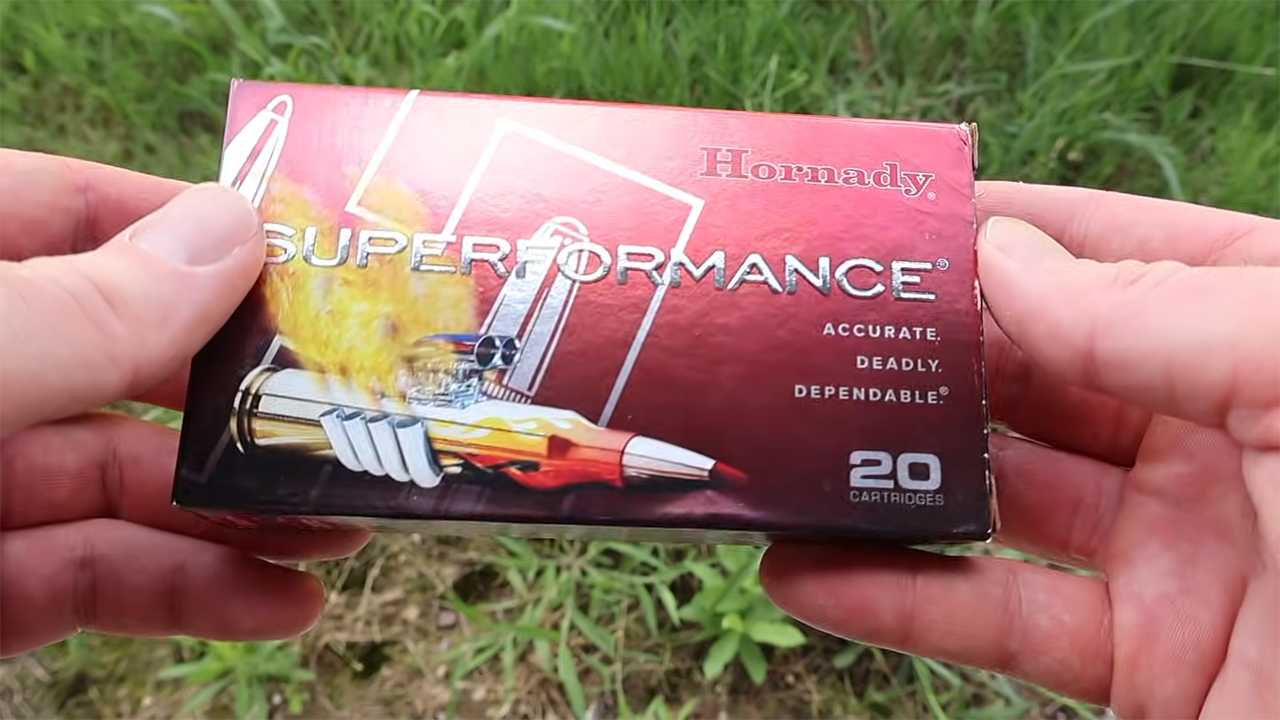
The .243 Winchester gets labeled as a youth cartridge so often that people forget how effective it can be. Mild recoil does not mean weak performance. It simply means more hunters can shoot it accurately, and accuracy still matters more than ego.
With proper bullets, the .243 Winchester has earned its place on deer, antelope, predators, and varmints. It is flat enough for practical hunting, soft enough for newer or recoil-sensitive shooters, and accurate enough to inspire confidence. The target reacts because the bullet is placed well, and the bullet is placed well because the shooter isn’t flinching. That is not a small advantage. The .243 looks polite until it starts doing real work.
.270 Winchester
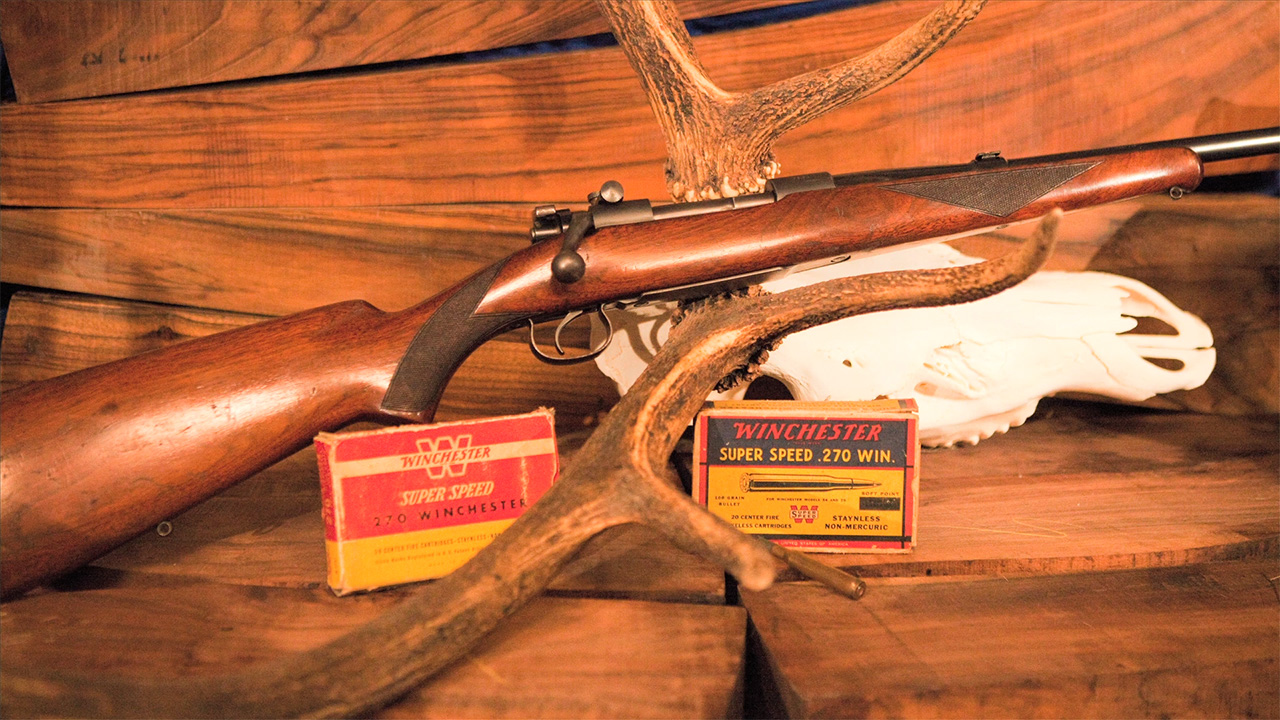
The .270 Winchester is famous, but somehow it still gets treated as boring by shooters chasing newer cartridges. It has been around so long that its excellence feels ordinary. It doesn’t have the latest high-BC marketing push, and it doesn’t need one.
On game, the .270 still hits with a flat-shooting authority that has made generations of hunters loyal. Deer, antelope, sheep, hogs, and elk with the right bullets have all fallen to it cleanly. It shoots flatter than many expect, kicks less than bigger magnums, and offers enough reach for most real hunting. The .270 is boring in the same way a sharp knife is boring. It just keeps working.
.257 Roberts

The .257 Roberts looks mild enough that some hunters underestimate it before they ever fire a round. It has an old-fashioned name, limited modern shelf presence, and none of the loud reputation newer cartridges enjoy. That makes it easy to dismiss.
But the Roberts has always had a graceful kind of performance. With good bullets, it is excellent on deer-sized game, offering mild recoil and enough speed to hit decisively without punishing the shooter. It rewards careful marksmanship and fits hunters who value control over noise. It may not impress anyone looking for the most extreme numbers, but when the target reacts, the cartridge makes its point clearly. The Bob is boring only to people who haven’t watched it work.
.35 Remington
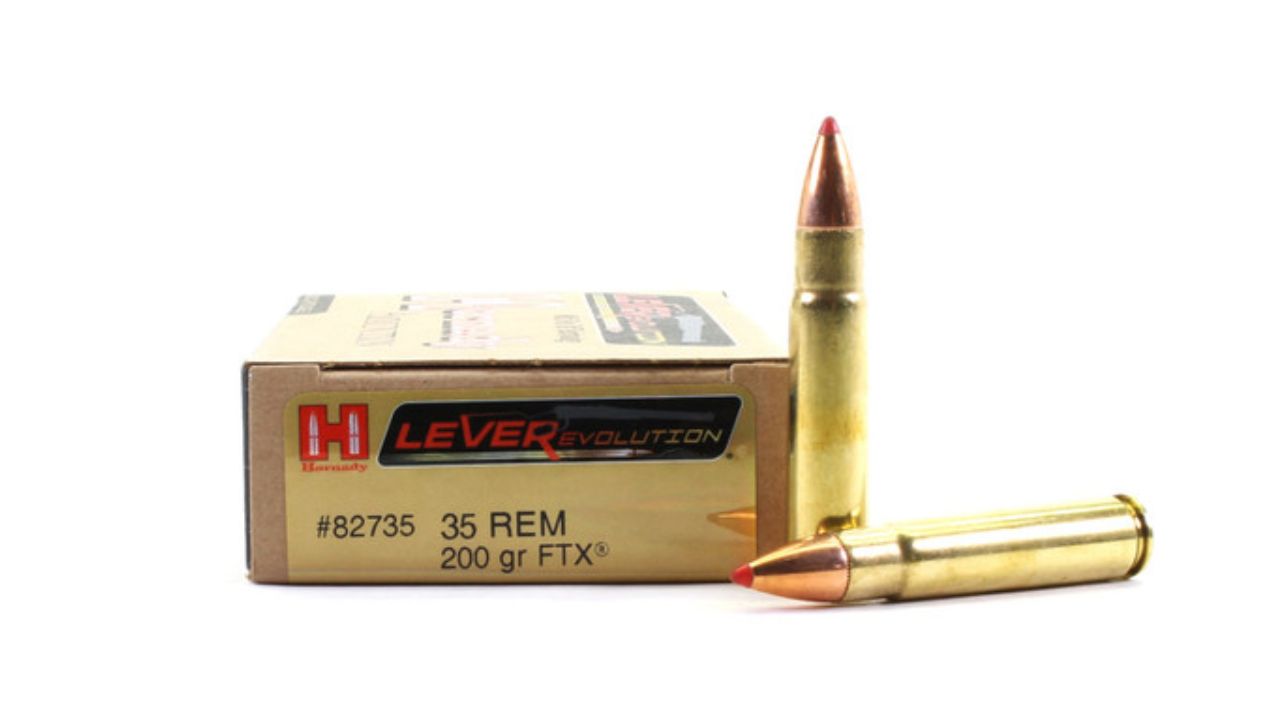
The .35 Remington does not look impressive to people who worship velocity. It’s not fast, not flat, and not designed for long-range shooting. Its natural home is the woods, where shots are closer and bullet weight matters more than online bragging.
That is where it shines. The .35 Remington hits with a heavy, noticeable thump on deer, hogs, and black bear at practical distances. It has long been appreciated by hunters who work timber and want a cartridge that makes an impact without needing magnum speed. Ammunition availability can be frustrating now, but capability was never the issue. The .35 Remington looks slow on paper and serious in the woods.
.300 Savage
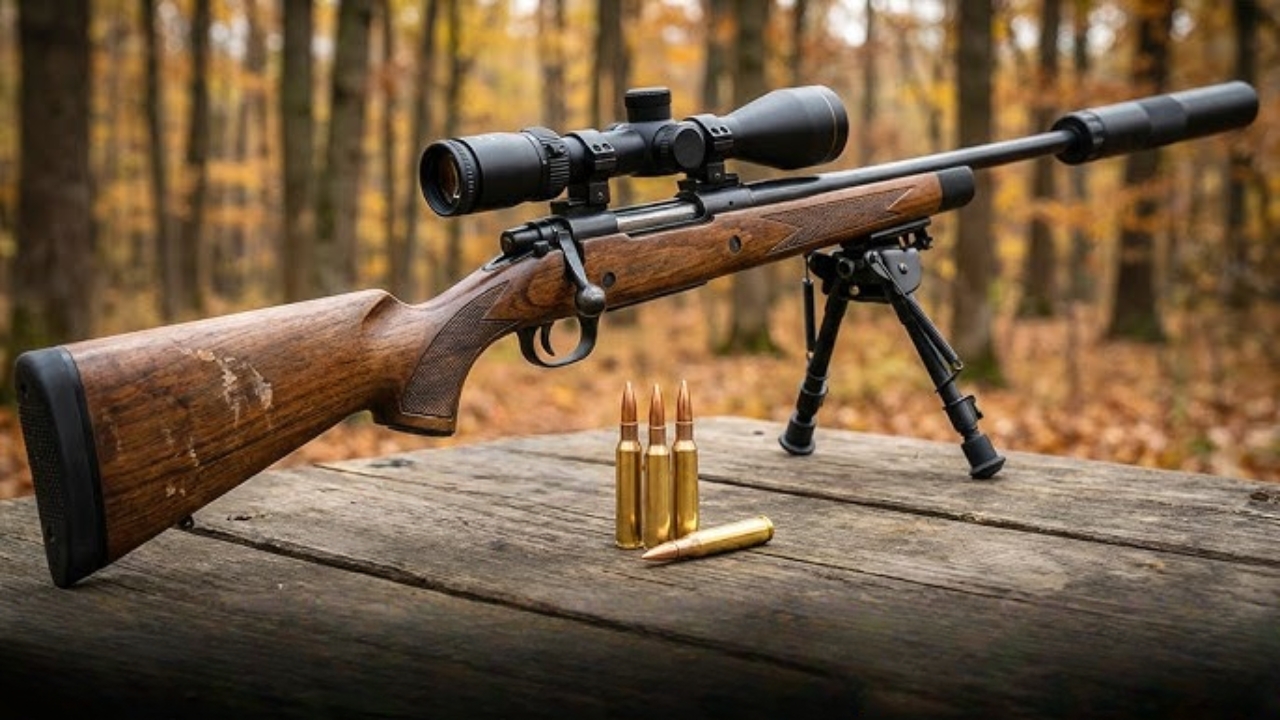
The .300 Savage often gets treated like a historical footnote because the .308 Winchester became more famous and more widely supported. That’s understandable, but it doesn’t mean the .300 Savage stopped being effective. It was built to do practical hunting work, and it still can.
In rifles like the Savage 99, the .300 Savage offers plenty of punch for deer and similar game at normal hunting ranges. It has mild enough recoil for good shooting and enough authority to make clean hits count. The cartridge may not have modern popularity, but the target won’t know that. It looks boring because it’s old. It works because good design doesn’t expire just because something newer became more common.
.44 Magnum
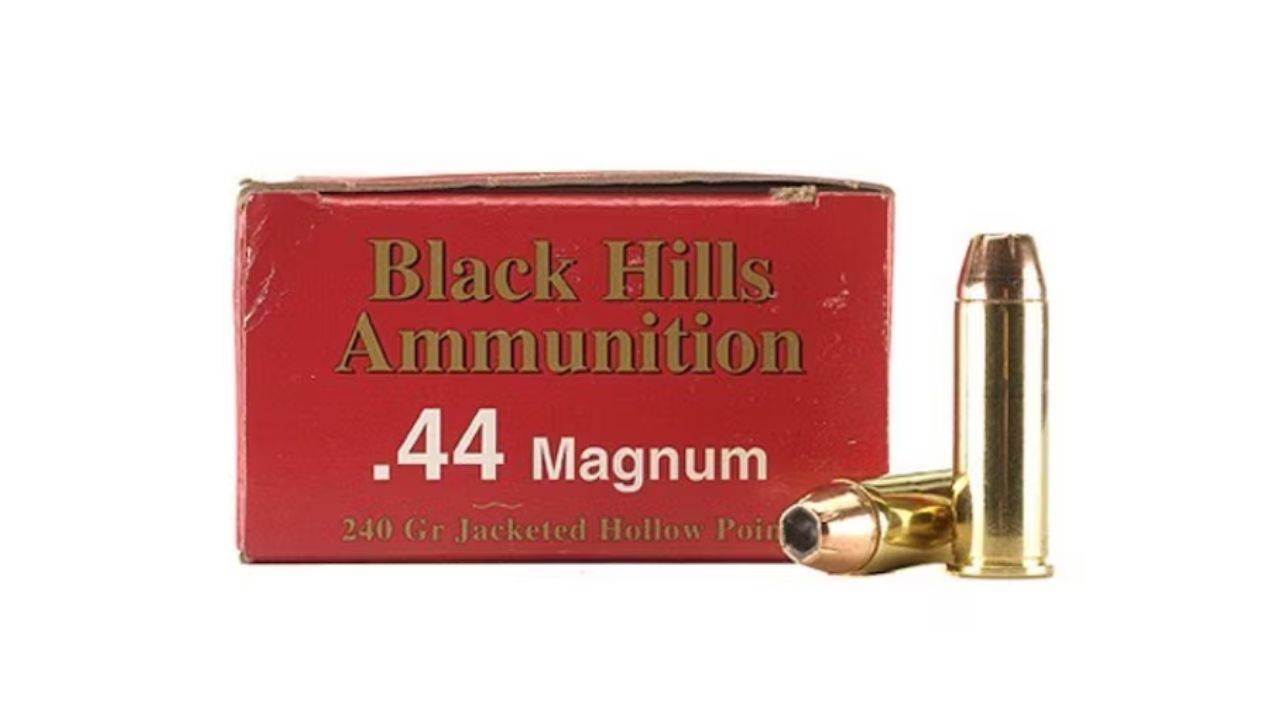
The .44 Magnum in a rifle can surprise people who only know it from revolvers. In a handgun, it is loud, flashy, and famous. In a carbine, it becomes something different: a handy short-range thumper that hits much harder than its size suggests.
From a lever-action or bolt-action rifle, the .44 Magnum gains velocity and becomes very useful for deer, hogs, and close-cover hunting where legal and appropriate. It is not a long-range cartridge, and pretending otherwise misses the point. Inside its lane, though, it delivers a lot of impact from a compact rifle. It may look like a pistol round, but the target reacts like it knows better.
.45-70 Government

The .45-70 Government does not always look boring because its reputation is already big, but some shooters still dismiss it as an old relic. They see a cartridge from the 1800s and assume modern hunting has passed it by. That is a dangerous assumption if the rifle and load are appropriate.
The .45-70 hits hard in a very obvious way. In modern rifles with suitable loads, it can handle deer, hogs, black bear, and larger game at close to medium ranges. It throws heavy bullets with authority, especially in thick cover where speed matters less than impact and penetration. Recoil can be significant, and loads must be matched to the gun. But when the target reacts, nobody wonders whether the cartridge is outdated.
.223 Remington

The .223 Remington gets dismissed by hunters because it is small, fast, and closely tied to AR-15s and varmints. That caution is fair for big-game use, and laws vary widely. It is not a cartridge to stretch beyond its limits or use carelessly.
Within the right role, though, .223 Remington is far from weak. On varmints, predators, and target work, it is accurate, low-recoil, affordable, and extremely useful. With proper bullets and where legal, some hunters use it carefully on small deer or hogs at close ranges, though it demands discipline. The .223 looks boring because it is common. The target reacts because a fast, well-placed bullet still matters.
6.5 Grendel
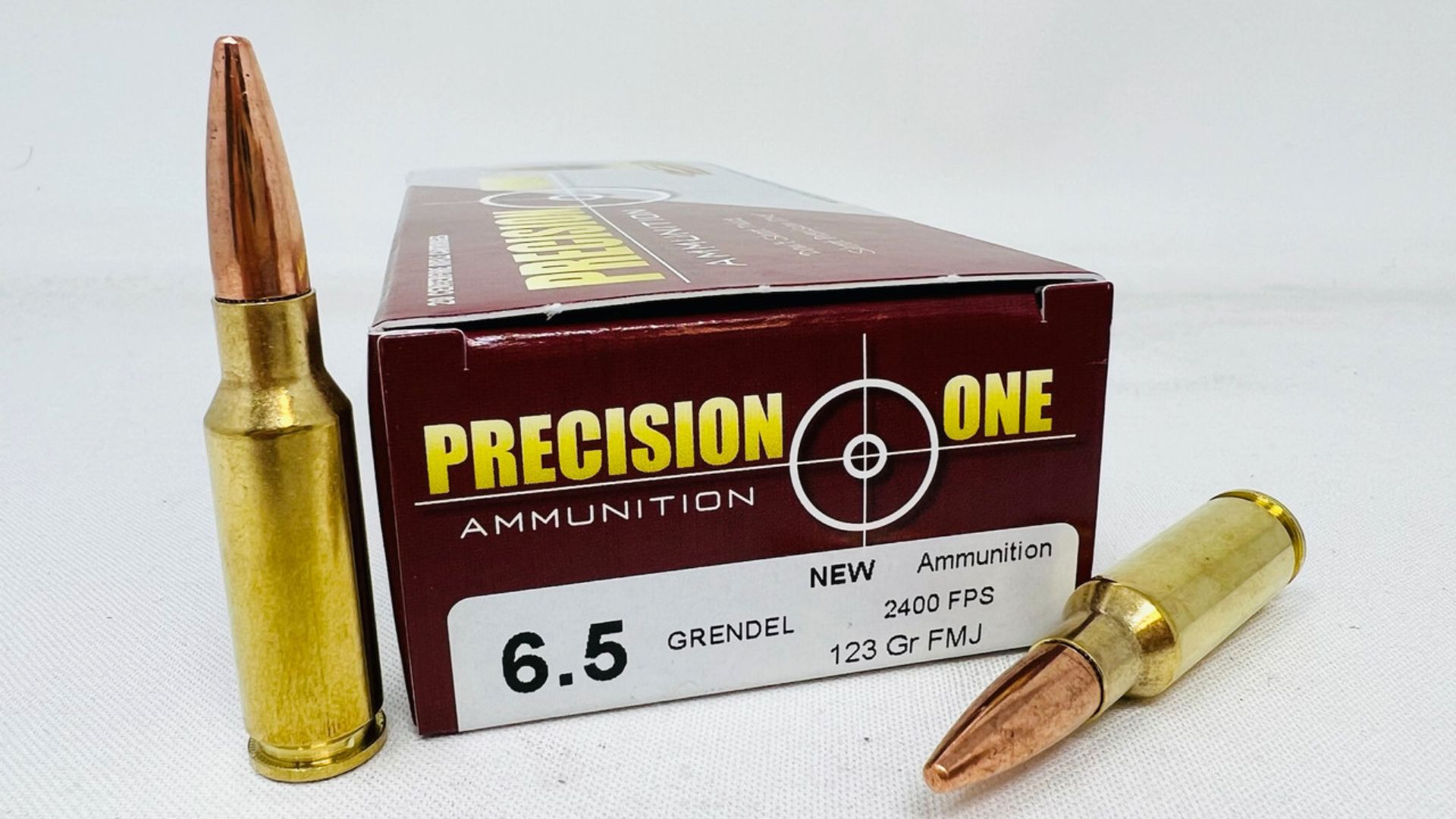
The 6.5 Grendel looks modest because it fits into compact rifles and AR-15 platforms. Some shooters see the small case and assume it can’t hit very hard. Others compare it unfairly to larger cartridges and miss what it was designed to do.
The Grendel is efficient. It carries energy well for its size, recoils lightly, and gives hunters a useful option for deer, hogs, predators, and similar game where legal and appropriate. It is not a magnum and should not be treated like one. But inside realistic distances, it performs far better than many skeptics expect. The target reaction is usually where the cartridge earns its respect.
.280 Remington
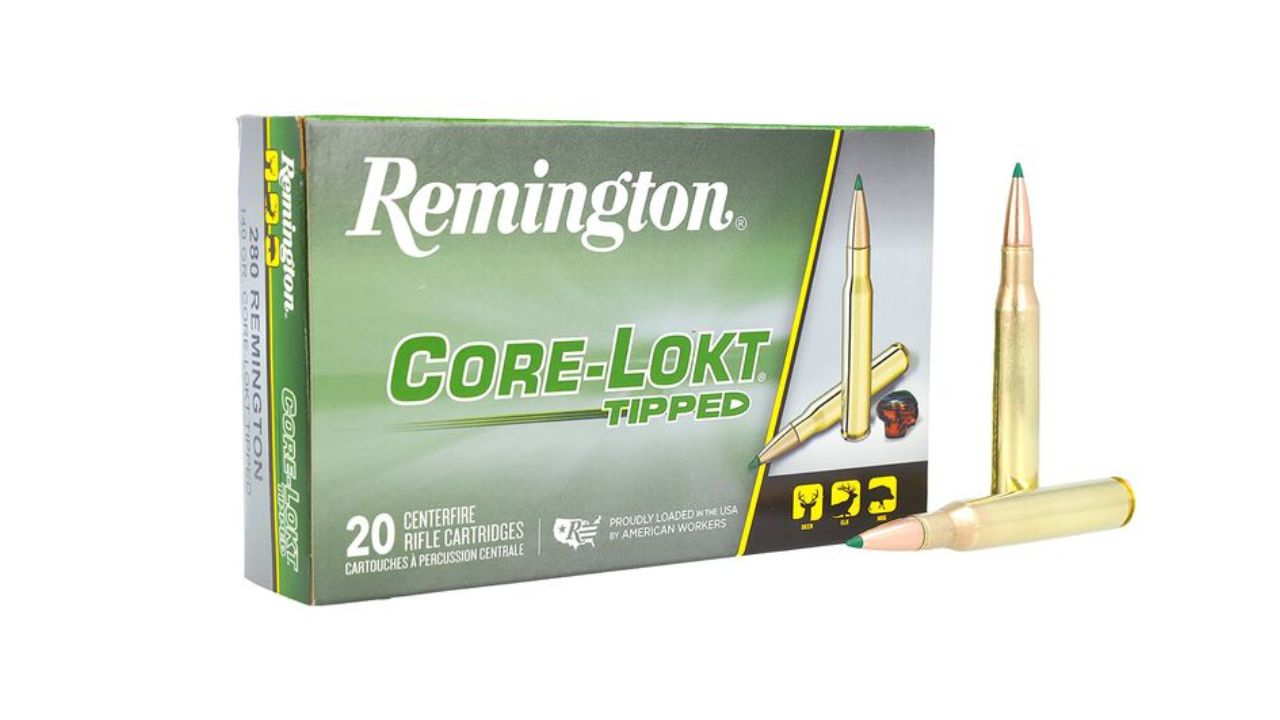
The .280 Remington has always had a quiet personality because it lives between louder neighbors. The .270 Winchester gets the history, and the 7mm Remington Magnum gets the magnum attention. The .280 sits there looking sensible and underappreciated.
That changes when it is used well. The .280 offers excellent 7mm bullet selection, plenty of velocity, and enough authority for deer, elk, antelope, hogs, and similar game with proper bullets. It does a lot of what hunters want without the blast and recoil of larger magnums. It may not dominate campfire conversations, but the target reacts like the cartridge has nothing to prove. The .280 is one of those quiet performers that should never have been ignored.
.338 Federal
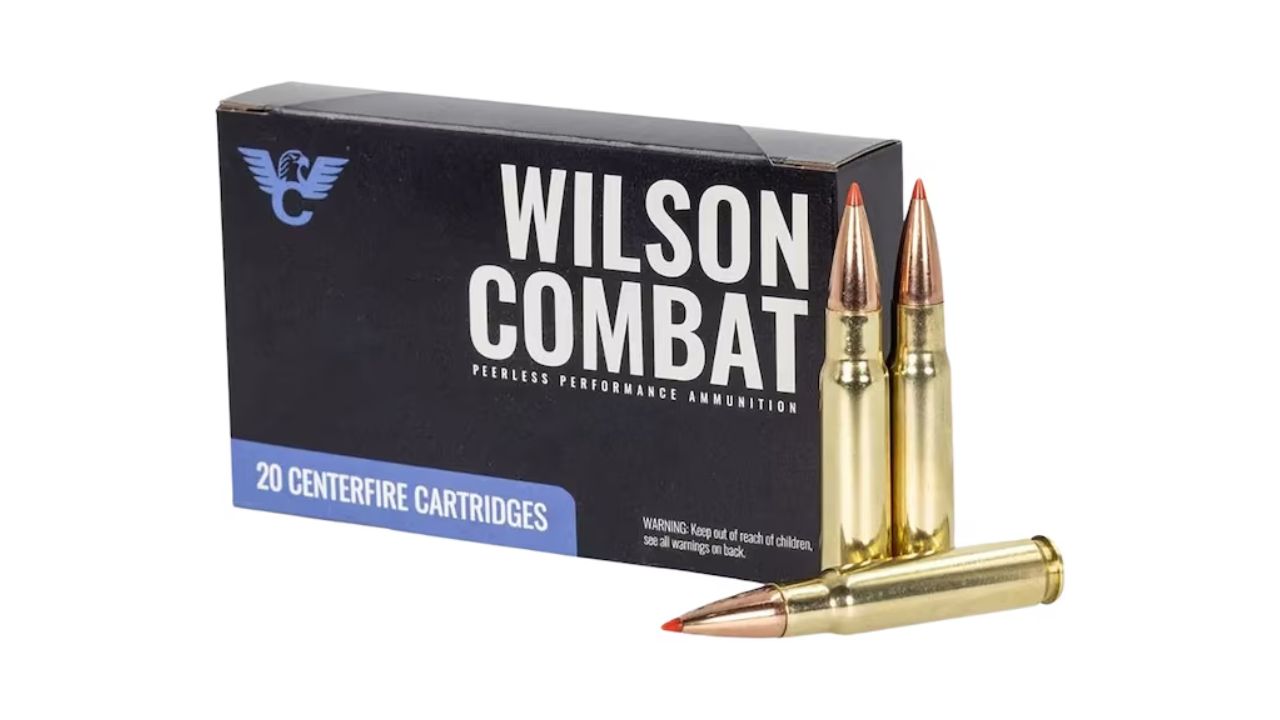
The .338 Federal looks boring only because it never got the popularity it deserved. It doesn’t have magnum speed, and it doesn’t show up on every shelf. Many hunters either stay with .308 Winchester or jump straight to larger magnums, leaving the .338 Federal in a quiet middle ground.
That middle ground is useful. It throws heavier bullets from a short-action rifle and hits with real authority at normal hunting distances. For deer, hogs, black bear, and larger game in the right situations, it offers more impact than many people expect without requiring a magnum rifle. The recoil is still noticeable, but it is generally more manageable than bigger magnums. It looks niche until the target reacts.
.40 S&W

The .40 S&W gets a lot of criticism now, especially from shooters who moved back to 9mm. It is snappier, often more expensive to shoot, and offers less capacity than 9mm in similar guns. Those are real drawbacks. But the backlash has made people forget that the cartridge still has teeth.
In a full-size pistol with a trained shooter, .40 S&W hits with authority and offers heavier bullets than 9mm in many loads. It is not automatically better, and many shooters perform better with 9mm because recoil matters. But .40 did not become ineffective just because the market changed its mind. On steel, paper, or defensive testing media, it still reminds people that boring old duty rounds can hit harder than their current reputation suggests.
Like The Avid Outdoorsman’s content? Be sure to follow us.
Here’s more from us: