Photo credit: AI-generated image created using ChatGPT. Illustrative only
You can be doing everything right on a public-land hunt and still end up staring at a badge and a clipboard. One hunter recently learned that lesson the hard way when a complaint brought a game warden to their spot—despite the group being fully legal and properly permitted.
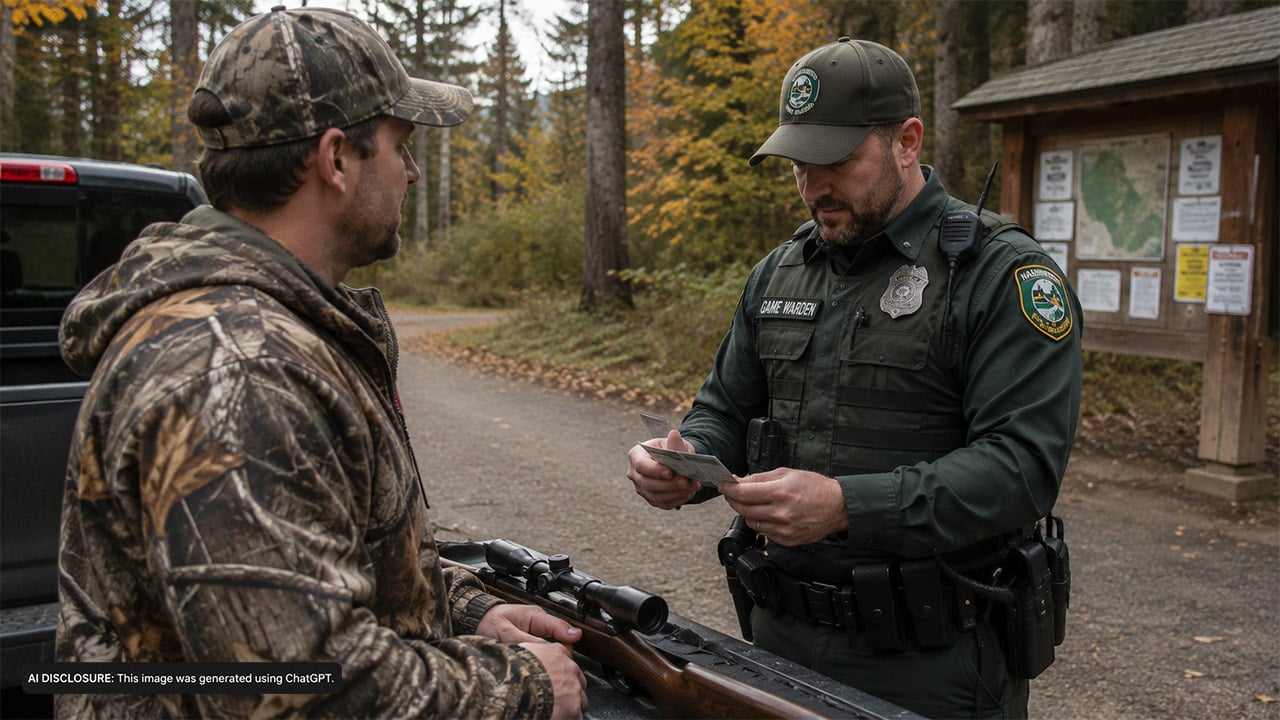
In the original post, the hunter explained that someone reported them for hunting illegally. The warden arrived and went through their paperwork top to bottom. Licenses, tags, trailer registration, ATV registration—everything the officer could reasonably check. It all came back clean.
A public-land hunt bordered by private ground can turn touchy fast
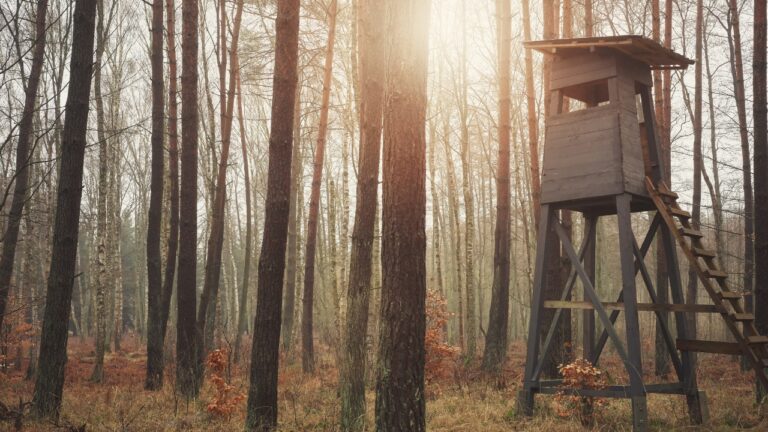
The setup matters here. The group was hunting public land that’s surrounded on three sides by private property. If you’ve hunted places like that, you already know the friction points: property lines aren’t always obvious, shots get heard across fence lines, and some landowners assume anyone nearby must be crossing over.
Even when hunters stay inside the boundary, the perception from the outside can look different. A truck parked near a gate, an ATV trail that runs close to a fence, or a deer dragged out along a route that looks “too close” can be enough to make somebody pick up the phone.
The call brought a full compliance check, not a quick chat
When the warden showed up, it wasn’t just a casual wave-and-nod. The hunter described a thorough check of basically everything connected to the hunt: hunting licenses and tags, plus registrations for the trailer and ATVs.
That’s how it often goes. Once an officer is there on a complaint, especially one alleging illegal hunting, they’re going to verify compliance. It’s not personal, and it doesn’t mean you’re guilty. It means the state has to confirm what’s true before the warden can clear the call and move on.
Why would someone report a legal hunter?
The hunter’s read on the situation was simple: the surrounding private landowner may have been tired of watching public-land hunters take deer in the same neighborhood. When public ground is hemmed in by private, it can feel to some folks like “their” deer are being taken the moment they cross an invisible line.
But deer don’t care about posted signs, and public land is there for everyone. Still, jealousy and frustration are real, especially in areas where access is limited and pressure is high. Sometimes the complaint isn’t about safety or legality—it’s about trying to influence who hunts where.
What a clean check really means for hunters in the field
On the bright side, a full check that comes back clean is the best outcome you can hope for when a warden gets called. No citations. No gear seizure. No day-ending headache beyond the interruption and the spike of adrenaline when you realize someone is accusing you of wrongdoing.
But it’s also a reminder that “being legal” isn’t just something you are—it’s something you can prove quickly. In the real world, that means having your license and tags squared away, keeping registrations current if you’re operating equipment that requires it, and not assuming you’ll have time to dig through a glovebox full of paper when an officer is standing there waiting.
It also highlights how important it is to know the boundary lines cold. A complaint can be baseless, but if you’re even accidentally over the line—dragging a deer across a corner, following blood onto private, cutting through a strip you “always used”—a simple check can turn into a bad day.
Keeping your cool matters, even when the report feels petty
The hunter was clearly frustrated that someone would make the call at all. Most of us would be. When you’re spending time and money to do it right, getting treated like a suspect can hit a nerve.
Still, this is one of those moments where attitude is as practical as any piece of gear. A calm, straightforward interaction helps everyone get to the same finish line: the officer verifies legality, you get back to hunting, and the complaint is resolved. Arguing about motives or trying to guess who called doesn’t help in the moment, and it can escalate a situation that should stay simple.
The lesson: public access is worth defending, and documentation is part of the hunt
The hunter’s story ends the way you want these to end: everything checked out. But it also shows how quickly things can shift on public land that butts up against private property. One phone call can bring a warden to your camp, your truck, or your stand.
If you hunt those kinds of places, treat paperwork and boundaries like essentials, right up there with warm layers and a sharp knife. Public land is a shared resource, and the best way to keep it that way is to hunt it clean, stay inside the lines, and be able to prove it when someone decides to test you.
Like The Avid Outdoorsman’s content? Be sure to follow us.
Here’s more from us: