Photo credit: Tenacious Trilobite/YouTube
Some rifles start out affordable and stay that way. Others get a brief window where regular buyers can still grab one without much pain, then the market wakes up and the easy money disappears. That usually happens for the same reasons over and over. The rifle is better than people first gave it credit for, production dries up, collectors get interested late, or shooters suddenly realize they all want the same thing at once.
That is when the price starts climbing and never really settles back down. A lot of these rifles were once brushed off as too plain, too niche, or too ordinary to worry about. Then buyers looked up one day and realized the “I’ll buy one later” rifle had become a “you should’ve bought one years ago” rifle. Here are 15 rifles that never seemed to stay cheap for very long once the market got serious.
Winchester 9422

The 9422 is one of the clearest examples of a rifle that slipped out of the affordable lane faster than many buyers expected. For a while, it was “just” a very nice lever-action .22, which was enough to make people admire it without feeling urgency. That kind of thinking usually ends badly once quality rimfires start getting appreciated the way they should.
The 9422 had too much going for it to stay cheap forever. It was smooth, well made, and carried the kind of old Winchester appeal buyers always seem to rediscover too late. Once people started realizing it was not just another rimfire, the price moved fast and never really looked back.
Marlin 39A
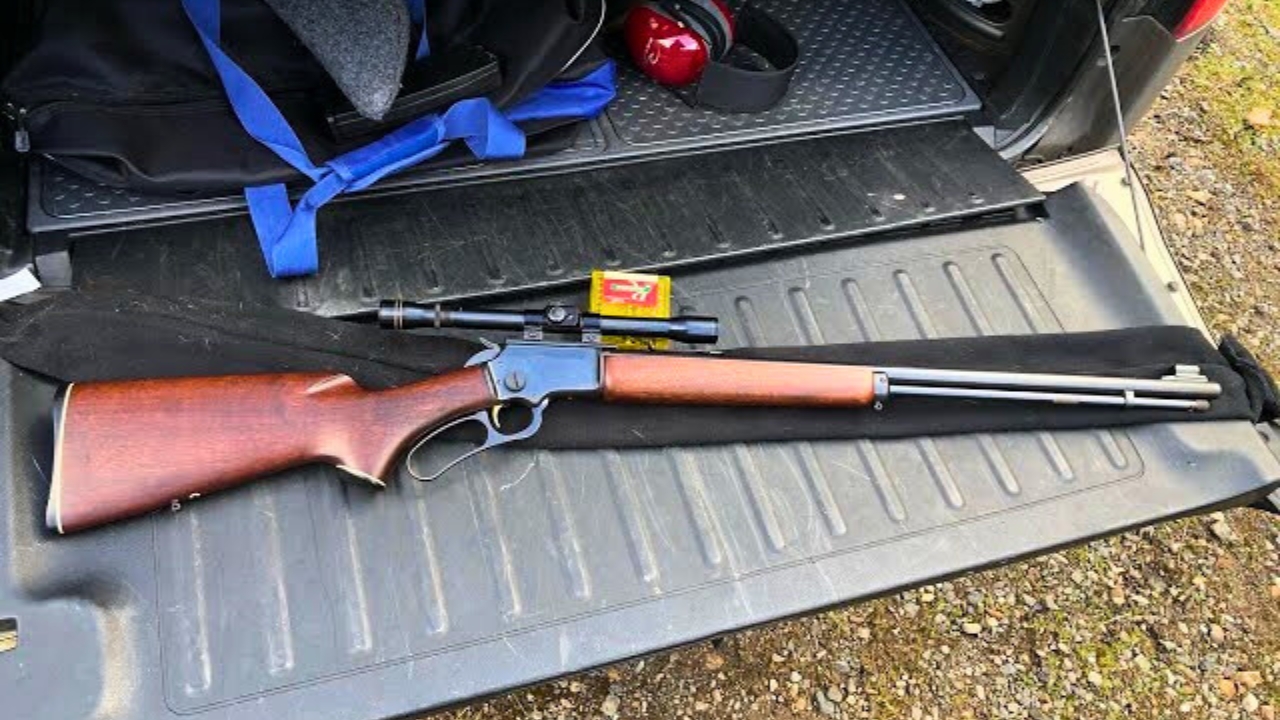
The 39A spent years being underestimated because too many people still think “rimfire” means “should be inexpensive.” That logic never holds for long when the rifle in question is this well made and this widely respected. The 39A was always the sort of .22 lever gun people liked, but eventually the market decided liking it was not enough and started pricing it like it mattered.
That was the end of the cheap period. Once buyers started chasing older examples with real condition and originality, the 39A stopped being the rifle people casually circled back to. It became the one they wished they had grabbed before everybody else remembered what it was.
Winchester Model 61

The Model 61 never really had the luxury of staying cheap once collectors started paying attention to old pump .22s. For a while, it sat in that dangerous middle ground where people respected it without always moving quickly enough on it. That is exactly the kind of market delay that turns into regret later.
Once more buyers started appreciating how slick, useful, and well-built these rifles really were, the pricing tightened hard. Nice 61s stopped lingering, and the old idea that a rimfire pump could still be had without much pain became a lot harder to defend.
Browning BL-22

The BL-22 was always too polished and too enjoyable to remain bargain-bin material forever. The only reason it got any kind of “cheap” period at all was because people kept treating rimfires and lever-action .22s like secondary purchases. That gave buyers a little breathing room, but not much.
Once the market started valuing quality sporting rimfires more seriously, the BL-22 got caught in the shift immediately. It had too much fit, too much finish, and too much everyday appeal to sit around at low prices once people stopped taking it for granted.
Savage 99
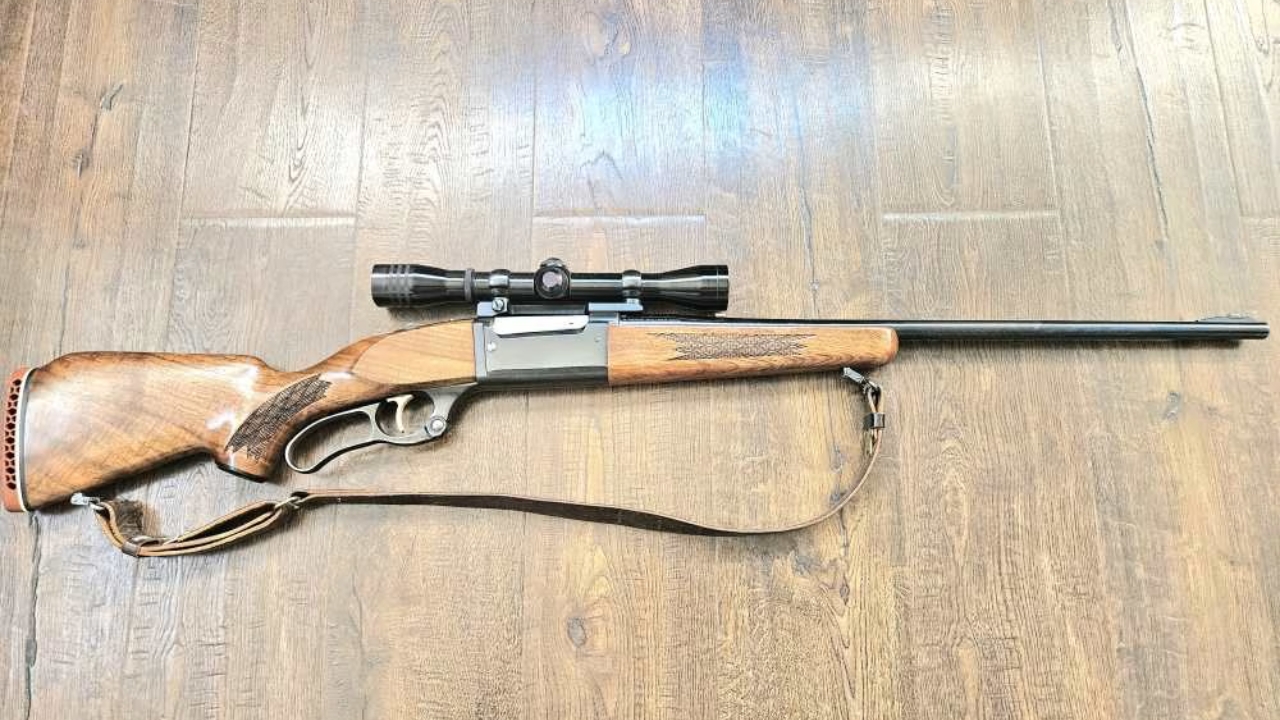
The Savage 99 had a long stretch where it was respected more than chased, but once collectors really got interested, it did not stay cheap for long at all. It had too much design personality, too much hunting history, and too many chambering variations to remain underpriced once buyers woke up.
That is what made the price jump feel so sudden. The 99 went from “interesting old lever rifle” to “why is every decent one expensive now?” almost overnight in collector terms. Once the market decided it was no longer optional, the bargains dried up fast.
Winchester Model 88

The Model 88 never fit neatly into the classic lever-gun box, which gave buyers a false sense of security for a while. They respected it, but not with enough urgency. That is often all it takes for a rifle to sit around just long enough for people to think they have time.
Once that time ran out, it ran out fast. The 88 had too much Winchester appeal and too much practical field charm to stay soft once collectors and shooters both started wanting one. It was never going to remain a sleeper forever, and once the market admitted that, prices moved accordingly.
Ruger No. 1
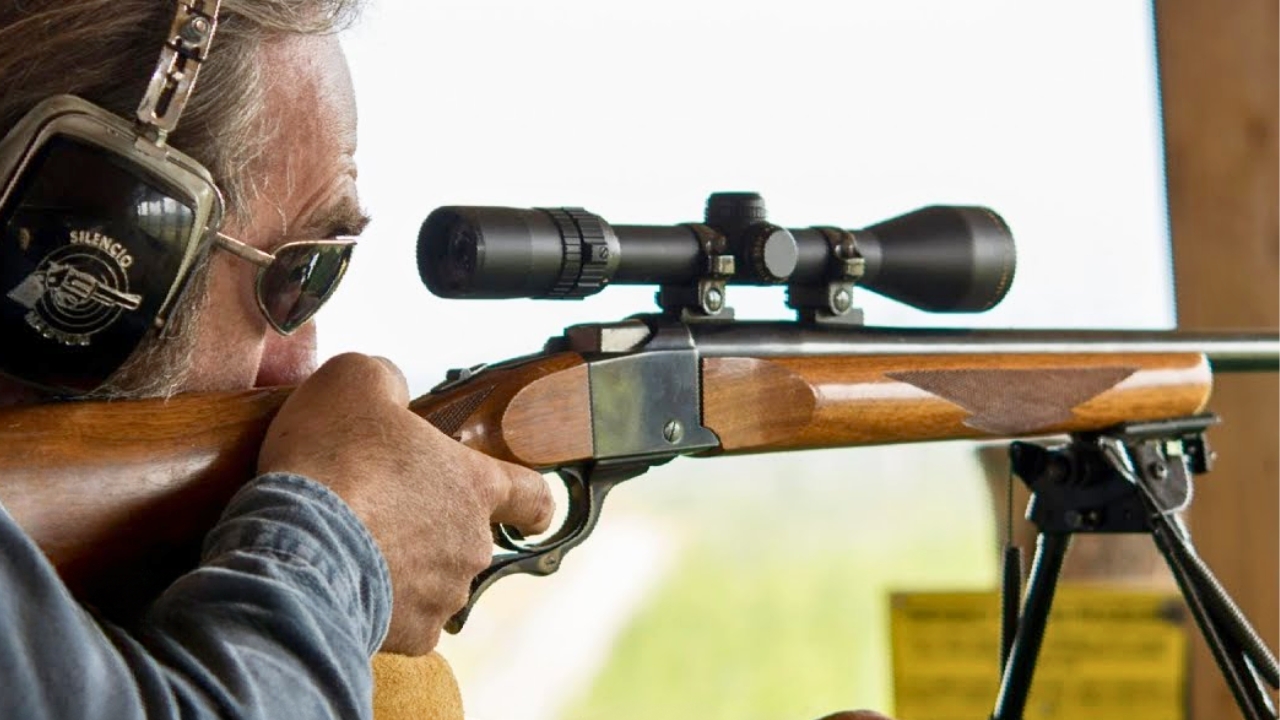
The No. 1 always had the kind of class that scares off bargain hunters and attracts the wrong kind of procrastination. Buyers loved looking at them, talking about them, and promising themselves they would own one someday. That “someday” logic helped keep a few opportunities alive, but not for very long.
The truth is that elegant single-shot rifles with this much character were never built to stay cheap once enough people started chasing them. The No. 1 did not need hype. It only needed buyers to stop pretending they had unlimited time, and once that happened, the easy prices were gone.
Browning Safari Grade bolt rifles
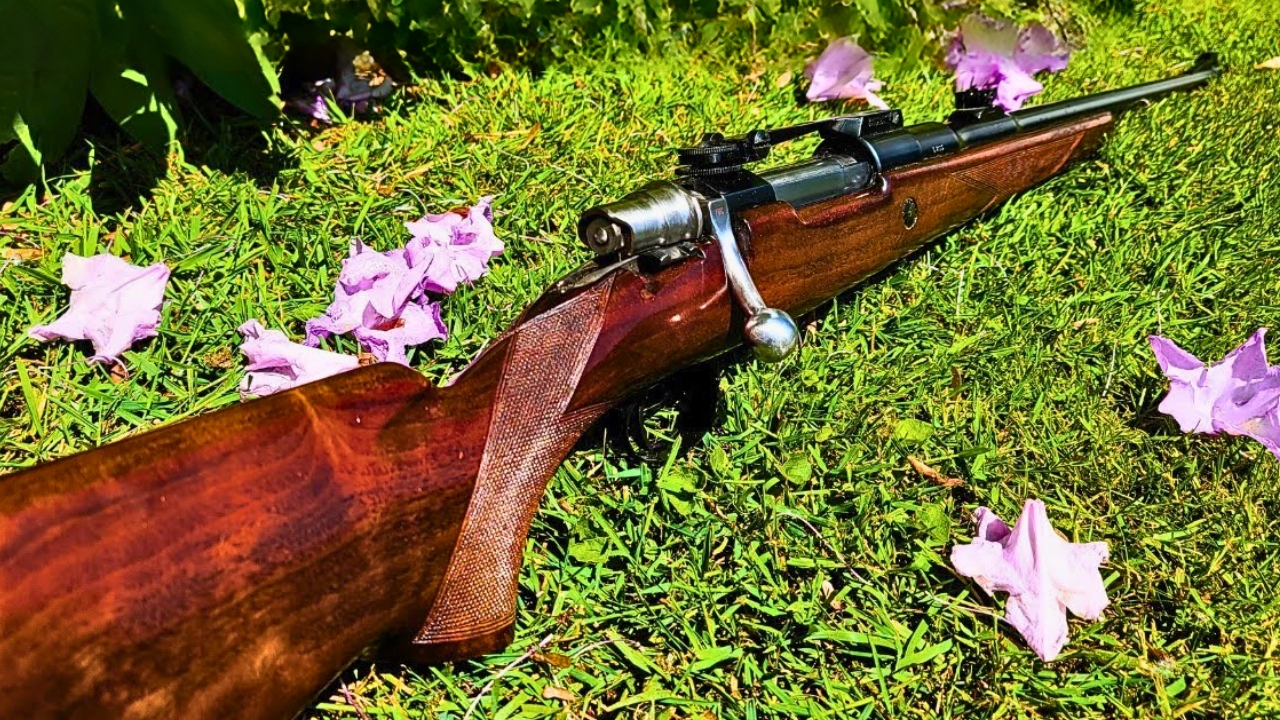
Safari Grades might not have always been red-hot, but they were never really cheap for long once a nice one showed up. A rifle with strong wood, classic lines, and Browning on the barrel always had too much appeal to stay ignored once a serious buyer got a look at it.
That is the pattern with rifles like this. There may be a brief pause where they sit because buyers are trying to justify the extra money, but once somebody decides they want a real old-school sporting rifle, the Safari Grades do not usually wait around. They get appreciated and priced accordingly.
Sako Forester

The Forester is exactly the kind of rifle that buyers used to compliment right before someone else bought it. It had quality, balance, and old-world hunting appeal, which meant it was never likely to linger once knowledgeable buyers started circling. Even when the broader market was slower to react, good Sakos rarely felt truly cheap for long.
That is because the rifle always had real substance behind the name. Once someone handled it, they usually understood they were not looking at some ordinary used hunting rifle. That kind of realization tends to kill bargain pricing very quickly.
CZ 527
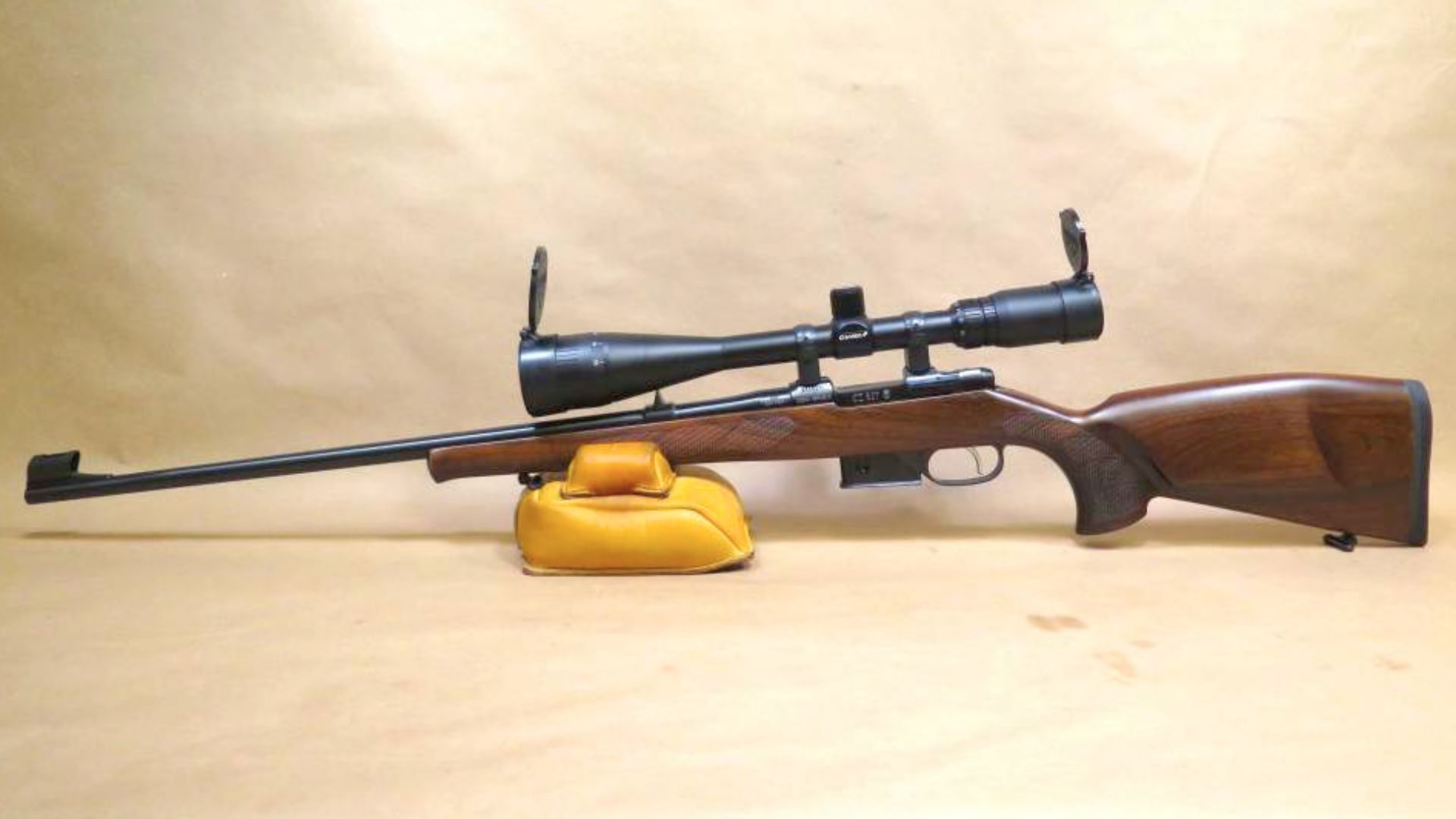
The 527 had a short grace period mostly because the wider buying crowd did not immediately understand how much charm and field usefulness were packed into it. The people who knew, knew. Everyone else took a little longer. Once they caught up, the affordable days got much shorter.
A trim small-action bolt rifle with real quality and character was never going to stay cheap once production ended and buyers started looking for replacements that did not really exist. The 527 did not explode from nothing. It simply became too obviously desirable to remain overlooked.
Ruger M77 Tang Safety

Tang safety M77s had exactly the sort of older-Ruger charm that eventually makes prices move. For a while, they could still be found without too much pain because people saw them as solid older hunting rifles rather than collector rifles. That distinction did not last.
Once buyers started preferring the older styling, older feel, and earlier-era Ruger personality, the market changed tone quickly. Good tang safety rifles stopped being “one of these days” rifles and started becoming “better grab it now” rifles. That shift usually means cheap is over.
Remington Nylon 66
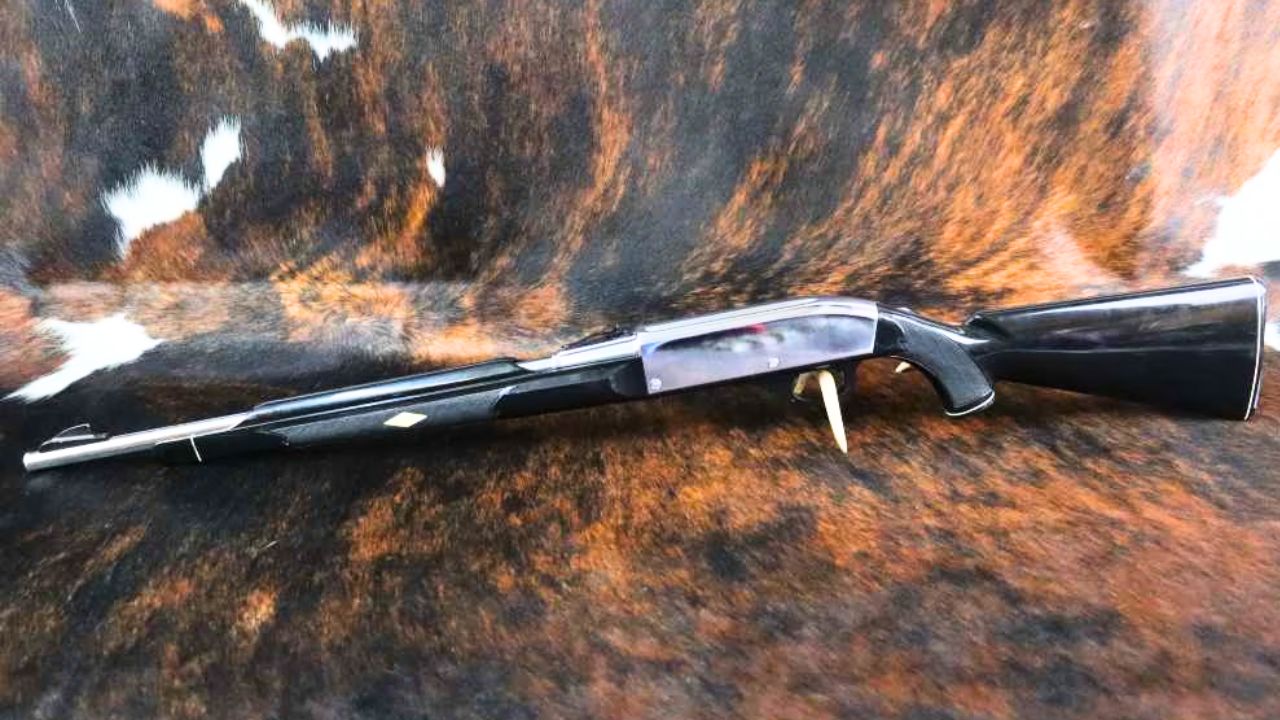
The Nylon 66 had one thing working against it for years: too many people thought it was too weird to matter. That bought buyers a little time, but not much. Once collectors started understanding that the same weirdness made it distinctive, the market changed in a hurry.
A rifle this recognizable and this tied to its era was never going to stay low once originality, color variants, and condition started mattering more. The Nylon 66 went from oddball to sought-after with surprising speed, and that usually means cheap vanished in the process.
Ruger 44 Carbine

The old Ruger .44 Carbine always had too much practical appeal to stay ignored once hunters and collectors looked closely enough. It may have sat a little while when the market was distracted by more obvious rifles, but once people remembered how handy and distinctive it was, the cheap period got very short.
That is the problem with rifles that are both useful and nostalgic. Once the market notices both traits at the same time, prices usually tighten immediately. The Ruger 44 was never built to stay a bargain once enough buyers started wanting one again.
Remington 600 Mohawk
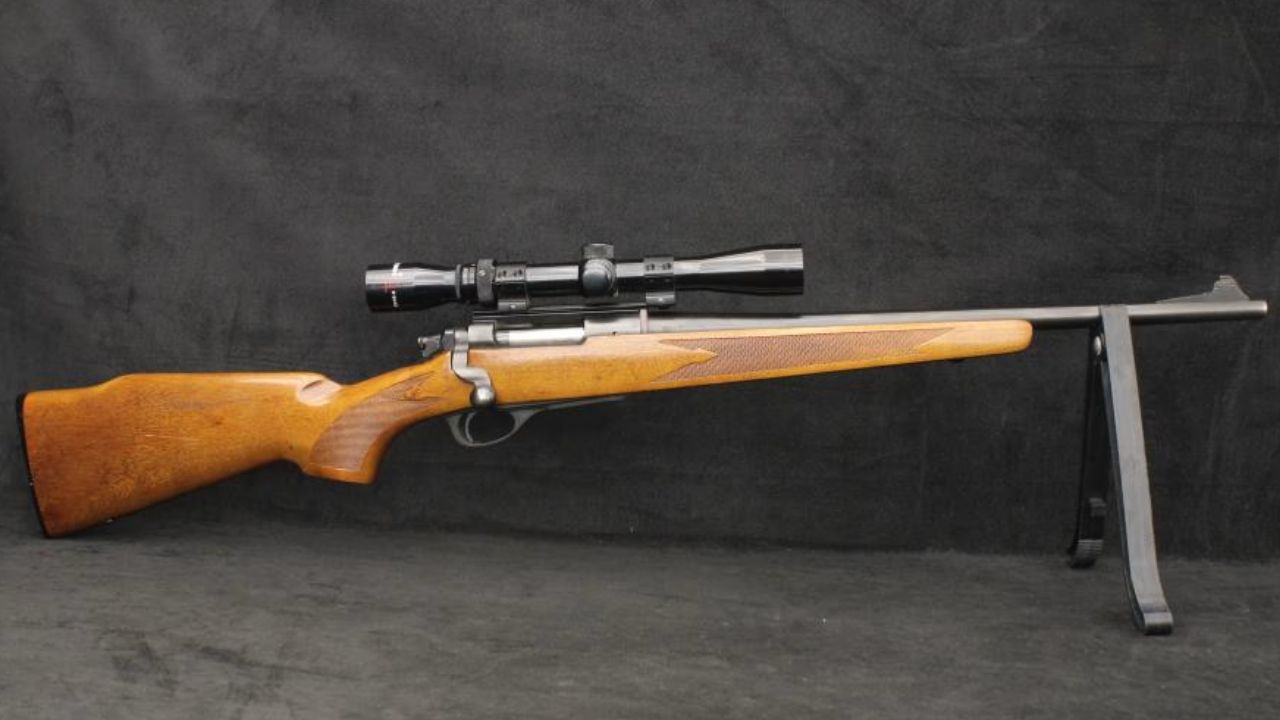
The 600 Mohawk and the rest of that family had enough oddball styling to keep some buyers away at first, but once collectors started seeing personality instead of weirdness, the market moved fast. That kind of rifle is often cheap only while the crowd is still laughing at it.
The second the crowd stops laughing, the price changes. Compact, distinctive hunting rifles with real field sense do not stay ignored forever. The 600-series rifles proved that the hard way for buyers who waited too long.
Winchester 100

The Winchester 100 had too much brand appeal and too much mid-century sporting character to remain cheap once buyers got serious about traditional-stock semiautos. It sat in a weird middle lane for a while, which helped it slip under some radars, but that was never going to hold.
Once collectors and shooters both started chasing them, the market got much less forgiving. A rifle like this can only pretend to be underappreciated for so long before the Winchester name and the styling start doing what they always do: pulling the price upward.
Browning SA-22
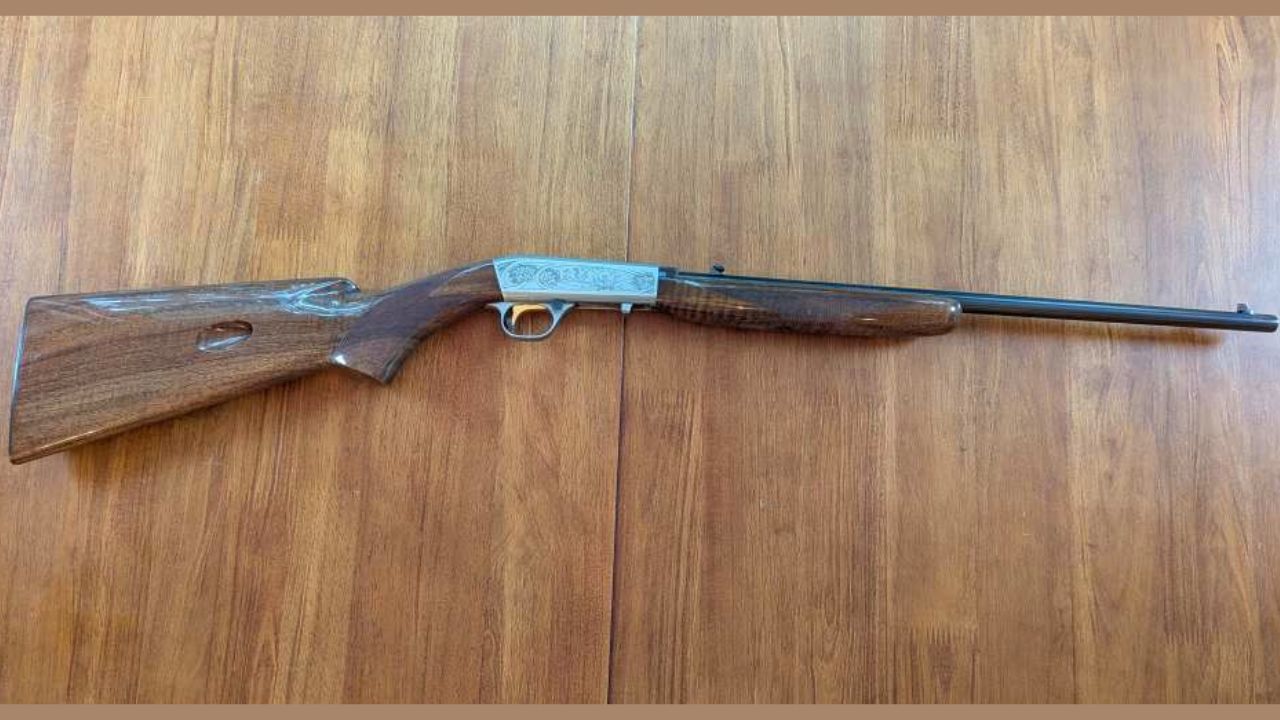
The SA-22 is one more reminder that elegant rimfires do not stay cheap once enough people start treating them like real collector pieces. For a long time, buyers liked them without feeling the urgency they should have felt. That kind of hesitation is great for the people who move first and terrible for everyone else.
Once appreciation caught up to the rifle’s actual quality, the prices stopped being friendly. The SA-22 had too much history, too much style, and too much practical appeal to remain a quiet little bargain. It was only a matter of time before the market made that official.
Like The Avid Outdoorsman’s content? Be sure to follow us.
Here’s more from us: