Photo credit: FVL_MULTISPECIES, CC BY 4.0/Wiki Commons
Bowfin are one of those fish a lot of anglers think they’ve got figured out right away. Long body, mean mouth, swampy habitat, hard fight, ugly reputation. End of story. Not even close. Bowfin are native, ancient, weird in all the right ways, and packed with traits that make them stand out once you quit treating them like some throwaway backwater fish. They’ve survived from a very old fish lineage, they can handle rough water better than a lot of species, and they get mistaken for invasive snakeheads all the time even though they absolutely don’t deserve that treatment.
Bowfin are one of the last leftovers from a very old fish lineage
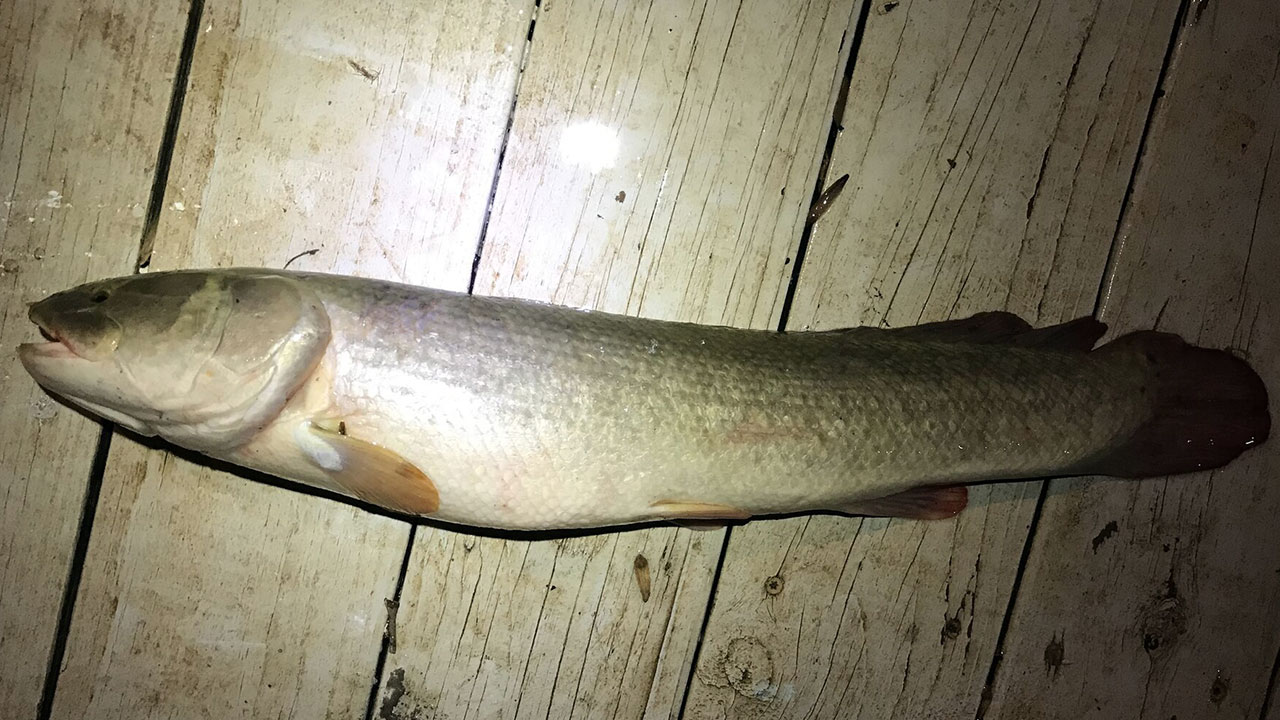
One of the first surprising things about bowfin is how old their family line is. Illinois DNR says bowfin and gars are remnants of an ancient group of fishes ancestral to most of today’s fishes, and the Florida Museum identifies the bowfin as the sole living member of the family Amiidae and order Amiiformes. That means when you’re looking at a bowfin, you’re not looking at some random rough fish that happened to stick around. You’re looking at a survivor from a line that reaches way back beyond most of the fish people regularly chase today. That “primitive” look people notice is real, and it matches the fish’s deep history.
There’s only one living bowfin species
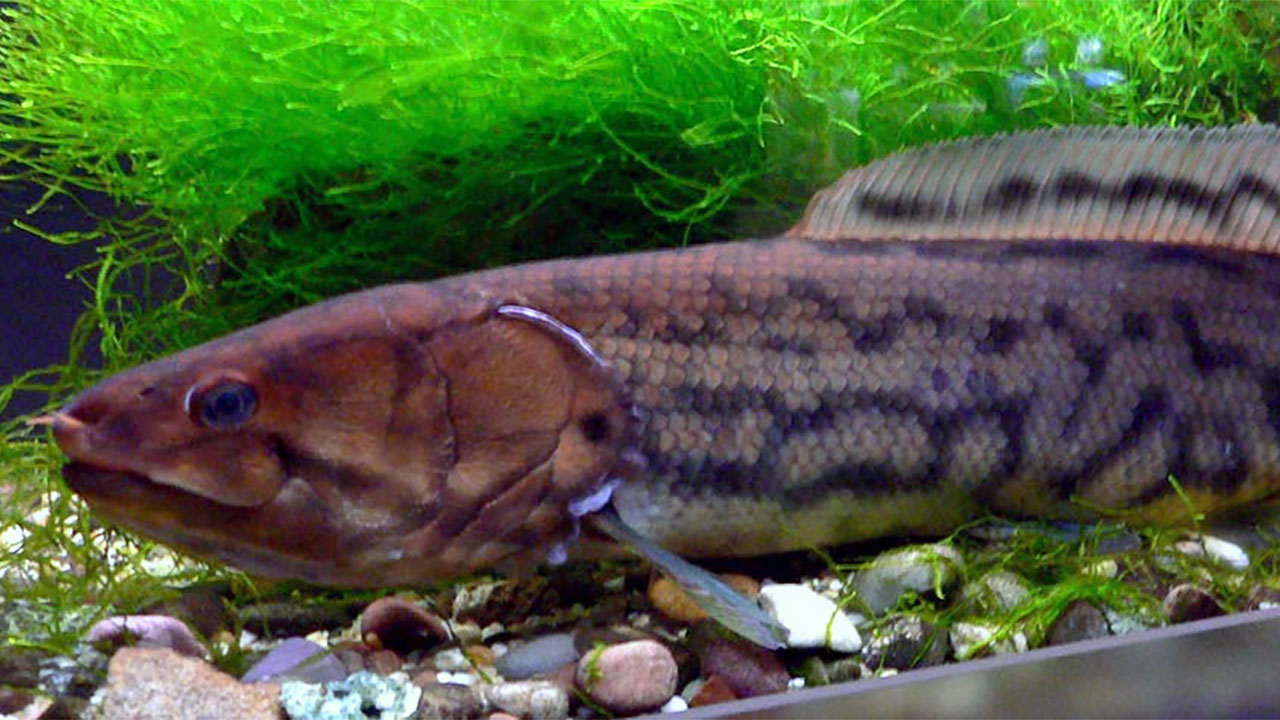
A lot of people assume “bowfin” must be one member of a bigger active family, but that’s not the case today. Illinois DNR says Amia calva is the only living species in the bowfin family, and the Florida Museum says the same thing, calling it the sole bowfin in the family Amiidae and order Amiiformes. That makes bowfin a lot more unusual than they first appear. They are not one of several common lookalikes spread across North America. They are the last living representative of their group, which is part of why they feel so distinctive once you learn them.
People confuse them with snakeheads all the time
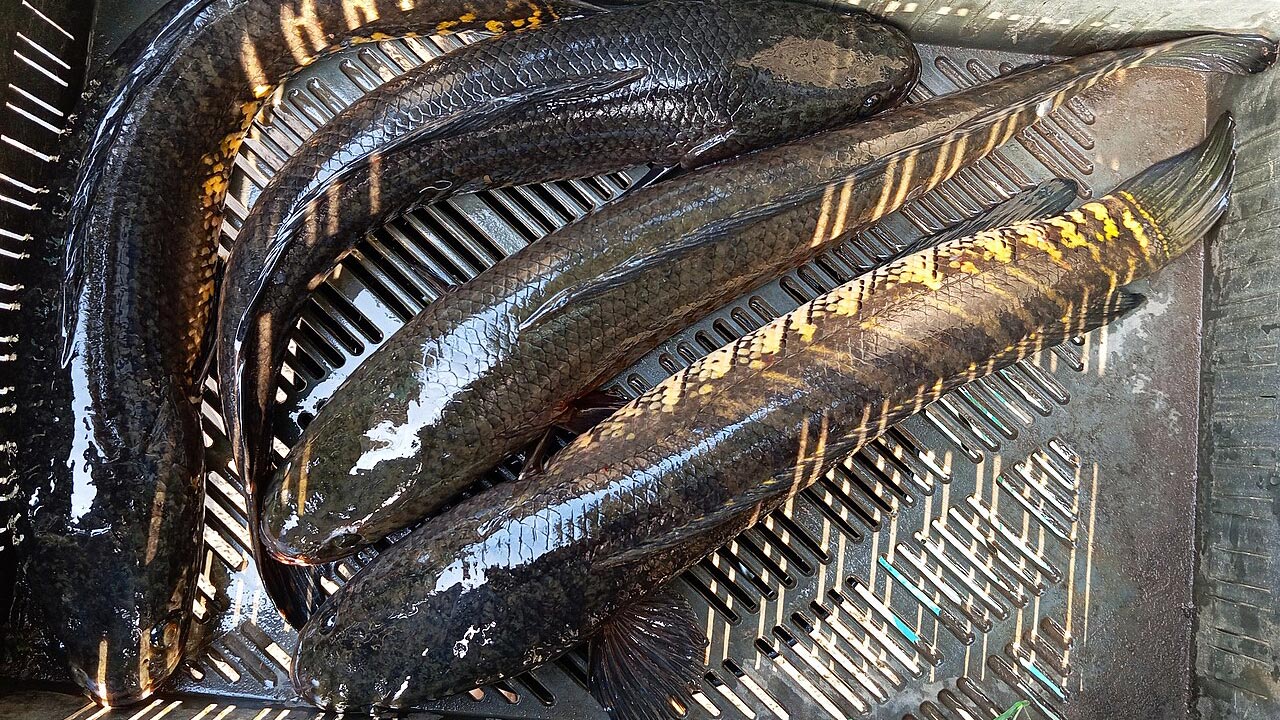
This happens constantly, especially in places where northern snakeheads have people on edge. U.S. Fish and Wildlife says bowfin are the fish most commonly mistaken for snakeheads, and its comparison material stresses that bowfin are native while northern snakeheads are invasive fish from Asia. That mix-up matters because it can lead people to kill a native species out of ignorance. Bowfin do have a long dorsal fin and a slick, predatory look, so the confusion isn’t hard to understand at a glance. But they are not the same fish, and bowfin deserve a lot better than being treated like invasive trash just because people don’t know what they’re seeing.
A quick tail check helps separate bowfin from snakeheads
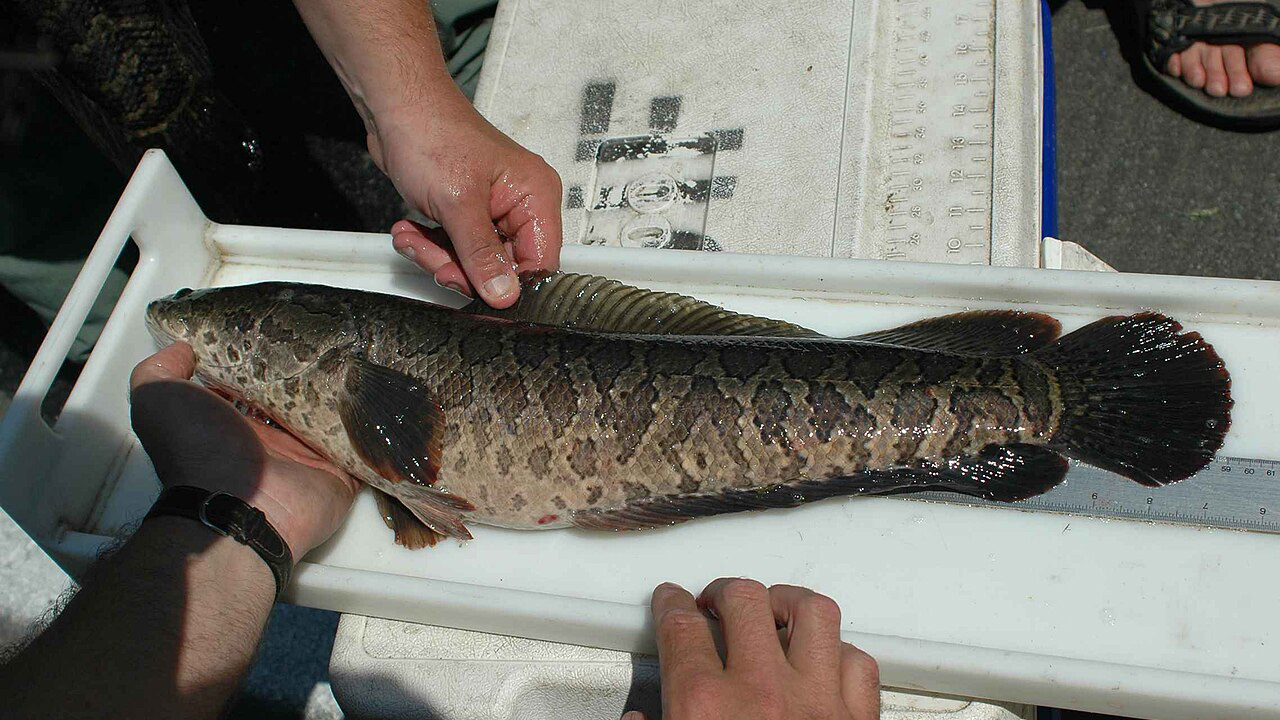
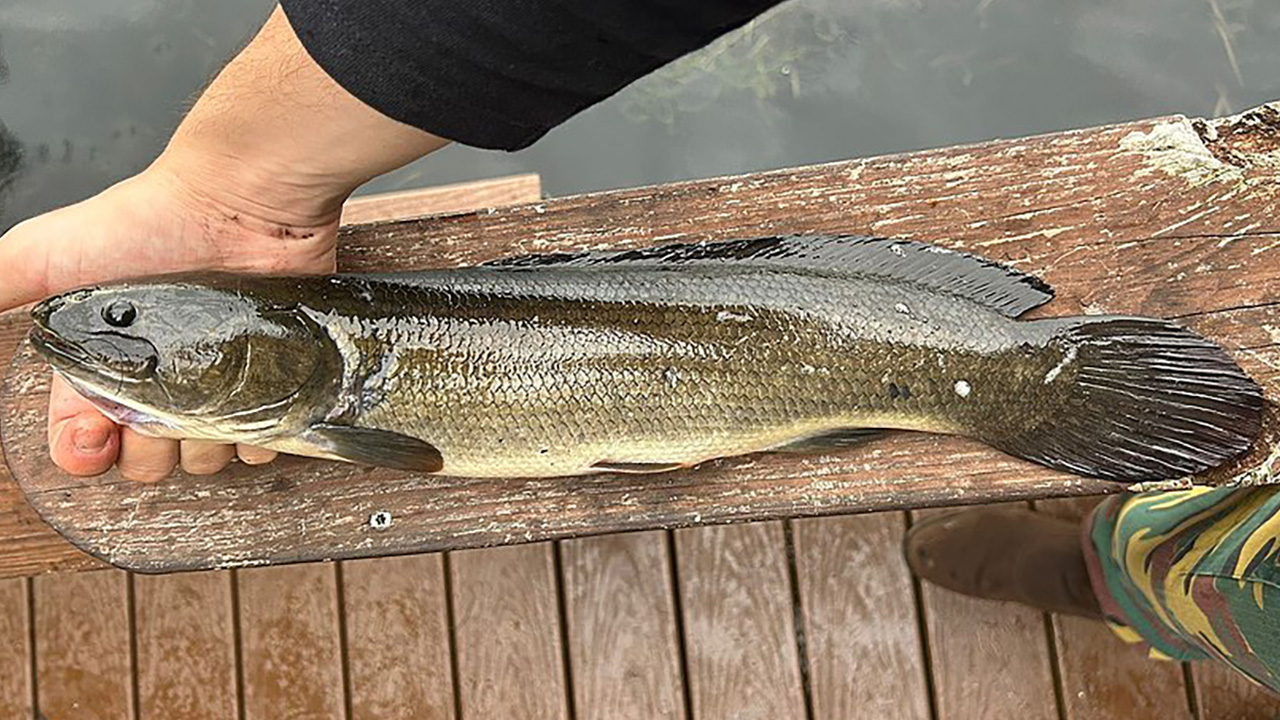
One of the easiest field marks is the fin setup. U.S. Fish and Wildlife specifically points to the bowfin’s short anal fin as a key difference from northern snakeheads, and Illinois DNR notes that bowfin have one dorsal fin stretching over more than half the body length. So if somebody is trying to sort out which fish they have, the answer is not just “long fish with teeth.” The fin shape matters. Bowfin also have that heavy, rounded head and a more classic native-fish look once you learn it. Knowing that difference can save a native species from getting blamed for being something it isn’t.
Bowfin can breathe air
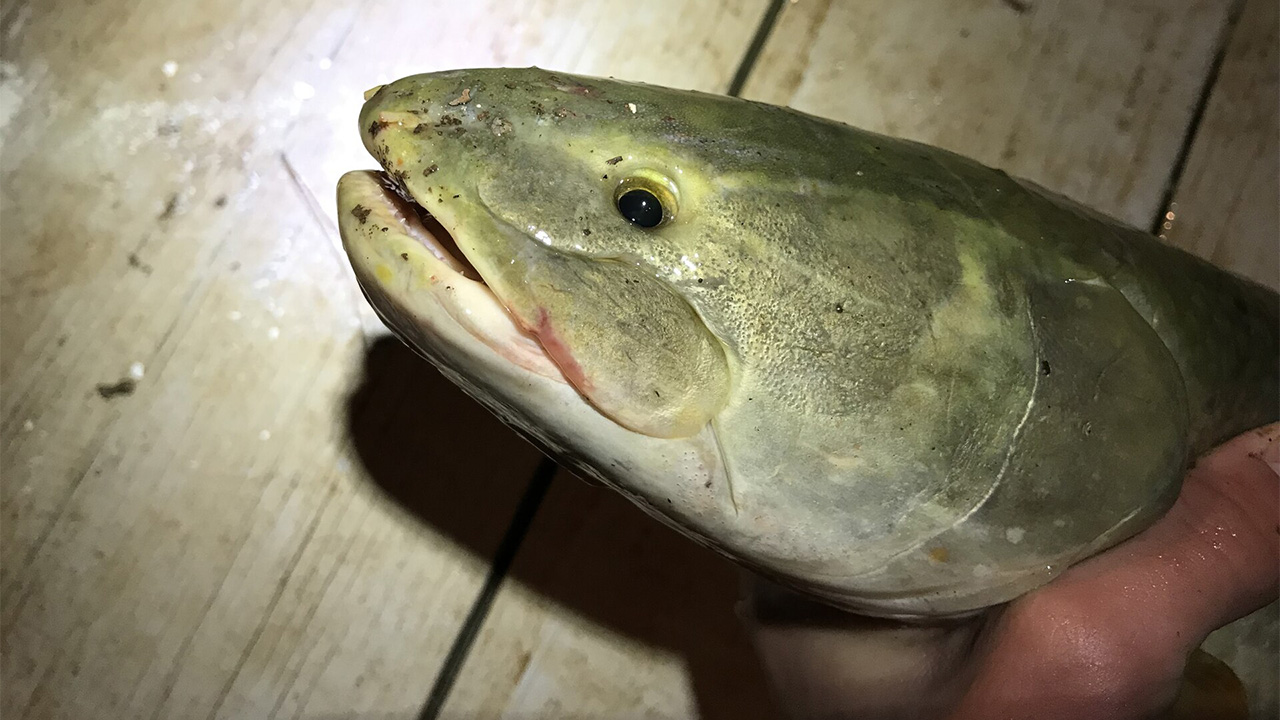
This is one of the biggest reasons bowfin survive in places that seem rough for a lot of other fish. Animal Diversity Web says bowfin can breathe air when oxygen levels in the water are low, and the Florida Museum notes that they often live in sluggish habitats like swamps, backwaters, and lowland waters where that ability matters. Bowfin do not rely only on well-oxygenated water the way many game fish prefer to. That air-breathing edge helps them hang on in hot, weedy, stagnant, low-oxygen places where other species get stressed fast. It’s a huge part of why bowfin feel so perfectly built for backwaters and swamps.
They’re built for swamps, sloughs, and backwaters
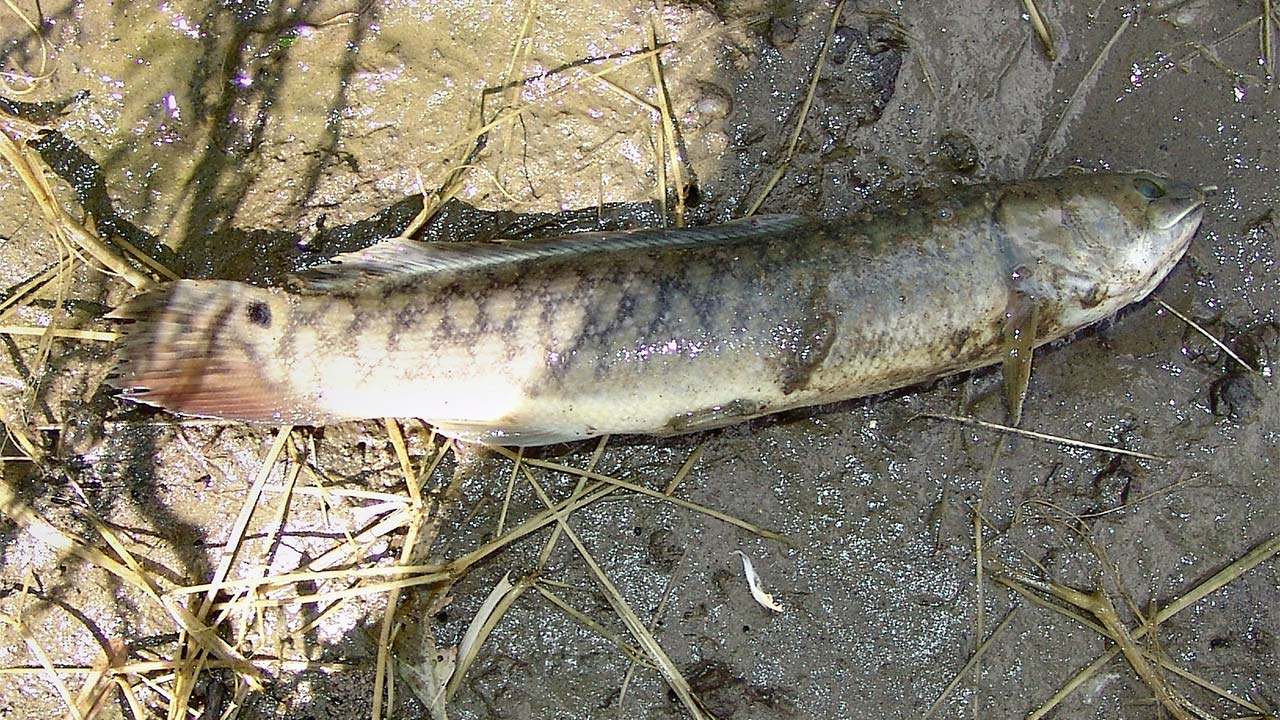
Bowfin are not a fish that needs pretty, rushing, postcard water to do well. Florida Museum says they’re found in standing water in swamps, sloughs, lakes, and backwaters of lowland streams, often near woody debris and vegetation. Animal Diversity Web also describes them as preferring heavily vegetated lowland waters. That tells you a lot about why anglers run into them where they do. Bowfin are right at home in places some people treat like second-rate fishing water. Thick cover, soft bottoms, still water, submerged wood, warm shallows — that is bowfin country.
Their dorsal fin runs an awfully long way down the body
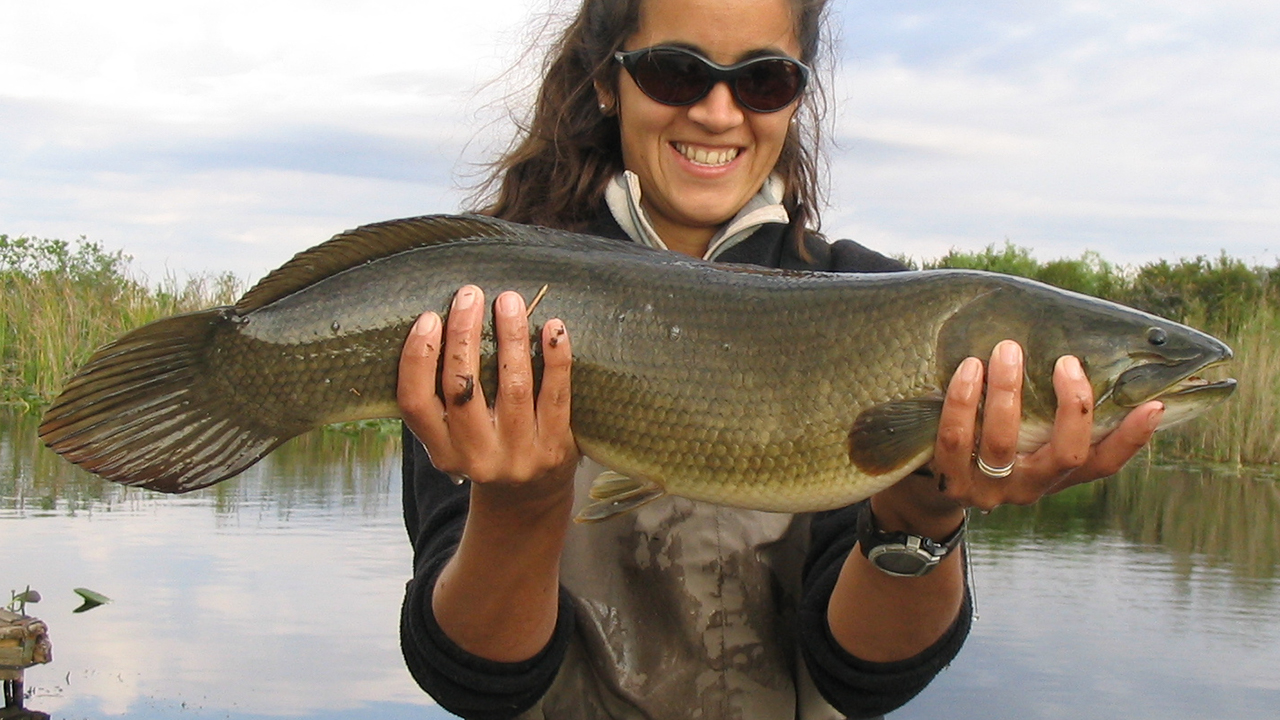
The bowfin silhouette is hard to forget once you’ve seen it a few times, and that long dorsal fin is a big reason why. Illinois DNR says bowfins have one dorsal fin that covers more than half of their total length, while the Florida Museum describes a dorsal fin running essentially the entire body length. That gives them a wavy, rolling look in the water that can seem almost eel-like at first glance. It also adds to the confusion with snakeheads for people who don’t know better. But once you know the bowfin’s body shape and fin length, it becomes a pretty memorable fish.
They have a bony throat plate most fish don’t
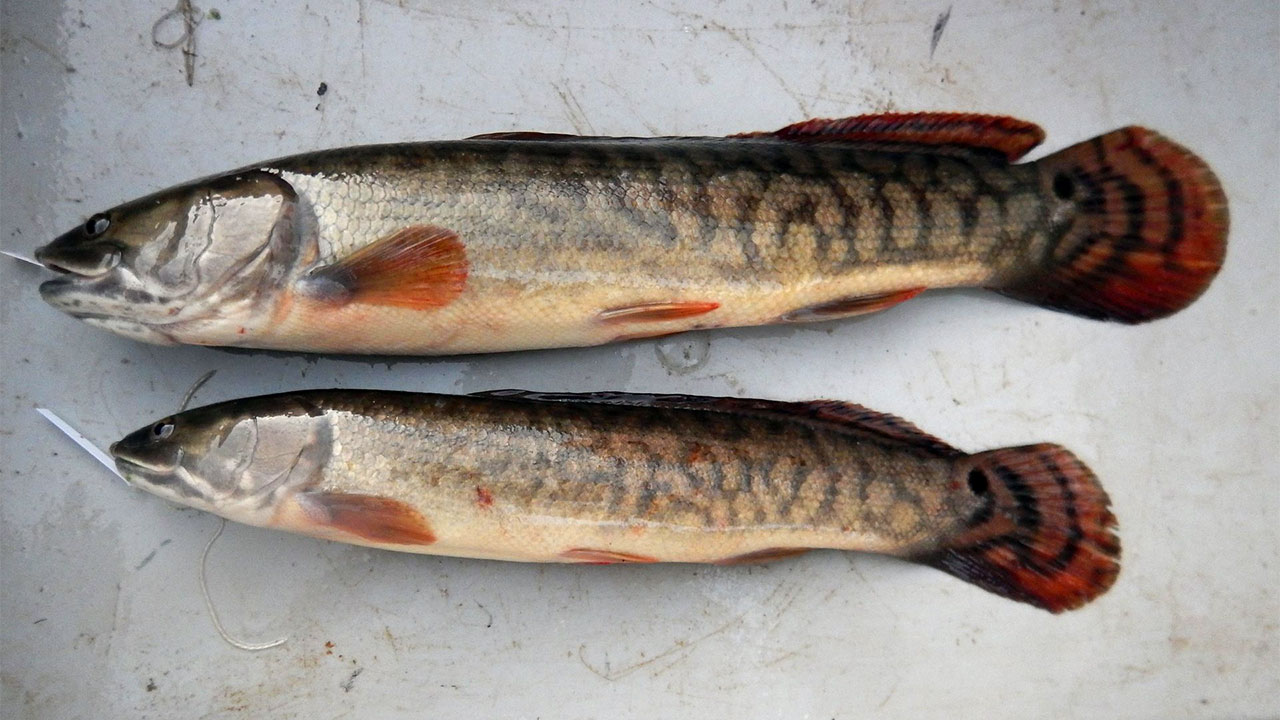
Bowfin come with some anatomy you don’t hear about much in casual fishing talk. Illinois DNR says they have a large bony plate between the lower jaws, and Florida Museum calls out the strongly developed bony gular plate as one of the fish’s standout features. That’s not something most anglers are used to thinking about when they look at a freshwater predator. It’s one more reminder that bowfin are put together a little differently than the usual bass, pike, or catfish comparisons people reach for. They really do carry old-school traits you don’t see every day.
Males often carry an eyespot near the tail
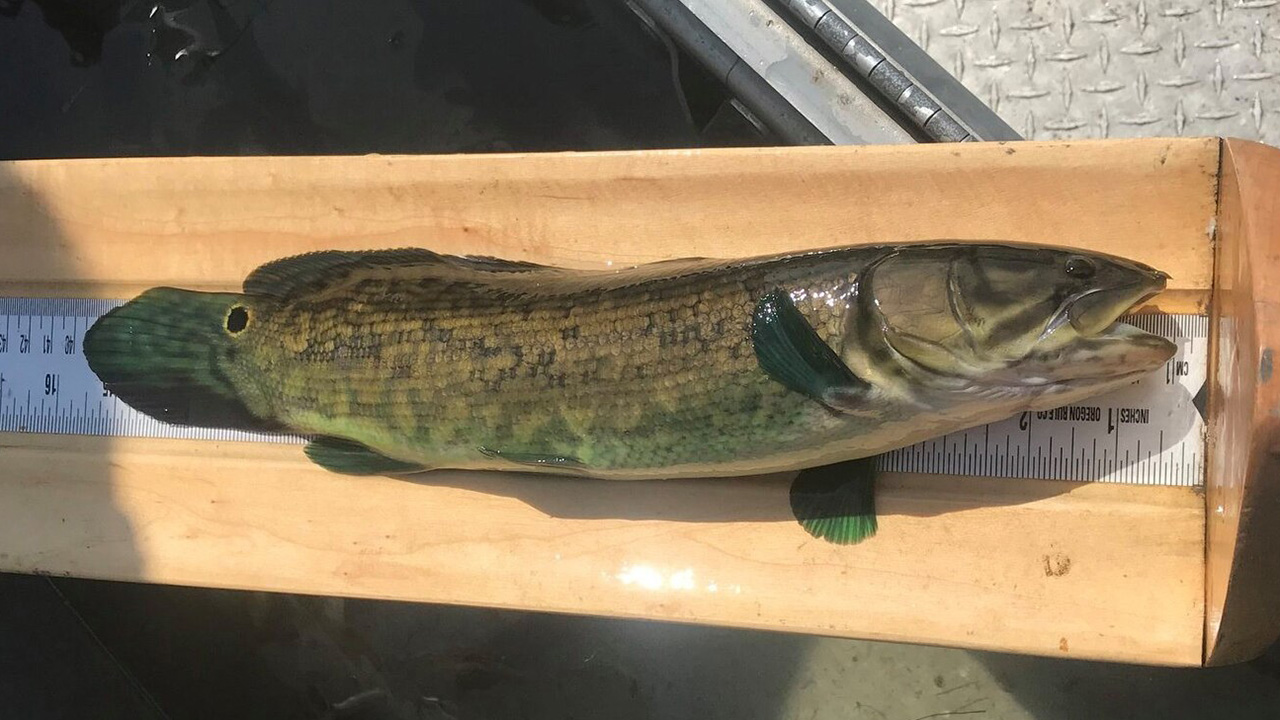
Bowfin have a marking that surprises a lot of people the first time they notice it. Animal Diversity Web includes an image noting an “eyespot” on a bowfin, and this tail-area marking is commonly associated with males. That spot probably helps with distraction or confusion for predators around nests or young fish, though sources often treat the exact function carefully rather than as settled fact. Either way, it’s one more way bowfin manage to look strange and memorable at the same time. The fish already looks prehistoric, then you add a tail eyespot on top of that.
Bowfin are widespread, not just Southern swamp fish
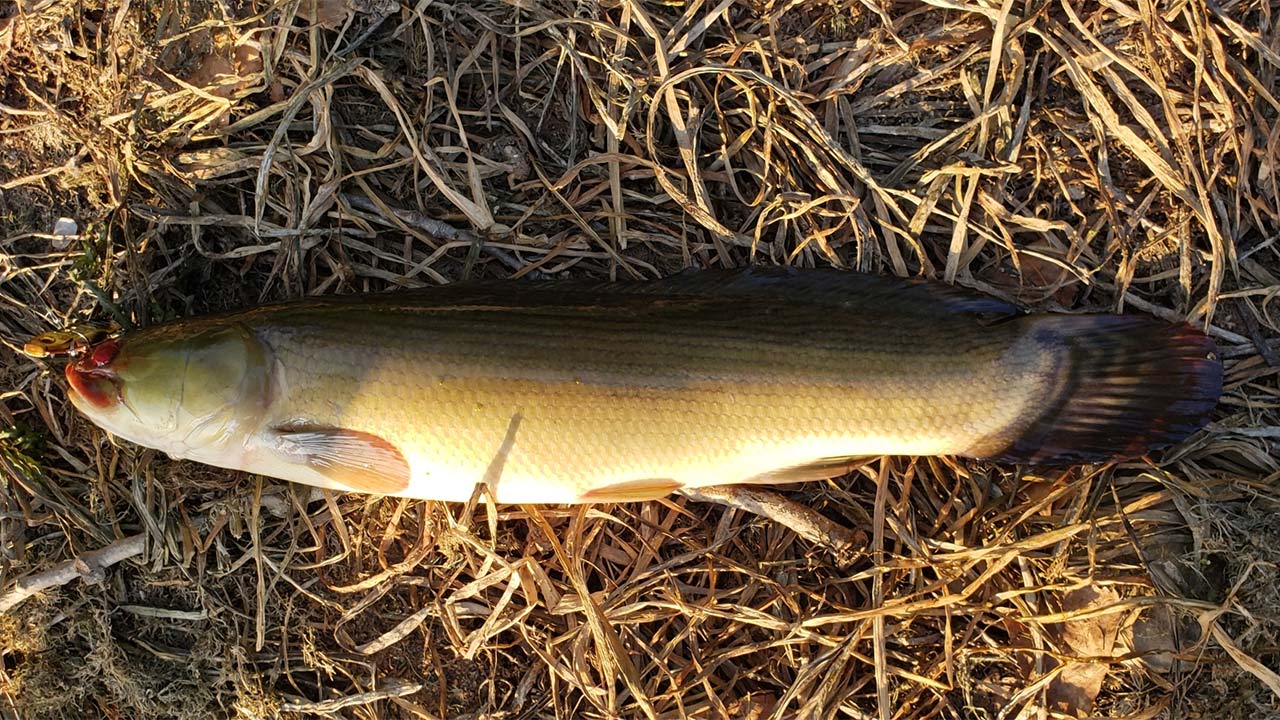
A lot of people mentally pin bowfin to deep-South swamp country, but their range is broader than that. Animal Diversity Web says bowfin occur from the upper St. Lawrence region in Quebec and Ontario south to Texas and Florida and west into parts of the central U.S. U.S. Fish and Wildlife’s species profile also treats them as a native North American fish with a broad distribution. So while they absolutely feel like a Southern backwater fish in a lot of places, they are not limited to that one image. Their range covers a lot more country than many anglers assume.
Bowfin are ambush predators with a mean-looking mouth for a reason
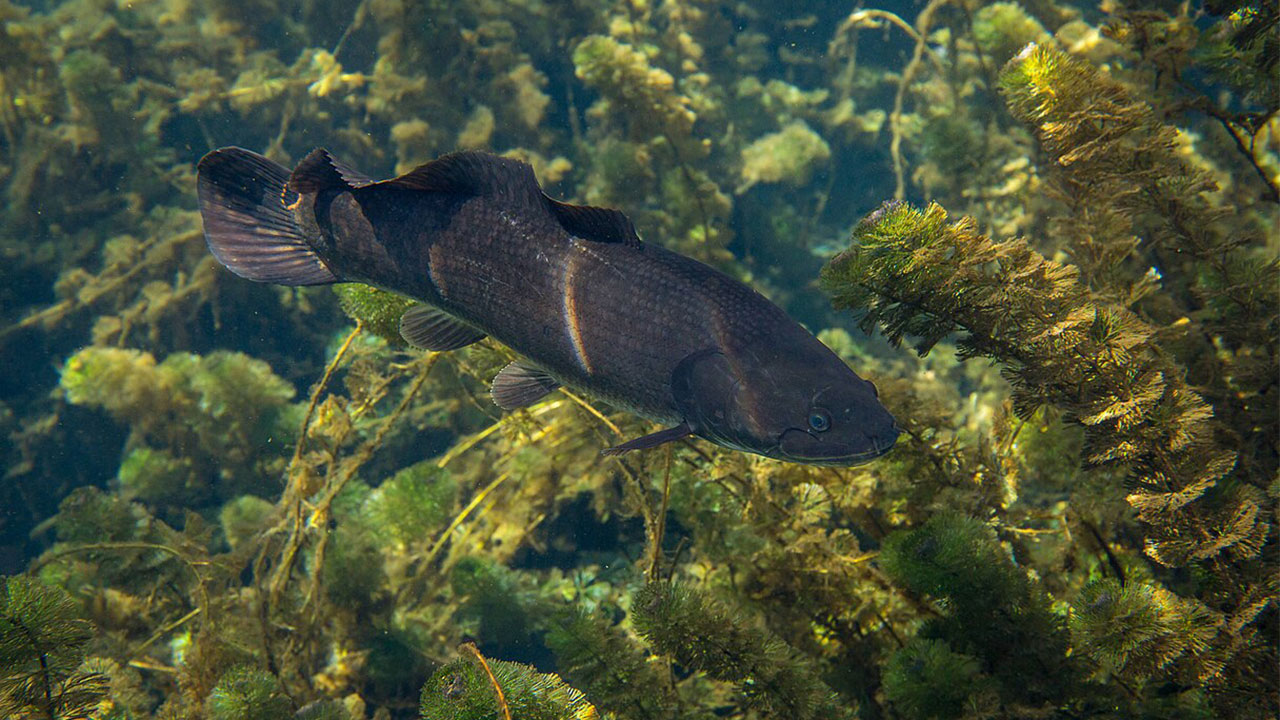
Nobody looks at a bowfin’s head and thinks it was designed to nibble algae. Florida Museum describes a large mouth with strongly developed teeth, and their habitat profile around vegetation and woody cover lines up perfectly with ambush-predator behavior. Bowfin are built to sit tight, use cover, and explode on prey when the chance is there. That helps explain why they hit so hard and why they feel so nasty on the end of a line. They are not elegant little finesse fish. They’re short-range predators built for ugly water and sudden violence.
They can live a long time
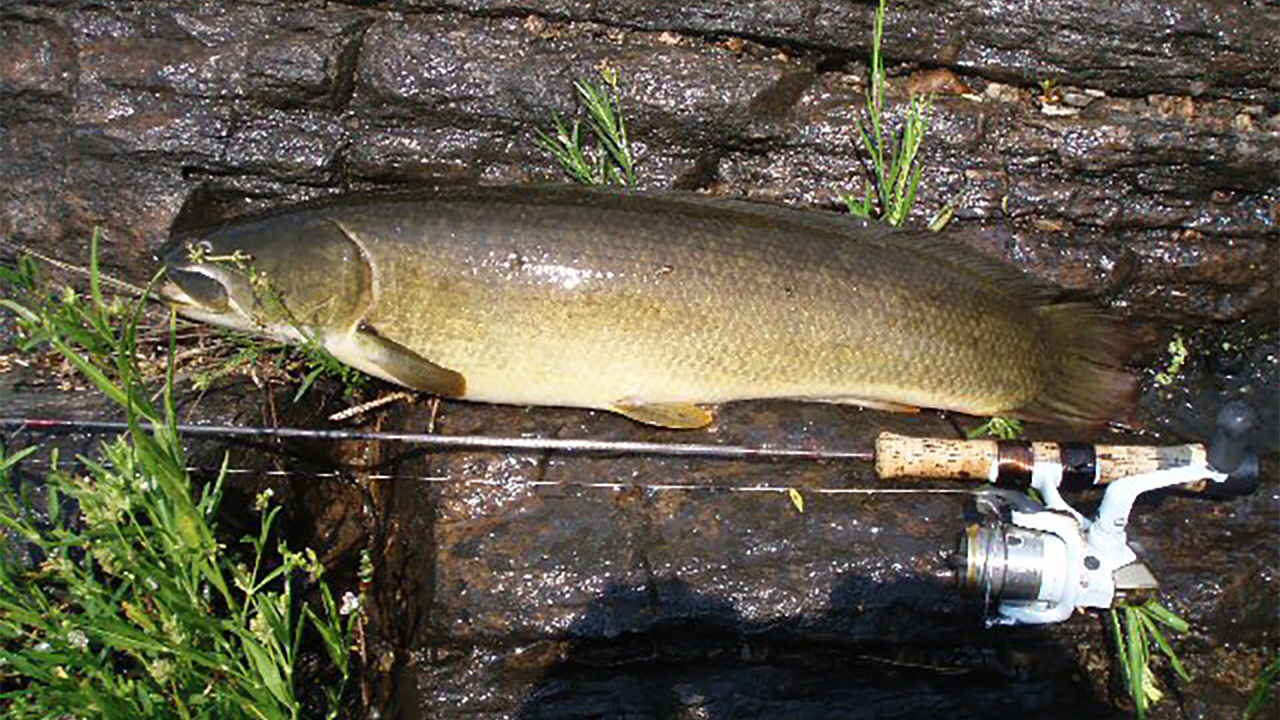
U.S. Fish and Wildlife’s bowfin-vs-snakehead comparison calls bowfin long-lived, which is another detail people don’t always expect from a fish with such a rough-and-rowdy reputation. A lot of anglers treat them like disposable nuisance fish, but long life is usually a sign that a species is more than random background chaos in a system. It also fits the bowfin story overall: native, ancient, resilient, and still hanging on in habitats that are easy for people to overlook. They’re not some temporary accident in the weeds. They’re established survivors.
Bowfin are native and belong where they are
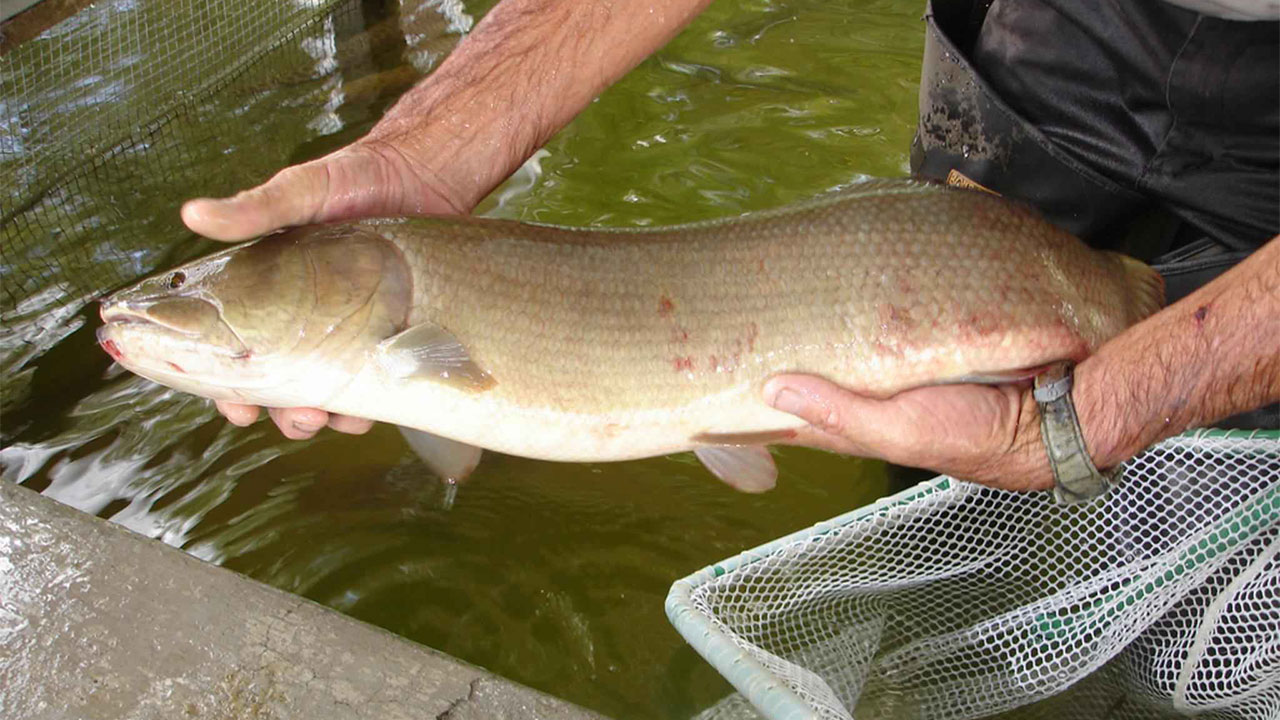
This should not be surprising, but with how often they’re mistaken for snakeheads, it clearly still is. U.S. Fish and Wildlife explicitly says bowfin are native to North America. That matters because native predators get unfair blame all the time when people don’t like how they look or what they eat. Bowfin evolved in these waters. They are part of the natural system, not an invader showing up to wreck it. That distinction ought to matter more than it sometimes does among anglers who still act like every odd-looking predator is a problem fish by default.
Their “primitive” label doesn’t mean they’re badly designed
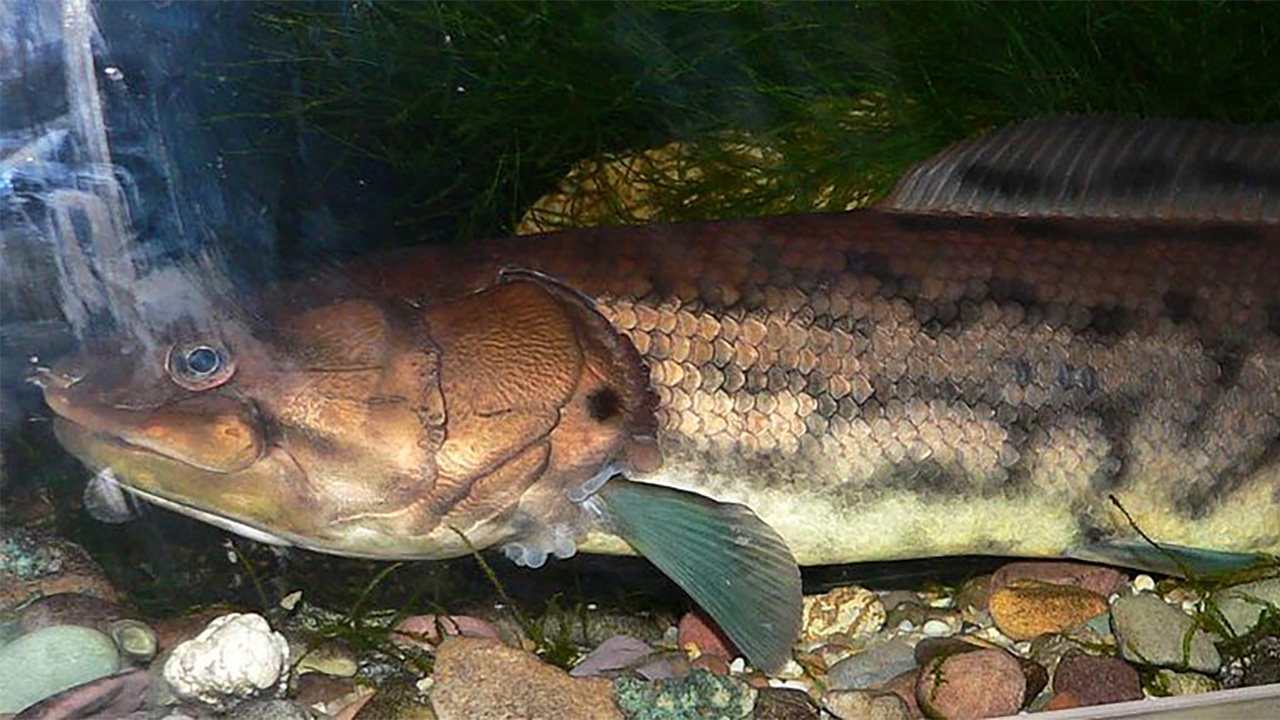
People sometimes hear “ancient” or “primitive” and assume that means a fish is crude or somehow poorly adapted. Bowfin are the opposite. Their air-breathing ability, tolerance for low-oxygen water, predatory setup, and success in heavy-cover backwaters all show a fish that is extremely well suited to its niche. Illinois DNR and Florida Museum both frame bowfin as survivors from an ancient line, but there’s nothing clumsy about the way they fit their habitat. If anything, bowfin are proof that a design can be old and still work extremely well.
Bowfin are one of the best examples of a fish getting judged by looks
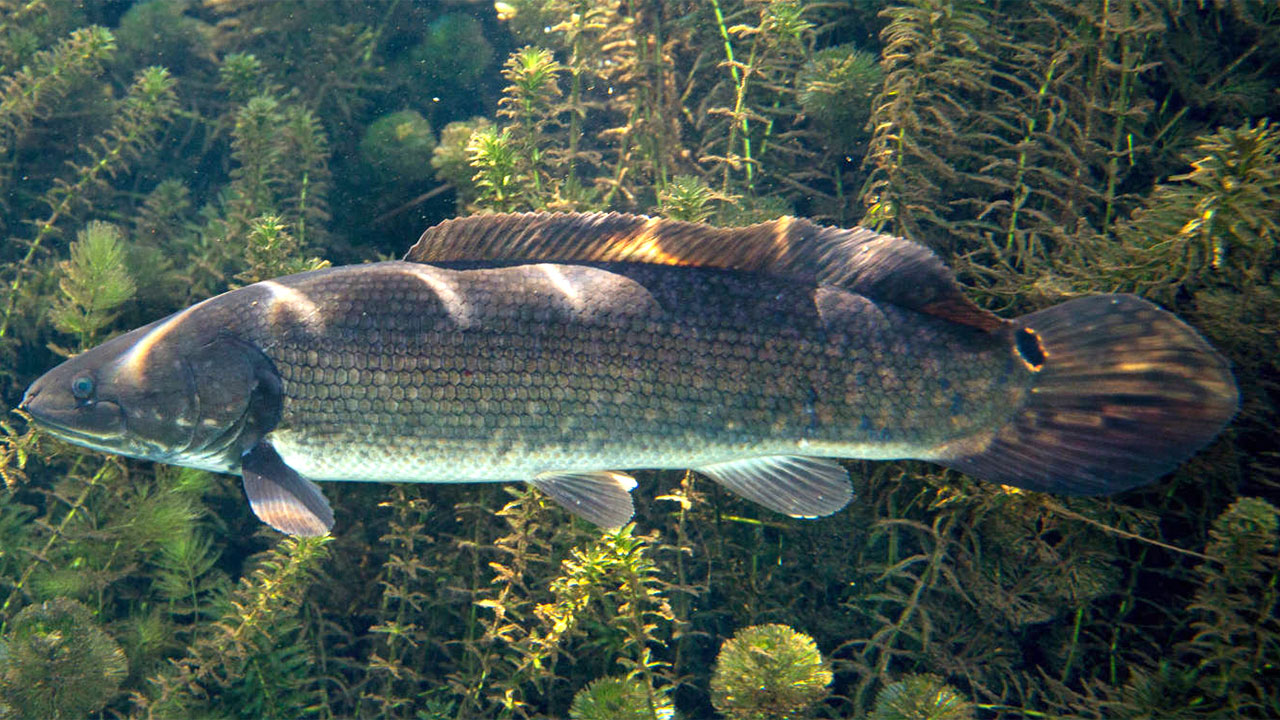
A lot of species earn bad reputations because they truly cause problems. Bowfin mostly seem to earn theirs because they look wild, hit hard, live in murky places, and aren’t the fish many people set out to catch. But once you stack up the facts — native status, ancient lineage, unusual anatomy, air-breathing ability, and ecological fit in rough habitats — the reputation starts looking pretty flimsy. They’re not a mistake. They’re just a fish a lot of anglers never took the time to understand.
Like The Avid Outdoorsman’s content? Subscribe to our newsletter so you never miss an article.
Here’s more from us: