Photo credit: Yakfish Taco/YouTube
Some rifles are forgiving. Others punish every bad habit you’ve ever had. Light triggers, heavy recoil, short sight radius, skinny barrels, and lightweight stocks can make a rifle feel “handy” and still shoot like garbage unless your fundamentals are locked in.
These aren’t “bad rifles.” They’re rifles that expose you. If your cheek weld changes, your follow-through gets lazy, or you rush the shot, these models (and setups) will make it obvious.
Kimber Mountain Ascent (in .300 Win Mag)

The Mountain Ascent is built to be carried all day, and it does that job well. The problem is physics. A very light rifle in a hard-kicking caliber magnifies recoil, flinch, and poor follow-through. If you don’t run the gun the same way every shot, groups open up fast.
To shoot it well, you need a consistent mount, firm shoulder pressure, and a clean trigger press. If you get casual and let the rifle “surprise” you with recoil, it’ll teach you a lesson with every shot.
Weatherby Mark V Ultra Lightweight (in .300 Weatherby Mag)
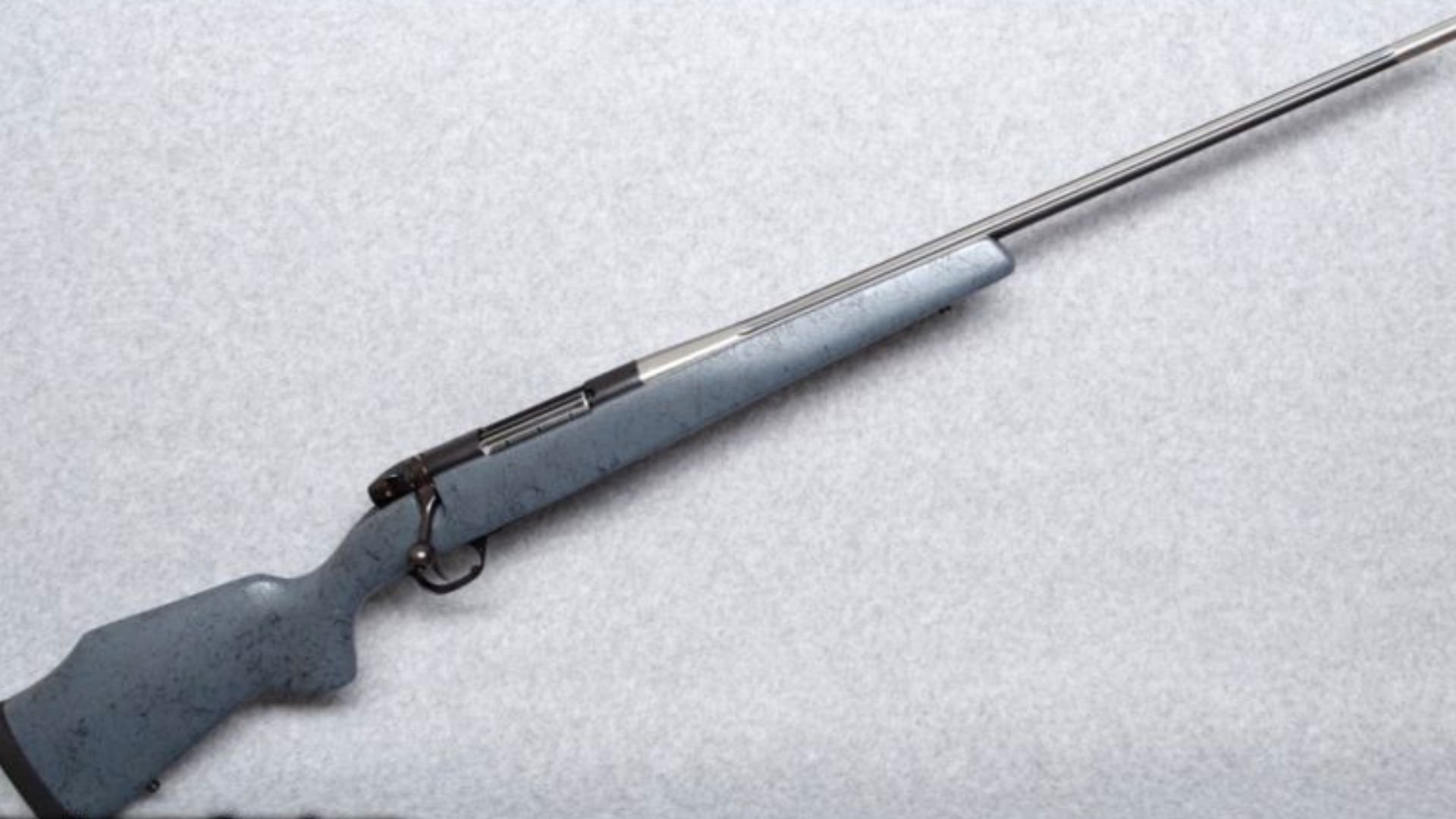
This rifle can be incredibly accurate, but it doesn’t hand accuracy out for free. The combination of light weight and a fast, high-recoil cartridge can make shooters snatch the trigger or lift their head at the break.
If you’re not disciplined about cheek weld and follow-through, you’ll see vertical stringing and inconsistent impact. It’s the kind of rifle that makes range time feel like work, and it rewards shooters who do everything the same—every time.
Savage 110 Ultralite (in 7mm Rem Mag)

Ultralight rifles are great until you’re trying to print tight groups with a magnum. The 110 Ultralite is capable, but it’s less forgiving when your position is sloppy or your shoulder pressure changes shot to shot.
A thin barrel can also heat up quickly, which means you have to pace your shooting and manage your expectations. If you’re the type to bang out quick groups and call it “good,” this setup will make you chase zero and doubt your loads.
Tikka T3x Lite (in .300 Win Mag)

Tikka rifles are known for smooth actions and good barrels, but the Lite configuration in .300 Win Mag is a classic “you’d better be honest about recoil.” It can shoot great, but it demands good fundamentals and a shooter who isn’t afraid of the rifle.
If your grip changes, your shoulder contact changes, or you start anticipating recoil, the target will show it. Put a good pad on it, take your time, and you’ll get rewarded. Rush it and you’ll hate it.
Ruger American Go Wild (in .450 Bushmaster)
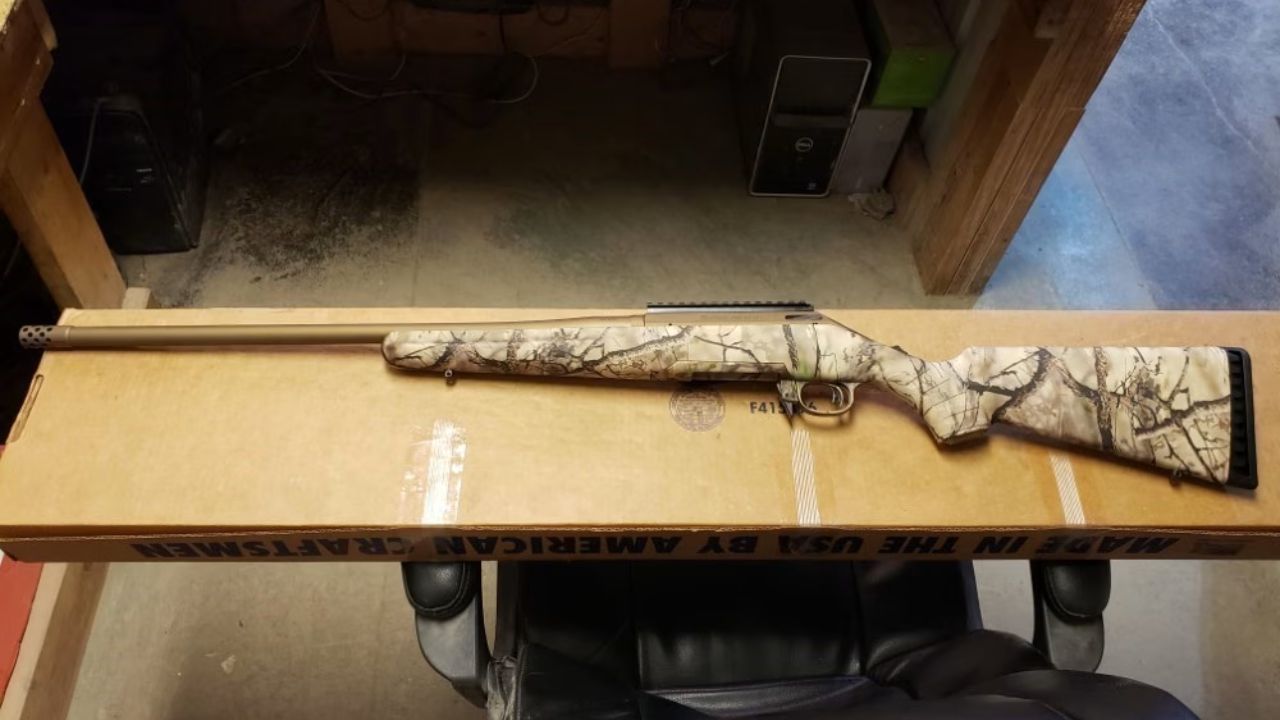
Big-bore straight-wall cartridges hit hard in a lightweight bolt gun. The .450 Bushmaster can be effective, but it’s not the smoothest recoil impulse, and that can drag bad habits into your shooting fast.
Trigger control matters more than people expect because the recoil starts moving you before you finish the shot. If you don’t keep your head down and follow-through clean, your groups won’t be impressive, even at modest ranges.
Marlin 1895 Guide Gun (in .45-70 Gov’t)

A short, handy lever gun with a big cartridge is fun—until you try to shoot tight groups off the bench. The recoil and the way lever guns settle into bags can make consistency tough unless you’re careful.
Iron sights or buckhorns also demand a repeatable sight picture. If your cheek weld or eye alignment changes, your point of impact changes. This rifle can be very effective, but it makes you earn it.
Henry Big Boy Steel (in .357 Mag) with buckhorn sights
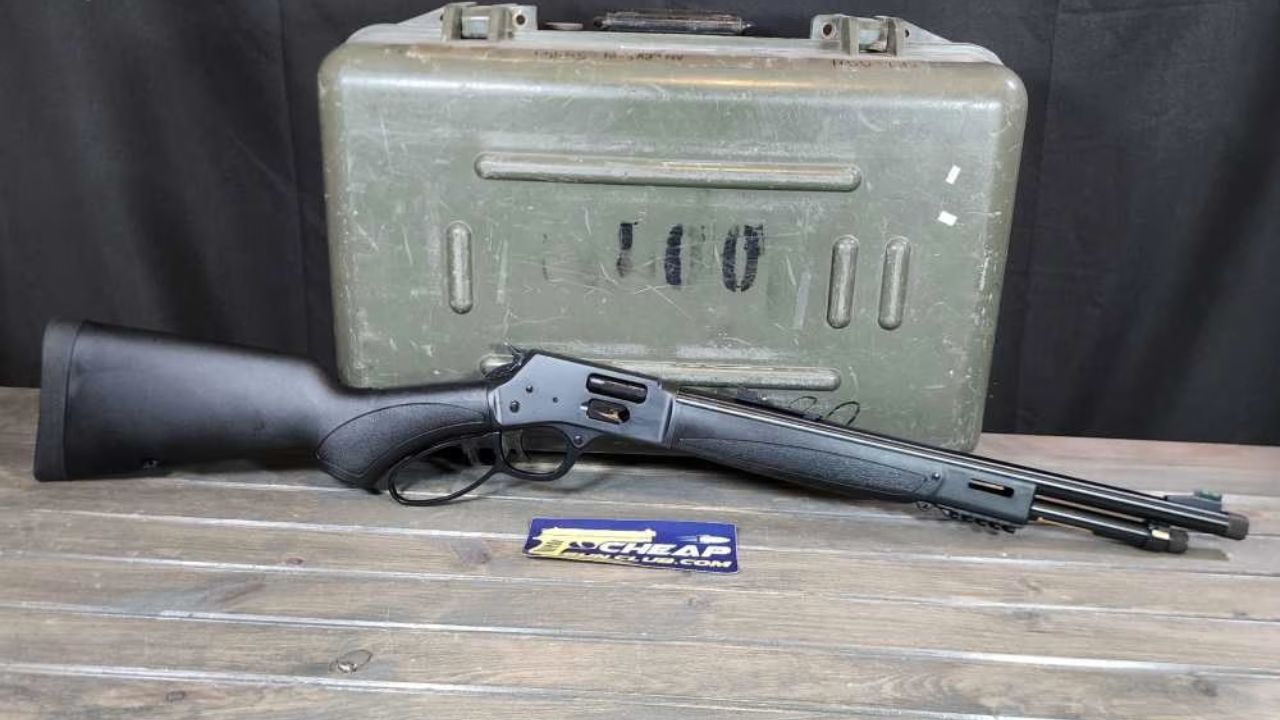
.357 out of a rifle is soft and useful, but buckhorn sights punish sloppy alignment. A tiny change in how you center the front sight or how you level the gun can shift your hits more than you’d expect.
Shooters who grew up on optics sometimes struggle here. If you can build a consistent mount and repeat the sight picture, it works. If you treat it like “close enough,” your groups turn into a pattern instead of a group.
Ruger No. 1

Single-shots force you to slow down, and that exposes technique issues. The Ruger No. 1 can shoot extremely well, but the way you load, settle, and break the shot matters more because every shot is a full reset.
The trigger press and follow-through have to be clean. If you get impatient, you’ll see it. It’s a rifle that rewards disciplined shooters and frustrates people who want rapid feedback without doing the work.
Springfield M1A (standard sights)
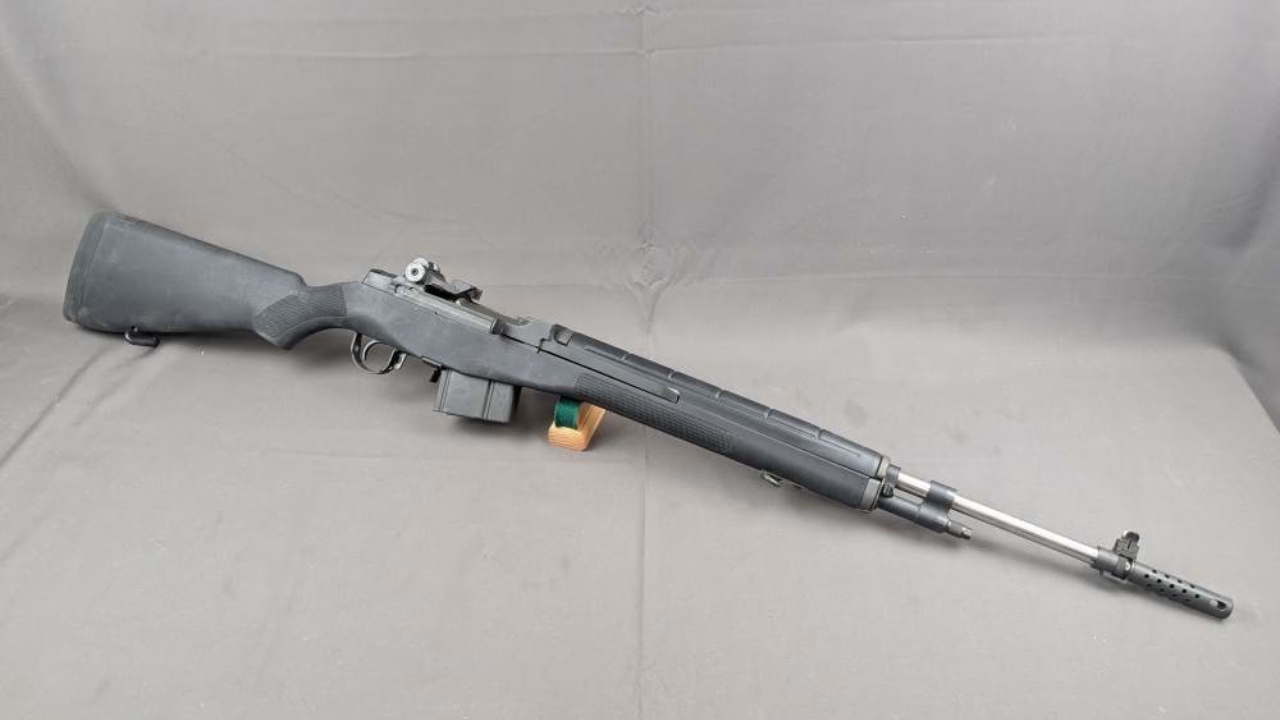
The M1A can be accurate, but to shoot it well with irons you need consistent position and a repeatable sight picture. The sights are good, but they’re not magic, and the rifle will show you if your natural point of aim is off.
It also rewards proper sling use and stable positions. If you’re floating the rifle and muscling it onto target, your groups will drift and open. Lock in your fundamentals and it’s a different rifle.
Mosin-Nagant 91/30

The Mosin can be surprisingly accurate, but it’s not forgiving. Heavy triggers, rough stocks, and basic sights make it easy to throw shots if you’re not controlling the trigger and following through.
A lot of people blame the rifle when it’s really technique. If you clean up the trigger press and learn the sights, you can do decent work. If you slap the trigger and lift your head, you’ll think the rifle can’t shoot.
Ruger Scout Rifle
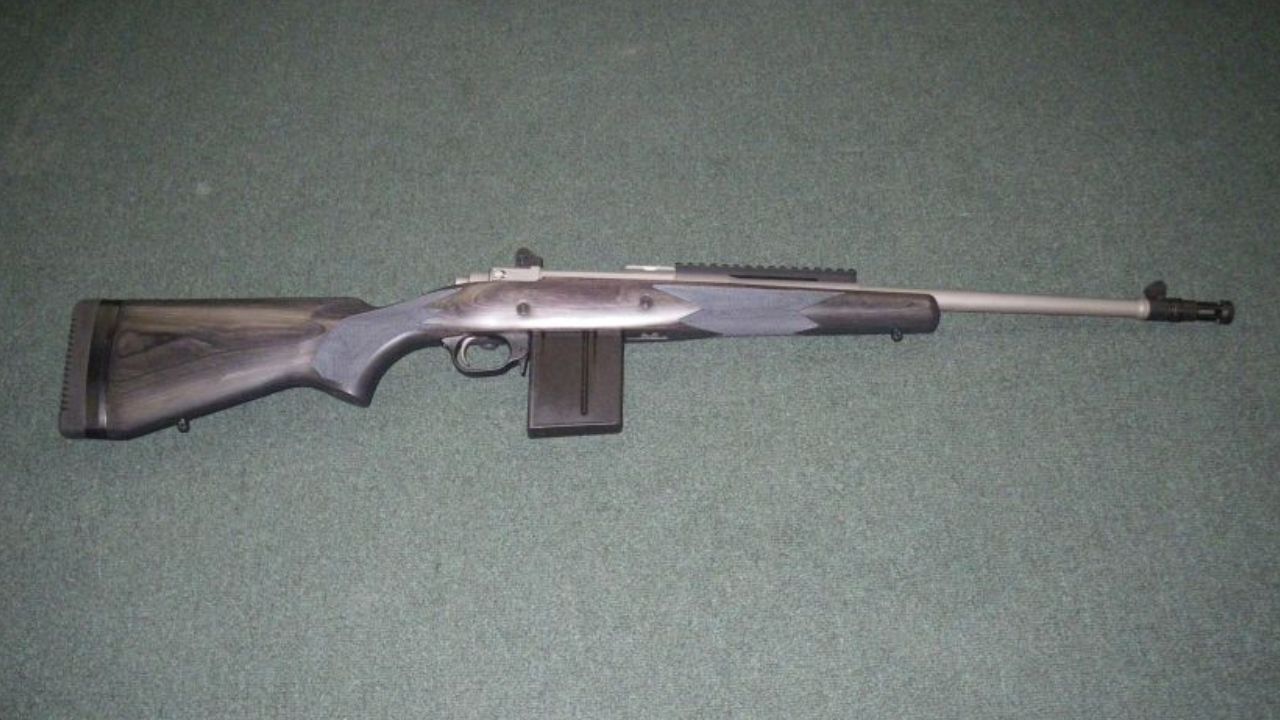
Scout setups can be quick, but they demand consistency. Forward optics and irons have their own rhythm, and if your head position changes, your sight picture changes more than it would with a traditional scope setup.
The rifle will run fine, but accuracy depends on your ability to mount the gun the same way every time. If you treat it like a “point and shoot” rifle at distance, you’ll get humbled.
Browning BLR (in .308 Win)

The BLR can be very accurate, but lever-action triggers and lockup feel different than bolt guns. If you’re used to a crisp bolt-gun trigger, it may take time to press cleanly without disturbing the sight picture.
It’s also a rifle that benefits from careful bench technique. Bag placement and how you hold the fore-end can change results. When you do it right, it shines. When you rush, it looks inconsistent.
Ruger Hawkeye Alaskan (in .375 Ruger)

This is a serious rifle for serious work, and it isn’t forgiving. Recoil management has to be deliberate, and you need a consistent mount and follow-through to keep groups respectable.
If you’re late on the trigger or anticipating recoil, you’ll throw shots. It’s not a range-toy setup. It’s a rifle for someone who practices enough to make heavy recoil normal, not a surprise.
Barrett Fieldcraft

Ultralight hunting rifles like the Fieldcraft can be scary accurate, but they demand a steady shooter. Lightweight stocks and thin barrels mean you have to control the gun and pace your shots.
If you’re inconsistent with grip or shoulder pressure, it will show. If you shoot it like a heavier rifle, you’ll wonder why it doesn’t group the same. Treat it like the lightweight tool it is and it pays you back.
AR-10 pattern rifles

A lot of AR-10 style rifles are parts-bin builds by nature, and that can mean inconsistent triggers, inconsistent gas tuning, and inconsistent accuracy unless the shooter and the setup are dialed in.
To shoot them well, you need a consistent position and a rifle that cycles the same way every time. If it’s overgassed or ammo sensitive, you’ll see fliers and weird group behavior. The platform can be excellent, but sloppy builds demand careful shooting.
Like The Avid Outdoorsman’s content? Subscribe to our newsletter so you never miss an article.
Here’s more from us: