Photo credit: Shakirov Albert/Shutterstock.com
Plenty of hunters still carry certain cartridges into the woods not because those rounds excel today, but because they grew up watching someone they respected use them. There’s nothing wrong with that—tradition is a strong part of hunting. But when you look at what’s available now, many of these cartridges stick around mostly because they remind people of their dad or grandfather.
Some of these rounds still work fine in the right setting, while others have been completely overshadowed. Yet hunters keep loading them because of memory, familiarity, or the simple comfort of carrying what generations before them carried. These are the cartridges hunters mostly use because grandpa did.
.30-30 Winchester

The .30-30 has been putting deer on the ground for over a century, and you still see it in stand blinds every fall. Many hunters carry it because their grandfather did, and the rifle connected to it is often a family piece. It works well in thick woods, but modern cartridges offer flatter shooting and better range.
The round drops quickly past 150–200 yards, and traditional flat-nosed bullets don’t hold velocity well. Even with polymer-tipped options, the .30-30 is still limited by design. But nostalgia keeps it alive, and plenty of hunters feel more confident with their old lever gun than anything new.
.35 Remington
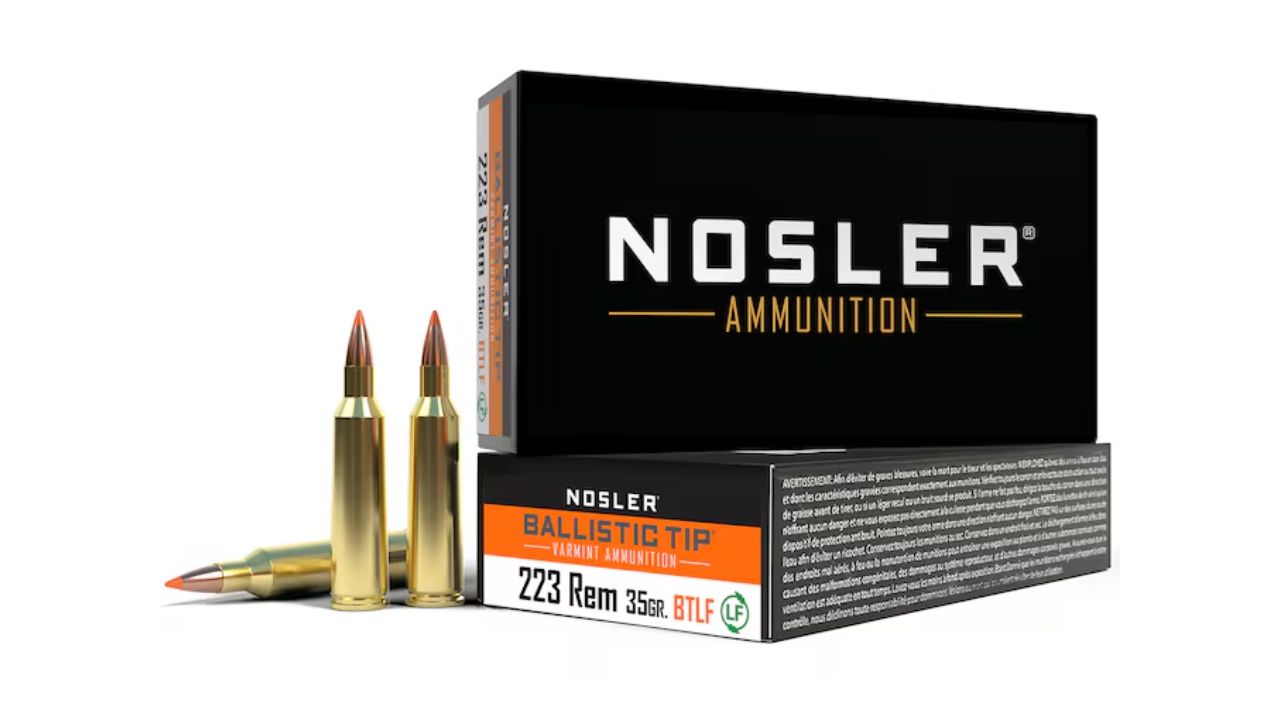
The .35 Remington has a loyal group of hunters who stick with it simply because it’s what their family always used. Inside 100 yards, it hits hard, and it has long been tied to classic deer camps in the Northeast and South.
But ammunition availability has dropped over the years, and the cartridge’s trajectory isn’t friendly once you stretch it out. Many modern rounds offer better reach and wider bullet selection. Still, the .35 Rem remains in the rotation for hunters who want to carry the same setup older generations trusted.
.32 Winchester Special
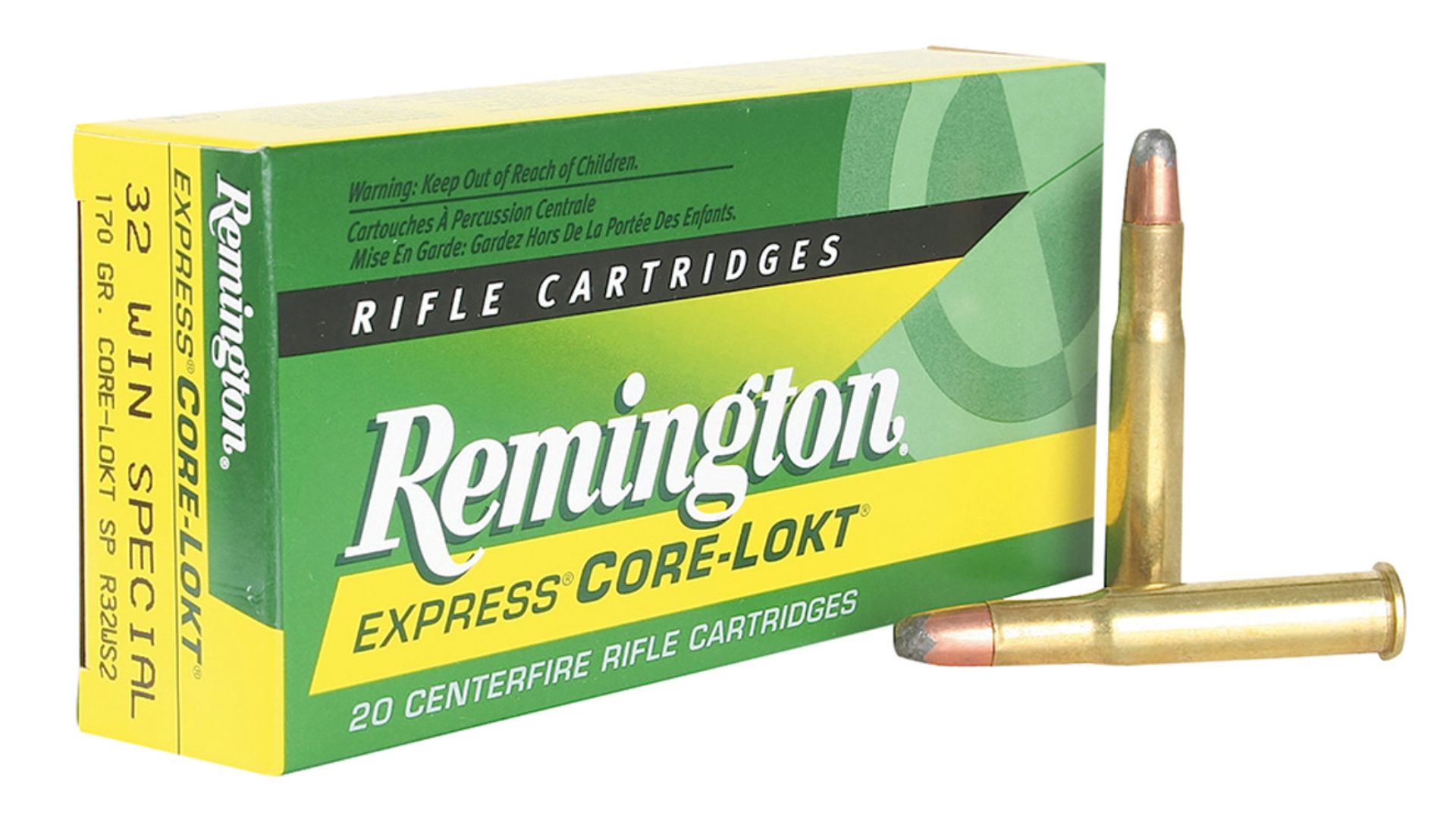
You don’t see many .32 Specials outside family collections, yet some hunters continue using them because that was the cartridge their grandfather swore by. In performance, it lands close to the .30-30 but with even fewer factory options today.
Trajectory is steep, recoil is moderate, and ammunition can be difficult to find in many areas. But the rifles chambered for it are often old lever guns handed down through the family, and that connection is what keeps the cartridge alive far more than its ballistic performance.
.300 Savage
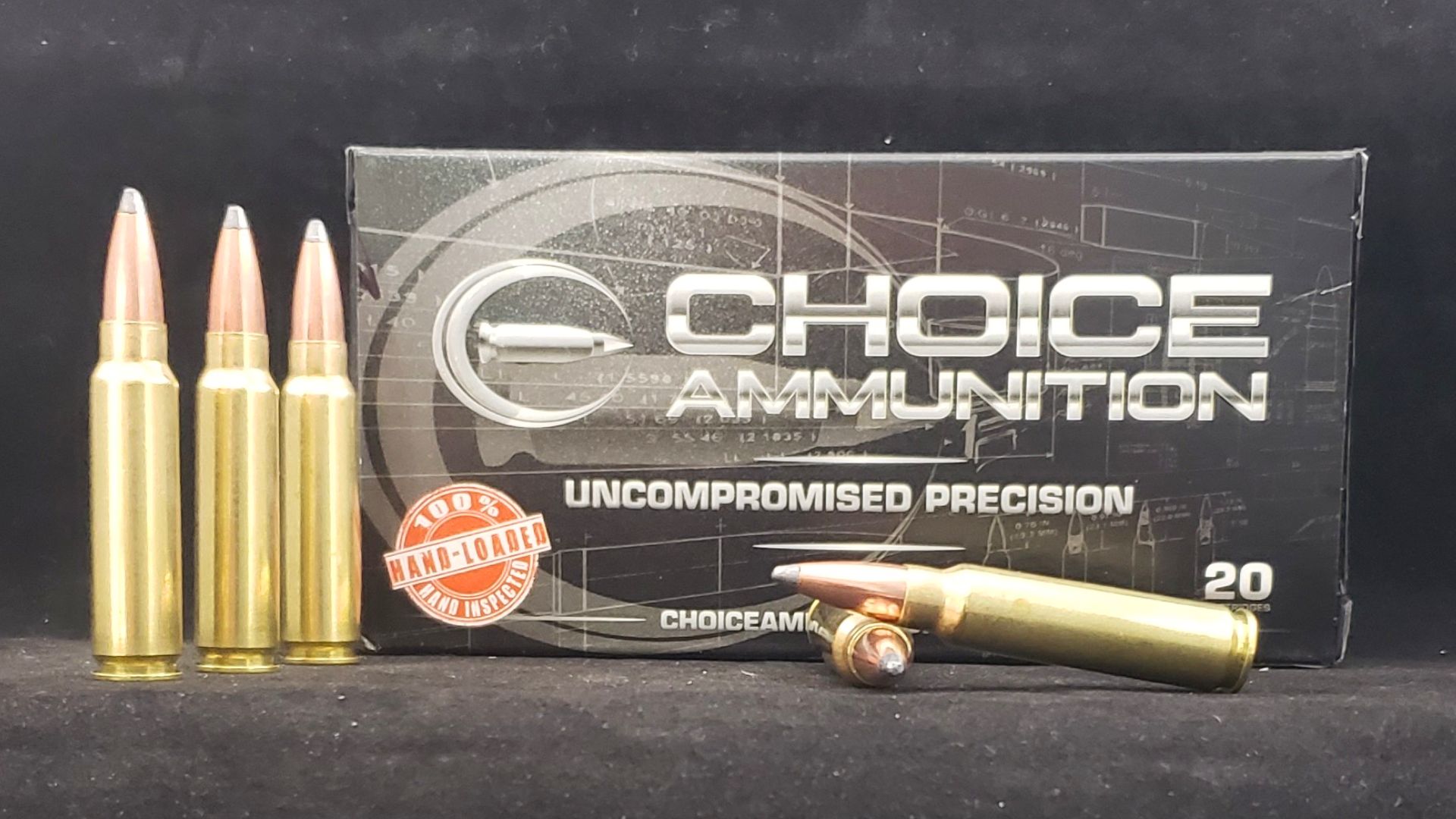
The .300 Savage once stood as a major step forward in deer hunting, and older hunters remember it fondly. Modern cartridges like the .308 Winchester have long surpassed it, but some hunters still take the .300 Savage into the field because it’s tied to family history.
Factory ammunition isn’t as common as it once was, and bullet weights are limited. The round handles deer well at traditional ranges but struggles to compete with modern options. Even so, many rifles chambered for it have been in the same family for decades, and that attachment is what carries it forward.
.257 Roberts

The .257 Roberts is a capable, smooth-shooting cartridge, but many hunters who carry it today do so because it was a family favorite. The round has been overshadowed by the .243 Winchester and the 6.5 class of cartridges, which offer better availability and factory load development.
Despite that, the .257 still performs well on deer and antelope with proper loads. It’s accurate and pleasant to shoot, but not widely supported anymore. Hunters who stick with it usually have an older rifle they refuse to retire, and that sentiment keeps the cartridge from fading completely.
.303 British
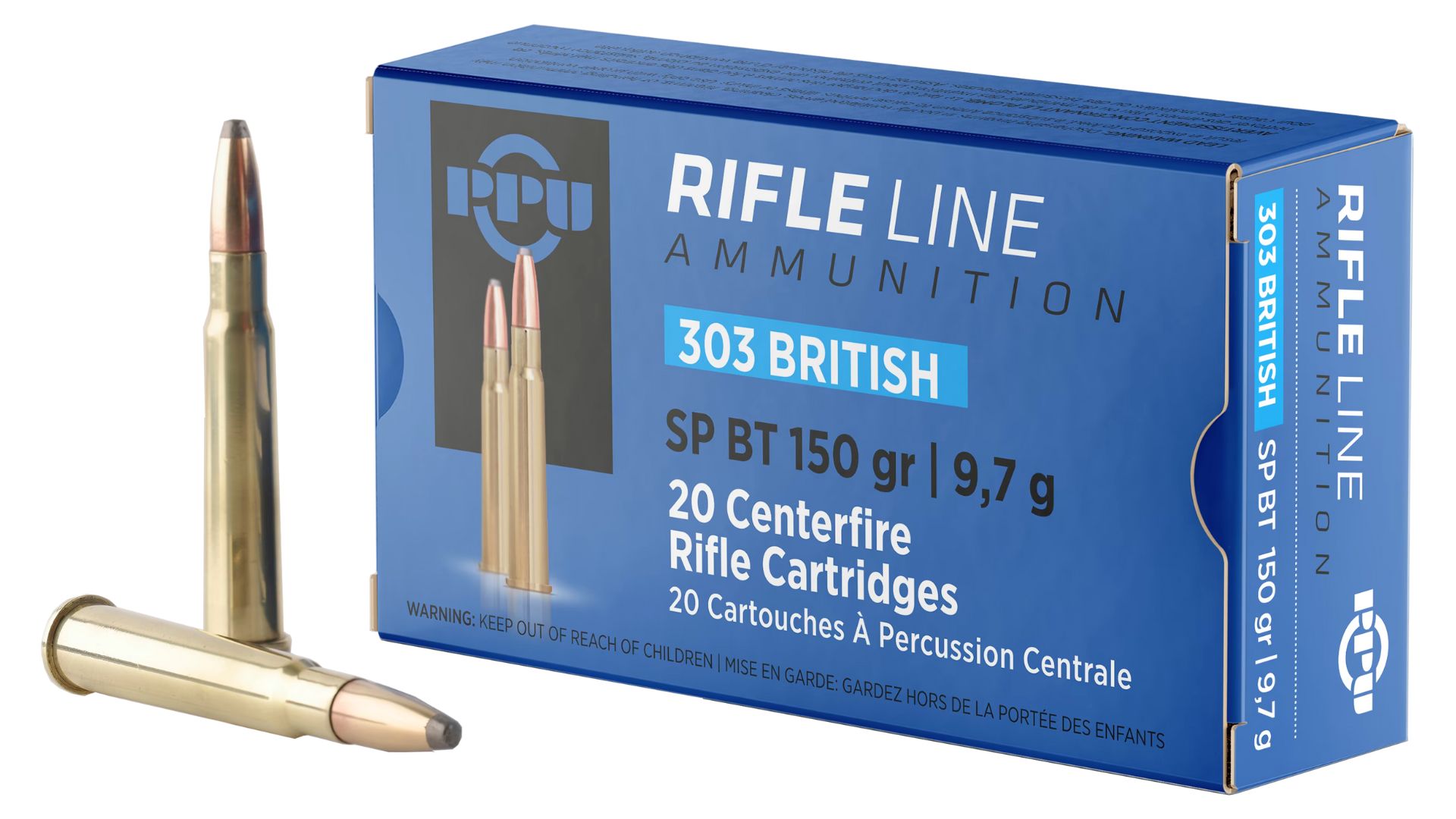
The .303 British is more tied to heritage than performance in modern North American hunting. Many hunters carry old Lee-Enfields passed down through the family, and the cartridge stays in use mostly because of that connection.
It’s still effective on deer and black bear, but ammunition selection is shrinking. The round also carries more drop and drift than modern mid-caliber choices. Even so, the sense of history attached to the .303 keeps it alive, especially among hunters who appreciate the rifle more than the ballistics.
.30-40 Krag
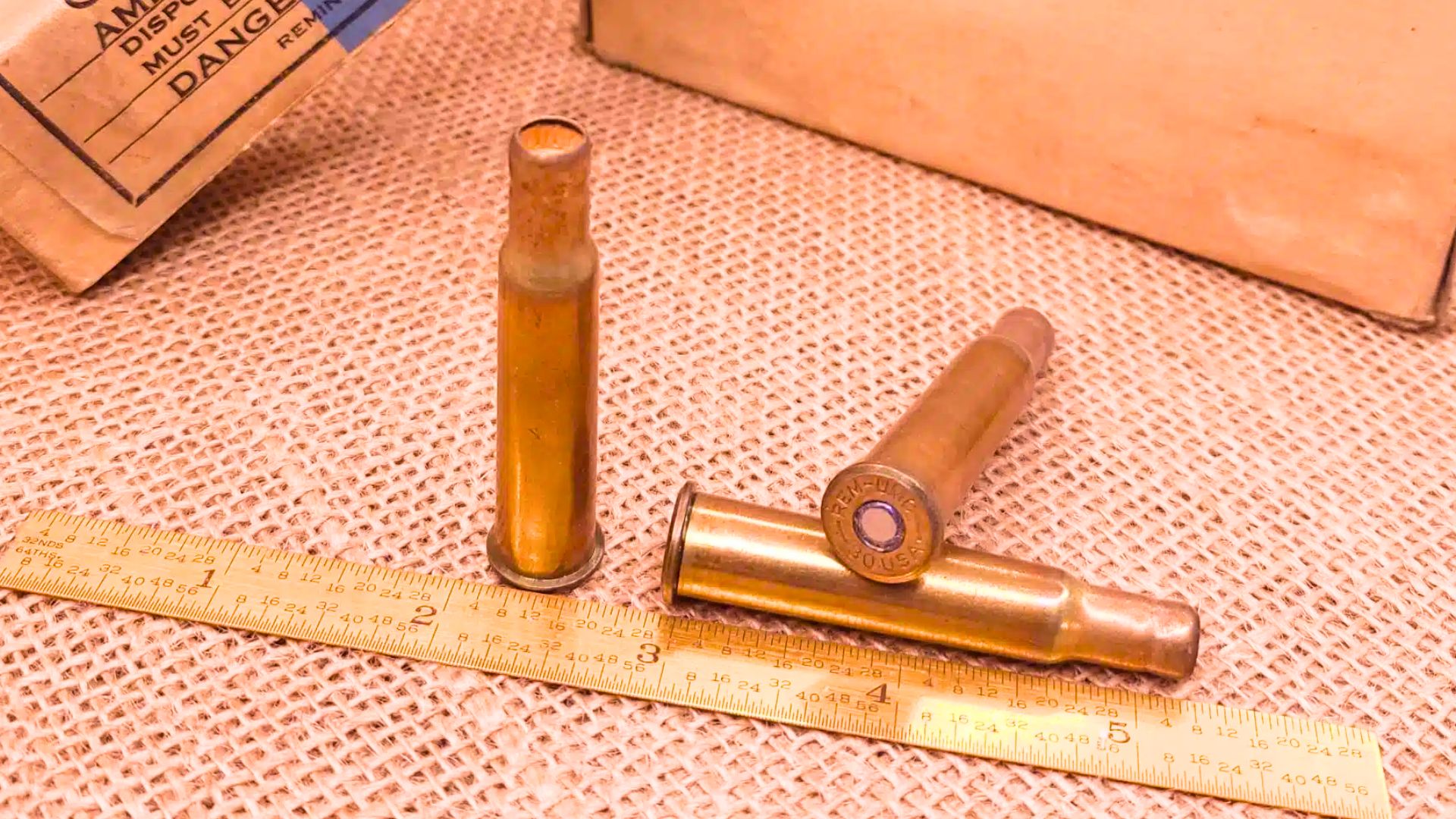
The .30-40 Krag has a soft recoil impulse and enough punch for deer-sized game, but few modern hunters choose it based on performance alone. Most of the rifles chambered for it are heirlooms, and the cartridge survives mainly because of that legacy.
Ammunition isn’t always easy to find, and the round lacks the velocity of modern options. Still, hunters with a family Krag tend to keep it active, taking it out once or twice a season more for tradition than necessity.
.38-55 Winchester

The .38-55 holds a special place for hunters whose families passed down old Marlins and Winchesters chambered in the round. It has excellent short-range performance and mild recoil, but it’s far from a modern choice.
Trajectory is steep, and factory loads are sometimes difficult to source. Many hunters use it for nostalgia rather than practicality. But when you grow up hearing stories of relatives taking deer with a .38-55, it’s hard not to keep the tradition going.
.222 Remington
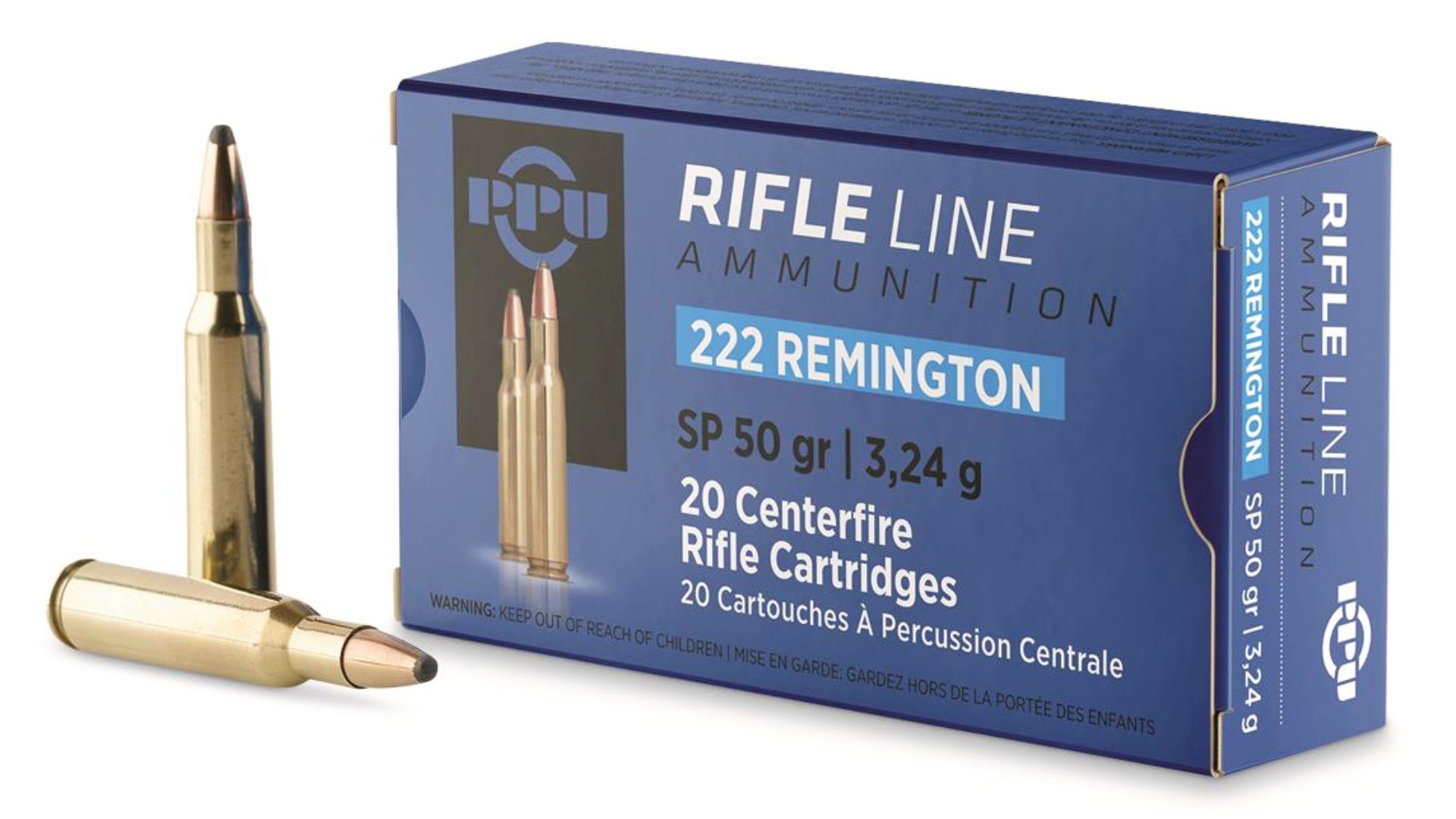
The .222 Rem used to be a favorite among small-game and varmint hunters, especially before the .223 Remington took over. Many shooters still keep the .222 because their father or grandfather used it as their go-to predator rifle.
It’s accurate and pleasant to shoot, but factory ammunition has become less common. The .223 surpasses it in every practical way, yet the Triple Deuce maintains a following thanks to the rifles tied to family history.
.250 Savage

The .250 Savage was once popular for deer hunters who wanted low recoil and reliable performance. Many of the hunters who still use it today do so because it was their family’s go-to cartridge.
The round performs well inside reasonable ranges but hasn’t kept pace with modern cartridge development. Ammunition availability is limited, and the .243 outperforms it in most categories. Still, owners of older Model 99s keep it alive through loyalty and sentiment.
.45-70 Government (Traditional Loads)

The .45-70 has seen a resurgence with modern high-pressure loads, but many hunters still use it because it’s what their grandfather carried for big woods hunting. Traditional loads limit range and holdover significantly.
Most of the rifles tied to family stories are older lever guns, and hunters keep using them more for connection than performance. It still works well at close distances, but nostalgia is a major reason it stays in active rotation.
.348 Winchester
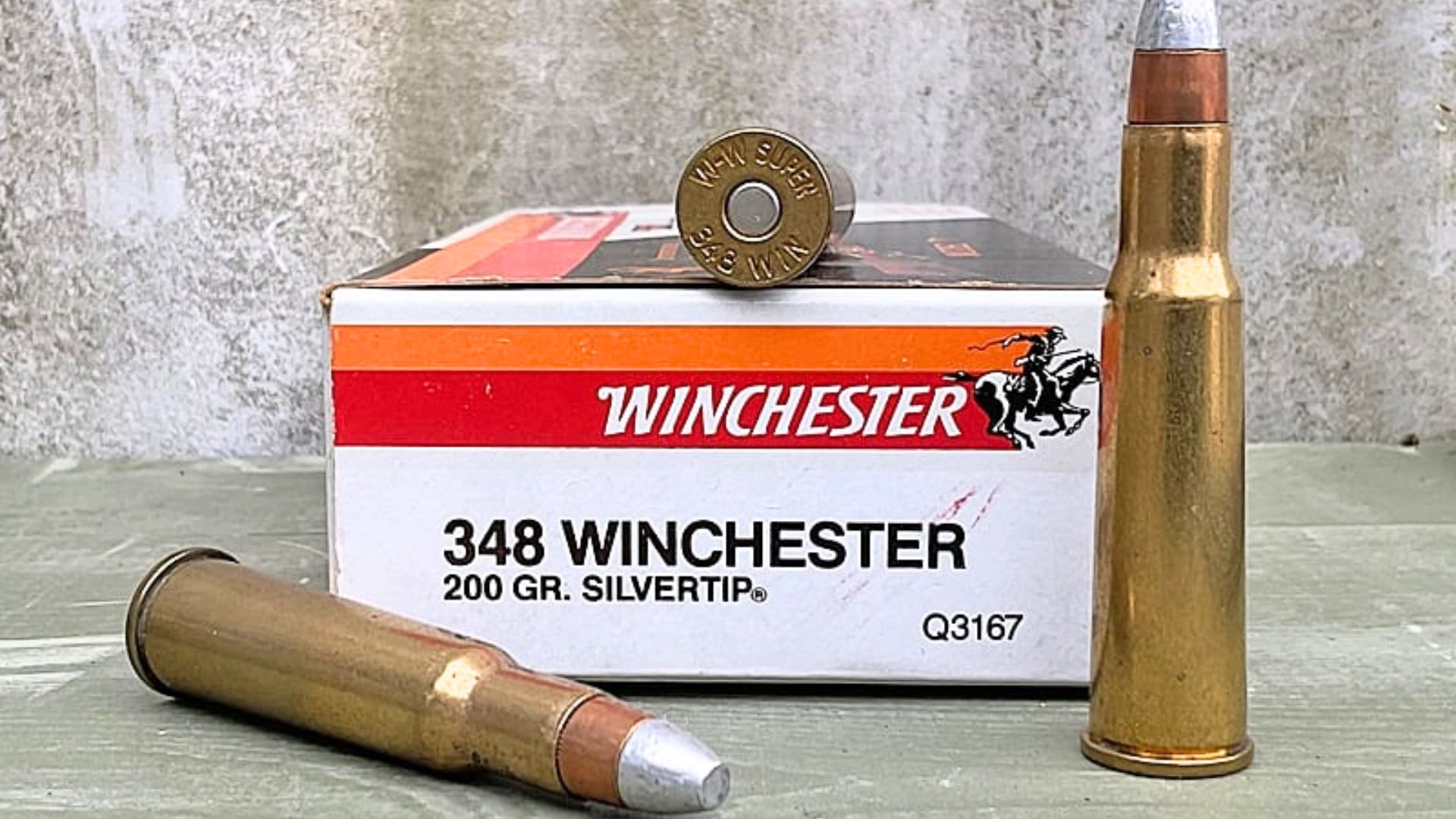
The .348 Winchester exists today almost entirely because of the Model 71 rifles passed through families. The round hits hard but suffers from limited ammunition and bullet choices.
It’s effective at moderate ranges but far from practical compared to modern cartridges. Hunters who still use it are usually doing so to honor the rifle’s heritage, not because it offers superior ballistics.
.264 Winchester Magnum

The .264 Win Mag had a strong following among older hunters who valued its flat trajectory. Today, many still use it because it was the cartridge their fathers trusted for long-range shots.
But barrel wear, limited factory options, and competition from modern 6.5 cartridges have pushed it aside. The round works well, but nostalgia plays a major role in keeping it alive in certain camps.
7×57 Mauser
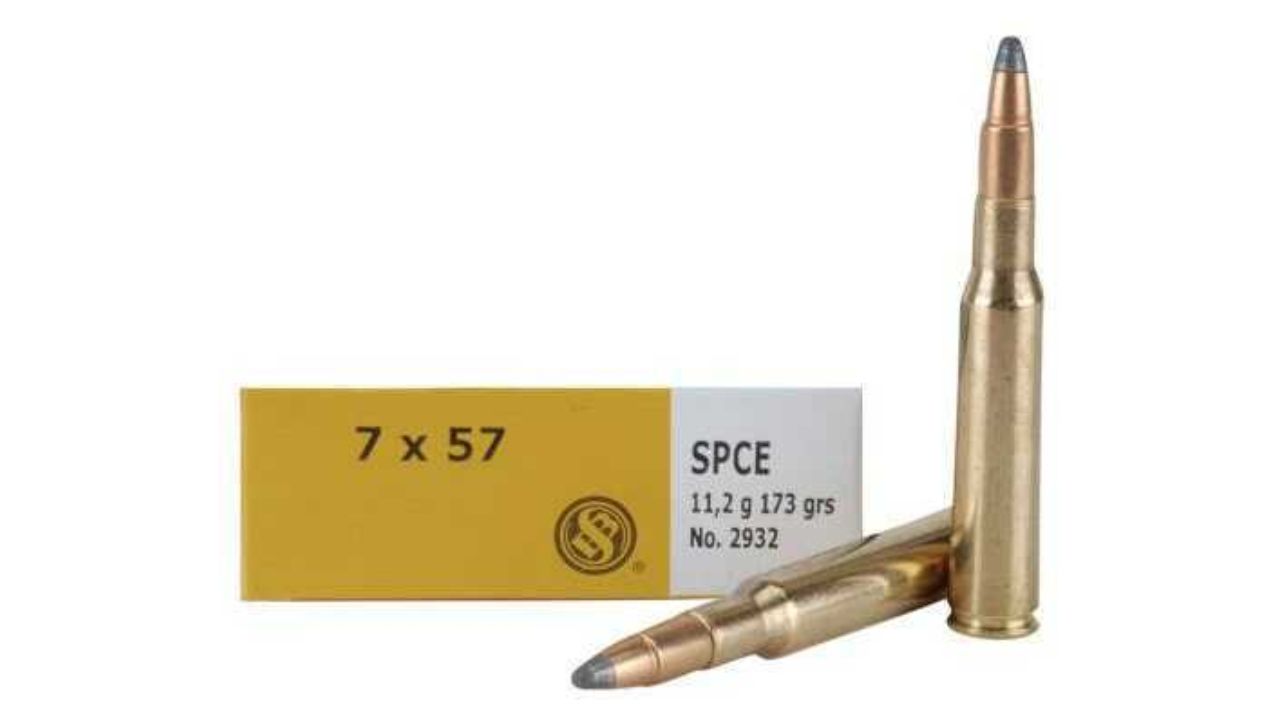
Hunters who still carry the 7×57 often do so because it’s tied to guns with family stories. It’s a capable round, but the 7mm-08 has taken its place in modern lineups.
Ammunition selection is narrower, and many rifles chambered for it are older models. Tradition is usually the reason it sees the field, not ballistic superiority. But it does its job well when handled within its limits.
.220 Swift

The .220 Swift was a favorite among older varmint hunters who valued extreme velocity. Many people who use it today had relatives who swore by it. The round remains accurate but eats barrels quickly when pushed hard.
Most younger hunters choose other varmint cartridges, but the Swift lingers because of the legacy tied to rifles passed down through generations. It’s still fun to shoot, but nostalgia is a huge part of its survival.
Like The Avid Outdoorsman’s content? Subscribe to our newsletter so you never miss an article.
Here’s more from us: