Photo credit: David Torres/Pexels.com
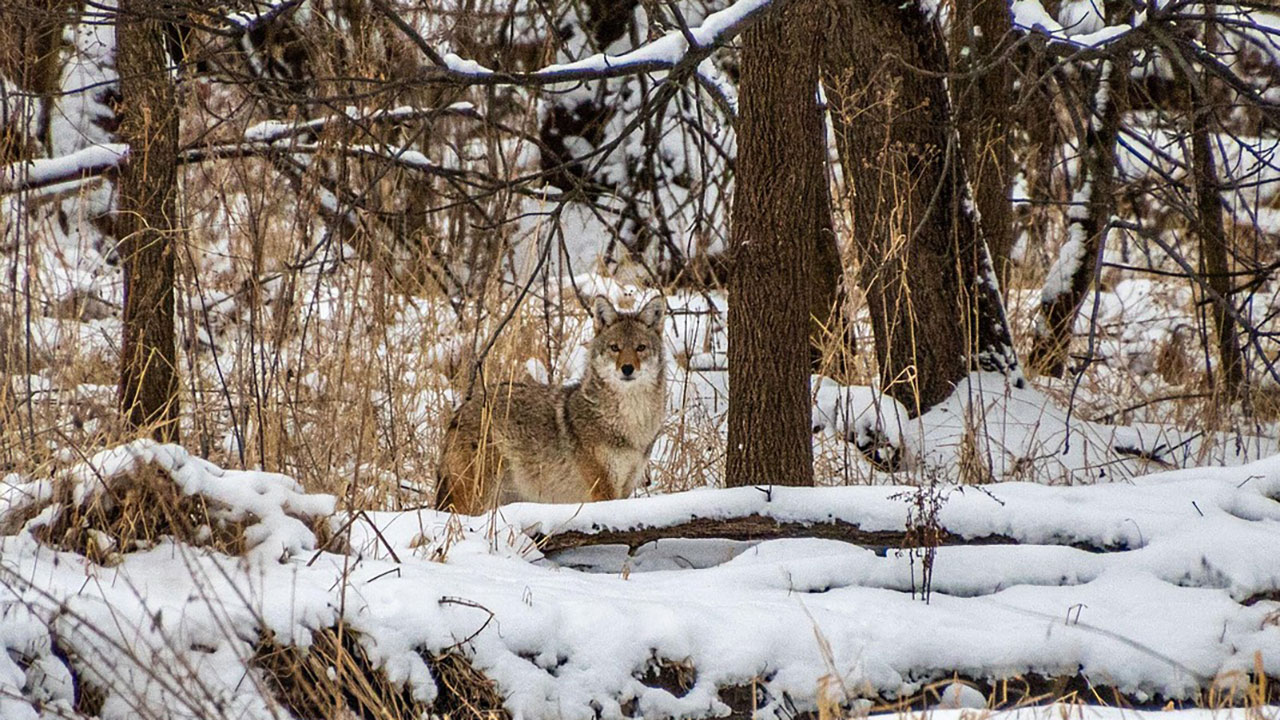
Coyotes were supposed to be “controlled” a long time ago. Instead, they’ve expanded their range to 49 states, increased their habitat by about 40% since the 1950s, and now show up from big ranches to city alleys. Biologists and USDA reports keep repeating the same thing: in most places, coyote populations are stable or increasing even with heavy hunting, trapping, bounties, and government control work.
The states below all check the same boxes: big estimated coyote numbers, year-round seasons or aggressive removal programs, and research or agency data showing that coyotes bounce back faster than we can knock them down. In other words, the coyotes are winning the math problem.
Texas

Texas has the biggest estimated coyote population in the country—around 860,000 animals, with year-round hunting allowed and plenty of government control work on top. Livestock protection programs, aerial gunning, and private trappers stay busy, but coyotes are still “common” across the state in farm country and suburbs alike.
USDA research shows that even when you kill a high percentage of coyotes locally, they refill the gap with higher reproduction and immigration from surrounding areas. Texas is a perfect real-world example of that—lots of effort, lots of dead coyotes, and still plenty of howling at night.
California
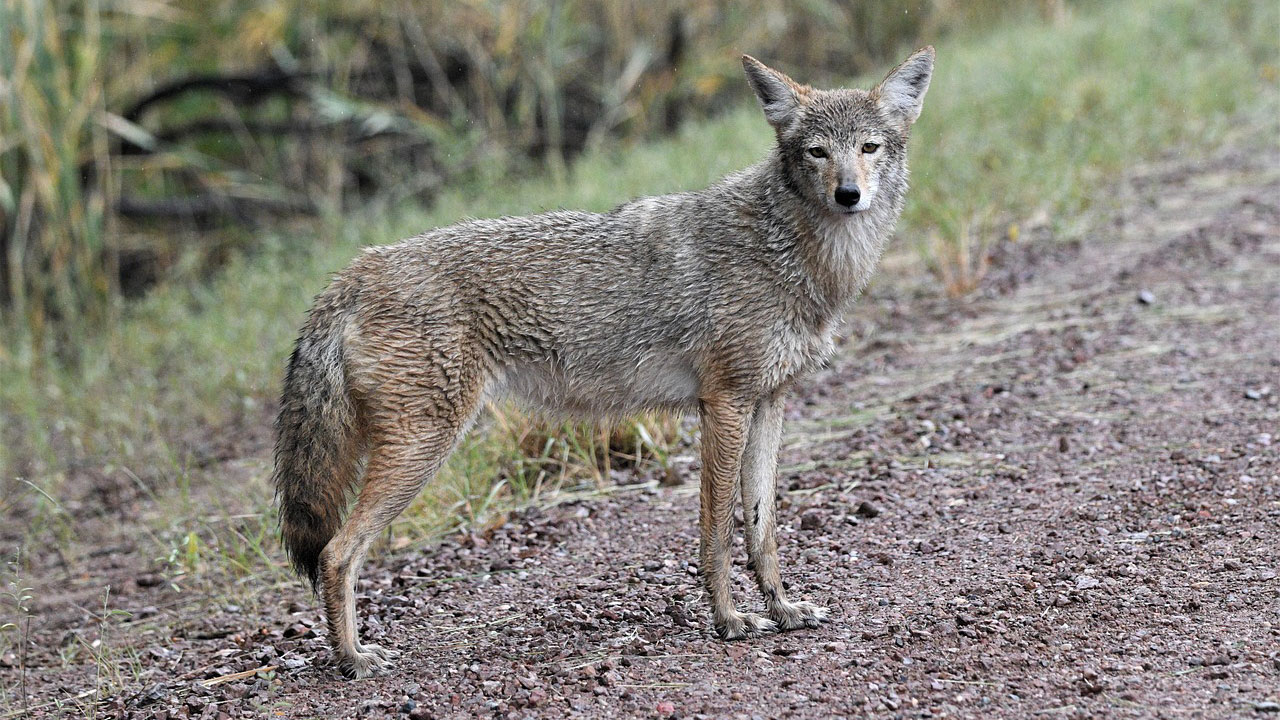
California’s coyote numbers are pegged at around 250,000 minimum, with some estimates going three times higher. They’re listed as “common,” and hunting is open year-round, but that hasn’t slowed them down in farm country or around cities like Los Angeles and San Diego. Coyotes are a regular part of suburban life there now, not a novelty.
You’ve got aerial gunning in ag regions, private depredation work, and constant removal around airports and urban trouble spots. Yet statewide, they’re still considered abundant and well distributed. That’s what “outpacing control efforts” looks like—constant removal, no real dent in the bigger picture.
Arizona

Arizona supports an estimated 200,000 coyotes, and they’re listed as “common” with year-round hunting and a trapping season in many units. Predator calling is basically a second language in this state, and coyotes still show up on ranches, golf courses, and public land in healthy numbers.
Southwestern research backs up what hunters see on the ground: coyotes are habitat generalists with flexible diets, and their populations stay stable or increase even in areas with heavy control. Arizona has all the ingredients—big numbers, nonstop hunting, and no sign the species is struggling.
Kansas

Kansas has become a coyote factory. Estimates put the population at around 150,000–300,000 animals, with “common” sightings and a year-round season. A K-State extension specialist notes that coyote abundance has roughly tripled since the fur market crashed in the late 1980s, and they’re now more visible in human spaces than ever.
Control here is constant—trapping, calling contests, ranch depredation work—but the overall trend has still been upward over decades. When your main predator triples its numbers across farm and ranch country while everybody’s trying to kill it, that’s the textbook definition of “outpacing control.”
New Mexico
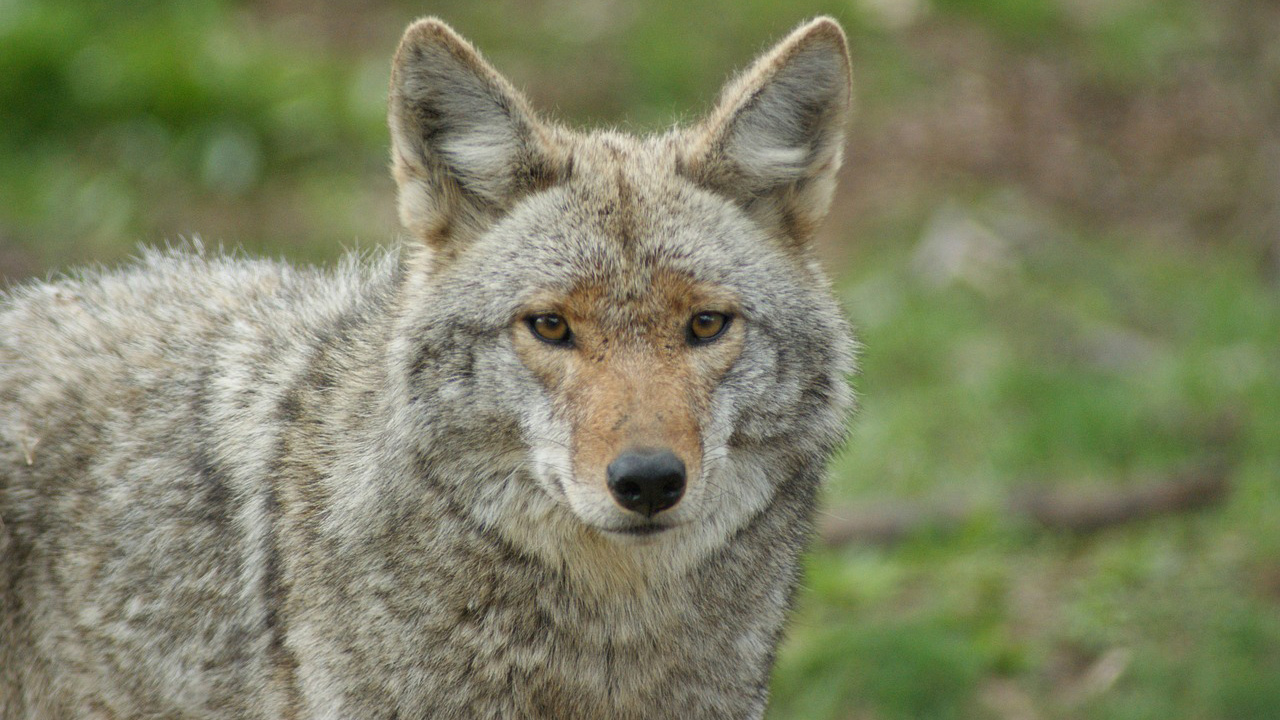
New Mexico carries an estimated 125,000 coyotes, with year-round hunting and trapping allowed in most areas and “common” listed as their status. They’re firmly part of the landscape from desert rangeland to mesa country and foothills, feeding on everything from jackrabbits to calves when they can get away with it.
Western predator research shows that coyotes in open, rugged habitat tend to absorb control pressure by shifting territories and cranking up reproduction. New Mexico’s combination of big, rough country and constant predator work makes it a prime place where coyotes keep pace with anything we throw at them.
Arkansas
Arkansas has over 100,000 coyotes by recent estimates and lists them as “common,” with year-round hunting and long trapping seasons. Ranchers, deer hunters, and turkey hunters all have reasons to take a shot when they can, and coyotes are a regular focus of USDA Wildlife Services depredation work across the Southeast.
Even with all that pressure, regional studies show that coyotes keep stable or increasing numbers across most of their range, including Southeastern states. Arkansas sits right in the middle of that picture—lots of control, and still plenty of song dogs.
Georgia

Georgia’s estimated coyote population sits around 90,000, “common” statewide with year-round hunting. University of Georgia and USDA research has spent years looking at coyote effects on deer fawns in the Southeast, and a new 18-year study out of South Carolina found that even repeated removal efforts didn’t reduce coyote numbers in the long term.
The takeaway applies across the region: you can hit local coyotes hard, but they bounce back fast through immigration and big litters. Georgia’s mix of ag, timber, and suburbs gives them all the habitat they need to keep doing exactly that.
South Carolina

South Carolina is ground zero for some of the best coyote research in the Southeast. An integrated population model from a high-density coyote system showed that populations surged or quickly rebounded after removal, even when managers spent serious money trying to knock them down.
USDA and U.S. Forest Service work in the region points out the same trend: predator numbers, especially coyotes, tend to stay stable or increase across most landscapes despite intensive control in livestock areas. South Carolina may not have the absolute highest headcount, but it’s one of the clearest examples of control efforts getting outrun.
Florida

Florida estimates its coyote population anywhere from 13,000 up to 70,000, and the Fish & Wildlife Service has flat-out said that sanctuary-level removals barely touch the statewide population—“the species is expected to continue to thrive” even with ongoing hunting and control.
You’ve got depredation work around livestock, removal near airports and suburbs, and a fair amount of casual hunting layered on top. Yet coyotes still show up in coastal preserves, ag land, and neighborhoods. When the feds tell you refuge kills won’t budge the state numbers, you know the coyotes are winning the long game.
Wisconsin
Wisconsin’s coyote population doesn’t even have a precise headcount, but biologists describe it as “stable or increasing” based on winter track counts, harvest data, and annual mammal surveys—despite low survival rates driven largely by human-caused mortality.
That’s the coyote trick in a nutshell: heavy harvest gets met with higher reproduction and immigration from neighboring areas. The research out of Wisconsin lines up with national work showing that human killing can actually shift coyote social structure in ways that keep populations strong. If you wanted a Midwest example of coyotes outpacing control, this is it.
Pennsylvania

Pennsylvania is estimated at around 100,000 coyotes, with year-round hunting and a long history of predator control. Decades-old research from the Northeast noted “growing coyote populations” even as small-game and deer numbers stayed stable or climbed, suggesting that normal harvest levels weren’t making a dent.
Modern data points in the same direction: coyotes are well established in farm country and big woods, and they’re not going away. You can thin local pockets, but at the statewide level, the species is holding its ground just fine.
Colorado

Colorado has an estimated 78,000–89,000 coyotes, considered “common” with year-round hunting. Between ranch depredation work on the plains and predator control around towns on the Front Range, a lot of coyotes get removed every year.
But western research shows that, as a whole, coyote populations remain stable or increasing across big landscapes even when livestock areas see heavy control. Colorado’s mix of rangeland, foothills, and suburban sprawl gives them endless food and cover, which is why you still hear them light up from the sage to the cul-de-sacs.
Oregon

Oregon’s estimated coyote population is around 83,000, listed as “common” with year-round hunting. They’re a standard sight across high desert, timber country, and even ag valleys. Ranchers and government crews hit them hard where calves and lambs are on the ground, but broad-scale surveys still find widespread, stable populations of coyotes and other mid-size predators.
Coyotes thrive on edge habitat and mixed country, and Oregon has plenty of both. As long as the prey base holds and winters aren’t catastrophic, control work mostly shifts where you see them, not whether they’re there.
Nebraska

Nebraska is estimated at about 77,000–155,000 coyotes, “common” with a year-round season. They ride the edges of corn and cattle ground, then vanish into draws and cedar tangles when trucks show up. Trapping, calling, and aerial gunning all play a role in control, especially in ranch country.
Despite that, coyotes remain one of the most widespread and adaptable predators on the landscape, and national predator-management summaries still describe their overall populations as stable or increasing across most of their U.S. range. Nebraska’s numbers and hunting pressure fit that pattern perfectly.
Alabama

Alabama’s estimated coyote population sits a bit over 50,000, “common” statewide with year-round hunting and night-hunting allowances for part of the year. It’s a classic Southeastern setup: coyotes on cattle ground, in pine plantations, in cutovers, and even around small towns.
The same University of Georgia and USDA work that looked at coyotes hammering deer fawns in nearby states applies here too—intensive local removal can reduce numbers for a bit, but populations rebound quickly and stay strong at the regional scale. Alabama lives in that zone where everybody’s shooting coyotes, and coyotes are still doing just fine.
Like The Avid Outdoorsman’s content? Subscribe to our newsletter so you never miss an article.
Here’s more from us: