Photo credit: Karel Bock/Shutterstock.com
Finding a fresh mountain lion track isn’t the same thing as “a lion is stalking you,” but it also isn’t something you shrug off like a deer print. The right move is to treat it like a real safety flag and respond with a plan instead of adrenaline. The biggest mistake people make is either panicking and sprinting back to the house, or doing the opposite and going full tough-guy and “tracking it” to prove a point. A lion is an ambush predator. Your goal is to reduce surprise, keep people and pets together, and get eyes on what’s happening without turning yourself into a moving target.
First, confirm it’s actually a lion track before you escalate
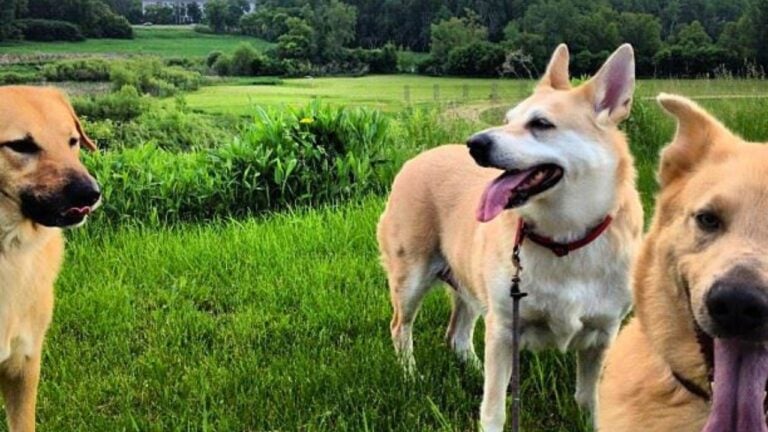
Mountain lion tracks can get confused with big dog prints in soft ground, especially when the edges are blown out by moisture or time. A common tell is that cat tracks usually don’t show claw marks the way many canines do, and the pad shape tends to look more “rounded” and compact than a dog’s. That said, don’t get stuck playing wildlife detective for an hour in the dirt. If the track looks fresh, large, and you’re in lion country, treat it as potentially real and move to the next steps. Take a clear photo with something for scale (boot, coin, tape measure), note the direction of travel, and pay attention to where that track is: near a creek line, a game trail, thick brush, or a fence gap. Those details matter if you end up calling it in.
Get people and pets inside, then change your routine for the next 24–48 hours
The immediate “do next” is simple: bring kids and pets in, stop letting animals free-roam, and don’t send anyone outside alone “to check” anything. Lions are most active at dawn, dusk, and at night in many areas, but they can move in daylight too, especially where prey is thick or pressure is low. If you’ve got a dog that normally goes out at night, that’s exactly how people end up with a bad situation. Keep outdoor time tight and supervised, use lighting at night, and avoid jogging or walking solo in brushy edges right after you find fresh sign. This isn’t forever. It’s a short-term adjustment while you figure out if it was a one-time pass-through or a repeat visitor.
Look for the “why”: prey, cover, and a repeatable travel route
A lion track is often a sign the animal is moving through following food and cover, not hanging around your house specifically. Deer trails, turkeys, feral cats, rabbits, and even unsecured livestock feed that attracts prey can bring predators closer than you want. Walk your property edges during daylight (with a buddy), and look for the pattern: game trails that funnel through thick cover, brushy creek bottoms, and hidden travel corridors that let a lion move unseen. If you find multiple tracks, scat, scratches, or a clear trail that keeps showing activity, that’s the difference between “one animal passed through” and “this is becoming a routine.” A trail camera pointed at the travel corridor can give you timing and proof fast, and Bass Pro Shops is an easy place to grab a basic camera if you don’t already have one.
If the track is near a house, school bus stop, or livestock, call the right people
If the track is close to where kids play, where pets are walked, or where livestock is penned, don’t wait to “see what happens.” Call your state wildlife agency, local game warden, or animal control (depending on how your area handles big cats) and give them specifics: photos, location, time found, direction of travel, and any other sign. They’ll tell you what’s normal for your region and what crosses into “we need to respond.” Also, tell neighbors if you’re in a rural area—politely, factually, and without turning it into a Facebook panic fest—because the fastest way to reduce risk is getting everyone to keep pets close and stop creating easy opportunities.
If you run into a lion, don’t run—make it regret getting close
Most lion encounters end without an attack, but the worst response is turning your back and running. If you see one, get big, keep eye contact, back away slowly, and put something between you and it if you can (a tree, a vehicle, a fence). Pick up small kids immediately—don’t let them run—and keep dogs close on a short leash if you’re outside. Use a loud voice, throw rocks if it won’t leave, and don’t crouch down. Lions are built for ambush, and sudden prey-like movement is exactly what you don’t want to give them. The goal is to look like a problem, not an opportunity, and to get to safety without doing anything that triggers chase behavior.
Like The Avid Outdoorsman’s content? Subscribe to our newsletter so you never miss an article.
Here’s more from us: