Photo credit: Matthew James Ferguson/Shutterstock.com
Suburban danger rarely looks dramatic. It doesn’t usually involve deep wilderness or deliberate encounters. It’s quiet, familiar animals slipping into yards, cul-de-sacs, parks, and greenbelts because food is easy and people feel predictable. Trash cans, bird feeders, pet food, retention ponds, and landscaping all act like invitations—especially at night or during dry seasons.
The animals on this list aren’t dangerous because they’re aggressive by default. They’re dangerous because proximity lowers caution, people underestimate them, and encounters happen fast. These are the animals most likely to injure people, pets, or cause serious incidents once suburbs overlap with their territory.
White-tailed deer
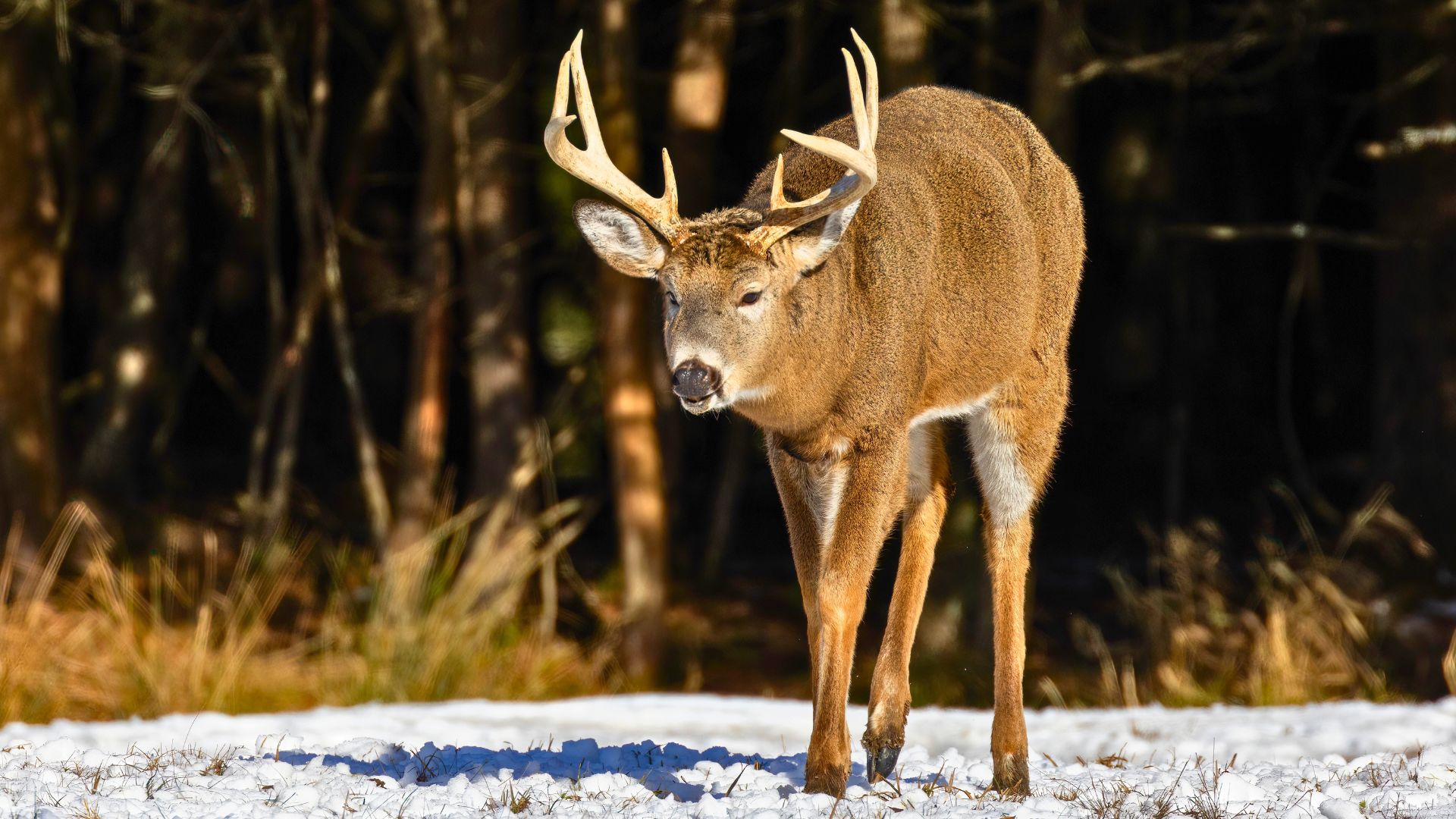
Deer don’t look dangerous, which is exactly why they top this list. They’re involved in more serious human injuries and deaths each year than almost any other wild animal, largely because of vehicle collisions. Suburban neighborhoods with tree lines, parks, and ornamental landscaping are prime deer habitat, especially at dawn and dusk when visibility is poor.
Beyond vehicle accidents, deer can be aggressive during rut or when protecting fawns. Kicks and antler injuries happen when people try to shoo them away or underestimate how fast they can move. The danger isn’t drama—it’s familiarity. People stop seeing deer as wildlife and start treating them like oversized pets, which is when bad decisions and bad timing collide.
Coyotes

Coyotes have adapted to suburban life better than almost any predator in North America. They travel drainage corridors, railroad tracks, and greenbelts, moving through neighborhoods without being seen. The biggest danger comes from habituation—when coyotes stop avoiding people and start testing boundaries.
While attacks on adults are rare, attacks on pets are common, and small children have been injured in multiple documented incidents. Coyotes that learn neighborhoods equal easy meals become bolder over time. Feeding wildlife, intentionally or not, accelerates this process. Once a coyote starts seeing humans as background noise instead of a threat, encounters escalate quickly.
Raccoons

Raccoons are deceptively dangerous because they thrive around people and show very little fear. They’re common carriers of rabies and other diseases, and bites or scratches almost always require medical treatment. Suburban raccoons also become aggressive when cornered, injured, or protecting young.
The risk isn’t just direct attacks—it’s exposure. Raccoons raid trash cans, garages, and pet food bowls, increasing contact opportunities. Kids trying to interact with them, or homeowners attempting to trap or chase them away, often get bitten. They’re small, clever, and persistent, which makes them one of the most underestimated suburban hazards.
Black bears

As suburbs expand into wooded areas, black bear encounters are becoming more common. Most bears avoid people, but food-conditioned bears don’t behave normally. Once a bear associates neighborhoods with calories, it loses fear quickly.
The danger comes from surprise encounters, especially around garages, trash bins, or backyard grills. Bears can cover ground shockingly fast, and defensive reactions from people often make situations worse. Injuries usually happen when someone unknowingly corners a bear or gets between a mother and cubs. Suburban bears aren’t “tame”—they’re opportunistic, and that makes them unpredictable.
Mountain lions

Mountain lions don’t wander into suburbs often, but when they do, the risk is serious. These cats are ambush predators, and suburban edges—trails, greenbelts, parks—look like hunting corridors. Children, joggers, and cyclists are most at risk because their movement patterns can trigger predatory responses.
Attacks are rare but severe. Unlike many animals on this list, mountain lions are capable of deliberately targeting humans under the right conditions. Suburban sightings should never be dismissed casually. These are apex predators operating far outside their normal avoidance behavior, and that alone raises the danger level significantly.
Feral hogs

Feral hogs are increasingly appearing on the outskirts of suburban developments, especially in southern and midwestern states. They’re strong, fast, aggressive, and often travel in groups. When startled or cornered, hogs charge—and people underestimate how fast that happens.
They also destroy landscaping, undermine foundations, and pose disease risks. Injuries usually occur when homeowners confront them directly or when dogs provoke them. Unlike deer or coyotes, hogs don’t bluff. Once they commit, the encounter becomes physical very quickly, which is why they’re considered one of the most dangerous animals expanding into suburban areas.
Alligators

In parts of the Southeast, alligators routinely show up in suburban retention ponds, golf course water hazards, and drainage systems. The danger isn’t constant aggression—it’s proximity and surprise. People assume small bodies of water are safe, especially for pets or children.
Alligator attacks often involve pets first, which pulls owners dangerously close. Once an alligator becomes comfortable around people, it’s no longer behaving like a wild animal—it’s behaving like an opportunist. Suburban settings make this worse by normalizing human presence and reducing the animal’s natural caution.
Bobcats

Bobcats are usually shy, but suburban expansion is pushing them into closer contact with people. They’re most active at dawn and dusk, which overlaps with dog walking and outdoor playtime. Attacks on humans are rare, but attacks on pets are not.
The real danger comes from disease exposure and defensive behavior. A bobcat acting aggressively during daylight hours is often sick, injured, or desperate—conditions that make bites and scratches more likely. Because they’re smaller than mountain lions, people tend to underestimate them, which leads to risky attempts to chase or corner them.
Snakes (venomous species)

Venomous snakes are one of the most consistent suburban dangers in many regions. Development pushes them into yards, sheds, garages, and landscaping where rodents attract them. Most bites occur when people accidentally step on or try to move a snake.
The danger is situational rather than aggressive. Snakes don’t chase people, but close-quarters encounters happen fast. Poor visibility, cluttered yards, and warm surfaces make suburban environments ideal hiding spots. Bites often occur during routine tasks like mowing, gardening, or reaching into storage areas.
Bats

Bats pose a unique suburban risk because their danger isn’t always obvious. They’re a leading rabies vector in the U.S., and bites can be so small they go unnoticed. Finding a bat in a bedroom, especially where children or pets were present, is treated as a medical emergency.
Suburban homes provide perfect roosting spots—attics, soffits, and chimneys. The danger comes from delayed awareness. People don’t always realize they’ve been exposed until symptoms appear, which is why bat encounters are taken so seriously by health officials.
Foxes
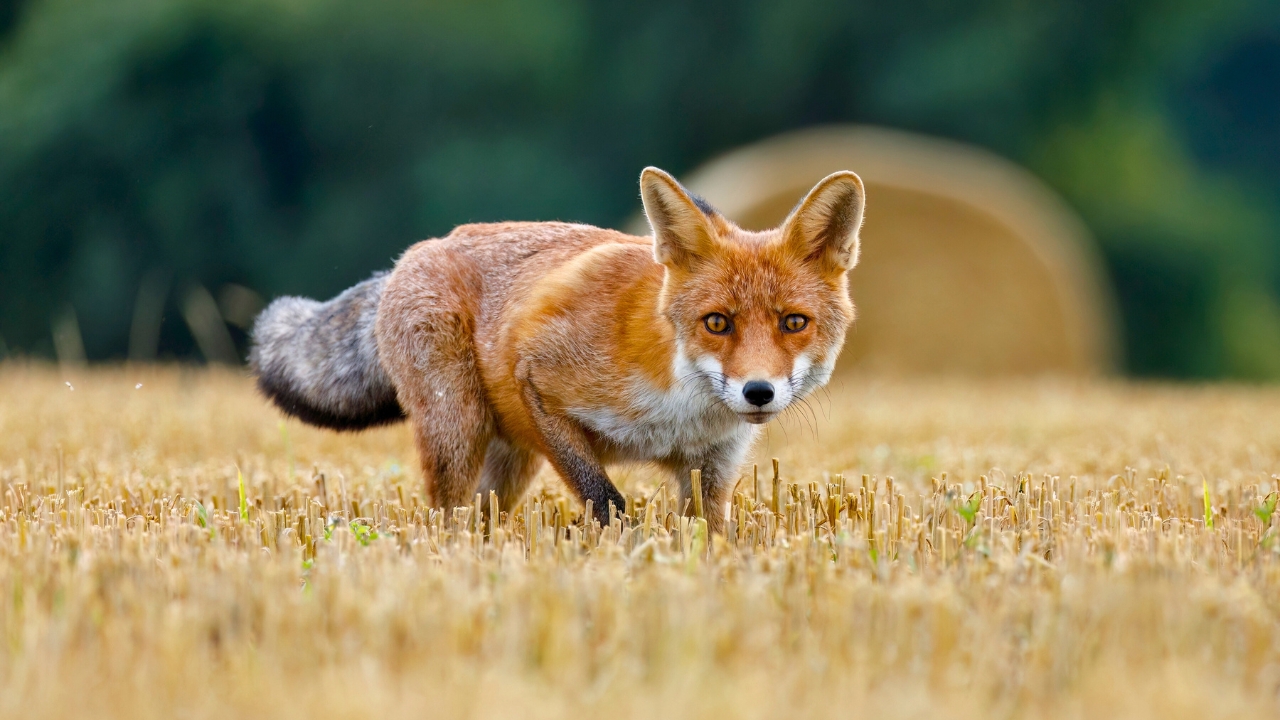
Foxes adapt well to suburban living and often appear calm around people. That calmness can be misleading. Foxes that lose fear of humans may be sick, injured, or food-conditioned—each of which increases risk.
Bites, while uncommon, almost always result in rabies testing or treatment. Foxes also prey on small pets and can behave aggressively if cornered. Like coyotes, the danger rises as familiarity increases. A fox that regularly appears during daylight hours deserves attention, not curiosity.
Moose

In northern suburbs, moose are one of the most dangerous animals people encounter. They’re massive, fast, and extremely defensive, especially around calves. Unlike predators, moose don’t need a reason to charge—they react to perceived threats.
Vehicle collisions with moose are often fatal due to their height and weight. In yards and driveways, moose attacks result in broken bones and severe injuries. People underestimate them because they look slow and passive. In reality, they’re among the most unpredictable large animals to wander into residential areas.
Wild turkeys

Wild turkeys don’t seem dangerous until they start asserting dominance. Suburban turkeys often lose fear of people and begin confronting them directly, especially during breeding season. Attacks usually involve pecking, wing strikes, and chasing.
While rarely fatal, turkey attacks can cause serious injuries, particularly to children and elderly people. The real issue is habituation. Once turkeys see humans as rivals instead of threats, they escalate behavior quickly. Suburbs provide the perfect environment for this kind of behavioral shift.
Beavers

Beavers create danger indirectly but consistently. They flood roads, undermine culverts, and create water hazards that lead to accidents. Direct encounters can also turn aggressive if a beaver feels trapped or threatened.
Beaver attacks are rare but severe when they occur, involving deep bites. Suburban waterways make encounters more likely, especially when people try to remove or disturb them. Their size and strength surprise people who assume they’re harmless.
Skunks

Skunks are dangerous less because of aggression and more because of disease and proximity. They’re common rabies carriers and show little fear of people. Bites often happen when dogs provoke them or when homeowners try to chase them away.
The danger is compounded by how often skunks use suburban structures for shelter. Crawlspaces, decks, and sheds put them close to daily human activity. A skunk acting aggressively or during daylight hours is a serious red flag and should never be handled casually.
Like The Avid Outdoorsman’s content? Subscribe to our newsletter so you never miss an article.
Here’s more from us: