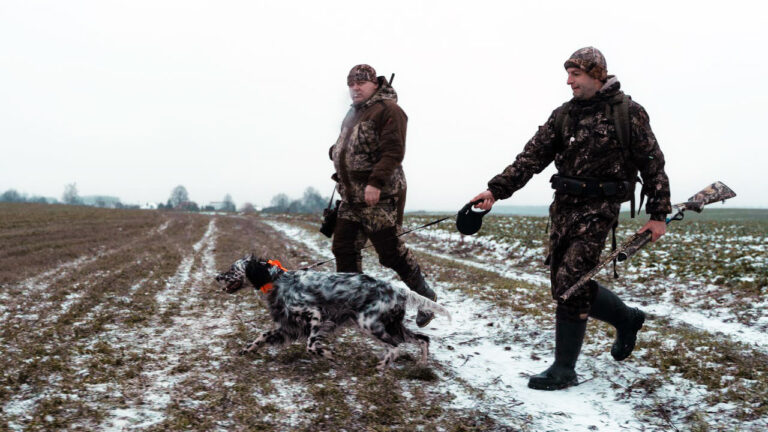
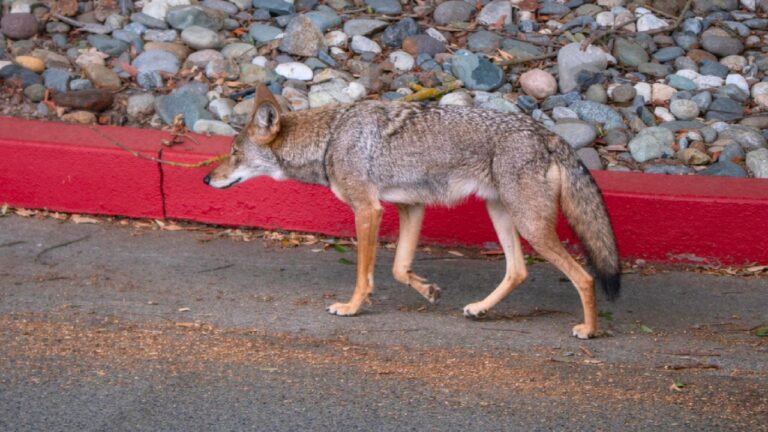
Photo credit: patrice schoefolt/Pexels.com
If you’ve hunted long enough, you’ve watched whitetails act different when something higher on the food chain shows up. The last twenty years brought wolves back to big chunks of the North, cougars into new country, and a whole lot more coyotes and bears than our dads ever dealt with. Biologists are seeing the same thing hunters are: deer changing where they move, when they move, and how they use cover when predators are on the landscape.
A lot of the headlines talk body counts and tag success. Underneath that, the real story is behavior. GPS collars, camera grids, and even crash data are showing deer altering travel routes, bedding choices, and road crossings when wolves, coyotes, cats, and bears crank up the pressure. That’s the stuff that changes how your season feels on the ground.
Wisconsin
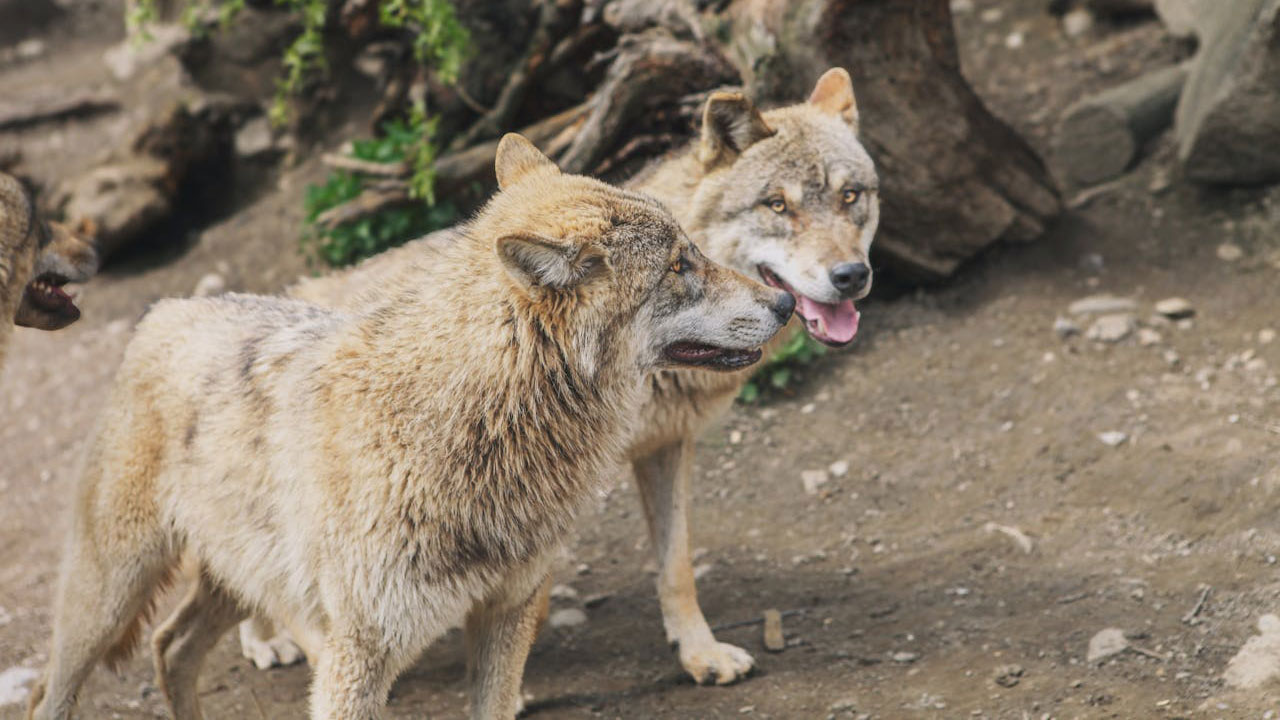
Wisconsin is the cleanest example of predators literally changing how deer move on a map. A big 2021 study found that once wolves colonize a county, deer–vehicle collisions drop about 24%, mostly because deer stop using roads and other linear features as casually as they did before. That’s behavior, not just body count. Wolves are creating a “landscape of fear” that keeps deer out of the open.
Other work in northern Wisconsin shows wolf density and time-on-the-ground lowering browse intensity where deer used to hammer young trees, and camera projects have documented deer shifting both where and when they move to dodge predators and people. If you’re hunting timber country up there, you’re not just hunting deer sign—you’re hunting how deer respond to wolves.
Michigan
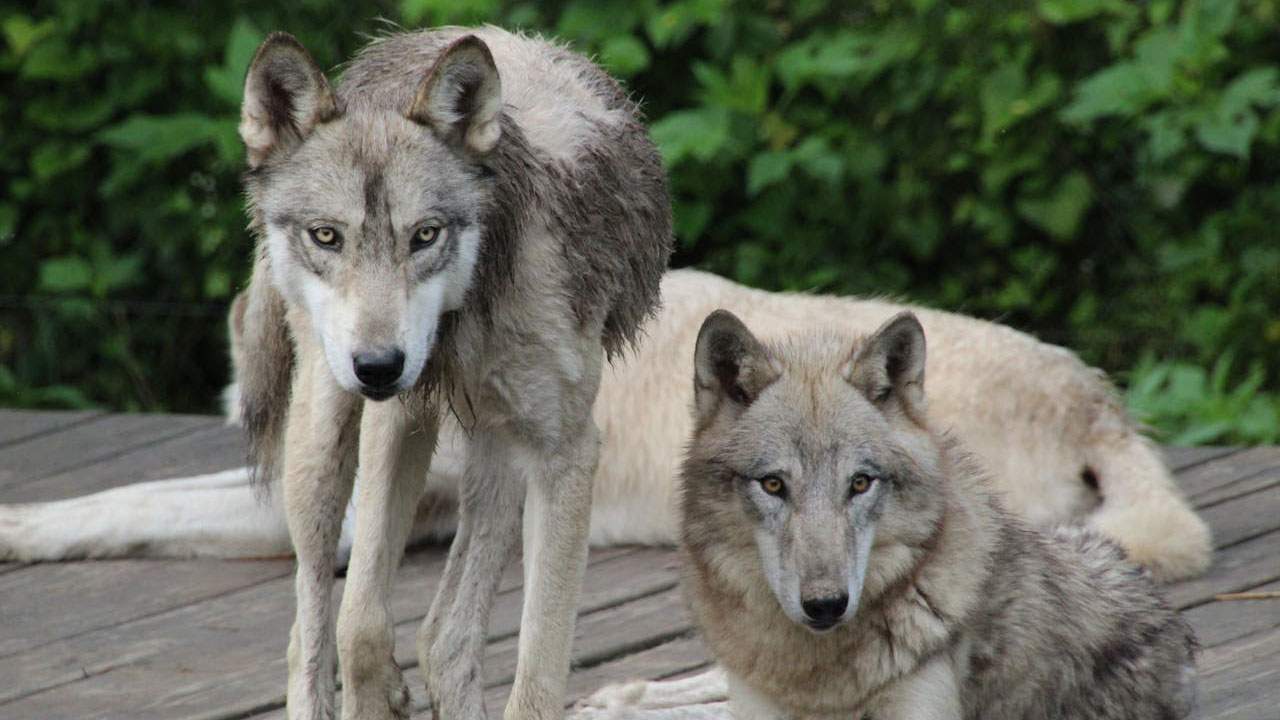
In Michigan’s Upper Peninsula, wolves, coyotes, bears, and bobcats all play a role. State biologists point out that winter, habitat, and hunter harvest still drive most of the big swings in deer numbers, but predator studies show fawn losses stacked heavily on coyotes and bears, with wolves contributing on top. That kind of pressure doesn’t just trim the herd; it pushes deer to be more careful about where they drop fawns and how they move in thick cover.
Recent work highlighted in regional reporting shows wolves using roads and trails as travel corridors and deer changing how often they cross or linger near those features in wolf country. For U.P. hunters, that means classic spots—open cuts, easy crossings, long road edges—don’t always hunt like they used to once wolves are part of the equation.
Minnesota
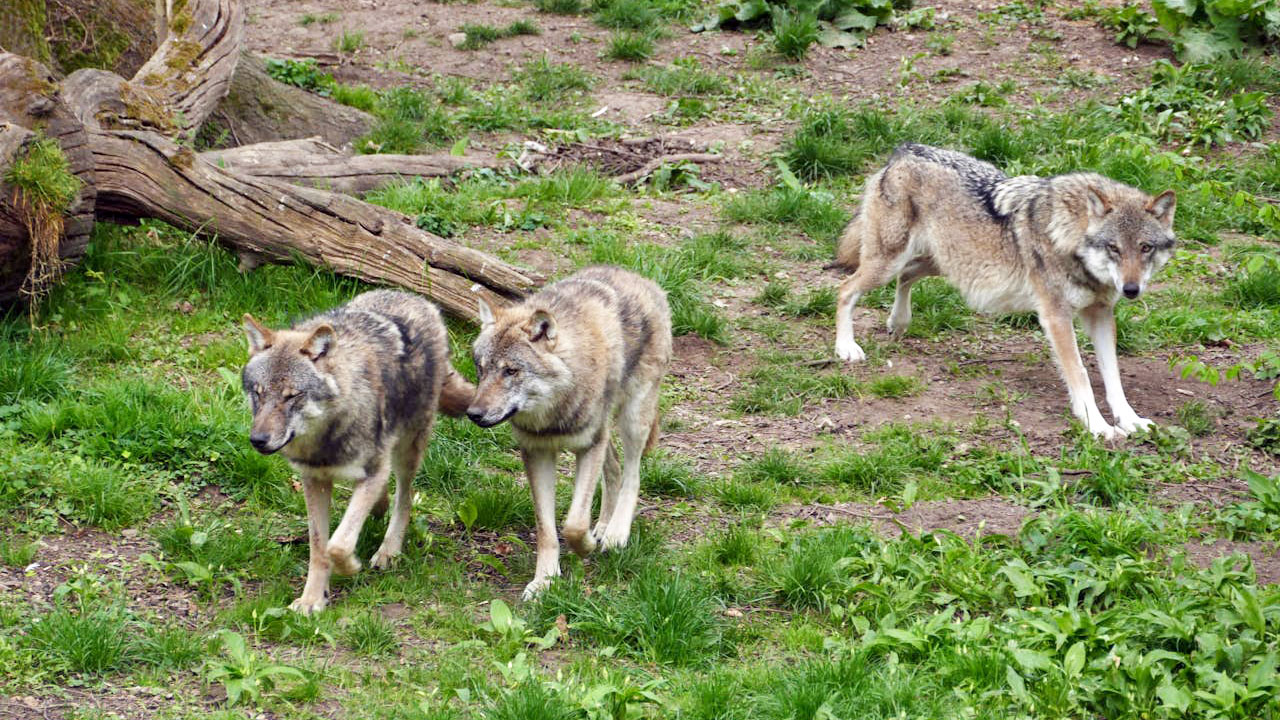
Minnesota sits in the same wolf belt, and GPS collar work on both wolves and deer has made one thing clear: prey don’t use every acre the same once wolves are back. Researchers have documented deer altering escape tactics and habitat use under renewed wolf pressure, with whitetails and other deer species responding differently depending on cover and snow.
Add in the mix of bears and coyotes pounding fawns, and you’ve got a state where deer learn to play the terrain a lot tighter—more time in security cover, different bedding, and more cautious use of openings. For hunters, the old “they’ll always cross here” thinking doesn’t hold up as well in the core wolf range. Deer routes are still there, but they’re narrower and more sensitive to pressure.
Idaho

Idaho has everything that makes deer and elk nervous: wolves, mountain lions, and bears on steep ground. State reports and research out of the region show that in some elk zones, mountain lions actually kill more adult cows and calves than wolves, and both predators push herds into thicker, harder-to-hunt terrain.
When you stack that on top of snow and forage, you get animals that feed fast in the open and spend more daylight in dark timber and broken cover. Hunters have watched historical winter ranges go quiet in daylight while fresh tracks pile into side drainages and pockets of safety cover. The animals didn’t disappear—they just learned there’s a price for being predictable.
Montana

Montana’s mix of grizzlies, black bears, wolves, and lions gives mule deer and whitetails plenty to worry about. Long-term work in the Northern Rockies shows large carnivores changing how elk and deer use riparian zones, benches, and open parks, especially where multiple predator species overlap.
On the hunter side, guys who’ve run the same ridges for decades talk about deer shifting to steeper, brushier faces and using timber strips differently once wolves arrived. None of that means predators are the only factor—winter and habitat still rule—but the days of deer feeding lazy in the middle of every open park are gone in a lot of wolf and lion country.
Wyoming

Wyoming’s own predator–deer guidance spells it out: mountain lions are major killers of adult deer in some systems, and wolves add to the risk, especially when snow stacks up. Camera-trap work in the region shows deer changing both space use and timing around predator scent and activity, altering when they step out and how long they stay exposed.
For hunters, that turns a lot of “evening field” spots into low-odds sits. You’re more likely to catch deer sliding the edges of security cover, cutting around wolf travel routes, or waiting for darker light to expose themselves. The sign is still there; the daylight pictures aren’t as easy.
Colorado

Colorado hasn’t reached full wolf recovery yet, but the predator deck is already stacked with lions and bears. Big-game and predator syntheses used by managers there lean on Western research showing that large carnivores can change when and where ungulates feed, how tight they stay to cover, and how they use migration routes.
In practical terms, that means high-country deer and elk in lion country tend to hug broken ground, cliffs, and thick pockets that give them a fighting chance if something jumps them. As wolves expand, expect more of the same “landscape of fear” effect we’re already seeing in Wisconsin—fewer casual crossings in open basins, more pattern changes along roads and big valleys.
Washington
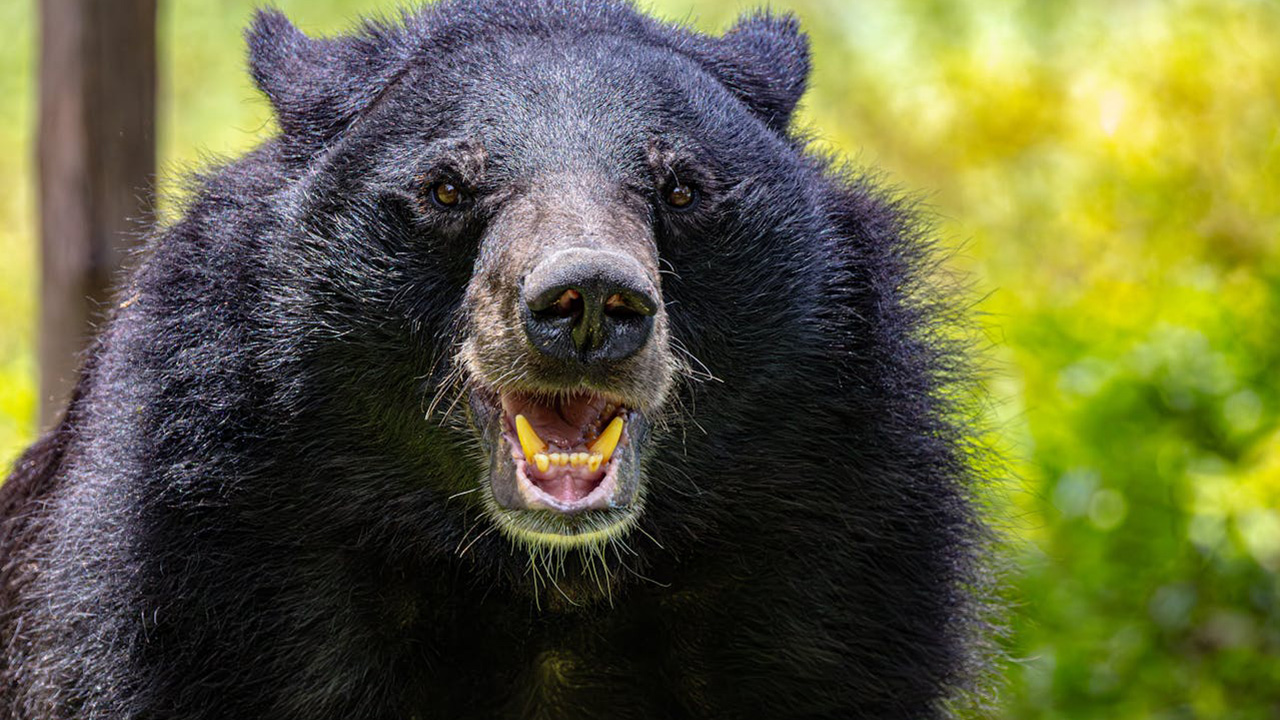
Washington deer share the woods with black bears, cougars, and now a growing wolf population. Studies on returning wolves in the Northwest show different deer species responding in different ways—some shifting habitat use, others changing vigilance and group behavior—but all of it comes down to moving in ways that cut risk.
For blacktails and mule deer in steep, brushy country, that usually means staying deeper in cover and using logging roads and clearcuts more cautiously once wolves and big cats are part of the picture. Hunters see it as “the deer went nocturnal,” but a lot of it is simply deer picking routes and timing that keep them out of trouble longer.
Oregon
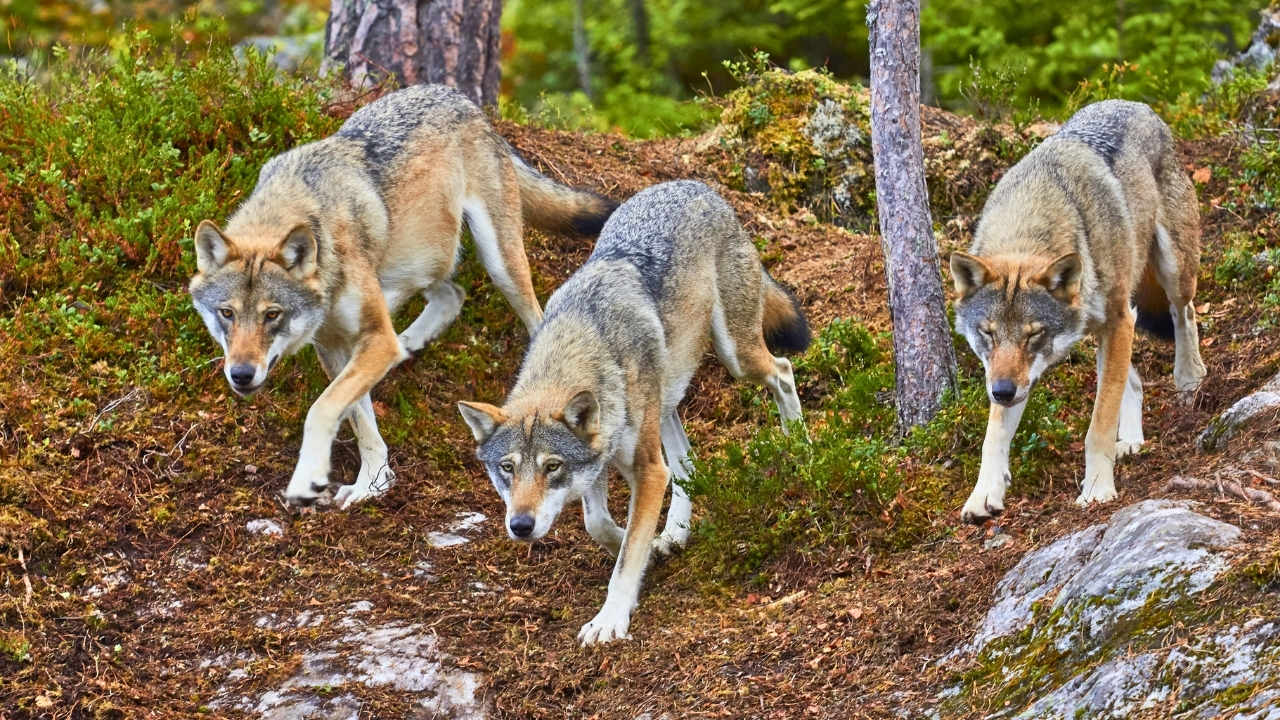
Oregon’s got a full predator slate in big parts of the state—wolves in the northeast, lions and bears across the Cascades and Coast Range. Large-carnivore recovery work across the West notes that where multiple top predators and abundant deer overlap, you tend to see shifts in browse pressure, trail use, and how long deer spend feeding in the open.
That tracks with what Oregon hunters report: blacktails living more in the jungles and less on wide-open edges, and mule deer that seem to favor broken, rocky ground and old cuts over clean, glassable slopes. The animals are still there—they’re just not giving predators (or hunters) as many easy looks in broad daylight.
Georgia

Down in the Southeast, it’s not wolves making deer nervous—it’s coyotes and bobcats. Research in southwestern Georgia found fawn survival down around 29%, with coyotes and bobcats responsible for most of the deaths, and UGA and Tall Timbers work has tied high predator pressure to reduced fawn recruitment in some pine systems.
Other studies in Georgia show deer spending more time on vigilance and less on feeding where coyotes are thick, especially in fall and winter. That kind of behavioral tax pushes deer to bed tighter, move shorter distances in daylight, and favor cover that gives them some warning if a coyote pack swings through. If your old “field edge at 4 p.m.” stand feels empty, those predators are part of the reason.
South Carolina

South Carolina has been a focal point for studying coyotes and deer. Work at the Savannah River Site and elsewhere linked high fawn mortality to coyote predation and suggested coyotes may help drive declining recruitment in some herds. That kind of pressure doesn’t just show up in the fawn numbers—it changes where does choose to drop fawns and how they use thick cover.
When you combine that with increasing black bear numbers in parts of the state, you’ve got deer that learn to stay tucked into rougher, more tangled habitat and move more cautiously at the forest–field edge. Hunters who adapt—slipping into that transition cover instead of camping on wide-open food plots—tend to see more deer than the guys still hunting it like it’s 1995.
Alabama

Alabama research has hammered home how hard coyotes can hit fawns. One long-term study reported fawn mortality over 60–70%, with coyotes responsible for a big chunk of those deaths. That kind of predation changes the stakes for every doe on the landscape.
Extension summaries out of the region point out that deer and predators can coexist, but the deer that make it tend to use thicker cover, avoid wide-open fawning areas, and keep movements tighter during the most vulnerable windows. For hunters, that means more action in tight, nasty stuff and less in pretty, open hardwoods when coyotes are running strong.
Missouri

Missouri isn’t just about ag fields and oak ridges anymore; predators are part of the formula. A recent synthesis on coyotes and deer behavior highlights a Missouri camera-trap project where deer presence dropped in spots with heavy coyote activity in suburban habitat. That’s deer literally choosing different trails and time windows to steer clear of predators.
Stack that on top of growing coyote numbers statewide and you get whitetails that are less comfortable feeding at the edges of subdivisions, hay fields, and easy glassing spots during daylight. Deer are still using the groceries—they’re just doing it faster, later, and closer to escape cover when coyotes own the night shift.
Ohio

Ohio shows up in new camera-trap work looking at how deer respond to predator scent and activity. A 2025 study that ran cameras in both Wyoming and Ohio found deer changing their spatial and temporal activity where predator cues stacked up—altering how often they hit certain spots and when they were willing to move.
That fits what a lot of Midwest hunters have been seeing: more deer slipping through in quick bursts, tighter to cover, and less lingering in wide-open destination fields under heavy coyote pressure. For the guy in the tree, it feels like “shorter windows.” On the data side, it’s deer rewriting their movement patterns to keep the odds a little more in their favor.
Pennsylvania

Pennsylvania deer now deal with coyotes, bobcats, and a healthy black bear population in many units. Predator–prey work in the Appalachians shows that deer occupancy can stay stable even while their movement and detection rates change around predator presence—more movement, more vigilance, and different use of cover where coyotes are common.
On top of that, bears and coyotes both take fawns, which pushes does toward thicker fawning cover and away from the open benches and hollows that used to be easy pickings for hunters. The deer herds are still there, but the routes and daylight habits you grew up with don’t always match the reality of a woods full of teeth.
Like The Avid Outdoorsman’s content? Subscribe to our newsletter so you never miss an article.
Here’s more from us: