Photo credit: Simple Soul Photogrphy/Pexels.com
The rules move slow. Culture moves fast. That’s the whole story. License trends might look “steady” in a lot of places, but what’s changing is how people hunt, where they hunt, and how much pressure shows up on the same pieces of access. Social media has made “secret spots” less secret. Tech has made learning faster. Nonresident travel has increased in certain categories. And agencies are trying to manage pressure with systems that weren’t built for the modern crowd. You can see it in draw odds tools, tag adjustments, and public-land pressure conversations. These states are where that culture shift is especially noticeable—either because demand is crushing opportunity, pressure is forcing policy talk, or the hunter mix is changing faster than the regulations can keep up.
Montana
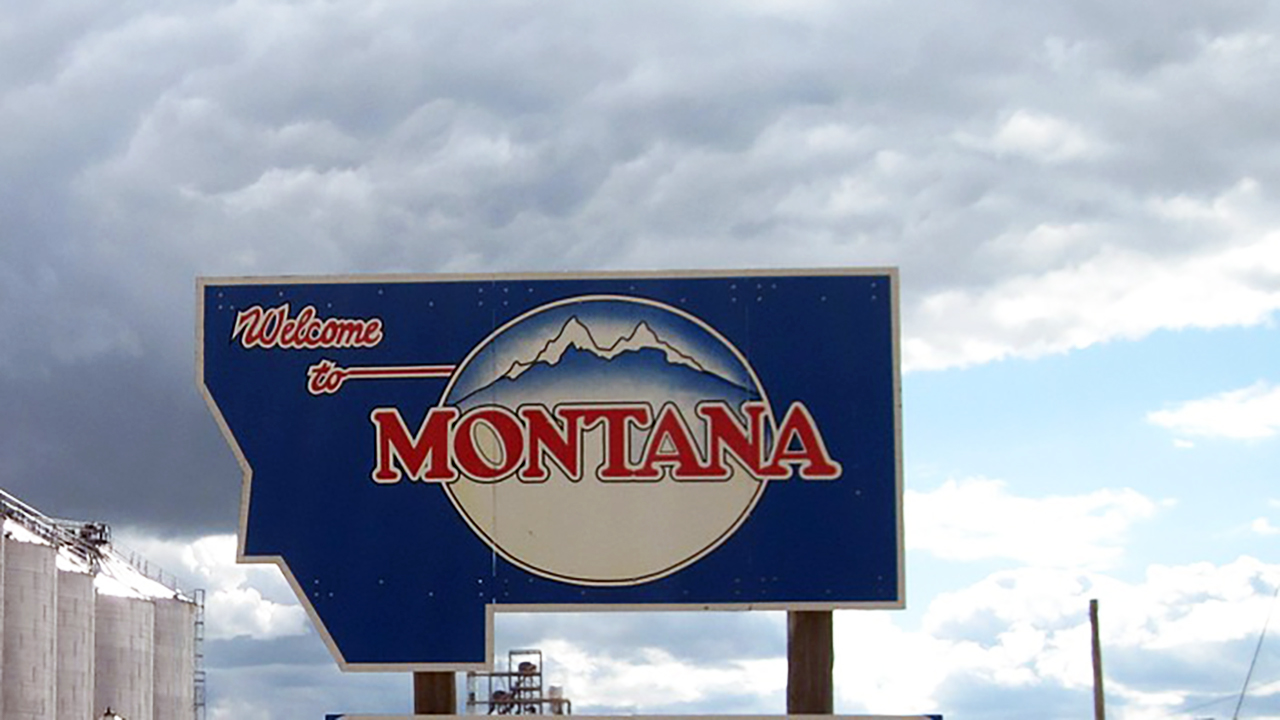
Montana is one of the clearest examples right now because the conversation about pressure has gotten loud enough that real policy is moving. The Montana Fish and Wildlife Commission voted to reduce nonresident deer licenses by about 2,500 for the 2026–27 seasons, and the stated reasoning centered on pressure and herd concerns in parts of the state. That’s a culture signal: more travel hunters, more competition on public, and more resident frustration. The rules are trying to catch up to what’s happening on the ground. You also see it in how people hunt—more mobile tactics, more e-scouting, and more “destination” behavior. Montana didn’t suddenly become popular. But the way it’s being hunted is changing, and when pressure shifts behavior, deer shift behavior, and the whole system starts creaking. If you’re hunting Montana now, you need to expect more competition and more management changes.
Colorado
Colorado’s culture shift shows up in the draw conversation. When you have massive applicant numbers, systems start to strain, and hunters start treating applications like financial planning. Colorado Parks and Wildlife has highlighted just how many hunters are impacted by draw-system changes—citing at least 247,001 elk applicants in 2023 as part of a working group discussion about draw changes and point creep. That’s not a small club. That’s a crowd. Culture changes when the crowd grows: people hunt harder, travel more within the state, obsess over odds, and talk about units like stock picks. The rules move slowly, but the hunter behavior shifts quickly—more tech, more pressure on “mid-tier” units, and less patience for old-school trial and error. Colorado still has opportunity, but it’s a different vibe than it was even a decade ago.
Utah

Utah is another place where you can literally watch culture change in the data tools. Utah’s Division of Wildlife Resources publishes drawing odds and points reports, and hunters live on those pages now. That kind of transparency is great, but it also feeds the modern application culture: more strategizing, more point-chasing, and more frustration when reality doesn’t match expectations. The rules and systems are still what they are, but hunter behavior has shifted into “optimize everything” mode. You also see changes in how people talk about hunts—less local tradition, more online-driven demand. In a state like Utah, that cultural shift is obvious because everyone is comparing odds and making moves based on the same information at the same time.
Texas
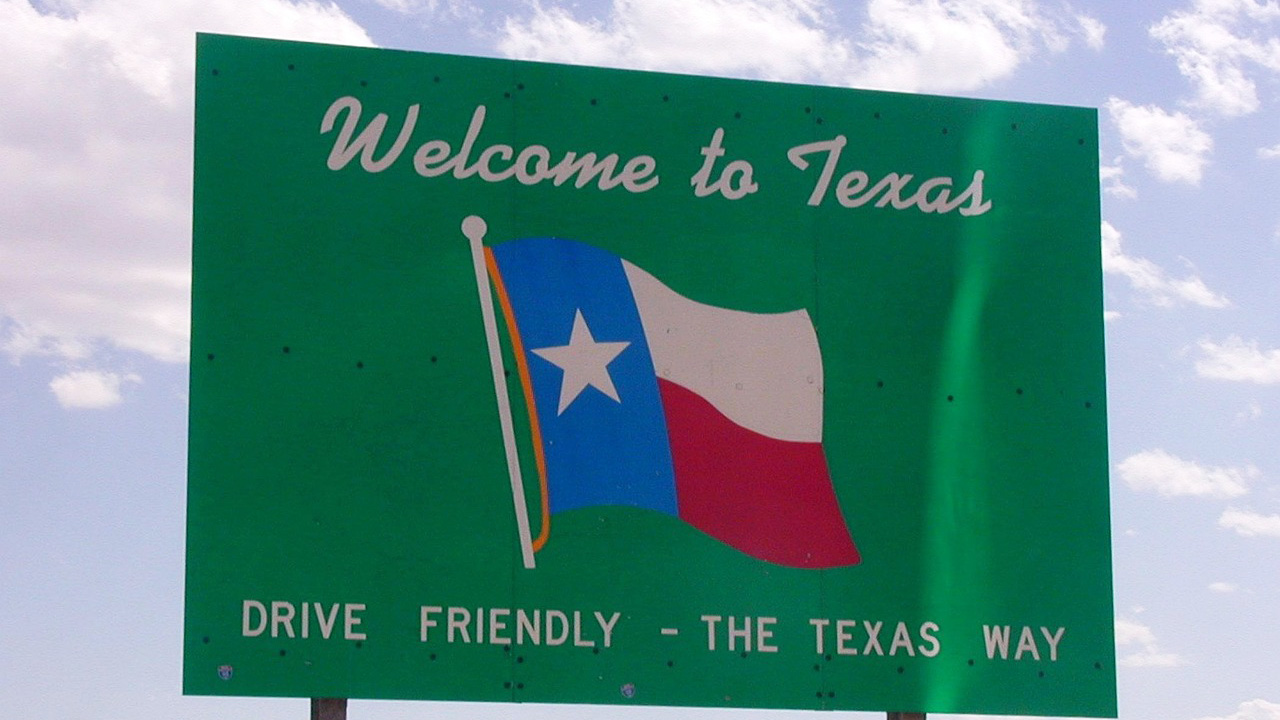
Texas hunting culture is changing fast in the public-opportunity space. Texas Parks and Wildlife runs major drawn hunt systems, and the demand is huge. One Oklahoma-controlled-hunt-odds style example shows what “crowd pressure” looks like numerically: in the 2024–25 controlled hunts drawing cited in a state odds document, overall odds were about 1 in 25.4 with 130,364 applications for 5,116 permits. Texas has its own drawn hunt and public hunt infrastructure, and as more people chase affordable access, those systems feel more competitive. The culture shift is that more hunters are willing to travel inside the state for opportunity and treat drawn hunts like a core strategy, not a side hobby. The rules didn’t suddenly change overnight, but the demand and behavior around access did.
Pennsylvania

Pennsylvania’s culture shift is less about western-style draw obsession and more about pressure and adaptation. PA has always had lots of hunters, but the way people hunt public land has evolved fast: more mobile setups, more emphasis on mapping, and more focus on small overlooked pockets. National participation conversations also matter here because agencies and orgs are pushing R3 efforts to keep hunting strong, and you see new hunters entering the space while older hunters adapt or drop off. In a state with big hunting tradition, the culture shift shows up as “the woods feel different.” More access competition in certain spots, more tech-driven scouting, and more emphasis on efficiency. The rules might look similar on paper, but the on-the-ground experience for a public hunter has changed.
Michigan
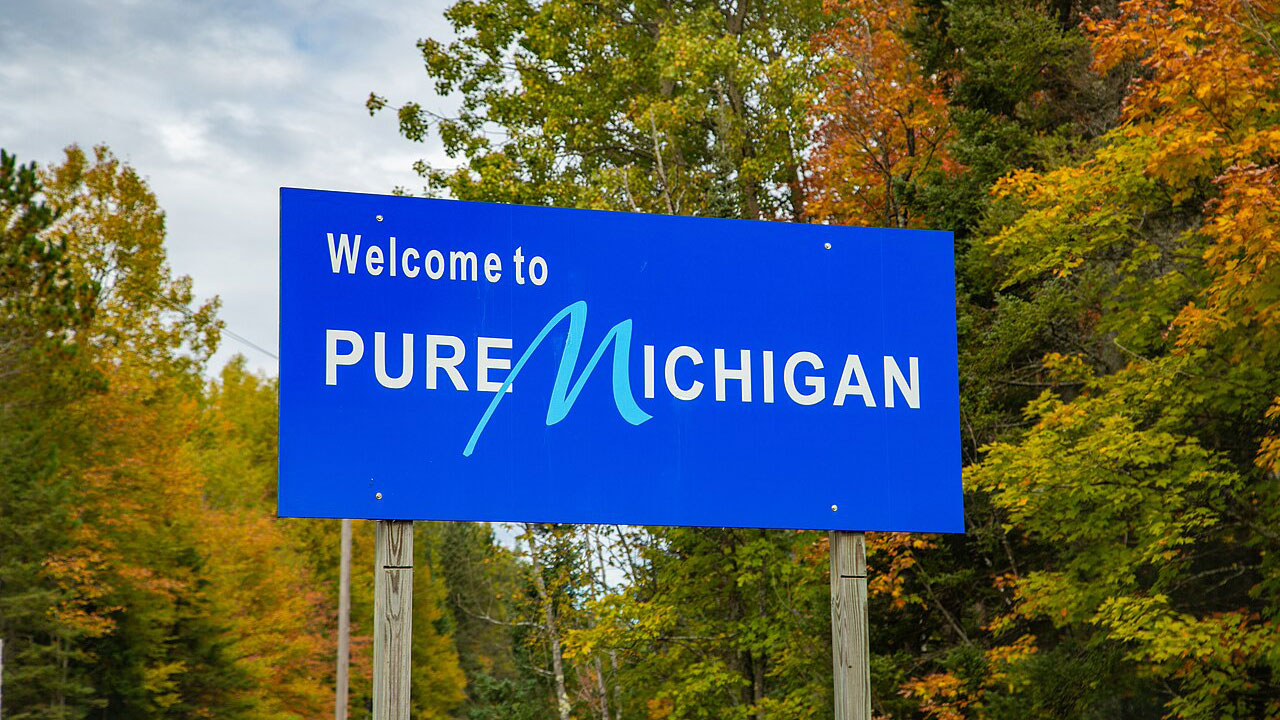
Michigan shows culture shift through public-land pressure and the DIY mindset. When a state has huge public acreage, it attracts hunters who want to learn on their own and hunt without leases. Michigan is often cited among the top public-acreage whitetail states, which is great—but it also means more people are choosing that public path. The culture change is that more hunters are mobile now. They move, they scout, they bounce parcels, and they share intel online. The rules didn’t change dramatically, but the way hunters interact with public land did. That changes deer behavior and hunter expectations fast. In Michigan, you can still hunt effectively on public. You just can’t expect an untouched experience in the easiest-access places.
Wisconsin
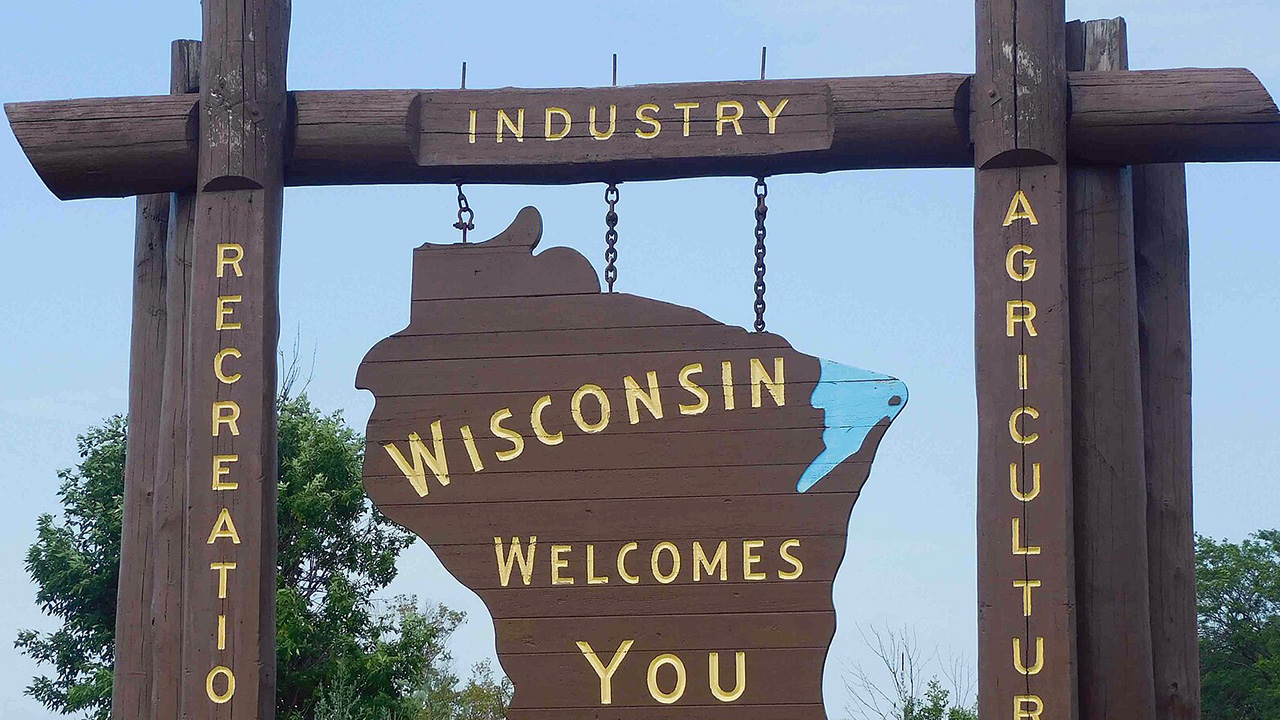
Wisconsin’s deer culture has always been strong, but the modern shift is how quickly information spreads and how fast pressure concentrates. Even in states with tradition, social sharing and e-scouting have made popular public and semi-public areas feel “discovered” faster than ever. Wisconsin also sits in that public-acreage conversation as one of the leaders, which draws DIY hunters. The culture shift is more tactical hunting and more competition in the same rut windows, with deer adapting faster. The rules may not change much year to year, but the practical hunt experience does, because hunter behavior changes the woods quicker than regulations ever will.
Minnesota
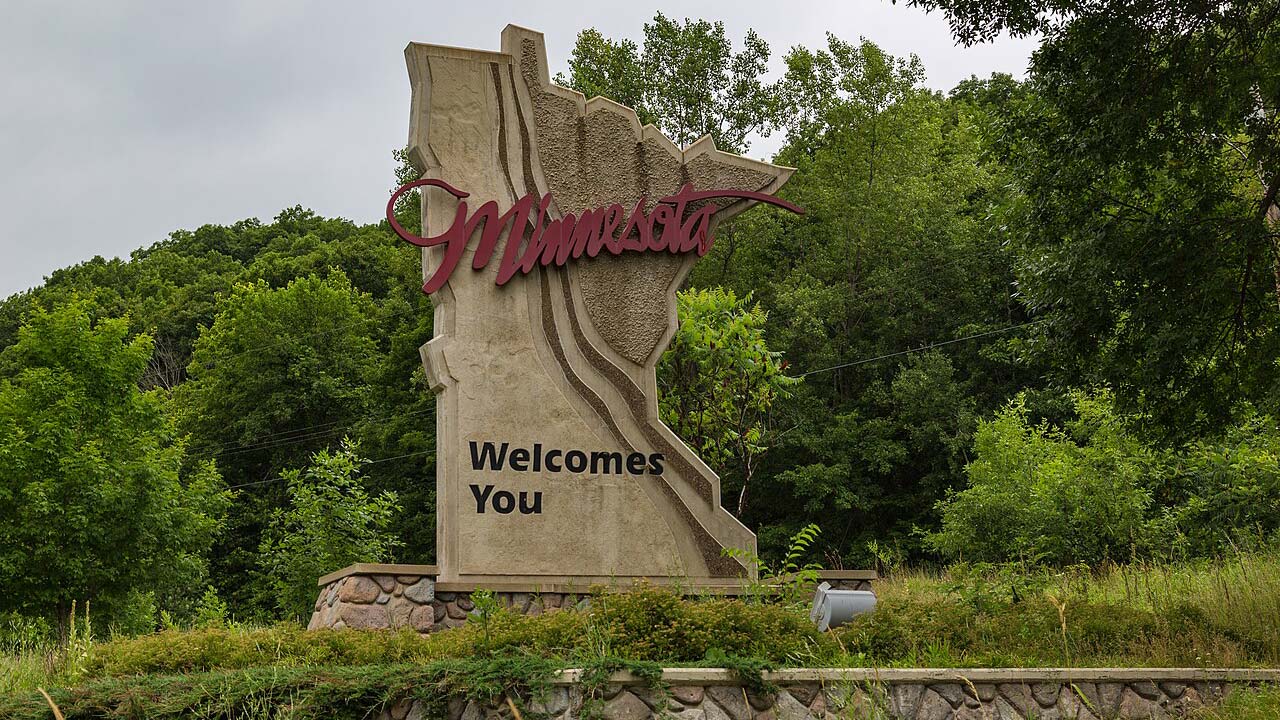
Minnesota’s hunting culture change mirrors Wisconsin and Michigan: more DIY hunters, more mobile tactics, and more pressure concentration near easy access. Minnesota’s public-land footprint is a big reason it’s attractive to hunters who don’t want to lease. As more people choose that route, the culture shifts toward scouting, map work, and “hunt the overlooked stuff.” The rules may still look familiar, but the game changes when more hunters hunt smarter and move more. You notice it in parking lots, trail traffic, and how quickly deer patterns change after opening weekend. Minnesota still offers room, but the behavior of hunters on that room is evolving.
Maine
Maine’s change is subtle but real: more people looking for affordable hunting experiences and more discussion about public opportunities. Maine is often listed among the top public-acreage whitetail states, which keeps it on the radar. The culture shift shows up as more “destination” thinking, more online planning, and more people trying big-woods hunting who didn’t grow up doing it. The rules might not be the headline, but the hunter mix and the expectations are shifting. That affects how pressure looks and how deer respond near easy access. Maine is still Maine, but the crowd dynamics aren’t frozen in time.
Idaho

Idaho’s culture change is tied to demand and draw obsession spilling over from other states. When hunters get burned by point creep elsewhere, they look for alternatives, and states with perceived fairness or opportunity see demand rise. You can see how agencies nationwide are tracking participation and R3 efforts, which intersects with how many people are trying to hunt and where they choose to go. Idaho also sits in the migration-corridor/public-land conversation for western hunters, and as more people travel, pressure shifts. Even without a single “rule change” headline, the hunting culture changes because who is showing up changes, and how they hunt changes.
Arizona

Arizona culture has shifted hard into long-term planning, especially in the big-game space. Hunters treat applications like an annual ritual, and the online information ecosystem drives where demand concentrates. Nationwide participation and recruitment discussions also matter because agencies are actively trying to keep hunters engaged, and that changes the makeup of who’s entering the system. The rules may not evolve quickly enough to satisfy everyone, but the culture is already modern: analytics-driven, strategy-heavy, and often frustrated. Even if you’re not an “apps guy,” you feel it when competition stacks up and pressure grows in the same places year after year.
Nevada

Nevada’s culture shift is similar: limited opportunity plus high demand creates a “draw culture” that dominates how people think about hunting. What changes faster than the rules is the demand behavior—more applicants, more travel hunters, more online strategy, and more pressure on the same handful of high-value opportunities. Participation trend reporting shows agencies and groups paying attention to recruitment and retention nationwide, which feeds the idea that more people are getting into the pipeline. Nevada hunters feel it as crowding in the system, even if the written rules don’t look dramatically different year to year.
Oregon
Oregon’s hunting culture is changing with habitat realities and modern pressure. When corridors and seasonal ranges get stressed, deer movement changes, hunters adapt, and the community conversations shift fast. The migration mapping work has put more attention on how animals actually use the landscape, which influences public discussion and management priorities. Culture changes when hunters realize the old assumptions don’t hold. You see more emphasis on access politics, habitat work, and public-land pressure—and more willingness to travel within the state to find better experience. Rules move slowly, but expectations and tactics move quickly.
Washington

Washington’s change is tied to pressure, access, and how much human recreation shares the same ground. That kind of cultural shift happens even when hunting regulations aren’t the headline. National survey reporting highlights broader participation conversations and the push for R3, and that intersects with how states manage crowded outdoor landscapes. Hunters feel it as “more people everywhere,” not just more hunters. That changes the hunt experience fast and forces more tactical hunting, more scouting, and more careful access planning. Washington rules may be familiar, but the landscape of pressure isn’t.
Colorado’s neighbors

This is where the “culture vs. rules” gap shows most clearly: states with big public land, big demand, and big online influence become fast-moving ecosystems. When you’ve got massive applicant pools and agencies discussing draw changes because so many people are impacted, that’s a culture shift signal. It’s not just about tags. It’s about how hunters approach the entire season: more planning, more tech, more travel, and more competition. The rules lag because rulemaking is slow by design. Hunters aren’t slow. They adjust instantly.
Like The Avid Outdoorsman’s content? Subscribe to our newsletter so you never miss an article.
Here’s more from us: