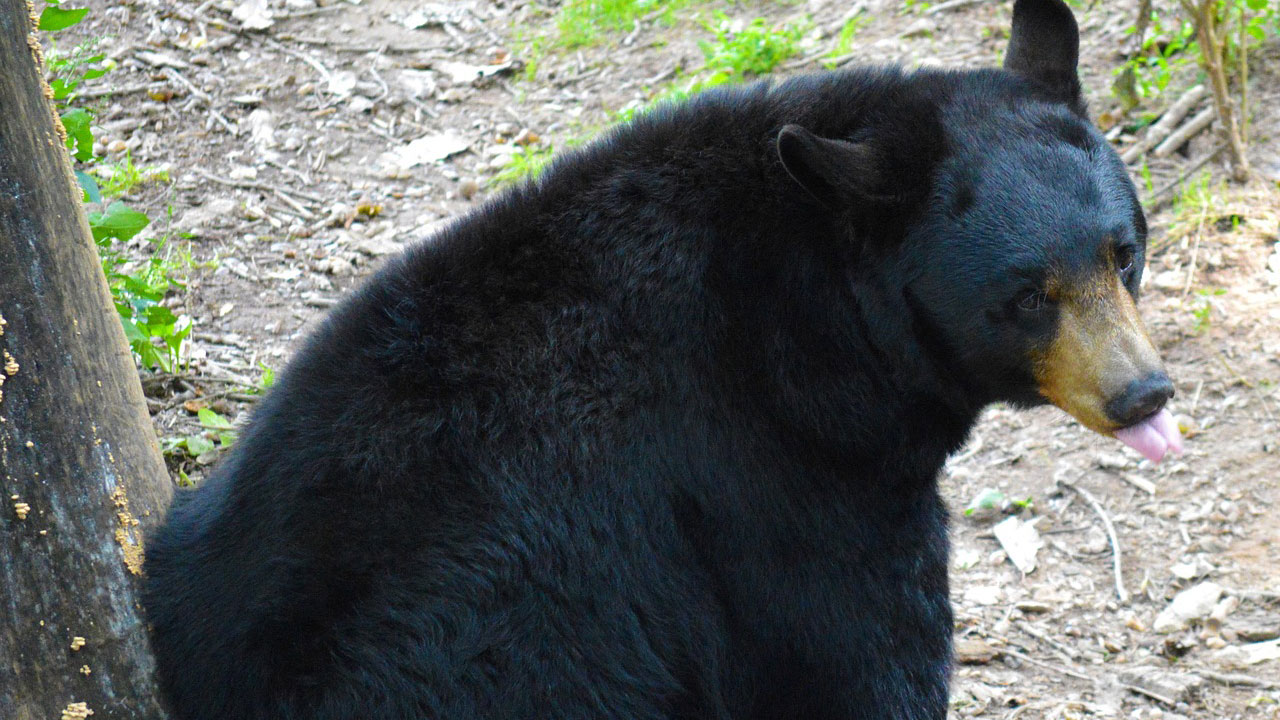
Photo credit: TheOtherKev/Pixabay.com
When you talk to wildlife officers, one thing is clear: black bear encounters are no longer a “backcountry only” problem. Complaints, sightings, home entries and vehicle collisions are climbing in a handful of states that now deal with bears almost every single day of the year. Agencies all define “conflict” a little differently, but recent reports and management plans make it pretty clear which states are carrying the heaviest load. This list focuses on places where annual reports, nuisance call logs or collision data show high or fast-climbing numbers, not just a one-off headline attack.
It’s also worth remembering that most of these encounters never make the news. They’re the bears in trash cans, walking through subdivisions at dusk, raiding bird feeders and crossing highways at night. For hunters and anyone who spends time outside, these states are where you’re most likely to see management debates heat up, seasons adjust and “bear-wise” rules get pushed hard because the numbers demand it.
California

California might quietly be the busiest black bear state in the Lower 48 right now. The latest statewide plan pegs the population around 60,000–70,000 bears, up from roughly 10,000–15,000 in the early 1990s. Wildlife officials documented more than 7,200 human–bear conflicts between 2017 and 2023, and the state recorded its first fatal black bear attack in 2023, which got national attention.
A lot of these encounters happen where mountains and suburbs overlap—Tahoe, the Sierra foothills and coastal timber country. Garbage, pet food and vacation rentals with poor food storage are the main drivers. For hunters and campers, that means you’re rarely the only human around a given bear. It also explains why California is pouring time into education and collaring studies instead of pretending the old numbers still match what people are seeing on the ground.
Colorado

Colorado Parks and Wildlife logged 5,259 “bear incidents” in 2025 alone, covering everything from trash raids to home break-ins and livestock damage. That’s a sharp increase over earlier years and matches what Western hunters have been seeing in the high-country towns and resort corridors.
Most of the conflict sits in that classic interface belt—Front Range foothills, ski towns, and agricultural valleys where orchards and cornfields brush up against timber. Bears learn fast that dumpsters and backyard fruit trees pay better than long hikes for acorns. For anyone glassing mule deer or elk in these areas, it’s normal now to see bears cruising through neighborhoods at dusk, and it’s why Colorado spends so much time hammering home “Bear Aware” trash rules every summer.
Florida

Florida is proof that you can have a lot of people, a lot of bears and a lot of phone calls without many true attacks. Florida Fish and Wildlife Commission data shows tens of thousands of bear-related calls across a recent ten-year stretch, with central and panhandle regions taking the brunt of it. Most of those are nuisance reports—trash, pet food, bird feeders and bears in driveways.
As development pushes deeper into pine flatwoods and oak hammocks, bears don’t disappear—they learn that curbside cans are easier than rooting for palmetto berries. That’s why you see Florida running aggressive outreach campaigns every fall and pushing bear-resistant cans in hot-spot counties. For hunters using leases or wildlife management areas, it means you’re sharing the woods with bears that might walk past a backyard at night and a still-hunt stand at first light on the same day.
Connecticut
Connecticut doesn’t have the biggest bear population, but it absolutely punches above its weight in conflicts. The 2025 “State of the Bears” report logged more than 3,000 human–bear conflicts in 2024 and over 12,000 bear sightings, along with a record 67 home entries—far more than neighboring Northeastern states.
Biologists estimate only around 1,000–1,200 bears in the state, which makes those conflict numbers even more telling. Bears have now been documented in all 169 towns. With no bear hunting season on the books and plenty of bird feeders and unsecured trash, residents are dealing with backyard bears as much as backwoods bears. For anyone hiking, scouting or hanging stands in western Connecticut, the odds of running into a collared, problem-tagged bear are a lot higher than the low population number might suggest.
Tennessee

Tennessee has been living with bears for a long time, especially around the Smokies, but the pace of calls keeps climbing. Wildlife officials reported roughly 1,700 bear-related emergency calls in 2024, and that’s on top of all the non-emergency nuisance reports that never hit 911. Most of the trouble shows up in counties bordering Great Smoky Mountains National Park and other mountain communities.
The pattern is simple: booming tourism plus unsecured trash equals conditioned bears that see neighborhoods as a normal part of their range. For hunters and hikers, that means it’s common to see bears crossing roads, walking through cabins and checking coolers at trailheads. Agencies are pushing BearWise education hard, but until people lock down attractants, Tennessee is going to stay near the top of the “most annual encounters” crowd.
Vermont

Vermont’s bear country is small on a map but busy in the numbers. Recent reporting points to more than 1,700 human–bear interactions in 2020 and over 1,100 incidents through part of 2024, with managers calling conflict levels “elevated” in multiple regions. Growing populations, heavy mast cycles and backyard attractants all play a role.
The big driver here is how thoroughly bears overlap with where people actually live. Rural homes sit right up against hardwood ridges and clearcuts, and bears learn quickly that grills, trash and chicken coops are easier calories than climbing for beech nuts. For deer and bear hunters, that means you’re scouting in the same pockets where homeowners are filing complaints, and you’ll see state guidance about living with bears almost everywhere you buy a license.
Massachusetts

Massachusetts isn’t the first state hunters think of for bears, but the state’s own biologists say residents call about black bear activity on a daily basis. Recent coverage notes an estimated 4,500 bears and hundreds of conflicts a year, with more showing up in central and eastern parts of the state that didn’t see them much a generation ago.
Those calls aren’t always emergencies; they’re bears on porches, in bird feeders and crossing suburban streets at dawn. But they add up fast. Compared to neighbors like Connecticut, Massachusetts still logs fewer outright home entries, yet trends point in the same direction: more people and more bears sharing the same edge habitat. That’s why you see the state expanding public messaging and reminding folks that putting out food “for wildlife” often turns into feeding the same bear that shows up in a neighbor’s driveway camera a week later.
New York

New York has a long history of managing a sizable black bear population, and the numbers show it. The DEC’s 2024 harvest report estimates 1,685 bears taken by hunters—about 24% higher than 2023 and above the 5- and 10-year averages. That level of harvest only happens when there are a lot of bears and a lot of encounters driving both complaints and opportunity.
Bear calls in New York often come from three fronts: the Adirondacks, the Catskills and the Southern Tier, where bears overlap with camps, second homes and heavily hunted timber. Garbage, camp food storage and bird feeders keep showing up in incident write-ups. For hunters, that means a healthy chance of seeing bears while chasing deer and a meaningful risk of them finding your gut piles or camp supplies if you get lazy with storage.
Pennsylvania

Pennsylvania is home to roughly 18,000–20,000 black bears and has been near the top of the heap for bear complaints for years. Earlier agency surveys cited about 1,500 complaints annually, putting the state right behind conflict hot spots like Connecticut even back when CT’s population was much smaller. More recent headlines out of Pennsylvania are full of bears in neighborhoods, stores and even nursing homes.
Bears now show up in all 67 counties, and they’re not shy about moving through farm country and small towns. Vehicle collisions, dumpster raids and surprise encounters near cabins are a regular part of the Game Commission’s outreach. For hunters, the upside is some of the biggest black bears on record; the downside is a lot of bears learning to associate human areas with easy calorie hits, which keeps those annual encounter numbers high.
New Jersey

New Jersey’s bear situation is a classic case of dense human population plus solid bear habitat. State data show nuisance and damage reports swinging from a few hundred per year to well over 1,700, with spikes after hunting seasons were paused and then reinstated. Recent figures list 703 complaints in 2018, climbing to 1,058 in 2020, then over 1,700 in 2022 before dipping, but still staying high in 2023 and 2024.
Most of those encounters are in the northwest counties, but bears now wander deep into suburban neighborhoods. Residents deal with trash raids, livestock kills and the occasional bold bear on porches or decks. For anyone hunting or hiking in that part of the state, bear sign is common, and public debate over hunts and management keeps flaring because those annual encounters aren’t going away.
North Carolina

North Carolina has become one of the Southeast’s busiest bear states, especially in the mountains and coastal refuges. After Hurricane Helene, the Wildlife Resources Commission publicly warned about rising human-bear conflicts around Asheville and Buncombe County, with reports of more bears hitting trash, bird feeders and damaged orchards as they searched battered landscapes for food.
Even in normal years, encounters are up as both human and bear populations grow. Bears now show up in apartment complexes, parking lots and farmyards, not just ridge tops. For hunters, coastal and mountain bear seasons are a big part of the culture, but they sit alongside a steady stream of calls about cubs in trees, bears on porches and roadside sightings—proof that encounters are happening year-round, not just when hounds hit the woods.
Virginia

Virginia wildlife officials have been blunt: calls about bears are rising, and so are vehicle collisions. Groups tracking the trend point to an uptick in bear-vehicle crashes and more hotline reports as the state’s black bear population expands in both the mountains and the Piedmont.
Much like neighboring states, Virginia’s biggest attractants are unsecured trash, bird feeders and backyard livestock. Bears that figure out those food sources start pushing deeper into suburbs, which shows up in the annual encounter numbers. For hunters, especially those running stands in oak ridges near neighborhoods, that means more sign, more bear sightings and a higher chance the same bear that walked past your camera was on someone’s Ring doorbell a few nights earlier.
West Virginia

West Virginia sits in prime bear habitat, and the numbers reflect that. Recent comparisons out of Connecticut’s bear reports note that West Virginia logged over 1,200 bear conflicts in a recent year—solidly in the mix with bigger Northeastern neighbors. Bear harvest and roadkill numbers have both climbed over the last couple of decades, showing just how common bear-human overlap has become.
Steep hollows, oak ridges and scattered homes create a perfect setup for bears to move quietly until they hit a trash can, chicken coop or corn pile. For hunters, that means seeing bears in places that didn’t hold many a generation ago and dealing with more rules around baiting, attractants and carcass disposal. Those everyday realities are what push West Virginia into the group of states logging heavy bear encounters year after year.
Texas

Texas still treats black bears as a threatened species, but the encounter trend is unmistakable. State data show confirmed sightings in West Texas climbing from around 80 in 2020 to at least 130 in 2025, with biologists also documenting at least 16 vehicle collisions involving bears since 2019, most of them in the Trans-Pecos.
Most of the encounters are young males dispersing out of core areas like Big Bend, then sniffing around ranches, oilfield camps and small towns for easy food. While the overall population is still small, the number of reports keeps growing, which is why Texas game wardens are pushing hard for people to secure trash and quit trying to “capture” bears themselves. For hunters and landowners in that part of the state, bears are back on the landscape, and the annual encounter totals show it.
Alaska

Alaska is a different world, with both black and brown bears sharing huge landscapes and major cities. Anchorage alone is estimated to hold 200–300 black bears that share space with about 290,000 people, and recent years have seen multiple bear attacks around the city’s trail systems, plus regular calls about bears in neighborhoods during salmon runs.
Statewide studies show hundreds of human–bear conflicts over the decades. While Alaska’s per-capita encounter rate is high, many incidents never make it into neat annual stats because they’re spread across remote villages, commercial camps and vast wild country. For hunters and anglers, that reality is part of the deal: you’re in bear country almost everywhere you go, and the mix of salmon, moose carcasses and human food sources keeps Alaska near the top of any list of states where bear encounters are a regular part of life.
Like The Avid Outdoorsman’s content? Subscribe to our newsletter so you never miss an article.
Here’s more from us: