Photo credit: Dmitri T/Shutterstock.com
You’d think a gun sitting untouched in a climate-controlled safe would stay cleaner than one carried through rain and brush, but some firearms have a strange talent for rusting while doing nothing at all. Certain finishes, steels, and bluing jobs might look beautiful, but they attract moisture like a magnet if humidity creeps in. A bit of sweat or a fingerprint can turn into orange specks by morning. If you’ve owned one of these rust-prone guns, you know the routine—wipe it down, oil it, check again in a week, and still find freckles of corrosion. Here are the firearms that remind you why desiccant packs and a silicone rag are worth their weight in gold.
Winchester Model 70 (Pre-64 Bluing)

The pre-64 Winchester Model 70 might be one of the finest hunting rifles ever made, but that gorgeous deep bluing comes with a price. It’s the kind that reacts to even mild humidity, especially on rifles stored in safes without proper airflow. One sweaty handprint left un-oiled can turn into rust overnight.
Many hunters baby these rifles, wiping them religiously and still finding spots creeping around the floorplate or bolt handle. The old bluing is rich and classic, but it’s not corrosion-resistant like newer finishes. If you own one, you know the fear of opening the safe and seeing that faint orange film starting to bloom along the barrel.
Colt Python (Original Production)
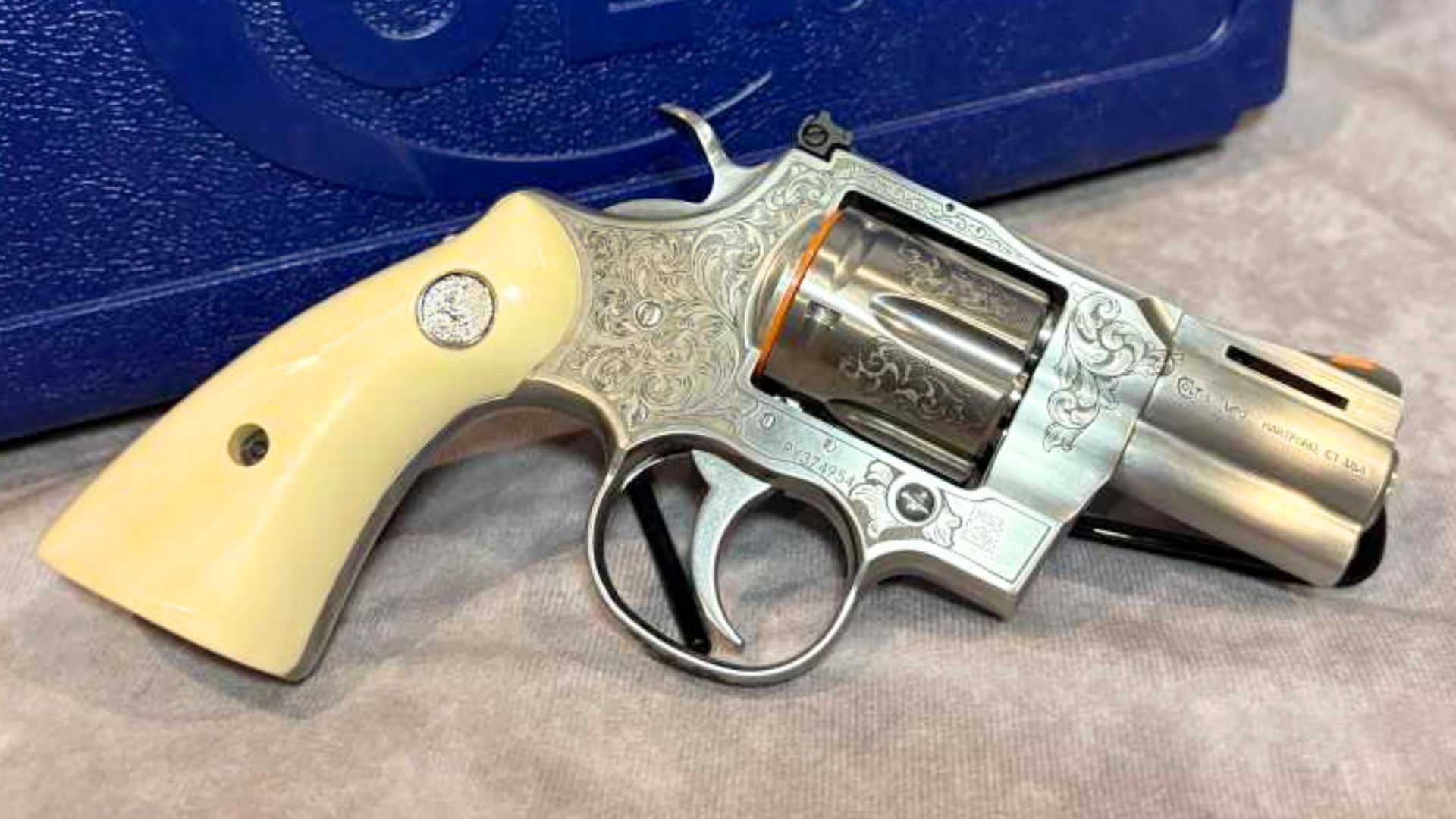
Early Colt Pythons were polished to a mirror finish that collectors still drool over—but that mirror finish also highlights every patch of rust the second it appears. Those high-polish blue models, especially from the ’60s and ’70s, will corrode if you breathe near them after cleaning.
Even a small change in humidity can start oxidation under the grips or around the cylinder. Many Python owners now use white cotton gloves just to handle them. The newer stainless and reissued models don’t have the same problem, but the originals? They’ll spot up faster in a gun safe than most stainless rifles will after a season of rain.
Remington 870 Express

The 870 Express is a workhorse shotgun, but its matte finish is notorious for rusting almost immediately. The cheaper phosphate coating Remington used on later models wasn’t sealed well, and moisture seeps right through it. You can store one in a clean, dry safe and still find freckles of rust on the barrel in a few weeks.
Plenty of owners learned this the hard way—by opening the case and seeing a brown haze on what was a black receiver. A thin coat of oil helps, but the Express finish simply doesn’t protect like the Wingmaster’s polished bluing or parkerizing. It’s a gun that teaches you to never skip a wipe-down, even indoors.
Ruger 10/22 (Standard Bluing)
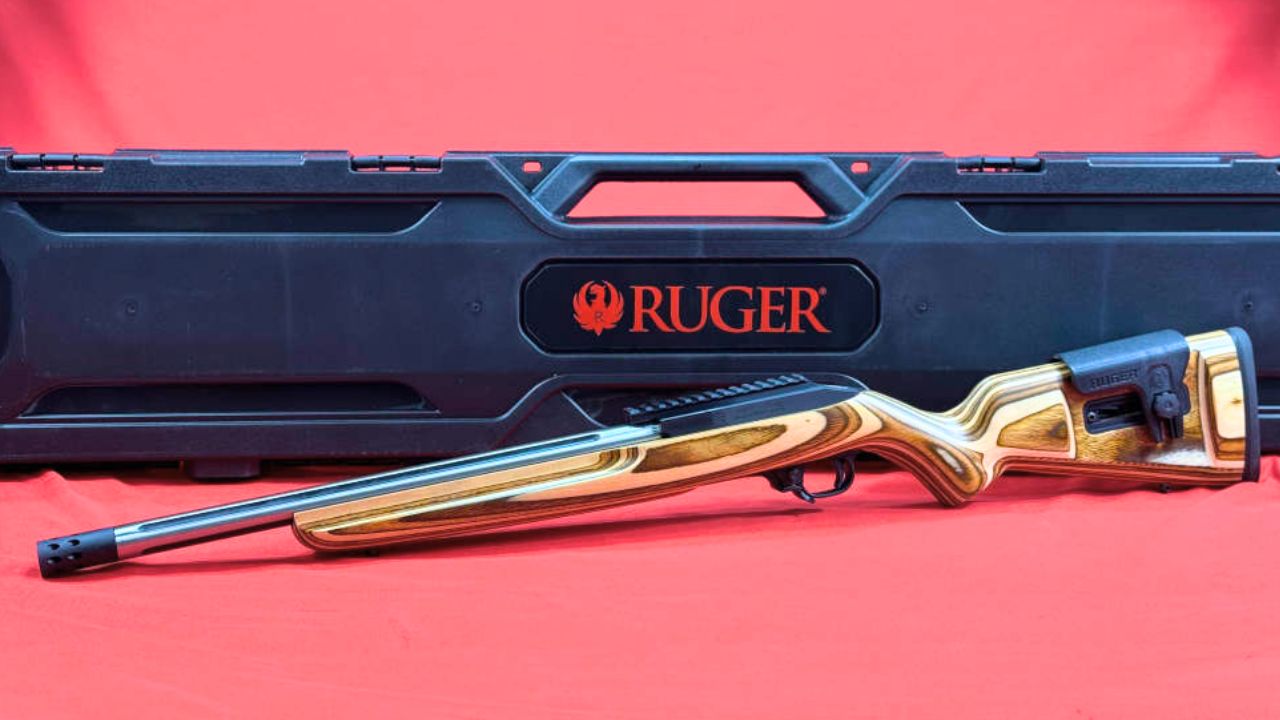
The classic Ruger 10/22 is as reliable as they come, but its standard blued barrel and receiver love to pick up corrosion when left untouched. Rimfire ammo burns dirty, and the fouling attracts moisture even in a dry safe. Add a humid summer day and you’ll see that telltale orange dust forming around the bolt.
Plenty of owners switch to stainless versions for this reason alone. It’s not that the steel is bad—it’s just old-school bluing that needs constant care. A light coat of oil every few weeks and a dehumidifier in the safe can keep it pristine, but if you forget, it won’t let you off easy.
Marlin 336 (Pre-Remington)

Old-school Marlin 336 rifles have beautiful blue steel and walnut, but they’ll rust if you so much as store them near damp air. The receiver flats and magazine tube seem especially prone to pitting. Many lifelong deer hunters can tell you about finding rust blooms on a rifle that hadn’t seen daylight in months.
It’s partly the nature of Marlin’s finish—a deep, traditional blue with little protection against moisture. It looks great in photos and awful after a humid summer. Keep it wiped and oiled, or it’ll age faster in your safe than it ever did in the woods.
Colt 1911 (Carbon Steel Models)
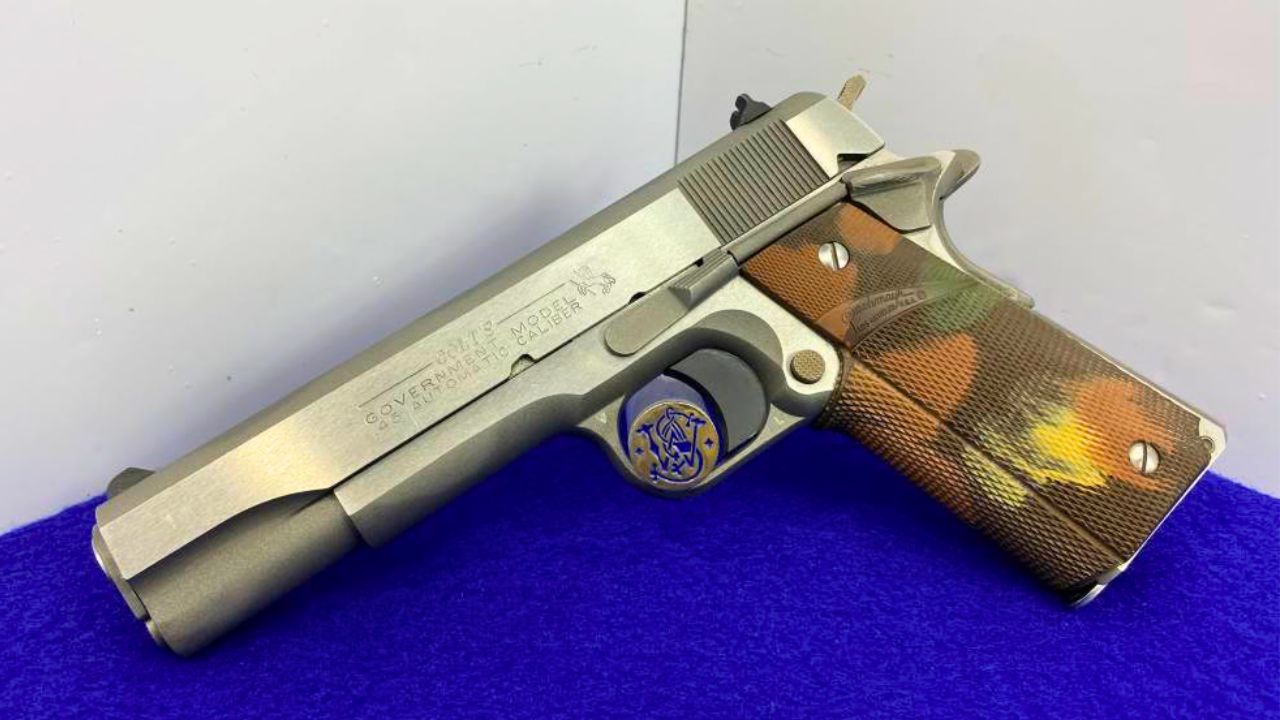
The carbon-steel 1911s, especially early Series 70 and GI models, are rust magnets if not treated with care. Their fine bluing or parkerizing wears quickly, and any finger oil or residue can lead to small rust blooms along the slide.
Plenty of shooters have pulled a 1911 from storage only to find rust under the safety or behind the grips. The design may be timeless, but it requires attention. A stainless version fixes the problem, but the purists still prefer the classic blue—and they keep a bottle of CLP nearby because of it.
Remington Model 700 (Older Production)

Early Remington 700s share the same beautiful blued finish as the Model 70—and the same weakness. The barrel crown and bolt shroud are common places for corrosion, especially if the rifle went into the safe after cleaning with fingerprints still on it.
You can oil these rifles religiously and still find tiny rust halos by hunting season. They’re too well-made to replace, but you have to accept that the finish is purely cosmetic protection. Keep a rag and a can of oil on hand—these guns demand it.
Winchester Model 12

The Winchester Model 12’s finish looks deep enough to dive into, but it’s also thin enough to vanish if you don’t baby it. The blued steel of those early pump-guns reacts fast to moisture, and you’ll see pitting start under the barrel rib and around the action bars if you don’t keep it dry.
Collectors know to store these guns outside of foam cases, which trap moisture and accelerate rust. The Model 12 may have been one of the finest pump shotguns ever made, but its bluing has zero forgiveness if you leave it alone too long.
Browning A-5 (Belgian Models)

The Belgian-made Browning A-5s are known for craftsmanship—and for finishes that don’t like humidity. The high-polish blue and thin protective coating make them particularly vulnerable to surface rust inside a safe that’s even slightly damp.
Collectors have seen it happen time and again: beautiful engraving, perfect wood, and then light rust creeping under the fore-end cap. A little oil solves it, but you have to stay ahead of it. The A-5 is proof that even the finest workmanship can’t outsmart chemistry.
Savage 110 (Early Models)

Older Savage 110 rifles used blued finishes that offered little real corrosion resistance. The steel was serviceable but not sealed well, and moisture could work its way into screw holes and under scope mounts. Leave it un-oiled, and you’ll find orange spots forming in tight corners within weeks.
These rifles shoot straight and last forever mechanically, but cosmetically, they age fast if ignored. Anyone with an older 110 knows to wipe down every inch before closing the safe door for the night.
Ithaca Model 37
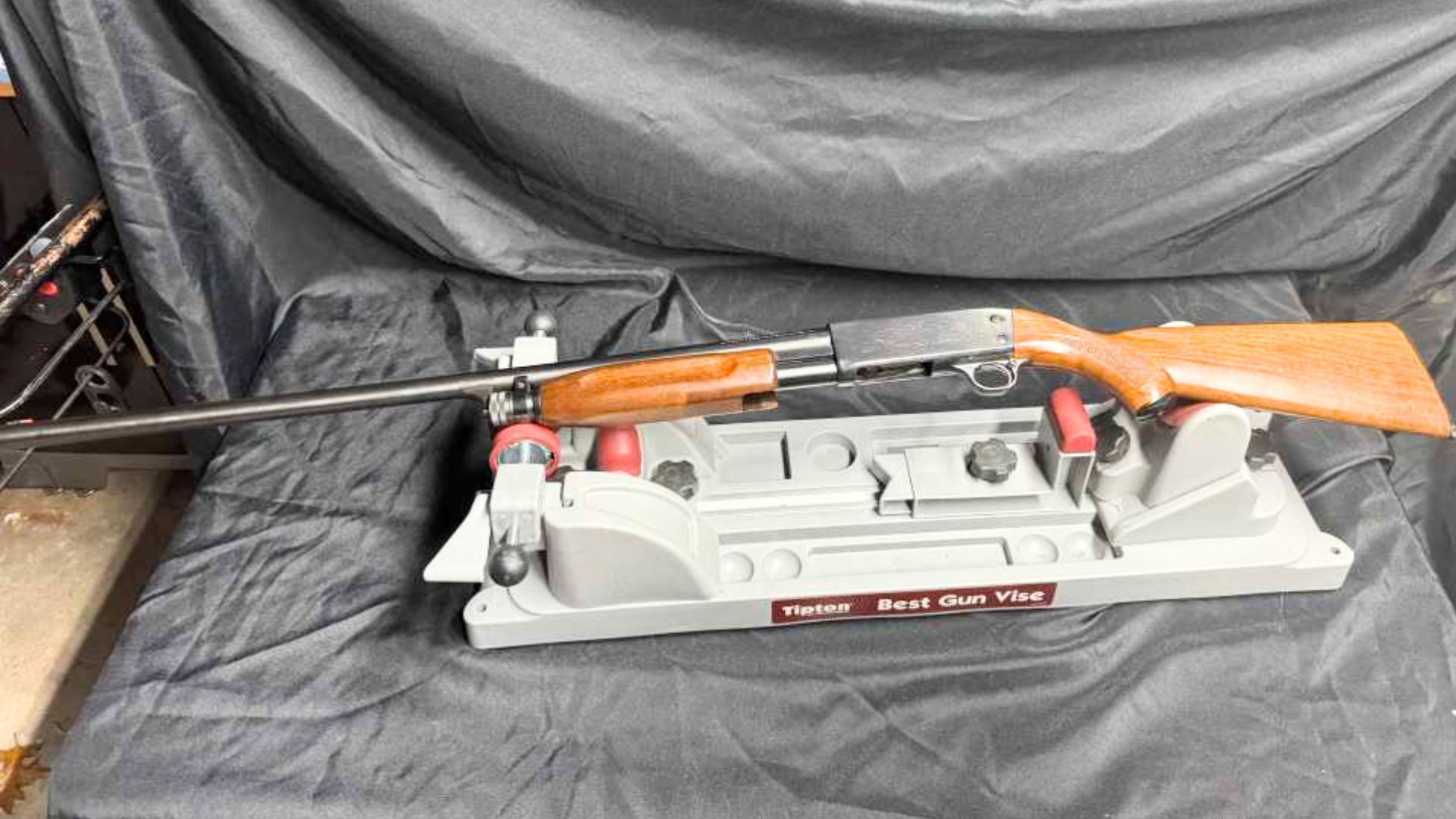
The Ithaca 37 is legendary for its reliability, but its steel finish—especially on older field models—doesn’t hold up well in long-term storage. Even when spotless, you can open the safe to find rust freckles on the barrel or magazine tube.
The reason is that the old bluing is extremely reactive. A fingerprint or trace of solvent is enough to start the process. Many owners now coat them with wax or corrosion inhibitors before storage. It’s a classic American shotgun, but it demands more care than most.
Smith & Wesson Model 10

The classic police revolver—the S&W Model 10—has been around for more than a century, but those blued carbon-steel frames were never known for corrosion resistance. Holster wear exposes bare steel fast, and once stored, that exposed metal rusts almost immediately if you forget to oil it.
Even well-preserved examples need constant upkeep to stay spotless. The finish looks incredible under the right light, but that shine can’t hide the thin layer of oxidation always waiting to return. If you keep one in your safe, keep a rag and oil close—it’ll need both.
Like The Avid Outdoorsman’s content? Be sure to follow us.
Here’s more from us:
The worst deer rifles money can buy
Sidearms That Belong in the Safe — Not Your Belt
*This article was developed with AI-powered tools and has been carefully reviewed by our editors.