Photo credit: _ Sonder_/Unsplash.com
If you’re trying to hunt deer without leasing a farm or begging permission every season, the “balance” you want is simple: solid deer opportunity plus enough public access that you can actually hunt without standing on top of other guys. No state is perfect. Some have great deer numbers but not much public. Some have a lot of public but lower deer density in big chunks. The sweet spot is where you can still roam, still adjust, and still find deer without needing a private-land network. States like Michigan, Minnesota, Wisconsin, and Maine get mentioned a lot because they lead the pack in public-land acreage among whitetail states, which gives hunters room to spread out and keep learning. And when you combine that with consistently productive deer hunting, that’s where the “public hunter’s math” starts working.
Michigan

Michigan earns its spot because it gives public-land deer hunters room to move. When a state has big public acreage, you’re not forced to hunt the same tiny parcel every weekend, and that alone makes the experience better. Michigan is routinely listed among the whitetail states with the most public land, which matters because it creates real flexibility. Deer opportunity varies north to south, and pressures vary by region, but a public hunter can still build a season around scouting and adaptation. Michigan also has plenty of habitat variety—big woods, ag edges, swamps, mixed cover—so you can adjust tactics instead of repeating the same sit. The real advantage is that you can find overlooked pockets even when popular areas get busy. If you’re willing to hunt thicker cover, go farther than the average guy, and treat scouting like part of the season, Michigan is one of the better “numbers + access” plays for a normal hunter.
Minnesota
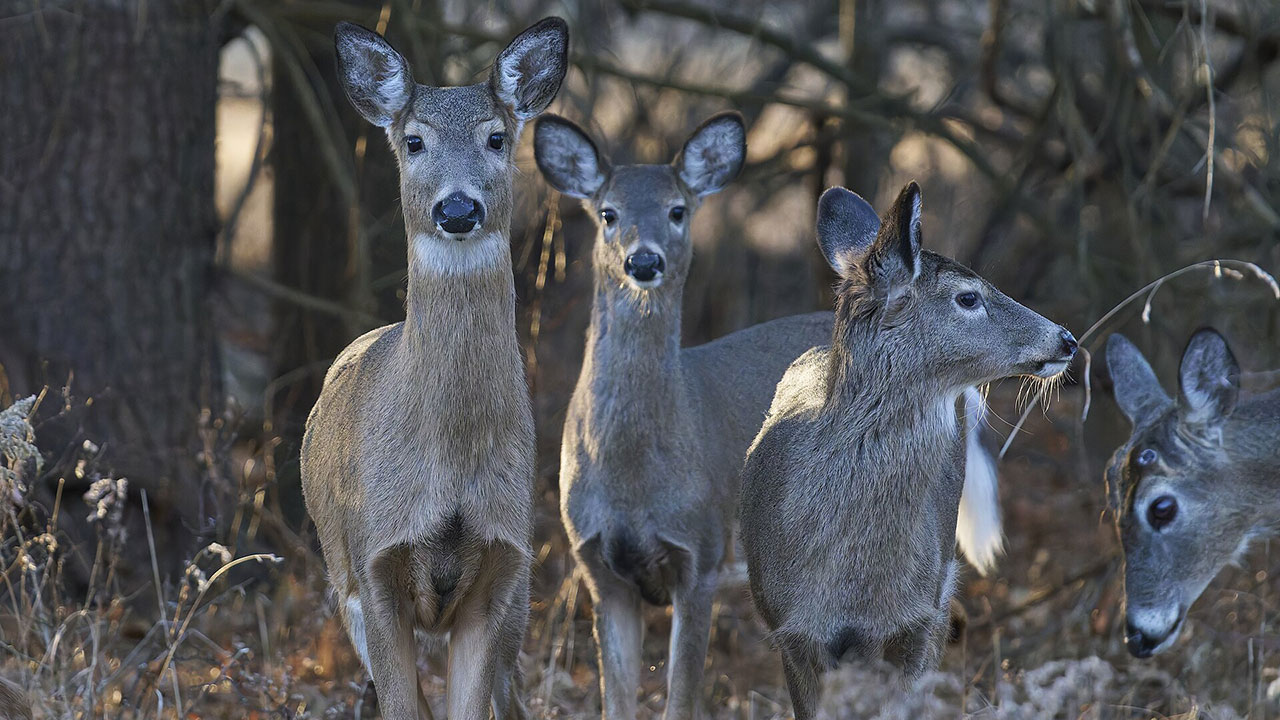
Minnesota is another state where the public-land footprint makes deer hunting possible without private connections. It’s consistently cited as one of the top public-acreage states for whitetail hunters, and that matters because it lets you spread pressure out and learn new ground each year. Deer numbers and densities vary by region, but a public hunter can still find productive areas with enough scouting and willingness to hunt unsexy cover. Minnesota also gives you options: big woods style hunting in the north, mixed ag and timber in other parts, and plenty of transitional habitat that holds deer when pressure hits. If you’re the kind of hunter who enjoys reading sign, slipping into cover, and adjusting after opening weekend chaos, Minnesota is a strong “public hunter” state. The big caution is access pressure near easy-entry parcels, so the key is walking past what most people settle for.
Wisconsin

Wisconsin is a serious deer state, and it pairs that with meaningful public opportunity. It’s one of the states regularly named among the top for public-land whitetail acreage, which gives hunters real room to hunt instead of fighting over scraps. Wisconsin also has a long deer tradition and a lot of competent hunters, so you can’t expect easy wins on public. But the balance is still there: plenty of deer hunting culture, plenty of habitat, and enough public ground that you can find pockets if you’re willing to move. The best Wisconsin public hunters aren’t doing anything magical. They’re hunting where deer go when pressure stacks up—thicker transitions, swamp edges, ugly cover, and overlooked access points. If you want a state where you can build skill year over year on public ground and still have real deer opportunity, Wisconsin belongs high on the list.
Maine

Maine is a different kind of “balance” because it’s big woods deer hunting, but the public access side is strong. Maine is consistently mentioned as one of the leading public-land acreage states for whitetail hunters, and that alone makes it attractive for DIY hunters. Deer densities aren’t like Midwest farm country everywhere, but Maine gives hunters real space and real learning potential. It’s also the kind of place where pressure concentrates near easy access, which means walking, scouting, and patience separate hunters fast. If you like tracking conditions, snow timing, and hunting terrain that rewards grit, Maine is a strong public-access state. The “numbers” part depends on region and conditions, but the “access” part is a big deal, and access is what keeps a public hunter in the game long-term.
Pennsylvania

Pennsylvania makes this list because it combines huge deer opportunity with a well-established public-land hunting culture. It’s one of those states where the deer harvest and participation are consistently high, which tells you there’s real opportunity—but also real pressure. The balance comes from the fact that a public hunter can still hunt a lot of ground without needing private permission, and there’s enough habitat variety that deer don’t get “hunted out,” they just get hunted smarter. The challenge is that you’re sharing woods with a lot of hunters, and many of them know what they’re doing. That’s why the best public setups here are often the ones that aren’t fun: steep climbs, thick cover, ugly transitions, and overlooked benches. If you treat PA like a chess match instead of a casual sit, it’s one of the better “public deer” states for a regular working hunter.
Michigan’s Upper Midwest neighbors

This is where I’m going to talk like a real public hunter: the Upper Midwest as a region is one of the few places where you can still do this without land leases dominating the whole conversation. Michigan, Minnesota, and Wisconsin get named because the public acreage is there. That doesn’t mean every acre is perfect deer habitat, but it means you have room to move, and room to move is freedom for a public hunter. It lets you escape crowds, it lets you learn new spots, and it lets you adapt when conditions change. If you’re building a long-term DIY deer hunting plan, states with big public footprints are where skill actually pays off over time. You’re not trapped in one postage-stamp WMA getting burned by pressure every weekend.
Missouri
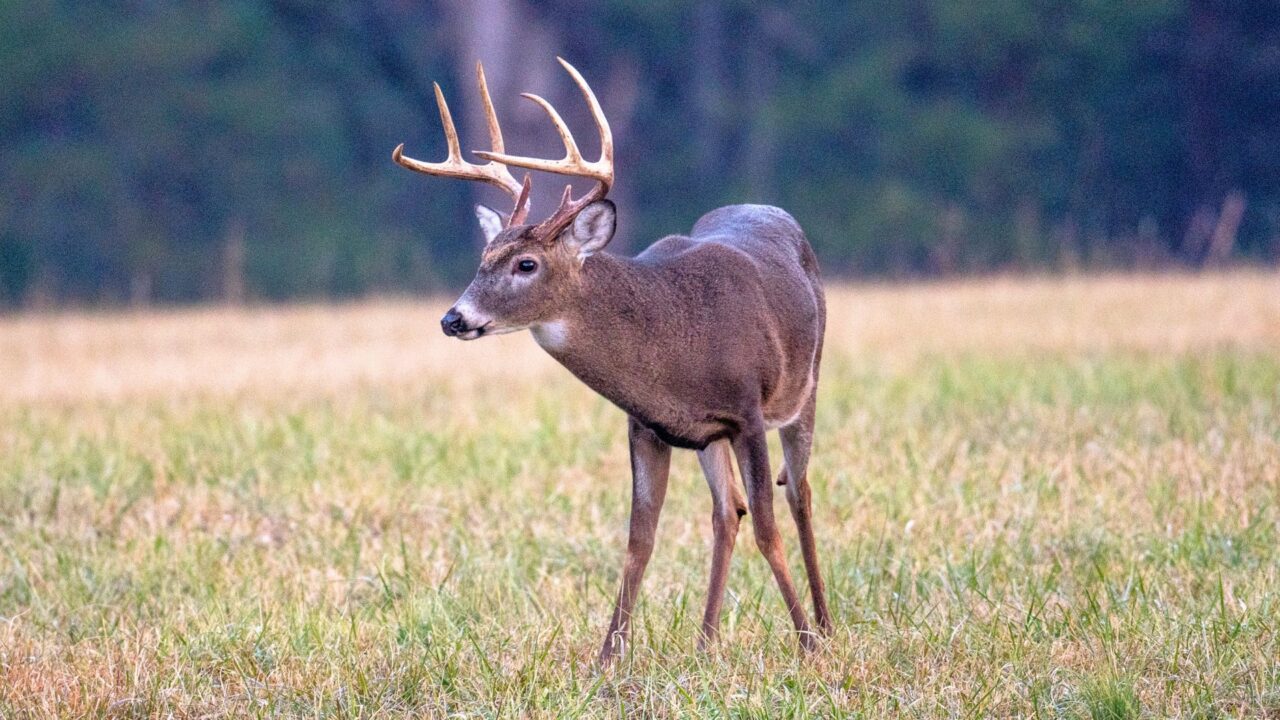
Missouri can be a strong “balance” state depending on where you hunt because it has a big hunting culture and enough public opportunity to keep a DIY hunter active. The key is that public parcels vary wildly: some get hammered, some are surprisingly productive if you treat them like a whitetail puzzle. Missouri deer hunting also spans habitat types, so you’re not locked into one style. The balance here is less about “endless public acres” and more about workable access paired with solid deer opportunity in many parts of the state. If you’re willing to scout hunter access points and hunt the zones deer use after pressure hits, Missouri can be a very practical state for public hunters. The biggest mistake is hunting it like private: sitting on obvious edges and expecting daylight movement with crowds nearby.
Tennessee
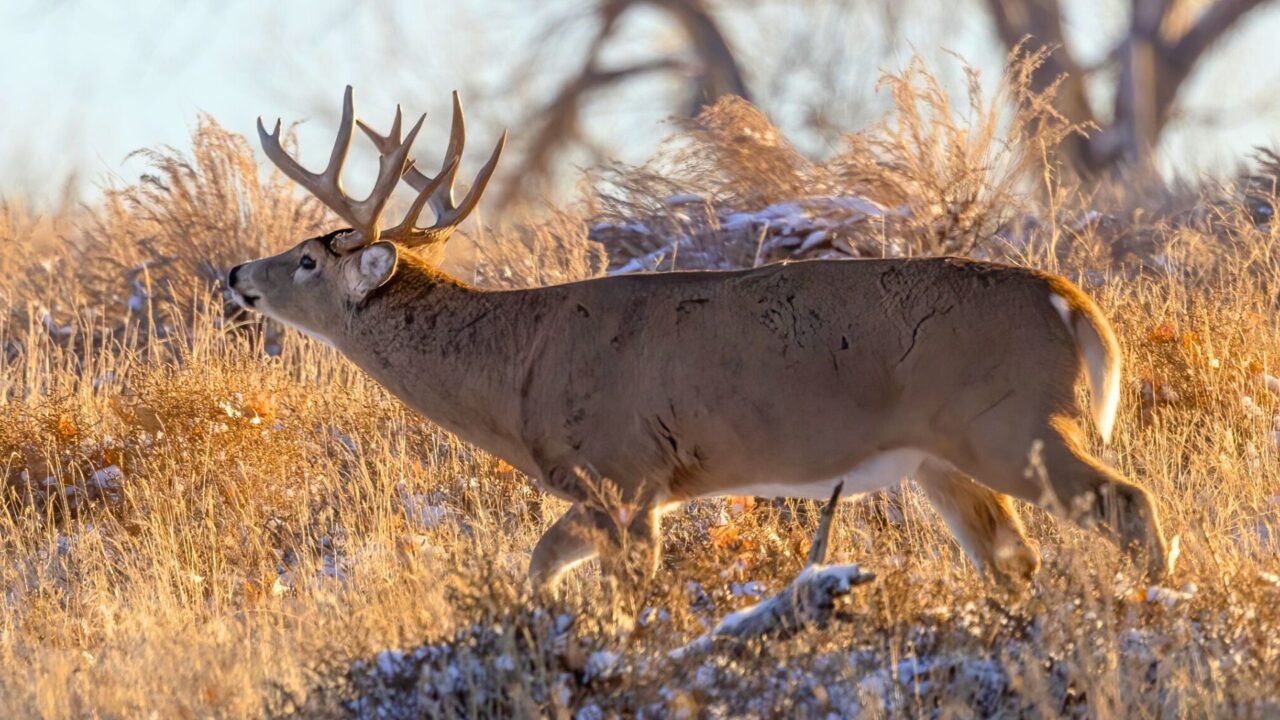
Tennessee is a good example of a state where the balance exists if you’re flexible. There’s public land to hunt, a strong deer culture, and enough habitat variety that deer can be hunted in multiple styles. What trips people up is expecting one WMA to be “the answer.” Tennessee public hunting requires moving around, learning properties, and understanding how pressure changes deer movement. The reason it earns a spot is that a DIY hunter can still hunt a full season without needing leases, and there are enough options to keep you from being stuck. The smart play is hunting mid-week when you can, hunting weather windows, and focusing on bedding-adjacent travel instead of obvious food edges. If you can hunt like a mobile public-land guy, Tennessee is a realistic balance state.
Kentucky
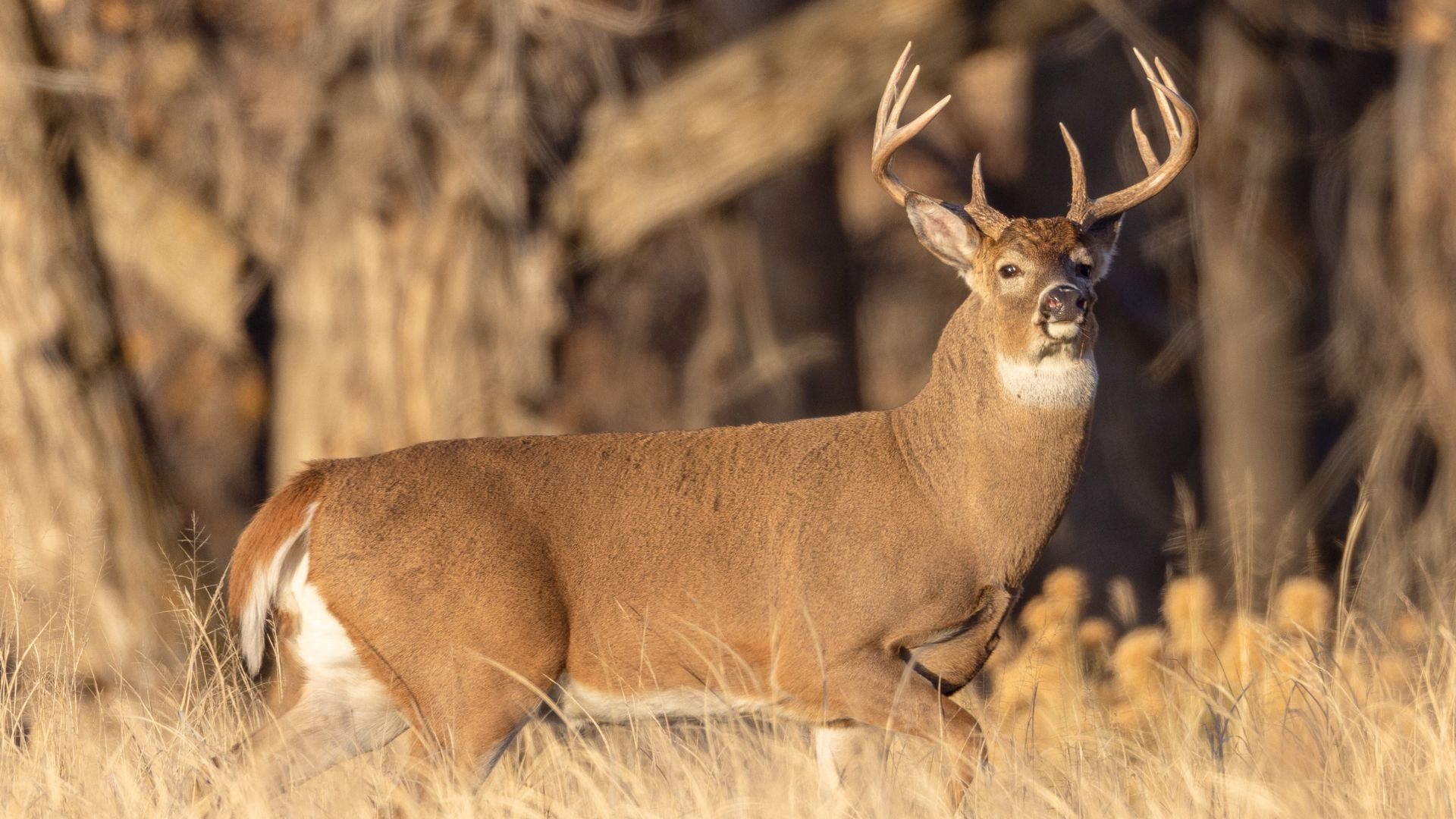
Kentucky deer hunting can be very productive, and public access can still be workable depending on where you focus. The balance here is that a lot of hunters think Kentucky is only private-farm country. It isn’t. Public hunting takes more scouting and more willingness to hunt overlooked cover, but you can still make it work. Kentucky also tends to reward hunters who understand pressure and rut timing, because deer behavior shifts quickly when the woods get busy. If you want a “numbers + access” state that isn’t always in the loudest national conversation, Kentucky can be a good fit. The catch is that some public spots get crowded hard, so you have to hunt like you’re competing: map work, low-impact access, and setups that avoid the obvious routes.
Alabama

Alabama’s deer opportunity can be strong, and public access exists, but the balance depends heavily on where you hunt and how you manage pressure. A lot of southern public-land deer hunting is about effort: the guys who won’t walk get frustrated, and the guys who will walk find deer. Alabama can reward that approach because deer will stack into thick cover when pressure hits. The “numbers” part can be there, the seasons can be generous, and a public hunter can still build a season around rotating properties and hunting different habitat types. The key is not expecting Midwest-style visibility. You’re hunting thicker cover, smaller windows, and sign-based travel. If you like that style—close-range, tactical setups—Alabama can be a good balance state for the DIY crowd.
Georgia
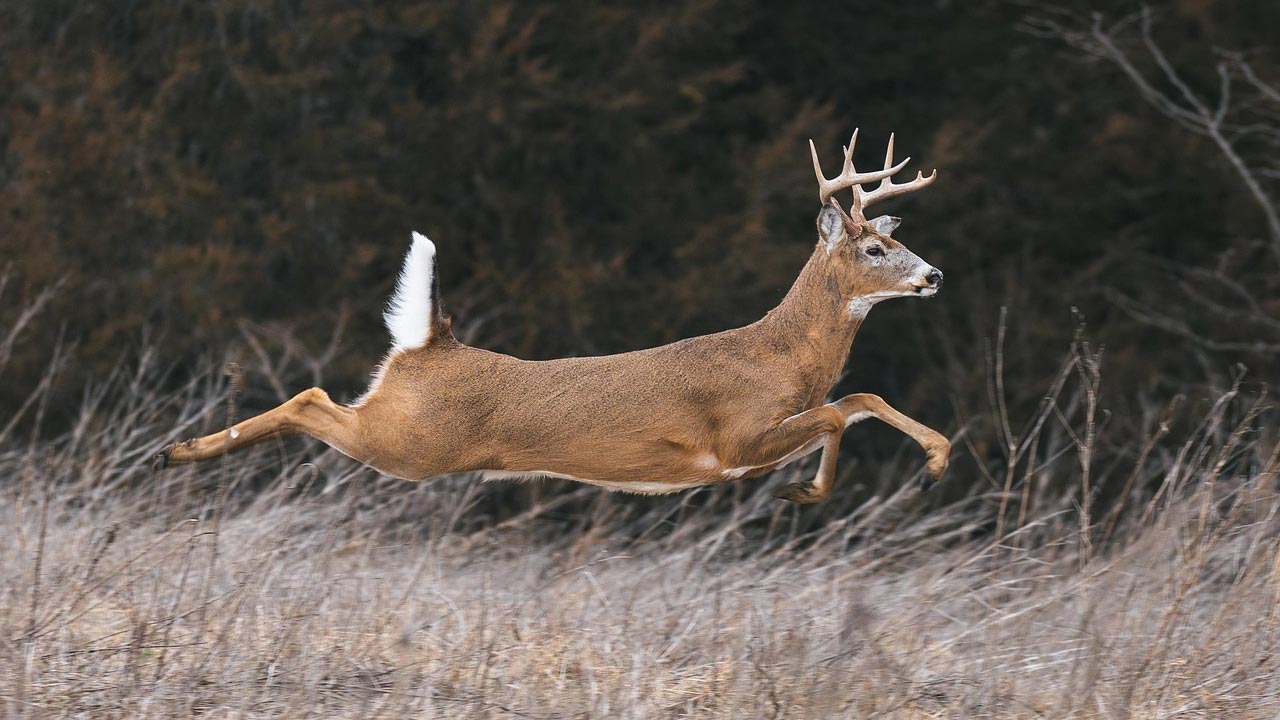
Georgia is similar to Alabama in that it can provide the balance if you accept what southern public land demands. Deer hunting culture is strong, public opportunity exists, and deer can be hunted effectively—but pressure concentrates on easy-access parcels. The balance comes from the fact that you can still hunt a lot without private leases if you rotate areas and scout. Georgia deer can be very patternable around cover transitions, and the best public hunting often happens where the average hunter doesn’t want to go: thick stuff, wet stuff, and steep-ish terrain that doesn’t look “pretty.” If you’re willing to hunt ugly and keep your access quiet, Georgia can still give a public hunter real opportunity.
North Carolina

North Carolina can be a sleeper “balance” state for the right hunter. Public access isn’t infinite, but it exists, and deer hunting culture is strong enough that there’s always a learning community and plenty of seasons to hunt. The challenge is pressure and schedule stacking—lots of weekend hunting. The balance comes from flexibility: hunting different properties, hunting different times, and being willing to adjust tactics to the region you’re in. If you’re expecting a one-spot solution, you’ll hate it. If you treat it like a season-long rotation and you hunt where deer hide from pressure, you can make it a solid public-hunter state.
Arkansas

Arkansas has good deer opportunity, a strong hunting culture, and public access options that can support a DIY hunter who’s willing to scout. The balance here shows up in habitat variety: timber, river bottoms, mixed terrain, and plenty of transitions that hold deer. Arkansas public land can get busy in popular areas, but there are also parcels that get ignored because they’re inconvenient or require real effort. If you hunt those, you can find the “balance” you’re looking for without living on a lease. Arkansas rewards hunters who pay attention to water, mast, and pressure shifts. It’s not always glamorous, but it’s workable.
Mississippi

Mississippi can provide a public-hunter balance if you accept that crowding and habitat density change the game. Deer opportunity exists, public land exists, and seasons can offer plenty of time. But you have to hunt like you’re in the South: thicker cover, more pressure concentration, and more importance on access routes and wind. Mississippi public hunting can be very productive for hunters who focus on bedding-to-feed movement and who aren’t afraid to hunt in tighter windows. The balance here isn’t “easy.” It’s “possible,” and for a lot of hunters, possible is the whole point.
Louisiana

Louisiana is a tougher sell if you want classic “numbers,” but if you’re looking for public access and a DIY season, it can still make sense. Deer densities vary hard by area, and a lot of the best hunting is habitat-specific—river bottoms, marsh edges, and thick cover. The reason it can still balance out for a public hunter is that you can hunt a lot of land without private permission, and the hunting community is active. You won’t get Midwest-style consistency everywhere, but you can build a season around public opportunities and learn a unique style of whitetail hunting that makes you a better hunter anywhere else. If you’re willing to hunt wet, thick, and uncomfortable, Louisiana can still deliver.
Florida

Florida isn’t a “big buck factory” in most people’s minds, but it can still be a balance state for a public hunter who wants access and opportunity. Public land exists, seasons exist, and deer can be hunted effectively—just not like you’re hunting cornfield edges. Florida deer hunting is about cover, pressure, and timing, and the success comes from understanding how deer use thick habitat in heat and humidity. The balance is that you can hunt without leases if you’re willing to learn the terrain and hunt smart. It’s not the easiest path, but it’s a real path.
Like The Avid Outdoorsman’s content? Subscribe to our newsletter so you never miss an article.
Here’s more from us: