Photo credit: Joe McDonald/Shutterstock.com
A lot of people picture snake encounters happening deep in the woods, but real life doesn’t work like that. A big chunk of bites and close calls happen near the home—yards, sheds, woodpiles, brush lines, creek edges, flower beds, even inside garages—because that’s where people and snake habitat overlap. National data and clinical reports keep pointing to the same patterns: the South and parts of the Midwest see a lot of venomous snake activity, and “near home” encounters are common. These 15 states combine high venomous snake presence with the kind of landscapes and human sprawl that put snakes and people in the same places.
Texas

Texas is the heavyweight here because it has massive habitat variety, long warm seasons, and plenty of venomous species spread across rural and suburban areas. You’ve got rattlesnakes out in dry country and brush, copperheads around wooded edges and creek bottoms, and cottonmouths anywhere the water and cover line up. The “near homes” piece comes from how many people live right up against greenbelts, drainage ditches, tank ponds, and brushy lots—exactly where snakes hunt. Texas health guidance also stresses quick medical response and poison control involvement because bites do happen every year, especially when people try to handle snakes or step into cover without seeing them. If you live in Texas, the practical move is yard hygiene (clean brush and junk piles), boot-and-light habits at night, and treating every woodpile like it already has a tenant.
Florida
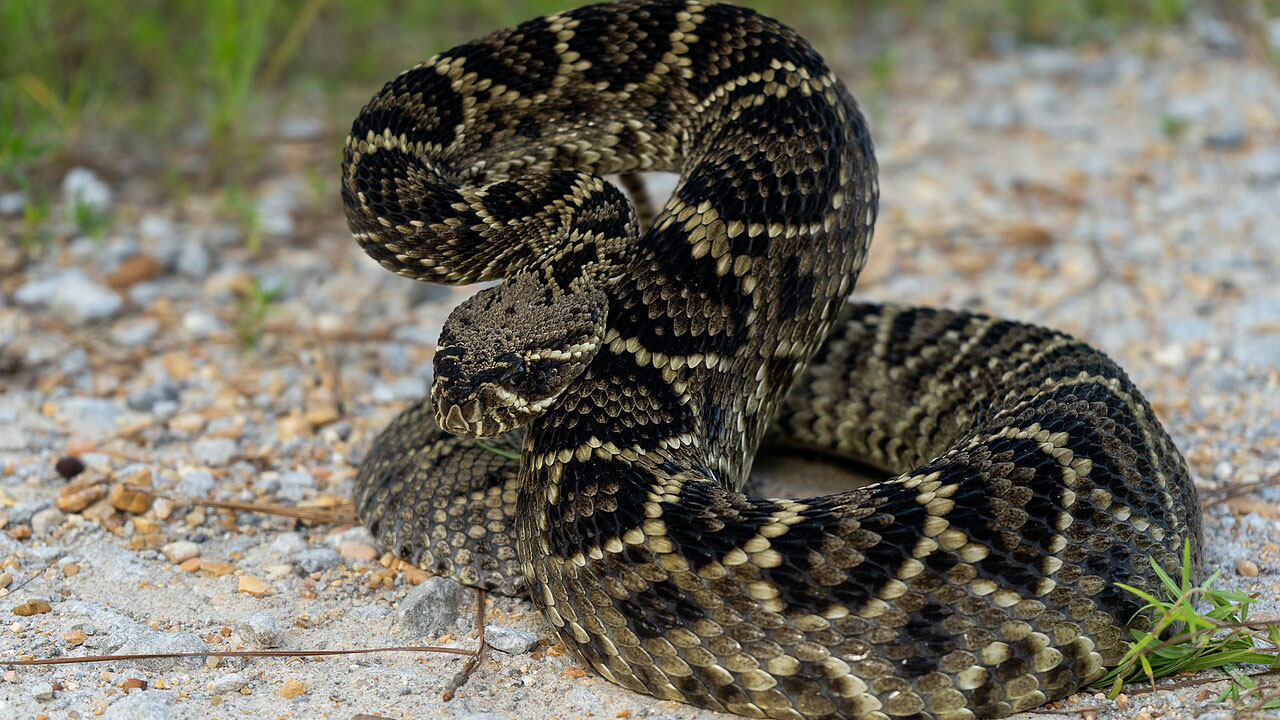
Florida is warm, humid, and full of water—so snakes don’t have to “wake up for spring” the way they do up north. Florida poison control notes that calls about snakebites come in year-round, and that tracks with what locals already know: snakes are active a lot of the calendar. Add in neighborhoods built along retention ponds, canals, palmetto edges, and golf-course water, and you’ve got a recipe for “snake near the house” moments. Cottonmouths show up around wet areas, pygmy rattlesnakes blend into leaf litter, and coral snakes still pop up in the right habitats even if people don’t see them often. If you’re in Florida, the biggest risk multipliers are walking at dusk without a light, letting brush and yard debris stack up, and assuming the only danger is “in the woods.” Around there, the woods are often your backyard fence line.
Georgia
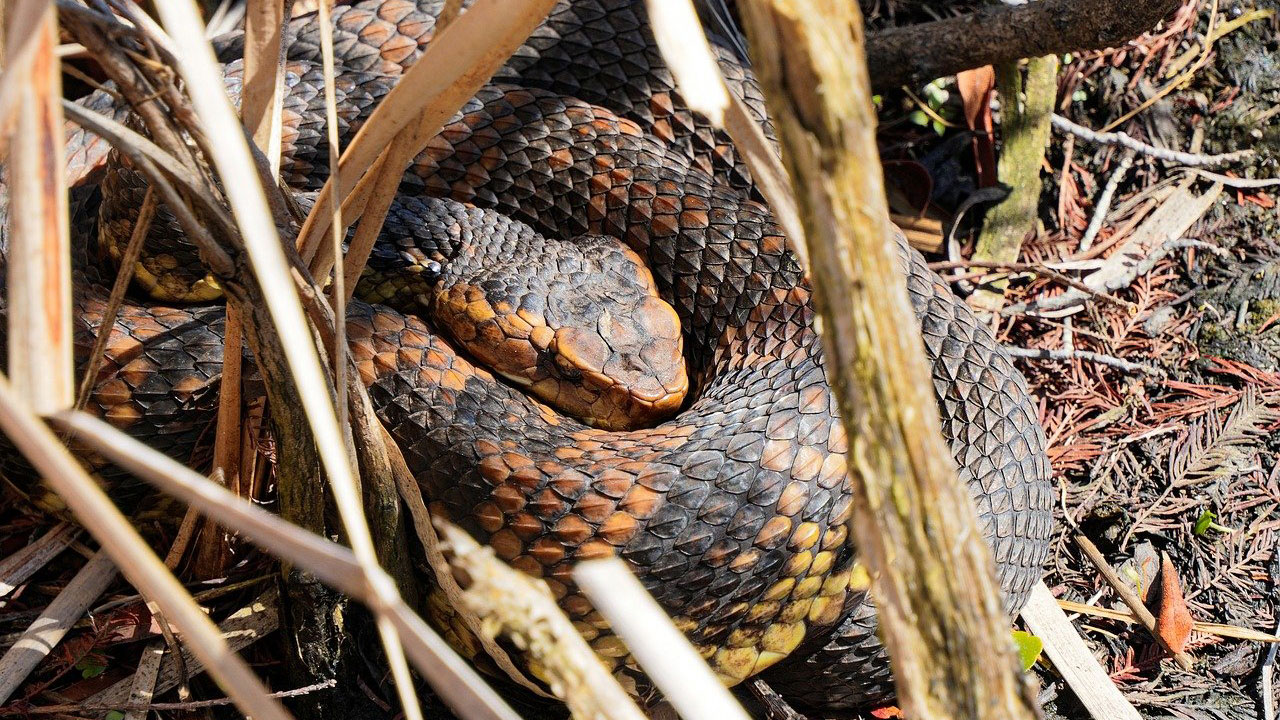
Georgia sits in that sweet spot where you’ve got heat, humidity, and a ton of mixed habitat: pine stands, hardwood bottoms, creeks, swampy edges, and suburban sprawl. Copperheads are the classic “yard snake” problem because they sit still, blend in, and don’t announce themselves. Cottonmouths show up around ponds and drainage areas, and rattlesnakes are a reality in plenty of regions. The big reason Georgia makes the list is how common it is for homes to back up to woods, retention ponds, and brush lines, which is basically a snake highway. National safety reporting also points out that venomous snakebite risk clusters heavily in the South, and Georgia fits that pattern. If you’re doing normal “outside” life—stacking firewood, cleaning up limbs, working around sheds—Georgia is one of those states where you treat every hidden spot like it could hold something that bites.
Alabama

Alabama has the cover and the moisture to keep venomous snakes comfortable, and it has a lot of rural-to-suburban overlap where yards blend into woods. Copperheads and cottonmouths are the names people hear most, and the “near home” part is real because so many properties have brushy edges, creek bottoms, and cluttered storage areas. That’s where snakes hunt rodents and frogs, and that’s also where people step without looking. The CDC has noted that venomous snakebite risk is concentrated in the southern and midwestern U.S., and Alabama sits right in that belt. If you want to cut your odds down, you don’t have to turn into a wilderness expert—just get serious about lighting at night, keeping tall grass and junk piles under control, and not sticking your hands where your eyes haven’t been first.
Mississippi
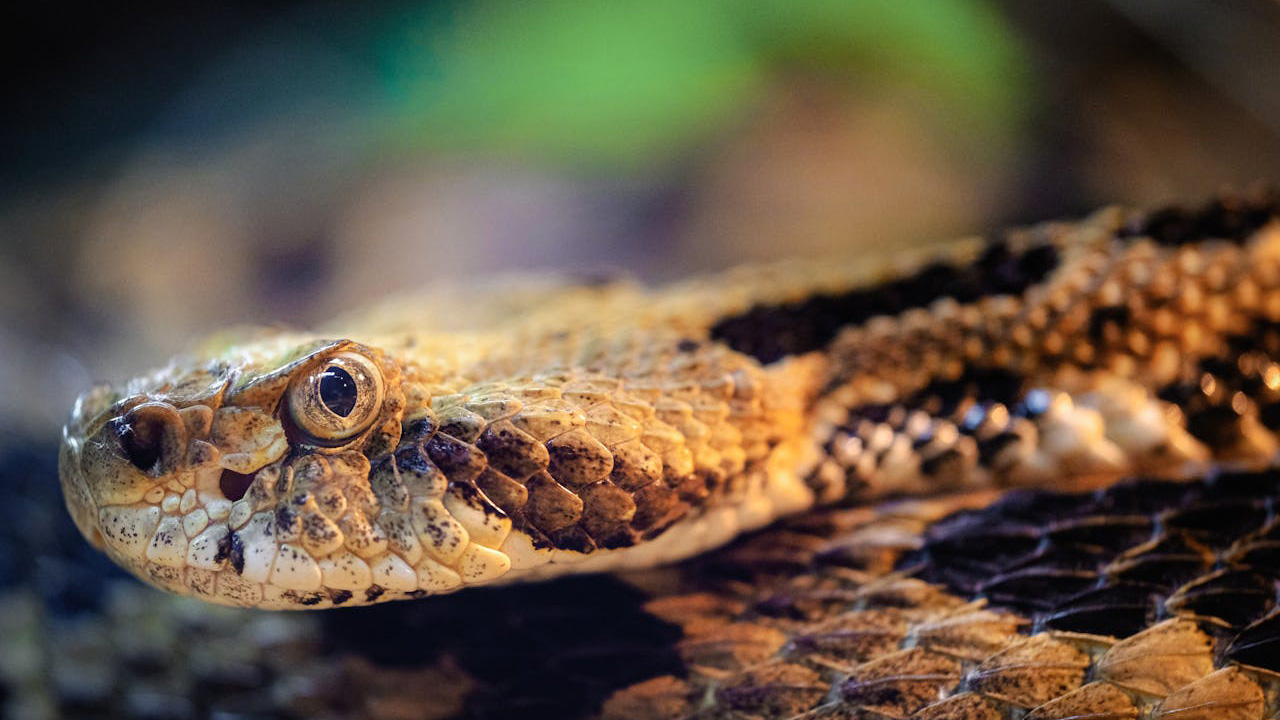
Mississippi is loaded with swamp edges, creek systems, and thick cover—perfect conditions for the snakes people actually run into around homes. Cottonmouth habitat is everywhere water meets brush, and copperheads love the kind of leaf litter and wood debris that builds up around sheds, woodlines, and old landscaping. What gets people in trouble is normal life: moving stuff that’s been sitting, cleaning up brush, walking a dog near a ditch line, or stepping off a patio into tall grass. Clinically, a significant share of bites happen near the home, not deep in the backcountry, and Mississippi fits the profile where that overlap is common. If you live there, the smartest “snake plan” is boring but effective: clean edges, reduce rodent attractants, and treat wet brush areas like they’re active zones all warm season.
Louisiana

Louisiana is basically built around water and thick vegetation, and that puts cottonmouths in the conversation all the time. Add copperheads, occasional rattlesnake encounters in the right areas, and the fact that plenty of homes sit close to bayous, canals, and marshy cover, and “snake near the house” stops being rare. The same national patterns apply here too: southern states see a big share of venomous snakebite incidents, and a lot of encounters happen in everyday settings close to where people live and work. Louisiana also has a ton of “perfect hiding spots” around properties—raised decks, stacked lumber, old sheet metal, cluttered barns—so the risk isn’t just stepping on a snake. It’s reaching into a place a snake already claimed because it’s cool, dark, and full of prey.
North Carolina

North Carolina has everything from coastal lowlands to mountain country, and that mix gives venomous snakes a lot of real estate. Copperheads are the big “yard encounter” driver, and they’re common in wooded neighborhoods where leaves and brush stay thick. Rattlesnakes exist too, especially in the right habitats, but copperheads are the ones that surprise people around patios, woodpiles, and trails behind subdivisions. The “near home” factor shows up in medical and poison-center data: a lot of bites happen close to where people live, especially when folks are doing normal outdoor chores. If you live in North Carolina, the biggest mistake is thinking the only time to worry is hiking. Yard work, dog walks at dusk, and rummaging in outdoor storage are what get people.
South Carolina

South Carolina’s coastal plain, swamps, and warm seasons keep venomous snake encounters in the normal-life category. Cottonmouths are a real concern around wet ditches and ponds, and copperheads show up around wooded edges and brush. The reason it’s “near homes” is simple: a ton of neighborhoods and rural properties are built right into that habitat, and snakes don’t care about your property line. Broader public health reporting points out that venomous snakebite risk clusters in the southern U.S., and South Carolina fits that geography and climate. The fix isn’t panic. It’s better habits: keep cover trimmed, don’t let debris piles sit, and use a light at night—especially around water, landscaping rocks, and the edges of the yard where rodents move.
Tennessee
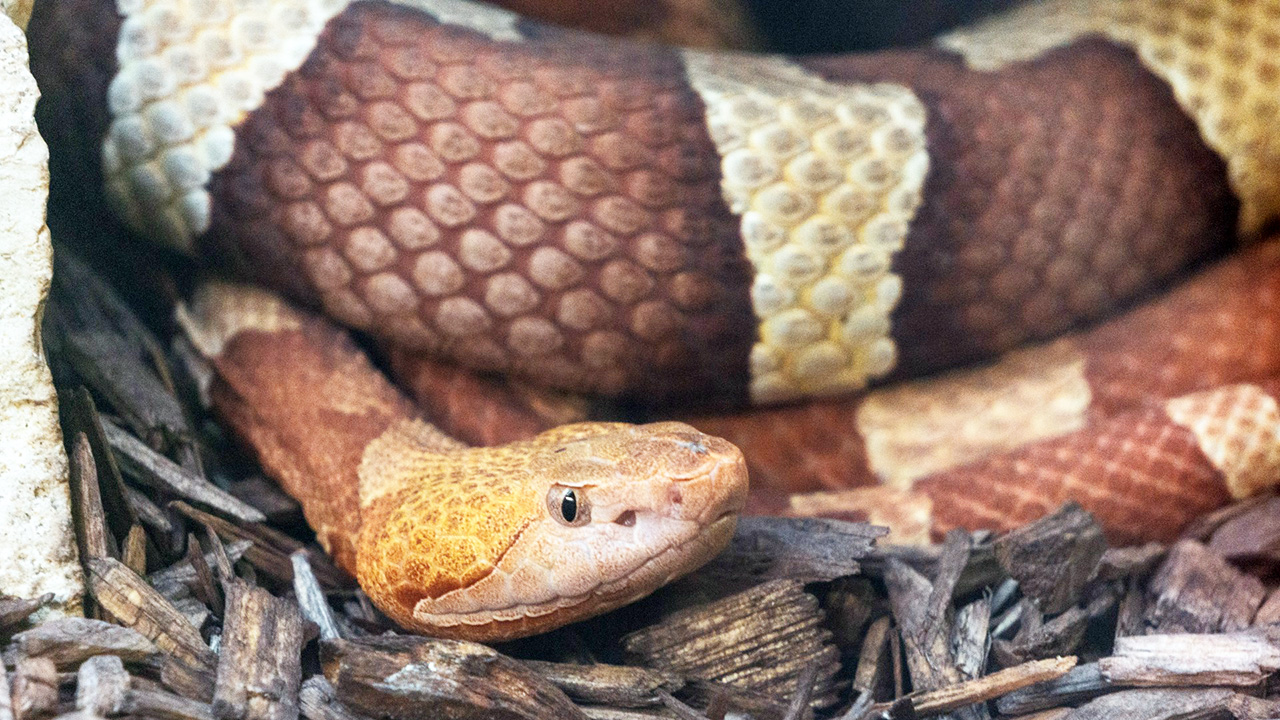
Tennessee is one of those states people forget about until they see how much prime snake habitat it has—wooded hills, creek bottoms, rocky areas, and lots of rural property. Copperheads are common and blend in like they were built for leaf litter, and that’s why they show up around homes and trailheads. The problem isn’t that people are doing extreme stuff; it’s that they’re doing normal stuff in the wrong footwear or in low light. Studies and poison-center data also show that “near home” bites are common, and Tennessee has plenty of the conditions that drive that overlap. If you’re in Tennessee, you don’t need to be scared of every stick in the yard, but you should treat leaf piles, wood stacks, and brush edges like they’re active zones during warm months.
Arkansas

Arkansas has heavy woods, water, and a lot of rural property where people are constantly moving brush, stacking wood, and walking through cover—exactly the stuff that creates close-range snake encounters. Copperheads are the “surprise you at your feet” snake, cottonmouths show up where water and cover meet, and rattlesnakes are a factor in the right terrain. The CDC has pointed out that venomous snakebite patterns concentrate in southern and midwestern regions, and Arkansas lives in that overlap. If you’re in Arkansas, the high-percentage move is treating yard edges like part of the woods: trim them, clean them, and don’t step into tall cover without boots and a light if you’re out at dawn or dusk.
Oklahoma

Oklahoma brings together brush country, pasture edges, creek bottoms, and plenty of suburban sprawl that pushes people into snake habitat without them realizing it. Rattlesnakes are the headline out there, but copperheads and cottonmouths also drive a lot of “near home” sightings depending on where you live. The reason it ends up near houses is that so many properties have stacked material, sheds, fence lines, and brush piles—snake-friendly cover with plenty of mice. Risk factors like human encroachment into habitat and weather patterns also show up in public health guidance as reasons encounters happen more often. If you want to keep your odds low, get serious about property cleanup, rodent control, and not reaching blind into junk piles or gaps under sheds.
Arizona

Arizona is a different kind of risk because rattlesnakes are such a common reality in the desert and foothill neighborhoods. There’s medical literature noting that rattlesnake envenomation is among the most prevalent in the U.S. in Arizona, which matches what locals already know. The “near home” part happens because so many homes are built right against washes, rocky slopes, and desert preserves—exactly where snakes travel and hunt. People get tagged doing normal things: taking out trash at night, walking a dog, working around landscaping rock, or stepping off a patio into gravel. In Arizona, you win with habits: lights at night, clearing hiding spots around the house, and teaching kids what to do when they see a snake instead of trying to “deal with it.”
New Mexico

New Mexico has plenty of rattlesnake habitat, and like Arizona, a lot of people live close to the terrain snakes use naturally—rocky areas, arroyos, brush lines, and open country that butts up to neighborhoods. The bites and close calls often come from simple mistakes: stepping over logs, moving rocks or brush without looking, and walking at night without a light. The bigger picture from public health reporting is that venomous snakebite risk is strongly regional, and the Southwest is part of that conversation. New Mexico also has enough seasonal heat swings that you can get “surprise” snake activity on warm days outside the dead of winter, which is why people get caught slipping early or late in the year.
Virginia

Virginia belongs here because it’s part of that eastern range where copperheads are common and human development sits right on top of wooded habitat. Copperheads don’t need much—leaf litter, a little cover, and prey—and you can find that behind a lot of backyards, especially near creeks and tree lines. The “near home” reality shows up in clinical reporting where a big share of bites occur around home settings, and Virginia’s mix of suburbs and woods makes that believable fast. The best way to cut your risk isn’t fancy gear. It’s yard cleanup, keeping brush lines trimmed, and treating leaf piles and stacked materials like you’re renting space to wildlife if you let them sit.
California
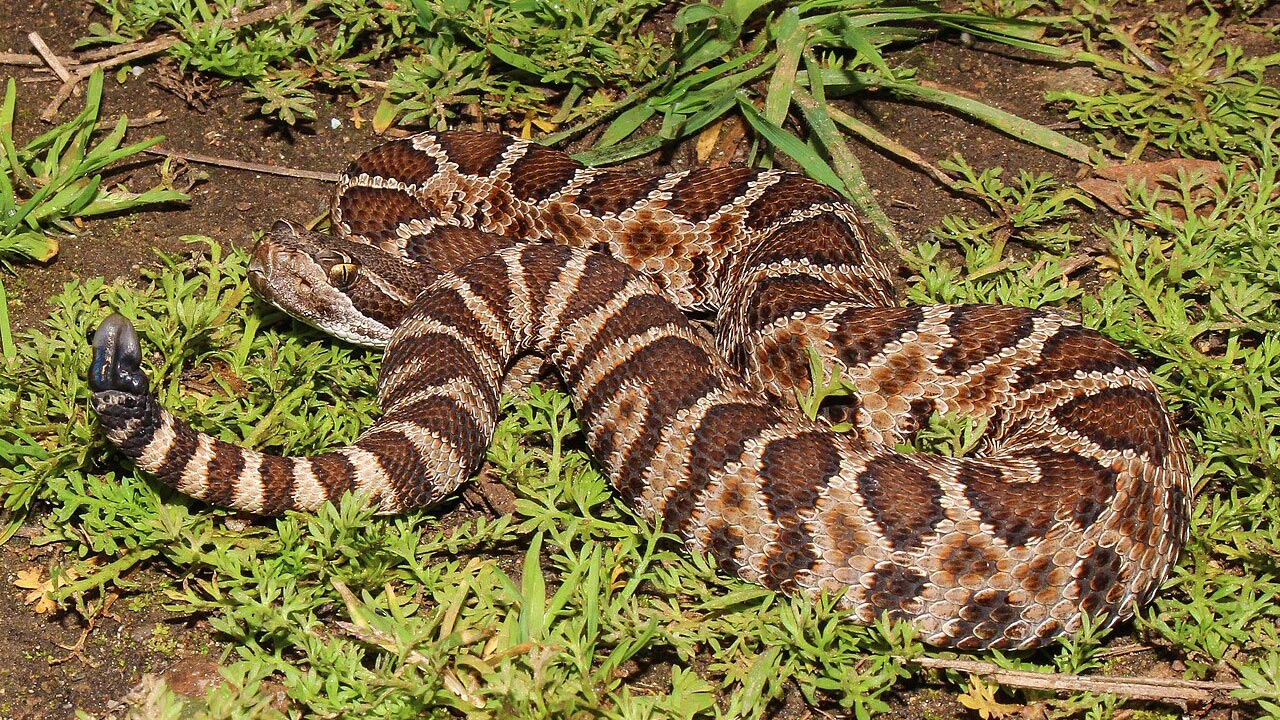
California isn’t “snake country” in the same way the South is, but rattlesnakes are a real issue across huge parts of the state, especially where suburbs meet chaparral, hills, and open space. Public health and workplace safety reporting also points out that weather patterns can influence bite rates, and California has the kind of variability—wet years, hot spells, drought cycles—that can change snake activity and human contact. The “near homes” angle comes from how much housing is built right into natural corridors and foothills, plus how many people are outside year-round. If you live in those zones, the common-sense play is keeping yard edges clean, using lighting at night, and not letting pets roam into brush where a coiled snake can be invisible until it’s too late.
Like The Avid Outdoorsman’s content? Subscribe to our newsletter so you never miss an article.
Here’s more from us: