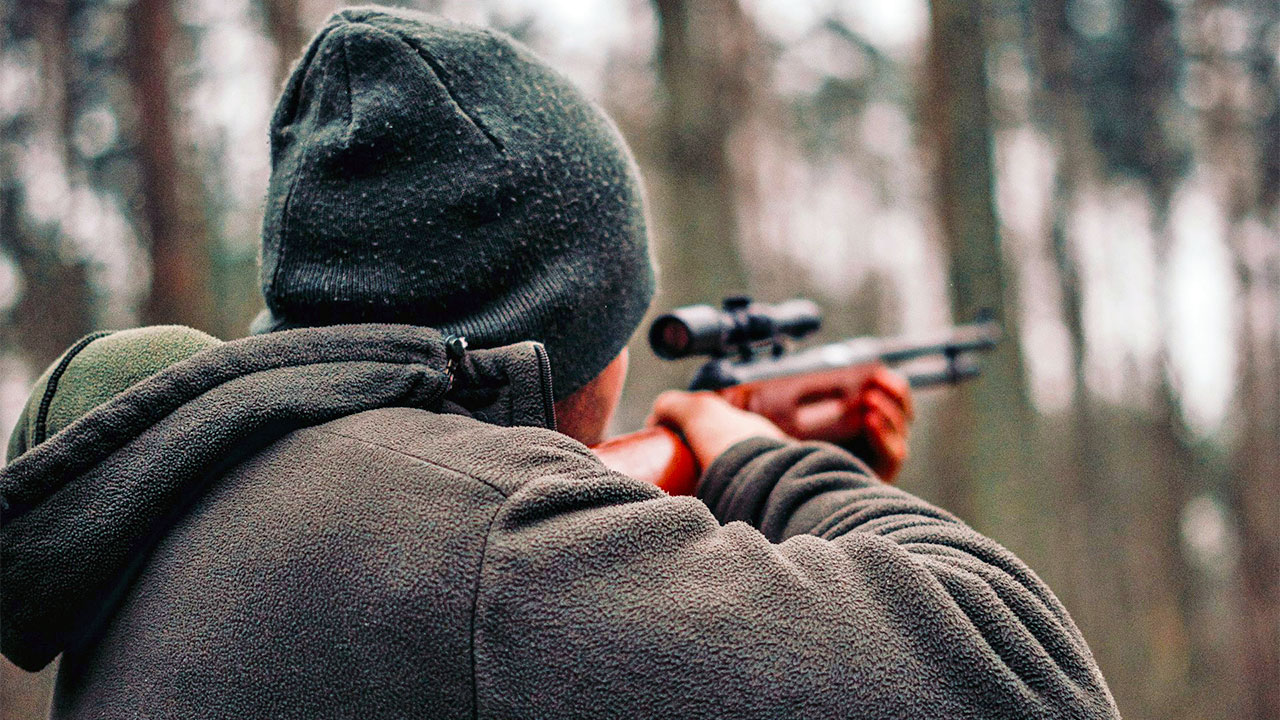
Photo credit: Sebastian Pociecha/Unsplash.com
“Hunter success” is a tricky thing because it isn’t one number. It’s deer hunters in the woods during a warm November, it’s antelope tags getting cut after winterkill, it’s duck hunters staring at empty skies because the migration never really showed up. But the pattern is easy to recognize: more days where guys are doing everything right and still coming home empty, and more state forecasts using words like down, mixed, moderate, or grim. Here are 15 states where recent reports and forecasts point to softer success, plus the most common reasons behind it.
Wisconsin
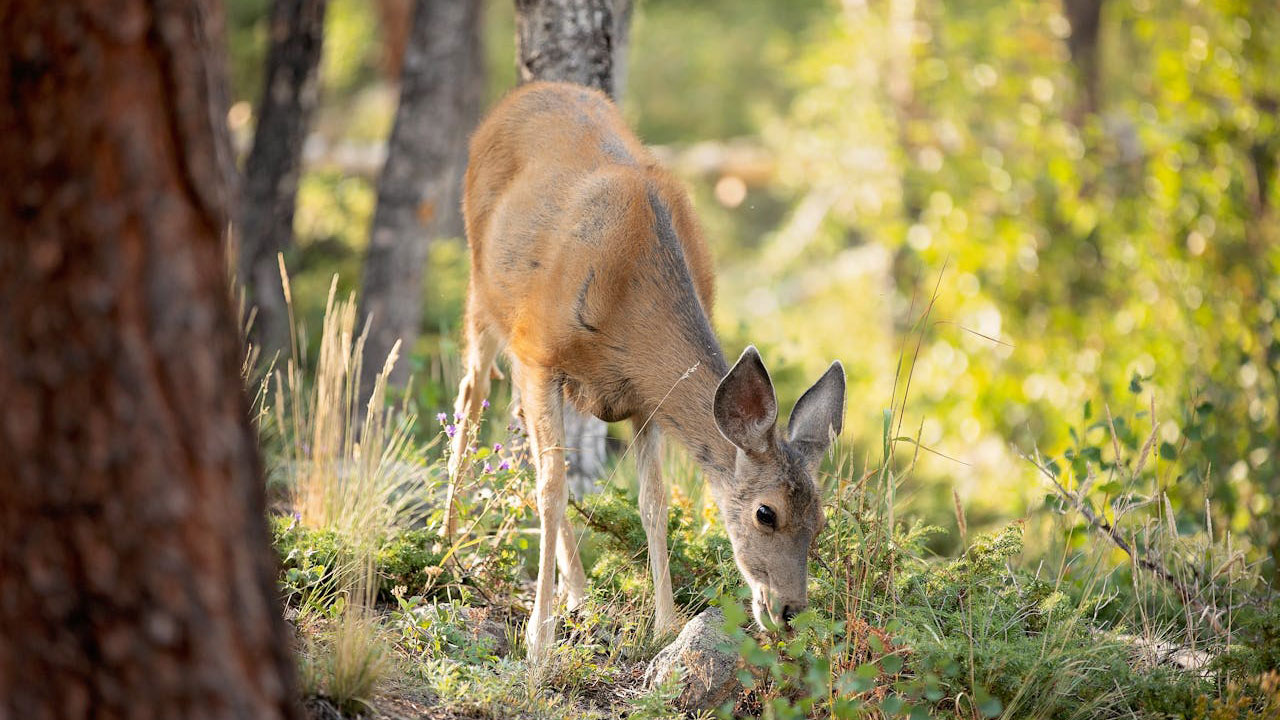
Wisconsin’s 2025 gun deer season registered 182,084 deer, a 0.8% drop from 2024, with antlered registrations down 2.6%. That’s not a collapse, but it’s the kind of dip hunters feel because it usually shows up as fewer “sure thing” sits paying off. Common reasons are the boring ones: warm temps that keep deer moving after dark, changing food patterns (especially in farm country), heavier hunting pressure on fewer parcels, and local herd management that can push more hunting into fewer high-density zones.
Illinois
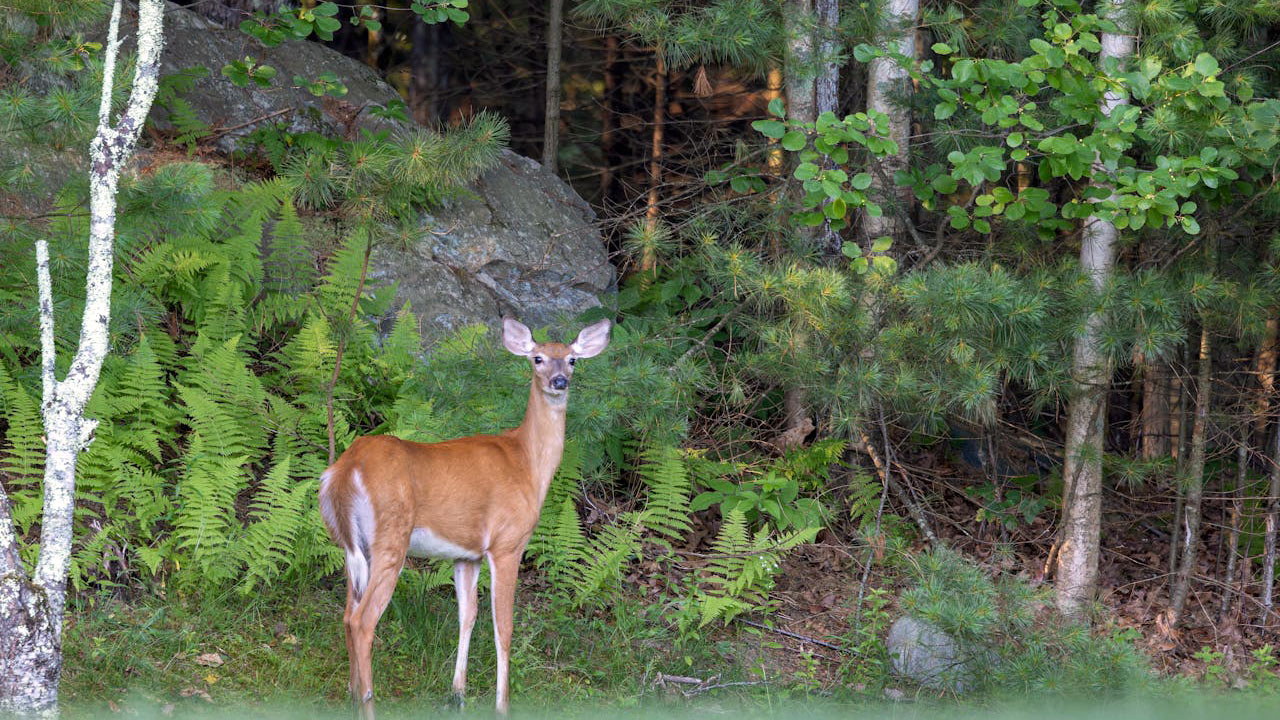
Illinois hunters took a preliminary 81,225 deer in the 2025 firearm season, slightly down from 82,496 in 2024. Like Wisconsin, it’s not dramatic statewide, but it’s the kind of year that feels tougher because success gets more uneven by county. The common reasons are familiar: weather timing during the gun weekends, shifting ag harvest affecting daylight movement, more pressured pockets, and ongoing CWD management in some areas that changes how and where people hunt.
Michigan

Michigan’s firearm season reported 126,660 deer as of Dec. 1, 2025 — below the 2024 figure of 136,524 for the same season window, with weather swings called out as a factor. Michigan’s preliminary firearm-season reporting also emphasizes that early numbers can lag final totals, but the direction still matters. The common reasons here are big temperature swings (warm to snow), hunting pressure concentrating on accessible ground, and the reality that a lot of Michigan success depends on short movement windows that get even shorter when weather is weird.
Wyoming
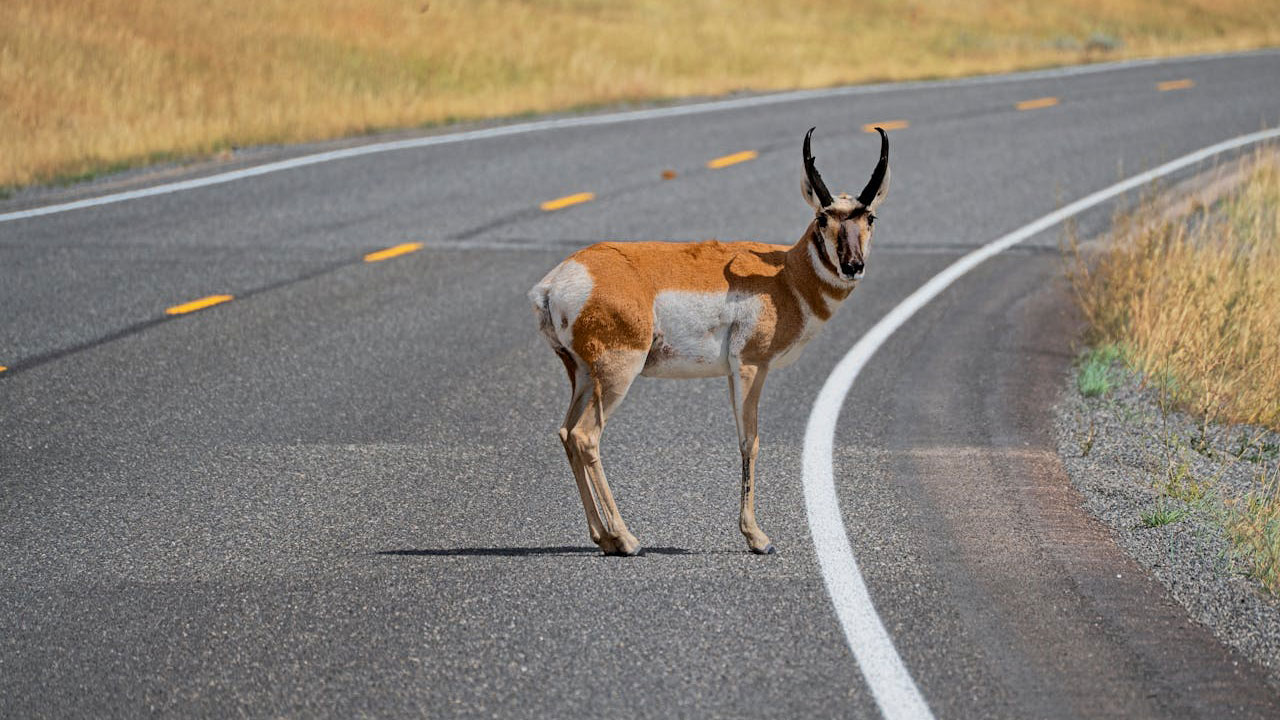
Wyoming’s 2025 hunt forecast flagged that pronghorn numbers are still down across much of the region, and that hunters should expect moderate rates of success. When pronghorn are down, the success slide usually comes from tag reductions, tougher access (more private land or better-locked gates), and animals spreading out when water and forage are scarce. Add wind (Wyoming always has wind) and you get more hunts where spotting is easy but closing the deal is not.
Montana

In parts of Montana, check-station data showed a 24% harvest success rate at one southeast Montana station — 21% below last year for the hunters checked. That’s local, but it matches what a lot of hunters experience in “mixed” years: one area is fine, another is a grind. Common reasons include localized weather, shifting animal distribution, pressure on accessible parcels, and simple timing (if you miss the good movement window, you can put in miles and still feel behind).
North Dakota
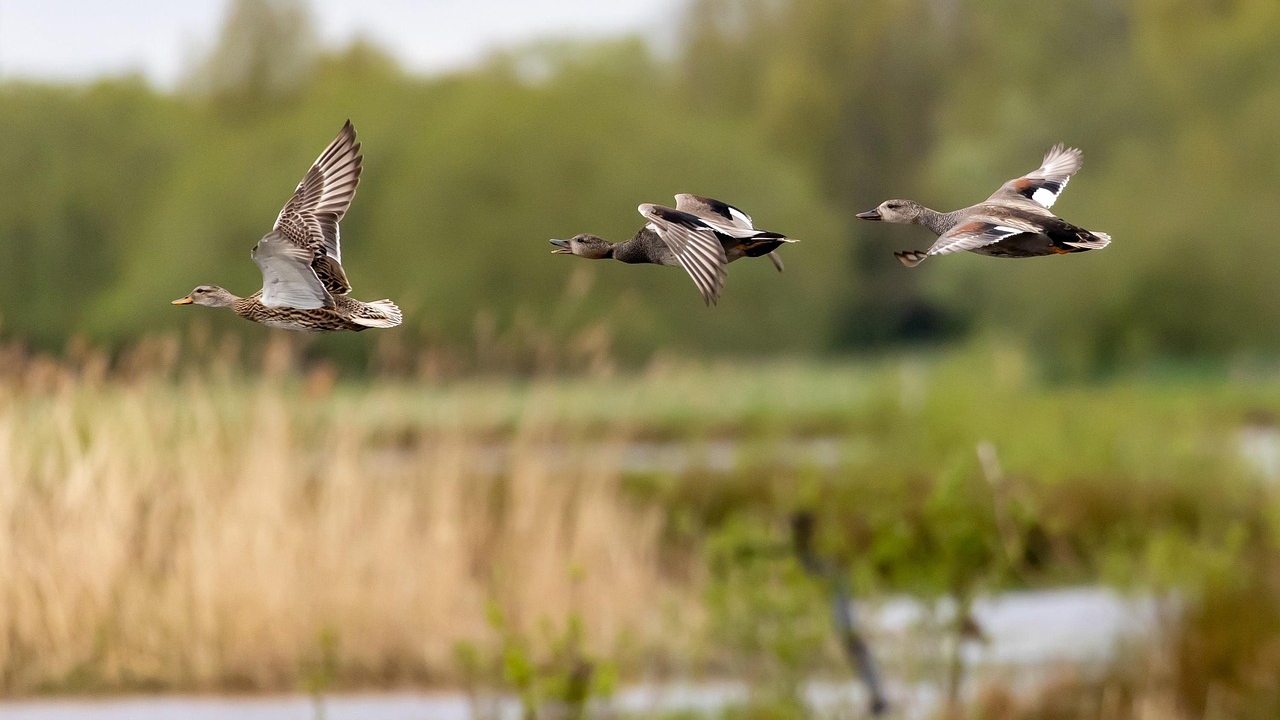
North Dakota is one of the states most likely to feel “worse” for waterfowl hunters when conditions turn dry, because it’s a major production engine. The U.S. Fish & Wildlife Service field reports for the 2025 breeding habitat survey said the Dakotas were extremely dry and they expect poor waterfowl production out of the region. When production is down, the next season often feels thin: fewer young birds, shorter “waves,” and more days where birds just don’t set up right.
South Dakota
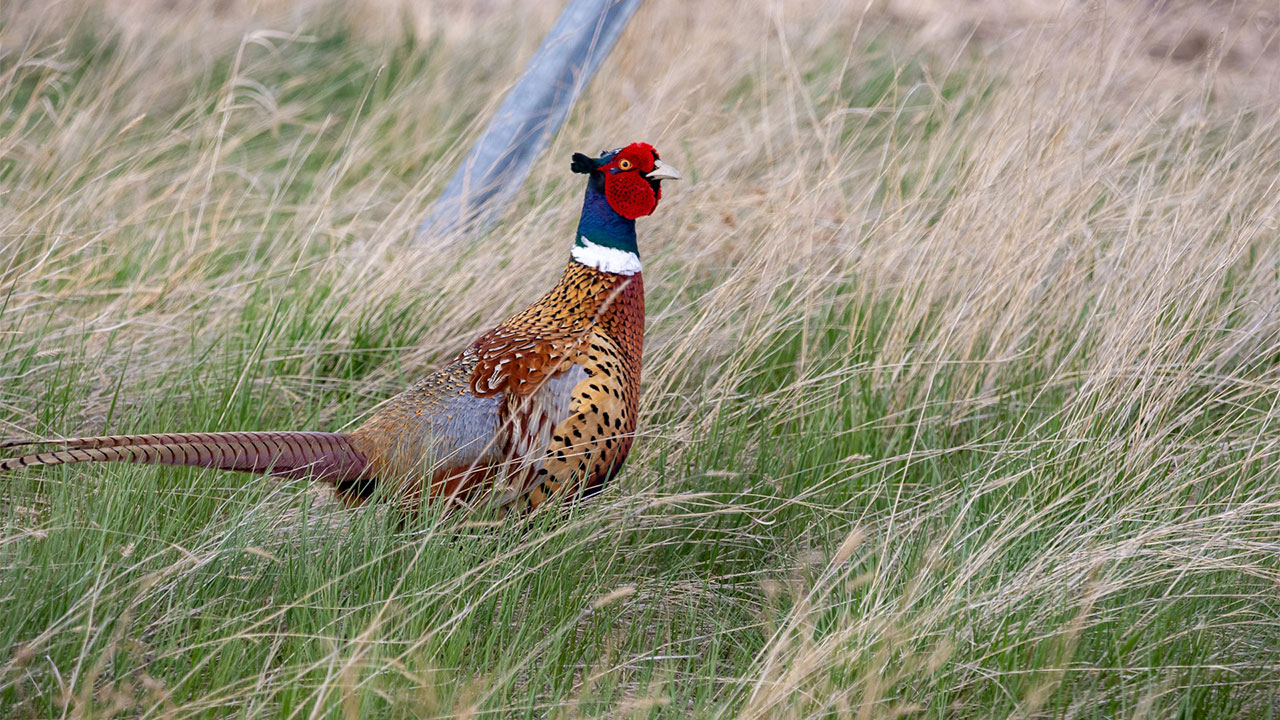
Same deal as North Dakota: when the prairies are dry, it hits production, which hits hunter success later. USFWS field reports again pointed to extreme dryness in the Dakotas and expected poor production. Even when migration looks “okay” on paper, fewer birds raised locally usually means fewer birds overall, and the guys who feel it most are the ones hunting smaller water and public spots that depend on fresh local birds showing up.
Louisiana

Ducks Unlimited’s 2024–25 season review described record warmth, delayed migration, dry conditions, and said hunting prospects were grim in the southern U.S. Louisiana is one of the states where that kind of year shows up as a lot of “they’re here… but not here-here” frustration — birds staying north longer, using big water you can’t hunt, or showing up late and scattered. Common reasons: lack of shallow water, late cold fronts, and birds having too many places to loaf where they can’t be pressured.
Mississippi
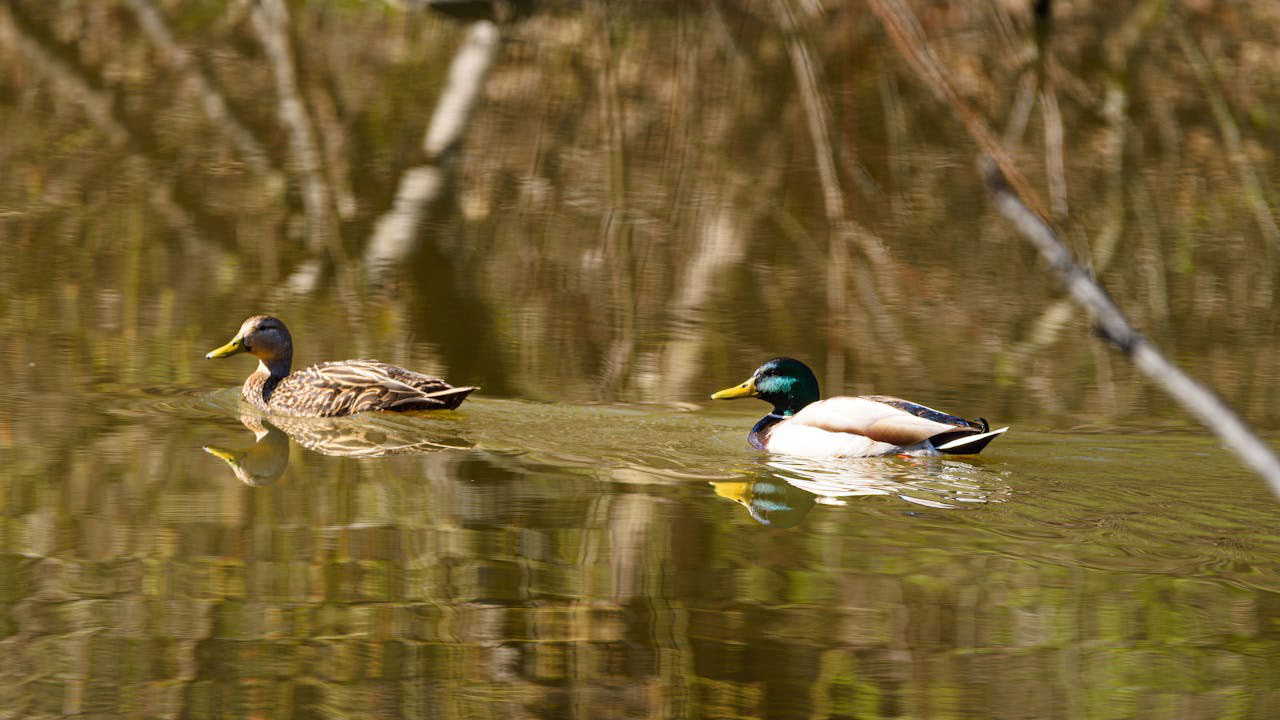
When the season pattern is warm and migration is delayed, Mississippi hunters often get the short end because the birds don’t have to push and they don’t have to commit. DU’s season review spells out that warmth kept ducks farther north and that southern prospects were grim in 2024–25. The common reasons are the same every rough duck year: water availability (or the wrong water), pressure, and birds going nocturnal fast.
Arkansas
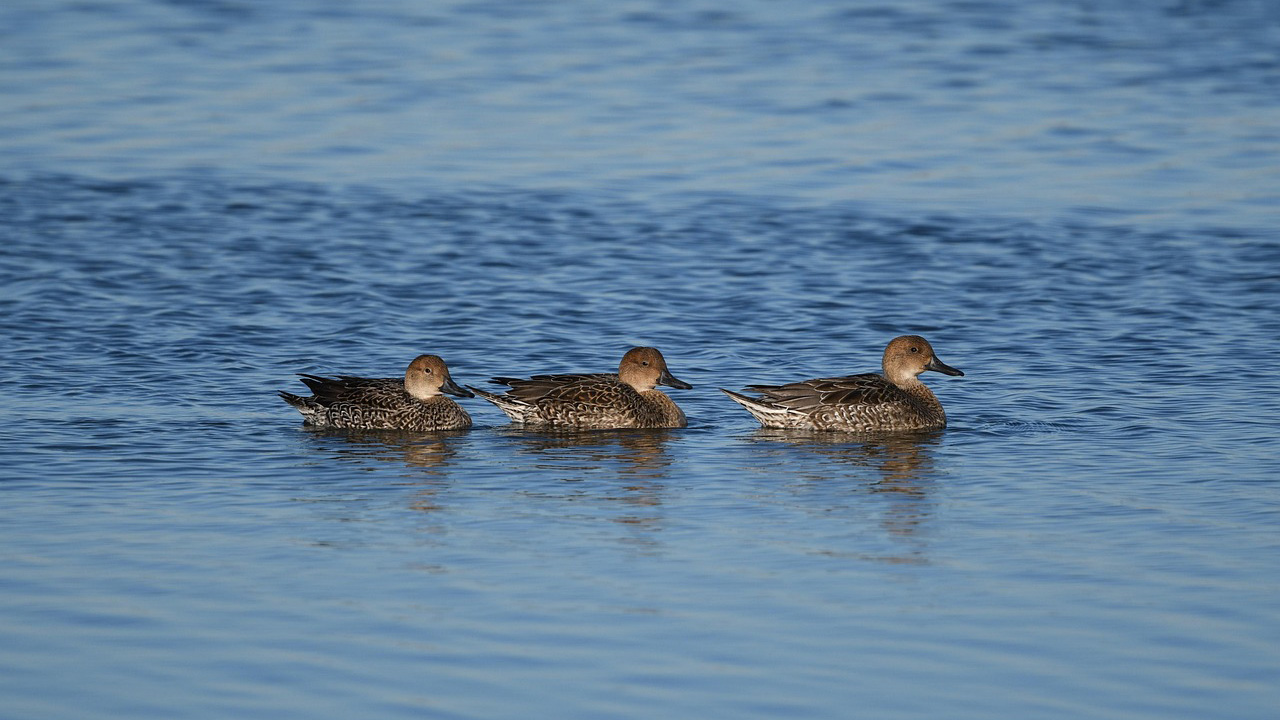
Arkansas is another state that can feel brutal in a warm, delayed-migration year because so much depends on timing and fronts. DU’s season review notes the warmth/delayed migration pattern and calls the southern U.S. grim in 2024–25. Common reasons: birds staying north, stale local birds getting educated, and hunters having fewer “fresh push” days where ducks act dumb enough to finish.
Alabama

Alabama’s duck success tends to spike when migration pushes deep and water is right — and it dips hard when it doesn’t. DU’s 2024–25 season review again points to the warmth/delayed migration pattern and grim prospects in the southern U.S. The usual culprits: warm weather, poor shallow water, and birds having too many safe refuges compared to the amount of huntable habitat.
Georgia
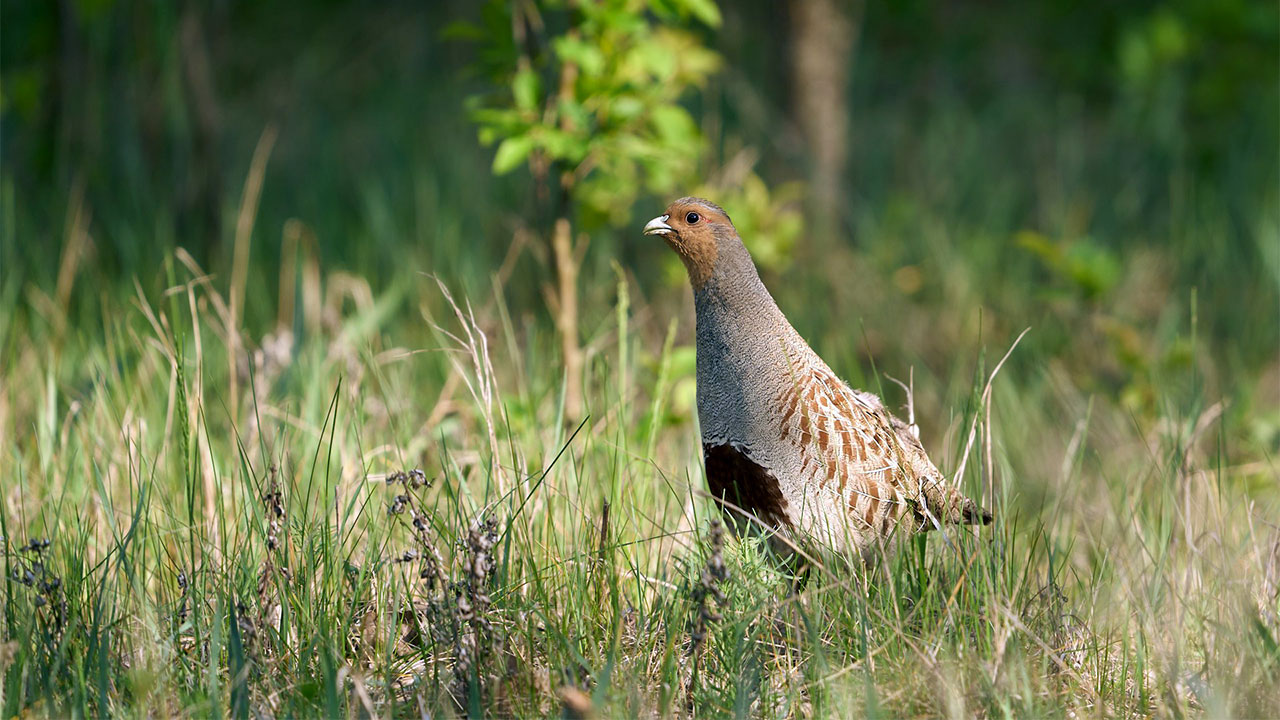
Georgia gets hit by the same southern pattern: late migration, warm weather, and birds that don’t have a reason to move early. DU’s review describes those conditions across the central/eastern U.S., with the South particularly rough. Common reasons here include fewer “big push” days, limited public water that gets pressured fast, and birds shifting to big reservoirs or private impoundments where they can rest.
Florida

Florida is often the end-of-the-line state in years when migration is late and fragmented — meaning there may not be a big consistent influx. DU’s 2024–25 season review described delayed migration tied to record warmth and said southern prospects were grim. Common reasons: warm winter patterns, birds stopping short, and local water conditions dictating everything (if water is wrong, you can’t force success).
Texas
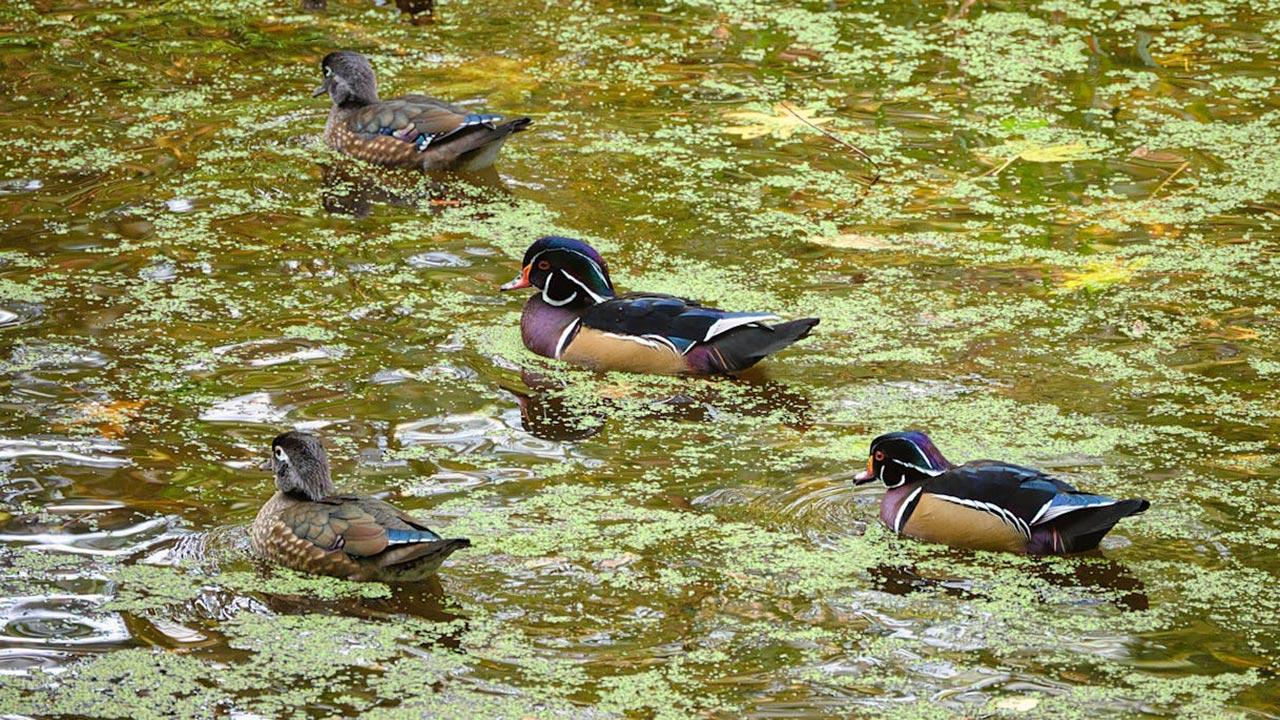
Texas waterfowl can be great, but it’s also brutally dependent on water and cold fronts. TPWD has explicitly said overall waterfowl success depends on local water availability and timing of cold fronts. In years when those don’t line up, success drops even if hunters are grinding. The common reasons: dry shallow water, inconsistent fronts, and birds shifting to where the groceries are (often private rice, coastal refuges, or big water).
Oklahoma
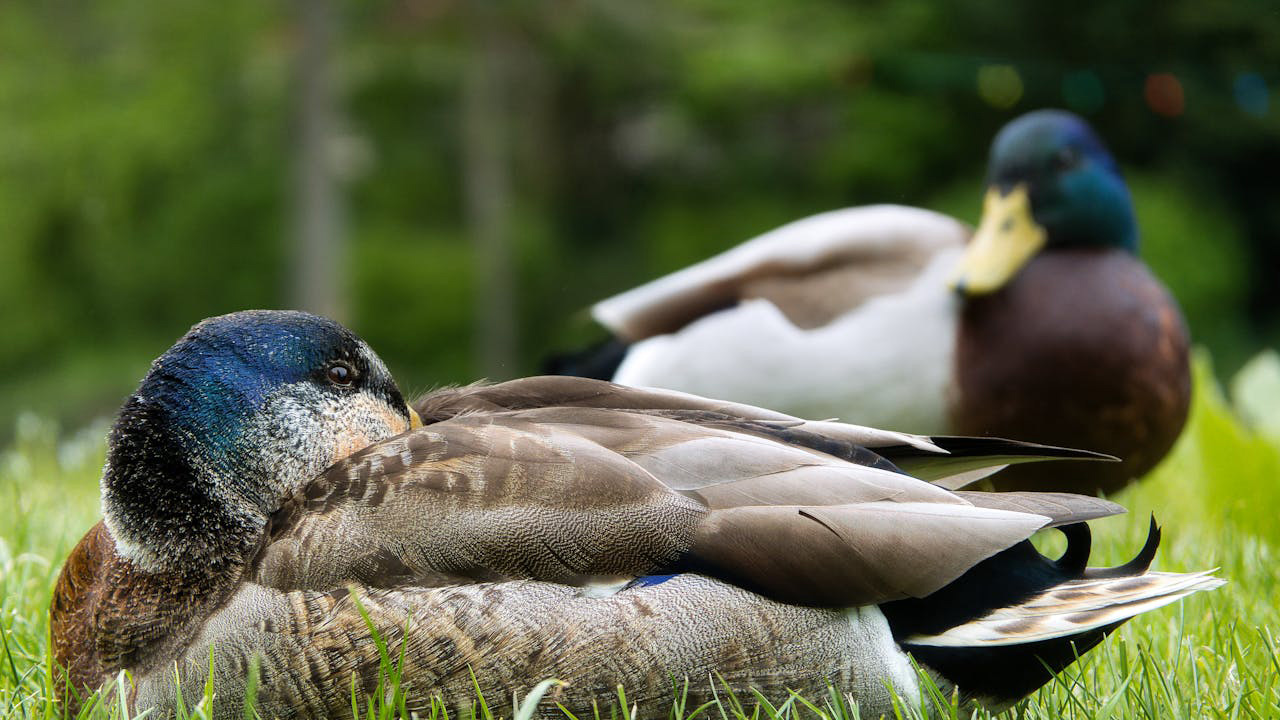
Oklahoma’s “success drop” story shows up more often in mixed-bag hunting than headline harvest totals — it’s a state where conditions can vary hard by region and by week. When migrations stall or habitat is dry, duck success follows the same pattern DU described for warm years: delayed movement and southern struggles. The common reasons are predictable: birds staying north, pressure concentrating hunters on the same few spots, and local water dictating whether ducks even bother using the places people hunt.
Like The Avid Outdoorsman’s content? Subscribe to our newsletter so you never miss an article.
Here’s more from us: