Photo credit: Vincent van Zalinge/Unsplash.com
Some dogs are basically born easy. These aren’t those dogs. These are breeds that can be excellent family dogs—steady, affectionate, safe around kids, and reliable in the house—but only when the adults run the show. Not “alpha” nonsense. I’m talking consistent rules, daily exercise, structured training, and not letting a smart dog rehearse bad habits for six months straight. A lot of these breeds were built to work, guard, herd, or hunt. When they don’t get direction, they invent their own job…and families usually don’t like the job they pick. If you’re willing to put in real reps—leash manners, place command, crate routine, calm greetings, and giving them something productive to do—these can be some of the best dogs you’ll ever own.
Labrador Retriever
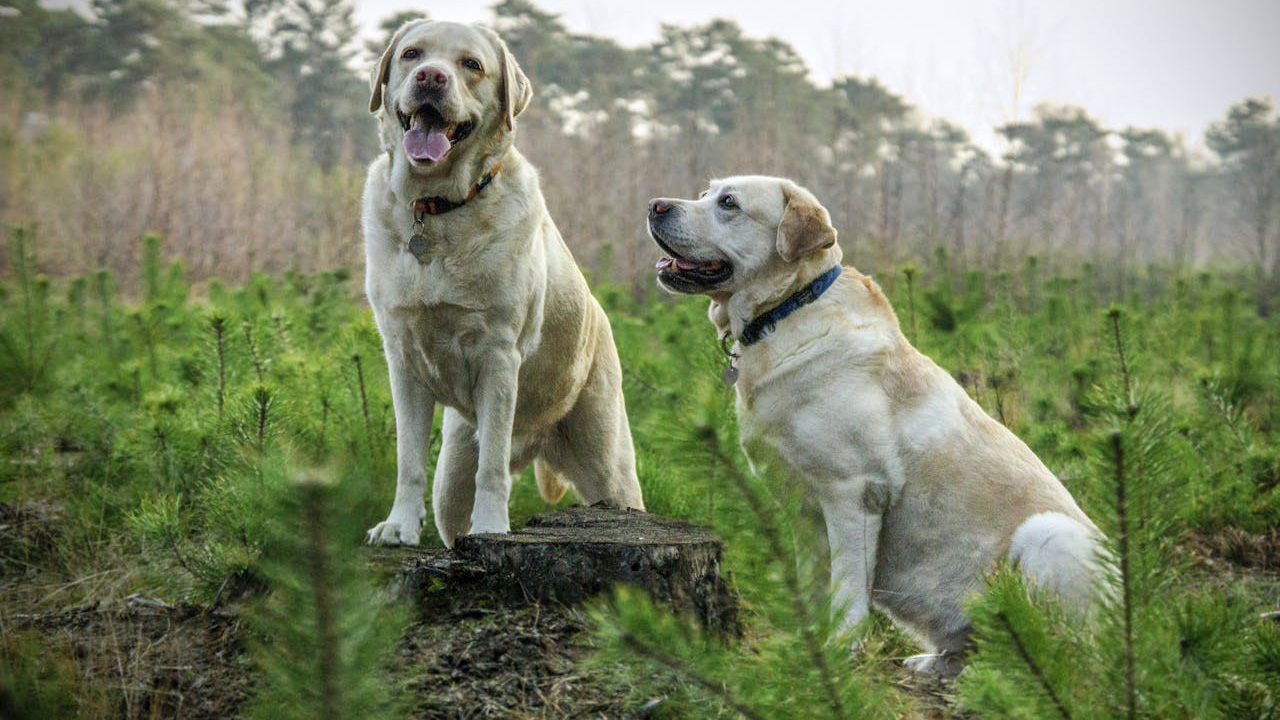
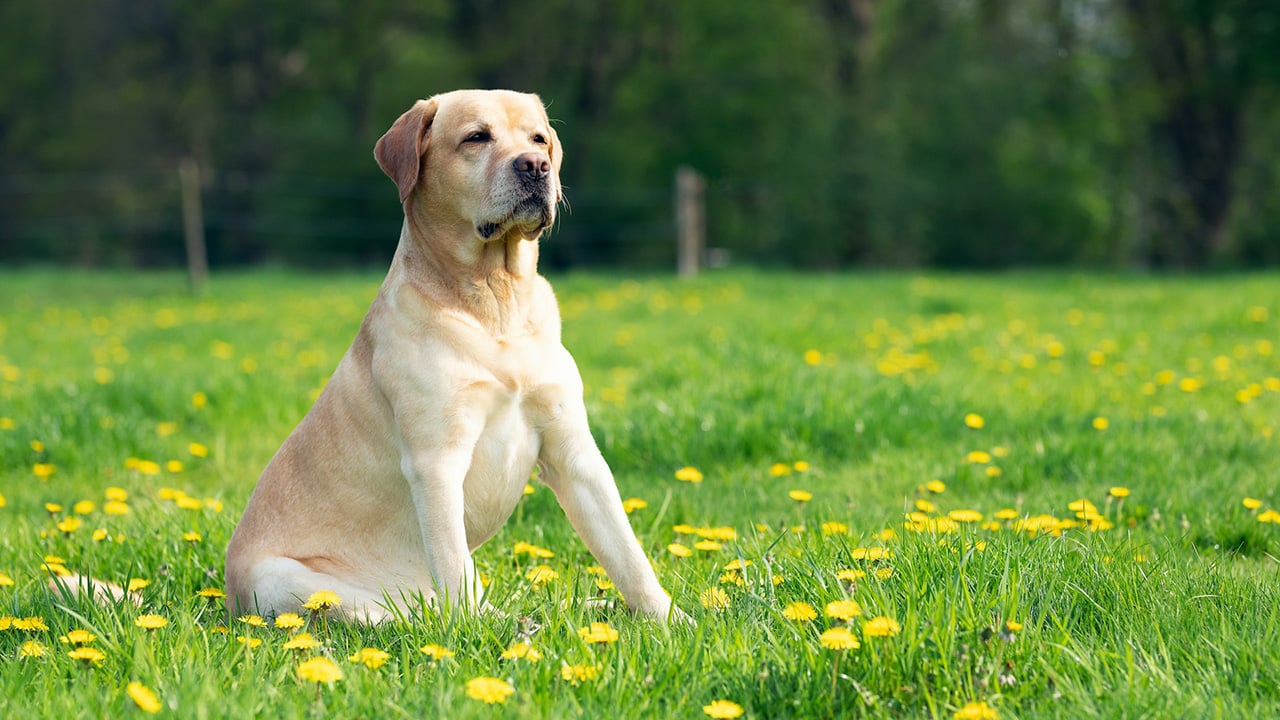
Labs are famous for being family-friendly, but the ones that turn into chaos are usually the ones raised without structure. A young Lab with no boundaries is a furry wrecking ball: counter-surfing, jumping, stealing food, chewing kids’ toys, and acting like every visitor is a WWE entrance. With leadership, they’re the opposite—steady, goofy in the best way, and easy to live with. The “leadership” piece is simple: daily exercise (not just backyard time), consistent rules about jumping and mouthing, and teaching calm behaviors early. Labs want to work for you. Give them a job—retrieving bumpers, scent games, basic obedience drills—and they settle down fast. If you do nothing, they’ll still be “nice,” but they’ll also be a tornado. Train them like a sporting dog, not a stuffed animal, and they turn into gold.
Golden Retriever
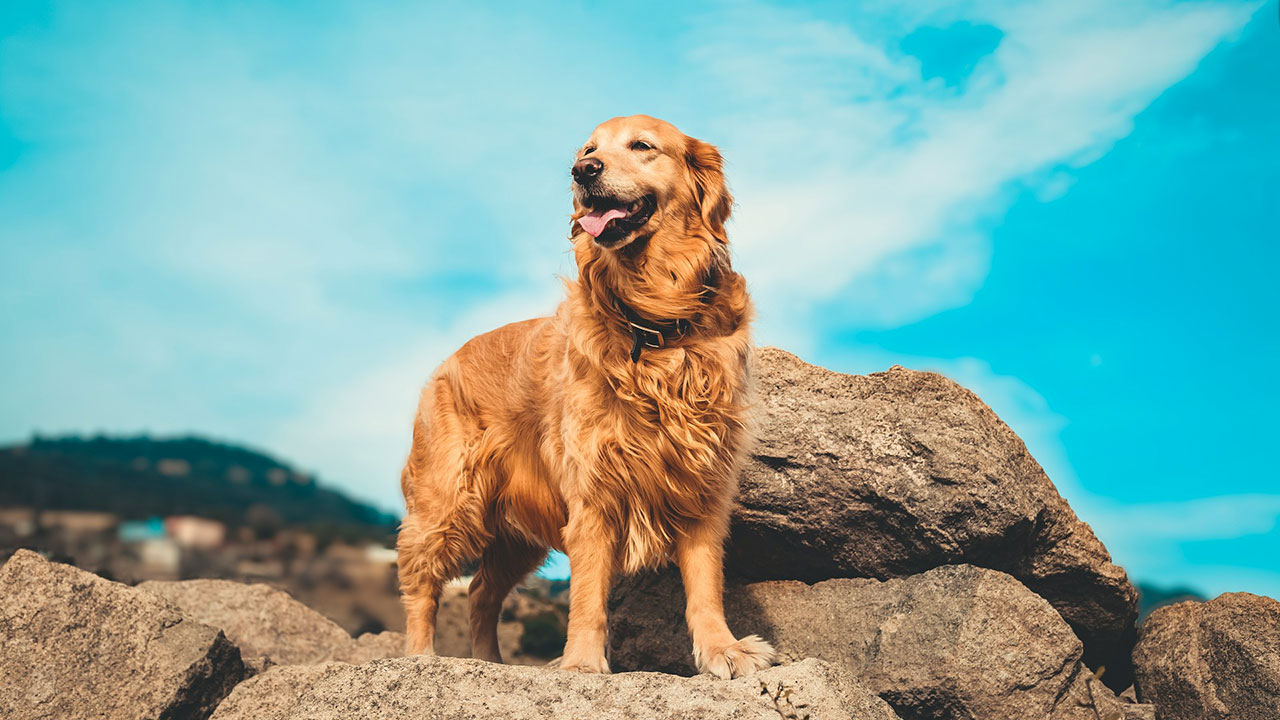
Goldens have a reputation for being gentle, and most are, but a bored, under-trained Golden can still be pushy, mouthy, and absolutely obnoxious in a busy house. Leadership with a Golden is mostly about channeling their friendliness into good manners. Teach them to greet people calmly, not launch at faces. Teach them that kids aren’t littermates. Build a routine: walk, train, settle, repeat. They also need mental work—short training sessions, retrieving games, basic scent work—because a smart Golden will find entertainment if you don’t provide it. When they’re led well, they’re one of the best “family plus” dogs out there: affectionate, patient, and usually very forgiving. When they aren’t led, they can turn into a needy shadow that whines, steals, and can’t relax. A little structure fixes almost all of it.
German Shepherd
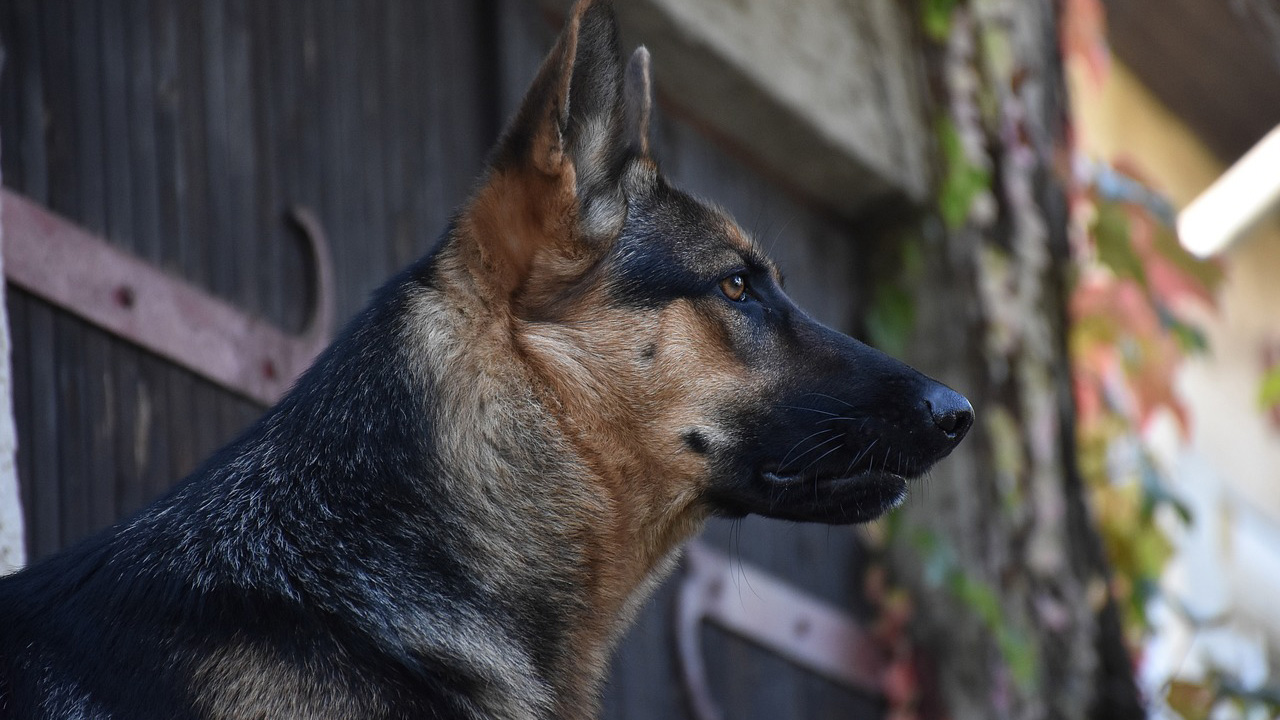
A well-led German Shepherd is one of the most reliable family dogs you can own. A poorly-led one is a problem waiting to happen—reactive, suspicious, and constantly on edge because it thinks it has to manage the world. Leadership here means clarity and confidence: rules in the house, controlled introductions, and a lot of calm obedience work. Shepherds thrive when they know what’s expected, and they melt down when the household is chaotic. Socialization matters, but not the “let everyone pet my puppy” version. You want calm exposure to people, dogs, noises, surfaces, and places, with you calling the shots. Give them a job—tracking games, obedience, structured walks, fetch with rules—and you’ll watch the anxiety drain out of them. These dogs aren’t hard because they’re “bad.” They’re hard because they’re serious, smart, and tuned in.
Boxer
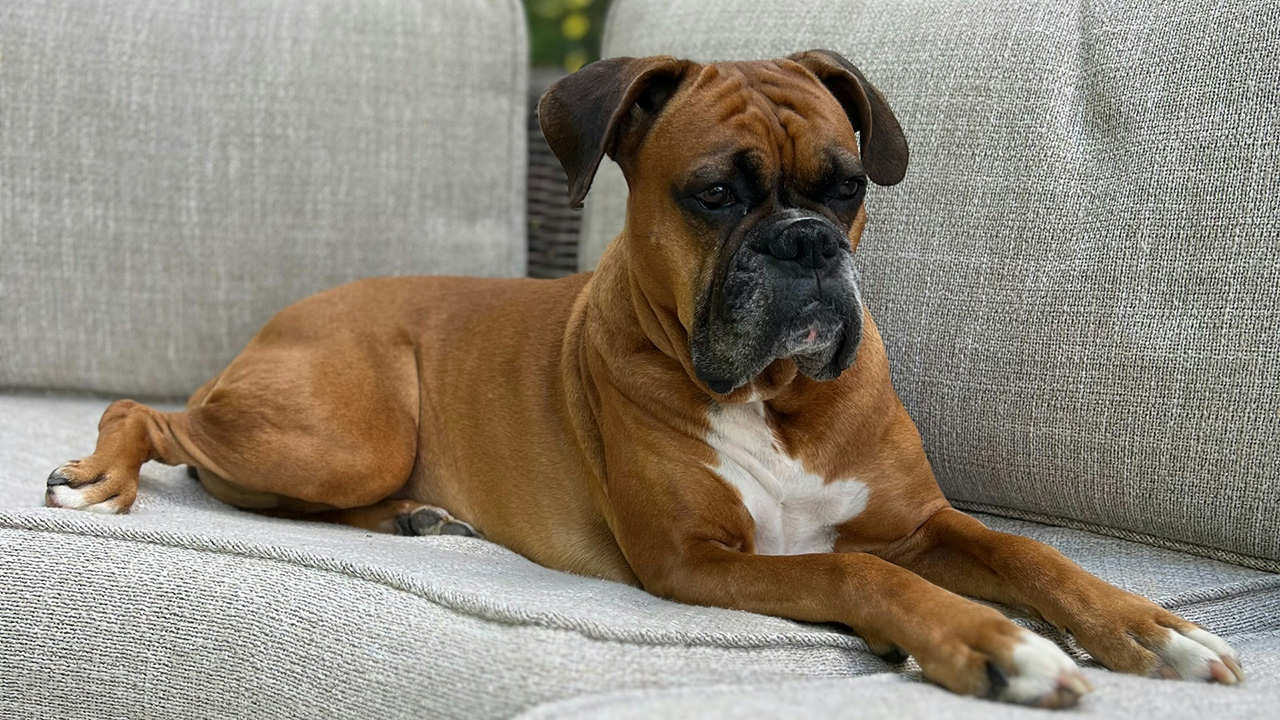
Boxers can be fantastic with kids, but they’re also clowns with muscle. Without leadership, they jump, body-slam, and play too rough—not out of aggression, but out of excitement and poor impulse control. The fix is training that builds self-control: place command, polite greetings, and teaching them to disengage when told. Boxers do better when the adults don’t laugh off bad manners because “it’s cute.” It’s cute at 30 pounds. It’s not cute at 70. They also need outlets. A Boxer that gets a couple of real workouts a week, plus short daily training, is usually a solid house dog. A Boxer that’s bored becomes destructive and pushy. When you lead them well, you get a loyal, affectionate dog that’s often surprisingly gentle with “their” kids and very tuned in to the family.
Rottweiler
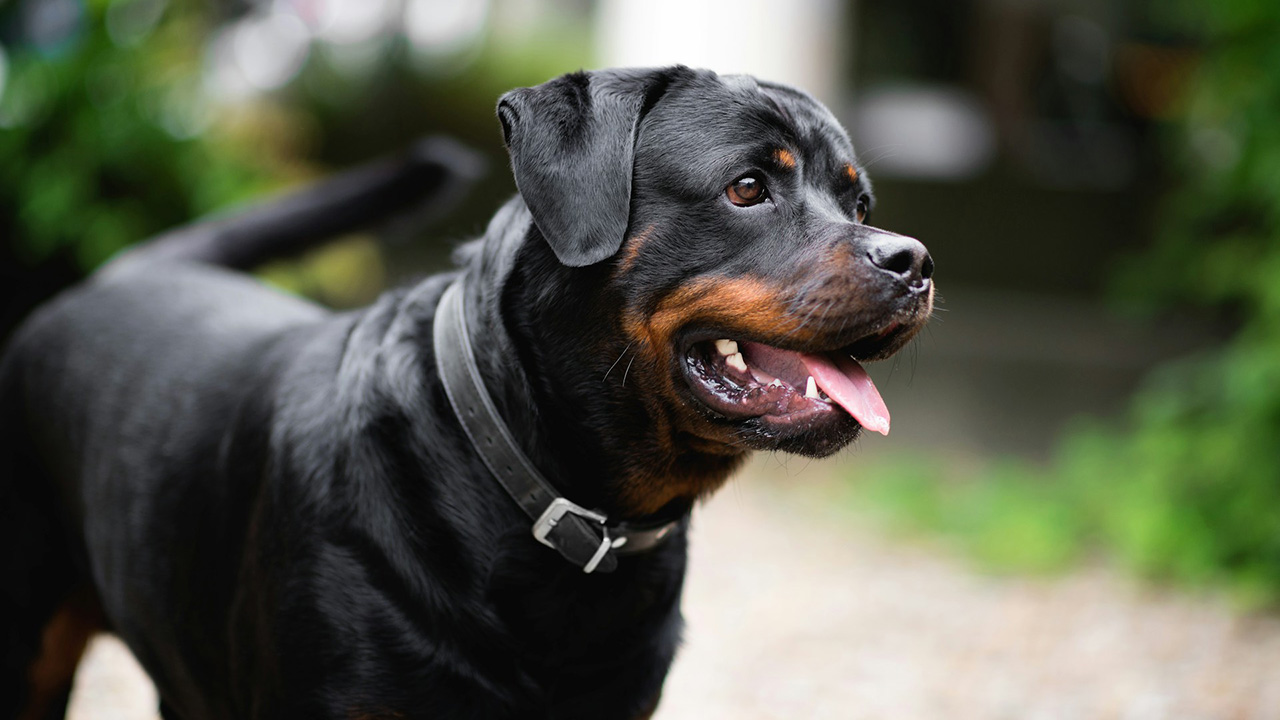
Rottweilers can be calm, steady, and incredibly loyal in a family setting—when the adults are consistent and responsible. Without leadership, they can become pushy, territorial, and hard to manage because they’re strong and confident by nature. The biggest mistake is letting a young Rott rehearse rude behaviors: barging through doors, dragging on leash, guarding toys, or deciding who’s allowed in the house. That stuff has to be addressed early, calmly, and consistently. A well-led Rott should be neutral and obedient first, affectionate second. Give them structure: crate routine, clear boundaries, daily obedience, and controlled social exposure. They also need exercise, but they don’t need chaos. They need purposeful work—walks with rules, training reps, carrying a pack on hikes—so they feel like they have a role without feeling like they run the home.
Doberman Pinscher

Dobermans are glued-to-you dogs. That’s awesome for a family that wants a loyal, engaged companion, and it’s a nightmare for a family that doesn’t set boundaries. Without leadership, they can get anxious, demand attention nonstop, and become reactive because they’re always “on.” The win with a Doberman is routine and clarity: teach settle, teach place, and make calm behavior part of the daily program. They also need real exercise and mental work—obedience drills, scent games, structured walks—because they’re not built to sit around. In a family setting, the adults have to manage excitement around guests and kids’ friends. A Doberman that’s taught how to be neutral and calm is a phenomenal family protector in the boring sense: alert, loyal, and stable. A Doberman that’s allowed to spiral becomes too intense for most households.
American Staffordshire Terrier
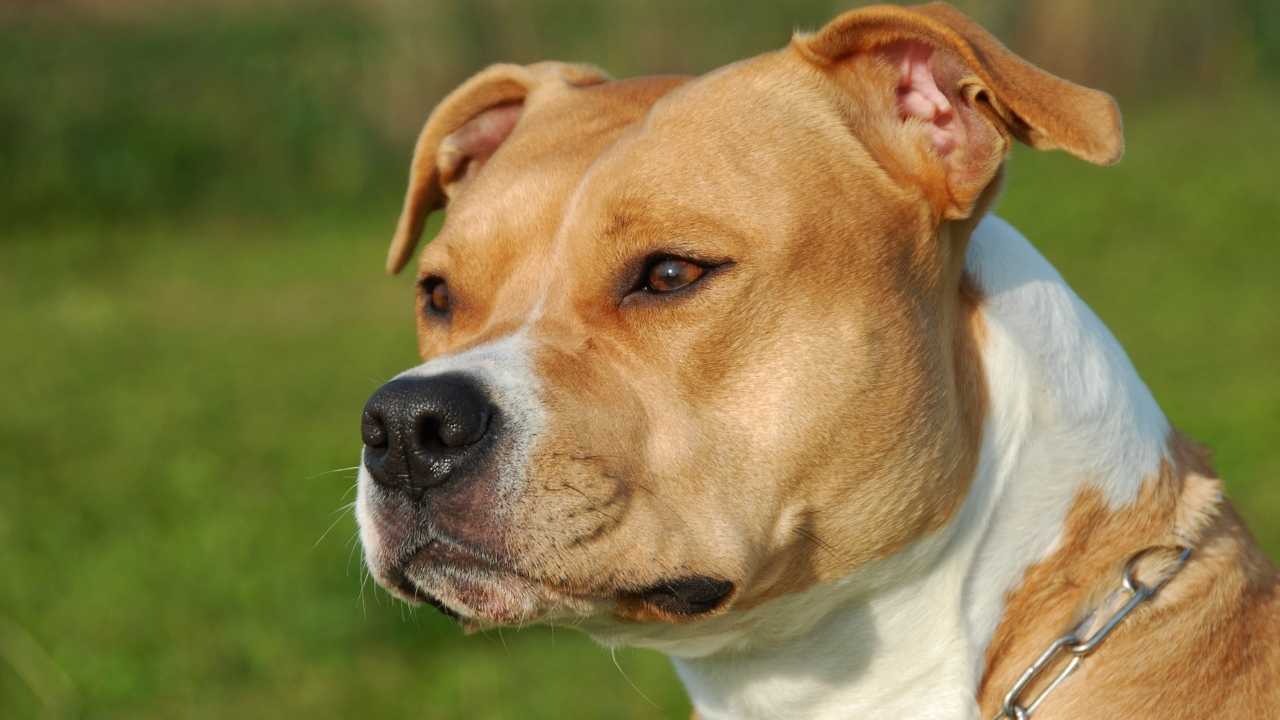
When they’re raised right, AmStaffs can be ridiculously affectionate “people dogs” who love their family hard and enjoy being included in everything. The leadership piece is important because they’re strong, they can be stubborn, and they’re not always naturally polite with other dogs. A family that pretends training doesn’t matter will end up with pulling, jumping, and rough play that’s hard to control. The good news is they usually respond very well to consistent, reward-based training. Teach leash manners early, teach impulse control, and manage play so it doesn’t turn into chaos. Also, don’t set them up for failure with sketchy dog-park habits. With structure, these dogs can be calm couch companions who flip the switch outside for workouts. Without structure, they can become pushy, over-aroused, and frustrating—mostly because nobody taught them how to settle.
Standard Poodle
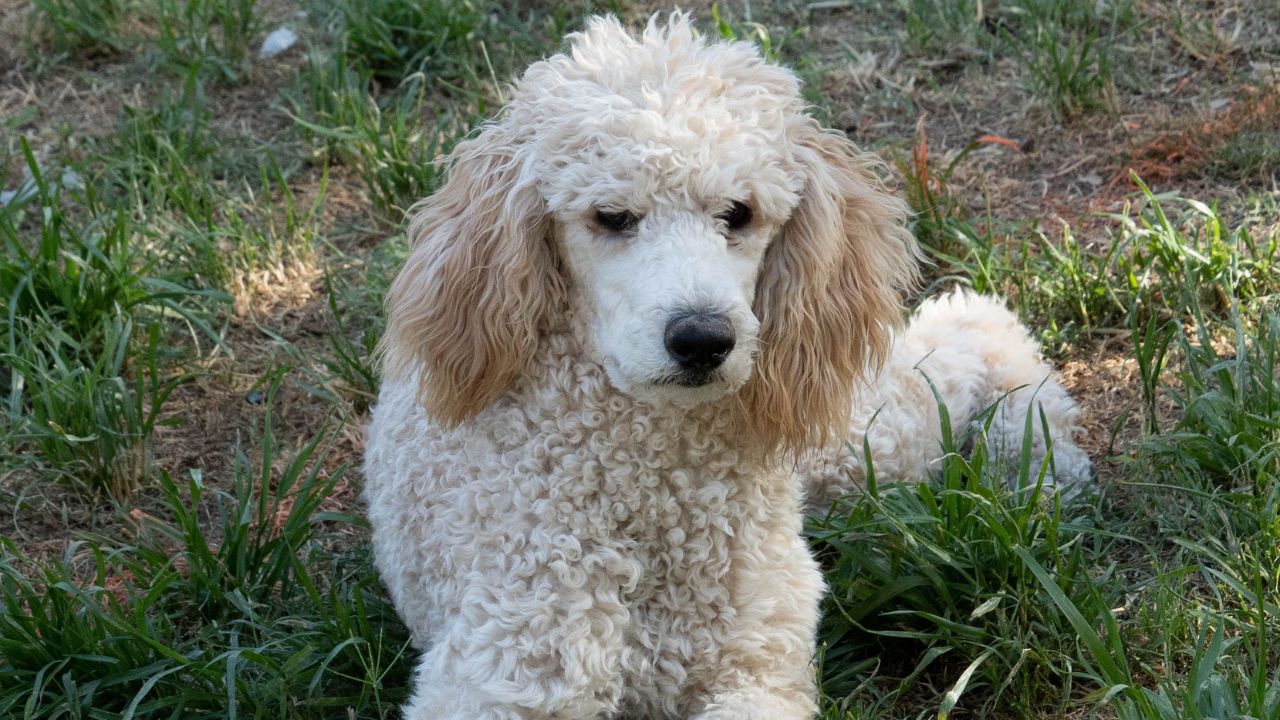
People sleep on Standard Poodles because they don’t “look tough,” but they’re smart, athletic, and very trainable—plus they can be excellent family dogs. The downside is that intelligence cuts both ways. A bored Standard Poodle will invent games you don’t like: counter-surfing, stealing laundry, barking at everything, and acting anxious because it’s under-stimulated. Leadership here is mental work and routine. Short training sessions, structured walks, and clear boundaries in the house. They’re also sensitive to chaos, so consistent handling matters. If the household is loud and unpredictable and the dog has no structure, you get a neurotic mess. If you lead them calmly, you get a dog that learns fast, settles well, and bonds tightly with the family. A lot of people would have fewer “problem dogs” if they put half as much effort into training a smart breed as they do into researching a breed.
Australian Shepherd

Aussies can be incredible family dogs—loyal, eager, and deeply bonded—but they’re herding dogs, and herding dogs don’t do “idle” very well. Without leadership, they’ll herd kids, nip heels, bark at movement, and act like every bike ride is an emergency. The fix is giving them a job and teaching an off-switch. Daily exercise isn’t optional, and neither is mental work. Obedience reps, trick training, structured play, and teaching them to settle on a mat will change your life. Families get in trouble when they buy an Aussie because it’s pretty, then give it the lifestyle of a house cat. With leadership, Aussies become protective in a sensible way, affectionate, and fun. Without it, they turn into loud, busy, controlling little managers that are constantly trying to run your household.
Border Collie
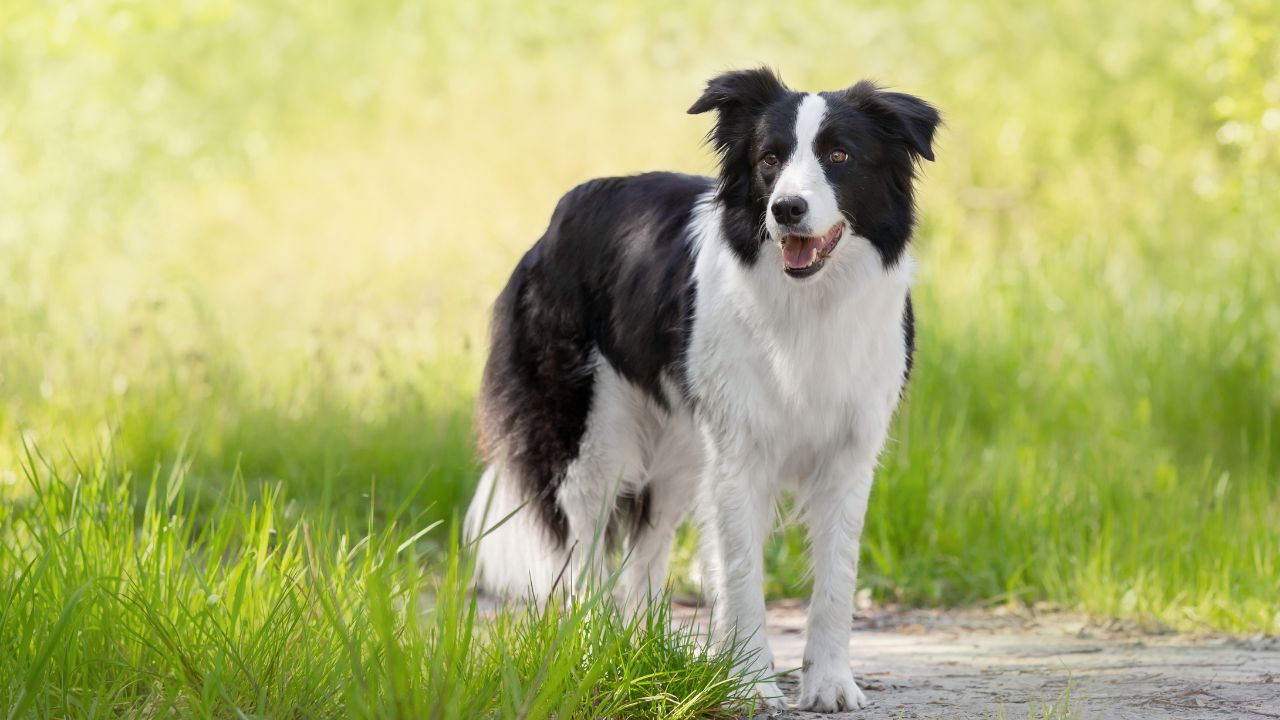
Border Collies are brilliant. That’s the warning label. With leadership, they’re amazing: focused, responsive, and capable of learning almost anything you teach. Without leadership, they become anxious, obsessive, and sometimes neurotic because their brain never shuts off. They’ll chase shadows, fixate on reflections, herd kids, and get weird about movement if they’re not given direction. If you want a Border Collie in a family, you need to be the kind of person who enjoys training—like, actually enjoys it. You need to teach calm, teach boundaries, and give them structured work. It can be agility, obedience, scent games, long hikes with rules—something real. They’re not a “we’ll figure it out” breed. But if you do it right, they’re one of the most capable, loyal, tuned-in dogs you’ll ever have.
Australian Cattle Dog
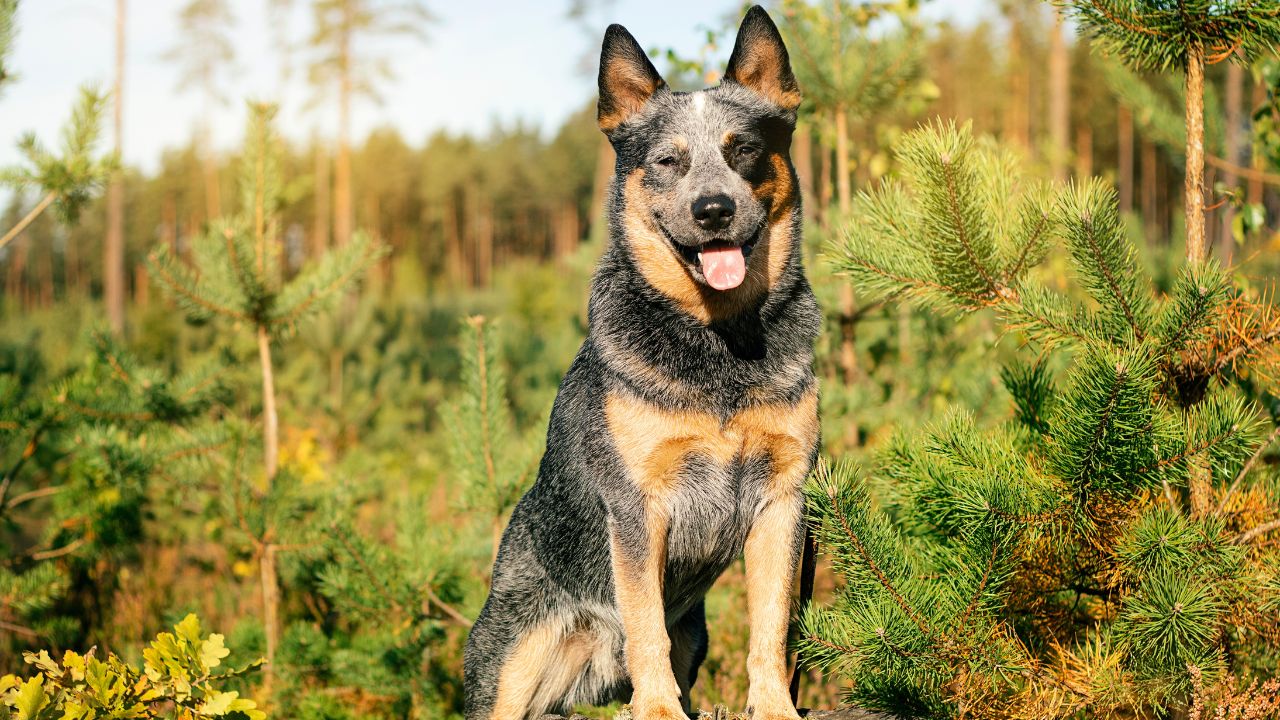
Cattle dogs are tough, smart, and built to handle stubborn livestock—not negotiate with toddlers. That doesn’t mean they can’t be great family dogs. It means the adults have to lead with structure and consistency. Without leadership, they get nippy, bossy, and controlling because that’s literally what they were bred to do. They need clear rules, lots of exercise, and training that builds impulse control. They also do better when they have a job—hiking, running, scent work, farm chores—because a bored cattle dog becomes a problem fast. The upside is they’re loyal, hardy, and usually very committed to their people. The downside is they’re not forgiving if you’re inconsistent. If you’re the “we’ll see how it goes” type, don’t pick this breed. If you’re the “we train daily” type, they can be awesome.
Great Pyrenees

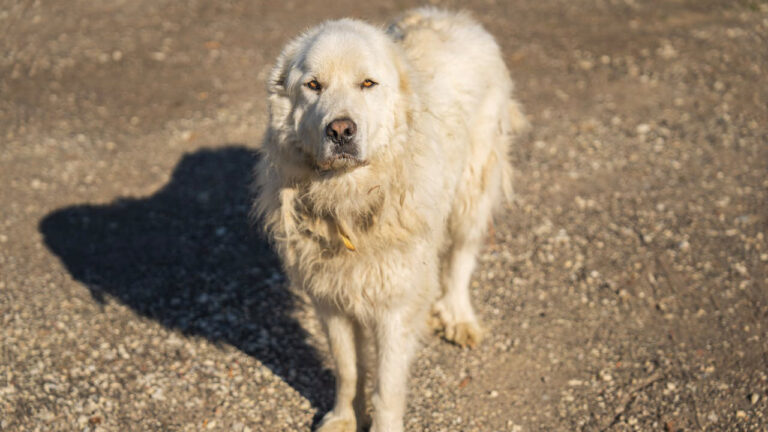
A Great Pyrenees can be a sweet, calm family dog—if you understand what you’re buying. They’re livestock guardian dogs. That means independent decision-making and a strong instinct to patrol and alert. Without leadership, you’ll deal with barking, wandering, and a dog that thinks it owns the neighborhood. Leadership here looks like boundaries and management: fencing, leash habits, controlled introductions, and teaching “quiet” and “place.” You also need to accept that they’re not a fast-obedience breed like a Shepherd. You’re building cooperation, not robotic compliance. When they’re led well, they can be gentle with kids and steady in the home, especially if they’re not constantly overstimulated. But if you let them run the show, they will, and you’ll spend your life apologizing to neighbors about barking and “he just wants to say hi.”
Bernese Mountain Dog
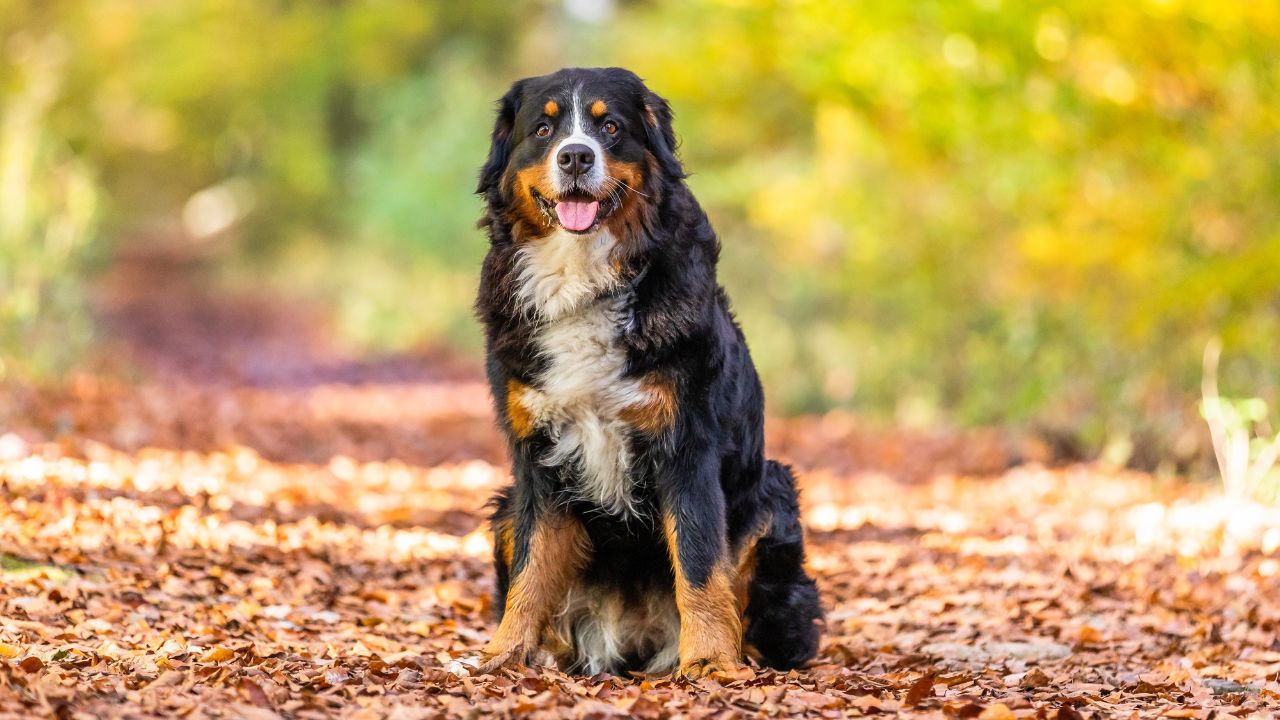
Berners can be fantastic family dogs—affectionate, gentle, and often very patient—but they still need leadership because they’re big, powerful, and can be stubborn. A 90-pound dog that pulls, jumps, and crowds people isn’t “cute,” it’s a liability. The biggest leadership win with a Berner is training manners early: leash walking, calm greetings, and teaching them to settle instead of leaning their full weight into everyone. They also need exercise, but they don’t need nonstop intensity. They need consistent, steady routines. Families get in trouble when they treat them like a giant teddy bear and skip training. Do it right and you get a sweet, stable dog that fits family life well. Do it wrong and you get a huge dog with zero self-control, and suddenly every doorway and visitor becomes a wrestling match.
Newfoundland

Newfoundlands can be gentle giants and great family dogs, but leadership matters because they’re massive and can be slow to mature. Without training, you’ll have a dog that drags you, slobbers on everything, and crowds kids by accident because it doesn’t understand space. Leadership is mostly about manners and management: leash training, teaching “place,” reinforcing calm behavior, and setting rules around food and counters. They also need conditioning—basic walks and movement—because big dogs can get soft and unhealthy fast if they’re just couch ornaments. A well-led Newfie is usually calm and stable. A poorly-led one is still “nice,” but it’s uncontrolled, which is how accidents happen with giant breeds. You don’t need harsh handling. You need consistent rules and daily practice. With that, they’re one of the easiest big family dogs to live with.
Weimaraner

Weimaraners can be excellent family dogs in the right household—athletic, bonded, and very people-oriented—but they can also be anxious wrecks if they’re under-exercised and under-trained. Leadership here means giving them enough work that they aren’t crawling out of their skin. These dogs were made to run and hunt. If you buy one and do two short potty breaks a day, you’re going to hate your life. They’ll chew, whine, pace, and act like they can’t cope being alone. With structure—daily workouts, obedience, and teaching independence—Weims can settle and become great companions. They do best when the adults keep routines consistent and don’t reward clingy, frantic behavior. If you’re active and you like training, they can be awesome. If you’re not, they’ll turn family life into constant damage control.
Like The Avid Outdoorsman’s content? Subscribe to our newsletter so you never miss an article.
Here’s more from us: