Photo credit: Jack Borno/Pexels.com
Coyotes have figured out farm country better than just about any predator in North America. USDA APHIS says they pose substantial threats to livestock and agricultural crops, and extension programs across cattle, sheep, goat, and poultry country keep saying the same thing in plainer language: if you raise animals in the wrong place at the wrong time, coyotes are usually part of the risk picture. Kansas State says coyote problems become more common around small ruminants during summer, while Iowa State flat-out calls coyotes “ubiquitous” in Iowa, from farm fields to forests.
That is why this list is less about raw coyote numbers and more about where coyotes really seem to own the agricultural landscape. I’m talking about states with the mix coyotes like best: calves, lambs, goats, poultry, field edges, brushy draws, creek bottoms, shelterbelts, cut crop ground, and enough open country to move without much trouble. These are the states where coyotes feel especially dug in across farm and ranch country, whether the locals like it or not.
Texas
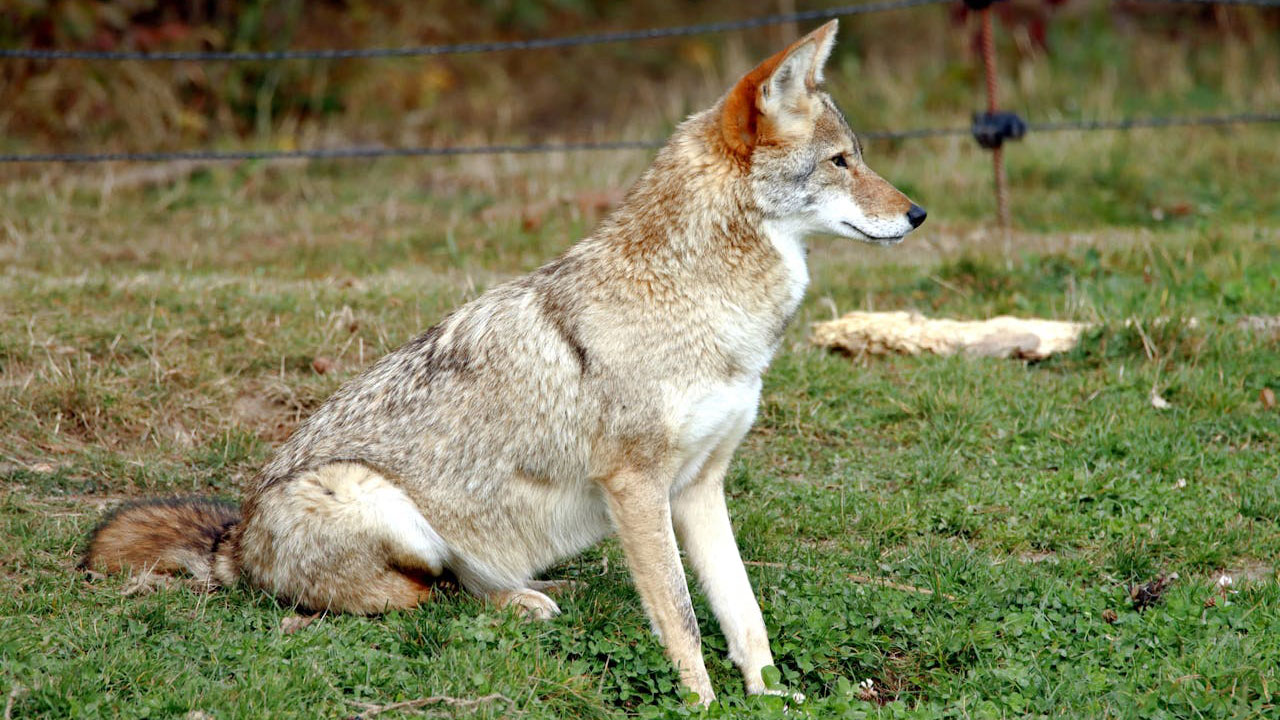
Texas has to start this list. The state is huge, the livestock base is massive, and predator-control programs stay busy year after year because coyote pressure never really goes away. Texas A&M AgriLife’s state reports describe ongoing predation-management work for livestock producers, which tells you all you need to know about how permanent the issue is.
Coyotes fit Texas farm country almost too well. They can work brush country, row-crop edges, pastureland, creek bottoms, and rough corners of ranch country without missing a beat. In a state with that much sheep, goats, calves, and poultry scattered across big rural ground, coyotes are never far from opportunity.
Oklahoma
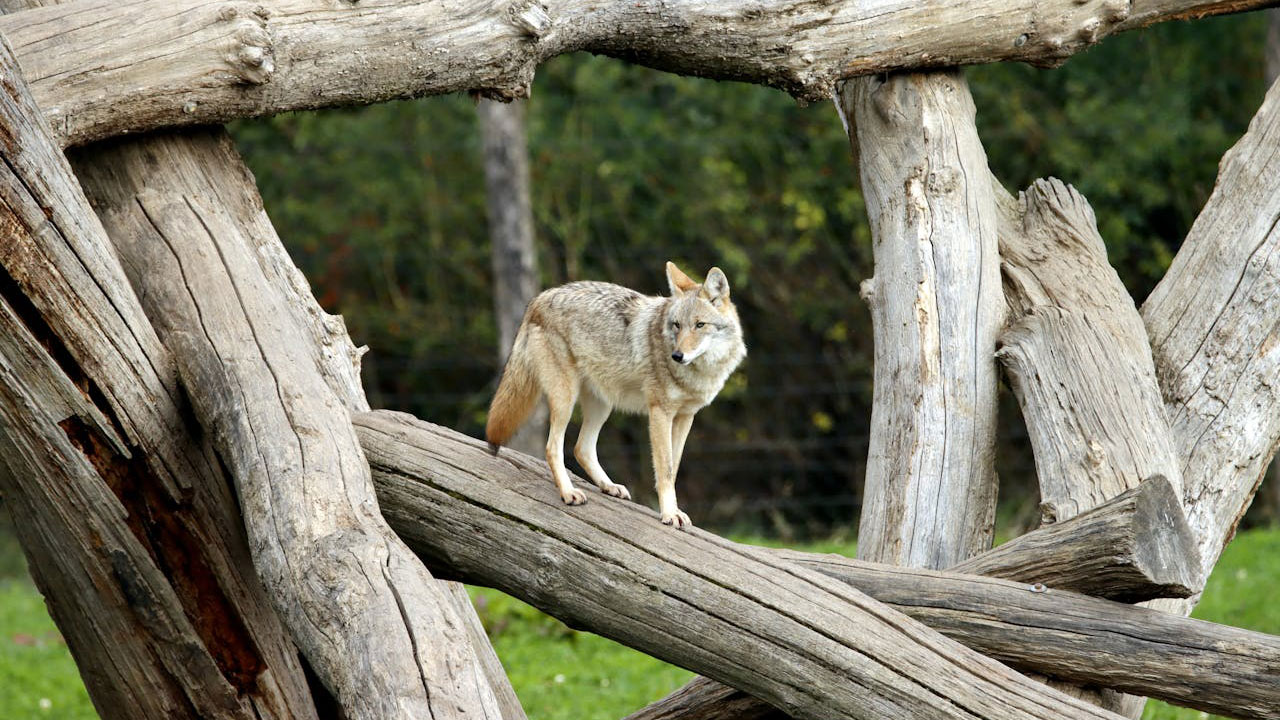
Oklahoma is another easy inclusion because it has the exact kind of mixed ag country coyotes love. OSU materials on predator control for goat producers put coyotes right at the top of the list of predators that matter, and Oklahoma landowners have been dealing with that reality for a long time.
The reason they hold so well there is simple. Oklahoma gives them pasture, timber edges, creek systems, and plenty of livestock country all mixed together. That is ideal coyote ground. They can den in rough cover, hunt field edges, and stay tied to easy food sources year-round.
Kansas
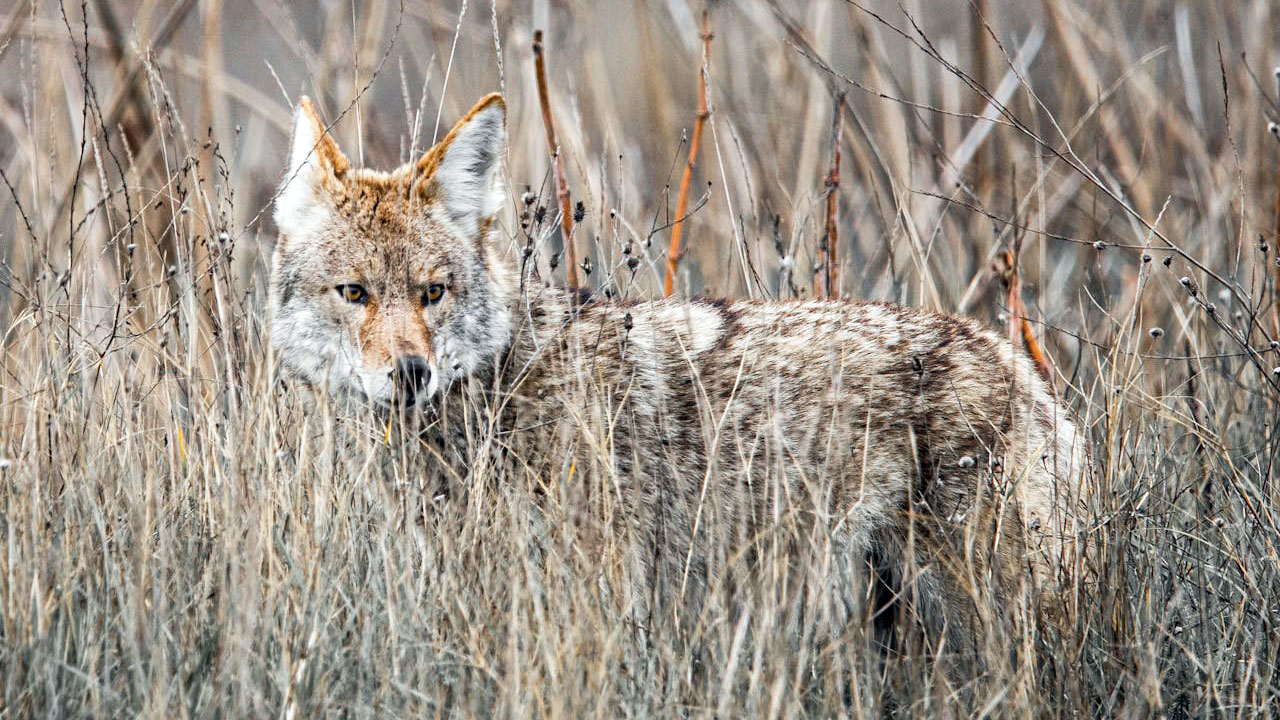
Kansas belongs near the top because farm country there is practically built for coyotes. Kansas State’s extension material notes that coyote problems become more common during summer on small ruminant operations, and older K-State publications have long treated coyotes as a serious livestock issue tied closely to pasture and field-edge country.
What makes Kansas so good for them is the layout. Big ag ground, pasture edges, shelterbelts, draws, and enough open visibility to travel efficiently all help coyotes thrive. They are not just surviving there. They are built into the agricultural rhythm of the place.
Nebraska
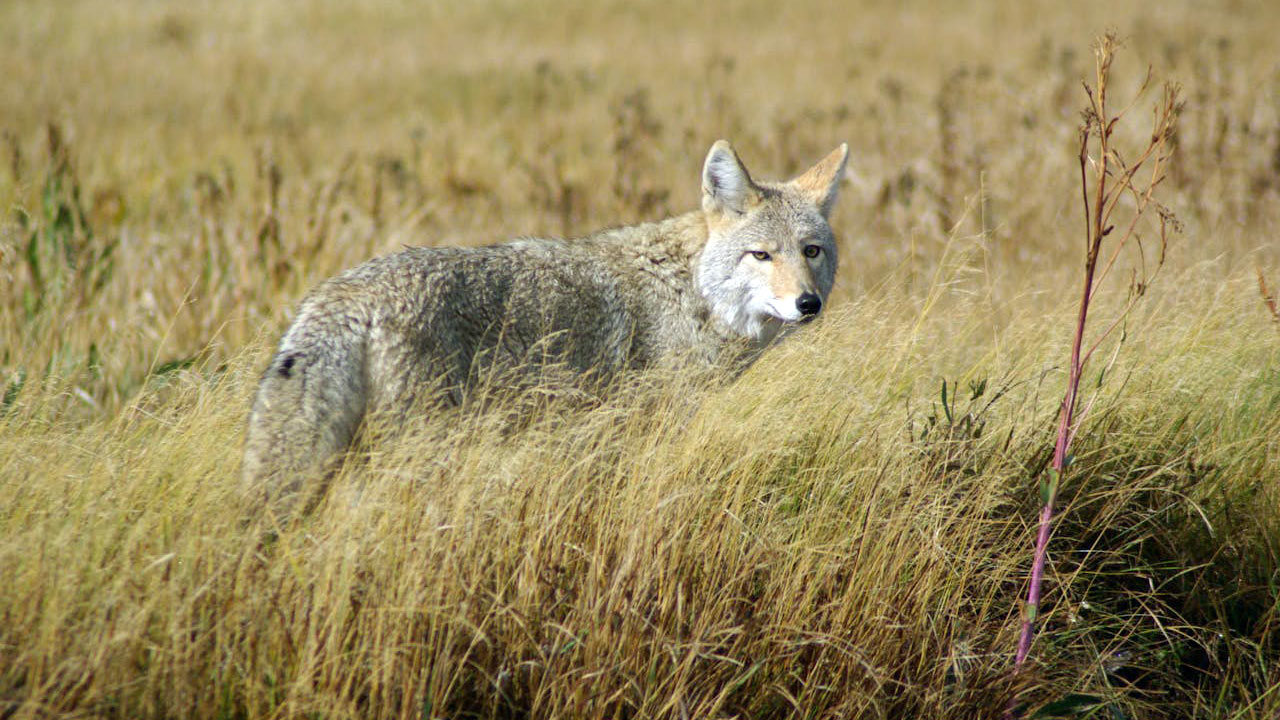
Nebraska has the cattle country, feed ground, and farm-ranch mix that keeps coyotes right at home. Even older Great Plains wildlife damage work out of Nebraska treated coyote damage in agriculture as a major recurring issue, and that still tracks with how the state looks today.
Coyotes do especially well in states like Nebraska because they do not need wilderness. They need travel lanes, cover patches, easy prey, and openings around livestock and crop systems. Nebraska gives them all of that in a very workable package.
South Dakota
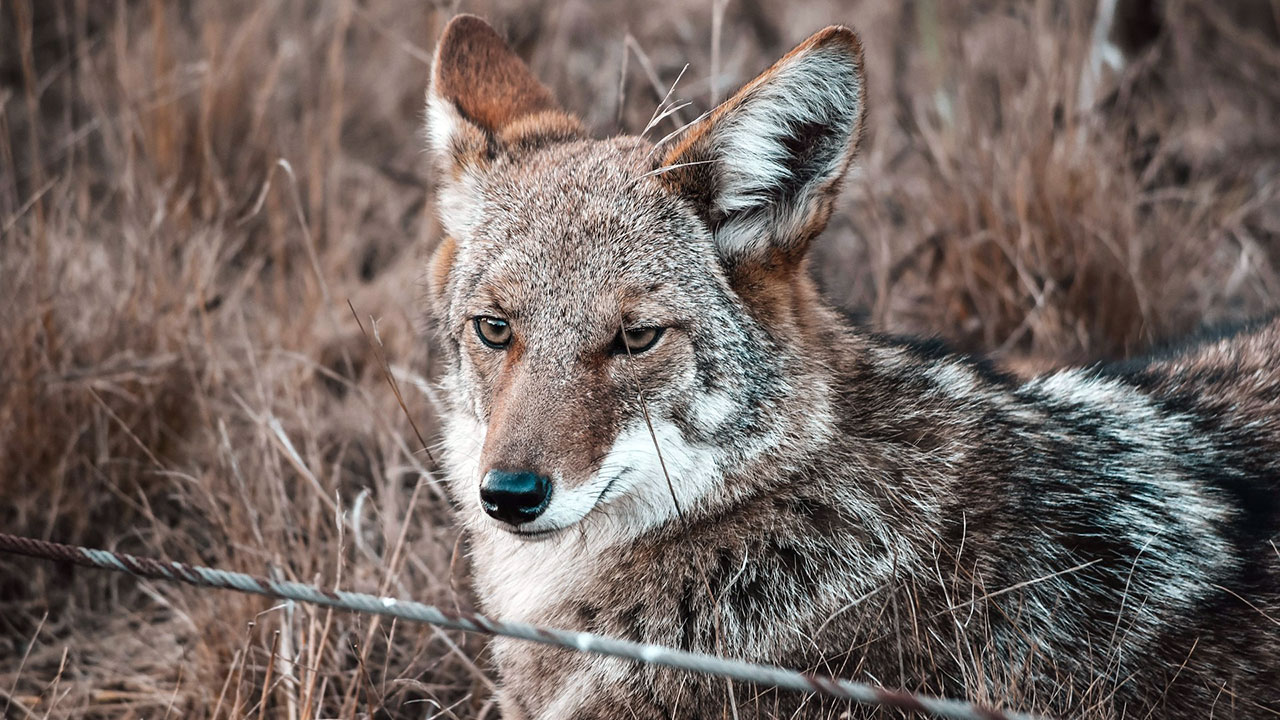
South Dakota has long been coyote country, and farm producers there have had enough predator issues that extension trapper programs and animal-damage-control systems have been part of the conversation for years. That is a pretty strong sign that coyotes are not just occasional passersby in the state’s ag ground.
Between sheep country, cattle country, mixed grain ground, and broad stretches of prairie and edge habitat, South Dakota gives coyotes all the room they need to keep a strong hold in agricultural land. They fit that country naturally.
North Dakota

North Dakota makes sense for a lot of the same reasons as South Dakota, only with even more of that open mixed-use farm-and-ranch layout coyotes love. NDSU Extension still hosts predator and wildlife management workshops aimed at livestock producers, which tells you the issue is current enough to stay in front of producers.
Coyotes do well in country where they can run shelterbelts, field roads, creek edges, and rough pasture transitions while staying near calves, lambs, and smaller prey. North Dakota gives them that in spades. It is not flashy country, but it is very workable coyote country.
Iowa

Iowa is one of the clearest examples of coyotes adapting completely to a farm state. Iowa State says coyotes are ubiquitous in Iowa, specifically from farm fields to forests to suburbs, and also notes that around farms they may eat chickens, calves, sheep, or goats. That is about as direct as it gets.
That kind of adaptability is exactly why Iowa belongs. Coyotes are not hanging on in leftover wild corners there. They are working the actual farm landscape: ditches, waterways, timber fingers, draws, CRP edges, and creek corridors between production ground. They know how to live in the middle of working country.
Missouri

Missouri may not always get mentioned first, but it absolutely should be in this conversation. University of Missouri extension materials note that coyotes may prey on sheep, calves, and pets, which fits what a lot of rural Missouri landowners already know.
Missouri gives coyotes one of the better combinations anywhere: cattle country, poultry ground, edge habitat, creek systems, brush, and enough broken terrain to help them stay mobile and hard to pin down. In farm country that is half-open and half-cover, coyotes tend to do very well.
Colorado
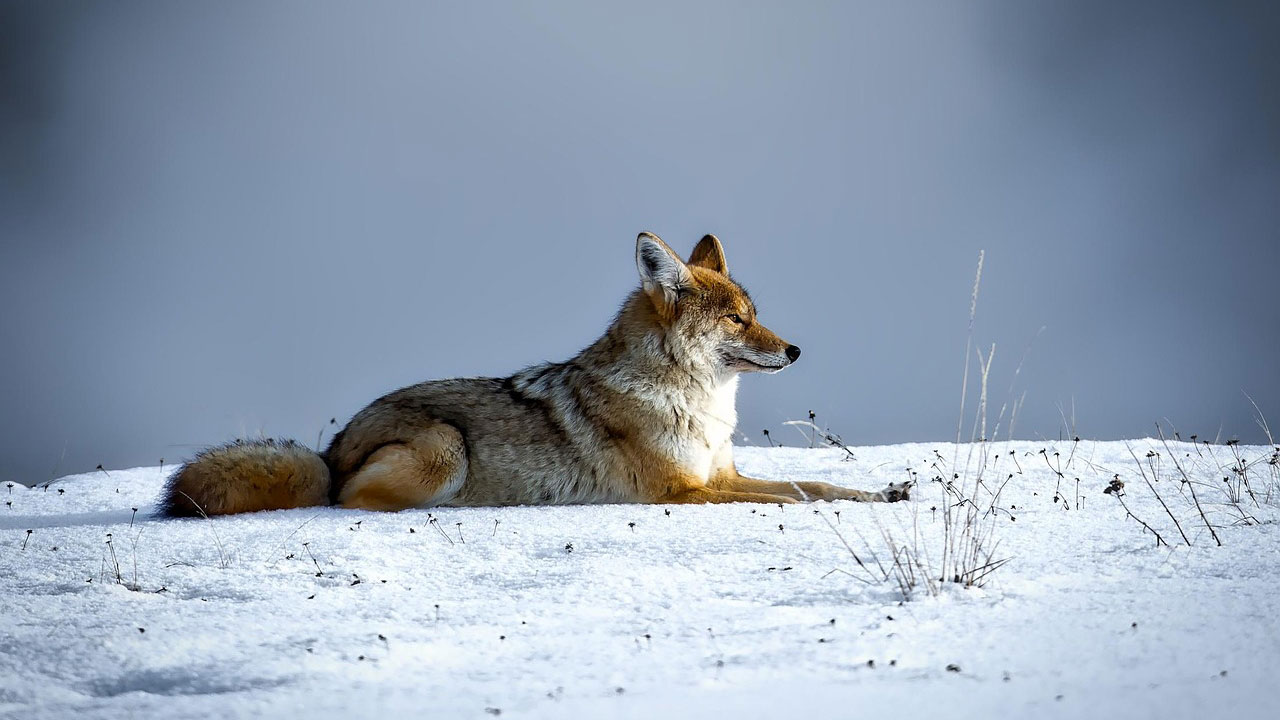
Colorado is easy to think of as mountain country first, but CSU Extension’s livestock-and-predators guidance reminds people that coyotes prey on livestock and domestic fowl there and can be hunted year-round. That tells you they are not some fringe issue around the ag side of the state.
Eastern Colorado and a lot of ranch country elsewhere in the state give coyotes plenty of room to work. Calving country, pasture, irrigated edges, and rough draws are enough to keep them well established. Colorado may have bigger predators in the headlines, but coyotes are still deeply at home in its working country.
Wyoming
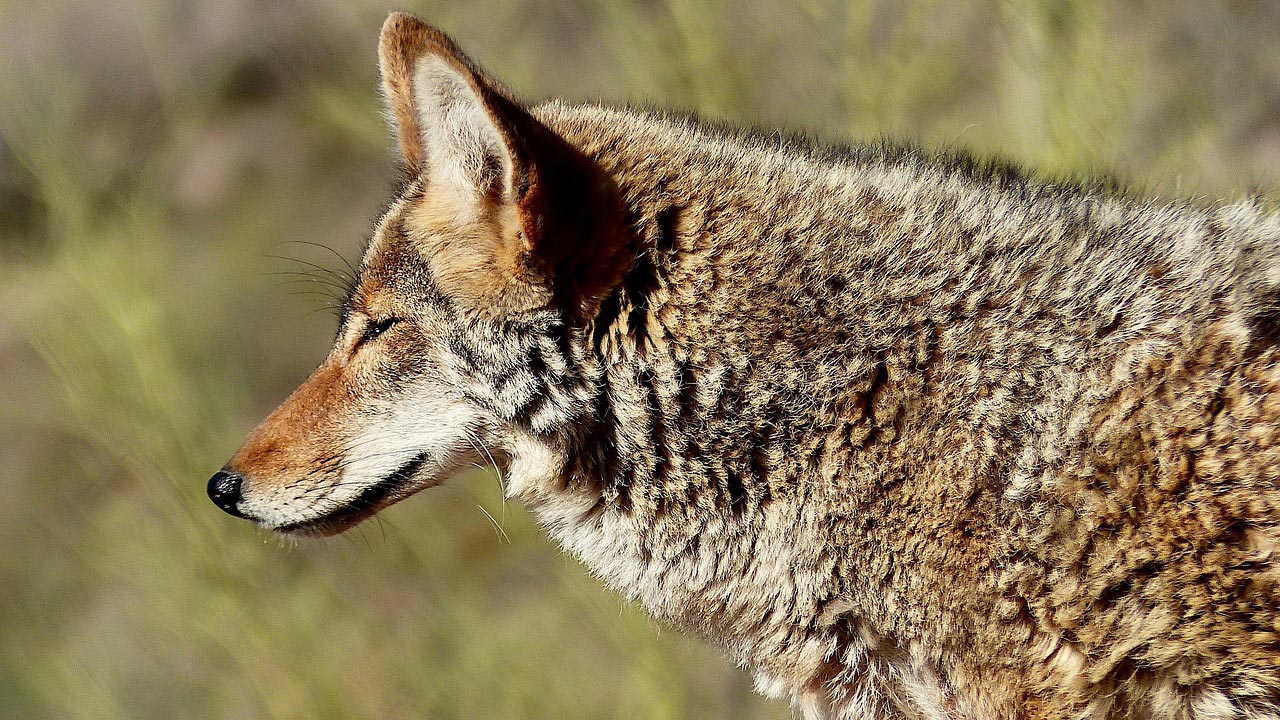
Wyoming has a long ranching history and a long coyote history right alongside it. Older sheep-loss work in southern Wyoming found coyotes responsible for the majority of predator-caused sheep deaths in that study, and while the data are older, the broader reality is still familiar to anybody who knows western livestock country.
Coyotes hold well in Wyoming because open range, sheep country, and broken sage-and-grass country suit them perfectly. They can cover ground, key on vulnerable stock, and use enormous amounts of space efficiently. In true ranch country, they are still one of the most persistent predators on the board.
Montana

Montana belongs because it has huge amounts of pasture, sheep and cattle country, and the kind of open western ag landscape coyotes use extremely well. Montana extension materials on wildlife damage for organic farmers still treat coyotes as a routine livestock-side concern.
This is another state where the foothold is about fit. Coyotes do not need dense settlement or heavy crop production to thrive. Give them lambing ground, calving ground, field edges, coulees, and enough room to travel, and they settle in just fine. Montana has plenty of that.
New Mexico
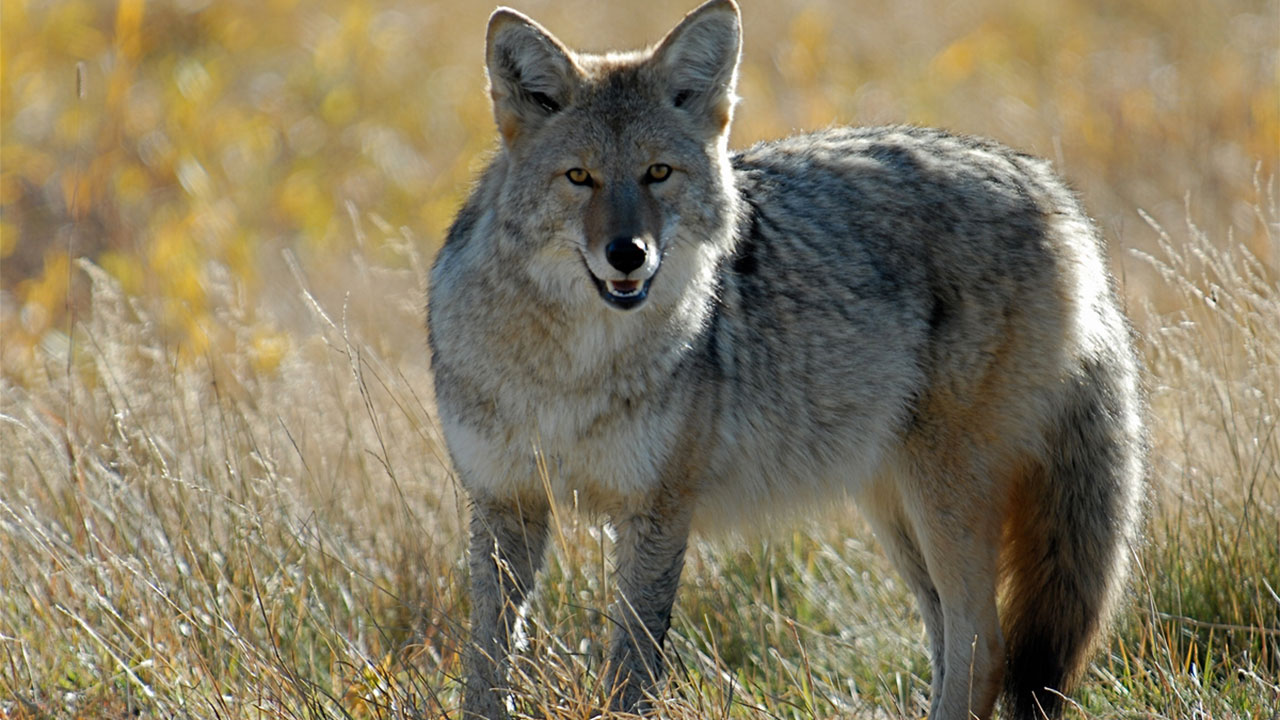
New Mexico has the brush, open country, and livestock footprint that keep coyotes comfortable. It is not as row-crop-heavy as some Plains states, but it has exactly the sort of ranching landscape where coyotes stay relevant. USDA APHIS’s general coyote guidance fits New Mexico especially well because the species does so well in mixed livestock-and-range settings.
Coyotes tend to do well where rough cover meets open ground and where young or vulnerable stock are spread out over big country. New Mexico checks those boxes hard. It is not a place where coyotes feel squeezed by agriculture. It is a place where agriculture often works in their favor.
Arizona
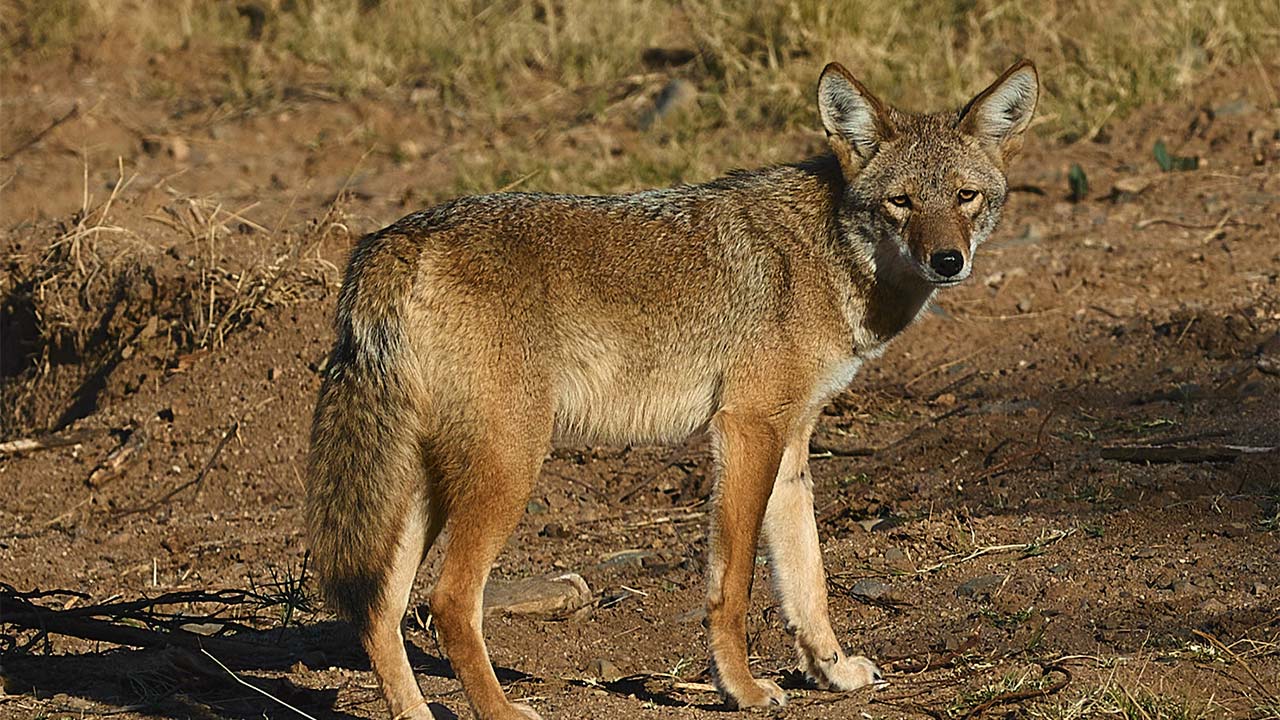
Arizona belongs for a lot of the same reasons as New Mexico. Big ranch country, rough cover, dry washes, and livestock operations give coyotes plenty of room to operate. Even when the state conversation often leans toward larger predators in some regions, coyotes remain one of the most practical, everyday predator concerns in working rural country. USDA APHIS’ coyote-damage guidance and broader western extension literature fit Arizona well.
The foothold is strong there because coyotes are flexible. They can work low desert ag edges, upland range, and patchy farm country without needing much hand-holding from the landscape. If the state has calves, goats, poultry, and brushy escape cover, coyotes can usually make it work.
California
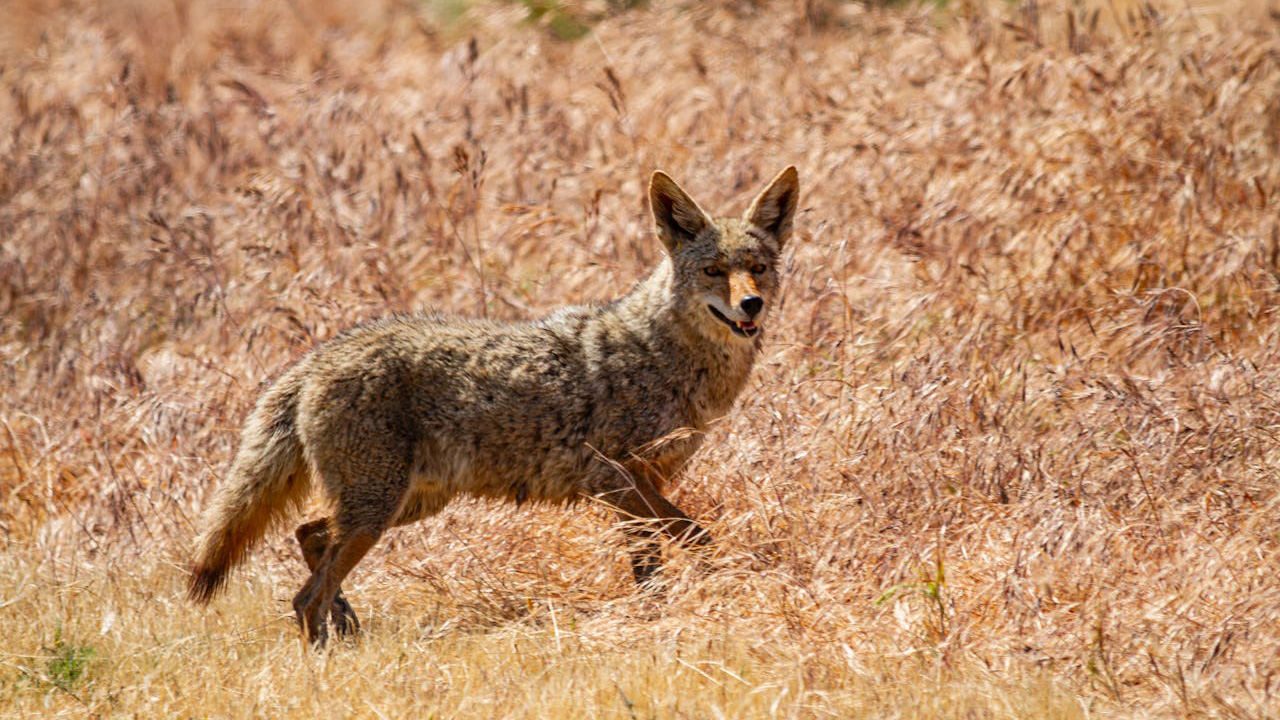
California surprises some people on lists like this, but it should not. UC Davis’ Livestock-Predator Information Hub exists for a reason: predator conflicts are a real part of rangeland livestock production there. Coyotes are a routine part of that conversation across a lot of the state’s working ground.
The key is that California has more real ranch country than outsiders often picture. In those rangeland systems, coyotes fit right in. They may not define the entire predator conversation statewide, but in sheep country, goat country, and smaller livestock setups, they are still one of the most consistent pressures around.
Illinois

Illinois rounds out the list because it shows how well coyotes can own farm country even outside the classic western and Plains image. Illinois may be best known for row crops, but that kind of country still gives coyotes ditches, creek lines, timber strips, and enough prey and scavenging opportunities to stay rooted in the landscape. Purdue’s coyote extension coverage also reflects how normal coyotes have become across Midwestern working ground.
That is what makes Illinois worth including. Coyotes do not need huge open ranches to gain a foothold. They just need edges, cover, food, and a way to move through the ag matrix. Illinois gives them all of that, and they have taken advantage of it.
Like The Avid Outdoorsman’s content? Subscribe to our newsletter so you never miss an article.
Here’s more from us: