Photo credit: Browning
A rifle can feel great at the counter. Smooth bolt, nice stock, cool chambering, “sub-MOA” on the tag. Then you shoot it past 200—slowly, carefully, with real expectations—and the truth shows up. Heat shift, wandering groups, weak optics setups, inconsistent triggers, stock flex, scope issues, or a rifle that just won’t settle.
These are rifles that often get bought with long-range dreams… and then get returned after one honest session at distance.
Remington 770 (scoped packages)
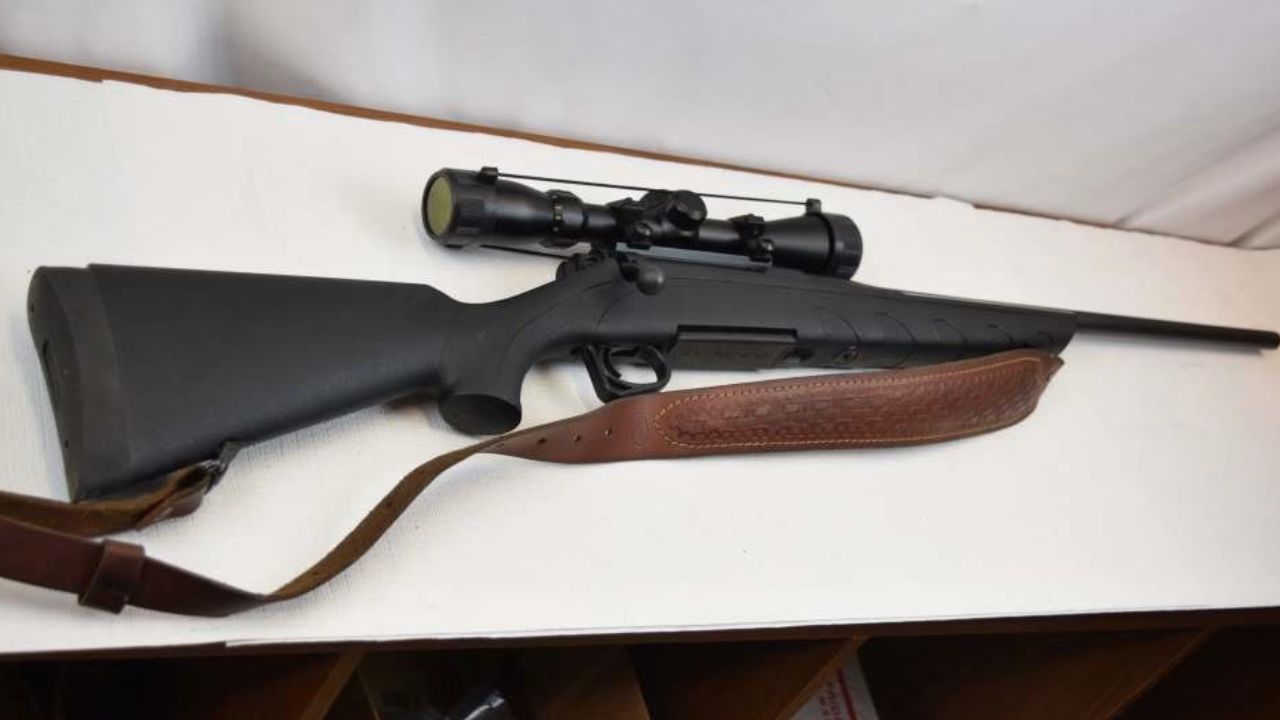
These rifles often fall apart in the “confidence” department once you start stretching distance. The rifle might print a group at 100, but long-range sessions demand repeatability, consistent zero, and stability across strings. That’s where a lot of 770 setups start showing weak links.
The usual pattern is chasing the scope, chasing the mounts, then realizing the whole system was built for “sight in and hunt,” not “shoot strings and learn dope.”
Remington 783 (package versions)

The 783 can shoot, but package configurations often disappoint when you start running it like a range rifle. If the scope and mounts aren’t rock solid, your long-range session turns into “is my zero moving?” instead of “am I improving?”
When the first long-range outing becomes a troubleshooting day, a lot of owners decide they don’t want a project. They wanted a rifle that simply stays consistent.
Savage Axis XP / Axis II XP

The Axis is a value rifle that can be accurate, but long-range sessions expose stock flex and setup sensitivity. Rest pressure changes point of impact. Heat builds, groups open, and the owner starts wondering why the rifle won’t behave like the internet said it would.
It’s not always the barrel. Often it’s the whole system—cheap scope, basic stock, inconsistent torque habits—showing up once you start asking more of it than a quick 3-shot group.
Thompson/Center Compass

The Compass is another rifle that can surprise you in a good way at 100 yards, then frustrate you once you try to be consistent across distance and strings. Long-range work demands stable bedding and repeatable behavior. If the rifle is sensitive, it becomes exhausting fast.
Many buyers go in expecting a budget long-range option. They come out realizing they bought a budget hunting rifle that doesn’t love being treated like a precision setup.
Mossberg Patriot (scoped combos)

A lot of Patriots get returned after the first “real session” because long-range shooting exposes every weak part of a package rifle. If your optic doesn’t track well, your turrets don’t repeat, or your mount hardware isn’t right, you’ll get random results that feel like the rifle is lying.
A long-range session is where you learn if your setup is honest. Many Patriot combos aren’t, and it’s not always the action’s fault.
Ruger American (standard stock, bargain optics)
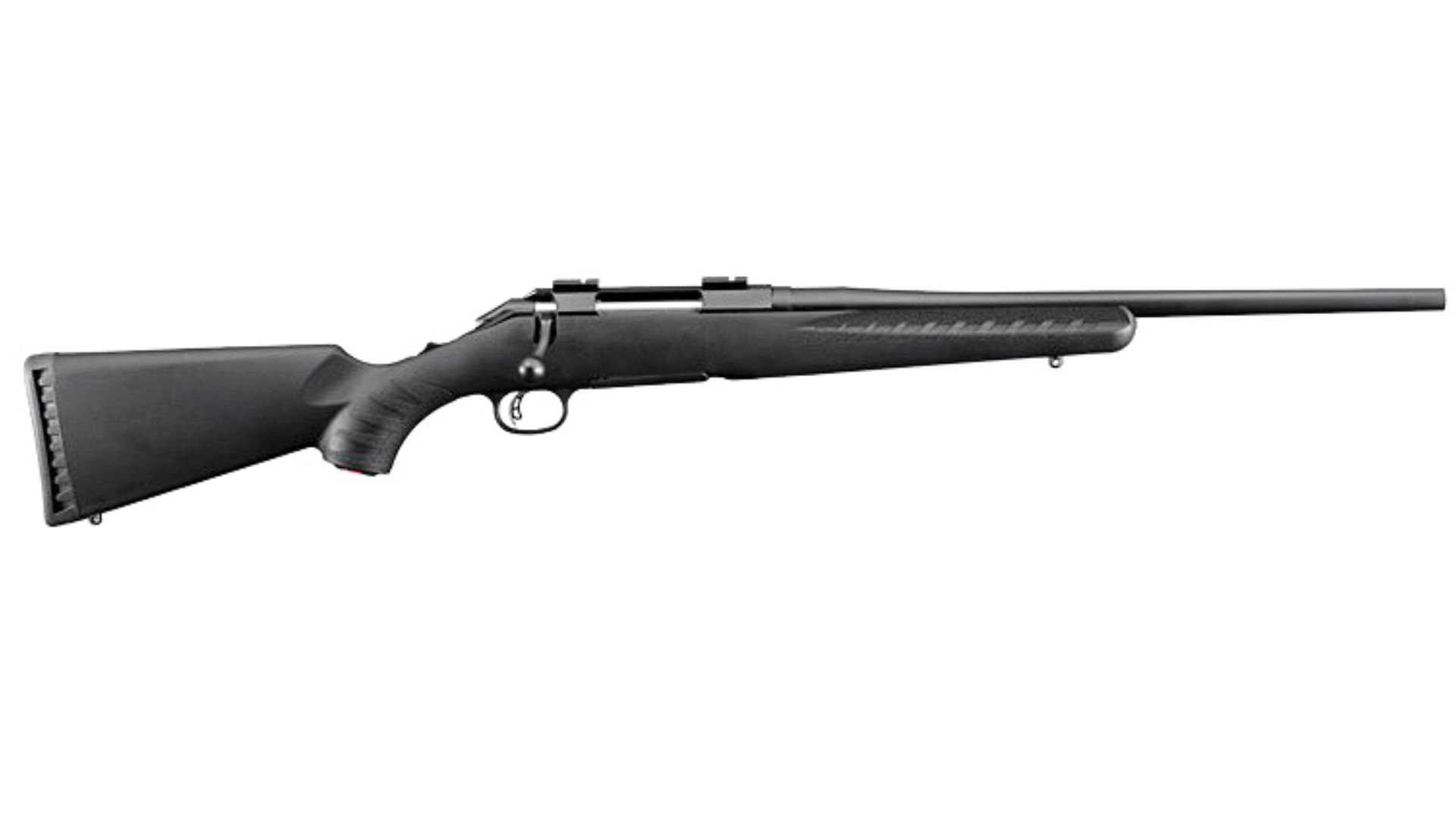
Ruger Americans can shoot. The problem is many are bought with cheap optics and then expected to be a precision rig. When the scope won’t track and the stock flexes under different rests, the shooter ends up chasing ghosts.
A lot of “returned Ruger American” stories are really “I tried to build a long-range setup with the cheapest possible parts.” The rifle gets blamed because it’s the easiest thing to blame.
Winchester XPR (package guns)

The XPR often shoots well enough for hunting, but long-range sessions punish weak optics systems. Cheap rings and scopes that come with packages are not always built for dialing and repeatability. That becomes obvious fast past 200–300 yards.
If the first long-range day is mostly frustration and retightening, owners often decide they want a rifle that starts with a stronger base and fewer compromises.
Browning AB3 (with basic factory setups)

The AB3 looks like a “nice step up” rifle, and that makes the disappointment sharper when it doesn’t perform like a precision rig. Long-range sessions expose whether the trigger, stock, and mounting system are truly stable.
Many hunters realize they bought a great hunting rifle that doesn’t love being shot like a match rifle. That’s not a crime. It’s just not what they expected.
Ruger American Predator (untuned, factory stock)

The Predator name makes people expect more. Some of these rifles shoot great. Others need attention—torque, bedding stability, better glass—before they stop being sensitive. A long-range session is where sensitivity becomes obvious.
When a rifle needs upgrades to do what the buyer thought it would do out of the box, returns happen. Especially when the buyer just wanted something simple.
Howa 1500 in Hogue OverMolded stock

The Howa action is solid. The Hogue stock is where long-range dreams go to die for some people. That softer fore-end can flex, changing barrel contact and point of impact depending on rest pressure and sling tension.
Shoot it offhand and it feels fine. Shoot it off bags and try to be consistent at distance and you’ll sometimes see “why are my groups changing?” That’s stock behavior, not magic.
Savage 110 (big-box “budget precision” trims)

Savage 110s can be excellent, but certain entry trims get bought as “precision ready” and then get exposed at distance—especially if the optic system isn’t strong. Long-range shooting is less forgiving of any slop.
A lot of buyers also discover that “accurate” and “easy to shoot accurately” aren’t the same thing. A rifle can be mechanically capable and still be unpleasant or inconsistent in the shooter’s hands.
Springfield M1A (standard models)
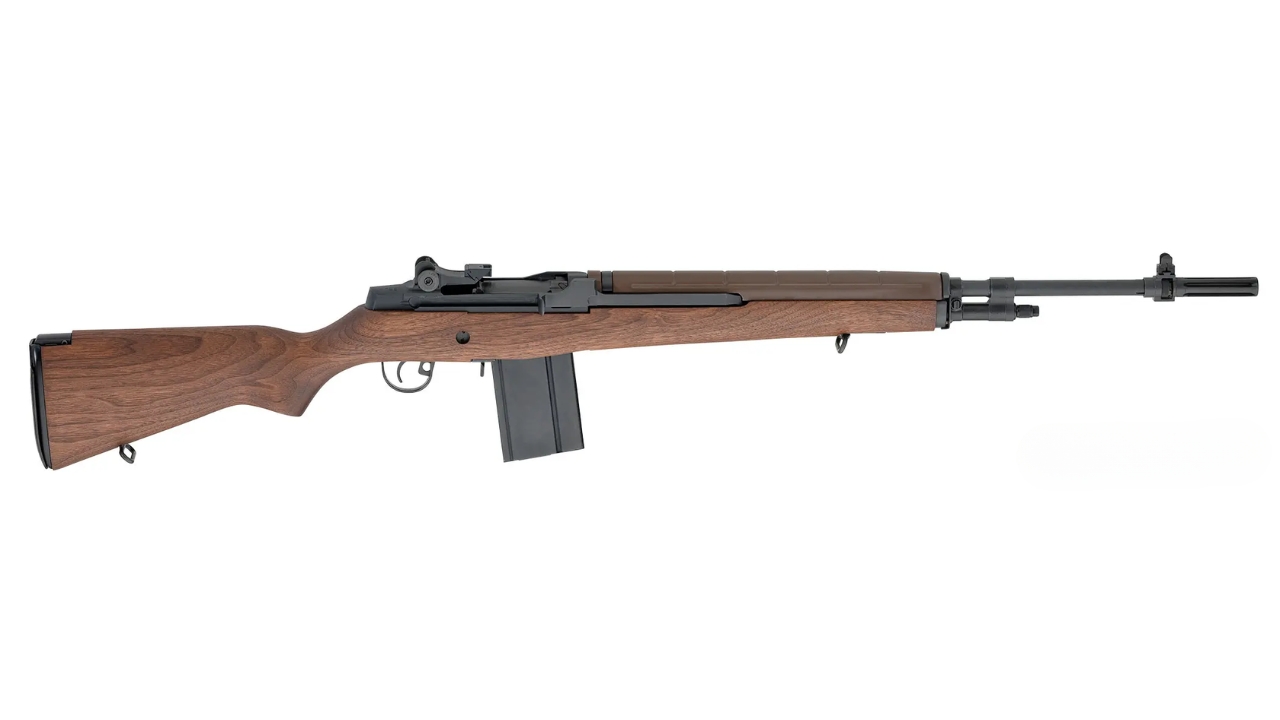
The M1A looks like a long-range classic until you try to get modern consistency out of it without serious work. Heat shift, bedding sensitivity, and the platform’s nature can frustrate people who expected AR-like precision.
After one long-range day, some owners realize they bought a rifle they love emotionally but don’t enjoy practically for precision shooting. That’s when returns—or quick sales—happen.
Ruger Mini-14 (older models)

A Mini can be reliable and handy, but it’s not a precision rifle in most trims. Long-range sessions show that quickly: groups open, heat matters, and dialing optics doesn’t solve the underlying limitations.
People return them when they bought the ranch rifle vibe but expected AR-level accuracy. Minis are fun. They just aren’t the long-range answer many hope they’ll be.
PSA PA-10 (budget AR-10 builds)

Some PA-10s run great. Some take tuning, and long-range sessions are where you find out if yours is the “great” one or the “project” one. Gas behavior, reliability under heat, and accuracy consistency can vary depending on the build.
If a buyer wanted a plug-and-play long-range semi-auto, and they instead got a rifle that needs tweaks, they often decide it’s not worth the time.
DPMS Oracle (AR-10 pattern)

Oracles are a common entry into AR-10 land, and long-range sessions are where entry-level limitations show up: inconsistent accuracy, finicky behavior, and a rifle that doesn’t feel as refined as people expected for the cost of feeding an AR-10.
When you’re spending AR-10 money on ammo, you want AR-10 results. If the rifle doesn’t deliver that, the regret hits fast.
Like The Avid Outdoorsman’s content? Be sure to follow us.
Here’s more from us: