Photo credit: Remington
Rifle cartridge trends move fast. Every few years, a new round shows up promising flatter trajectory, less recoil, better efficiency, longer barrel life, or some new mix of all four. Some of those cartridges are genuinely good. A few end up sticking. A lot of them spend a few seasons getting talked up hard before settling into a much smaller role than the early excitement suggested. Meanwhile, certain older rifle rounds keep staying relevant no matter what the industry is pushing at the moment.
That usually happens for a very simple reason. These cartridges still solve real hunting and shooting problems without making life complicated. They are widely available, chambered in a broad range of rifles, supported by plenty of load options, and familiar enough that shooters already know what to expect from them. They may not always be the newest answer, but they remain easy to trust. When a rifle round keeps proving useful in the field, at the range, and in the safe year after year, trends stop mattering as much.
.30-06 Springfield
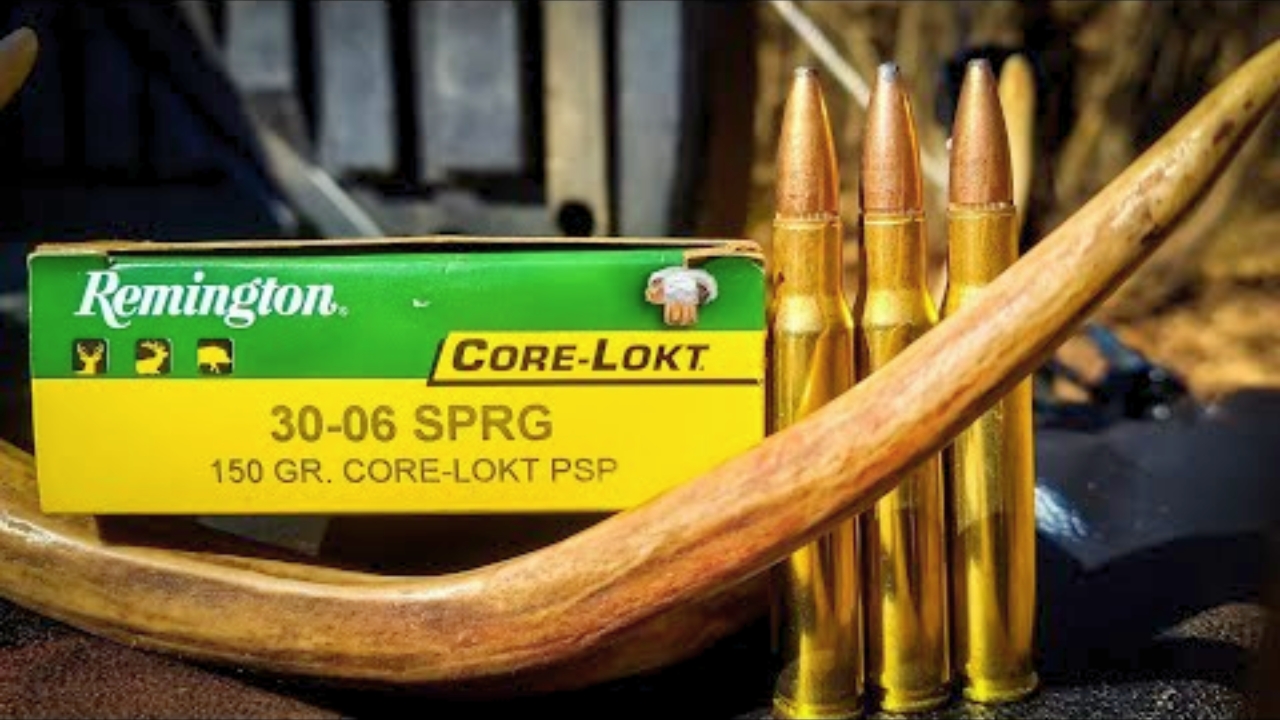
The .30-06 remains useful because it covers an enormous amount of ground without forcing the shooter into a narrow role. Deer, hogs, black bear, elk, and plenty of other game still fall cleanly to it with the right bullet. Hunters understand it, stores usually stock it, and rifle makers still chamber it because demand never really disappears. That kind of staying power is hard for trend-driven cartridges to overcome.
It also keeps its place because it is flexible without becoming fussy. Bullet weights are broad, field performance is proven, and the cartridge fits a lot of ordinary hunting realities better than people sometimes admit. A newer round may edge it in one category, but the .30-06 still gives hunters a cartridge they can buy, shoot, and trust without spending half their time explaining why it makes sense. That alone keeps it alive.
.308 Winchester

The .308 Winchester remains useful because it gives shooters a very balanced package. It offers enough power for serious hunting, manageable recoil for most people, and broad support across rifle platforms that range from lightweight hunting guns to heavier precision setups. That flexibility helps it stay relevant even while newer cartridges try to carve out pieces of the same space with more specialized marketing behind them.
What also helps the .308 endure is that it is easy to live with. Ammunition is common, rifles are everywhere, and the cartridge behaves in a predictable way that makes it easy to trust. It may not dominate every long-range conversation the way it once did, but real-world usefulness has never depended on internet hype. The .308 keeps doing honest work, and that matters more than trend cycles.
.270 Winchester

The .270 Winchester remains useful because it still does exactly what many hunters want a rifle cartridge to do. It offers practical recoil, good field reach, and enough performance for deer, antelope, hogs, and even larger game with proper bullets and smart shot placement. It has been around long enough to survive wave after wave of supposedly better replacements, which says a lot by itself.
Part of its staying power comes from how easy it is to understand. Hunters know what it is for, know how it behaves, and know it still works. It does not need to dominate every ballistic chart to remain valuable. A lot of cartridges stay useful because they fill a broad middle ground well, and the .270 has lived in that space for a long time. That is why it never really disappears.
.30-30 Winchester

The .30-30 remains useful because the kind of hunting it was built for still exists everywhere. Woods hunting, brush country, short-to-moderate range deer work, and fast shots on moving animals all keep the cartridge relevant. It is not trying to be a long-range wonder. It is trying to be dependable, practical, and effective inside a very common hunting lane, and that lane has not gone anywhere.
That is why trends do not hurt it much. A cartridge does not need to win every numbers argument to remain valuable. It only needs to keep doing its job well enough that hunters still reach for it. The .30-30 does exactly that. In a handy lever gun, it still feels like a cartridge built for real field use rather than spec-sheet competition, and that keeps it firmly alive.
.243 Winchester

The .243 Winchester remains useful because there will always be shooters who need or prefer a cartridge that is mild enough to practice with comfortably while still being fully capable on deer-sized game. That role matters more than many people think. Recoil-sensitive shooters, younger hunters, and people who simply shoot better with moderate rounds all keep the .243 in steady demand, regardless of whatever else is currently fashionable.
Its staying power also comes from the fact that it performs well when used inside its lane. It is accurate, easy to shoot, and widely understood. Newer rounds may try to improve on it by a little here or there, but the core reason people buy a .243 has not changed. When a cartridge lets more people shoot confidently and hunt effectively, it tends to remain useful for a very long time.
7mm Remington Magnum

The 7mm Remington Magnum remains useful because it still offers a combination of reach, authority, and familiar performance that many hunters trust in open country. It gives shooters something meaningfully stronger than standard non-magnum rounds without pushing all the way into the punishment and niche appeal of some larger magnums. That middle ground has kept it relevant through multiple generations of newer long-range cartridges.
Hunters also keep returning to it because it has a long record of working on real game in real places. When people need a cartridge for larger country, longer shots, and bigger animals, they still understand what the 7mm Rem Mag brings to the table. Trendy cartridges may come with cleaner efficiency stories, but the 7mm keeps surviving because it still does the work people bought it to do decades ago.
.45-70 Government

The .45-70 remains useful because some hunting and field situations still reward a big, heavy bullet more than a flat trajectory. Thick cover, moderate distances, hogs, black bear, and larger game in the right environment all keep this old cartridge in play. It does not need to compete with modern speed-driven rounds to stay relevant. It only needs to keep making sense in the places where its strengths still matter.
That is exactly what it does. In lever guns and certain single-shots, the .45-70 still offers a kind of direct, close-range authority that many shooters respect. It is specialized compared with more general-purpose rounds, but specialization does not mean obsolescence. A cartridge can remain useful for decades if its lane stays real, and the .45-70’s lane definitely still exists.
.223 Remington

The .223 Remington remains useful because it solves a lot of shooting problems efficiently. It is affordable relative to many centerfire rounds, easy to shoot, light recoiling, and supported by a massive number of rifles and ammunition types. That alone gives it staying power. For training, recreational shooting, varmint work, predator hunting, and general familiarity, it continues to make practical sense in ways trendier cartridges often cannot match.
Its usefulness also comes from how accessible it is. A cartridge that lets people practice more, shoot more comfortably, and find ammo without much drama tends to stay alive no matter what is being hyped elsewhere. The .223 may not be the most exciting round in the room anymore, but usefulness is often quieter than excitement. That is why it keeps sticking around.
.300 Winchester Magnum

The .300 Winchester Magnum remains useful because it still offers serious reach and power in a package that is common enough to be practical. Hunters who need a cartridge for elk, moose, and other larger game at meaningful distances still understand exactly why it exists. It has enough authority to justify itself and enough widespread support to avoid becoming an oddball choice, which is a big reason it has lasted.
Trends have tried to challenge it from both sides. Some newer rounds promise similar performance with better efficiency, while others promise less recoil and easier shooting. Even so, the .300 Win Mag remains firmly alive because it still works in the role it was built for. When a cartridge has that much real-world credibility behind it, trends usually have to do more than sound new to replace it.
.22 LR
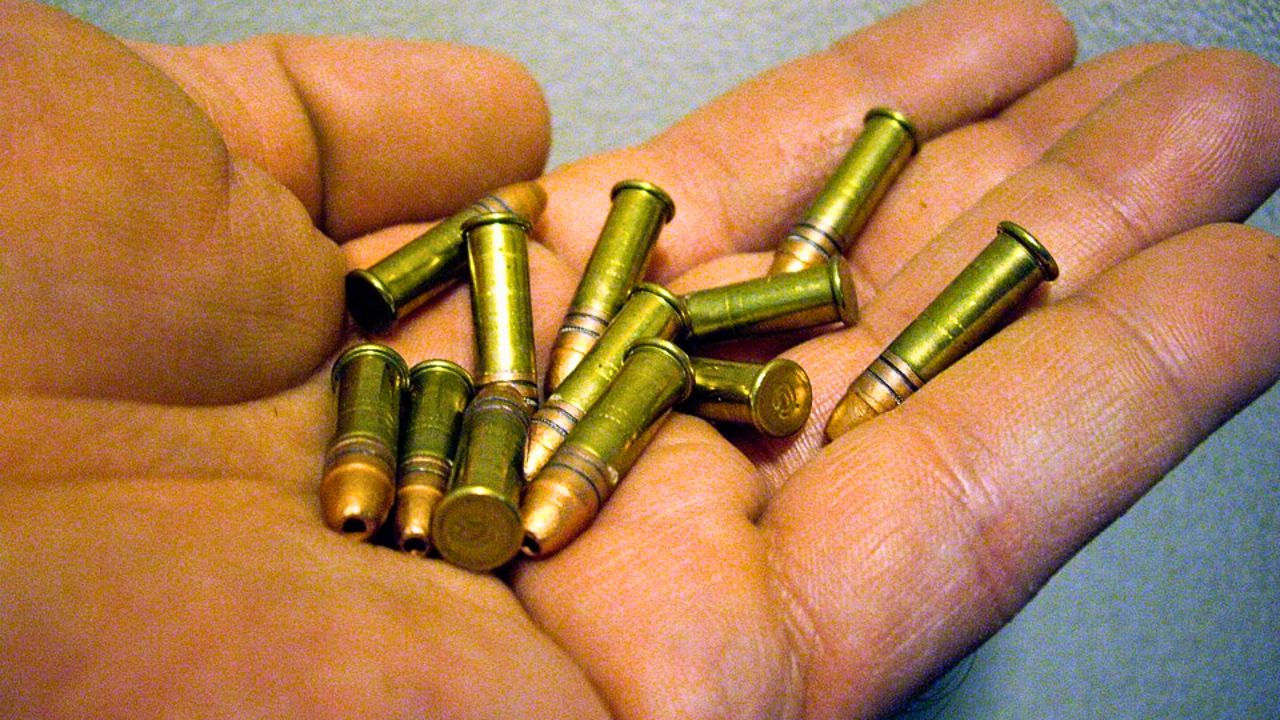
The .22 LR remains useful because there is no replacing what it does for inexpensive practice, small-game hunting, training, and general shooting enjoyment. It is one of the few cartridges that touches almost every part of the shooting world, from brand-new shooters to highly experienced riflemen who still want a cheap and useful round to keep skills fresh. That kind of universal role makes it almost immune to fashion.
It also helps that the .22 LR supports simple, practical shooting in a way very few rounds can. It is not flashy, and it does not need to be. A cartridge that lets people practice fundamentals, hunt small game, and enjoy rifle shooting without burning through their budget will always have a place. Trend cycles come and go, but the basic usefulness of the .22 LR does not change.
.280 Remington

The .280 Remington remains useful because it occupies a very practical middle ground that experienced hunters continue to appreciate. It offers strong all-around hunting performance, manageable recoil, and enough flexibility to work across a broad range of North American game. It has never been pushed as hard as some competing rounds, but usefulness does not always need marketing volume to survive.
In many ways, the .280 stays relevant because it never had to be fashionable to be good. Shooters who know what it is tend to understand why it works. It has enough performance for serious use and enough shootability to remain sensible. That combination tends to age very well. Cartridges built around practical balance often outlast more glamorous rounds, and the .280 is a very good example of that.
.375 H&H Magnum
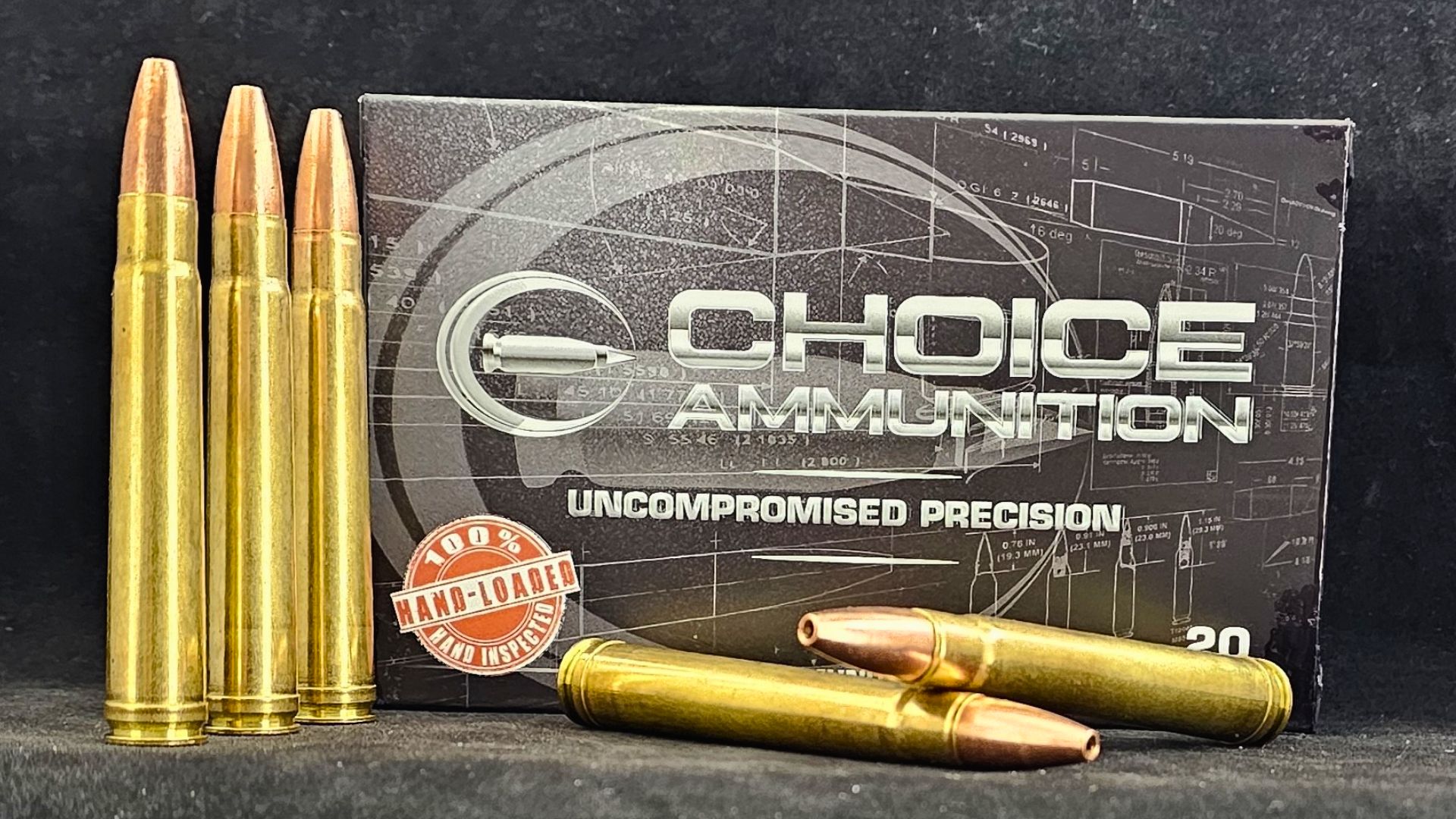
The .375 H&H remains useful because the job it was built for still exists, and it still does that job extremely well. For large game, dangerous game, and serious hunting in demanding places, it continues to offer a level of authority and trust that keeps it relevant long after many other heavy cartridges faded into much smaller roles. It is one of those rounds that carries weight because it earned it.
Its staying power also comes from how complete the package still feels. It is powerful, proven, and backed by a reputation that is not built on novelty. Shooters do not turn to the .375 H&H because it is current. They turn to it because when conditions, animals, and expectations get serious, it still answers the question in a very convincing way. That kind of usefulness does not go out of date easily.
Like The Avid Outdoorsman’s content? Subscribe to our newsletter so you never miss an article.
Here’s more from us: