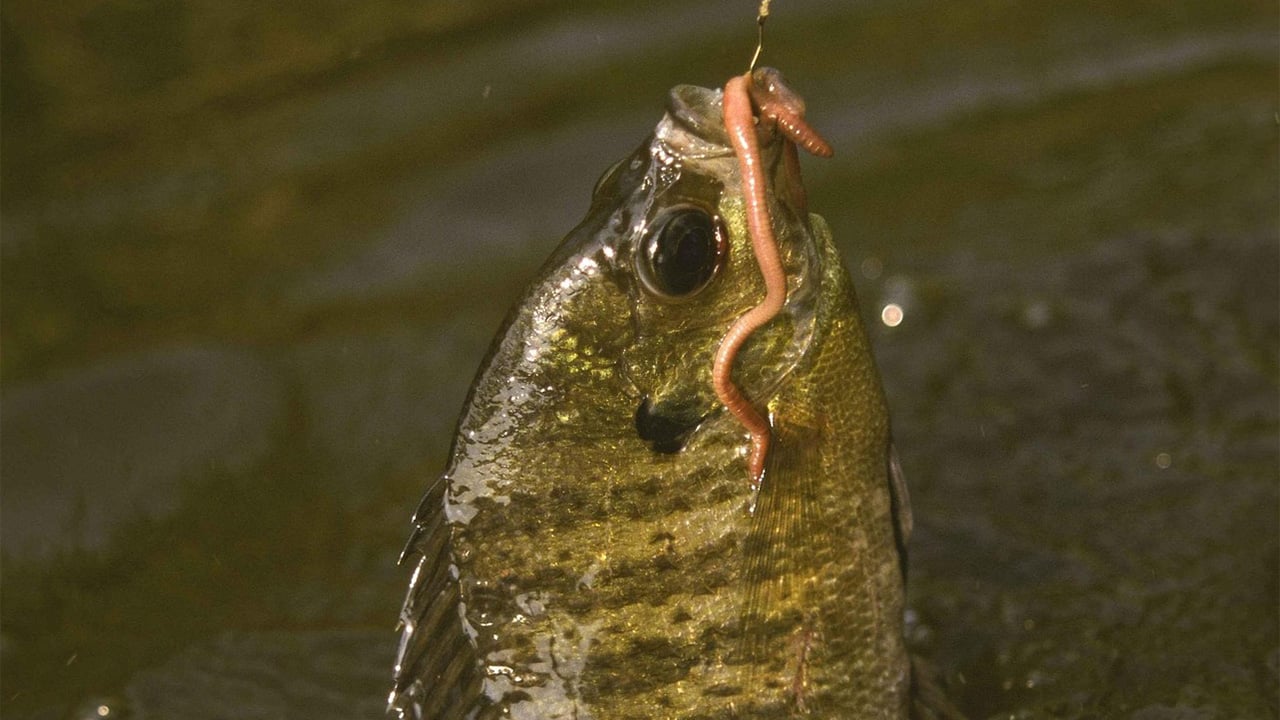
Photo credit: PublicDomainImages/Pixabay.com
Bluegill are one of those fish almost everybody thinks they already understands. They are common, easy to catch, great for kids, and they show up in everything from farm ponds to bigger lakes. That familiarity is exactly why people overlook how interesting they really are. Bluegill have some odd spawning behavior, some pretty serious population swings, and a way of shaping a pond or lake more than a lot of anglers realize.
They also are not just “little sunfish.” In a lot of waters, bluegill are the backbone of the fish community, both as forage and as predators on smaller aquatic life. A truly big bluegill is a lot less common than people think, and the reasons why get into growth, harvest pressure, nesting behavior, and even different types of males doing different jobs during the spawn.
Bluegill are not just another generic sunfish
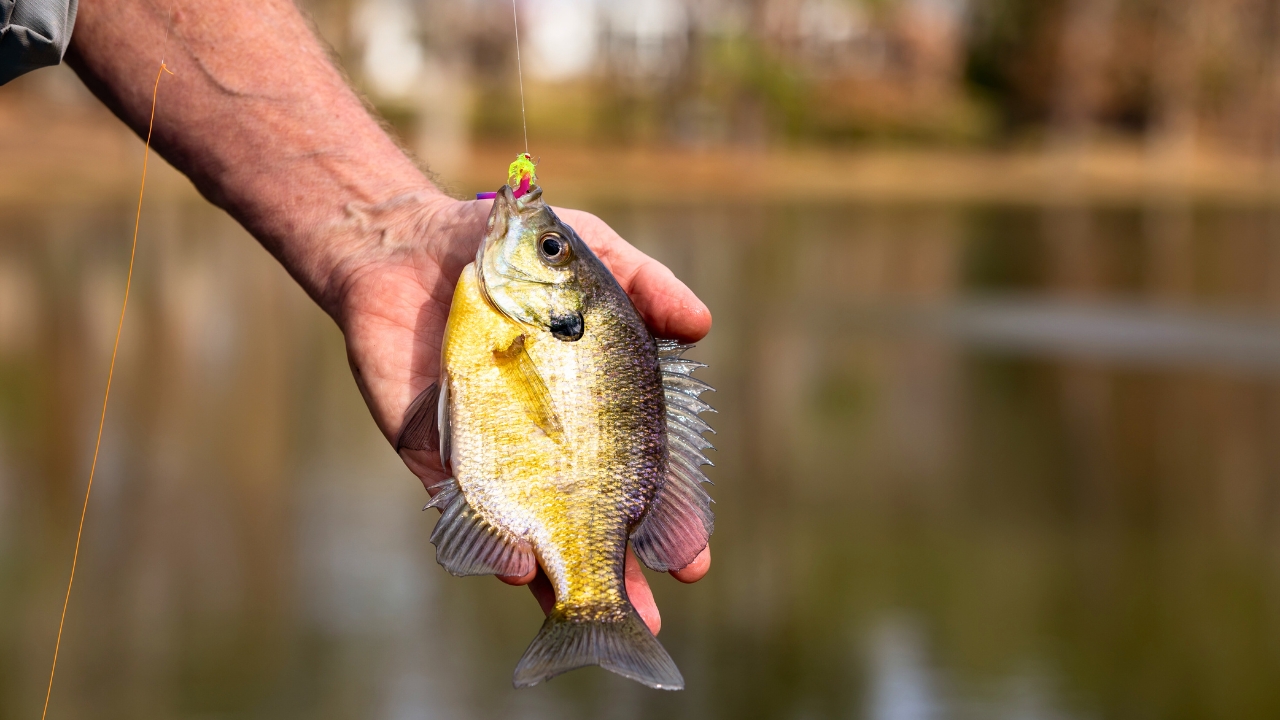
People throw the word “sunfish” around like it means one thing, but bluegill are a specific species: Lepomis macrochirus. Minnesota DNR and Missouri’s Department of Conservation both separate bluegill from other sunfish like pumpkinseed, green sunfish, and warmouth because they really do have their own body shape, habits, and range preferences.
That matters because a lot of fishing advice gets too broad. What works for “sunfish” in general may not really match bluegill behavior all that well. Bluegill are more specialized than people give them credit for, especially when it comes to cover, feeding, and how they use shallow water during the spawn.
A big bluegill is smaller than most people think
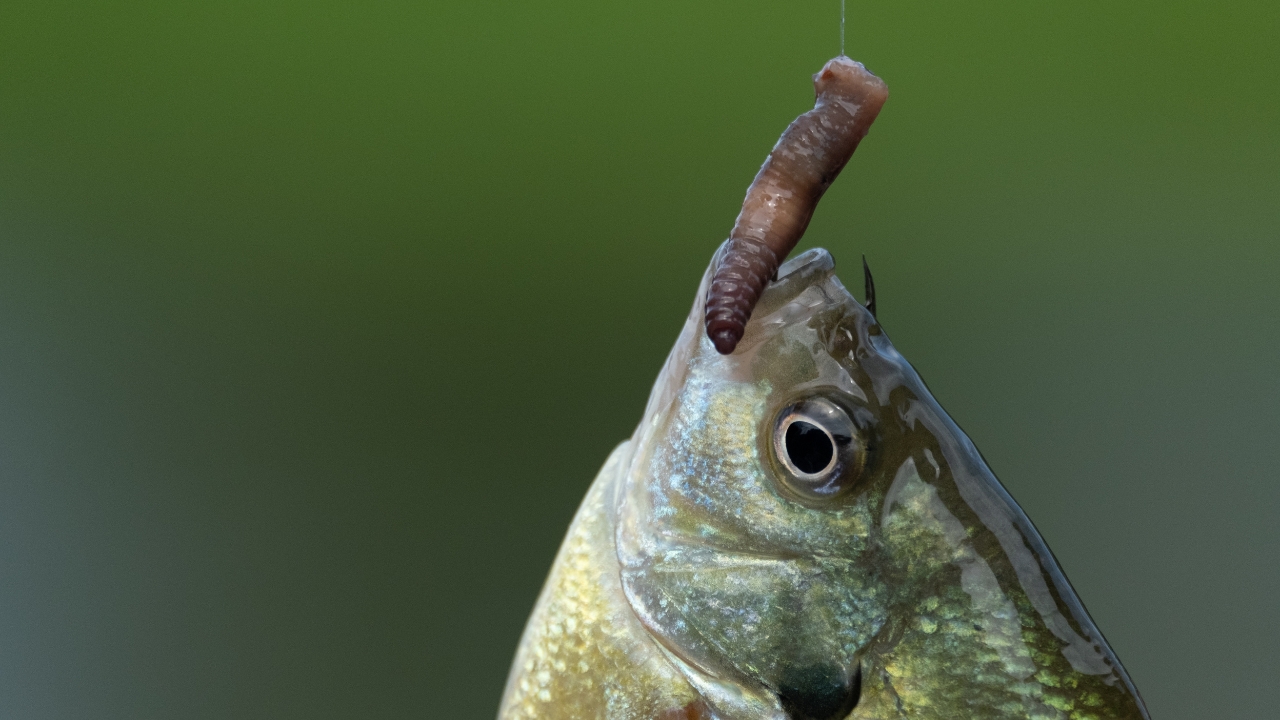
A lot of fish stories make people think a bluegill has to be huge to count as special, but agencies say otherwise. Minnesota DNR notes that an 8-inch bluegill is considered large, and its angling guidance says a big bluegill is usually only 9 to 10 inches long. Missouri lists typical top size at about 9½ inches and around 12 ounces.
That is part of what makes a true bull bluegill so fun. It is not about sheer length the way it is with bass or pike. A really good bluegill is a thick, deep-bodied fish that earned its size in a species where crowding and harvest can keep a lot of fish from ever getting there.
Male bluegill build and guard nests

Bluegill spawning is not random at all. Minnesota says the male fans out a nest in firm-bottomed shallows, often within a colony of dozens of nests, and then guards the eggs and fry. Missouri says nesting often starts in late May and continues into August, with males fanning shallow nests and guarding them after spawning.
That is why bluegill beds can look like somebody pressed a whole neighborhood of saucers into the bottom. It also explains why bedding fish can get so locked into specific pockets and depth bands. You are not just finding fish shallow. You are finding a whole colony setup with males actively defending a spot.
Bluegill can spawn for a surprisingly long time
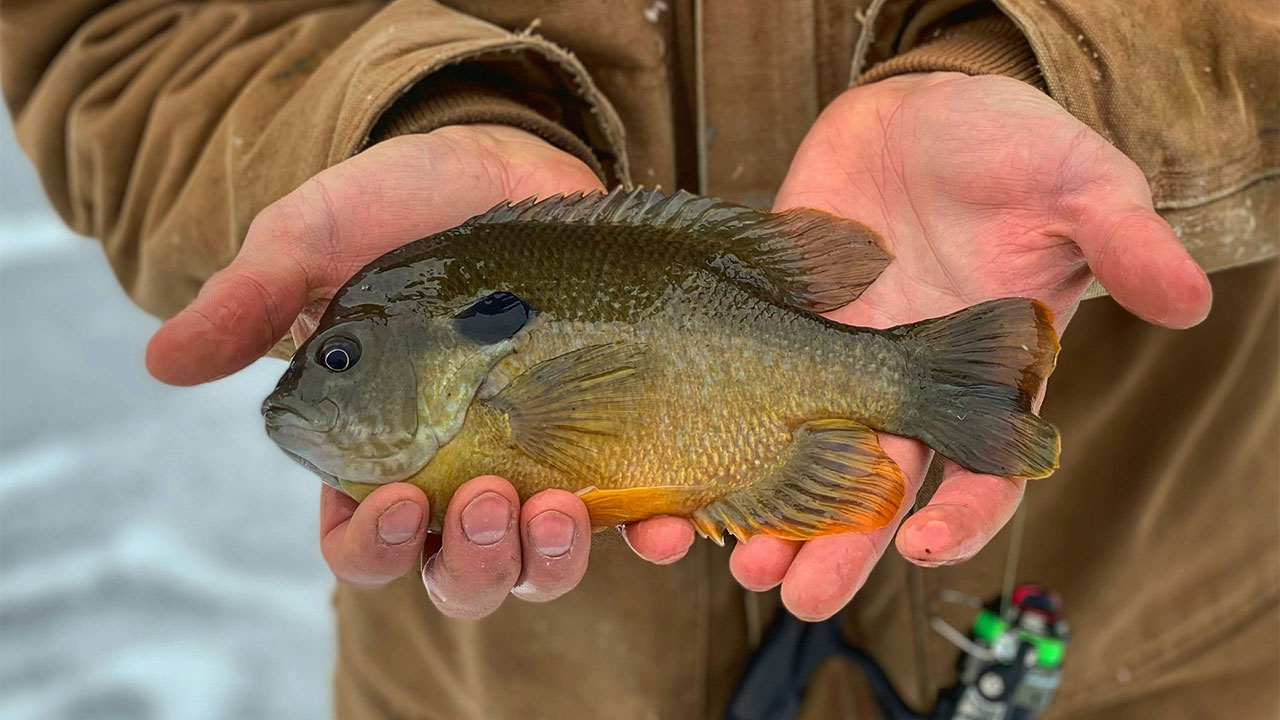
A lot of anglers think of the bluegill spawn as one quick spring window, but it can stretch much longer than that. Minnesota says bluegill spawn from late May through much of the summer at water temperatures of about 67 to 80 degrees. Missouri says nesting starts in late May and can continue into August. A Minnesota fisheries newsletter also describes bluegill’s spawning window as very long.
That longer window is one reason bluegill stay relevant for anglers well beyond the first warm spell. It also makes management harder, because the species is not putting all of its reproductive energy into one short burst. Bluegill can keep the process going for weeks, which changes both fishing patterns and population outcomes.
A single female can lay a lot of eggs
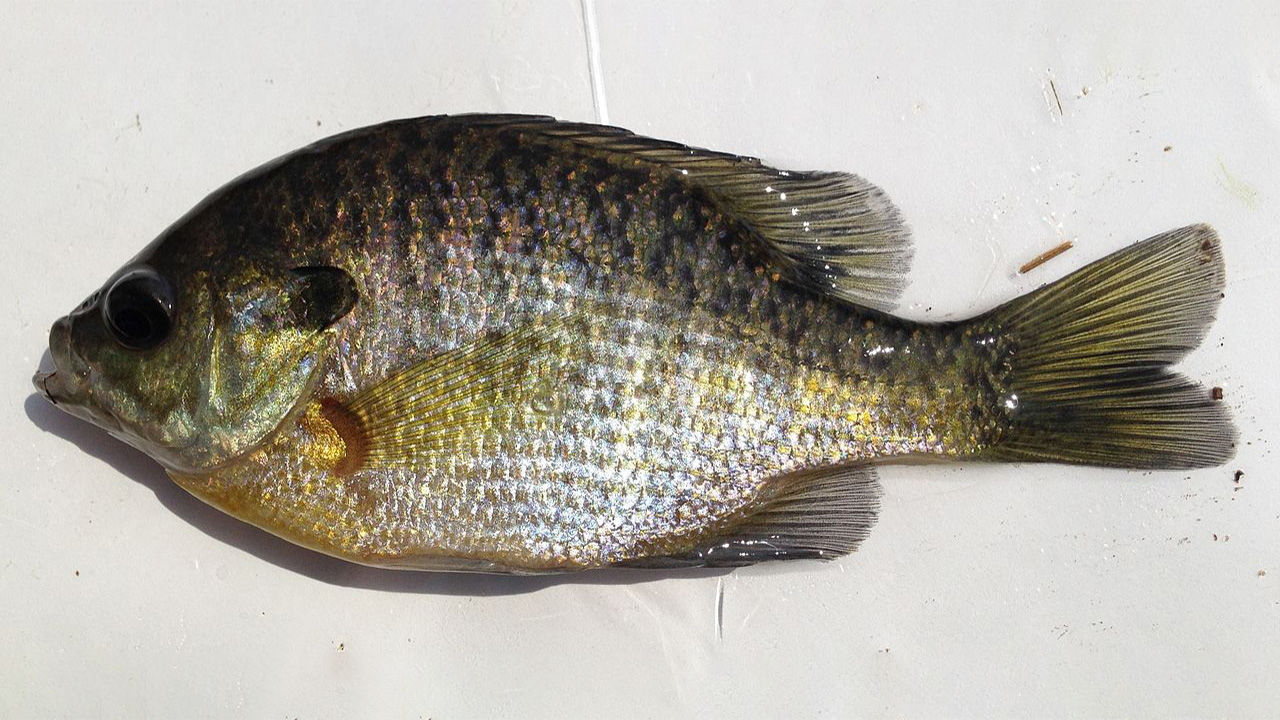
Minnesota DNR says a single female bluegill can deposit more than 50,000 eggs. For a fish that most people think of as small and simple, that is a serious amount of reproductive output.
That heavy egg production is a big reason bluegill can take over a pond when conditions let them. They do not need giant individual fish to create a lot of bluegill fast. If survival is decent and predation pressure is low, the population can thicken up in a hurry and start pushing toward overcrowding.
Bluegill are famous for overcrowding and stunting
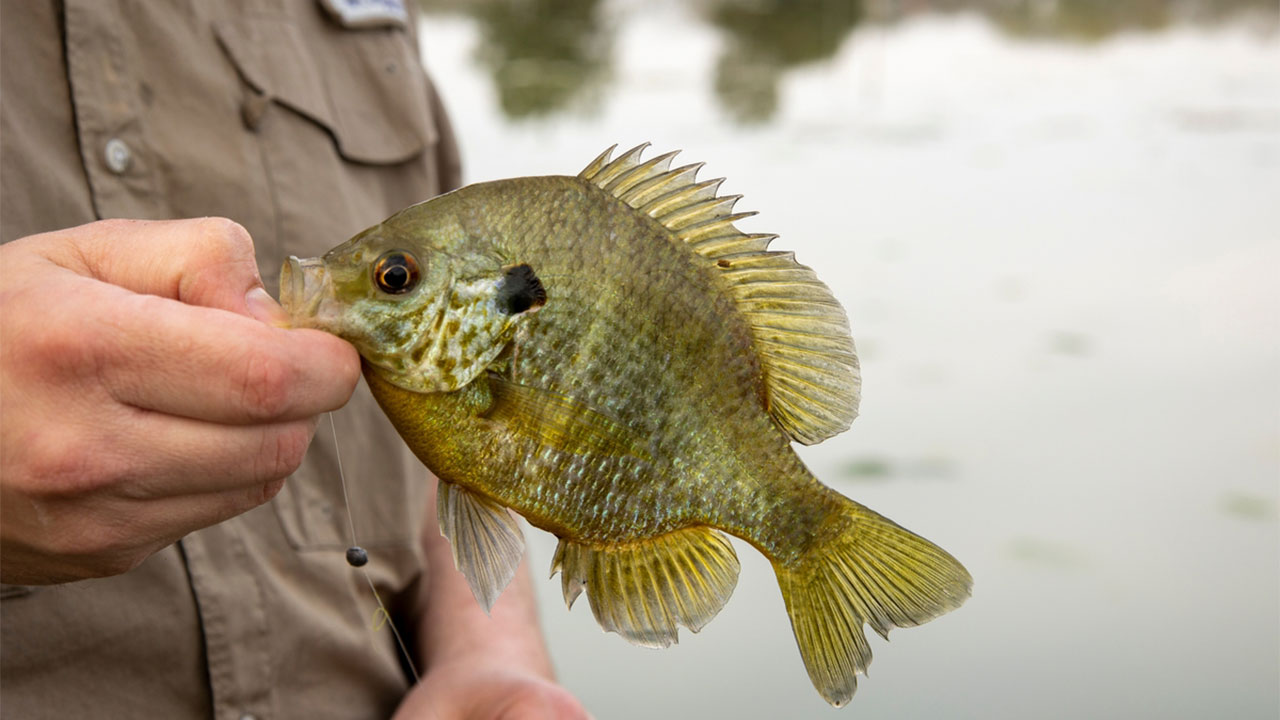
Missouri says that in ponds where predation is reduced by bass overharvest, bluegill can overcrowd and become stunted. That is a big deal because bluegill are one of the classic examples of a fish that can be both fun and frustrating depending on balance in the water.
This is why some ponds seem full of hand-sized dreams and then deliver nothing but little bait stealers. A waterbody can have a ton of bluegill and still be mediocre. Numbers are not the same thing as quality, and with bluegill, too many fish is often exactly what keeps them from getting better.
Bluegill do not do well in muddy water like some other sunfish
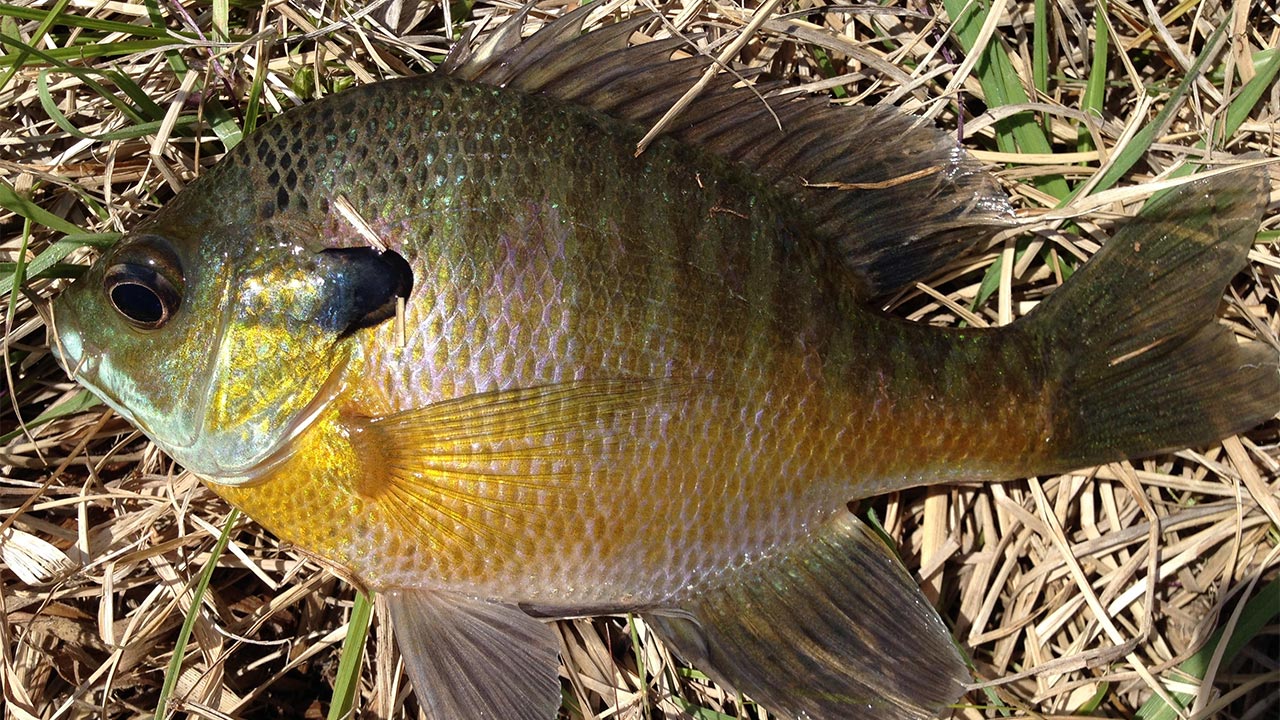
Missouri says bluegill do not tolerate high turbidity and thrive best in warm, clear waters with aquatic plants or other cover. That separates them from fish like green sunfish, which Minnesota notes tolerate greater turbidity and lower dissolved oxygen than bluegill or pumpkinseed.
That helps explain why some ponds always seem to produce better bluegill than others. Water clarity and vegetation matter. The muddy cattle pond that supports a few hardy fish may not ever turn into a standout bluegill spot, while a clearer pond with better cover can hold far better fish.
Bluegill feed at different levels of the water column
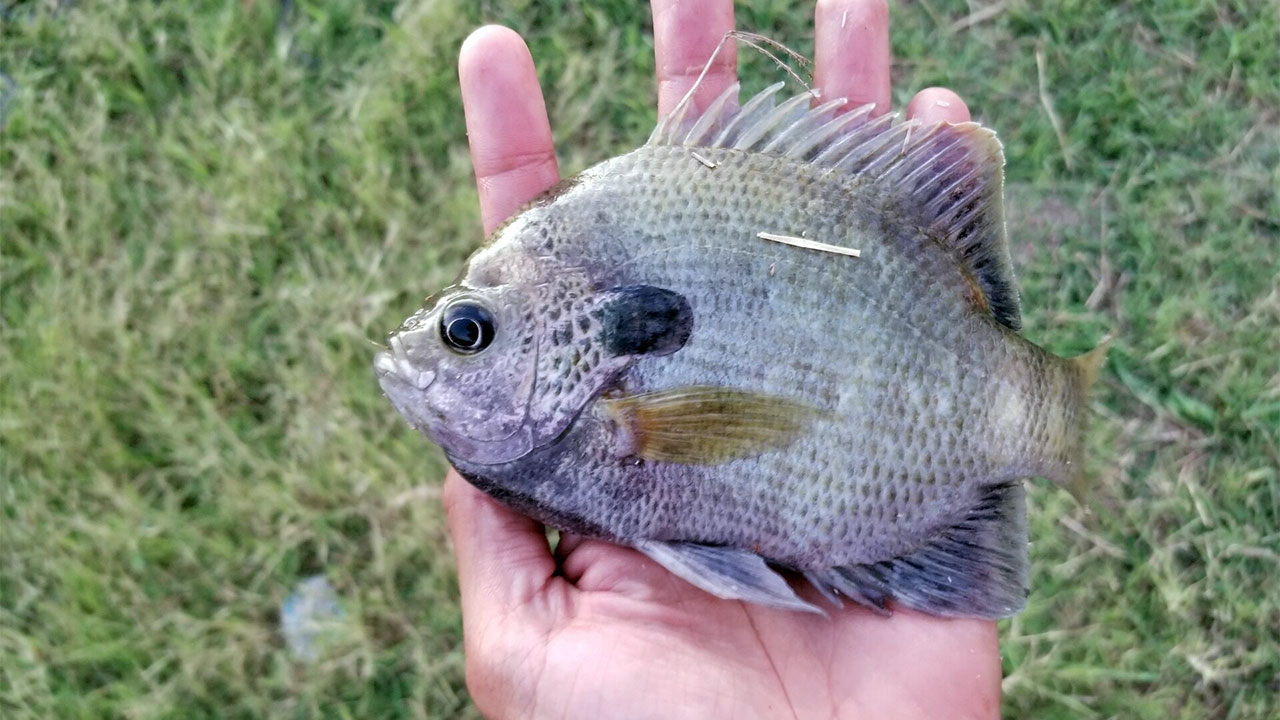
Missouri says bluegill feed by sight at all levels of the water, moving on prey throughout the column. Minnesota adds that young fish often use heavy weeds to avoid predators, while larger fish may swim more freely in open water and feed heavily on drifting zooplankton.
That is one reason bluegill can seem inconsistent if you only fish one depth. They are not always pinned to the bank or buried in cover. Depending on size, competition, and time of day, they may be shallow, deeper, tucked into weeds, or sliding out to feed in open water.
Their mouths are tiny, and that shapes everything
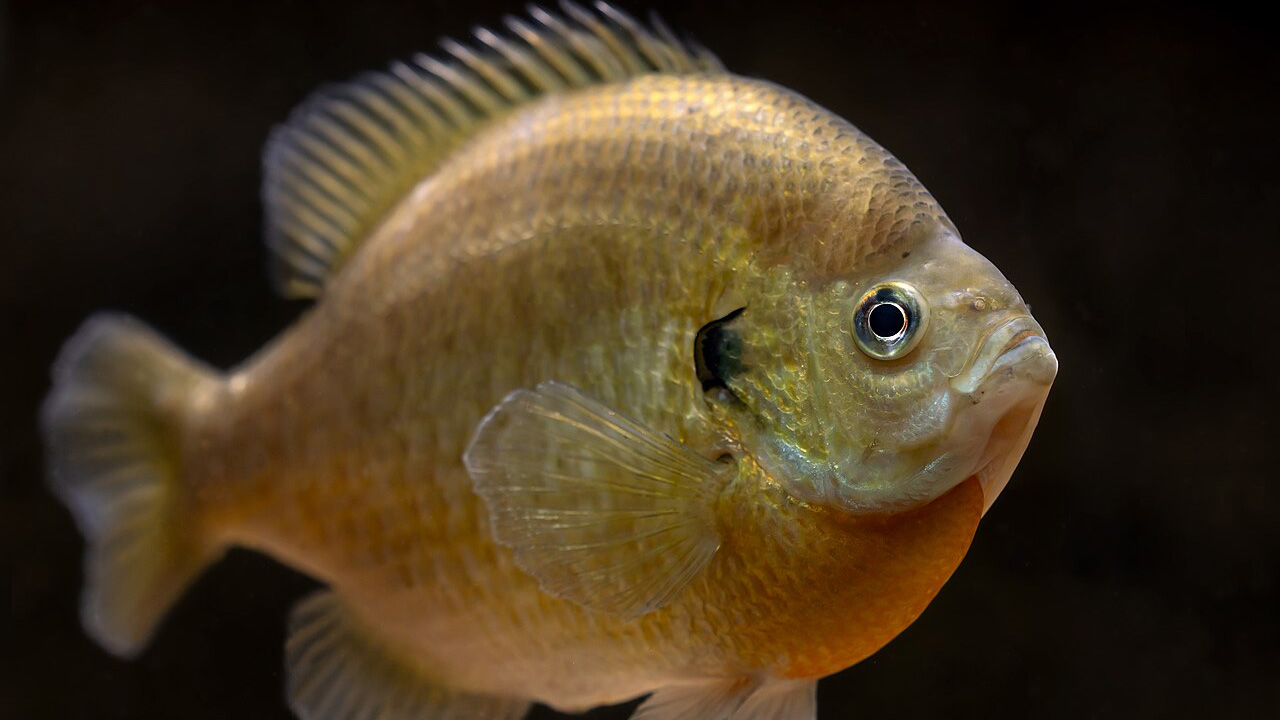
Minnesota says the bluegill’s mouth is small, and Missouri says the small mouth limits what can be eaten. That sounds obvious once you hear it, but it explains a whole lot about how bluegill live. Their prey tends to be smaller insects, crustaceans, snails, and other bite-sized food items rather than big flashy forage.
It also explains why bluegill tackle has to stay small. They are not built to inhale big offerings the way bass are. A lot of the best bluegill fishing comes down to downsizing because their feeding hardware is telling you exactly what kind of meal they are made to handle.
Bluegill can eat their own eggs
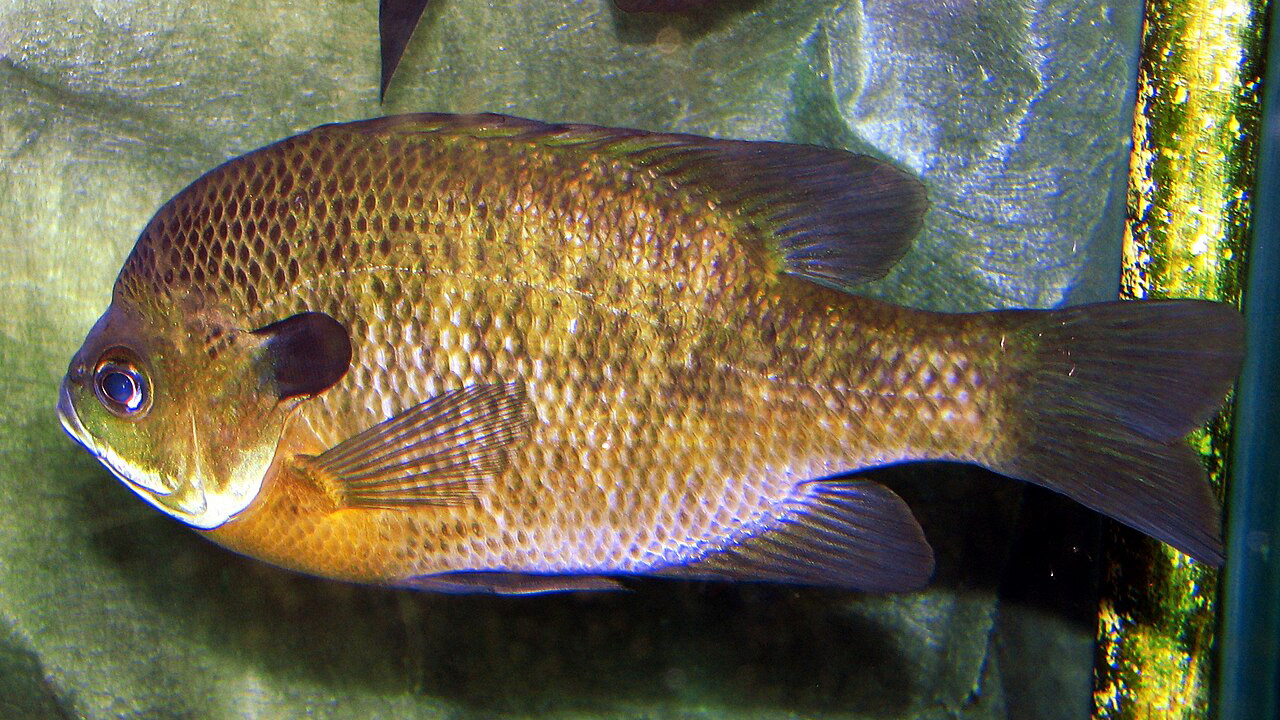
Minnesota says that when food is scarce, bluegill will eat their own eggs. That is one of those facts that sounds wrong the first time you hear it, but it says a lot about how fish behave when energy gets tight.
People like to imagine nesting fish as neat little family pictures, but fish are not sentimental. Bluegill are operating on survival and opportunity. If conditions turn rough enough, even a species known for nest-guarding behavior can start making harsh choices that do not fit the clean story people tell themselves about spawning fish.
Bluegill move deeper or shadier in the middle of the day
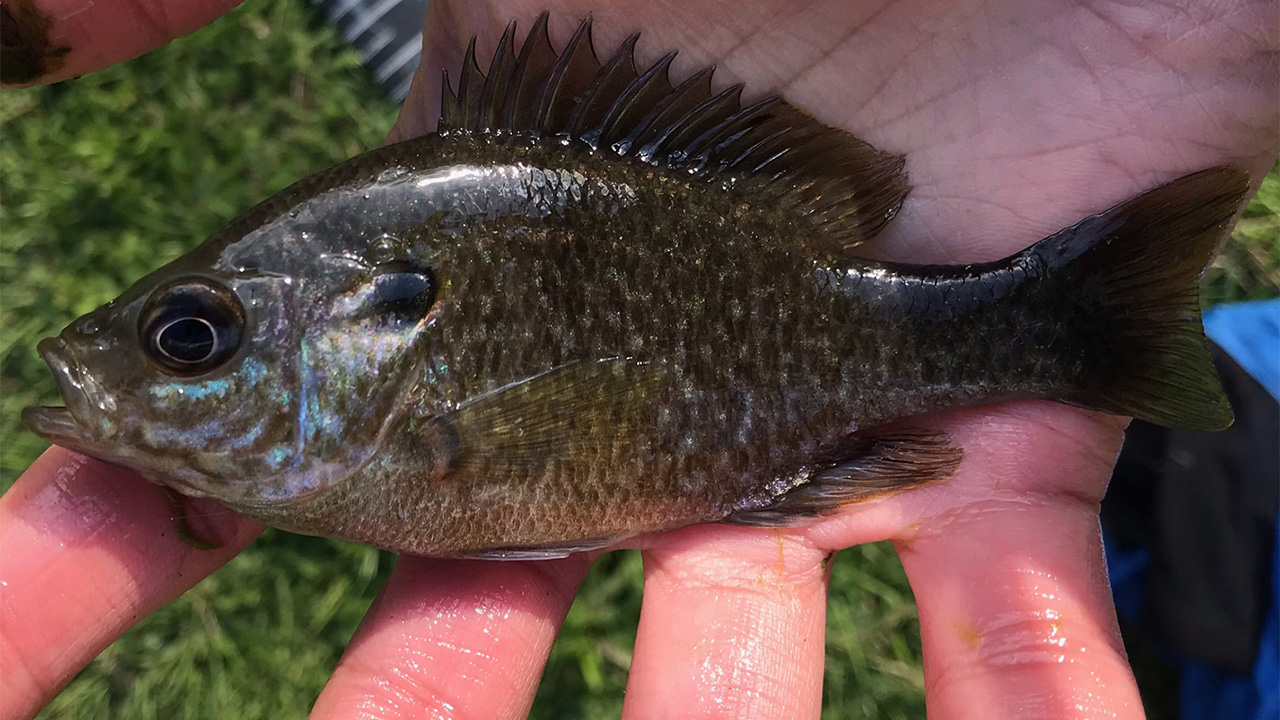
Missouri says bluegill often swim in loose groups of 20 to 30 and tend to move to deeper water or shady spots at midday, then feed in the shallows during mornings and evenings.
That lines up with what a lot of good bluegill anglers already know from trial and error. If you hammer them early around shallow cover and then suddenly the bite falls apart, it may not mean they quit feeding altogether. It may just mean they slid off to deeper or darker places that most casual anglers are not bothering to check.
Some bluegill males are “sneakers” and “satellites”
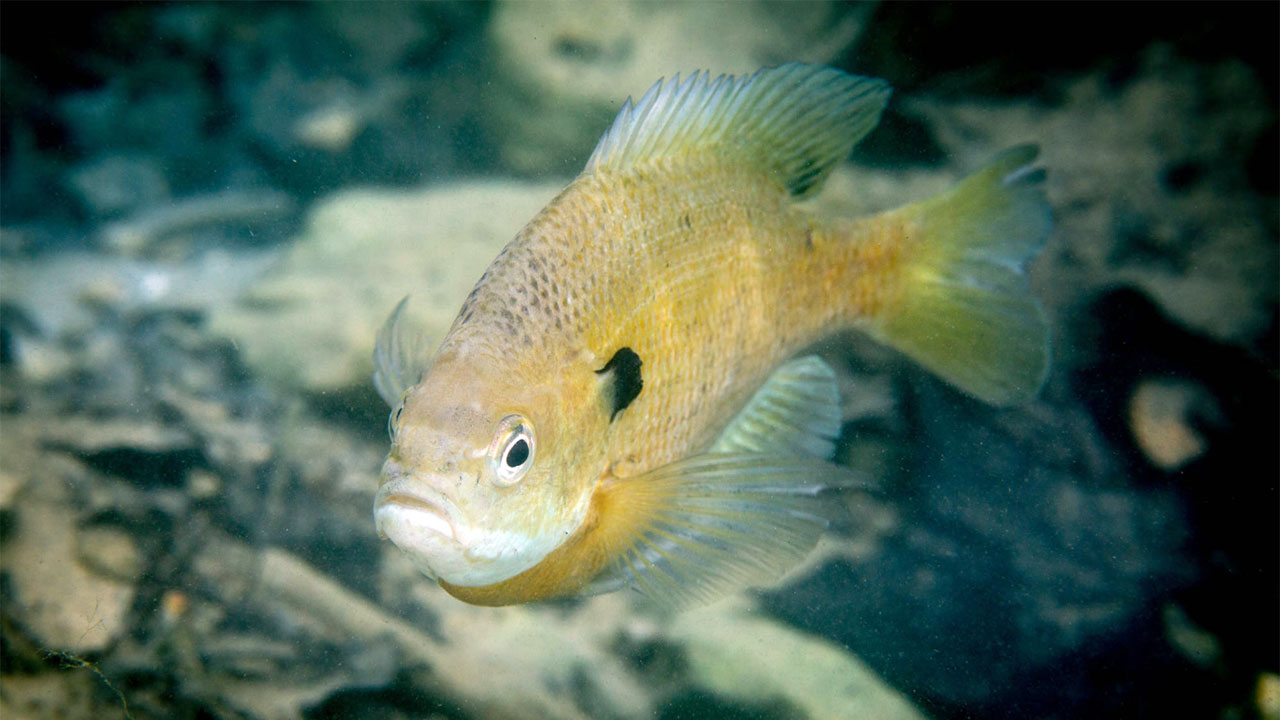
This is one of the weirdest and most interesting things about bluegill. Missouri says certain non-nesting males, called sneakers or satellites, imitate female color patterns and behavior so they can enter nest areas and fertilize eggs without alerting the territorial male. A Minnesota fisheries newsletter explains the same basic setup, noting that territorial “bull” males are not the only reproductive strategy in the species.
That means bluegill spawning is not just a simple story of one male, one nest, and one female. There is real biological gamesmanship going on. Bluegill have multiple reproductive strategies in play, and that helps explain why their life history is more complicated than most panfish conversations make it sound.
Harvesting big males can hurt bluegill size structure
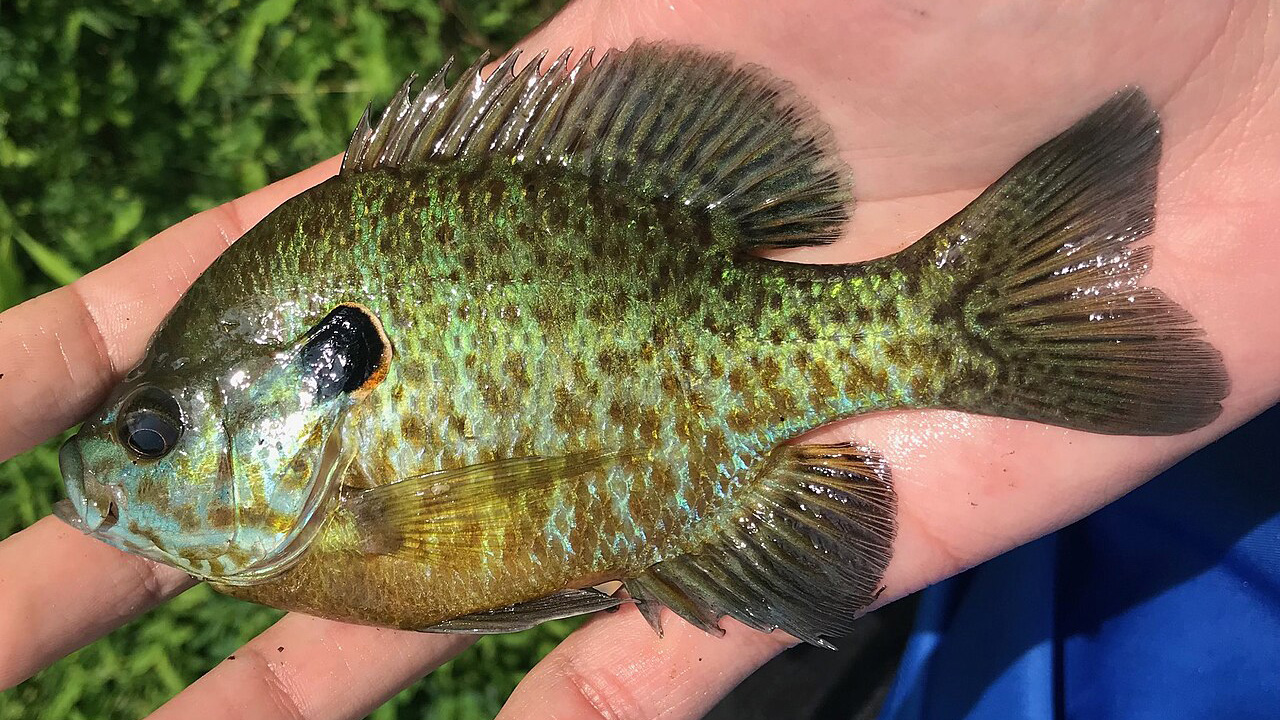
Minnesota fisheries staff say studies have shown angler harvest, especially of large males, can have significant negative effects on bluegill size. The same newsletter explains that territorial males are the nest builders and tend to delay maturation so they can reach larger sizes, which means removing too many of them can shift the population in a bad direction.
That is a bigger deal than a lot of anglers realize. Keeping every big bull off a bed may feel harmless in the moment, but on some lakes it can chip away at what makes the fishery good in the first place. Bluegill are one of those species where harvest decisions can change the size quality people see over time, not just the number of fish in the bucket that day.
Bluegill are one of the key fish in pond management
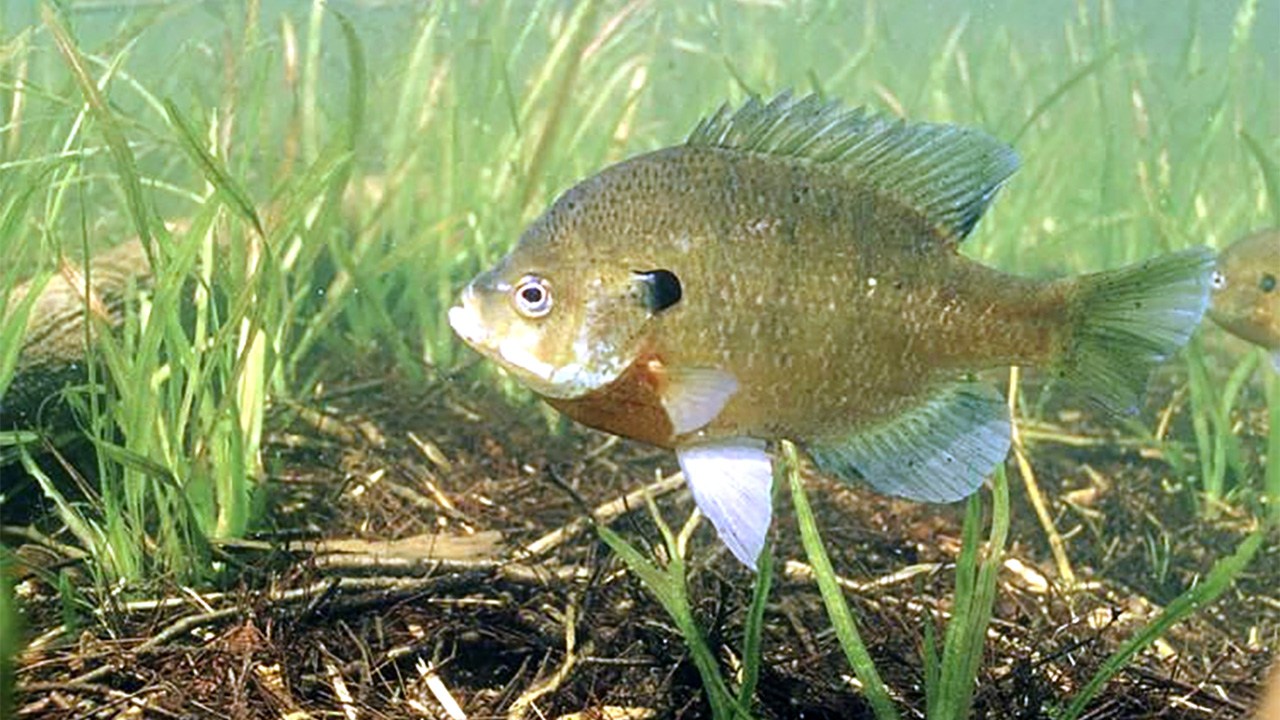
Missouri’s pond guidance recommends bluegill, largemouth bass, and channel catfish as the standard combination for many ponds, and Missouri’s bluegill page says they are almost universally stocked in artificial ponds as forage for largemouth bass.
That tells you bluegill are doing double duty. They are a sport fish on their own, but they are also a major food source that helps a bass pond function. In a lot of managed waters, bluegill are not just there for kids to catch under a bobber. They are one of the main gears in the whole machine.
Bluegill are more widespread than many people realize
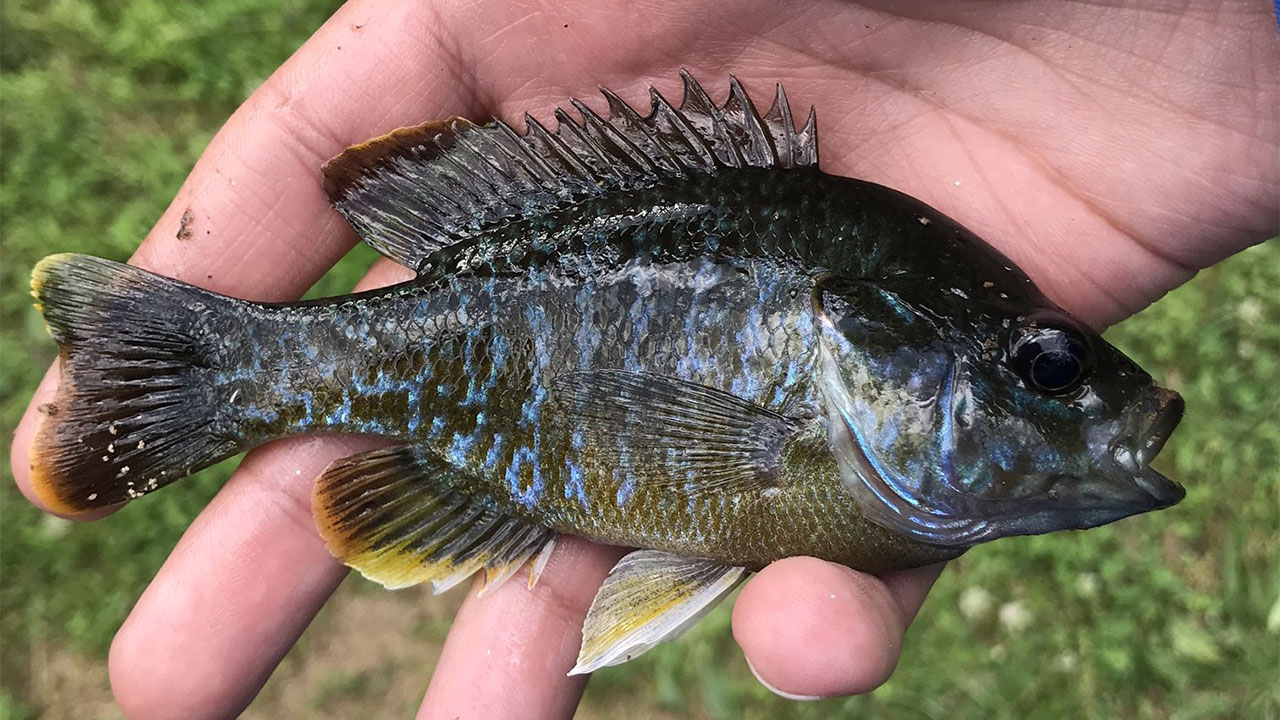
USGS says bluegill are native across a broad swath of eastern and central North America, from the St. Lawrence-Great Lakes and Mississippi basins south to the Gulf, and that they have also been introduced outside that native range. Missouri notes they have been stocked statewide there, and they are now found in a huge range of waters.
That broad spread is why bluegill feel so familiar across the country. A kid with a cane pole in one state and a serious panfish angler in another may both know bluegill well, even if the local water fishes differently. They are one of the most recognizable freshwater fish in America for a reason.
Like The Avid Outdoorsman’s content? Subscribe to our newsletter so you never miss an article.
Here’s more from us: