Photo credit: PhotocechCZ/Shutterstock.com
Out in the field, the animals that hurt people the worst usually aren’t the ones acting wild. They’re the ones standing there quiet, looking “fine,” while you read the scene wrong. A lot of charges start with a calm posture that flips in one heartbeat—because you got too close, blocked an escape route, surprised them in thick cover, or stepped between a mother and her young.
Most wildlife doesn’t want a fight. What you’re seeing is defensive behavior, not some movie-style aggression. The problem is that defensive charges often come with subtle tells: ears pinned, head low, stiff legs, a hard stare, a sudden stop, or that tense side-step that says, “I’m deciding.”
If you hunt, hike, fish, or mess around in backcountry long enough, you’ll run into at least one animal that looks relaxed until it isn’t. These are the ones that are most likely to come at you when you think everything is under control.
Moose

A moose can look like a big, slow lawn ornament right up until you’re inside its comfort bubble. They don’t need a long “run-up” either. A moose can pin its ears, drop its head, and cover ground fast enough to make you feel like you misjudged the distance by a mile.
You see trouble most in the fall rut and in late winter when they’re stressed, hungry, and cranky. Cows with calves can be even less tolerant. If one is staring without blinking, licking its lips, or doing that stiff-leg shuffle, you’re already late. Give it an exit, back out calmly, and stop trying to take the perfect photo.
American bison

Bison have a way of looking calm because they stand there like they own the place. That’s the trap. A bull can appear half-asleep, then explode into a short, violent charge when you push the distance or surprise it on a trail. People read them like cattle, and bison aren’t cattle.
Bison charges tend to happen when folks crowd them, approach from the wrong angle, or get between the animal and where it wants to go. The warning signs can be subtle: a head swing, a side-on stance, a tail flick that stays tight, and that “locked” posture where it stops grazing and focuses on you. If you’re thinking, “It looks fine,” you’re already too close.
Elk
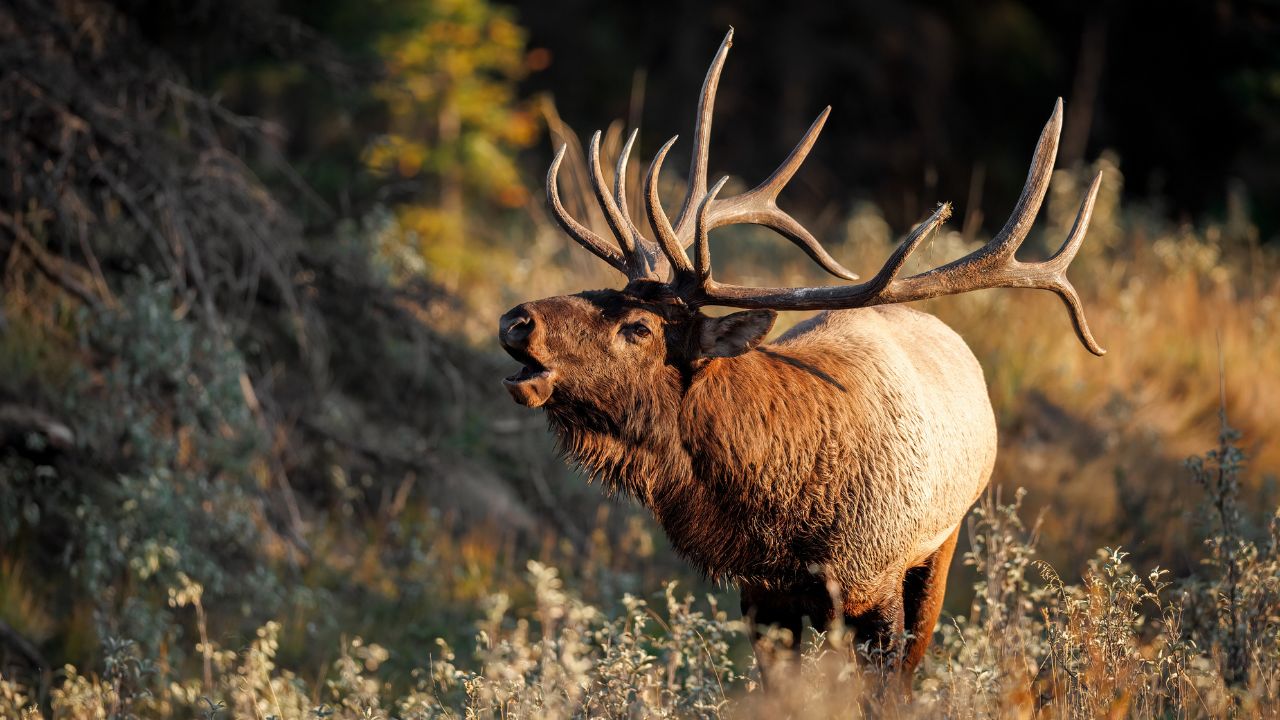
Elk are usually trying to leave, not fight. The problem is that a bull in the rut can look calm while he’s measuring you. He may stand broadside, head high, acting like a statue. Then he decides you’re a threat and comes in with ears back and head low.
Cows can be worse in their own way when calves are around. An elk doesn’t need to stomp and snort for ten minutes to be dangerous. Thick timber, tight trails, and surprise encounters are where people get rushed. If an elk is stiff, staring, or doing short steps that keep it squared up to you, start backing out. Give it space to turn and leave without feeling cornered.
Pronghorn
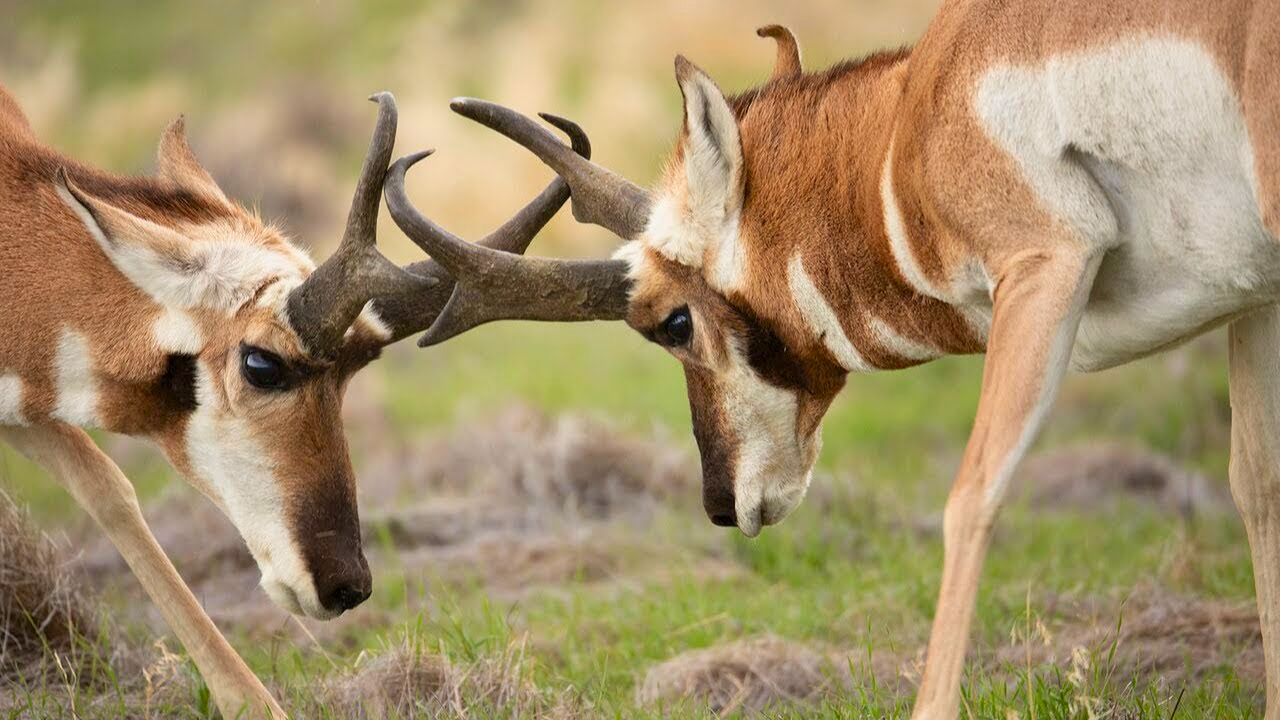
Pronghorn don’t look like an animal built for conflict, which is why people underestimate them. Most of the time they’re gone before you can blink. But a buck that’s wired up in the rut can do a sudden, fast rush that feels like it came out of nowhere, especially if you’re too close to does or you surprise him at a fence line.
Their “calm” can be a freeze response while they decide whether to bolt or confront. If a buck is staring hard, keeping his body angled toward you, and not choosing the obvious escape route, treat that as a warning. Give him room and don’t drift closer while you’re watching him. With pronghorn, the danger zone shows up when you assume they’ll always run.
Wild hogs and feral boar

A hog can look like it’s minding its own business with its nose in the dirt. Then you realize it’s actually keyed up, and the first sign is it coming in low and fast. Thick brush, palmettos, creek bottoms, and cattails are where people get surprised, and that’s where hogs feel bold.
Boars don’t always give you the dramatic warning people expect. You might get a quick jaw pop, a stiff pivot, or that sudden stop where it faces you square. Sows with piglets are another story, and they can commit hard when they feel crowded. If you bump hogs at close range, don’t try to “stand your ground” for pride. Get a tree, get out of the lane, and give them space to leave.
Black bears
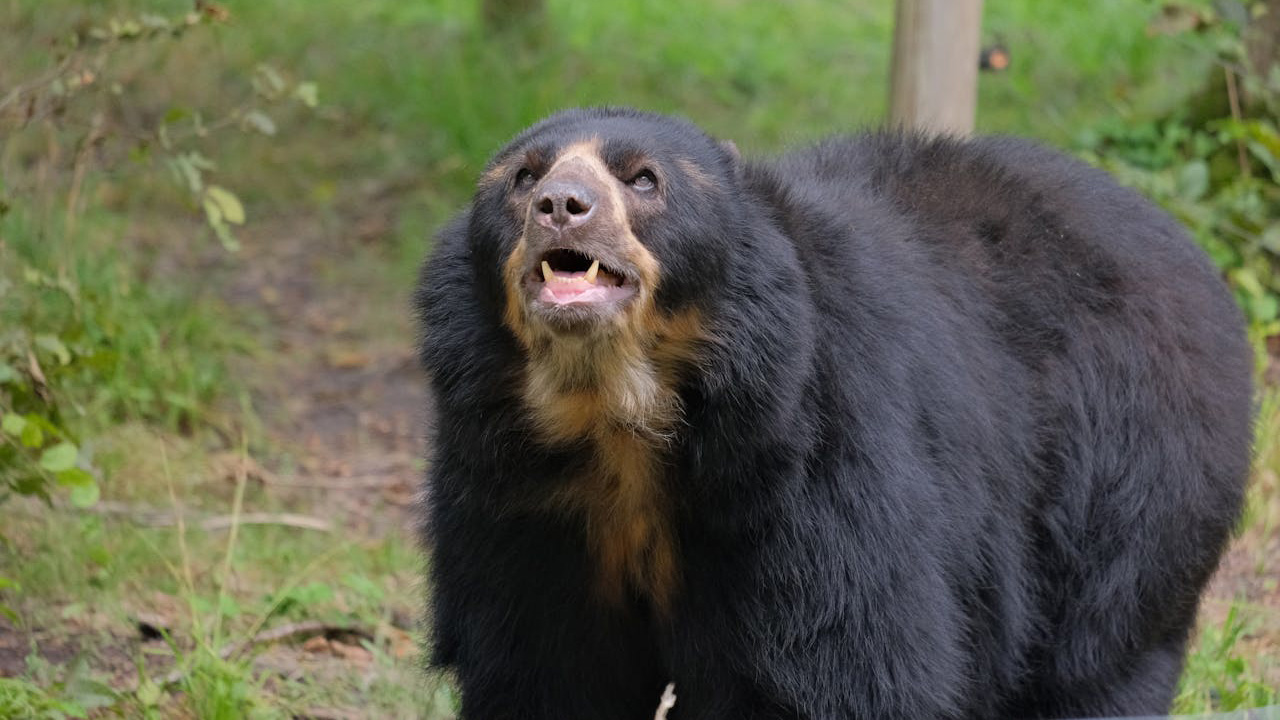
Black bears often look calm because they’re curious. That curiosity gets people in trouble. A bear that’s standing, sniffing, or slowly walking your way can look harmless until it decides it doesn’t like your position or it realizes you’re between it and cover. Charges can be defensive, fast, and over in seconds.
The biggest risk is close-range surprise—thick brush, blind corners, noisy creeks, or wind in your favor so it never smelled you. Sows with cubs can change gears instantly, and a “calm” posture can be a bear trying to figure out whether to flee or push you off. If a bear is huffing, popping its jaws, swatting the ground, or false-charging, you need distance now, not later.
Brown bears and grizzlies

A grizzly can look calm while it’s deciding whether you’re a problem. That’s the part people misread. A bear that stands still, head swinging, sniffing the air, can be loading the spring. Defensive charges happen fast, and they’re often triggered by surprise at close range, a carcass nearby, or a sow guarding cubs.
Grizzlies give warnings, but they don’t always look like “rage.” You might see ears laid back, a lowered head, a stiff-legged walk, or a quick woof. If the bear is holding ground instead of leaving, take it seriously. Don’t run. Start backing away, angle out of its path, and keep your movements controlled. Your goal is to look non-threatening while giving it a clear route to disengage.
Mountain goats

Mountain goats look almost tame in some high-country spots because they’re used to seeing people. That’s exactly why they can be dangerous. A goat can stand there calm, staring, then rush when it thinks you’re crowding it off a ledge, challenging it, or blocking its line of travel.
The warning signs are easy to miss: a fixed stare, a squared stance, head slightly lowered, and short, deliberate steps that keep the goat facing you. Goats also have a nasty habit of defending personal space with horns that don’t need much momentum to do damage. Give them room, especially on narrow trails and around salt sources. If a goat isn’t leaving, it may be telling you it expects you to move instead.
Musk ox
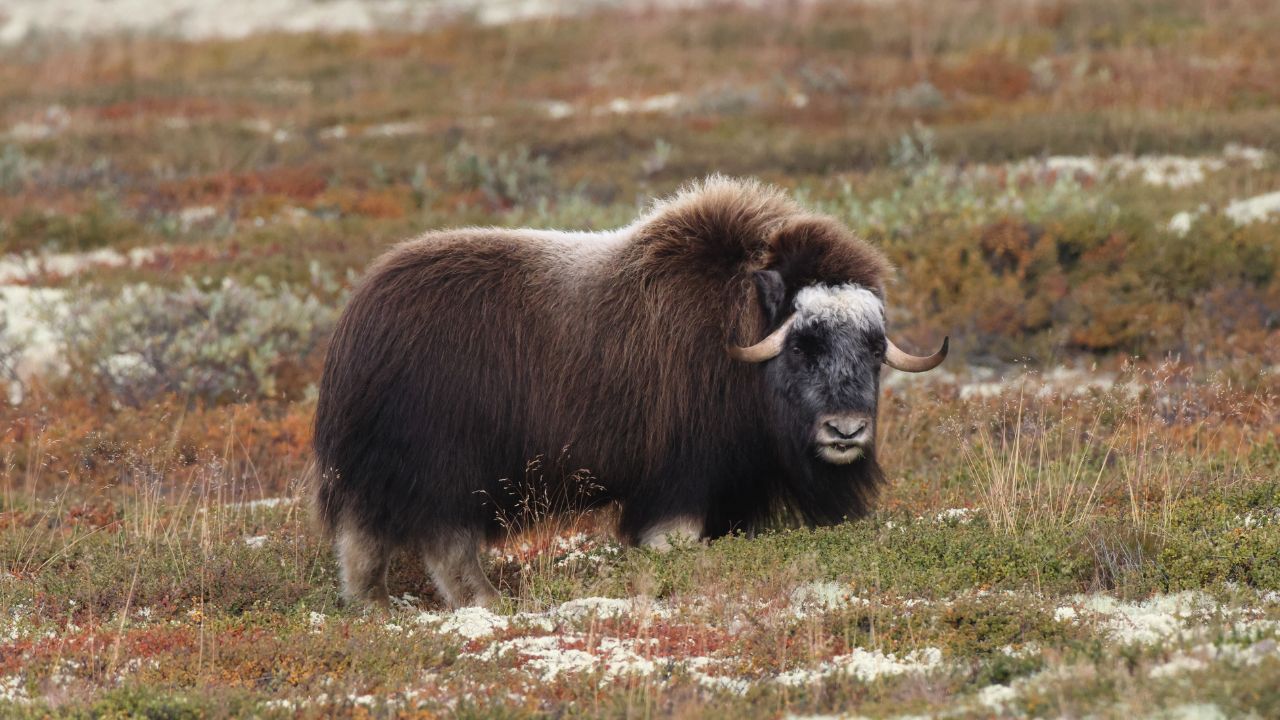
Musk ox don’t show up in everyone’s backyard, but when you’re in their country, they deserve respect. They can look calm because their defense is confidence. They’ll stand there heavy and unmoving, and you’ll think they’re passive. Then they decide you’re too close and come at you like a living battering ram.
They’re protective of calves and they react strongly when you close distance in open ground with no easy escape for them. If a musk ox is facing you head-on, holding position, and not drifting away, treat that as a boundary line. The charge can be short and violent, with very little warning. Your best move is to increase distance early and avoid forcing a confrontation where they feel they have to drive you off.
African cape buffalo

Cape buffalo have a reputation for a reason. They can stand there looking calm—head low, chewing, barely moving—while you’re thinking the situation is under control. Then one step too close, one wrong angle, or one surprise movement, and you’re dealing with a charge that doesn’t feel defensive so much as decisive.
Buffalo are heavy, fast, and stubborn once they commit. They also don’t always “signal” like you want them to. A still, watchful buffalo can be more dangerous than one that’s milling around. If you’re in buffalo country, you treat distance as a safety tool, not a courtesy. You don’t crowd them, you don’t linger in their lanes, and you don’t assume calm behavior means a calm outcome.
Hippo

Hippos look relaxed because they spend so much time floating like big, lazy rocks. That image gets people hurt. A hippo can switch to a charge on land faster than most folks believe, especially if you’re near a riverbank, between it and water, or moving along a path it uses at night.
The danger is that their “calm” is often them tolerating you, not accepting you. They’re territorial and they take intrusion personally. If you see one staring, yawning wide, or making short, stiff movements toward you, it’s not showing off—it’s giving you a warning. On water, give them huge space. On land, don’t assume you can out-run or out-maneuver them. Avoid the situation before it starts.
Elephants

An elephant can look calm because it’s huge and unhurried. It may stand quiet, feeding, barely acknowledging you. Then you notice it’s actually focused, ears out, head angled, testing you. Charges can be bluff or real, and either one can kill you if you guess wrong.
Elephants charge when they feel crowded, when calves are near, or when they’ve had bad experiences with people. The warnings can be ear spreading, head shaking, trunk curls, and that forward lean where it suddenly looks “taller.” If an elephant stops feeding and squares up, that’s your cue to increase distance and change your line. Don’t force it to decide. Give it room to go where it wants without feeling like it has to move you.
Rhinoceros

Rhinos can look calm because they often stand there like they’re half asleep. The problem is that their eyesight is poor, and a lot of charges start with confusion. You move, the wind shifts, it hears you, and it charges what it thinks is a threat. The calm posture you saw was never “approval.”
If you’re in rhino country, the safest assumption is that they’ll react hard if surprised or approached. A rhino may snort, paw, or pivot abruptly, but it can also come without much warning. Thick brush makes it worse because both of you lose information. Your best move is distance, quiet movement, and avoiding sudden shifts that make you seem like a predator. The charge is often a decision made in seconds.
Alligator

Alligators aren’t known for long pursuit charges, but they absolutely can lunge with shocking speed when you think they’re calm. A gator sitting still at the surface or on a bank looks like it’s doing nothing. That “nothing” can be a feeding posture, especially around people, pets, fish-cleaning areas, and busy shorelines.
The danger zone is the edge: shallow water, muddy banks, and the first few feet where you step closer for a better look. A gator can go from motionless to on you in a blink, and you won’t get a second chance to rethink it. If you’re near water in gator country, don’t kneel at the edge, don’t let kids or dogs roam, and don’t assume stillness equals safety.
Whitetail doe with fawns

People laugh at deer as harmless, right up until a doe decides you’re too close to her fawns. She can look calm—head down feeding, ears flicking—while she’s actually tracking every move you make. Then she comes in with stomps, head jabs, and a fast rush that catches you off guard.
This happens most in late spring and early summer when fawns are hidden in grass or brush and the doe is wired to defend them. The “calm” is her trying to figure out whether you’re leaving. If she starts blowing, stomping, or holding eye contact while stepping your direction, you’re inside her line. Back out the way you came and give her room. You don’t want to teach her that charging works, either.Thought for 17s
Like The Avid Outdoorsman’s content? Subscribe to our newsletter so you never miss an article.
Here’s more from us: