Photo credit: We Care Wild/Unsplash.com
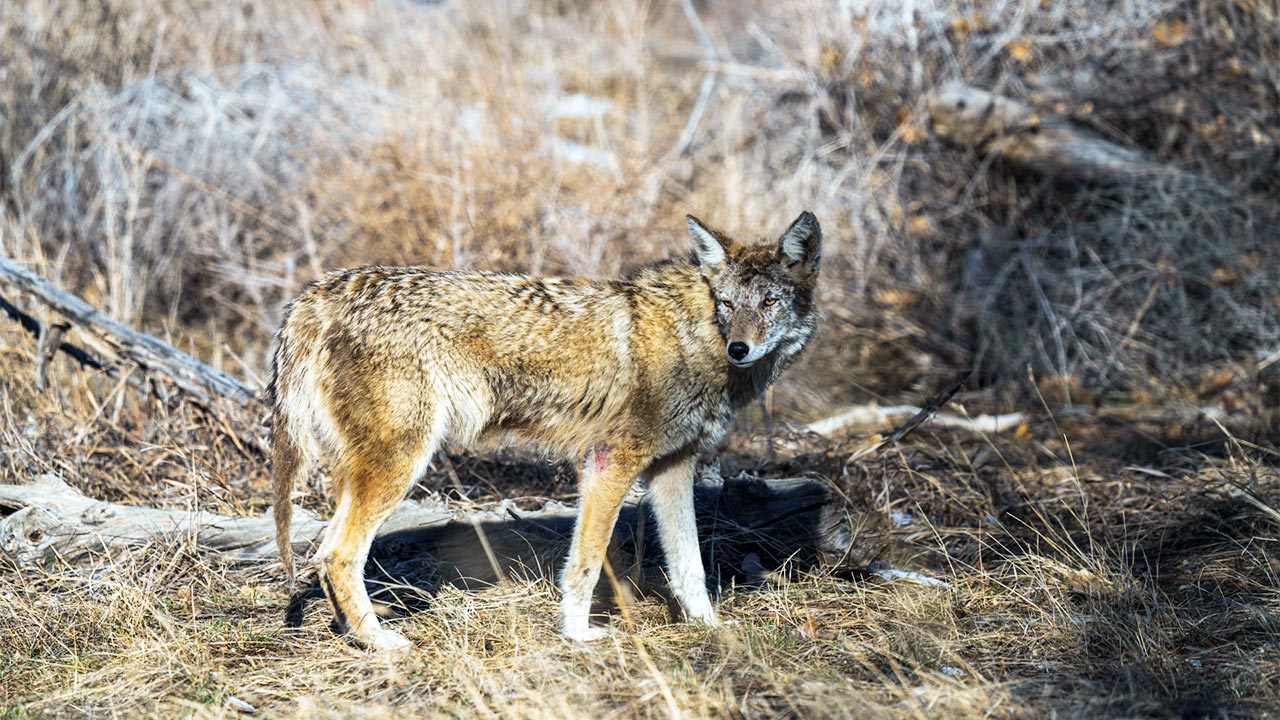
Coyotes are the animal everybody has an opinion on, and half of those opinions are built on one sighting, one news story, or one buddy’s “I heard.” The truth is they’re one of the most adaptable predators on the continent, and they keep winning because they can live on scraps, hunt smart, and learn human patterns fast. If you hunt, trap, run dogs, or even live on the edge of town, understanding coyotes is less about trivia and more about knowing what you’re actually dealing with.
1) Coyotes aren’t “just a western animal” anymore

Coyotes used to be strongly associated with the West, but their range expanded massively over the last century, and now they’re established across most of North America, including big chunks of the East. The reason isn’t magic—it’s opportunity. When landscapes got broken into farms, suburbs, and edge habitat, coyotes got more food lanes and more cover, not less. Add fewer wolves in many regions and a steady supply of rodents, rabbits, deer carcasses, and human leftovers, and you get a predator that can move in and stay. If you still think “we don’t have coyotes here,” your trail cams and your neighbor’s missing barn cats probably disagree.
2) Coyotes live closer to people than most folks realize

A lot of coyotes you “never see” are living right along your routines: creek corridors behind neighborhoods, drainage ditches, powerline cuts, golf course edges, or brushy strips between pastures. They don’t need wilderness. They need a travel lane, a den spot, and food. The reason people get shocked is coyotes are good at timing—moving when you’re asleep, cutting across open areas fast, and holding tight during daylight when pressure is high. If you’ve got rabbits, squirrels, feral cats, outdoor pet food, or trash access, coyotes can live nearby without being obvious. You don’t notice them until they start testing the edges of your comfort zone.
3) Coyotes eat far more than “meat”

People love calling coyotes strict predators, but they’re really opportunists. They’ll hammer rodents and rabbits, take fawns, and also eat fruit, insects, and carrion when that’s what’s available. That flexibility is one of their biggest advantages. It also explains why “coyote sign” spikes in certain seasons—like when persimmons drop, when corn gets cut, when mice boom in hay fields, or when deer season leaves gut piles. If you’re trying to predict coyote movement, think like a scavenger and a hunter. Food sources shift, and coyotes pivot with them. That’s why the same property can be “full of coyotes” one month and quiet the next.
4) Coyotes can change their schedule to avoid pressure

Coyotes don’t run on a fixed clock. They run on risk. In low-pressure country, you can see them in daylight, trotting field edges like they own the place. In high-pressure areas, they turn more nocturnal and use thicker routes. This matters for calling and hunting because the biggest mistake is assuming coyotes aren’t around just because you don’t see them mid-day. In many places, coyotes shift movement to the first and last light windows, then spend daylight tucked into cover where you’d never notice them. They also learn human patterns—school bus times, dog-walking times, and when the back porch lights go out—then move when it’s safest.
5) Coyotes can run down prey, but they win more with efficiency than speed

Coyotes can move quick when they need to, but their real strength is efficient travel and smart positioning. They use wind, cover, and terrain to get close without burning energy. You’ll see this in how they work a call: circling downwind, using a creek bed to approach, hugging the brush line until the last moment. People blame “educated coyotes” when the truth is coyotes are doing what they’re designed to do—minimize risk and maximize payoff. If a coyote commits straight in, that’s often a younger or less pressured animal. The older ones tend to take their time, test the wind, and use the landscape to keep an exit route.
6) Coyotes are good parents, and that changes their behavior hard

During pup season, coyotes get more territorial, more vocal, and more aggressive about defending a core area. That’s when you’ll see bold behavior: daytime movement, hanging closer to den cover, and more willingness to confront perceived threats. It also changes their feeding patterns. A pair with pups has to bring back food regularly, which can create predictable travel lanes. On the flip side, this is also when people get into trouble with pets, because a coyote defending pups can treat a dog like a threat, not prey. Knowing the seasonal behavior shift matters a lot more than people think, because it explains why “the coyotes got bold this month” isn’t random.
7) Coyotes can form pairs, family groups, or run solo depending on the situation

The lone “song dog” image isn’t wrong, but it’s incomplete. Coyotes adjust their social structure based on food, pressure, and time of year. You can have a bonded pair running a territory, a family group with older pups helping, or lone dispersers cruising for a new spot. That’s why you’ll sometimes hear a whole chorus in one area, then only see singles later. It’s also why control efforts can feel inconsistent: removing one animal doesn’t automatically solve anything if the area supports a stable food base. Another coyote can slide in and occupy that space, especially if the habitat is good and the pressure is low.
8) Coyotes can travel farther in a night than most people assume

A coyote’s world is bigger than one property. They can cover miles in a night, checking multiple food sources, moving between cover blocks, and using corridors you never think about. That’s why people swear “the same coyote” is hitting three different neighborhoods—sometimes it really is. This also matters for hunters who call the same field every weekend and wonder why it goes cold. Coyotes pattern you, and they also have options. If a corn field stops producing mice, they’ll shift to a creek bottom. If someone starts shooting at them, they’ll change their route. Coyotes don’t stay loyal to your favorite spot.
9) Coyotes will take pets, but it’s usually predictable when it happens

The ugly truth is coyotes will take small pets when the opportunity lines up—especially cats and small dogs. But it’s rarely random. It’s usually tied to low light, easy access, no supervision, and repeated habits that create a routine: letting pets out alone at night, feeding outside, leaving trash accessible, or having a backyard that borders cover. Coyotes are risk managers. If taking a pet becomes easy and low-risk, they’ll keep doing it. If it becomes annoying and risky—lights, supervision, fencing, removal of attractants—the odds drop. The mistake people make is thinking “it won’t happen here” until it does.
10) Coyotes are one reason deer season can look different year to year

Coyotes get blamed for every missing deer, but they can absolutely affect fawn recruitment in certain habitats, especially where cover is limited and fawning areas are predictable. Coyotes also clean up weak animals and carcasses, which changes how much sign you see and how fast a dead deer disappears. The bigger picture is this: coyotes are part of the pressure stack. Habitat, weather, doe density, and predation all mix together. If fawn survival drops and coyotes are thick, you’ll feel it in a couple years. Hunters who ignore that connection end up confused when a place that “always had deer” suddenly feels thin.
11) Coyotes aren’t “always rabid” when they’re seen in daylight

Daytime coyotes can be totally normal—especially in winter, during pup season, or in areas where they’ve learned people don’t bother them. Rabies is a real concern with wild canids, but you don’t diagnose rabies based on the clock. The real warning signs are abnormal behavior: stumbling, circling, confusion, extreme aggression, approaching humans with no fear, or visible neurological issues. If you see that, you treat it as a safety problem and get authorities involved. But a healthy-looking coyote trotting a pasture at 10 a.m. doesn’t automatically mean disease—it often means it feels safe, it’s hungry, or it’s moving between cover.
12) Coyotes can learn sounds, patterns, and locations fast

This is why some coyotes feel “impossible” after a few calling setups. Coyotes can associate pressure with sounds and places. If you call from the same fence corner with the same sound at the same time window, you’re teaching them. They may not “know” what a call is in a human sense, but they learn that the pattern equals danger. The fix isn’t always “call softer” or “use a new sound.” It’s changing your approach: different wind, different access route, different setup location, different timing, and not blowing a coyote out before you ever see it. Coyotes are quick learners because the ones that learn survive.
13) Coyotes can use surprisingly small cover to disappear

People think coyotes need thick timber to hide. Not true. A shallow ditch, a strip of weeds, a brush pile, or a fold in terrain can hide a coyote that’s laying low. That’s why you’ll glass a pasture and swear there’s nothing there, then a coyote stands up like it grew out of the ground. It’s also why people get close encounters near homes. Coyotes use drainage corridors and micro-cover like highways. If your property has a creek line with brush, a ditch behind the fence, or a patch of tall weeds, you’ve got a travel lane even if everything looks “open” to your eyes.
14) Coyotes aren’t replacing wolves, but they fill gaps when wolves are absent

Coyotes and wolves have a complicated relationship. In many places, wolves suppress coyotes through direct competition. Where wolves are absent or limited, coyotes often expand and act as the top everyday predator people notice. That doesn’t mean coyotes are “better” predators than wolves. It means coyotes are better at living in the human-shaped landscape that exists now. They thrive in edge habitat and mixed land use, and they can adapt quickly to changing pressure. That’s why coyote management becomes a constant topic in areas without large predator pressure above them.
15) Coyotes aren’t going away, so the smart move is learning the real patterns

Coyotes are here because they fit. They can eat almost anything, move through human country, raise pups successfully, and adjust their schedule to avoid trouble. That’s why “we need to wipe them out” talk never matches reality. The more practical approach is understanding what attracts them, where they travel, how they use wind and cover, and how season changes their behavior. If you hunt them, you’ll do better when you stop treating them like a random nuisance and start treating them like a capable predator. If you live around them, you’ll have fewer problems when you remove attractants and don’t let your routines turn into their routines.
Like The Avid Outdoorsman’s content? Subscribe to our newsletter so you never miss an article.
Here’s more from us: