Photo credit: Peter Paplanus, CC BY 2.0/Wiki Commons
Garages are basically the perfect “in-between” space for snakes: dark corners, stacked clutter, gaps under doors, and—most importantly—rodents. If you’ve got mice, you’ve got snakes eventually, and the venomous ones are no exception. Nationally, the venomous snake groups people run into in the U.S. are rattlesnakes, copperheads, cottonmouths (water moccasins), and coral snakes.
The pattern is pretty consistent: a hot week (snakes looking for cooler shade), a cold snap (snakes looking for stable temps), heavy rain (snakes getting displaced), or a sudden rodent boom (snakes following food). The states below are ones where venomous species are common enough—and neighborhoods/woodlines/waterways overlap enough—that “snake in the garage” calls are not rare.
1) Texas

Texas checks every box: you’ve got multiple venomous groups (copperheads, cottonmouths, rattlesnakes) spread across a huge range of habitat, and TPWD treats venomous snake safety as a routine topic because the overlap with people is so normal. In a Texas garage, the usual setup is pretty simple—gaps under the door, clutter along the walls, and something like bird seed, pet food, or spilled grain pulling in mice. That’s the real magnet. The “fix” that actually helps is boring: weather stripping, tight door sweeps, seal gaps around pipes, keep the floor clear along the edges, and store anything edible in sealed containers. You don’t have to turn the garage into a laboratory—just remove hiding spots and rodent food.
2) Oklahoma

Oklahoma has enough venomous species that ODWC puts out dedicated materials on snakes statewide, including cottonmouths and multiple rattlesnakes, and OSU Extension specifically calls out copperheads as common in the eastern half of the state. Garages become a problem when people pile up boards, old feed sacks, tarps, and storage totes right against the wall—those “tight spaces” are exactly what snakes like, especially if the garage stays cooler than the yard. In OK, a lot of bites happen when someone grabs yard debris or reaches into a spot they can’t see well. Treat your garage like a “hands-first danger zone”: move things with a broom or tool, turn lights on, and don’t go barefoot in there at night.
3) Georgia
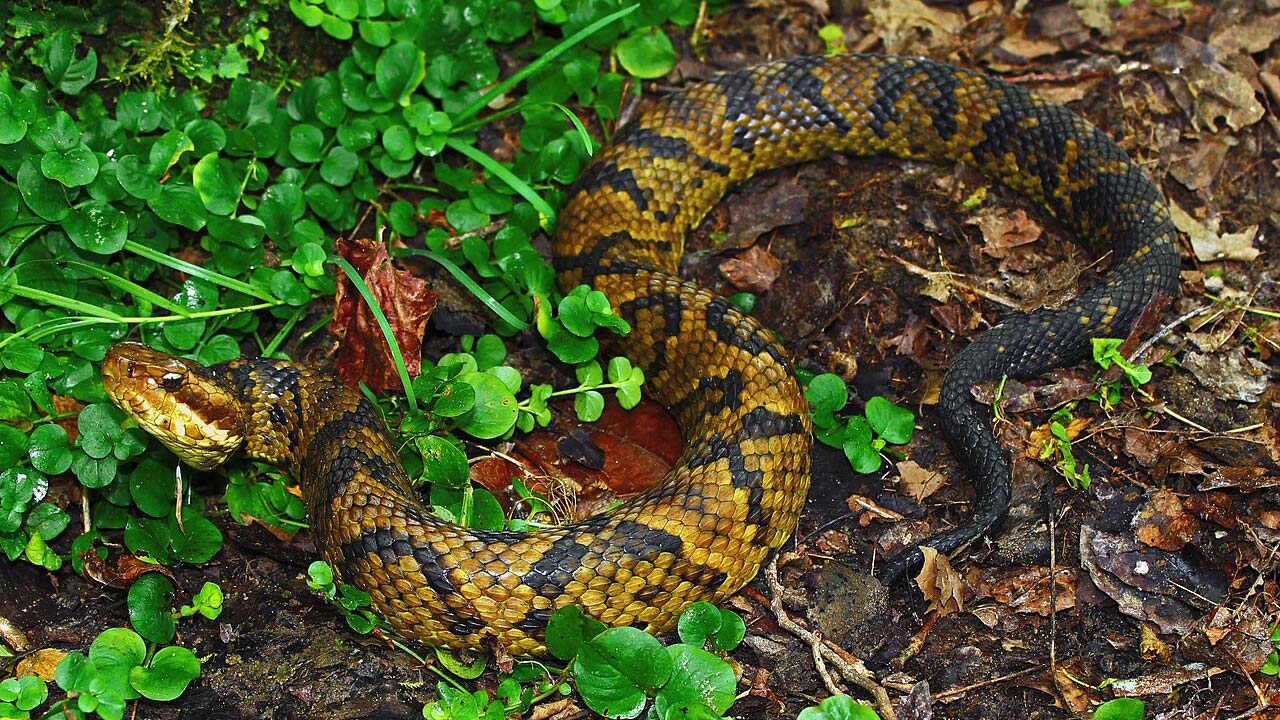
Georgia DNR’s own “venomous snakes of Georgia” materials make it clear the state has multiple venomous species (including copperheads and cottonmouths), which is why garages near woods, creeks, or overgrown lots can get surprise visitors. The “garage snake” situation in Georgia usually starts with a prey chain—lizards and mice hang around the garage because it’s stable and protected, then snakes show up because that’s dinner. The fastest way to cut down risk is to reduce the reason snakes come close: stop leaving pet food outside, clean up spilled bird seed, keep grass/weeds trimmed near the slab, and don’t store junk right up against exterior walls. If you’ve got gaps around the garage door corners, fix those first—snakes don’t need much space.
4) Florida
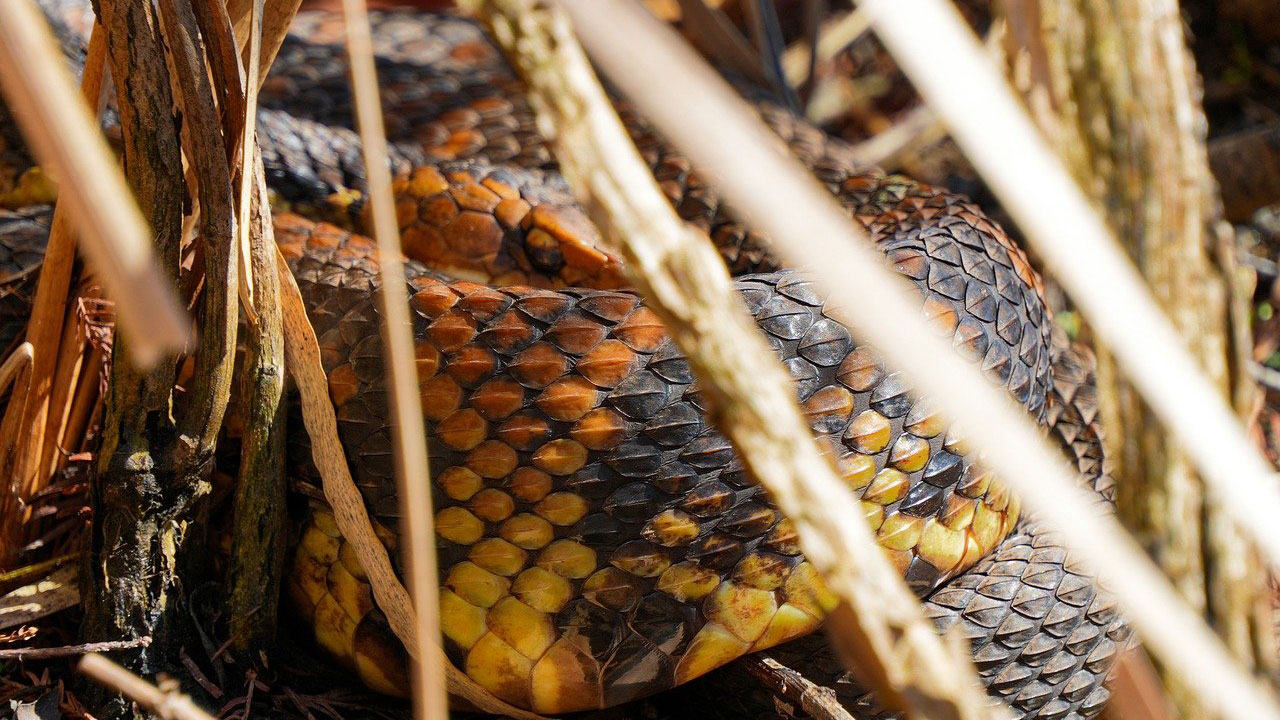
Florida is the classic “garage snake” state because you’ve got six venomous species and a ton of homes built alongside water, brush, and retention ponds. FWC even has resources on removing snakes from buildings because it’s a regular conflict. In Florida, cottonmouths and pygmy rattlesnakes are big players depending on where you live, and storm debris / clutter can create perfect hiding spots near homes. The practical reality: keep the garage door closed when you can, don’t leave it cracked “for airflow,” and keep piles off the floor. If you’re stacking mulch bags, pool stuff, or palm fronds, do it on shelves and leave a clear strip along the wall so you can see what’s going on.
5) North Carolina

North Carolina Wildlife notes that only a handful of NC snakes are venomous, and it specifically calls the copperhead the most common—which matters because copperheads are exactly the kind of snake that can slip into a garage unnoticed and stay put. They’re also famous for blending in around leaf litter, old boards, and junk piles—basically the exact stuff people stack in garages. In NC, the risk spikes when you’ve got garages that back up to woods or have a messy transition zone (brush, stacked firewood, leaves piled against the slab). Clean up that edge, keep rodent control tight, and don’t reach into dark corners barehanded. If you see one, give it space and call a pro—getting “brave” is how people get tagged.
6) Virginia

Virginia DWR says it plainly: Virginia has only three venomous snake species, and the copperhead is the most common and found statewide. The good news is most snakes aren’t trying to live inside your house; the bad news is garages aren’t “inside” in the way snakes see it. They’re sheltered, temperature-stable, and often full of rodents—DWR even notes snakes around your home can indicate a rodent problem. If you want to reduce the odds, seal gaps, fix door sweeps, and stop storing cardboard on the floor (mice love it). The other smart habit is visibility: keep the floor clear, use bright lighting, and don’t step over clutter where you can’t see your landing spot.
7) Tennessee

Tennessee’s wildlife agency calls out copperheads as one of the state’s venomous species and notes copperheads occur across the entire state, which is why “garage encounters” aren’t just a mountain thing or a west-Tennessee thing. Tennessee also has the mix of wooded ridges, creek bottoms, and suburban expansion that creates tons of edge habitat. The garage angle usually comes down to two things: (1) people storing feed, seed, or trash that pulls in mice, and (2) piles of lumber/yard tools that create hidden pockets. If you want a simple rule: any time you’re moving stored items—especially in spring and fall—use gloves, use a flashlight, and move stuff with a tool first so you’re not putting your hand where a snake might be tucked.
8) South Carolina

South Carolina DNR notes there are six venomous snake species in the state (including copperhead and cottonmouth), and while some are considered rare, the ones people actually bump into around homes are common enough for SCDNR to publish dedicated guidance. In SC, garages near water or swampy edges tend to have more snake traffic because the prey base is always there—frogs, mice, small birds. If you’ve got a garage that stays damp or has a drain/low spot, that can also attract prey animals. Keep things off the floor, don’t let brush grow up against the slab, and watch the “under-door gap” on older garage doors. If you can see daylight under your door, a snake can often find its way in.
9) Alabama

Alabama’s combination of thick cover, warm seasons, and high small-mammal activity makes it prime for venomous snakes near people, especially copperheads and cottonmouths in the right habitat. (This is the same Southeastern pattern you see in GA/SC/FL.) The garage issue in Alabama is usually a “quiet problem” until it isn’t—because you won’t notice the rodents until you notice the snake that’s there to eat them. The most effective prevention is still sealing and sanitation: door sweeps, sealing utility penetrations, and keeping anything that smells like food in sealed bins. And if you keep chickens or livestock feed, don’t store open bags in the garage—those spill patterns are basically an invitation for mice.
10) Mississippi

Mississippi has the wetland/woodline overlap that supports cottonmouth habitat, plus the same copperhead-friendly wooded edges you see across the South. In practice, garages near ditches, ponds, and wooded lots are the most likely to get snake visits because those areas stay cooler and hold prey. The human mistake is moving fast—reaching for a rake, grabbing a tarp, stepping over a pile in low light. If you live in a high-snake area, treat the garage like you treat a deer blind at dawn: slow down, light it up, and watch where your hands go. It’s also worth keeping the exterior tight—snakes often enter through the same gaps mice use.
11) Louisiana

Louisiana’s swamp/ditch/canal landscape creates tons of “snake corridors,” and the humidity keeps prey animals active around structures. When a garage sits near water, it’s not unusual for snakes to investigate the shaded edges and the little cracks around thresholds. Cottonmouths get talked about the most, but the bigger takeaway is behavior: snakes aren’t looking for your tools—they’re looking for food and cover. If your garage is cluttered and you’ve got frogs/mice around, it’s going to get attention. Trim vegetation back, keep water from pooling near the door, and stop leaving piles of stuff directly on the slab where a snake can wedge underneath unnoticed.
12) Arkansas

Arkansas has the same “woods + water + edge habitat” recipe, especially across lowlands and river systems, and it’s a state where people regularly deal with venomous snake species in rural and semi-suburban areas. The garage risk tends to rise during seasonal shifts—spring warmup and fall cool-down—when snakes are moving more and looking for stable cover. In Arkansas, a common setup is a garage that doubles as a storage shed: stacked firewood, rolled fencing, old feed cans, and a lot of places for mice to live. Clean up the perimeter, keep items on shelves, and don’t store firewood in the garage if you can avoid it. Firewood stacks are basically a snake hotel.
13) Missouri

Missouri Conservation lists multiple venomous snakes statewide and specifically notes the copperhead is the most common venomous snake in Missouri. Missouri Extension also points out the key homeowner truth: most “urban environment” snakes are harmless and beneficial because they eat rodents—but the venomous ones exist, and they need respect. In Missouri garages, copperheads are the main worry because their camouflage and “hold still” behavior makes them easy to miss around stored junk. If you’re in MO and your garage backs up to timber or a brushy drainage, keep it bright, keep it clean along the walls, and fix any rodent problem first. Snakes are often a symptom, not the starting point.
14) Kentucky
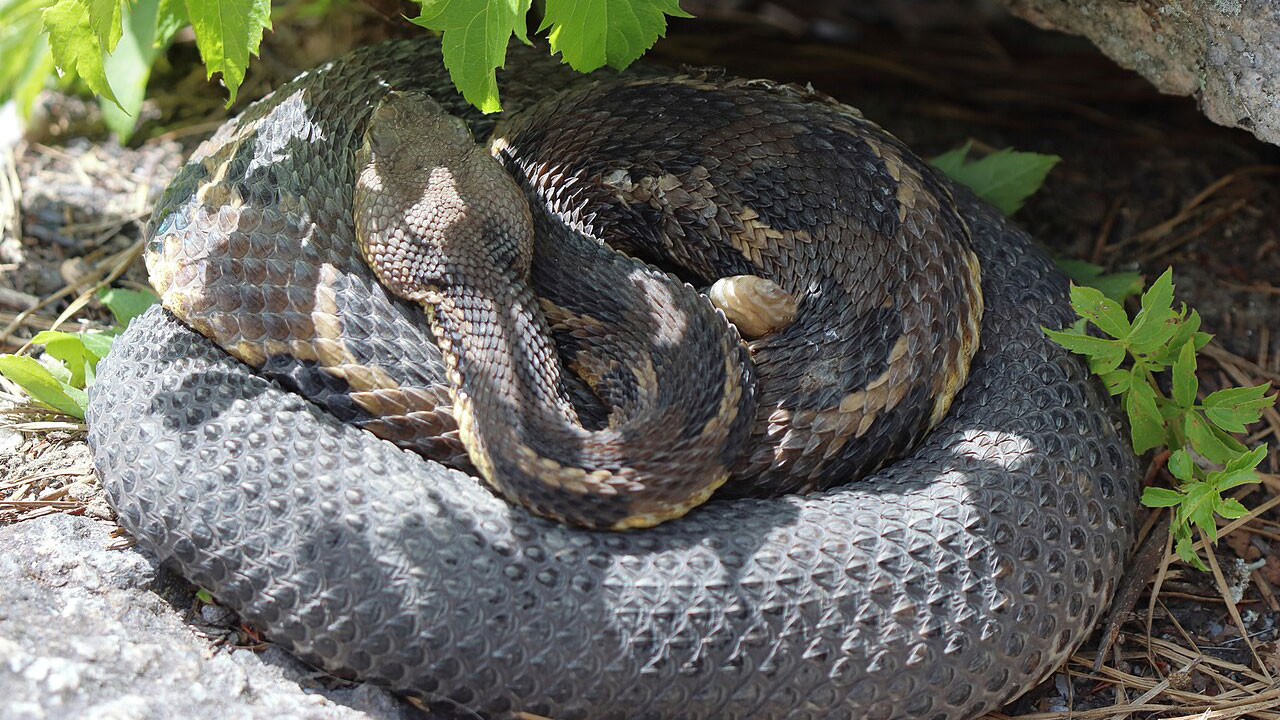
Kentucky Fish & Wildlife materials note Kentucky’s venomous species include copperheads, cottonmouths, and rattlesnakes, which is plenty of reason to treat garages like a potential shelter zone—especially in rural areas and near woods/rocky edges. Kentucky also has that “transitional habitat” reality: farm country meets woodlines meets neighborhoods, and garages sit right in the middle. The #1 garage behavior that gets people in trouble is reaching into stacked lumber, cinder blocks, and old buckets without looking first. If you want one simple habit: before you grab, shine a light and tap/move the item with a tool. Snakes don’t want a fight; they want to not be stepped on.
15) Arizona

Arizona is rattlesnake central, and AZGFD regularly puts out seasonal reminders because activity ramps up for long stretches of the year (especially spring through fall). In Arizona, garages are attractive because they’re cooler than the yard in brutal heat, and they’re full of hiding spots. Add a little rodent activity and it gets even more interesting to a snake. The practical prevention list is short but effective: door sweeps that actually touch the floor, sealed gaps at corners, keep clutter off the ground, and don’t leave garage doors open as a habit. If you live near washes or desert preserve edges, assume snakes move through those corridors at night and treat your garage threshold as part of your “home perimeter.”
Like The Avid Outdoorsman’s content? Be sure to follow us.
Here’s more from us: