Photo credit: Enlightening_Images/Pixabay.com
A lot of wild animals will avoid people if they get the chance. That changes fast when babies are involved. Young animals shift the whole equation because a mother that would normally back off may suddenly stand her ground, bluff charge, attack, or keep pressing after the threat thinks the warning was enough. Wildlife agencies repeatedly warn people that many of the most dangerous encounters happen when someone gets too close to offspring, nests, dens, or bedding areas, even by accident. The National Park Service says females with young are especially defensive in several large species, including bears, moose, and bison, and Alaska officials warn that moose, in particular, are more aggressive when protecting calves.
That is why this is not just some “cute baby animal” topic. People get in trouble because they read the moment wrong. They see a young animal and assume the adult will run, or they assume one warning means the danger is over. A lot of the animals on this list do not operate that way. Some are huge. Some are fast. Some are smaller than people expect but still mean business when their young are near. Either way, once that protective instinct flips on, hesitation usually disappears.
Moose
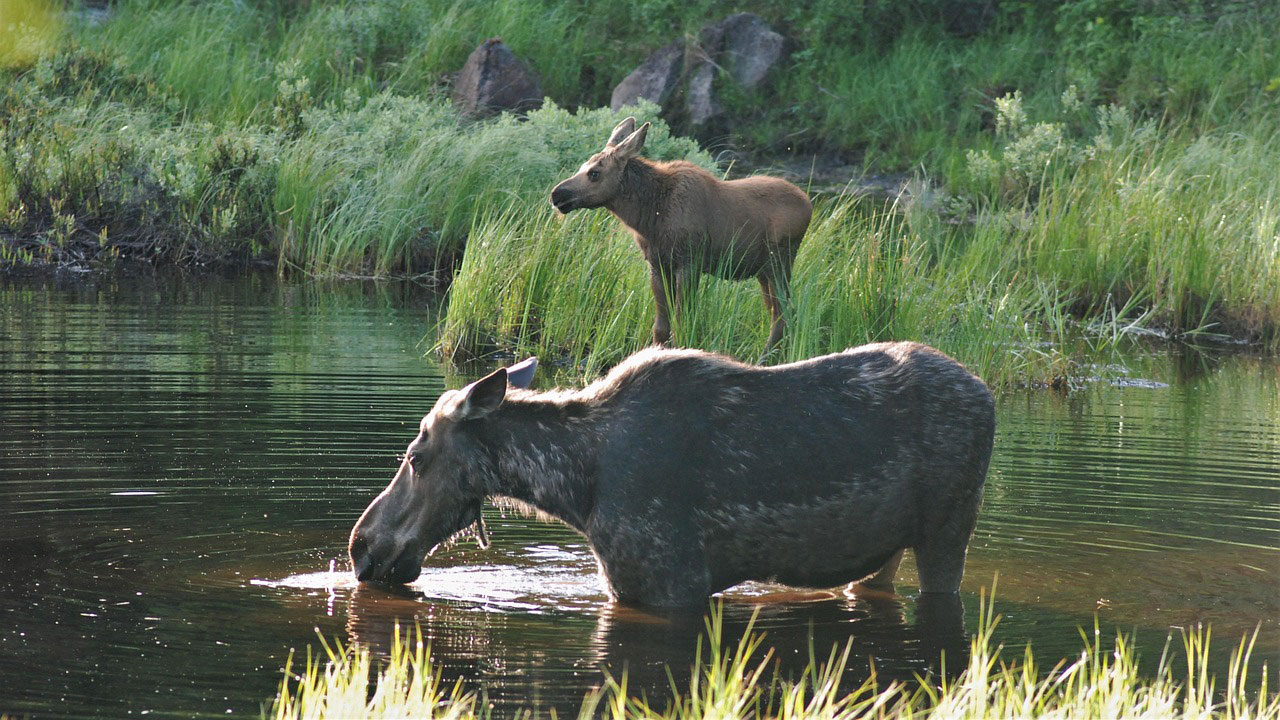
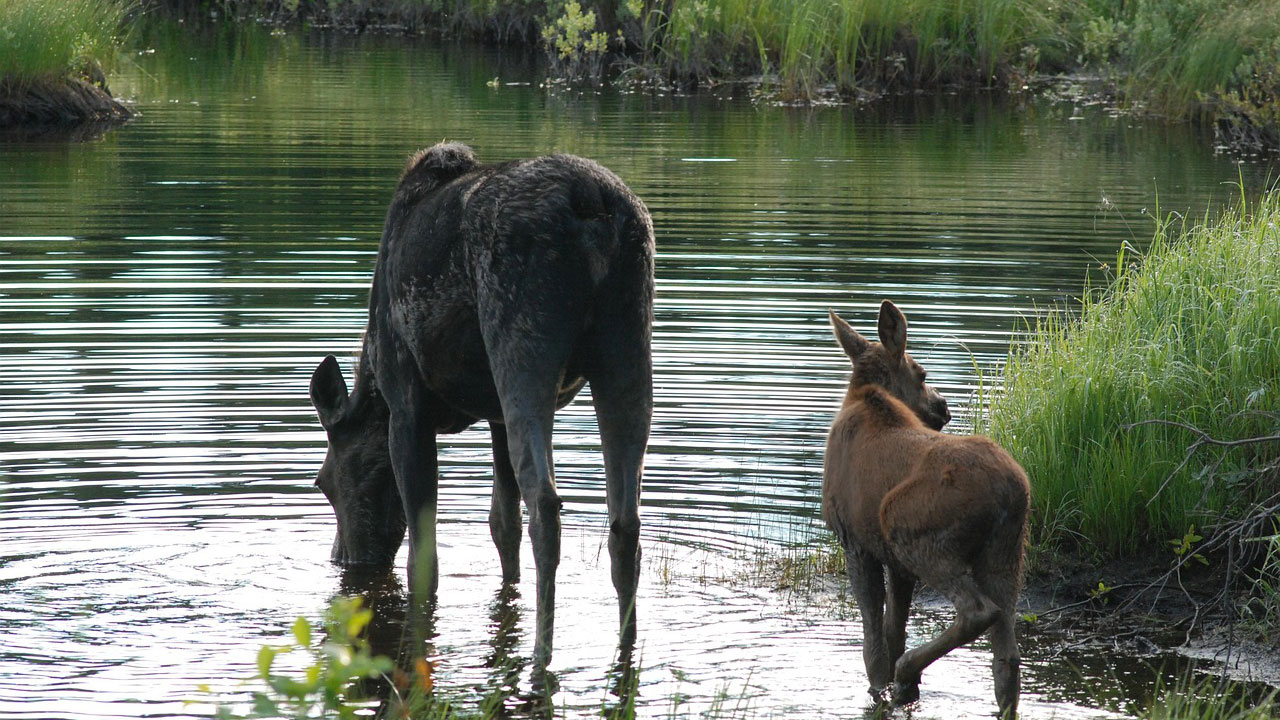
Moose may not be the first animal people imagine when they think “defensive mother,” but they should be. The Alaska Department of Fish and Game says cows with calves are among the most dangerous moose because they are especially aggressive when defending young, and the agency warns that attacks can happen when dogs or people get too close. The National Park Service also warns visitors to stay well back from moose and be especially cautious around cows with calves.
What makes moose so dangerous is that they do not have to act like a predator to ruin your day. A cow moose can charge, stomp, and keep coming with a level of force most people are not prepared for. People also underestimate them because they are browsers, not meat-eaters, and because the animal may look calm right up until it decides it has seen enough. Around a calf, that switch can flip fast, and once it does, size and speed do the rest.
Grizzly bear

Grizzly bears are one of the clearest examples of an animal that does not play around when cubs are nearby. The National Park Service warns that mother grizzlies are extremely protective of cubs and that surprise close-range encounters are especially dangerous. Yellowstone and Glacier safety guidance both stress giving bears a very wide berth and never getting between a sow and her cubs.
The trouble with a grizzly is not just strength. It is the speed at which a defensive situation can go bad. A sow that thinks a threat is too close may bluff charge, may commit, or may do something in between before a person has time to sort it out. That is why bear-country guidance stays so consistent: back away, create distance, and never crowd cubs. People get hurt when they keep treating the scene like a photo opportunity instead of a genuine danger window.
Black bear

Black bears are often described as less aggressive than grizzlies overall, but that can give people too much confidence around cubs. The National Park Service warns that female black bears can defend cubs aggressively, and several state wildlife agencies tell people never to approach cubs or assume a sow is far away just because they do not see her yet.
This is where people make a bad mistake. They see a small bear up a tree or crossing a trail and think the scene is somehow safer because the animal is “only” a black bear. The mother may be watching from thicker cover, and once she reads the situation as a threat, the encounter changes immediately. Most black bears want out of trouble, but mothers with cubs are one of the clearest exceptions. A person who crowds the young can create a defensive response before they even understand what they did wrong.
Bison

Bison are famous for looking slow and solid right until they explode forward, and that matters even more around calves. Yellowstone says bison have injured more people in the park than any other wild animal and warns visitors to stay at least 25 yards away, noting that cows are especially defensive during calving season. The National Park Service also emphasizes that bison can run much faster than people expect.
The bad encounters usually start with somebody reading calm body language as permission to get closer. A cow with a calf may tolerate a little distance and then suddenly decide that distance is gone. Once that happens, the animal’s size, speed, and willingness to hold ground become a serious problem. People forget that defensive animals do not have to chase long distances to do damage. A short burst, one toss, or one trampling pass is plenty.
Elk
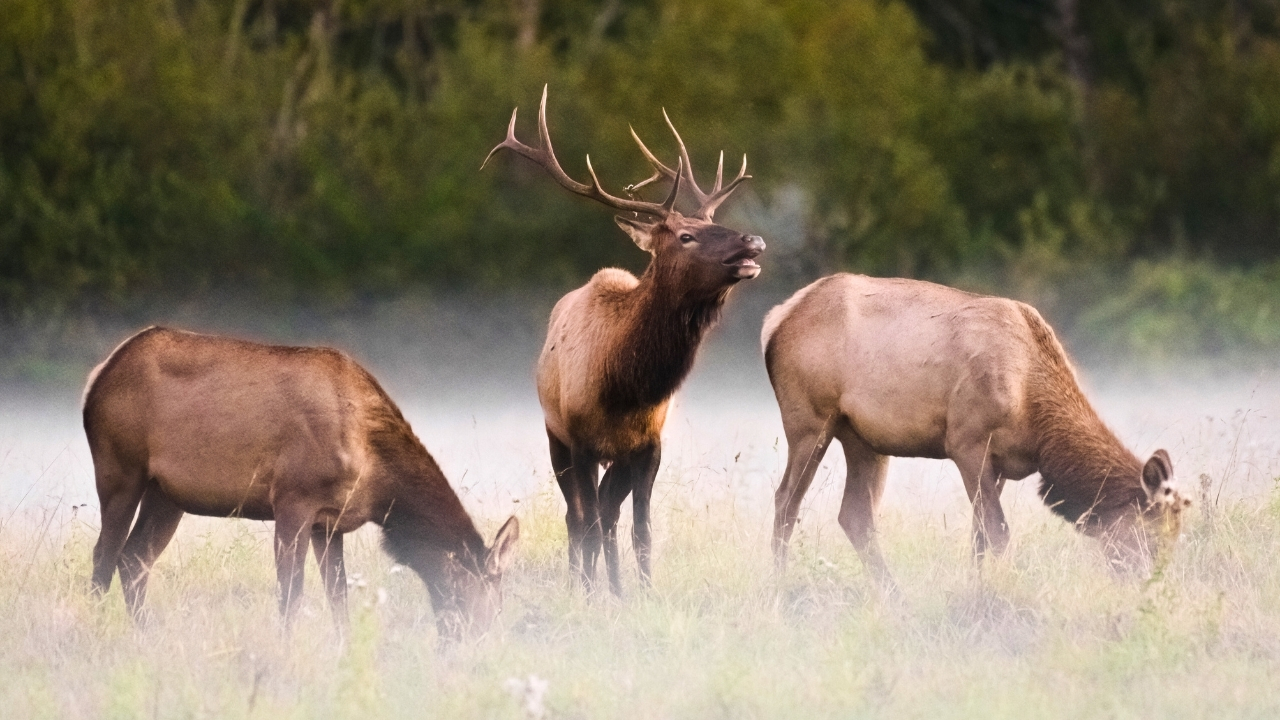
Elk cows during calving season are a lot more dangerous than many park visitors realize. Rocky Mountain National Park says cow elk can be extremely aggressive when defending calves and warns that visitors should keep a wide distance and never approach for photos. Similar warnings appear in other western park guidance during the spring and early summer when calves are on the ground.
Part of the problem is that elk can seem predictable until they are not. A cow may look like she is grazing, resting, or moving normally, but her attention is often fixed on the calf and on anything nearby. If someone gets too close, especially on foot with a dog or camera, that calm can disappear. The animal may pin ears, stomp, charge, or kick. It does not take many steps from a big cow elk to reach somebody who thought they still had time.
Cow elephant
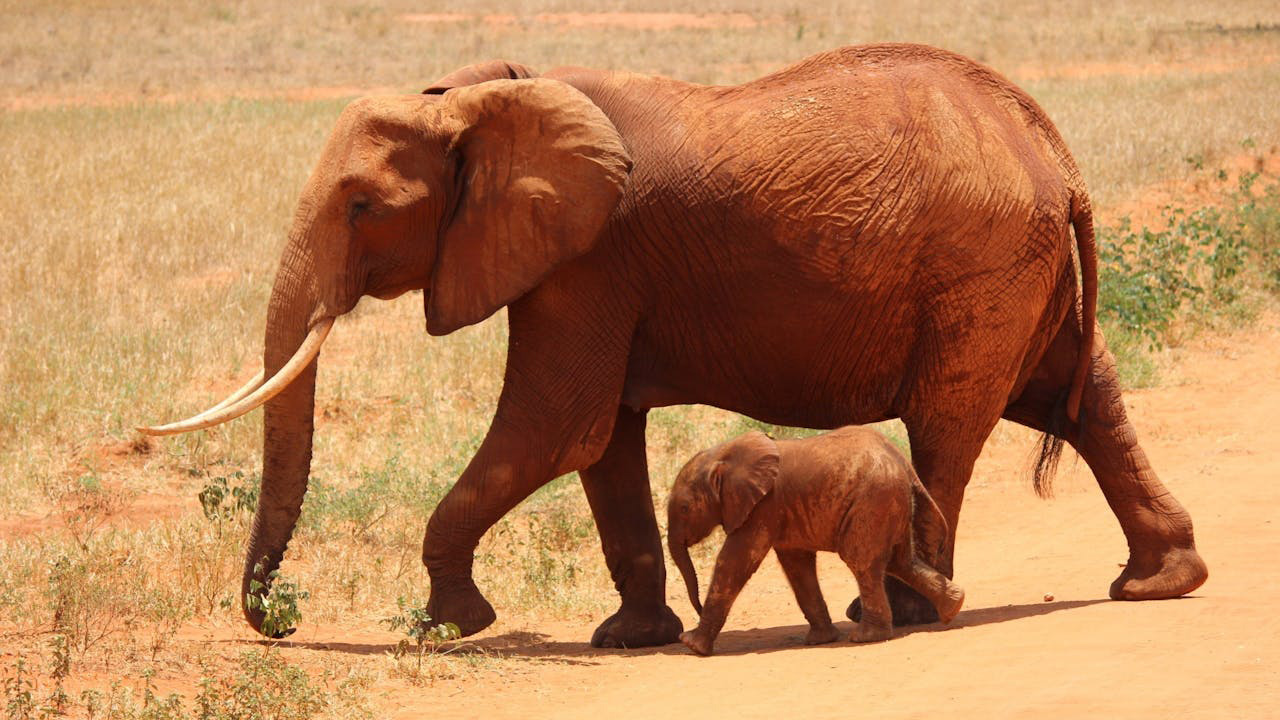
Elephants are famous for family structure, and that family structure turns into hard defense when calves are involved. Smithsonian’s National Zoo notes that elephant herds are matriarchal and that females protect calves collectively, while major wildlife safety guidance in elephant range countries warns that cows with calves are among the most dangerous situations a person can stumble into on foot or in a vehicle.
That group protection is what makes elephants especially serious. You may not just be dealing with one mother. You may be dealing with several adult females all reading the same calf-centered threat at once. Once elephants decide to shield, push, or charge, there is not much room for a person to negotiate the moment. Size obviously matters, but so does coordination. A protective herd closes ranks fast, and that is exactly why experienced guides treat calves as a giant red flag.
Hippopotamus
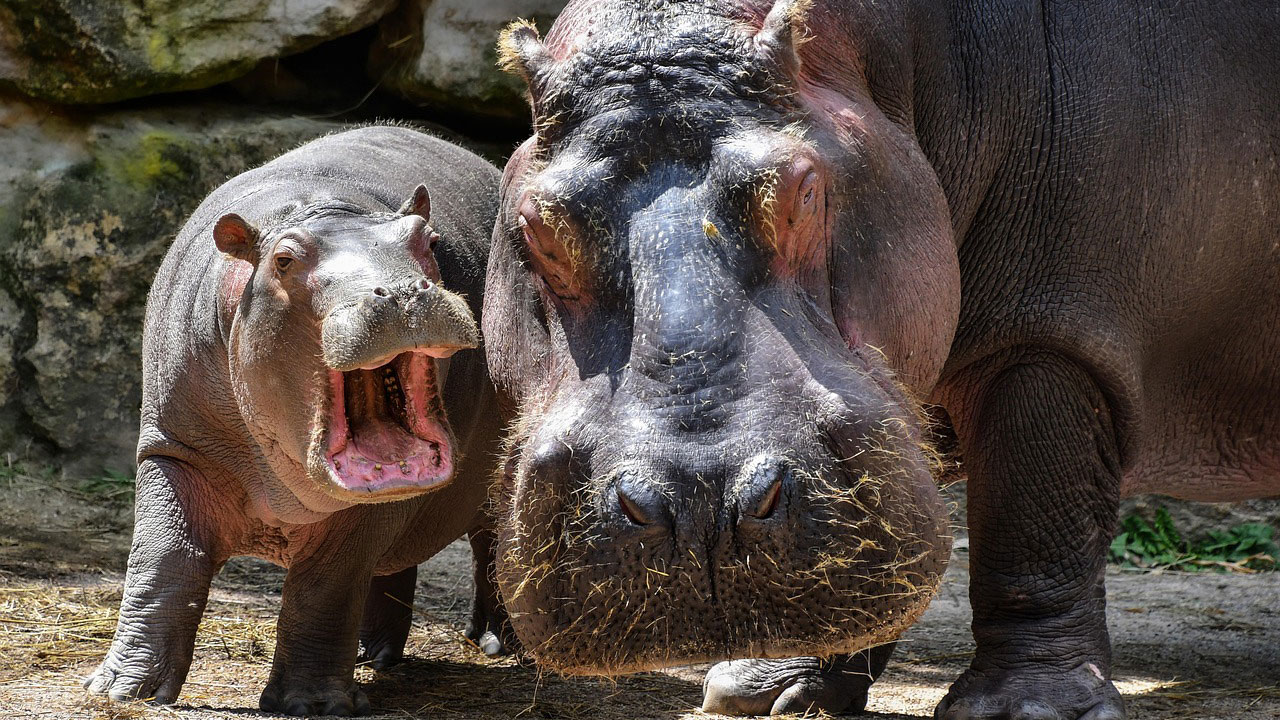
Hippos already have a deserved reputation for aggression, and calves make them worse. National Geographic and multiple zoo and wildlife references note that female hippos are highly protective of young and can become aggressive toward perceived threats in water or on land. Hippos are responsible for many human injuries and deaths in parts of Africa largely because of their size, territoriality, and willingness to charge hard.
The danger with hippos is that people often misread them as lazy river animals until the distance closes. A mother with a calf is not interested in giving much benefit of the doubt. In water, boats can drift too close. On land, a person can cut between a female and the path she wants to use. Once that happens, the response can be immediate and violent. A lot of animals warn. Hippos sometimes skip straight to action, and that is a rough animal to learn from the hard way.
Wild sow
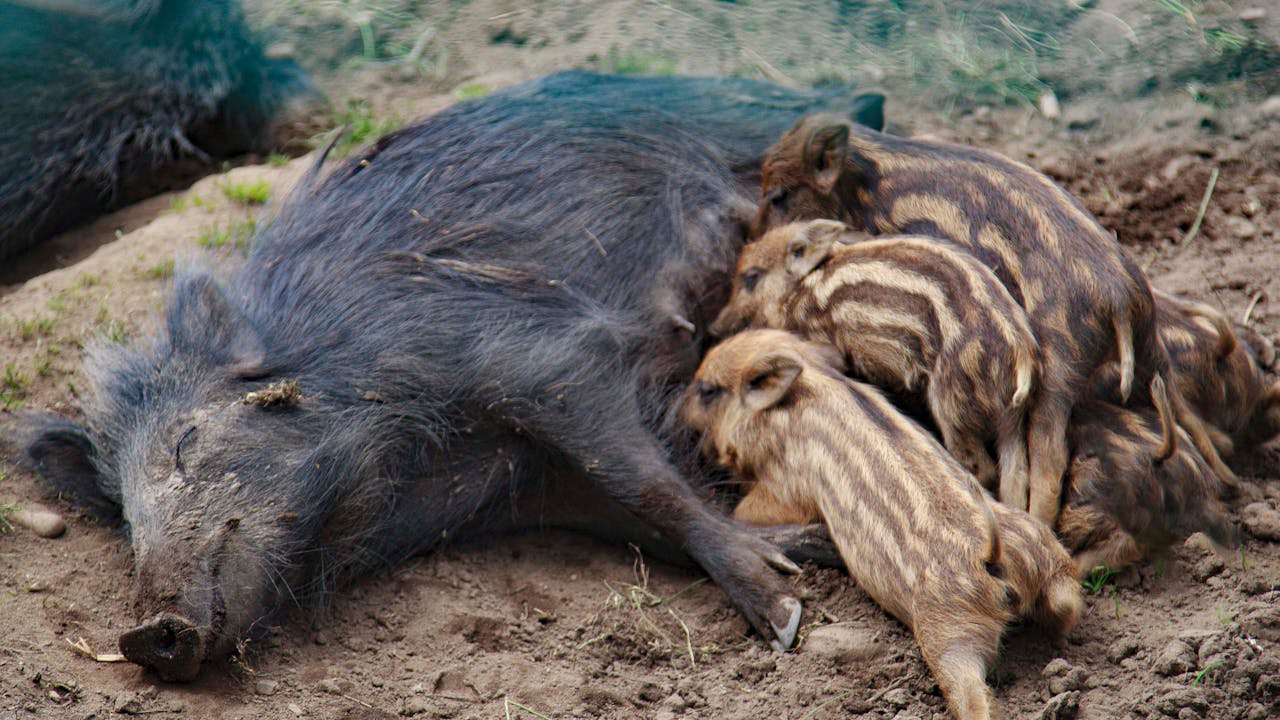
Wild pigs and feral hogs get plenty of attention for rooting up land, but people sometimes forget how nasty a sow can be around piglets. Texas Parks and Wildlife says feral hogs can be aggressive, particularly if cornered or protecting young, and other state agencies make similar warnings about approaching nests or bedding cover with piglets present.
A sow does not need the size of a moose or bear to make this ugly. She has speed, low-center power, sharp tusks in some cases, and a willingness to come in hard when she thinks piglets are threatened. Thick cover makes it even worse because the encounter may happen at very short range. A landowner, hunter, or hiker who blunders into a sounder with young can go from “what was that movement?” to full defensive chaos almost instantly.
Mountain lion

Mountain lions usually avoid people, which is why people sometimes forget how serious a female with kittens can be. California Department of Fish and Wildlife says lions are highly protective of kittens and warns that if kittens are seen, the mother is likely nearby. State guidance generally stresses giving the area immediate space and not approaching under any circumstance.
The reason this belongs on the list is not because lion attacks are common. It is because when maternal defense does happen, it can happen at close distance and in terrain that favors the cat. A female lion is already built for explosive movement, and kittens change her tolerance for anything nearby. People who hike brushy trails, canyon country, or deer-heavy foothill habitat can forget that a hidden cat has all the advantage. Add kittens, and that safety margin gets even thinner.
Alligator

Alligators are not universally aggressive toward people, but females guarding nests or hatchlings deserve a lot more respect than they get. Florida Fish and Wildlife says female alligators may defend nests and young aggressively, especially during nesting season, and advises people to keep well away from nesting areas and shoreline concentrations of small alligators.
What makes gators different is that the warning signs can be easy to miss unless you know what season you are in and what habitat you are looking at. A shoreline that seems quiet can turn into a problem if a nest is nearby. A mother may rush from water or defend from close range without giving a person much time to process what is happening. People also make the mistake of assuming baby gators are harmless scenery. Where there are babies, there is usually a very good reason to back up.
Canada goose
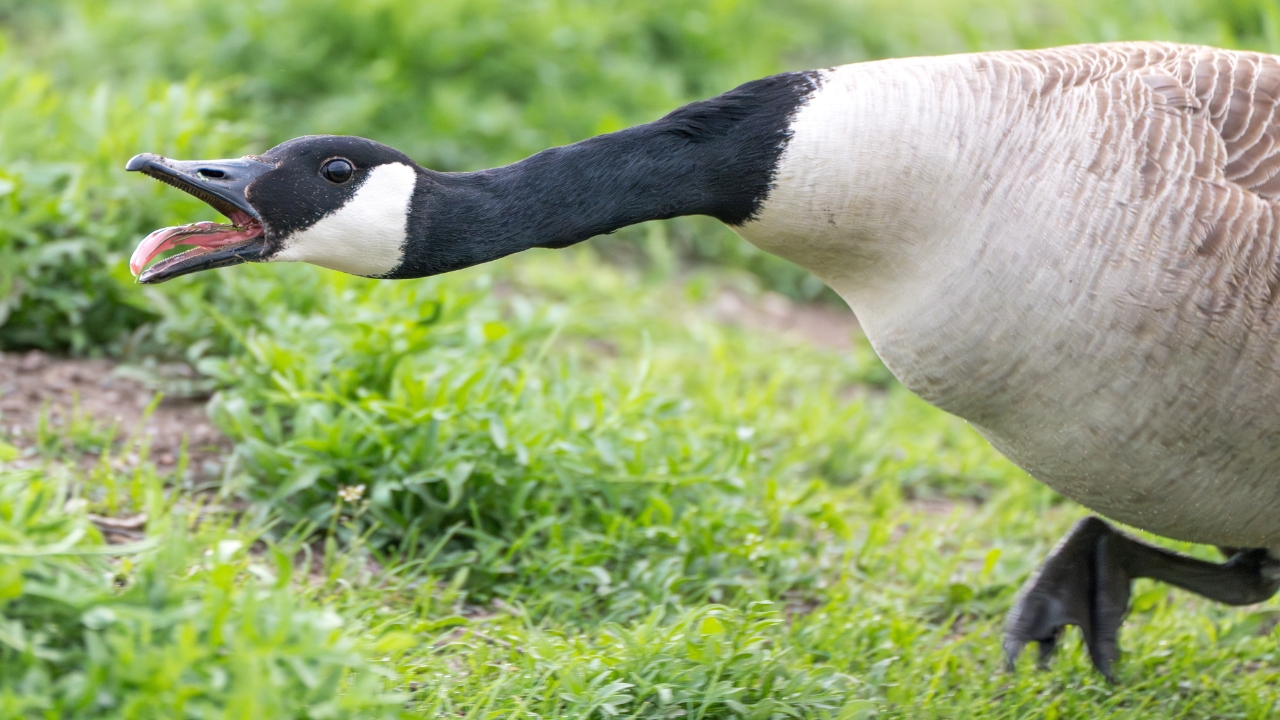
This one sounds less dramatic than a bear or bison, but nesting geese absolutely belong here. The U.S. Fish and Wildlife Service and state agencies warn that Canada geese can become aggressive during nesting season and may hiss, chase, or strike when protecting nests and goslings. People laugh about geese until one comes at their face or knocks a child or older adult off balance near pavement or water.
The reason geese catch people off guard is that the aggression happens in everyday places. Parks, school grounds, sidewalks, office ponds, parking lots, and neighborhood lakes all become nesting territory. A person is not mentally geared for a defensive wildlife encounter when they are carrying groceries or walking into work. But a goose with goslings does not care about that. It cares about space, and it will make that point loudly and sometimes physically if it thinks the line has been crossed.
Swan

/Pexels.com
Swans can be even more forceful than geese when nests or cygnets are involved. Wildlife organizations and park managers regularly warn that nesting swans are intensely territorial and can attack people, pets, kayaks, and small boats that drift too close. Their size, reach, and willingness to stand their ground make them more than just an annoying bird at the pond.
A swan encounter also tends to happen where footing is bad or escape is awkward. Docks, shorelines, paddlecraft, and wet grass are not ideal places to get rushed by a large, angry bird. Even if the bird cannot do the kind of catastrophic damage a large mammal can, it can still knock somebody over, bloody them up, or create a panic situation around deep water. When cygnets are nearby, a swan’s patience gets real short, real fast.
Cape buffalo

Cape buffalo have a reputation for being dangerous anyway, and cows with calves only make that reputation stronger. Major safari and wildlife references describe buffalo cows as highly protective and quick to defend calves, especially in herd settings where multiple adults may react at once. This is one of those animals that experienced people respect without needing a long explanation.
What makes buffalo so bad in a defensive moment is the blend of mass, herd response, and bad attitude. A lone person on foot has very little leverage once a buffalo decides the calf is at risk. And like elephants, the problem may not stay limited to one mother. Herd dynamics can make the whole situation feel bigger in seconds. That is why buffalo country demands discipline. A calf in view should tell you everything you need to know about creating more distance, not less.
Musk ox
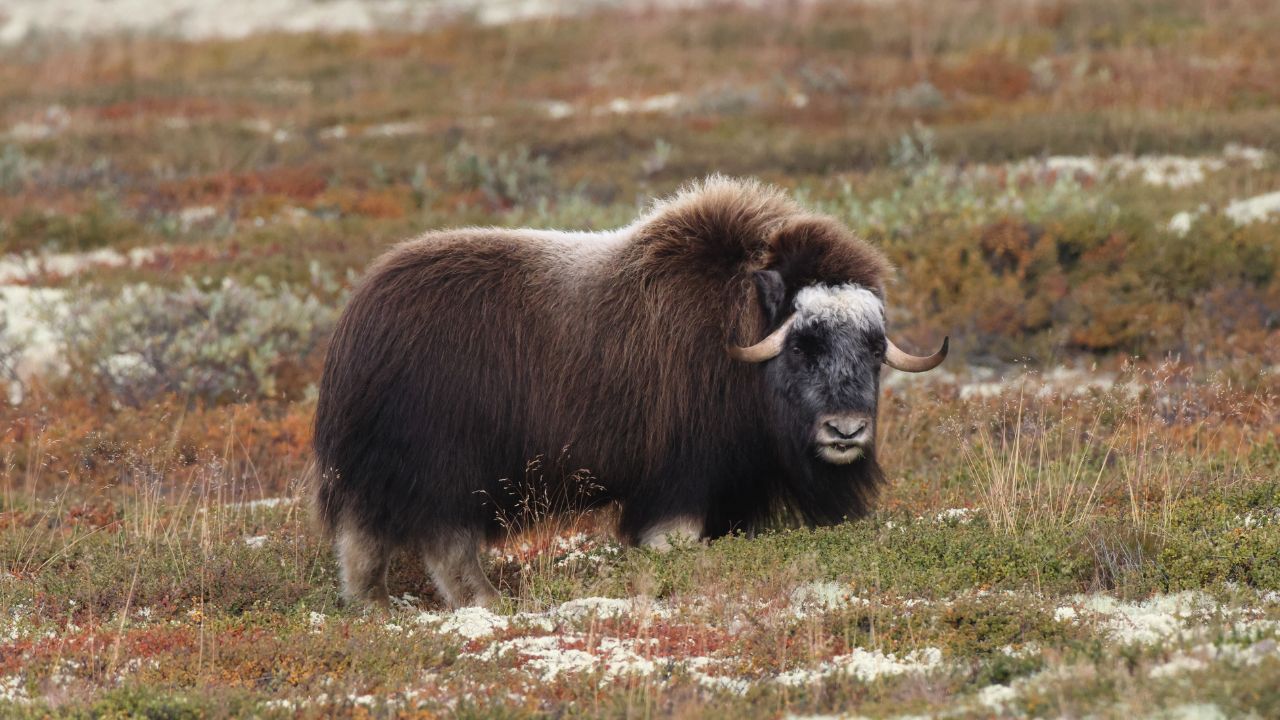
Musk oxen are another animal that show what group defense looks like when young are present. The Alaska Department of Fish and Game notes that musk oxen use defensive group formations, often circling calves or putting adults between the threat and the young. That behavior is impressive to watch from a safe distance and a terrible thing to crowd.
Even though they are not as famous globally as elephants or buffalo, musk oxen take calf protection seriously in a way that deserves respect. They may bunch up, face outward, and commit to holding position instead of just scattering. That matters because people often assume hoofed animals will simply run. Some will. Some will not. A species that instinctively forms a defensive wall around calves is telling you exactly how little hesitation it has when the young are on the line.
Sea lion

Sea lions are another strong example of an animal that can look playful until pups change the mood. NOAA Fisheries warns people to stay well back from marine mammals and notes that females and territorial males can become defensive around rookeries and pups. On beaches and docks, people sometimes drift too close trying to get photos, especially when young animals are visible.
The mistake here is assuming a shoreline mammal works by the same rules as a pet at the lake. A mother sea lion may bark, lunge, or snap if she thinks a pup is being threatened, and a large adult in close quarters can do real damage. Add slippery surfaces, crowds, and people who do not know what they are looking at, and the chances of a bad decision go up. Pups make people curious. Curious people make wild mothers nervous. That is a bad combination.
Like The Avid Outdoorsman’s content? Subscribe to our newsletter so you never miss an article.
Here’s more from us: