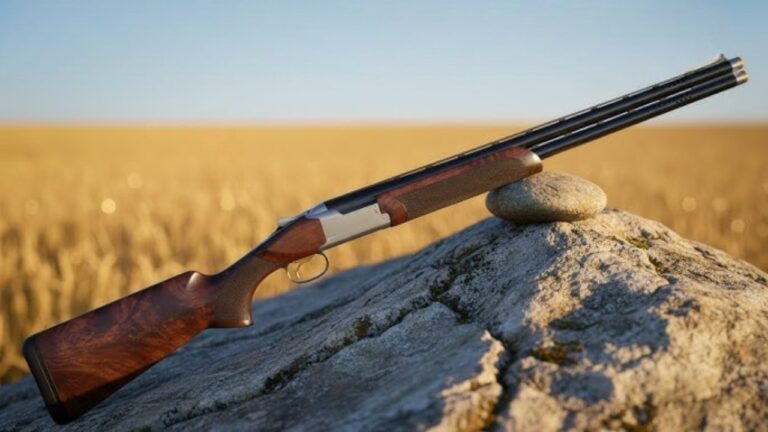
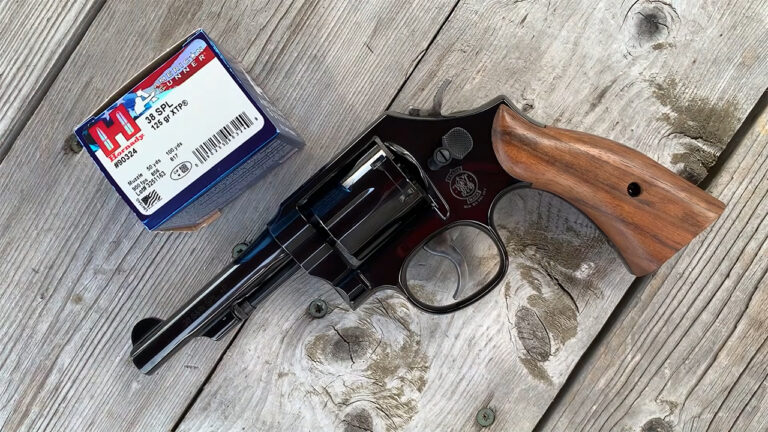
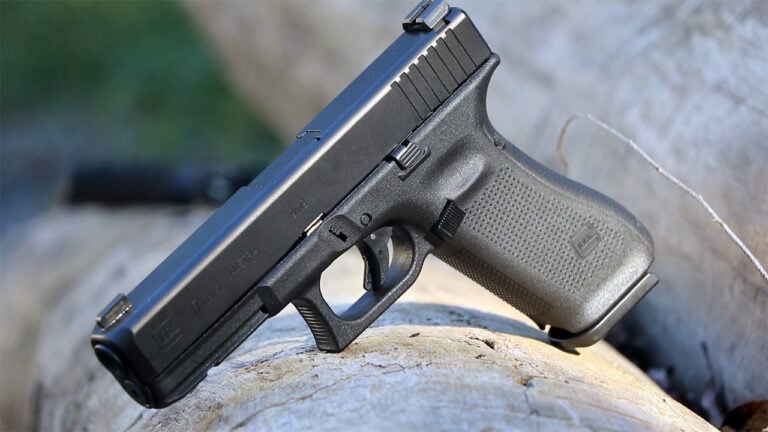
Photo credit: Olde English Outfitters/YouTube
A gun can feel great when you handle it at the counter, fire a slow box of ammo, or carry it a few days without asking much from it. That first impression can be misleading. Good looks, familiar branding, a crisp trigger, or a famous name can make a firearm seem like an easy winner before you ever push it. Once you start training hard, though, the parts that matter show up fast.
Higher round counts, faster strings, draw work, reloads, heat, fouling, and repetition have a way of stripping the romance off a gun. That does not mean these firearms are worthless. It means some of them are easier to admire than they are to run hard. These are specific models that often make a strong first impression, then lose some of their appeal when you start training with real intent.
Smith & Wesson 642 Airweight

The Smith & Wesson 642 Airweight makes immediate sense when you first pick it up. It is light, compact, snag-free, and easy to hide in a pocket or ankle rig. If your main concern is having a gun on you without changing your whole wardrobe, the 642 earns that reputation honestly. It is one of those revolvers that feels practical the second you handle it.
Then you start putting real reps through it. The same light weight that makes it easy to carry makes recoil noticeably sharp in longer sessions. The small grip, heavy trigger, and modest sights demand real concentration once you stop shooting slow. Under harder training, the 642 reminds you it is a carry-first revolver. It still fills that role well, but it quickly stops feeling pleasant once your practice shifts from occasional use to serious repetition.
Ruger LCP

The Ruger LCP became popular for a reason. It is tiny, light, and disappears in places larger pistols do not. For deep concealment, backup carry, or a quick pocket option, it is hard to ignore. At first glance, it feels like a practical answer for people who want something easy to keep with them without much effort.
Hard training exposes the limits in a hurry. The grip is minimal, the sights are small, and the gun can feel harder to control than many shooters expect from a .380. Run it faster, and the short grip and small controls start slowing everything down. It can absolutely serve a purpose, but once you start shooting drills instead of casual strings, the LCP feels less like a clever solution and more like a gun built around convenience first and shooting comfort second.
Smith & Wesson 340PD

The Smith & Wesson 340PD sells a very strong idea. It is extremely light, chambered for .357 Magnum, and easy to carry in ways many larger guns are not. On paper, that sounds like a powerful answer to concealed carry. The size is attractive, the weight is impressive, and the name carries real credibility with revolver shooters.
Then you start training with full-power loads and the fantasy gets expensive fast. The recoil is severe for many shooters, muzzle blast is punishing, and extended practice becomes something you endure rather than benefit from. Even experienced hands often move to .38 Special for realistic training, and that tells you a lot. The 340PD is a real carry gun, no question, but hard range time has a way of turning admiration into respect mixed with reluctance.
Kimber Ultra Carry II

The Kimber Ultra Carry II is easy to like early. It is compact, chambered in .45 ACP, and carries the familiar appeal of a small 1911. The trigger can feel good, the profile is slim, and the whole package looks like a serious concealed-carry pistol with some old-school class behind it. For a lot of buyers, that is more than enough to make the sale.
Training hard tends to make you notice the tradeoffs. A short 1911 in .45 asks a lot from both the shooter and the gun. Recoil gets snappy, timing can feel less forgiving than a full-size platform, and small 1911s often demand more attention to magazines and maintenance than many modern carry pistols. None of that means the gun cannot run. It means the charm of the compact 1911 idea often fades once you start doing the kind of work that exposes how much effort the platform really asks from you.
Glock 43

The Glock 43 became a favorite because it solved a real problem. It gave shooters a slim, easy-to-carry 9mm from a trusted platform without dropping all the way into tiny pocket-gun territory. It feels practical right away. It hides well, carries comfortably, and still has enough of the familiar Glock layout to make it easy to understand.
Once training gets serious, the small size starts charging interest. The short grip makes recoil control more demanding than many compact shooters expect, and the lower capacity becomes much more noticeable when you start running drills instead of slow practice. Reloads come around fast, and the thin frame can feel less forgiving during longer sessions. The Glock 43 is still a very usable carry gun, but hard training tends to show you why so many shooters eventually prefer a slightly larger pistol for doing more of the actual work.
SIG Sauer P938

The SIG Sauer P938 has a lot of appeal at first touch. It is small, slim, metal-framed, and carries that mini-1911 style people tend to like. It feels more refined than many tiny pistols, and the single-action format gives it a trigger many shooters find attractive right away. For concealed carry, it looks like a very smart balance of shootability and compact size.
Push it harder, and the size starts telling the truth. It is still a very small handgun, and very small handguns become more demanding when speed enters the picture. The short grip, short sight radius, and compact controls can slow you down once the pace increases. Recoil is manageable, but not as forgiving as the looks might suggest. The P938 can still carry well and serve well, but hard training has a way of reminding you that elegance and ease of concealment are not the same thing as being effortless to run.
Remington Model 700 Mountain Rifle

The Remington Model 700 Mountain Rifle makes a strong first impression because it carries so easily. If you spend real time walking ridges, climbing, or covering rough ground, the reduced weight feels like a gift. It is exactly the kind of rifle that sounds perfect when you imagine hunting with it all day. Less weight on your shoulder can feel like the smartest choice in camp.
Then range work starts, and the downside becomes obvious. Lightweight rifles move more under recoil, punish poor form faster, and often make longer practice sessions less productive. That is especially true in harder-kicking chamberings. When you are trying to build steadiness from field positions, the rifle can be far less pleasant than heavier setups. The Mountain Rifle can still be a smart hunting tool, but hard practice tends to show that the rifle you love carrying is not always the rifle you enjoy training with enough to shoot your best.
Mossberg Maverick 88

The Mossberg Maverick 88 has earned a lot of buyers because it is affordable and straightforward. For the money, it gets you into a pump shotgun that can cover home defense, field use, or general utility. On a casual range day, it often feels like a solid buy. The basic formula is familiar, and the low price makes it easy to forgive a lot at first.
Training hard changes the conversation. When you start running the gun fast, rougher action feel, basic furniture, and harder recoil become much more noticeable. Pump guns already reward clean technique, and a budget pump can make mistakes easier to induce under pressure. That does not make the Maverick 88 bad. It means the value proposition looks different once you put serious repetitions on it. A shotgun that felt like a bargain during light use can start feeling more like a compromise once you ask it to do hard work repeatedly.
Smith & Wesson Model 29

The Smith & Wesson Model 29 has a kind of pull that is hard to deny. It is iconic, powerful, and deeply tied to the image of the big-bore revolver in American gun culture. The long barrel, the weight, and the .44 Magnum chambering make it feel substantial in a way few handguns do. Slow-fire shooting with one can be genuinely satisfying.
Then you start training with it like a working gun instead of enjoying it like a classic. Reloads are slow compared with modern pistols, the size becomes harder to ignore, and full-power .44 Magnum recoil wears on your hands and pace. It stays impressive, but the fun can thin out fast when the goal shifts to fast, repeatable performance. The Model 29 still has real strengths, but hard training usually strips away the movie glow and leaves you dealing with the physical reality of running a large magnum revolver hard.
Walther PPK
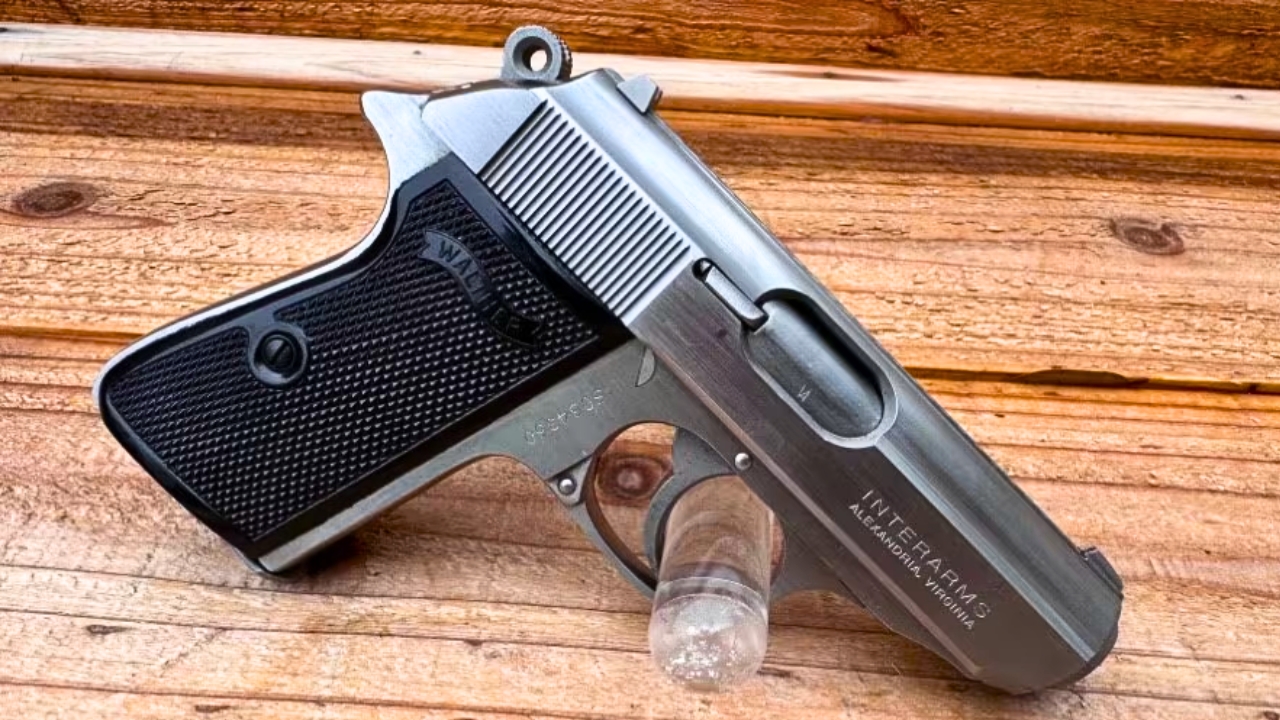
The Walther PPK has lasting appeal because it looks sharp, carries history, and still feels classy in the hand. It is one of those pistols people want to like before they ever fire it. The size is compact, the profile is familiar, and the name alone does a lot of work. At first glance, it seems like a neat carry pistol with real character.
Hard training tends to be less kind. Traditional blowback recoil can feel sharper than expected for the cartridge, and the gun’s small size does not leave much room for comfort over longer sessions. The controls are not as forgiving as modern carry pistols, and the slide can be less friendly to manipulate than people expect. The PPK still has its place, but once you start working on speed, reloads, and consistent repetitions, the charm of the classic design often gives way to the reality that it asks more from you than newer pistols do.
Ruger LCR in .357 Magnum

The Ruger LCR in .357 Magnum wins people over because it looks like a modern fix for the small magnum revolver problem. It is light, compact, and the trigger is often better than many shooters expect from a snub-nose. That makes it easy to admire early. As a carry gun, it checks a lot of boxes, especially for people who want revolver simplicity in a very compact package.
Then real training starts. In .357 Magnum, the light frame turns extended practice into hard work fast. The recoil is abrupt, muzzle rise is stout, and keeping pace through repeated drills can become tiring in a hurry. The gun is still clever in design, but the cartridge-to-weight ratio is what changes the feel once you stop shooting casually. Many owners end up treating it as a .38 practice gun, which says plenty about how quickly the charm of a lightweight magnum snub can fade under serious use.
Springfield Armory Hellcat

The Springfield Armory Hellcat made a strong entrance because it packed serious capacity into a very small footprint. For concealed carry, that is a compelling argument. You get a pistol that is easy to hide while still holding more rounds than older single-stack designs. At first blush, it can feel like a very efficient answer to the carry problem.
Hard training reminds you that efficiency is not the same as comfort. The Hellcat is still a small gun, and small guns become more demanding when you start pushing speed and round count. Recoil can feel sharper than larger compacts, the short grip gives you less leverage, and extended range sessions often make those traits more noticeable. It remains a capable carry pistol, but once you train hard, the shine of “high capacity in a tiny package” often gives way to the reality that a slightly larger gun can be easier to shoot well for longer.
Savage 110 Ultralite in .300 Winchester Magnum
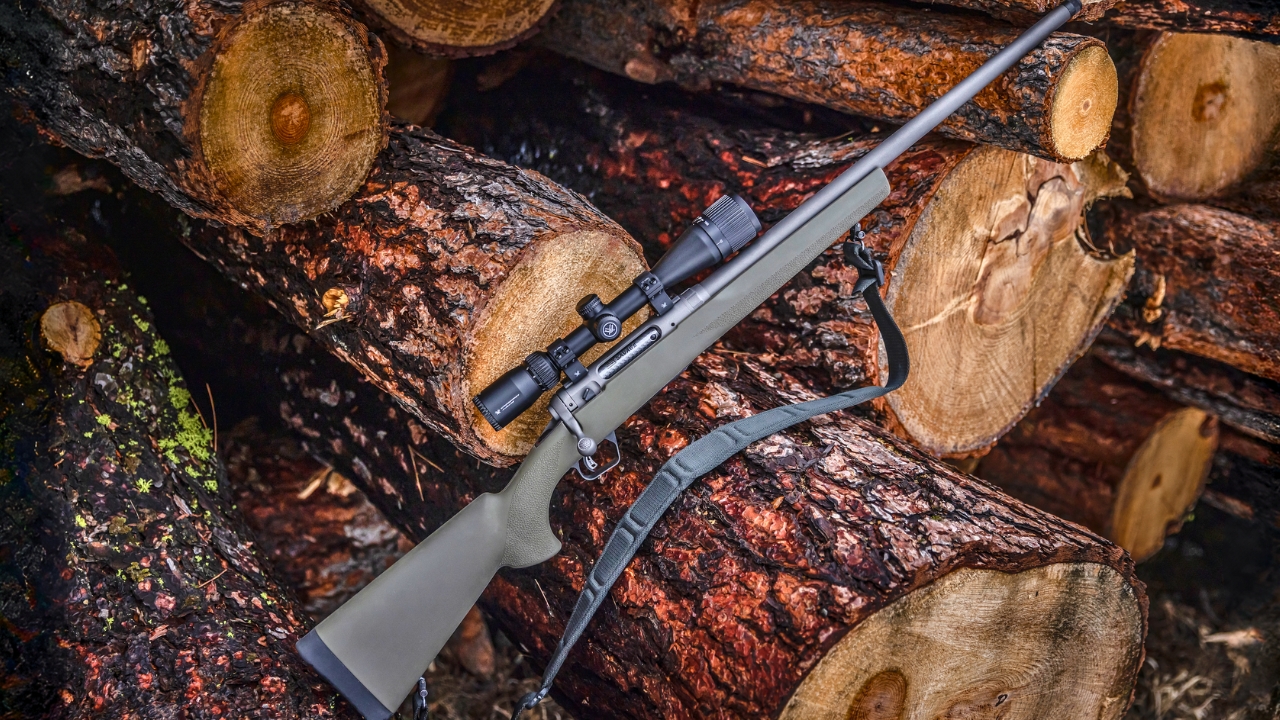
The Savage 110 Ultralite in .300 Winchester Magnum sounds ideal on paper. You get a light rifle for rough country paired with a proven magnum cartridge that carries serious hunting reach and authority. That combination is easy to admire when you are thinking about miles on foot and a hard hunt in steep terrain. It looks like a very smart way to carry real power without hauling excess weight.
Then you take it to the range and start doing the practice you actually need. A very light rifle in .300 Win. Mag. can be punishing over longer sessions. Recoil gets sharp, fatigue builds fast, and it becomes harder to stay relaxed enough to practice well. That is where the tradeoff becomes real. The rifle may still make sense for a specific hunt, but hard training often reveals that the setup you loved in theory can be much less enjoyable when you need enough reps to stay truly sharp.
North American Arms Mini-Revolver

The North American Arms Mini-Revolver is one of those guns that instantly grabs attention. It is tiny, unusual, and almost impossible not to pick up and examine. As a novelty, backup piece, or curiosity, it has obvious appeal. The size alone makes people smile the first time they handle one, and it is easy to understand why it draws so much interest.
Treat it like a serious training gun and the attraction fades fast. The grip is tiny, the sights are minimal, and the manual of arms is slow and awkward compared with nearly anything else. Practical accuracy is demanding, and reloading takes far more time and patience than most shooters want to spend. It can still have a place as a specialty piece, but the minute you try to run it with real intent, the novelty takes a back seat to the fact that it is simply a very difficult gun to work hard.
Kel-Tec SUB-2000

The Kel-Tec SUB-2000 wins people over because the concept is genuinely clever. A folding pistol-caliber carbine that stores small, uses common magazines, and stays light is easy to appreciate. On a casual range trip, it can feel fun and smart in equal measure. The portability alone makes it stand out in a crowded market, and that first impression does a lot for the gun.
Training hard tends to highlight the ergonomic compromises built into that clever design. The layout can feel awkward during repeated manipulations, the sighting setup is not as friendly as more conventional carbines, and sustained drills often make the gun feel less natural than its concept suggests. It can still be useful, especially for storage and portability, but hard repetition has a way of showing that clever packaging and strong practical ergonomics are not always the same thing.
Glock 27

The Glock 27 made a lot of sense when subcompact .40-caliber pistols were in high demand. It brought the familiar Glock layout into a small, concealable package with a cartridge many people trusted for defensive use. At first glance, it feels like a serious compact carry gun with real power in reserve. For many buyers, that was enough to make it a compelling choice.
Once you start training hard with it, the downsides become much more obvious. The short grip and brisk .40 S&W recoil make the gun feel busier than many shooters want during faster drills. It is still reliable, but it asks more from you than softer-shooting alternatives in similar sizes. Over longer sessions, the appeal of the small-but-powerful formula starts to wear thin. The Glock 27 can still do the job, but hard training often reveals why many shooters moved toward 9mm once they started valuing repeatable performance over caliber confidence alone.
Like The Avid Outdoorsman’s content? Subscribe to our newsletter so you never miss an article.
Here’s more from us: