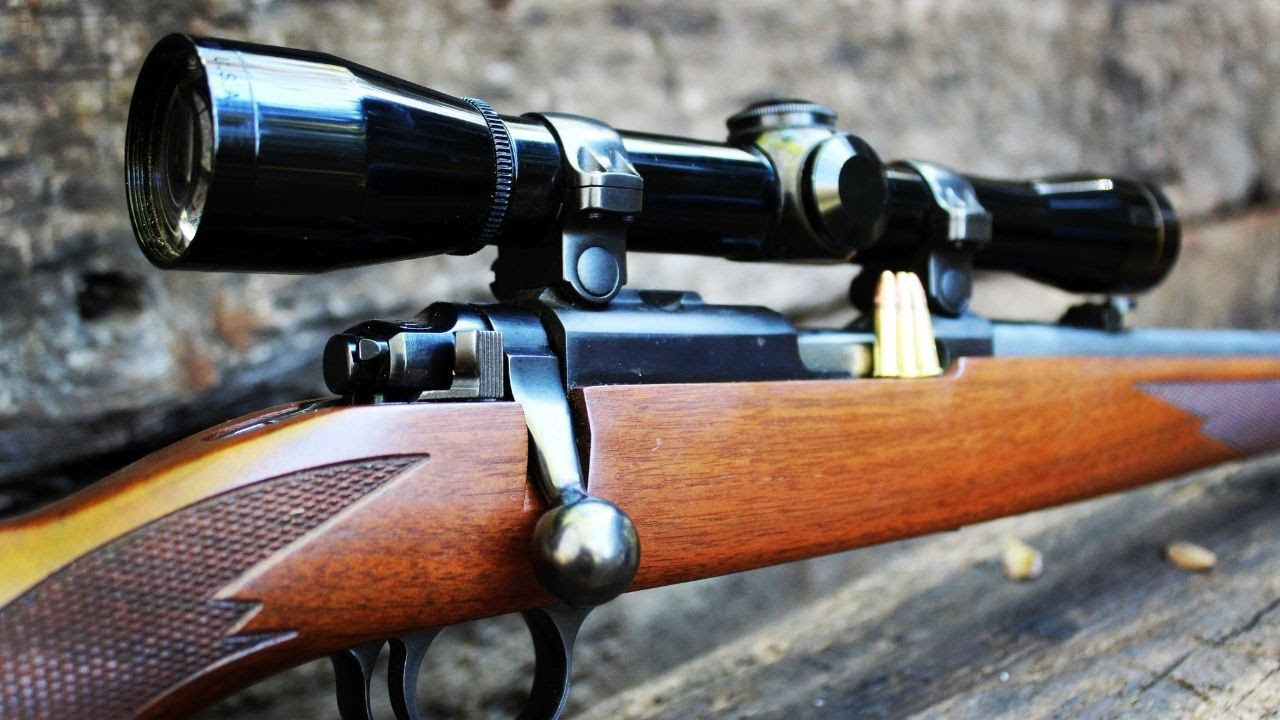
Photo credit: Reloader Joe/Youtube
Some rifles don’t need a long sales pitch. You say the model name, and most hunters already know why it matters. They’ve seen one in camp, borrowed one from a relative, watched one drop deer cleanly, or regretted selling one years later.
That kind of reputation doesn’t come from a launch campaign. It comes from rifles that kept working long after the excitement wore off. These old favorites don’t need much explaining because the track record already did most of the talking.
Winchester Model 94

The Winchester Model 94 is one of the easiest rifles to understand. It’s light, handy, quick to shoulder, and made for the kind of close-to-moderate woods hunting that built deer camps all over the country. In .30-30 Winchester, it became one of the most familiar hunting rifles ever made for a reason.
It doesn’t need a long barrel, giant scope, or complicated setup to make sense. The Model 94 carries well in thick timber, rides easily in a truck or scabbard, and points naturally when a deer steps out where you didn’t expect it. There are more powerful rifles and more accurate rifles, but few feel as natural in the woods. That’s why hunters still understand it without needing a lecture.
Remington Model 700
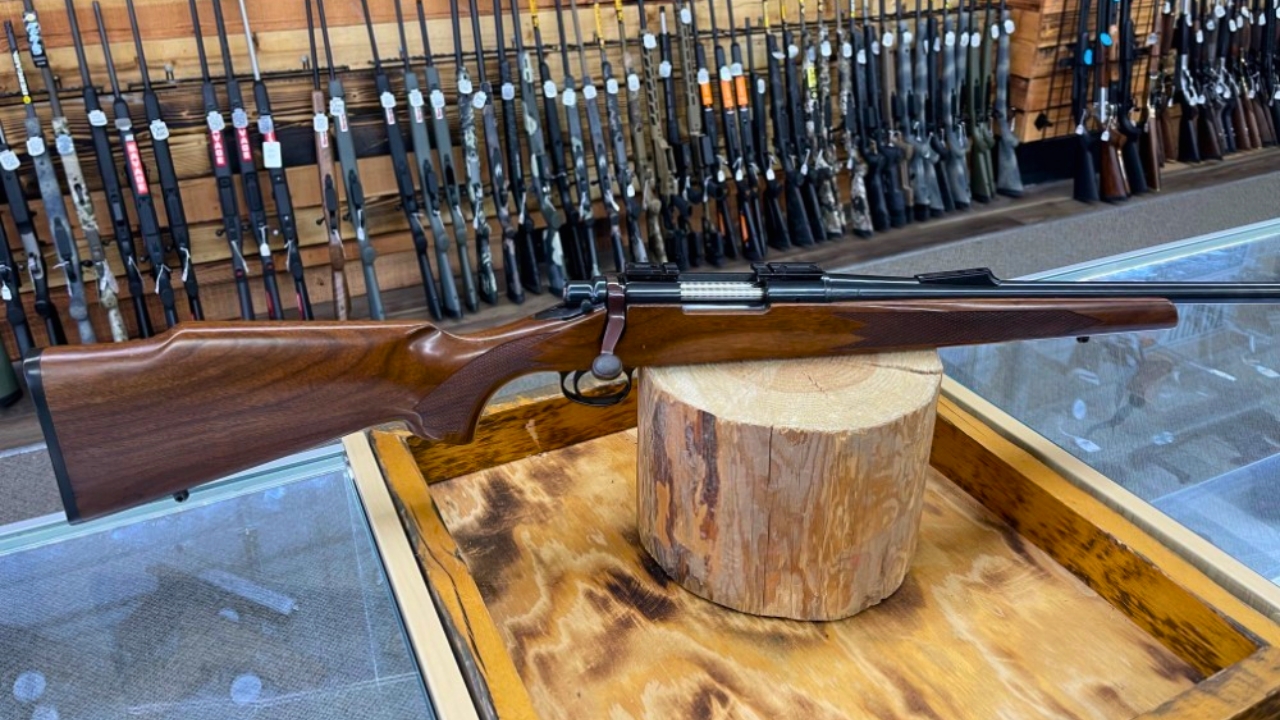
The Remington Model 700 earned its reputation by becoming one of the standard American bolt-action rifles. Hunters, target shooters, police marksmen, and custom rifle builders all found uses for it. That kind of reach doesn’t happen by accident. The basic action design proved accurate, adaptable, and easy to build around.
For hunters, the appeal is simple. A good Model 700 shoots well, carries well depending on configuration, and has more aftermarket support than almost anything else in its class. Triggers, stocks, barrels, bases, and accessories are everywhere. Some production eras are better than others, so condition and specific model matter. But as a rifle family, the 700 is still one of those names that doesn’t need much explanation.
Marlin 336

The Marlin 336 is the rifle a lot of hunters picture when someone says “deer rifle” and means thick woods. It’s a side-ejecting lever-action, usually chambered in .30-30 Winchester, with enough power for deer at realistic brush-country distances and enough handiness to carry all day.
One reason the 336 stayed loved is that it takes a scope better than top-eject lever guns. That made it practical for hunters whose eyes needed help or who wanted a little more precision without giving up lever-action handling. It’s not a long-range rifle, and it doesn’t pretend to be. It’s a useful, familiar, honest hunting rifle. That’s why so many people still stop when they see a clean one on the rack.
Ruger 77/22

The Ruger 77/22 has the feel of a real centerfire rifle scaled down for rimfire work. That’s part of why owners like it. It doesn’t feel like a cheap plinker or a disposable trainer. It feels like a proper little bolt-action that happens to shoot .22 LR, .22 Magnum, or .17-caliber rimfire chamberings depending on the model.
For small-game hunting and serious rimfire practice, that matters. The rotary magazine sits flush, the action feels familiar, and the rifle carries well in the field. Some examples shoot better than others, but the overall concept is strong. The 77/22 has enough quality and personality that people tend to hang onto them. It’s the kind of rimfire that makes cheap .22s feel like they’re missing something.
Browning BAR
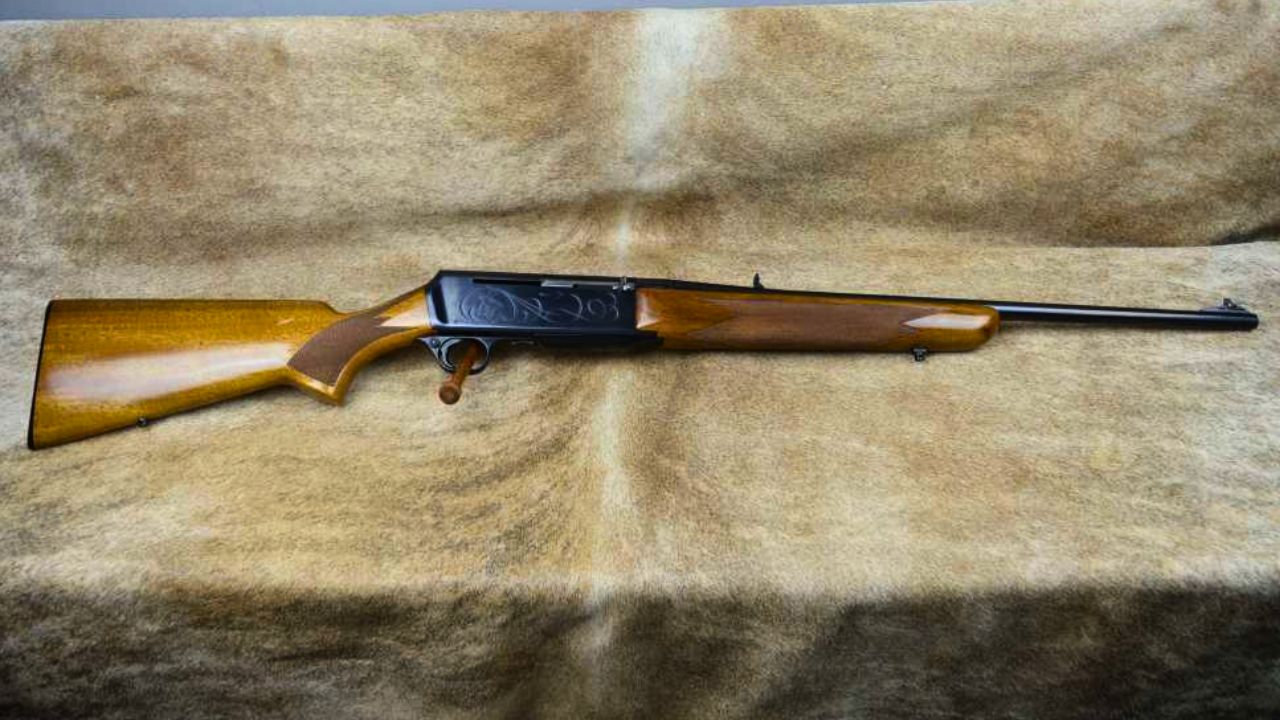
The Browning BAR doesn’t need much explaining to hunters who like semi-auto hunting rifles. It gives you quick follow-up shots in a package that still feels like a sporting rifle. That matters in places where deer move fast, hogs show up in groups, or thick cover gives you only a few seconds to make things happen.
The BAR has been chambered in serious hunting rounds and has earned trust with hunters who want more speed than a bolt-action without stepping into tactical-looking rifles. It’s not the lightest setup, and magazines are something to keep track of, but the rifle has a solid field reputation. A good BAR feels smooth, steady, and made for hunting. That’s why it still gets respect.
Savage Model 99
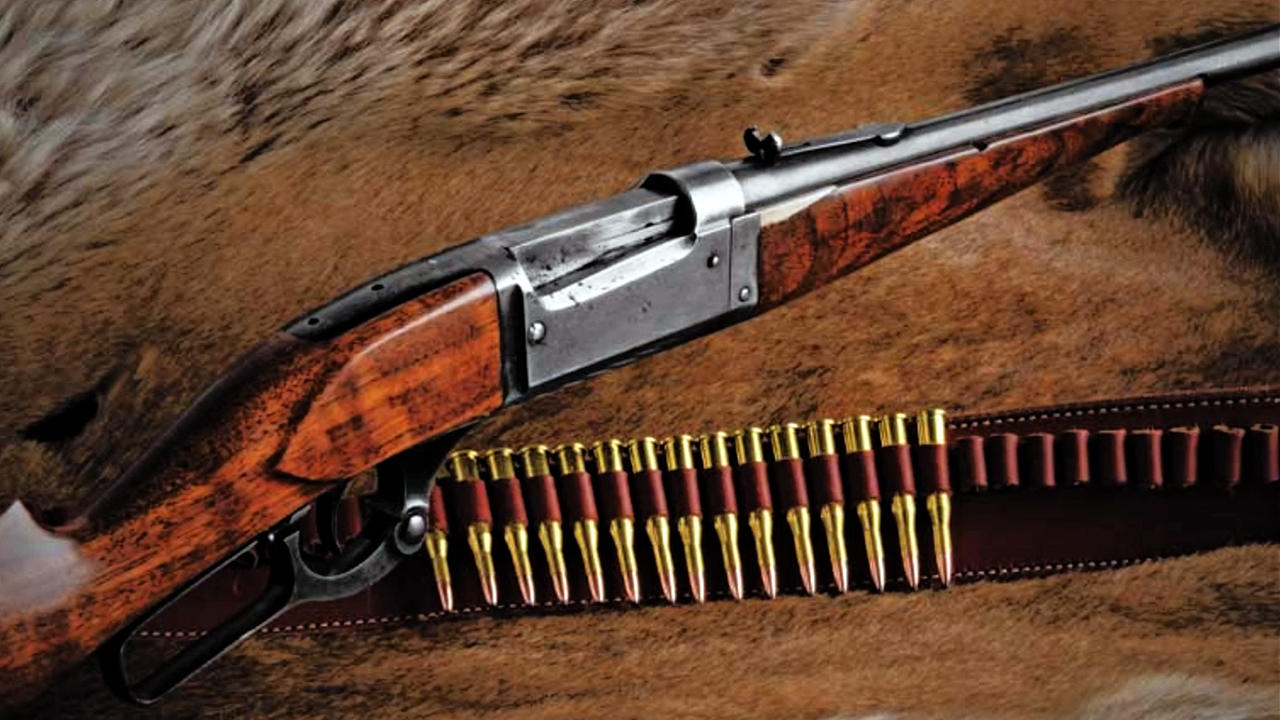
The Savage Model 99 is one of those rifles that made more sense than people sometimes gave it credit for. It offered lever-action handling with a rotary magazine design that allowed pointed bullets in many versions. That gave hunters more ballistic flexibility than traditional tube-fed lever guns.
It also just carries well. The 99 feels lively in the hands and has enough mechanical personality to stand apart from ordinary deer rifles. Chamberings like .300 Savage, .250-3000 Savage, and .308 Winchester helped it build a serious hunting record. It’s no longer the bargain it once was, and clean examples get plenty of attention now. But the reason is simple: it was a smart rifle long before everyone started calling it one.
Ruger Mini-30
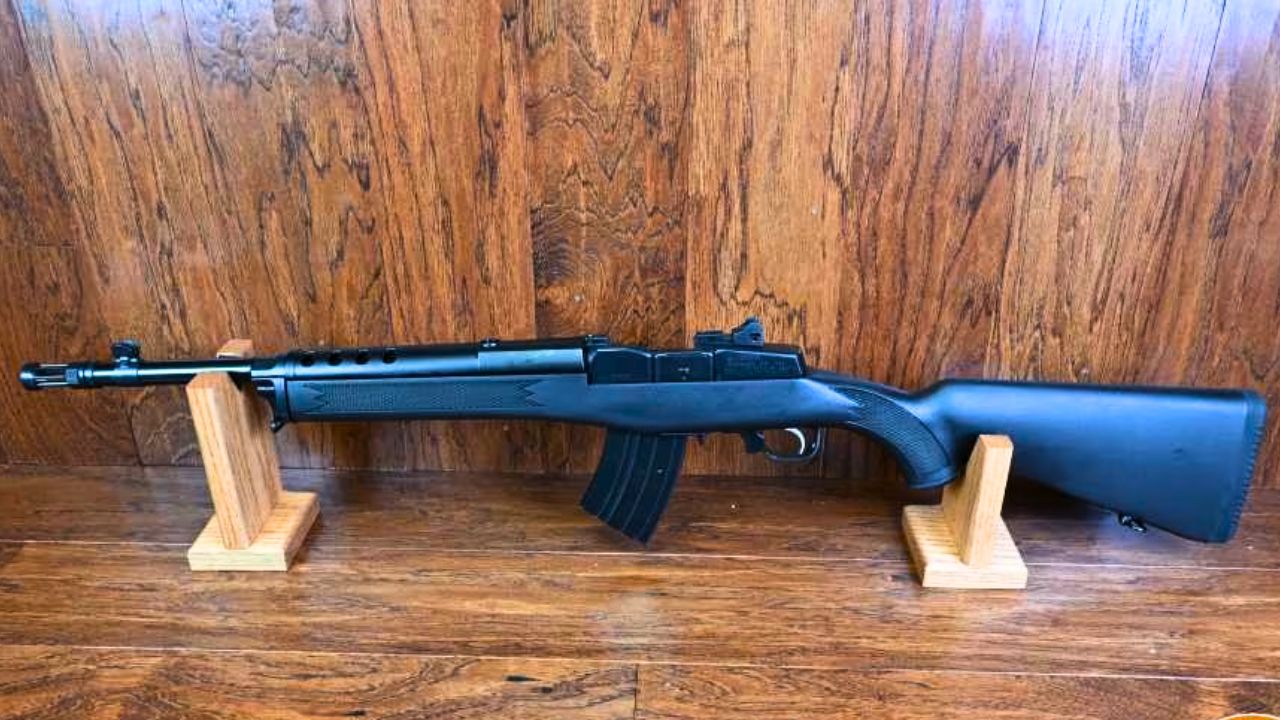
The Ruger Mini-30 is easy to understand if you stop trying to make it something it isn’t. It’s not a precision rifle, and it’s not an AK replacement. It’s a handy semi-auto ranch-style rifle chambered in 7.62x39mm, with enough punch for short-range hunting and utility work where legal and appropriate.
The rifle’s appeal is its handling. It feels familiar to anyone who likes the Mini-14 pattern, but it brings a heavier bullet and a different personality. For hogs, varmints, pests, and general ranch use, the Mini-30 has a lane. Magazine quality and ammunition choice matter, especially with older rifles, but a good one fills a practical role. That’s why owners who understand it tend to keep it.
Sako Finnlight
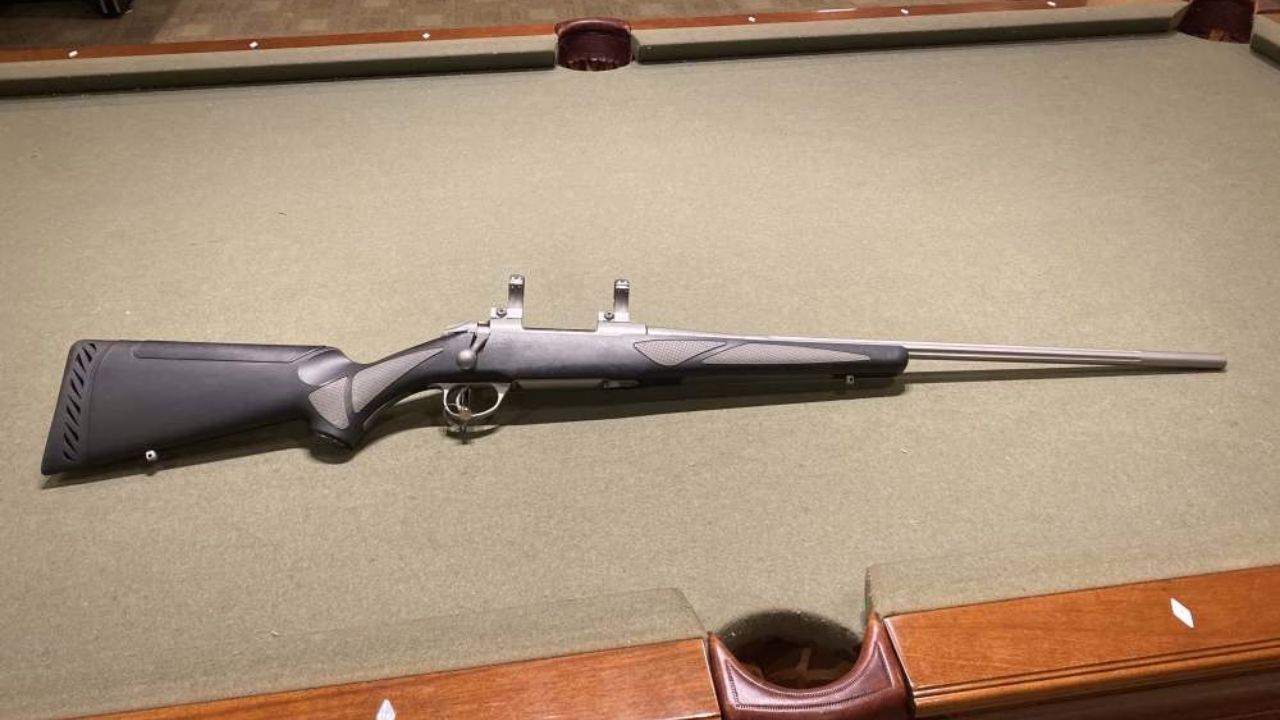
The Sako Finnlight is not one of those rifles that needs defending once you handle it. It’s light, smooth, accurate, and built with a level of refinement that hunters notice fast. Sako has long had a reputation for making rifles that feel better than average, and the Finnlight carries that reputation into a mountain-friendly package.
What makes it an old favorite for many hunters is the way it balances serious quality with practical carry weight. It doesn’t feel like a cheap rifle that got shaved down. It feels like a good rifle made lighter on purpose. The action is smooth, the trigger is strong, and the accuracy reputation is real. For hunters who walk a lot, that combination explains itself.
Winchester Model 52 Sporter
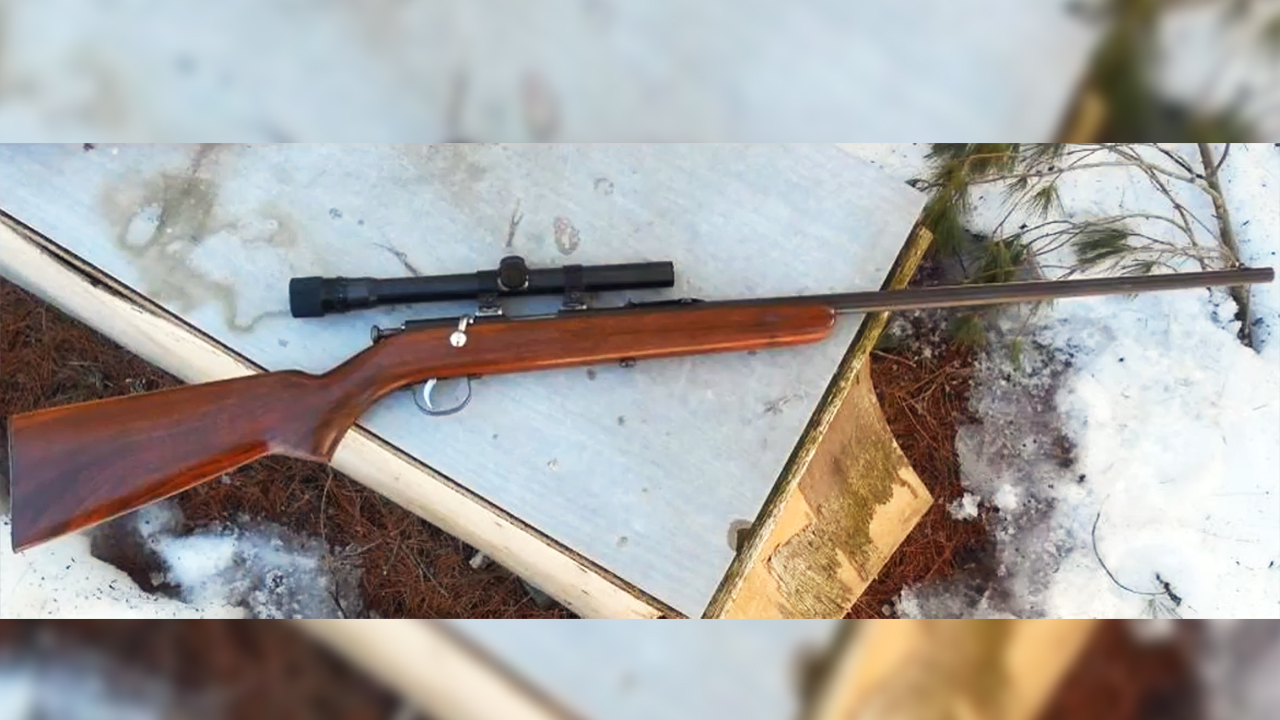
The Winchester Model 52 Sporter is one of those rimfire rifles that people understand the second they realize what it is. The target-grade Model 52 already had a strong reputation, and the sporter versions brought that quality into a field-friendly .22. They were never ordinary plinkers.
A good Model 52 Sporter has balance, accuracy, and old Winchester quality that modern rimfires often struggle to match. It feels grown-up, not like a cheap training rifle. Small-game hunters and rimfire fans appreciate that because a great .22 tends to get used for a lifetime. These rifles are collectible now, but the appeal is not just collector talk. They shoot and handle like special rimfires.
Remington Model 7600
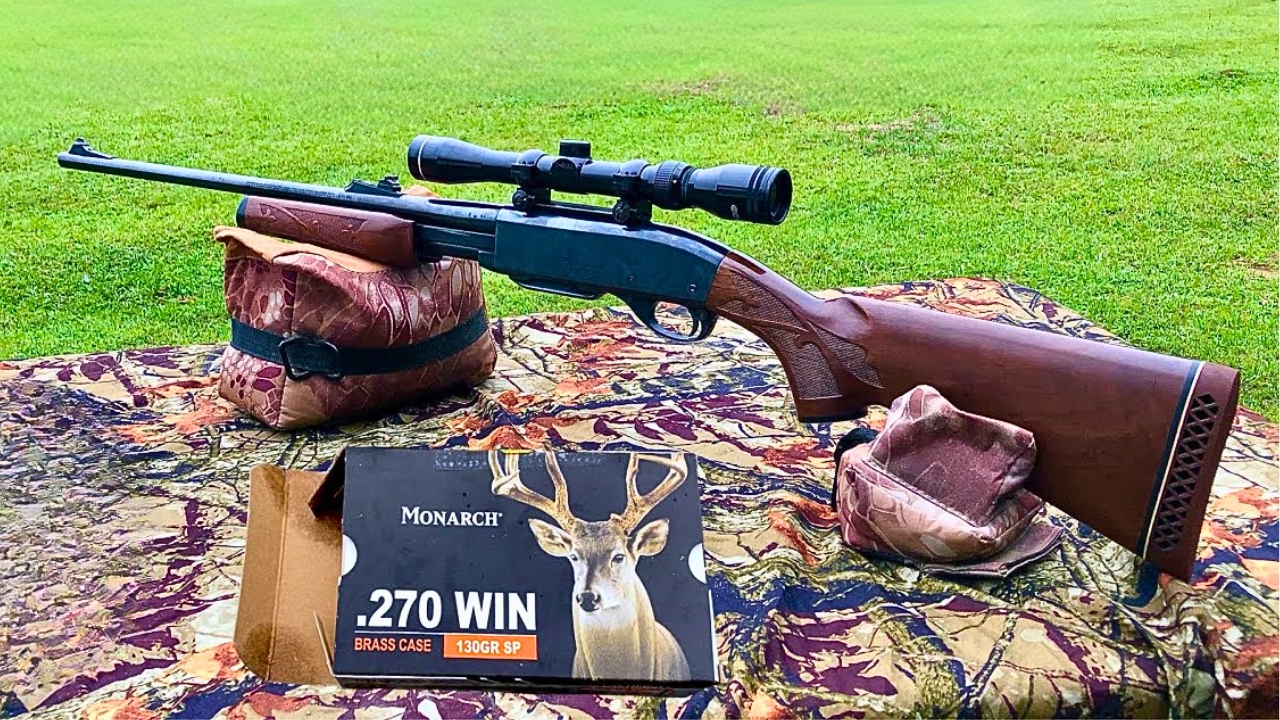
The Remington Model 7600 has always made perfect sense in certain deer woods. If you grew up around pump shotguns, the 7600’s handling feels familiar. You can cycle it fast, keep your cheek on the stock, and get back on target quickly when a deer is moving through timber.
It doesn’t need to outshoot every bolt-action from a bench to justify itself. Its value is in the field. Chambered in rounds like .30-06, .308 Winchester, and .270 Winchester, it gives hunters real rifle power with fast follow-up capability. In areas where deer drives and quick shots are common, the 7600 earned its following honestly. Hunters who like them usually don’t need much convincing.
CZ 550 American

The CZ 550 American brought old-school controlled-round-feed confidence into a sporting rifle that appealed to hunters who still liked walnut, steel, and serious actions. It was not the lightest rifle around, but it felt strong and dependable in a way many hunters appreciated.
The 550’s Mauser-style extractor, set trigger on many models, and solid build gave it a reputation beyond its price. It was offered in everything from standard deer cartridges to heavier big-game chamberings, and it handled those roles with authority. Newer rifles may be lighter or more modern-looking, but the CZ 550 has a loyal following because it feels like a real rifle. That doesn’t need much explaining.
Weatherby Mark V Deluxe

The Weatherby Mark V Deluxe is not subtle, and that’s part of the point. Glossy stock, high-polish finish, strong action, and Weatherby’s high-speed cartridge identity all give it a personality that stands apart from plain hunting rifles. You know what it is when you see it.
The Mark V Deluxe earned its reputation with hunters who wanted reach, power, and style in the same rifle. It’s not everyone’s taste, and it’s not the rifle you drag through every muddy ditch without a second thought. But it represents a particular kind of big-country hunting confidence. The strong action and Weatherby chamberings made it famous. The look made it unmistakable. Some rifles explain themselves just by being picked up.
Tikka T3 Hunter

The Tikka T3 Hunter has a simple appeal: it shoots well, cycles smoothly, and gives hunters a traditional wood-stocked option without getting overly fancy. Tikka rifles built their name on accuracy and smooth actions, and the Hunter version adds a warmer, more classic feel than the synthetic models.
It doesn’t need much sales talk because owners tend to do the talking for it. The bolt is slick, the trigger is good, and many rifles shoot factory loads extremely well. It may not have the old American deer-camp history of a Model 70 or 700, but it earned modern respect the right way. Hunters bought them, used them, and found they worked better than expected.
Henry Big Boy Steel

The Henry Big Boy Steel is easy to understand if you like pistol-caliber lever guns but don’t want something overly shiny or heavy. Compared with the brass-framed look Henry is known for, the steel version feels more like a working rifle. It’s strong, handy, and available in useful revolver cartridges like .357 Magnum, .44 Magnum, and .45 Colt.
For range use, woods carry, and close-range hunting where legal, the Big Boy Steel makes sense. It pairs well with a revolver, shoots pleasant loads for practice, and can step up with heavier loads depending on chambering. Lever guns don’t need to be complicated to be useful. This one proves that with a simple, sturdy design that owners tend to appreciate more the longer they use it.
Springfield M1A Standard
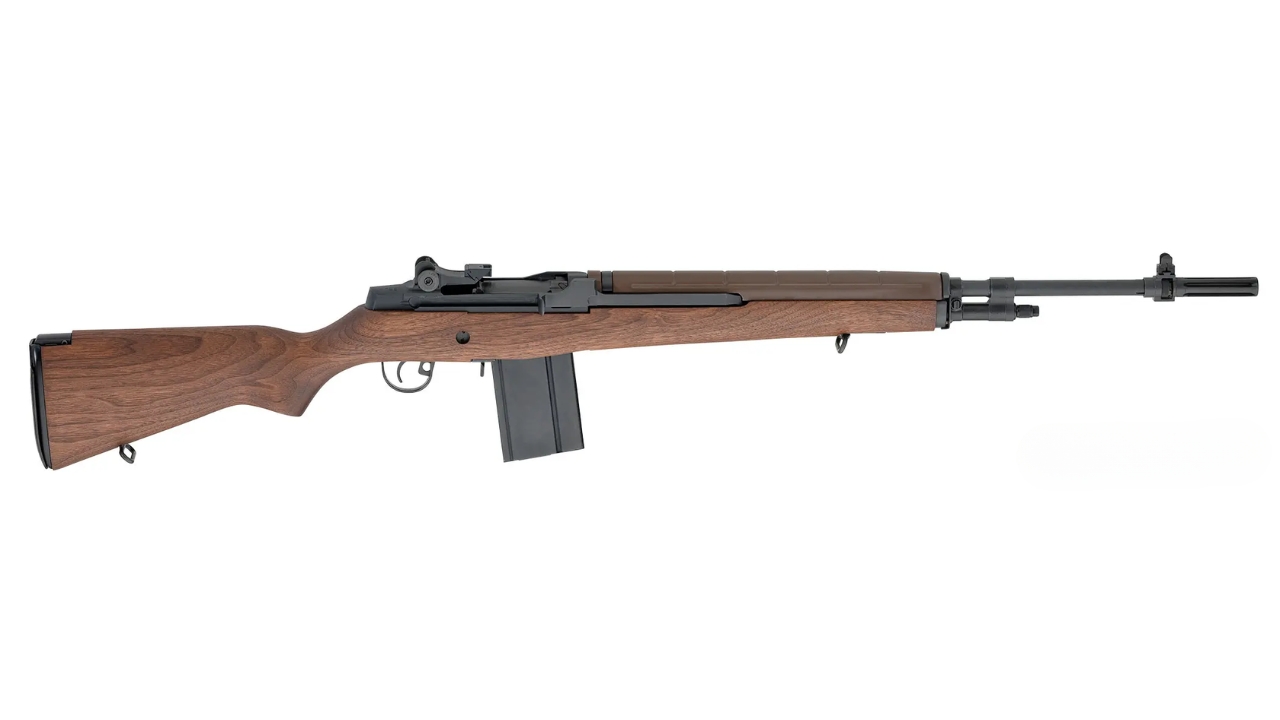
The Springfield M1A Standard has a reputation that comes from the M14 pattern and the shooters who still love traditional .308 semi-autos. It’s heavier than modern AR-10-style rifles in many setups, and it isn’t as easy to scope cleanly. None of that keeps it from having a loyal following.
The reason is feel. The M1A has a solid, old-school battle-rifle personality that modern rifles don’t always match. The sights are excellent, the action has history, and the rifle feels serious when you settle behind it. It is not the easiest answer for every practical role today, but it remains deeply satisfying for shooters who appreciate wood, steel, and .308 authority. Some rifles don’t need explaining because the first magazine does it for you.
Like The Avid Outdoorsman’s content? Subscribe to our newsletter so you never miss an article.
Here’s more from us: