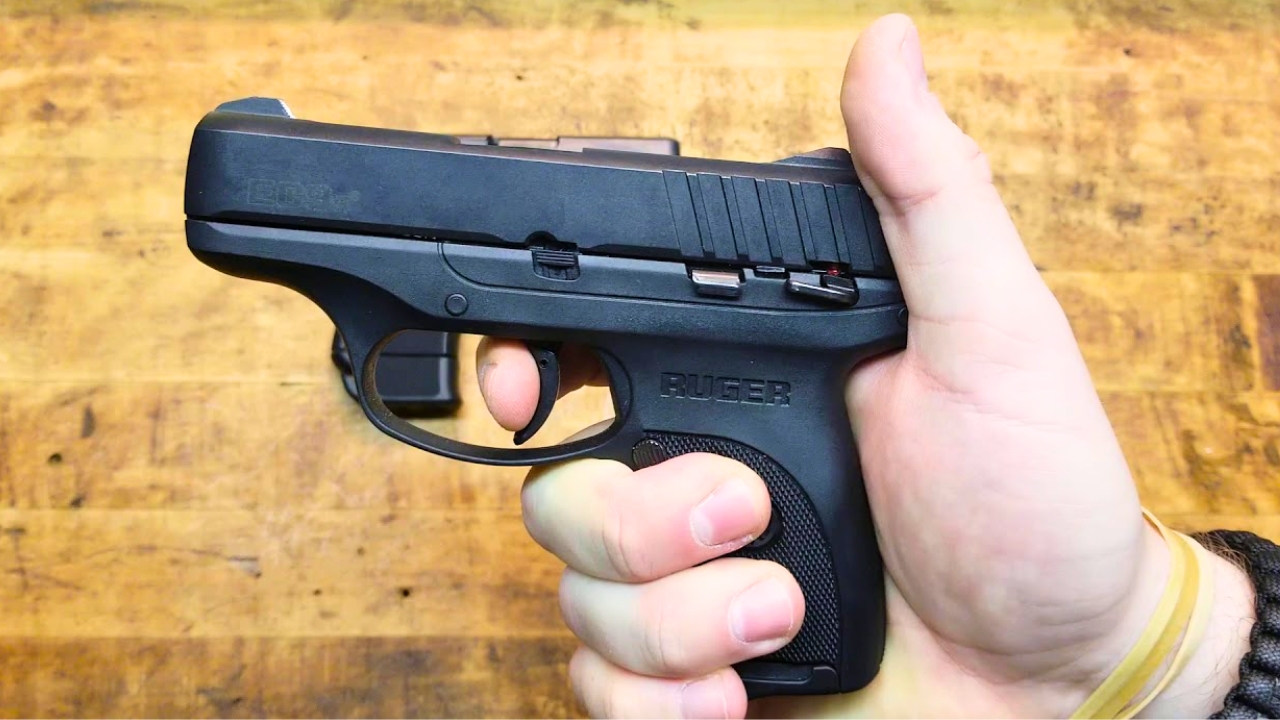
Photo credit: Terribly Tactical/YouTube
A hot market can make a lot of ordinary guns look smarter than they really are. When shelves are thin, panic buying kicks in, or one category suddenly gets trendy, buyers start paying inflated prices for firearms that were never built to be scarce, collectible, or especially insulated from supply catching back up. Then the rush eases, inventory returns, and the same guns that felt “hard to find” start looking like what they usually are: common, replaceable, and easy to undercut. That is when resale gets ugly in a hurry. The used-market gap on commodity guns like the Ruger AR-556, Maverick 88, and Ruger EC9s shows exactly how fast mainstream guns can trail their new-market sticker once demand cools and buyers have options again.
That does not make these bad firearms. A lot of them are perfectly serviceable. It only means they are poor places to park money if you think you can buy high during a rush and sell high after the excitement is gone. The guns that drop fastest are usually the ones built in big numbers, sold on price, and bought by people who were reacting to the moment more than choosing something they planned to keep for years.
Ruger AR-556

The Ruger AR-556 is a good example of a rifle that sells hard when the market gets nervous and then starts acting like a commodity again once the heat fades. That is not because the rifle is a failure. It is because the AR-15 market is crowded, price sensitive, and full of interchangeable options. When demand spikes, buyers will pay more for a recognizable name and a rifle they can grab right now. When that pressure eases, the same buyer suddenly has a pile of similar rifles to choose from, and that works against resale.
That is why these rifles often feel stronger at the register than they do on the used rack. The AR-556 still makes sense as a working rifle, but it does not have the scarcity, collector pull, or niche identity that keeps values insulated. Once the market cools, it gets judged against a long list of other entry-level ARs, and that tends to flatten resale in a hurry.
Diamondback DB15

The DB15 shows what happens when a budget-friendly AR platform runs straight into a crowded used market. On paper, it gives buyers a familiar format and a lower barrier to entry, which is exactly why it moves when buyers are rushing to get any decent AR they can find. But that same low-to-mid-tier position is what makes it vulnerable later. When the shelves refill, buyers start comparing price first, and the DB15 ends up fighting against newer promos, store bundles, and plenty of other rifles doing the same job.
That makes resale harder than many owners expect. The rifle can still serve you well, but the market treats it like a highly replaceable product, not a sought-after one. If you bought during a tight window, the price you paid may reflect urgency more than lasting value. Once that urgency disappears, the used side usually gets less forgiving.
Palmetto State Armory PA-15

The PA-15 is another rifle that can look stronger in a hot market than it really is over time. PSA moves a lot of rifles, and that large-volume approach is great for getting functional ARs into people’s hands. It is less helpful when you go to sell one after demand cools. In a rush, buyers may pay up because the rifle is available and familiar. Later, that same volume means there are plenty of them floating around, and used buyers know it.
That is the basic problem with mass-produced value rifles: they are easy to replace. The PA-15 still has a place as a practical shooter, but it does not enjoy the kind of scarcity that props up resale. Once the market becomes calm and price shopping takes over again, these rifles usually get pulled back toward “value gun” pricing whether the seller likes it or not.
Taurus G3C

The Taurus G3C makes plenty of sense for buyers who want an affordable carry-size pistol, but that same affordability is why it can flatten quickly on the used side. In a strong market, a low-cost, easy-to-find 9mm with decent features can move fast because people want something now and do not want to spend much. Once the pressure eases, though, buyers become pickier. They compare it against brand-new sale-priced pistols, used trade-ins, and newer carry guns with more cachet.
That leaves the G3C in a tough resale lane. It is not expensive enough to feel premium, not scarce enough to feel collectible, and not specialized enough to escape direct comparison. A pistol like this can be a smart buy for use, but it is a weak hold if you think the money is coming back cleanly once the panic premium disappears.
SCCY CPX-2

The CPX-2 is almost the definition of a gun bought for immediate utility rather than long-term value. When people are buying on price, fear, or urgency, ultra-budget carry pistols move because the barrier to entry is low and the purchase feels easy to justify. But those same traits can hurt badly later. Once the market cools, the used buyer sees a pistol that was already inexpensive to begin with, and that leaves very little room for the seller to recover much money.
That is why these guns can feel like they lose value almost on the drive home. A cheap pistol can still serve a purpose, but low entry price, heavy competition, and limited collector interest make resale unforgiving. If you bought one because you needed a carry gun fast, that is one thing. If you bought one thinking demand would protect your money, that was probably the wrong read.
Ruger EC9s

The EC9s sits in the same broad lane as many budget carry pistols: useful, compact, and easy to justify when money is tight or demand gets weird. That is exactly why it can lose steam fast once buyers calm down. A pistol like this is bought on practicality, not rarity. When the market normalizes, used buyers start asking the hardest question in the room: “Why would I pay close to used money when brand-new ones still are not that expensive?” That is a tough place for any resale listing to live.
The EC9s remains a workable carry pistol, but it is not insulated by prestige, scarcity, or some special niche. It lives in a crowded space where price matters more than story. That means once the buying surge ends, the used side often gets dragged back down quickly, even if the gun itself is still doing exactly what it was designed to do.
Springfield XD-S Mod.2

Thin, single-stack carry pistols like the XD-S Mod.2 had a moment when slim concealment guns felt like the answer to everything. The problem is that markets move on. Once newer carry formats show up, and once buyers stop shopping in a hurry, yesterday’s practical carry gun often starts looking like an older solution in a category that does not forgive age well. The XD-S Mod.2 still has solid real-world utility, but the used market can be harsh when a pistol is caught between “still useful” and “not the hot thing anymore.”
That is why the value can feel softer than owners expect. Slim carry pistols that were bought mainly for function often do not build lasting collector pull. Once the rush passes, buyers become very price sensitive, and pistols like this start getting judged against a newer crop of carry guns instead of against the panic that inflated them in the first place.
Springfield XD Mod.2
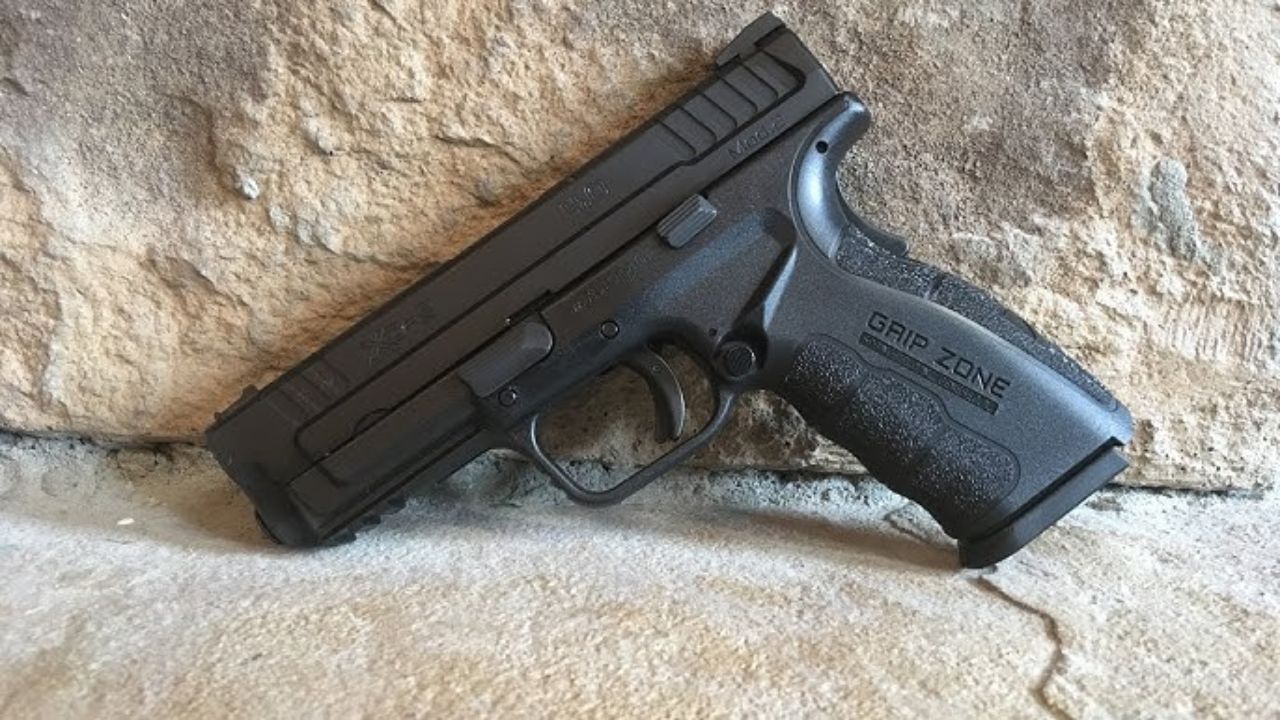
The full-size or compact XD Mod.2 has a slightly different problem than the XD-S, but it lands in the same place. It is a competent polymer pistol living in one of the most brutally competitive categories in the firearm world. During a strong market, “good enough and available” can push a gun like this along fast. Once things cool down, though, availability stops being a selling point and comparison becomes the whole game. That is where resale starts feeling less kind.
In a calmer market, buyers can shop across more brands, more variants, and more generations of similar striker-fired guns. That makes older mainstream polymer pistols feel ordinary very quickly. The XD Mod.2 still works as a practical handgun, but practical is not the same as value-protected. Once urgency leaves the room, these guns often get priced like interchangeable tools, not like must-have models.
Mossberg Maverick 88

The Maverick 88 is one of the clearest reminders that resale and usefulness are two different things. As a low-cost pump shotgun, it is one of the easiest guns in the country to buy during a rush because people know what it is and know it will do the job. That makes it move fast when demand spikes. It also means the market gets flooded with them. Once the panic cools, the same shotgun that felt like a must-have starts looking like one of the most replaceable long guns on the shelf.
That is why sellers often get a reality check. Budget pump guns do not need to be bad to lose value fast. They only need to be common. The Maverick 88 remains a smart utility gun, but when buyers have time to shop, they tend to treat it like exactly what it is: a basic, widely available shotgun with very little reason to pay extra on the used side.
Panzer M4-style imports

Turkish tactical-style shotguns, including Panzer-branded imports, are another category that can get soft in a hurry when the market steadies out. In a hot cycle, anything that looks like a defensive semi-auto and lands below the price of a premium name can move because buyers are chasing the format first. Later, once shelves are fuller and comparison shopping returns, brand confidence and long-term reputation matter a lot more. That is where these guns can start giving ground fast on resale.
The issue is not only price. It is replaceability and buyer caution. When the rush fades, many shoppers would rather spend carefully on a known platform or pay less for a used import than pay close to retail for one. That dynamic can make resale fall harder than owners expect, especially if they bought because the style was hot at the time.
KelTec Sub-2000

The Sub-2000 is a smart little utility carbine in the right role, but it is also the kind of gun that can swing on trend appeal. When compact storage, backpack carry, or magazine-sharing carbines get a burst of attention, a folding PCC like this can feel more valuable than its long-term resale really supports. Once that attention settles, the used market tends to go back to basics: what else could the buyer get for similar money, and how many of these are already out there?
That is where the value gap shows up. The Sub-2000 still fills a useful niche, but it is not protected by collector demand, and it does not live in a category where buyers feel forced to pay up once the excitement is gone. Trend-driven utility guns can be fun to own, but they often stop looking “special” the second the market starts acting rational again.
Remington 783

The Remington 783 is a classic example of the budget hunting rifle that gets bought because it is affordable and serviceable, not because anyone expects it to become a prized used-gun darling. That makes it fine as a field tool and less attractive as a resale hold. In a hot market, even lower-priced bolt guns can see stronger demand because buyers want anything usable before season or before shelves thin out. When the market cools, that urgency leaves, and the used value starts getting dragged back toward its bargain roots.
That does not mean the 783 cannot shoot or hunt well. It means its market identity stays tied to value first. Budget bolt guns live in a space where buyers watch every dollar, and that makes resale tougher than many owners hope. If a gun is easy to replace with another affordable rifle, the used listing usually feels that pressure fast.
Mossberg Patriot

The Mossberg Patriot lives in much the same lane. It is a practical deer rifle, not a collector piece, and that matters the moment you try to sell one after the market has settled down. In a stronger buying cycle, a reasonably priced bolt gun with a familiar name can look very attractive. After the rush, buyers stop chasing “available and good enough” and start comparing every used rifle against new sales, combo deals, and whatever else the big-box stores are pushing. That can soften resale quickly.
The Patriot can still make perfect sense as a hunting tool. The problem is that the market often treats rifles like this as easily replaceable. They are bought for utility, and utility guns usually do not hold inflated prices once supply normalizes. When the excitement fades, the asking price tends to come back down toward plain old hunting-rifle math.
Glock 43

The Glock 43 is a good example of a pistol that can look stronger during a hot carry-gun market than it does once buyers settle down. It is a recognizable name in a very crowded concealed-carry category, and that helps when people are buying fast. But the used-value spread shows how quickly that heat can fade. True Gun Value currently lists the Glock 43 at about $545.71 new and $372.87 used, which is a pretty sharp drop for a pistol that still sells on reputation.
That does not mean the gun is weak. It means the category is ruthless. Slim carry pistols get compared hard, and once the market cools, buyers start asking whether they should pay used money for an older single-stack design when newer, higher-capacity options are everywhere. That kind of comparison drags resale down fast.
Smith & Wesson SD9 VE
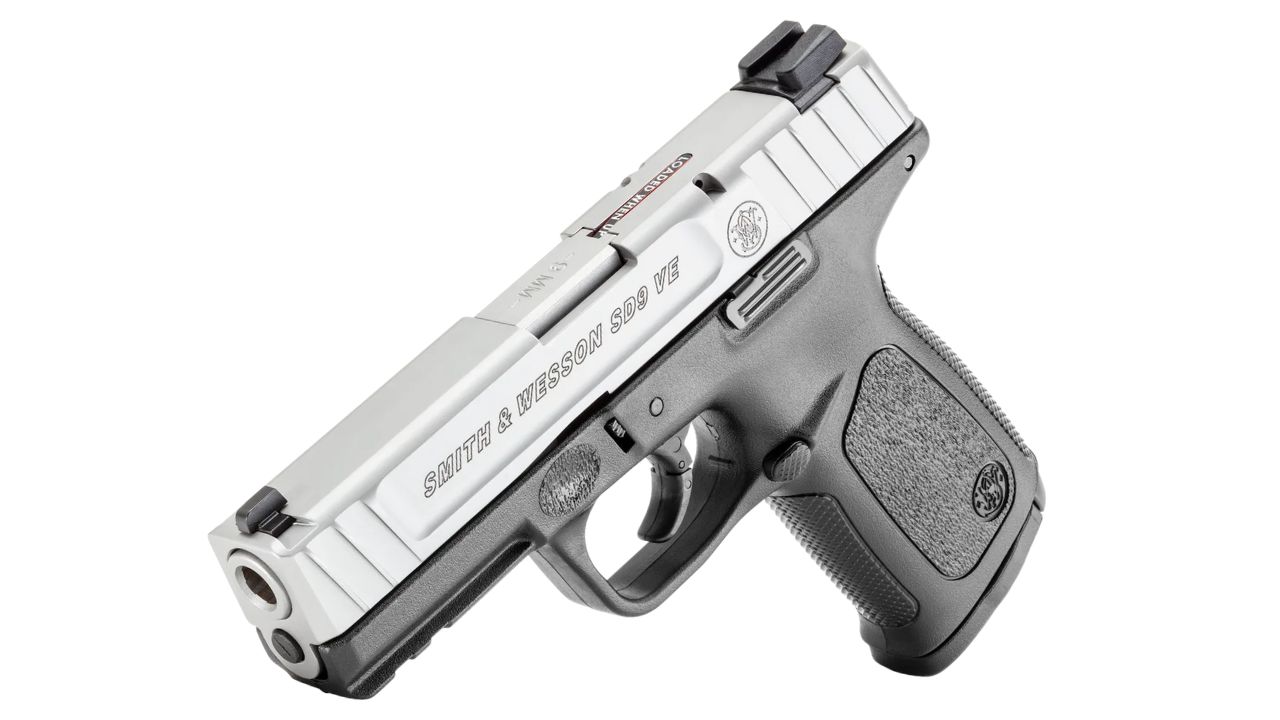
The SD9 VE fits this list because it has always lived in the “budget-minded, practical” lane, and that lane rarely protects resale once urgency leaves the room. True Gun Value currently shows the SD9 VE at about $239.92 new and $169.72 used. That gap tells the story pretty clearly. When the market is hot, buyers will snap up affordable, recognizable 9mms. When things cool off, the same pistol gets judged as a low-cost commodity again.
That is why these pistols can feel like they lose value almost immediately. The SD9 VE can still be a perfectly usable range or defensive gun, but it is not scarce, premium, or especially insulated from price shopping. Once buyers have time to compare, they usually push hard on price, and guns in this class feel that pressure first.
Taurus G2C

The Taurus G2C belongs here for the same reason a lot of low-cost carry pistols do: it sells on accessibility, not on long-term value retention. True Gun Value currently lists the G2C at about $212.22 new and $140.55 used, and it notes the used value has fallen over the past 12 months. That is exactly the kind of pattern you see when the market stops buying emotionally and goes back to treating a gun like a price-sensitive everyday product.
A pistol like this can still make sense if you bought it to carry and use. The problem comes when people expect demand spikes to hold up resale. Once shelves are normal and buyers can shop around again, the G2C gets compared against every other budget carry gun on the wall. That usually pulls the used price down quickly.
Like The Avid Outdoorsman’s content? Subscribe to our newsletter so you never miss an article.
Here’s more from us: