Photo credit: The Avid Outdoorsman
The hunter knew he was tired.
That is the part that makes the whole thing feel preventable and completely understandable at the same time. He had worked all night, which already puts a man behind before the hunt even starts. But deer season does not wait for perfect sleep, and when you have a chance to get in the stand, it is hard to talk yourself out of going.
So he went.
In a Reddit thread, hunters were talking about things they know they should not do while hunting, and one story involved a hunter who fell asleep for about 10 minutes after working all night. That short nap would not have mattered much if the woods had stayed quiet.
It did not.
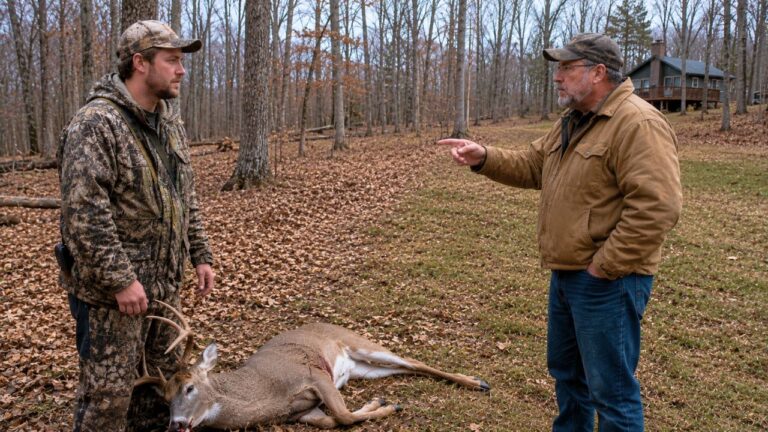
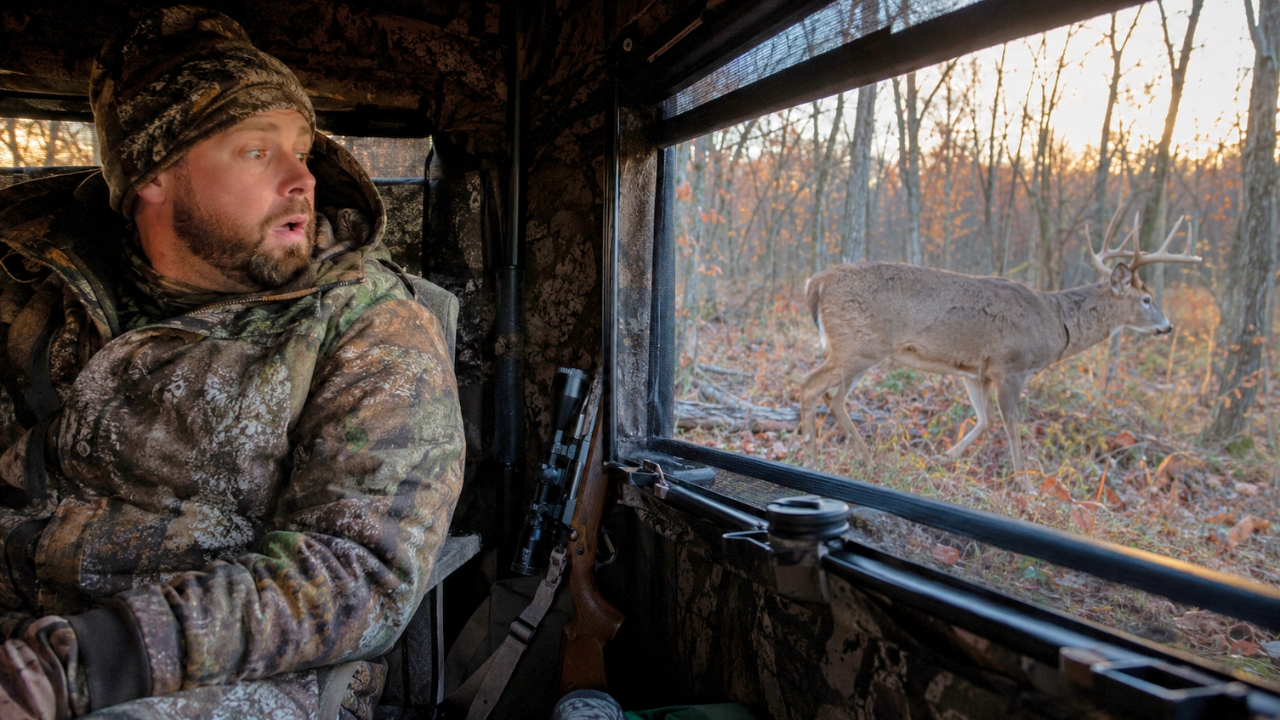
He woke up as a massive buck was passing through his shooting window.
That is one of the worst ways to come back to consciousness. Not slowly. Not peacefully. Not with time to blink, stretch, and get your bearings. You open your eyes and realize the exact thing you came for is already happening, and you are late to your own hunt.
A buck in the shooting window does not wait for a man to reboot.
That is what makes falling asleep in the stand so brutal. You can sit for hours seeing nothing. You can fight boredom, cold, wind, and every squirrel in the county. Then the one moment that matters may last 10 or 20 seconds. If you are asleep for those seconds, it does not matter how good your spot was or how much you wanted it.
The buck keeps walking.
The hunter probably had that awful half-awake rush where his brain saw deer before the rest of his body was ready. Your eyes register antlers. Your hand reaches for the rifle or bow. Your mind tries to process distance, angle, safety, and whether the deer is still in the lane. But sleep fog is not a good shooting partner.
By the time he fully understood what was happening, the opportunity was likely slipping away.
That is a rough lesson because ten minutes sounds so small. It is not like he slept the whole morning. It was a quick doze. A blink that turned into a nap. But deer movement does not care how short the nap was. If the wrong ten minutes get away from you, they can take the best deer of the season with them.
The working-all-night detail matters too. A lot of hunters squeeze hunts around real life. Night shifts, overtime, family responsibilities, long drives, early alarms, and short sleep are all part of it. Hunting can be one of the few things a person gets to do for himself, so skipping because you are tired feels like losing before you start.
But exhaustion changes the hunt.
It makes you colder. It makes you less patient. It makes you less alert. It makes you more likely to miss movement, rush a shot, forget gear, or make a safety mistake. Falling asleep is the funny version only if nothing dangerous happens. In a tree stand, deep sleep can be risky too, especially if someone is not wearing a harness properly or is sitting in a position where a sudden jerk awake could cause a fall.
That is the part people sometimes gloss over.
A nap in a box blind is one thing. Nodding off in a ladder stand or climber without the right safety setup is another. Fatigue does not only cost deer. It can create real danger. If you know you are running on fumes, the first question should be whether the setup is safe enough to hunt tired in the first place.
For this hunter, the immediate consequence was missing or nearly missing a massive buck.
And that is painful enough.
You can imagine him replaying it afterward. What if he had stayed awake five more minutes? What if he had stood up? What if he had skipped the hunt and gone later when rested? What if he had set a quiet timer? What if he had moved to a blind where he could nap safely and still watch better? What if he had not worked all night?
Those thoughts are useless after the deer is gone, but hunters are professionals at torturing themselves with them anyway.
The practical lesson is not “never hunt tired,” because plenty of people are going to do it anyway. The lesson is to plan around tired. Choose a safe stand. Wear the harness. Avoid sketchy climbs. Bring coffee or water. Eat something. Sit in a way that keeps you alert. Stand occasionally if safe. If you are too exhausted to stay awake or think clearly, maybe that morning is not worth forcing.
The woods will still be there.
But if you do go, understand that the deer may show up during the exact ten minutes your body steals back.
That is what happened here. The hunter worked all night, sat down, lost the fight against sleep for a few minutes, and woke up to the kind of buck that makes a man hate his own eyelids.
A massive buck passed through the shooting window.
The hunter was there.
He just was not awake enough when it counted.
Commenters understood the pain because almost every hunter has battled sleep in the stand at some point.
Several people said falling asleep after working all night is completely understandable, but that does not make it any less frustrating when a deer shows up during the nap. The woods has a way of waiting until the hunter relaxes or checks out for one minute.
Others pointed out the safety side. If someone is hunting from an elevated stand while exhausted, a harness and secure setup matter even more. Missing a deer is bad. Falling out of a stand because you nodded off is much worse.
A lot of hunters joked that deer seem to know when you are asleep, eating, looking at your phone, or digging in your pack. The timing feels personal even when it is just bad luck.
Some commenters said they plan tired hunts differently. A ground blind, box blind, shorter sit, or safer setup can make more sense after a night shift than trying to stay sharp in a stand while running on no sleep.
The main lesson was simple: fatigue changes the hunt. If you are going to hunt tired, plan for it before the buck walks through the one window you slept through.