Photo credit: guruXOX/Shutterstock.com
On paper, a lot of handgun calibers look like the answer to everything. More energy. More “stopping power.” Flatter trajectory. Better barrier performance. The problem is that paper doesn’t measure what happens when you’re trying to run a pistol fast, keep the sights honest, and stack hits where they need to go.
Speed exposes recoil impulse, muzzle blast, grip size, and trigger habits. A caliber that feels fine for slow fire can turn into a mess when you start pushing splits and shooting on the move. None of these rounds are useless. Some are excellent in the right gun, with the right shooter, and the right purpose. But if your goal is fast, repeatable, fight-speed accuracy, these are the calibers that often sound perfect… until you actually start running them hard.
10mm Auto

10mm has a reputation that sells itself: real power, real penetration, and enough performance to make people feel covered for anything. The reality is that most shooters don’t live in the sweet spot where they can run it quickly without giving up control.
When you shoot 10mm fast, the recoil isn’t only “more.” It’s often sharper and more disruptive, especially in lighter guns. Your front sight lifts higher, returns less predictably, and your grip gets punished sooner. That’s where good shooters separate themselves, but it also means the average shooter’s second and third shots drift. If you’re honest about performance at speed, a lot of people end up slowing down to keep hits acceptable, which defeats the whole “more power” advantage.
.357 SIG

.357 SIG looks like a clean solution: high velocity, strong feeding, and a reputation for solid performance with duty-style bullets. Then you touch off a string fast and remember the part nobody puts on the box—blast and concussion.
The recoil itself can be manageable, but the snap and noise tend to make people blink, flinch, or rush the trigger. In shorter barrels, the muzzle blast gets obnoxious, and fast strings feel harsher than you expected. That matters because your body reacts to pressure and sound whether you want it to or not. When you’re trying to run a drill at pace, .357 SIG often turns into “louder .40 energy” with extra distraction. Some shooters do great with it, but many realize it’s harder to shoot well quickly than the numbers suggest.
.40 S&W

.40 S&W has been argued to death, but one thing is hard to deny: it can feel snappy in common duty-size pistols. It isn’t the heavy shove of a big slow round. It’s more like a quick pop that wants to twist the gun.
That twist shows up when you try to shoot fast. The sights lift and return, but not always in the same track, especially for shooters with a weaker support-hand clamp. You can absolutely run .40 well, but it usually takes more grip discipline than 9mm to get the same split times and hit consistency. A lot of people find they either slow down to keep groups tight, or they keep the speed and accept wider hits. On a timer, that tradeoff gets real.
.45 ACP

.45 ACP sounds perfect if you’re thinking in big-bore terms: heavier bullets, a broader wound channel, and a pushy recoil that feels “manageable.” In full-size pistols, it often is manageable. The catch shows up when you try to run it fast, especially in smaller carry guns.
At speed, .45 tends to eat time in transitions and follow-ups because the gun moves more. The sights rise, and the return can feel slower, which tempts you to slap the trigger early. Capacity can also become part of the equation—more frequent reloads, more management, more chances to lose rhythm in a drill. None of that makes .45 bad. It just means the “perfect on paper” story changes when you’re trying to keep fast hits in the A-zone. Many shooters end up realizing they shoot 9mm faster and cleaner.
.357 Magnum (especially snubs)

.357 Magnum has a tough-guy reputation and real performance. Out of a longer barrel, it can be a serious cartridge. Out of a short-barreled revolver, it’s a different animal—sharp recoil, heavy blast, and a muzzle rise that feels like it’s trying to leave the zip code.
When you shoot it fast in a snub, the gun moves so much that sight tracking becomes the whole fight. The blast can be punishing indoors or under a covered firing line, and the recoil can punish your grip to the point where your trigger control falls apart. Fast double-action work becomes an exercise in staying ahead of the gun, not refining the shot. That’s why so many experienced revolver people carry .38 +P in snubs and keep .357 for bigger guns. The caliber isn’t the issue. The package is.
.44 Magnum

.44 Magnum sounds like the answer when you want authority. Then you try to run it fast and the gun reminds you what it was built for: hunting and deliberate shooting, not quick strings and tight splits.
Even in a heavier revolver, .44 Magnum recoil is big enough to wreck your rhythm. The muzzle climbs, the grip shifts, and your recovery becomes slow unless you have excellent technique and real hand strength. In lighter or shorter guns, it’s even more dramatic. Fast follow-up shots often turn into hope-and-hang-on shooting, which is the opposite of what you want if you’re chasing practical accuracy under time. It’s a great cartridge for its intended role, but speed drills make it obvious that “more power” can cost you the thing that matters most: repeatable hits.
.454 Casull

.454 Casull is one of those rounds that makes sense in your head: deep penetration, big game capability, and a lot of authority in a handgun. Then you shoot it fast and realize you’re dealing with recoil that doesn’t forgive anything.
The impulse is violent enough that the gun can shift in your hands, and once that happens, your trigger reach and grip consistency change shot to shot. That’s when accuracy falls apart quickly. Even if you can handle it for a cylinder or two, shooting it fast usually means your hands fatigue and your follow-ups slow way down. The round does what it’s supposed to do, but it’s not built for speed. If your goal is fast, controlled hits, .454 often turns into a “one great shot” cartridge instead of a “fast string” cartridge, and that’s a different skill set.
.460 S&W Magnum

The .460 S&W Magnum looks like a ballistic flex: huge velocity, huge energy, and a handgun that can reach farther than it has any right to. The issue is that speed shooting turns into a survival exercise for your grip and your timing.
Even in heavy revolvers designed for it, the recoil and muzzle blast are intense. The gun lifts, your wrists absorb a lot, and your recovery time becomes measured in moments, not fractions of a second. On top of that, the concussion can rattle your focus, especially when you’re trying to run a drill clean. This isn’t a caliber meant for rapid strings. It’s meant for hunting and specialized use where you take your time and make the shot count. When you try to treat it like a “fast handgun,” it reminds you why it isn’t one.
.500 S&W Magnum

.500 S&W Magnum is the definition of “sounds perfect” for people who equate bigger with better. The problem is that fast shooting is where you learn the limits of human hands.
The recoil is massive, and even if you can fire it safely and accurately, running it quickly is a different story. The gun moves so much that you’re often waiting for it to settle back into something you can aim. Grip shift becomes a real issue, and if your hands aren’t placed perfectly, the revolver can punish you. That punishment changes how you shoot the next shot, which changes where it lands. The caliber does what it advertises, but it’s not built for speed. In practical terms, most shooters get one controlled shot, then spend time recovering. That’s not a “fast pistol” experience.
.50 Action Express
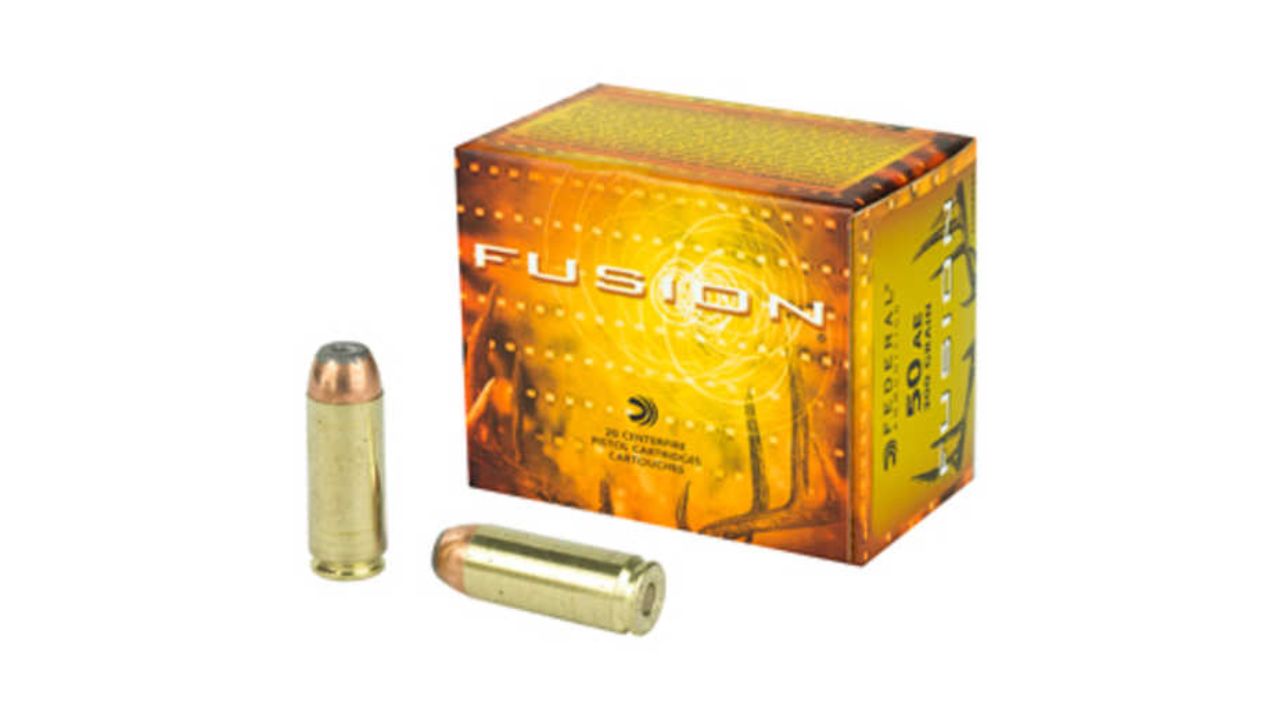
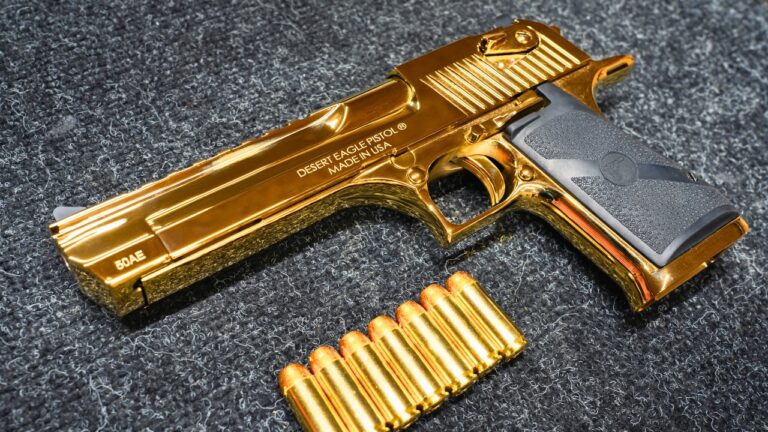
.50 AE has movie-star appeal and real power, and it’s not as uncontrollable as some people assume—depending on the gun. But when you try to shoot it fast, the weight and movement of the platform become the story.
Large .50 AE pistols are heavy, wide, and often awkward for average hands. That matters when you’re trying to drive the gun between targets and keep the trigger moving. The recoil can feel like a big push with a lot of muzzle rise, and the cycle impulse can disrupt your grip. Even if you can keep it on paper, the pace usually slows. Fast strings become slow strings with more noise. It’s a specialty round with a specialty platform, and speed shooting makes that obvious. If you want repeatable fast hits, most shooters realize they’re working harder than they need to.
.45 Colt (heavy loads in lightweight guns)
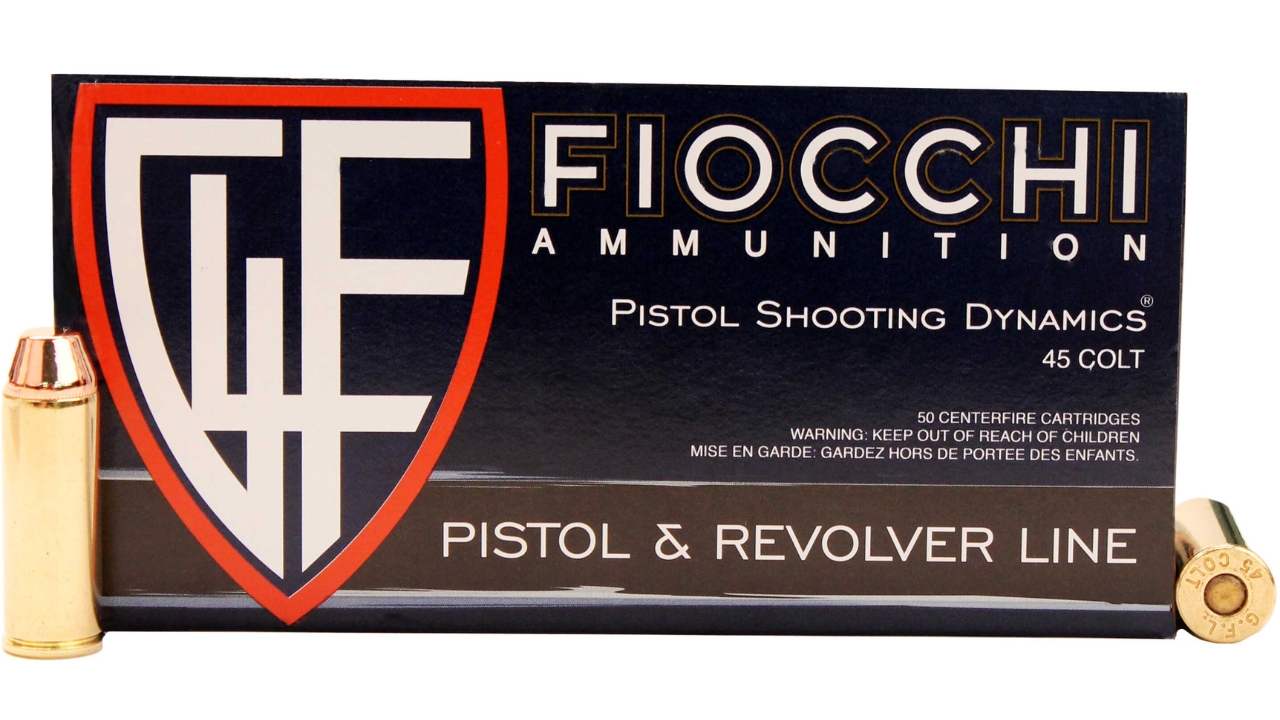
Standard-pressure .45 Colt can be pleasant, accurate, and effective. The “sounds perfect” version is when people start thinking about heavy hunting-style loads and assume they’ll still shoot like a soft old revolver round. In the wrong gun, that fantasy ends quickly.
When you push .45 Colt hard, recoil can jump from comfortable to punishing, especially in lighter revolvers. The gun rolls, the grip shifts, and your ability to run fast double-action work drops off fast. Follow-up shots start taking real time because you’re rebuilding your grip each shot. That’s not a knock on the caliber. It’s a reminder that load choice and gun weight matter. If you’re trying to shoot quickly and keep hits tight, .45 Colt is at its best when you keep it in its reasonable lane, not when you chase maximum numbers.
.41 Magnum

.41 Magnum has always had a loyal crowd because it’s a serious hunting revolver round without going full .44. It sounds like the smart middle ground. Then you run it fast and realize it still lives in the magnum world.
Recoil is substantial, and the gun’s movement makes fast sight recovery a skill, not a given. In double action, many shooters find their cadence breaks because they’re bracing for the hit instead of pressing smoothly. The blast is also real, especially in shorter barrels. The caliber is capable and effective, but speed shooting exposes the cost of magnum performance: slower follow-ups and quicker fatigue. If your goal is fast hits, you’ll usually do better with milder revolver loads that let you keep the trigger moving without your hands fighting the gun. .41 Magnum is built for power with purpose, not rapid strings.
.22 WMR (in handguns)
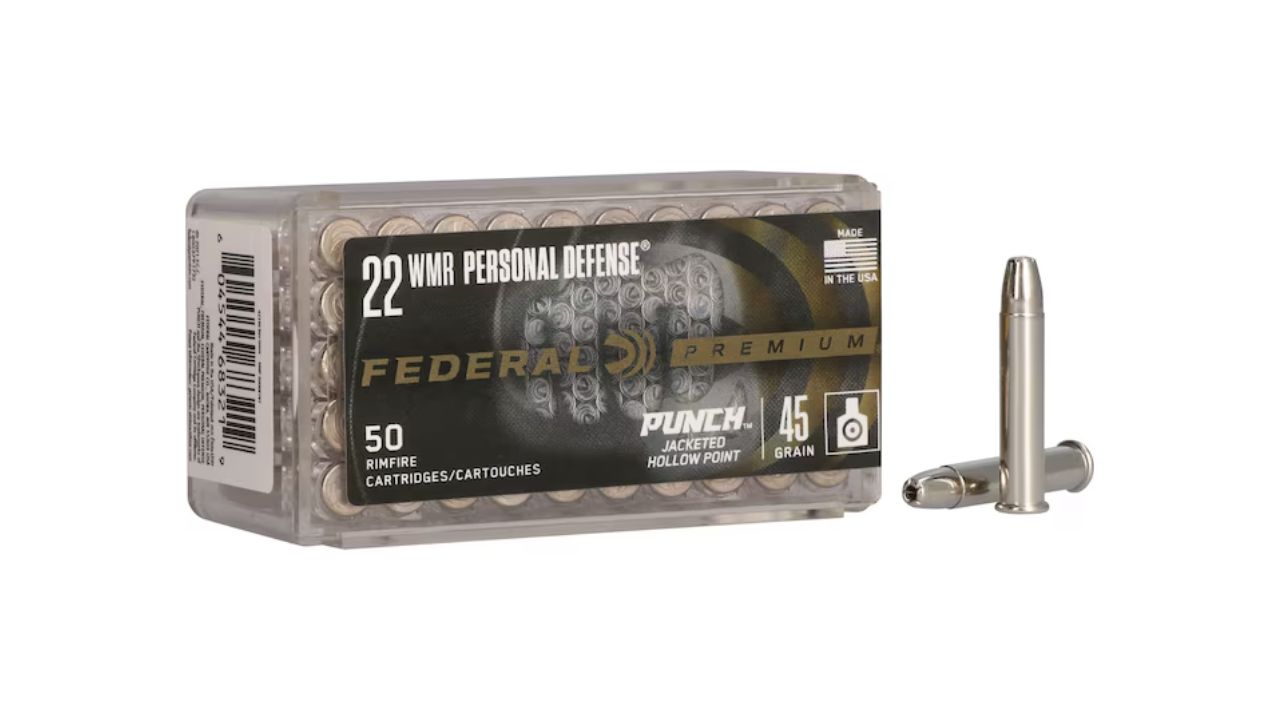
.22 WMR sounds like a clever cheat code: more speed than .22 LR, flatter shooting, and still low recoil. Then you start running it fast in a handgun and two realities show up—muzzle blast and rimfire behavior.
Out of short barrels, .22 WMR can be loud and flashy, and that can mess with your rhythm more than you’d expect from a “small” round. The other piece is that rimfire ignition is generally less consistent than centerfire, and while many guns run fine, the occasional hiccup matters more when you’re shooting quickly. Add in the fact that a lot of .22 WMR handguns are revolvers with slower reloads, and the “perfect fast shooter” idea loses steam. It can be fun and useful, but it doesn’t always deliver the smooth, fast, centerfire-like performance people imagine.
.380 ACP (in tiny pistols)
.380 ACP sounds perfect for fast shooting because it’s “smaller” than 9mm. The trick is that most .380s people carry are tiny, light pistols with short grips and minimal slide mass. That changes everything.
In a micro .380, recoil can feel sharp and snappy, not soft. The gun moves around in your hand, your grip is limited, and the sights are small. When you try to shoot fast, the pistol can outrun your ability to hold it still. That’s why you’ll see shooters drill a compact 9mm well, then struggle to keep a pocket .380 centered at speed. The caliber isn’t the whole story—the platform is. A bigger .380 can be very manageable, but the common carry versions are often the exact opposite of “easy fast shooting.”
.30 Carbine (in handguns)

.30 Carbine in a handgun is one of those things that sounds clever if you’re thinking about velocity and penetration. Then you shoot it fast and you learn the lesson immediately: blast matters as much as recoil.
In revolvers like the classic single-actions that chamber it, the muzzle flash and concussion can be intense, especially under indoor lighting or on a covered line. That blast can disrupt your focus and make you rush or flinch even if the recoil itself isn’t the worst on the list. The report is sharp, and it’s distracting in a way that slows your follow-ups and ruins consistency. It’s also a niche setup with its own quirks, which means you’re not benefiting from the broad support and refinement you get with mainstream defensive calibers. It’s interesting and capable, but speed shooting exposes how much “feel” matters when the timer is running.
Like The Avid Outdoorsman’s content? Be sure to follow us.
Here’s more from us: